REVIEW · PADSTOW
Padstow: Guided RIB Sealife Safari
Book on GetYourGuide →Operated by Padstow Sealife Safaris · Bookable on GetYourGuide
Wildlife shows up fast on this RIB ride. From Padstow you’ll zip out of the Camel Estuary toward the Atlantic, slowing down in the spots most likely to pay off. If you’re chasing close-up sea life, this is built for that.
I especially like two things: the RIB speed and maneuvering, which puts you in the right place quickly, and the way the crew turns sightings into a real learning moment, from seabirds to local coastal points. One thing to weigh carefully: it’s an open-top, bouncy boat ride, and conditions can be choppy—so if you’re prone to motion sickness, this may not be your best plan.
In This Review
- Key things to know before you go
- Where Padstow Sealife Safaris actually starts: meeting point and first gear up
- The Camel Estuary to open Atlantic: what the RIB ride feels like
- How the crew finds wildlife: slow-down zones and search patterns
- The photo-friendly moments: where you’ll pause to shoot
- Seasonal bonuses: guillemots, razorbills, and puffins in North Cornwall
- Possible coastal stops: Port Isaac and the view at Trevose Head
- What you’ll learn from the guide on the water
- Price and value: is $60 for 2 hours worth it?
- Comfort, safety, and who should skip this safari
- My call: should you book the Padstow RIB Sealife Safari?
- FAQ
- How long is the guided RIB Sealife Safari from Padstow?
- Where do I meet for the tour?
- Do you provide life jackets and waterproof clothing?
- What should I bring with me?
- Is seeing dolphins, seals, or whales guaranteed?
- What wildlife and seabirds might I see?
- Are drones, fishing, or feeding animals allowed?
- Is the group small?
- What is the cancellation policy?
Key things to know before you go
- Small group (up to 12): easier to spot wildlife and hear the guide without feeling rushed
- Open-top RIB fun with real spray: expect to get wet and feel some airtime over waves
- Wildlife is wild, not guaranteed: the crew searches hard, but sightings depend on sea and timing
- Seasonal chance for puffins: April to July brings nesting activity around guillemots and razorbills, with hopes for puffins
- Photo stops happen: you get moments to aim your camera before moving on
- Fast exit from Padstow: you cover about 25 miles of coast during the 2-hour outing
Where Padstow Sealife Safaris actually starts: meeting point and first gear up
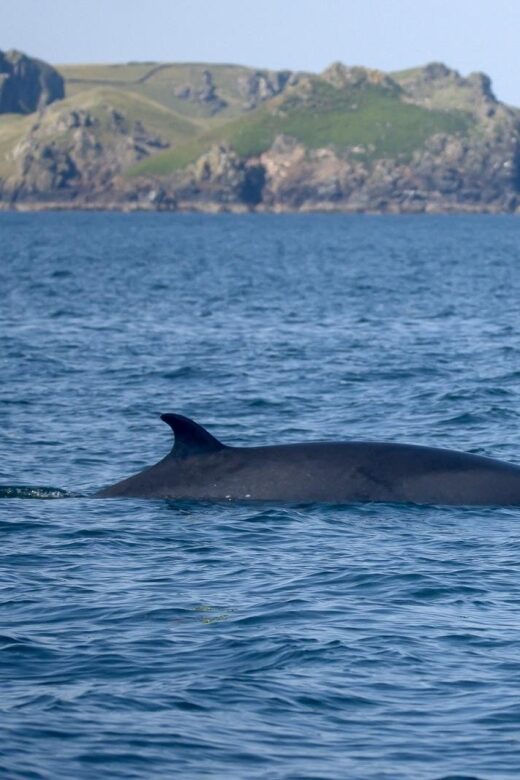
You meet at the Padstow Sealife Safaris office, then you’ll check in and get suited up. Plan to arrive early because check-in begins about 30 minutes before your departure time. You’ll be given waterproof jackets and trousers to borrow plus a life jacket, which matters more than most people expect—RIBs spray, and you’ll want to stay warm.
This setup is practical. The waterproofs mean you don’t have to guess what to wear until you’re already on the dock. Bring your own sunglasses, a camera, sunscreen, and a sun hat, and add binoculars if you want sharper bird-spotting at distance. Waterproof shoes are a smart call too, since the deck can get slippery.
You can also read our reviews of more guided tours in Padstow
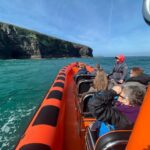
The Camel Estuary to open Atlantic: what the RIB ride feels like
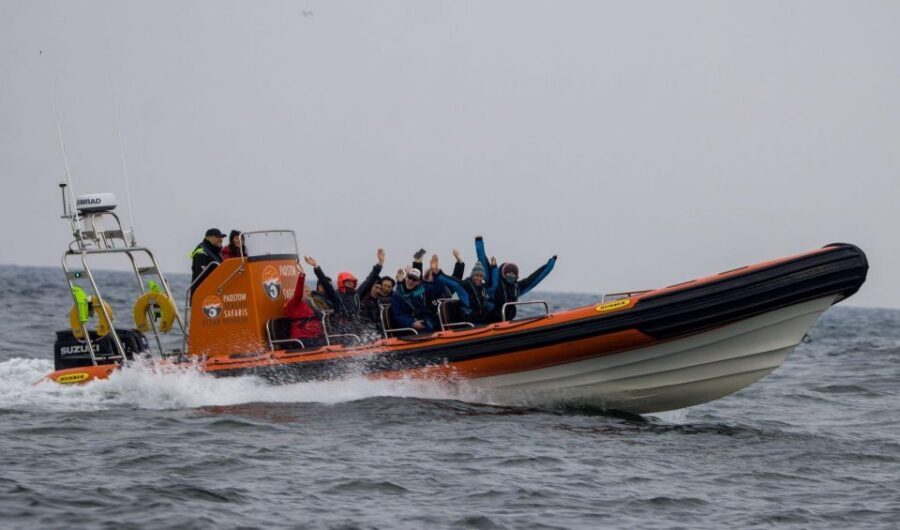
Once you’re aboard, the run starts out through the Camel Estuary and heads into the Atlantic Ocean. The trip covers roughly 25 miles of coastline, which keeps it from feeling like a slow scenic cruise. You’re on a purpose-built RIB, so you’ll feel the speed and quick turns.
This is the part that can split people into two camps. If you like fast boats, you’ll probably grin. If you dislike motion, you’ll want to think twice. The boat is open-top, and choppy conditions are more common than calm-water days. In plain terms: this isn’t a gentle day on the water.
You’ll also get a safety briefing before heading out, and the guides and skipper focus on controlling the boat while searching along the coast. That balance is important because you’re not just sightseeing—you’re hunting for animals that move with tides and food.
How the crew finds wildlife: slow-down zones and search patterns
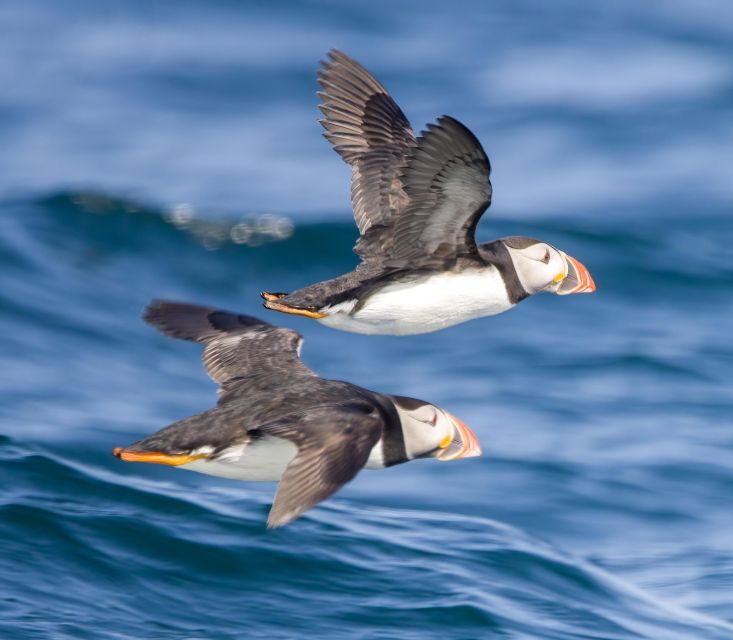
The core idea is simple: you go out and search, then slow down in designated regions where wildlife is more likely. That might sound vague until you’re on the water and realize how much the sea changes—birds shift, animals surface unpredictably, and wind can push everything off pattern.
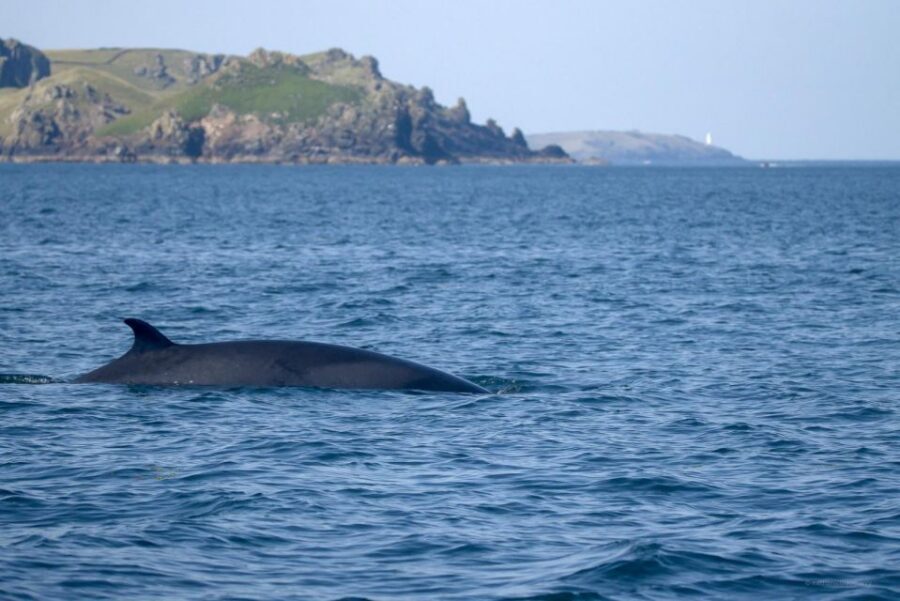
On a good day, you’re looking for seals, dolphins, porpoises, and even whales. You’ll also be scanning for seabirds like gannets, shearwaters, fulmars, oystercatchers, shags, and cormorants. The crew’s job is to match your boat speed and position to what they’re seeing, so you can actually watch rather than just race past.
And here’s a key expectation to hold: wildlife spotting isn’t guaranteed. This tour is designed to maximize your odds, not promise specific animals. The value comes from being out there with the right equipment, the right local eyes, and enough time (2 hours) to make multiple searching passes.
The photo-friendly moments: where you’ll pause to shoot
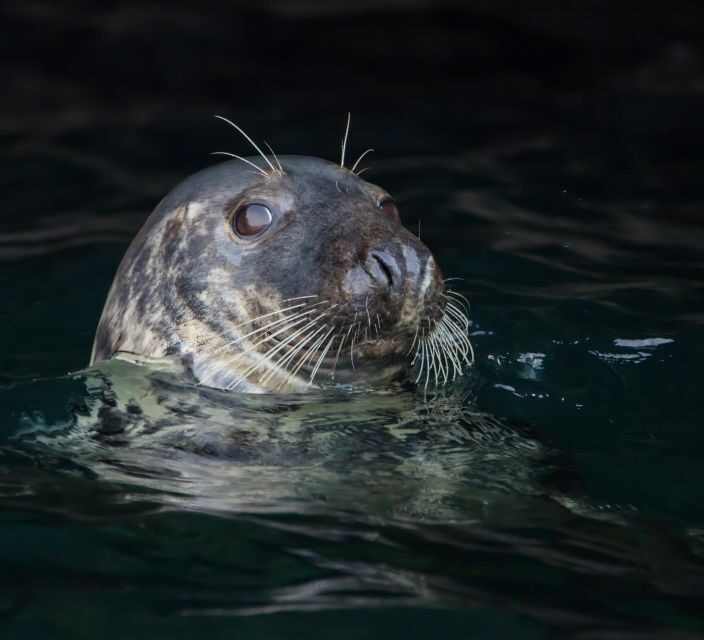
This safari isn’t only about spotting. You’ll also have chances to stop for photos during the trip. That’s a real plus because wildlife moments are quick, and a camera ready on your lap doesn’t help much if the boat never slows.
Practical tip: if you bring a camera, keep it accessible. You’ll likely spend time with waterproof gloves and straps trying to steady shots while the boat bounces. If you’re using a phone, consider how you’ll keep it protected and dry.
Also, remember this is not a wildlife circus. You’re watching animals in natural behavior, and the rules reflect that. Feeding animals isn’t allowed, and the goal is observation, not interaction.
Seasonal bonuses: guillemots, razorbills, and puffins in North Cornwall
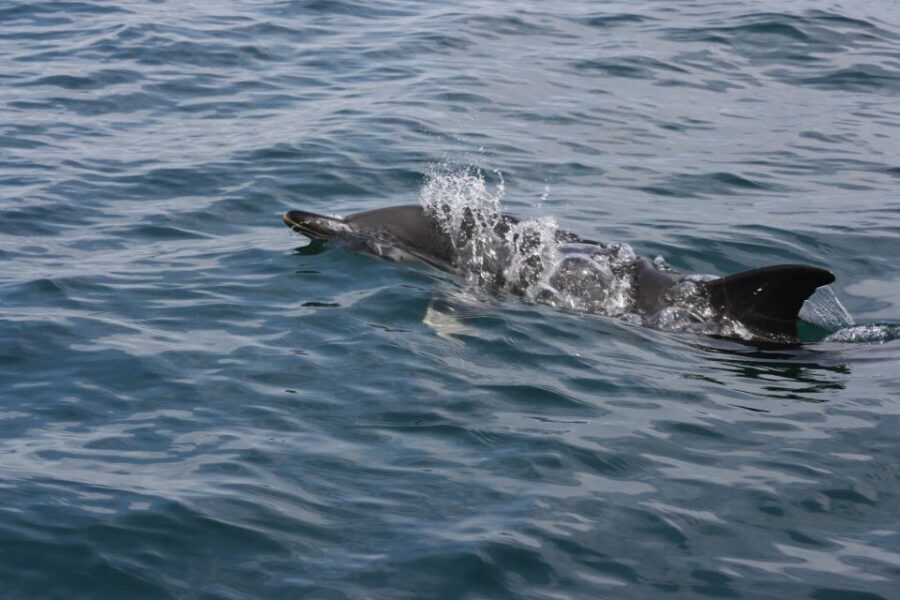
From April to July, the coastal cliffs can be alive with nesting birds—especially guillemots and razorbills. That time window matters because seabird activity tends to concentrate around breeding cliffs, and the crew can time searches to where those birds are most active.
There’s also a specific seasonal hope: a visit to Puffin Island, described as one of the last places puffins still nest in Cornwall. If you’re traveling during those months, this is the best-case scenario built into the experience. Even if puffins aren’t spotted, April to July bird life often adds a lot to the “wow” factor, especially when gannets and other seabirds are moving around the water.
If you’re traveling outside that window, you can still see plenty—seals and dolphins are the big attractions year-round—but don’t count on the same nesting-bird intensity.
Possible coastal stops: Port Isaac and the view at Trevose Head
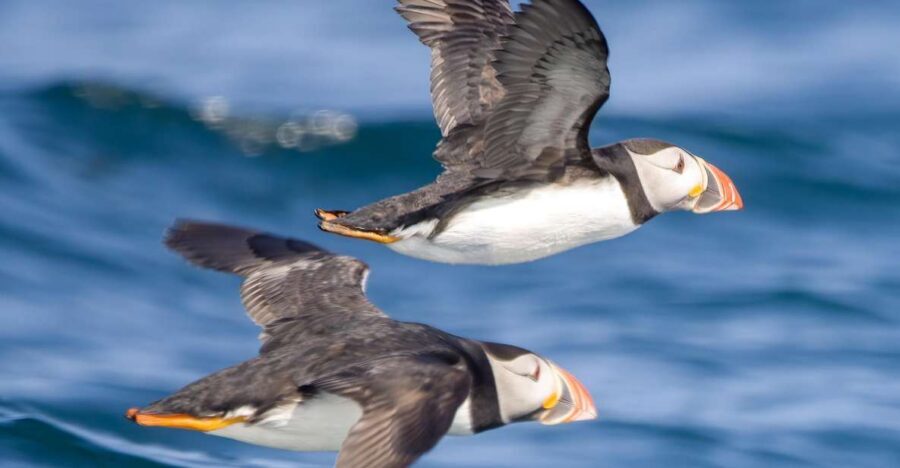
Depending on weather and sea conditions, the trip may include stops near well-known local spots. One possible stop is Port Isaac, the Cornwall village associated with Doc Martin. Even if you’re not going ashore, viewing the coastline from the water can be a different way to connect to the area—less postcard, more rugged and real.
Another possible stop is Trevose Head, where you can get a unique view of the new Padstow Lifeboat Station. That’s a nice reminder that this coastline is active and working, not only scenic.
The bigger takeaway is that these additions give the trip texture. You’re not just ticking off animals—you’re also seeing how the coast works: cliffs, headlands, lookout points, and the kind of shoreline that supports both wildlife and maritime life.
What you’ll learn from the guide on the water
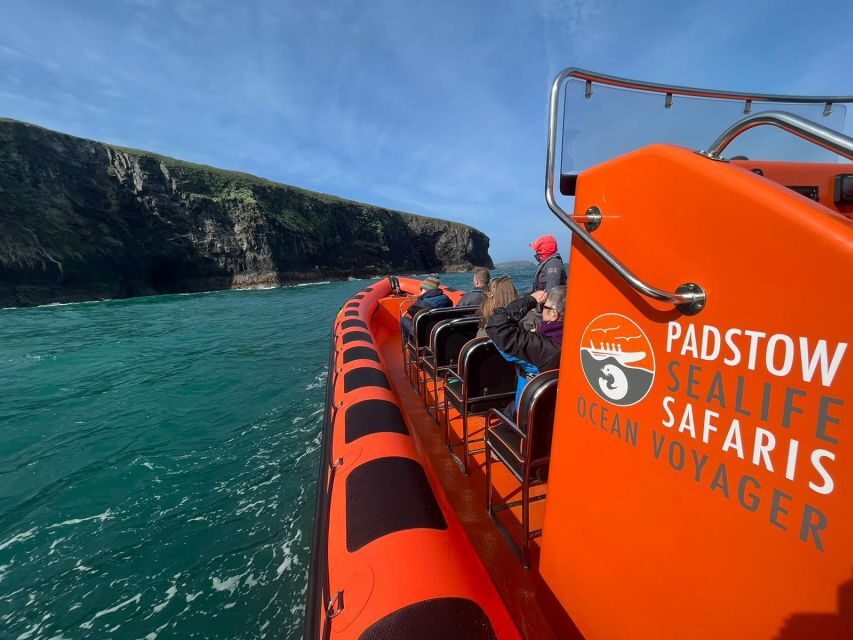
This safari works best when the guide’s commentary helps you “read” the sea. You’ll learn about the wildlife you see and get local context tied to the north Cornwall coast. The live guide speaks English, and the group size stays small enough that questions don’t feel annoying.
In practice, this means you’re less likely to stare at the horizon randomly. You get cues like what to look for in bird behavior, why slowing down matters, and how sightings connect to the local waters. It’s also where the humor and safety mix in—because you’re dealing with speed, spray, and real sea conditions.
You may also notice that different departures get different guide-and-skipper pairings. People have mentioned crew members such as Harriet, Kelsey, Anne, Jenny, Hope, Emma, and skippers like Mark. The common thread is the same: the crew uses local knowledge to keep the boat in the right areas while keeping everyone safe.
Price and value: is $60 for 2 hours worth it?
At about $60 per person for a 2-hour guided RIB safari, you’re paying for three things: a small-group wildlife search, a fast boat that can actually reposition, and gear that reduces the comfort tax (borrowed waterproofs and life jackets).
Is it cheap? No. But it’s also not a generic “sit and watch” experience. The boat’s speed lets you cover coastline efficiently (around 25 miles), and the slow-down approach improves your chances of meaningful sightings. When dolphins hang around or seabirds feed in front of you, that’s exactly what this format is designed for.
Where the value can wobble is if you hate bouncy open-water rides or if you’re expecting guaranteed whales or dolphins. Wildlife is wild. If you treat this as an active search in good hands, the cost usually feels fair for what you’re doing and seeing.
Comfort, safety, and who should skip this safari
This is open water on an open-top boat. That means you should plan for spray, wind, and cold depending on the day. Bring the weather-appropriate layers you need even with borrowed waterproofs, and don’t rely on warm sun as your main strategy.
It’s also not suitable for everyone. The tour is not recommended for:
- children under 2
- pregnant women
- people with back problems or mobility impairments, wheelchair users
- people prone to seasickness or motion sickness
- people over 80
- people with recent surgeries
If you’re close to the edge with motion sickness, be honest with yourself. This ride is fast and bouncy, and some people end up wishing they’d prepared more strongly.
One more practical note: no drones, no fishing, and no feeding animals. That keeps wildlife behavior natural and also keeps safety and operations simple.
My call: should you book the Padstow RIB Sealife Safari?
I’d book this if you want a hands-on wildlife search from Padstow, you’re comfortable with an open-top RIB, and you like the idea of getting out quickly to where animals feed and surface. The combination of a small group, a guided hunt, and photo pauses makes it feel like time well spent, not a long wait for something to happen.
I’d skip it if you hate rough water, get queasy fast, or need a fully accessible setup. And if you’re only interested in one specific animal—like dolphins every time—this may not match your expectations.
If you can handle getting wet and riding waves, this is the kind of tour that gives you more than photos. It gives you a sense of the North Cornwall coast as a living system—working cliffs, feeding seabirds, and marine mammals doing what they do, right where you’re watching.
FAQ
How long is the guided RIB Sealife Safari from Padstow?
It lasts 2 hours, including the time you spend on the water during the search for marine life.
Where do I meet for the tour?
You meet at the Padstow Sealife Safaris office.
Do you provide life jackets and waterproof clothing?
Yes. You’ll receive life jackets, plus waterproof jackets and trousers to borrow.
What should I bring with me?
Bring sunglasses, a sun hat, a camera, sunscreen, weather-appropriate clothing, waterproof shoes, and binoculars if you want a closer look at birds.
Is seeing dolphins, seals, or whales guaranteed?
No. Wildlife spotting is not guaranteed, though the crew will try their best to find animals during the trip.
What wildlife and seabirds might I see?
You may see seals, dolphins, porpoises, whales, and possibly sunfish, plus seabirds such as gannets, shearwaters, fulmars, oystercatchers, shags, and cormorants.
Are drones, fishing, or feeding animals allowed?
No. Drones are not allowed, and fishing and feeding animals are also not allowed.
Is the group small?
Yes. It’s a small group with a maximum of 12 participants.
What is the cancellation policy?
You can cancel up to 24 hours in advance for a full refund.