
REVIEW · CASTLETON
Peak District (Yorkshire): Online Road Trip Guidebook
Book on GetYourGuide →Operated by Uncover Britain · Bookable on GetYourGuide
Turning a road trip into a plan.
This online Peak District (Yorkshire) guidebook is interesting because it gives you a ready-made point-to-point route while still letting you cherry-pick what you actually want to do. I like that it’s organized into two connected sections, the White Peak Region and Hope Valley, so your trip feels logical instead of random. One catch to consider: it does not provide live navigation or let you customize the routing, so you’ll be doing the final driving decisions yourself.
I also like that it covers a practical driving day range (the suggested builds fit 3 to 14 days) without forcing a rigid schedule. You get ideas for 25 key destinations across about 70 miles (112 km), plus tips like how to get there and where to park. If you’re the type who wants to stop when something grabs your eye, this format suits you—just make sure you bring your own transport and keep your phone charged.
In This Review
- Key things that make this guide useful
- How this Peak District guide works in real life
- The value: paying $14 per group for 12 months of planning
- Your self-drive expectations (and the one limitation that affects everything)
- White Peak Region: market towns and classic Peak District town breaks
- Ashbourne: a practical base with town-to-town momentum
- Ilam: a quieter detour for scenery lovers
- Wirksworth: small-town charm with an easy day rhythm
- Matlock Bath: Victorian spa-town energy plus a ride
- Chatsworth House & Bakewell: the heritage-and-views anchor
- Dovedale and the walkable Peak District focus
- Scenic drives: why Snake Pass is more than a road name
- Hope Valley: walking bases and a valley-focused route feel
- Edale: a walking base with a built-in day structure
- Hathersage: a good partner stop for walkers
- Castleton: the one that keeps the valley vibe going
- Outdoor adventures listed, and how to use them without overcommitting
- The planning shortcut: pre-filled Google Maps pins by section
- Practical tips you’ll be glad you planned for
- Who this self-drive Peak District guide suits best
- Should you book this online Peak District road trip plan?
- FAQ
- Is this a guided tour with a person meeting me?
- Do I need my own vehicle?
- Where do I start and finish?
- Is there a phone app I need to download?
- Can I customize the route inside the guide?
- How long is the online access valid?
- How many destinations and how far does the suggested trip cover?
- What kinds of activities are included?
- Does the provider book accommodation or tickets for me?
Key things that make this guide useful
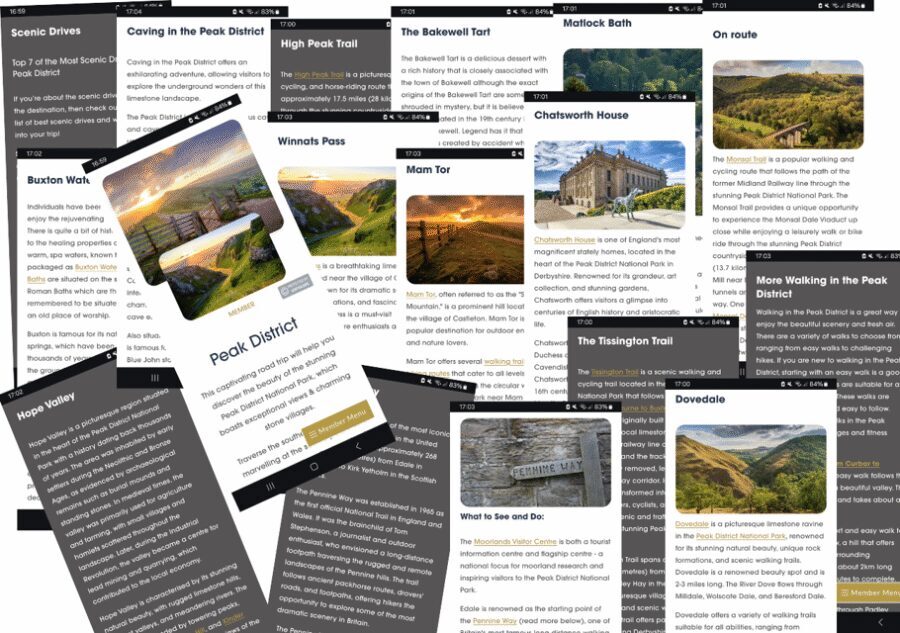
- Two linked routes, not one huge mess: White Peak Region and Hope Valley are split so you can shape your days
- A point-to-point journey across 70 miles: it helps you avoid backtracking and guesswork
- 25 destination ideas with practical context: you get more than place names
- Scenic drive inspiration including Snake Pass: driving is part of the experience, not just the commute
- A Google Maps head start by section: suggested pins and directions save planning time
- Pick your adventure level: hiking, cycling, caving, climbing, and kayaking ideas are included
How this Peak District guide works in real life

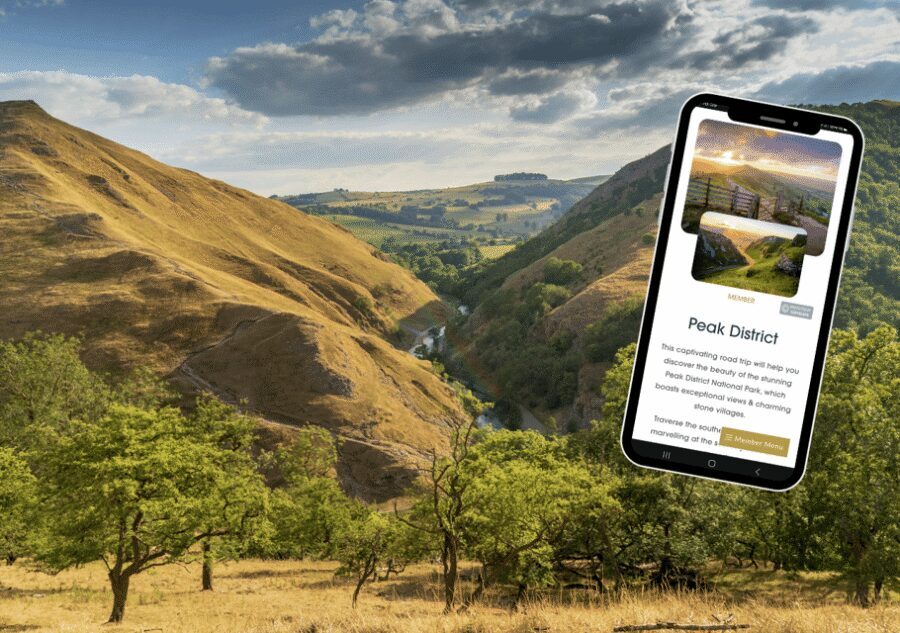
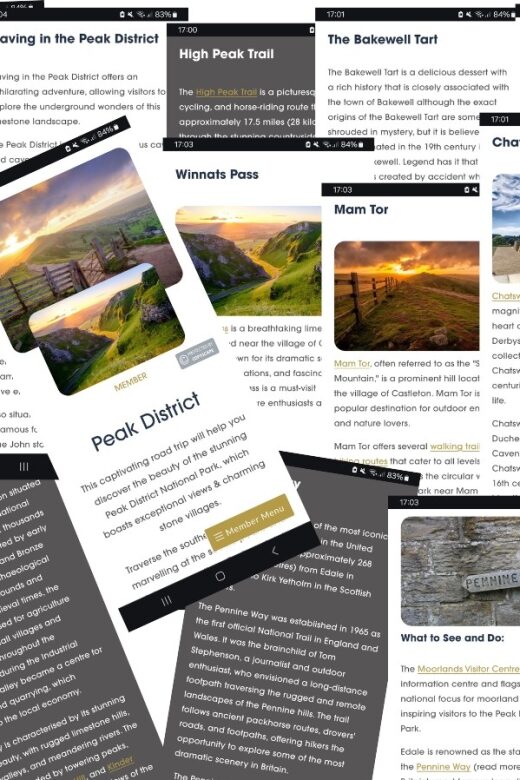
This isn’t a tour bus day with a guide talking in your ear. It’s an online road trip guidebook you use at your pace. Once you’ve got the link and your account set up, you can read and browse whenever you want—at home while you plan, or on your phone while you’re out driving.
The smart bit is how it’s designed around choice. The Peak District is big, and if you try to cram everything into one loop, you burn time on the road and still miss the parts you’d like best. Here, the route is split into two connected sections: the White Peak Region and Hope Valley. So if you only care about market towns and classic valleys, you can focus there. Or if you want walking bases and village energy, you can lean toward Hope Valley.
The guide also sets you up for practical trip lengths. It shows how destinations can be combined for typical stays from about 3 to 14 days. That range matters, because it’s the difference between a calm weekend plan and a slow, enjoyable week with breathing room.
The value: paying $14 per group for 12 months of planning
The price is simple: $14 per group up to 7, with 12 months access (and a validity window of 364 days from first activation). For what you get, the value comes from planning time saved, not from buying a “thing.”
If you’re the kind of person who normally spends evenings comparing maps, looking up opening times, and building a route from scratch, this kind of guide can pay for itself quickly. You’re buying an organized starting point: a point-to-point path, destination ideas, and suggestions on how to string things together so you don’t second-guess every turn.
Also, there’s no app to download. That might sound minor, but it matters when you’re on the go and don’t want another login or a new piece of software. You can just use the website.
Your self-drive expectations (and the one limitation that affects everything)
You’ll need your own vehicle. There’s no meeting point because you’re not joining a group tour. You choose where you start and where you end, and you visit the suggested places when they fit your timing.
The guide is built to be flexible, but you still need to understand its limitation: it does not provide live navigation, and you can’t customize routing inside the system. It does include helpful planning support, including:
- suggested routes
- destination highlights
- tips like how to get there and where to park
- pre-populated Google Maps with pins and directions for the route sections
So the workflow is more like this: you use the guide to pick stops and plan the order, then you drive using your own navigation (and ideally the included Google Maps pins as a shortcut).
That’s the main “watch this” point. If you’re expecting the guide to turn into a GPS, it won’t. You’ll do that part yourself.
White Peak Region: market towns and classic Peak District town breaks
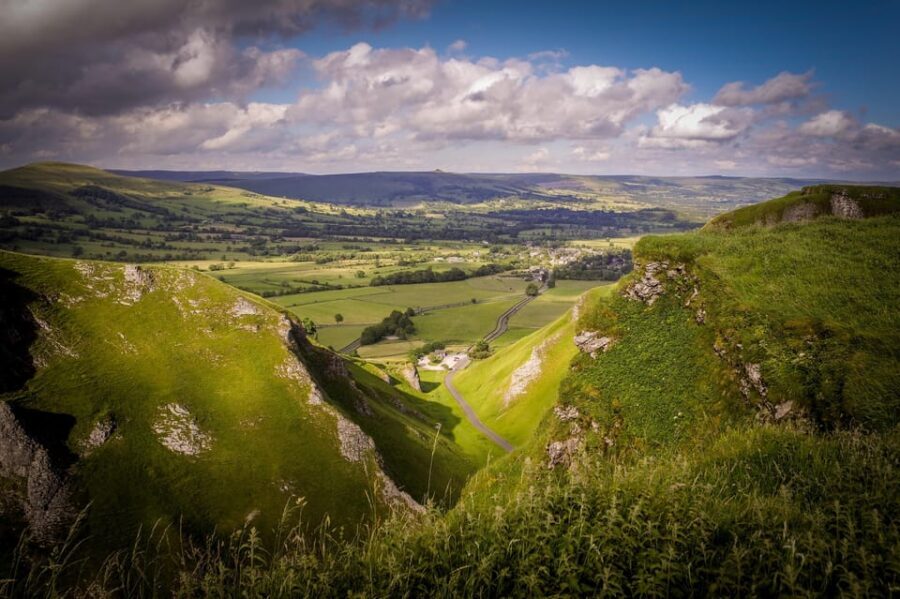
The White Peak Region section is where you’ll likely spend time if you like town wandering, easy-to-organize sightseeing, and scenic driving.
Ashbourne: a practical base with town-to-town momentum
Ashbourne comes up as one of the market-town options. I like market towns for road trips because they’re built for visitors: you can park, walk around, grab food, and still feel like you’re in the real place rather than a theme park. In a region-spanning route, Ashbourne also helps you keep your driving days sane.
Ilam: a quieter detour for scenery lovers
Ilam is included as a destination idea. This is the kind of stop you pick when you want less of a checklist and more of a slow look around. The benefit in this guide format is that you’re not locked into it. If Ilam is calling you, you slot it in. If not, you skip it without feeling like you ruined the plan.
Wirksworth: small-town charm with an easy day rhythm
Wirksworth is another market-town style stop in the White Peak mix. For road trips, towns like this are valuable because they help you break up driving into human-scale chunks. You get an anchor for a few hours, and then you can keep moving toward the next cluster.
Matlock Bath: Victorian spa-town energy plus a ride
Matlock Bath is the bigger “day out” stop on the White Peak side, with riverside attractions and cable cars in the mix. This is a good choice when you want one town that offers more than just walking—especially if your group includes people who don’t want to spend the entire day hiking.
Possible drawback: Matlock Bath is more active than a tiny village. If you prefer quiet, you might treat it as a shorter stop rather than the whole day.
Chatsworth House & Bakewell: the heritage-and-views anchor
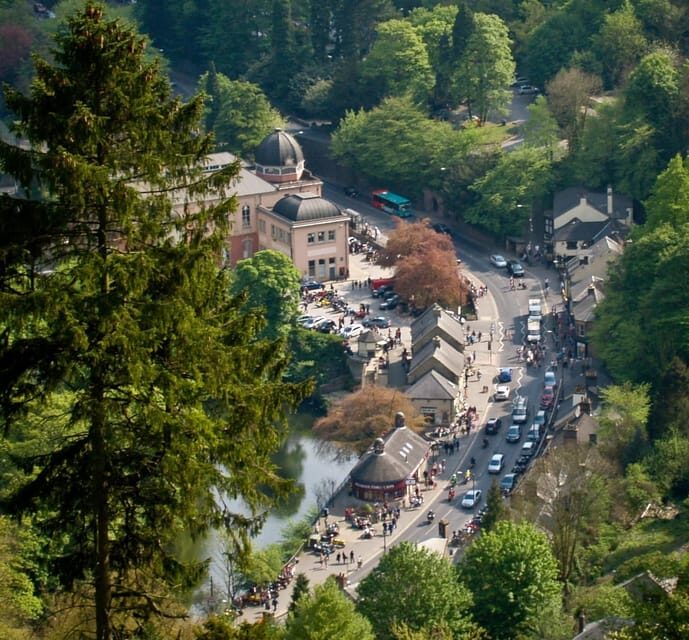
Chatsworth House & Bakewell are positioned as must-visit icons in the heart of the Peak District area your road trip can cover. If you only have a few days, these are the sort of places that give your trip instant structure: you know you’re seeing something meaningful, and it helps you build the rest of the route around it.
In a self-drive plan, a strong anchor like this is useful because it reduces decision fatigue. You can spend the rest of your time choosing supporting stops—like walks or scenic drives—without feeling like everything needs to be equally “the highlight.”
One practical note: entrance tickets aren’t included in what you’re paying for. So if you want a full day built around Chatsworth House, you’ll want to budget for tickets and timing on your side.
Dovedale and the walkable Peak District focus
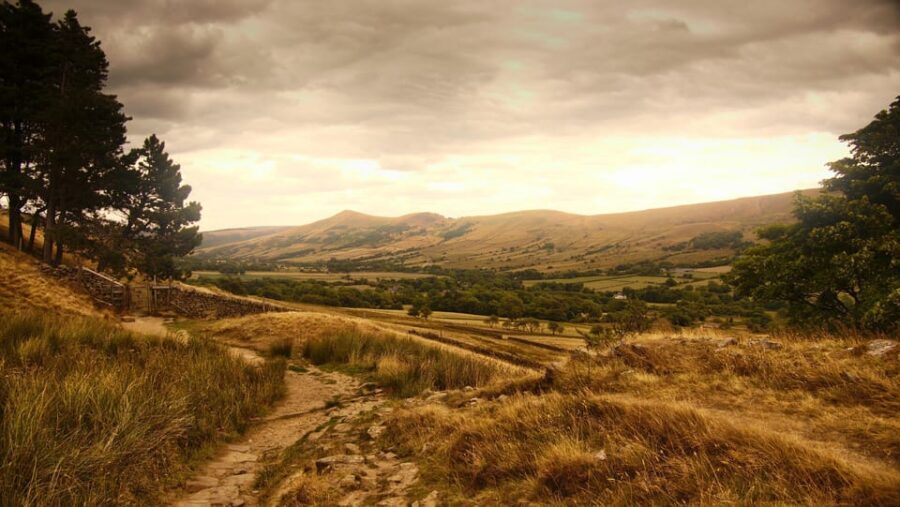
Dovedale is included as one of the Peak District’s famous natural beauty spots. This is the kind of stop that works well in a road trip because it’s easy to turn into a half-day or a full-on walking mission depending on your energy.
The benefit of having Dovedale in a route plan is simple: it signals where the “get outside” part of your trip can live. If you’re using the guide to balance towns with nature time, Dovedale fits naturally.
If you’re driving into a walking-based spot, your main consideration is timing. Set your expectations for how long you’ll want to be out on foot, then build the next driving segment around that.
Scenic drives: why Snake Pass is more than a road name
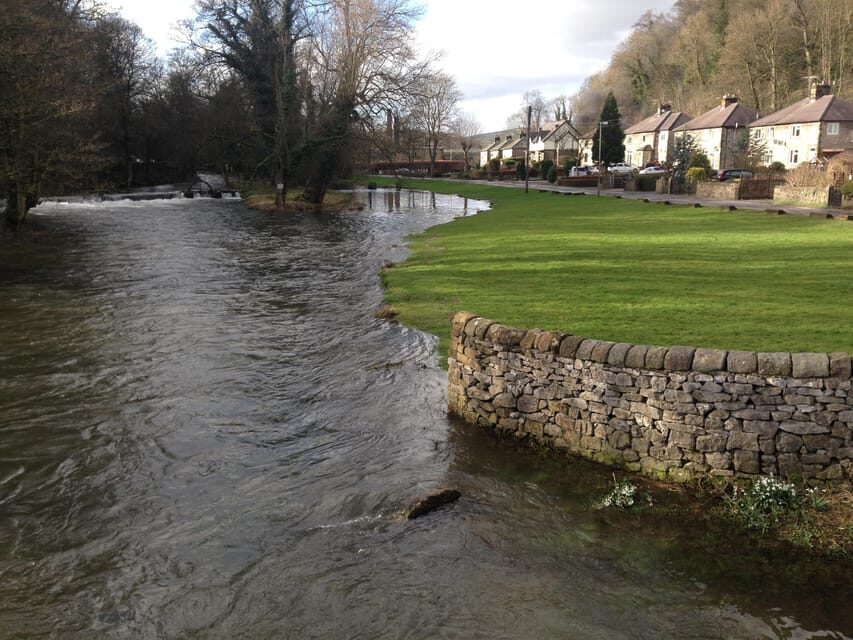
The guide also leans into scenic drives, including well-known roads like Snake Pass, plus inspiration for 7 of the region’s most iconic drives.
In a self-drive format, scenic roads are where you get your money’s worth in a very “Peak District” way: the drive itself becomes part of the experience. You’re not only driving between sights; you’re seeing why the area is popular.
Practical advice: scenic driving works best when you don’t schedule it back-to-back with long hikes. Pick one “big drive” day and then plan either a shorter walk or a town evening after. That keeps your trip feeling like a holiday instead of a logistics exercise.
Hope Valley: walking bases and a valley-focused route feel
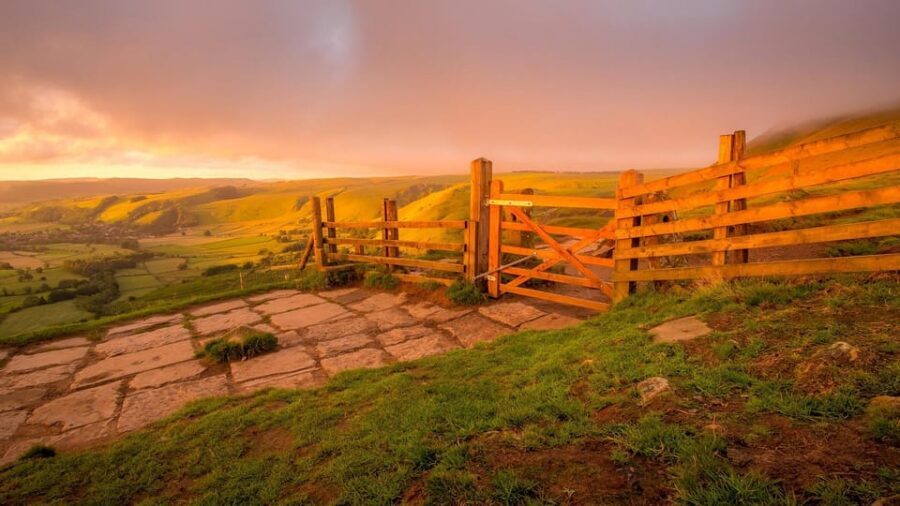
The Hope Valley section is built around top walking bases, including Edale, Hathersage, and Castleton. This part of the plan is ideal if you like the idea of basing your trip around day walks, with towns nearby for meals and recovery time.
Edale: a walking base with a built-in day structure
Edale is a walking-focused start point in the plan. If you’re organizing a multi-day itinerary, choosing a walking base helps you keep your days structured: you can plan the morning walk, then return to town for food and downtime.
Hathersage: a good partner stop for walkers
Hathersage is also named as a key base. I like having options like this because your walking day can change with weather and energy. If you’re tired, you pick the shorter loop you can handle. If you feel strong, you keep going with a longer route.
Castleton: the one that keeps the valley vibe going
Castleton is another of the Hope Valley essentials. As part of a road trip itinerary, it helps you create a repeating rhythm: arrive, explore on foot, then shift to the next base without needing to reinvent your plan.
Outdoor adventures listed, and how to use them without overcommitting
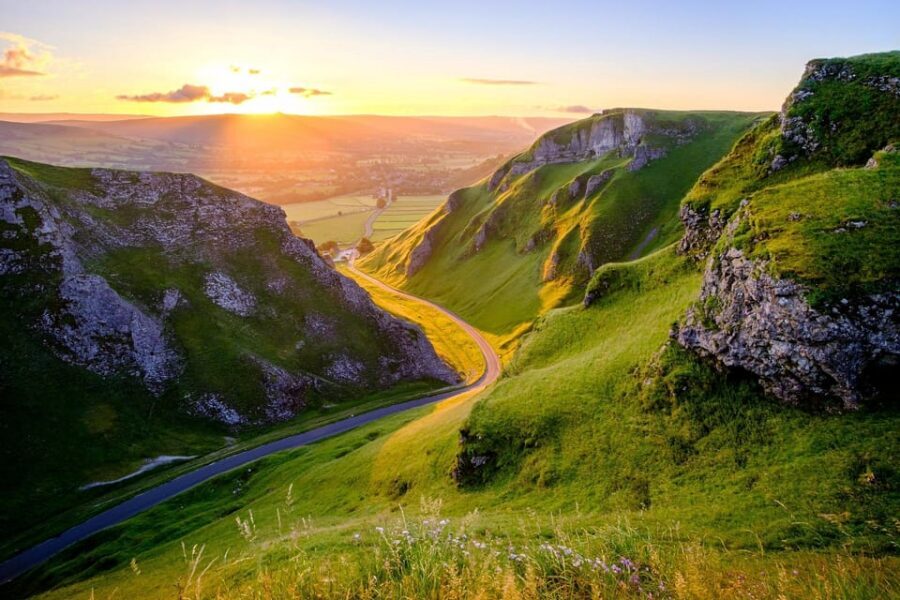
The guide doesn’t just talk about walking. It includes ideas for outdoor adventure like hiking, cycling, caving, climbing, or kayaking.
Here’s the practical way I’d use that list: don’t try to do everything. Instead, pick one main activity style per day (or per half-day). That keeps your trip from turning into gear anxiety or rushed scheduling.
Also, remember: meals and entrance tickets aren’t included, and the guide doesn’t book activities for you. So you’ll still be making the real-world calls—what’s available, what time fits, and what you’ll need on the day.
The planning shortcut: pre-filled Google Maps pins by section
One of the biggest “time saver” features is the way the guide includes pre-populated Google Maps ideas for the sections. That means you’re not starting from a blank map. You get suggested pins and directions to help you build the route with less trial and error.
But because you can’t customize routing inside the guide itself, I recommend using this approach:
- use the guide to choose your destinations and order
- open the included Google Maps section directions
- then use your phone navigation normally for the final driving
This keeps you flexible while staying practical. And since live navigation isn’t provided inside the guide, you’ll want your navigation tools working smoothly.
Practical tips you’ll be glad you planned for
The guide includes helpful “how to” items like how to get there and where to park, which is often the part that slows people down. You’ll also want to bring:
- a charged smartphone
- your own vehicle
- travel insurance
- the basics for a day out (water, layers, and comfortable shoes for any walking you choose)
Since the guide is designed for phone use while traveling, I’d treat a charged phone as part of the itinerary. If your battery dies, your planning help goes with it.
Who this self-drive Peak District guide suits best
This guide is best for you if you:
- want a road trip plan without a tour guide
- prefer choosing stops based on your interests
- like the idea of a structured route but with skip-it flexibility
- have access to a car and are comfortable driving between towns and trailheads
It’s also a good fit for people who travel as a group up to 7, because the price is per group rather than per person.
Should you book this online Peak District road trip plan?
If you want a road trip that feels intentional but not locked down, I think this is a smart buy. $14 per group with 12 months access is a low-risk way to reduce planning stress, especially because you get two organized route sections and 25 destination ideas instead of just a list of places.
I’d only hesitate if you want turn-by-turn live navigation inside the guide or you need fully customizable routing. Since it’s self-guided and doesn’t arrange tickets or activities, you’re the decision-maker the whole way.
If you’re comfortable driving and using your phone for navigation, this guide helps you spend more time enjoying the Peak and less time figuring it out.
FAQ
Is this a guided tour with a person meeting me?
No. This is a self-guided experience. There’s no tour guide and no meeting point.
Do I need my own vehicle?
Yes. You’ll need your own transport to visit the suggested destinations.
Where do I start and finish?
You choose where you start and finish to match your schedule. Any starting point mentioned is for illustration only.
Is there a phone app I need to download?
No. You access the online guide on a website. Nothing needs to be downloaded.
Can I customize the route inside the guide?
No. The guide itself is not customizable for routing. The guide also does not provide live navigation.
How long is the online access valid?
It provides access for 364 days from first activation, with 12 months of access included.
How many destinations and how far does the suggested trip cover?
The plan is a scenic point-to-point route covering about 70 miles (112 km) and includes ideas for 25 key destinations.
What kinds of activities are included?
It includes ideas for outdoor adventures such as hiking, cycling, caving, climbing, or kayaking.
Does the provider book accommodation or tickets for me?
No. The guide does not book or arrange activities or accommodation, and entrance tickets are not included.