REVIEW · SHEFFIELD
Sheffield: National Emergency Services Museum Entry Ticket
Book on GetYourGuide →Operated by National Emergency Services Museum · Bookable on GetYourGuide
A Victorian police, fire, and ambulance station in Sheffield. What makes it special is that you’re not just reading panels for long stretches; you’re moving through interactive, hands-on displays across multiple levels. You’ll see how emergency services evolved, and you’ll get a real feel for how training, tech, and teamwork changed over time.
I particularly like the Police Cells and engine-style spaces, because they give the stories weight. Add in working-style objects like vintage vehicles and life-saving gear, and it turns history into something you can picture. That combination is great for families who want answers, not just sightseeing.
One consideration: the building is Victorian, so even though it’s wheelchair accessible, mobility limits can come up in older layouts. If you rely on step-free routes, plan for slower pacing and be ready to use staff help.
In This Review
- Key Things You’ll Notice in This Sheffield Museum
- Why This Victorian Emergency Station in Sheffield Feels Worth Your Time
- Three Floors of Police, Fire, and Ambulance Displays
- Begin with the Original Police Cells and Engine House
- How the Interactive Exhibits Work for Kids (and Still Teach Adults)
- The Artifacts That Make It Feel Like More Than Static Displays
- Tickets, Value, and Planning a Smooth Visit
- Who This Museum Is Best For
- Should You Book the Sheffield National Emergency Services Museum?
- FAQ
- How long is the National Emergency Services Museum ticket valid?
- What does the ticket include?
- Are food and drinks included?
- Is the museum wheelchair accessible?
- What should I bring to the museum?
- Can I cancel and get a refund?
- Is there a way to keep plans flexible before paying?
Key Things You’ll Notice in This Sheffield Museum
- Three floors of emergency services spread across a Victorian station setting
- Interactive exhibitions and hands-on learning that work for kids and adults
- Original Police Cells and the engine house that make the place feel real
- Hands-on games and action-focused exhibits that cut down on boredom
- Big-name artifacts like a 47ft lifeboat and medical and firefighting equipment
- Friendly, helpful staff and informative display boards that keep you moving
Why This Victorian Emergency Station in Sheffield Feels Worth Your Time
The National Emergency Services Museum is one of those places where the building does part of the storytelling. You’re touring a Victorian station that once covered police, fire, and ambulance work, so the atmosphere already feels purposeful before you even reach the displays. That matters, because it makes the exhibits easier to understand and remember.
I like how the museum uses variety to keep attention. Instead of a single theme that runs out of steam, you get police, fire, and medical services in one visit, plus interactive areas that change the pace. On a rainy day, it’s also a good choice because you’re spending your time indoors without it turning into a long museum slog.
This is also a museum that seems designed for “different energy levels.” Some parts are best for quick reading and looking around, while other sections invite you to try things or engage with the exhibits directly. If you’re visiting with kids, you won’t feel like you’re bargaining for attention, which is a huge value in itself.
You’re not expected to “do everything perfectly.” A practical visit can be a couple of hours if you’re mainly focused on the highlights and interactive bits, and then you can linger longer if your group is still curious. The ticket gives access to all exhibitions, so you’re free to adjust based on how your day goes.
You can also read our reviews of more tours and experiences in Sheffield.

Three Floors of Police, Fire, and Ambulance Displays
The museum runs over three floors, and that layout works in your favor. You get natural breaks, so even if your group starts out excited, the building itself helps prevent that tired feeling that hits in some museums. It’s also easier to plan a route: you can aim for the police side first, then the fire/engine spaces, and finish with the remaining interactive and archive-style areas.
You can expect interactive exhibitions throughout the building, not just in one corner. That’s the difference between a museum that happens to have hands-on activities and one that actually uses them to explain concepts. Here, hands-on learning fits the theme: emergency services are about training, procedures, and doing the job under pressure.
Across the floors, the museum highlights the history of emergency services through artifacts and equipment. You’ll see items connected to vintage police cars, medical equipment used in life-saving work, and firefighting archives. This mix is smart because it keeps the story moving in more than one direction at a time.
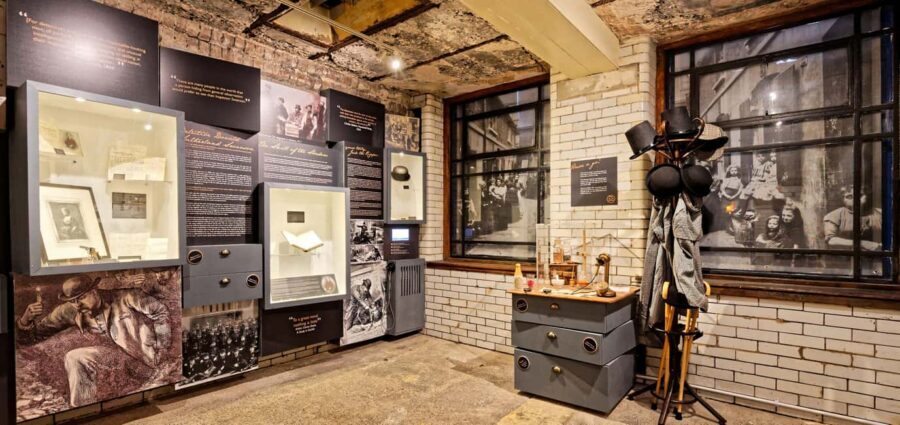
If you’re the type who likes to read display boards carefully, there’s plenty to work through. If you prefer to skim, you’ll still pick up the main ideas because the exhibits are built around objects you can see and situations you can imagine. That makes it more forgiving than museums where every detail depends on long explanations.
Begin with the Original Police Cells and Engine House
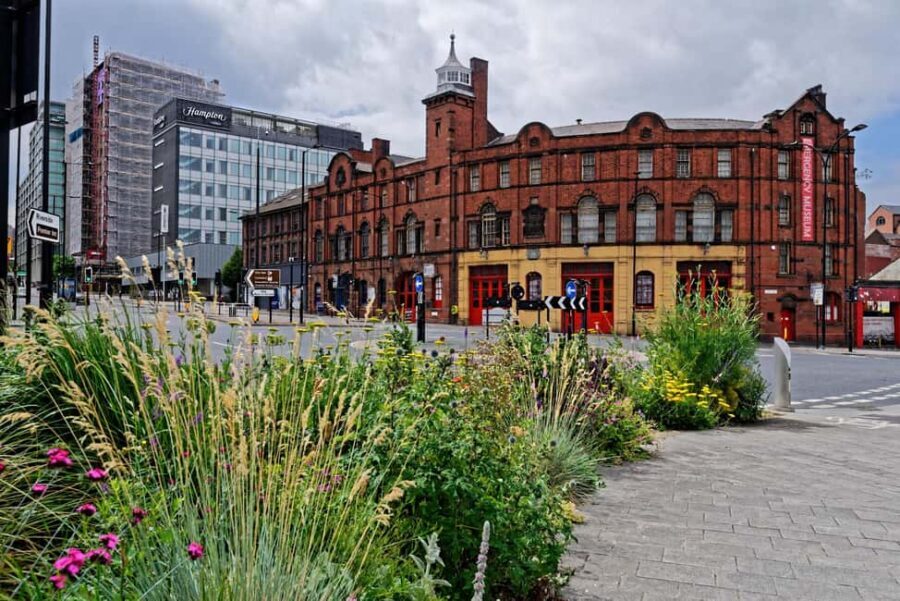
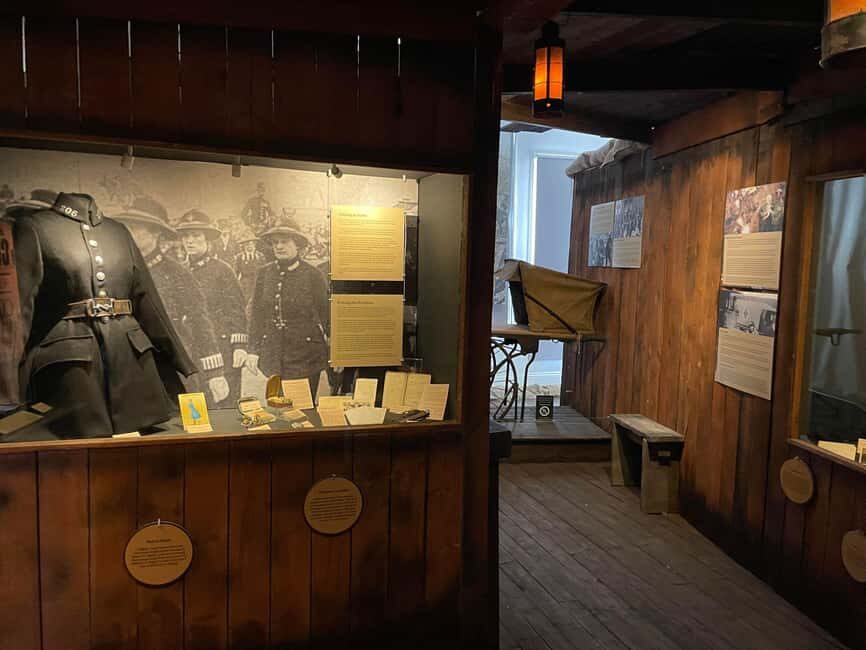
If you want a strong start, go for the original Police Cells and then move toward the engine house areas. Those sections give you the “real place, real time” feeling. You’re not looking at replicas in a purely modern setting—you’re inside the historic bones of a functioning station.
Why this helps: police stories can sometimes feel distant when you only see photos, but cells, original space, and period-style framing make the context feel immediate. It also sets a mood that makes later exhibits—like equipment and procedures—feel more grounded.
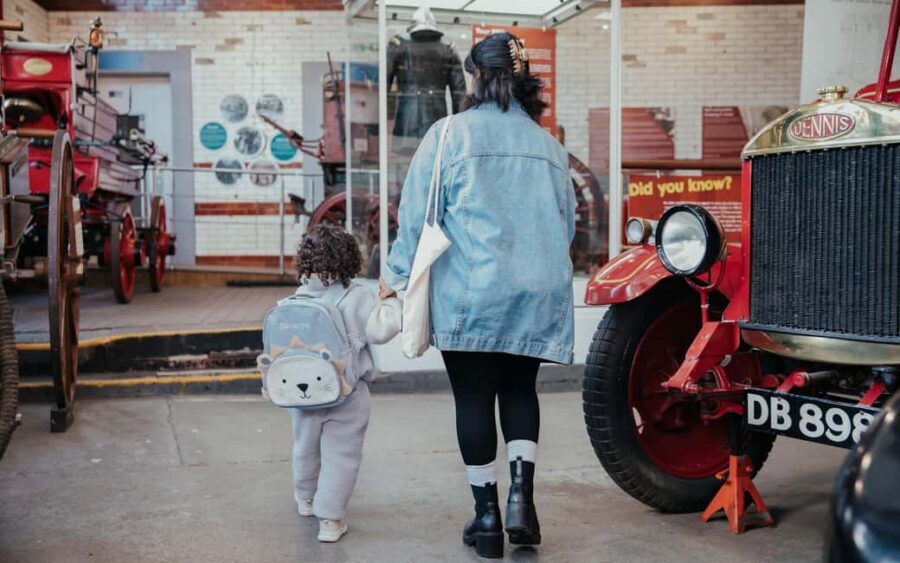
From there, the engine house spaces support the firefighting angle with a practical, action-ready vibe. It’s not just about what fire services did; it’s also about the tools and structure behind responses. If your group includes both kids and adults, starting with these physical, place-based areas usually wins early buy-in.
One small reality check: because it’s a Victorian building, you may deal with uneven pacing around older corridors and changes in level. That doesn’t spoil the visit, but it’s worth knowing so you don’t rush and miss the smaller details.
How the Interactive Exhibits Work for Kids (and Still Teach Adults)
A big reason this museum earns such strong word-of-mouth is that it leans into action. The interactive exhibitions and hands-on learning aren’t just decorative add-ons. They give visitors something to do while learning how emergency services worked—and how those roles required skill, speed, and judgment.
In practice, this is ideal for families with kids aged roughly elementary school to early teens. The setup is designed so younger visitors can stay engaged without needing constant explanation from adults. Older kids and adults often enjoy the same areas too, because you’re still encountering real objects and real-world themes.
What I like is the museum’s balance between fun and information. The display boards are informative, and the interactive sections help translate that information into something you can grasp quickly. Instead of turning education into a lecture, it becomes play-with-purpose.
The experience also supports different visiting styles. If you want a calm stroll, you can keep moving through exhibits at a steady pace. If your group needs breaks and movement, the hands-on areas act like natural reset points. For a day with mixed ages, that flexibility is part of the value.
Also, plan for at least one repeat moment for the interactive parts. With kids especially, the first try often leads to another attempt because it’s genuinely engaging. That’s not a “time waste” in this museum; it’s part of how the place keeps learning active.
The Artifacts That Make It Feel Like More Than Static Displays
Where many museums rely on glass cases, this one mixes formats. You’ll encounter firefighting archives, medical equipment, and period-linked items like vintage police cars. Seeing these things in the context of the station makes them feel connected to people, not just objects.
One standout mentioned in the museum’s lineup is a 47ft lifeboat. Large-scale artifacts like that tend to do two things at once: they pull you in from far away, and they give you a real sense of scale. Even if you’re not a sea-history expert, the size helps communicate the seriousness of search-and-rescue style work.
Medical equipment also plays a key role in the museum’s mix. Emergency services depend on tools, procedures, and training, and having life-saving items in the display helps you understand what responders could do in different eras. That’s the kind of historical context that makes you appreciate modern improvements without dismissing earlier efforts.
For firefighting, the archives and display areas help you see how the job relied on equipment and readiness. This matters because firefighting isn’t just about bravery; it’s also about systems—how crews responded, what gear existed, and how priorities changed over time. The museum’s approach makes that understandable, even for visitors who normally skip long technical explanations.
If you enjoy museums where the objects do the talking, you’ll likely feel like the experience stays grounded. It’s not just theory—it’s tools, vehicles, and the places where decisions were made.
Tickets, Value, and Planning a Smooth Visit
The ticket price is about $12 per person, which is solid value for a full entry pass with access to all exhibitions. You’re paying for an experience that combines three key ingredients: a historic building setting, multiple themed zones, and interactive learning time. At this price point, it’s less about a “quick look” and more about a real half-day or short-day activity.
Duration-wise, the museum fits nicely into a day plan. Even though the ticket is valid for one day, you can usually set expectations for a visit of a couple of hours if you’re focusing on the highlights and the interactive areas. If your group loves hands-on learning, you’ll likely stretch it longer.
A practical tip: bring warm clothing. Sheffield weather can shift fast, and older buildings can feel cooler than you expect. Layers help you stay comfortable so you can keep moving without getting cranky.
Food and drinks aren’t included, so if you’re planning a longer stay, think about where you’ll eat before or after. If you’re visiting with kids, that matters because breaks keep everyone happier and more cooperative for the next floor.
Parking can be a bit annoying. Directions for car parks can be misleading, and it’s easy to end up searching for an actual location once you arrive. If you’re driving, give yourself extra time at the start so you don’t arrive flustered.
Finally, language is English, which is helpful for a smooth visit if you’re not fluent in every UK regional detail (and it means the museum’s signage and staff help will be straightforward).
Who This Museum Is Best For
This is a great match if you’re traveling with families who want something more than a simple walk-through. The museum’s interactive and hands-on exhibits are clearly built to keep kids engaged, and the content is still interesting for adults who care about history, technology, and civic services.
It’s also a strong pick if you like museums where you can see how objects relate to real tasks. Police cells, engine-style areas, medical equipment, firefighting archives, and a 47ft lifeboat all point to a practical theme: emergency services are about readiness.
If your idea of a museum day is mostly reading, you’ll still find plenty to appreciate in the display boards. If your idea is lots of visual action and interaction, this place also works well. That flexibility is the reason it earns high marks for family value.
If you’re someone who needs a very step-free route, you should go in with awareness that the Victorian setting can limit mobility. Wheelchair access exists, but the older architecture may affect how easily you move between areas. In that case, going slower and planning extra time is the smartest approach.
Should You Book the Sheffield National Emergency Services Museum?
Yes, you should book it if you want a family-friendly museum day that feels real, not stuffy. The ticket is good value for what you get: multiple themed zones inside a Victorian station, plus interactive exhibitions that keep kids engaged and adults interested. The Police Cells, engine house areas, and major artifacts like the 47ft lifeboat give you enough variety to avoid that one-note museum feeling.
You might skip or rethink your timing if your group has very limited mobility needs, because older building access can require extra patience. And if parking is stressful for you, plan extra time or double-check your route so you don’t burn your museum energy hunting for a car park.
FAQ
How long is the National Emergency Services Museum ticket valid?
The entry ticket is valid for one day, so you can choose a starting time based on availability.
What does the ticket include?
Your ticket includes entry to the National Emergency Services Museum and access to all exhibitions.
Are food and drinks included?
No. Food and drinks are not included with the ticket.
Is the museum wheelchair accessible?
Yes, it is listed as wheelchair accessible, but it’s in a Victorian building, so mobility may be limited in some areas.
What should I bring to the museum?
Bring warm clothing, since it’s a Victorian building and can feel chilly.
Can I cancel and get a refund?
Yes. You can cancel up to 24 hours in advance for a full refund.
Is there a way to keep plans flexible before paying?
Yes. There is a reserve now & pay later option, so you can book and pay nothing today.