REVIEW · EDINBURGH
5-Day Tour to Isle of Skye, Oban, St Andrews and Highlands
Book on GetYourGuide →Operated by The Hairy Coo · Bookable on GetYourGuide
Five days, four big regions of Scotland. What makes this tour click is the small-group rhythm of short stops and longer views, plus the movie-ready scenery that you can pair with real places like Skye’s cliffs and St Andrews’ old streets. I especially like how Isle of Skye is treated like a story (Trotternish, Quiraing, Cuillin views), and how St Andrews lands at the end with major history on foot.
The other reason I’d recommend it: the guiding style tends to be organized and story-led. Names like Ryan, Stephen, Michael, and Jim are associated with upbeat, on-time hosting and lots of good context. One caution: the days do include short hikes and walking trails, and the pace can feel a bit tight, so it helps if you’re comfortable with getting in and out of viewpoints quickly.
In This Review
- Key things worth knowing before you go
- Day 1: Edinburgh to Loch Lomond, Inveraray, Oban
- Practical note for Day 1 dining
- Day 2: Glencoe to Fort William, Loch Ness photos, Eilean Donan Castle
- A heads-up about Eilean Donan
- Day 3: Skye’s Trotternish Peninsula, Quiraing, and the Cuillin loop
- Palm trees in Plockton? Yes—seasonally.
- Day 4: Corrieshalloch Gorge, North Coast 500, Ullapool, Beauly, Inverness
- Day 5: Clava Cairns to Culloden, then St Andrews and Edinburgh
- Guides, group size, and why the pacing feels fair
- One pacing drawback to plan for
- Value and what you should budget beyond the $507 price
- Who this tour fits best (and who might feel uncomfortable)
- Should you book this 5-day Skye, Highlands, Oban, and St Andrews tour?
- FAQ
- Where is the meeting point and what time does the bus depart?
- How many people are in the group?
- Are meals included?
- Is accommodation included?
- What optional activities can I add, and which are seasonal?
- Is there hiking, and what should I bring?
- Is the tour wheelchair accessible?
- When does the tour end?
Key things worth knowing before you go
- Small group (up to 16): a bus that feels more personal, better for photo stops, and easier to manage on narrow roads.
- Isle of Skye stops that match the hype: Old Man of Storr, Kilt Rock, and the Quiraing are built into the schedule.
- History you can actually stand in: Dunadd, Clava Cairns, and Culloden Battlefield are practical, on-the-ground stops.
- North Coast 500 flavor without the self-drive stress: Corrieshalloch Gorge, Ardvreck Castle ruins, and Knockan Crag keep the day moving.
- Optional add-ons that can shape your experience: whisky distillery time, Museum of Island Life (seasonal), a seal cruise (seasonal), and St Andrews tower/museum (optional).
- Photo-first timing with some foot time: you’ll get your views, but you’ll also need comfortable shoes and a flexible mindset.
Day 1: Edinburgh to Loch Lomond, Inveraray, Oban
This is a strong start because you get out of the Central Belt and into classic Scotland fast, without trying to drive yourself across half the country. You meet at the Burns Monument area in Edinburgh (1759 Regent Road), check in at 8:00 AM, and the bus leaves at 8:15 AM sharp—so bring patience early and you’ll feel good by lunchtime.
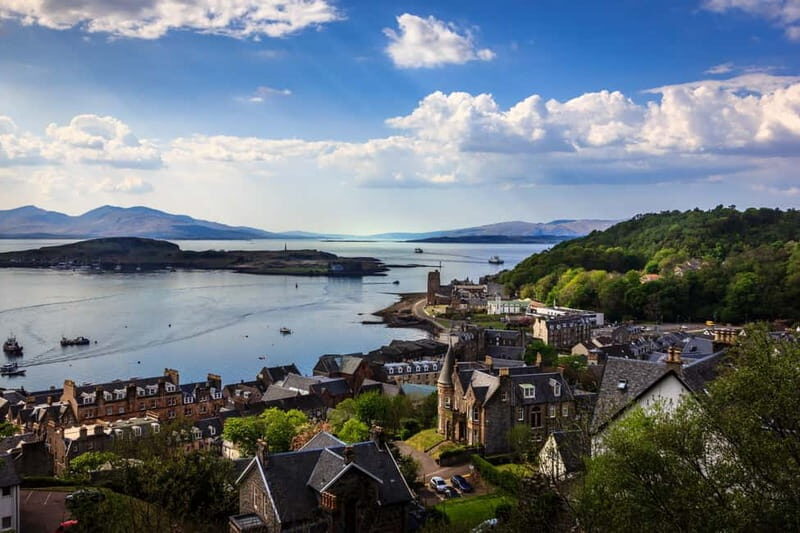
Your first big scenery hit is Loch Lomond, with a stop in Luss on the shore. It’s one of those places where the water looks calm, but the vibe is all about boats, footpaths, and that soft Highland light. From there, the route turns west and climbs toward the village of Inveraray, crossing the steep pass known as Rest and be Thankful.
Inveraray is a fun contrast: it’s a town stop with character, and it’s specifically noted for oysters and seafood. After that, the tour shifts into deeper time with Dunadd Iron Age Fort, linked to the coronation site of kings and queens of Dalriada. This isn’t just a “look at a plaque” moment—you’re in an actual historic site, and the guide context helps you understand why this kind of place mattered.
Next comes Kilmartin and more Argyll scenery, then the day ends at Oban for your first night. Oban is a smart base for this route because it’s coastal, lively enough for dinner, and it keeps you close to the next day’s dramatic glens.
A few more Edinburgh tours and experiences worth a look
Practical note for Day 1 dining
Meals and drinks aren’t included, so build in time to eat where you can. If you’re heading out in Oban later that evening, you’ll typically appreciate not rushing—because you’ll be back on the road early tomorrow.
Day 2: Glencoe to Fort William, Loch Ness photos, Eilean Donan Castle
Day 2 is where the scenery ramps up. You hit Glencoe in the morning, with a short hike and a photo stop. Glencoe works best when you treat it like a viewpoint circuit: stop, walk a little, look from different angles, then let the scale sink in. Even if you don’t consider yourself a “hike person,” this is the kind of walking that makes the views feel earned.
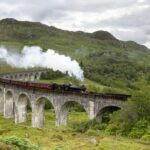
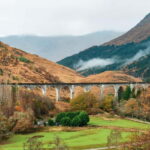
Then it’s on to Glenfinnan Viaduct, the kind of place that feels instantly recognizable on film. After that, you reach Fort William. Here you get a useful choice, depending on what you like most:
- A guided tour at Ben Nevis whisky distillery (optional), or
- Inverlochy Castle and Neptune’s Staircase (a different angle on Fort William’s historic waterfront feel)
After Fort William, you’re heading toward Loch Ness for photos of Nessie. The monster part is fun, but the real value is the road-and-water combination: you see how the Highlands fold in on themselves, and you understand why this region has been a magnet for visitors for decades.
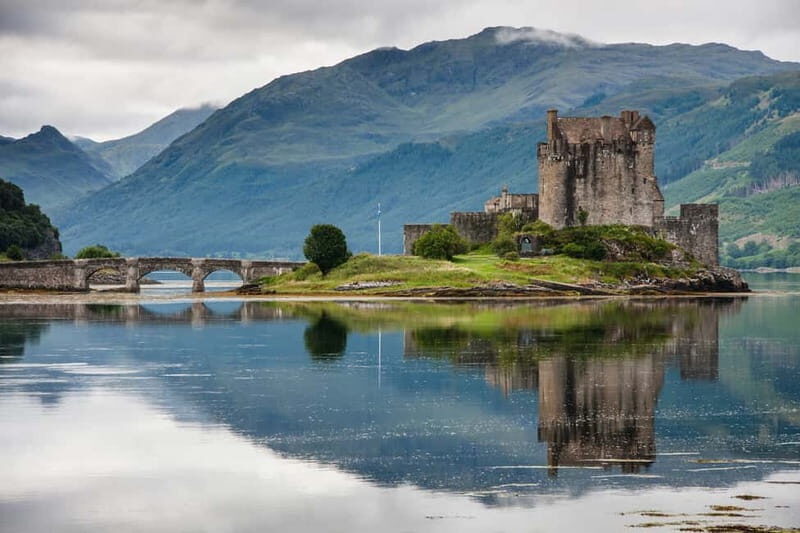
From Loch Ness, the tour continues through Glenshiel and passes the Five Sisters of Kintail. Finally, you reach the meeting point of three lochs (Loch Duich, Loch Long, and Loch Alsh), which sets up Eilean Donan Castle for big-picture views.
A heads-up about Eilean Donan
One downside noted by at least one guest: the castle may be viewed from a distance depending on parking choices and access. If Eilean Donan is the single must-see for you, I’d plan to treat it as a priority photo stop rather than assuming you’ll be able to walk right up to it.
Day 3: Skye’s Trotternish Peninsula, Quiraing, and the Cuillin loop
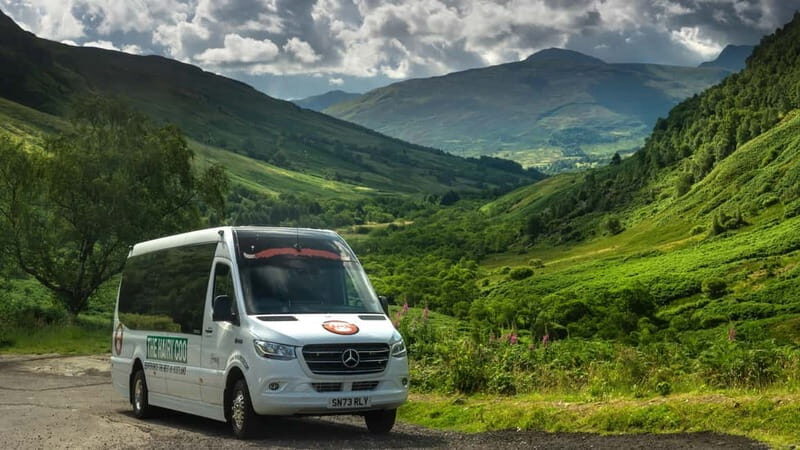
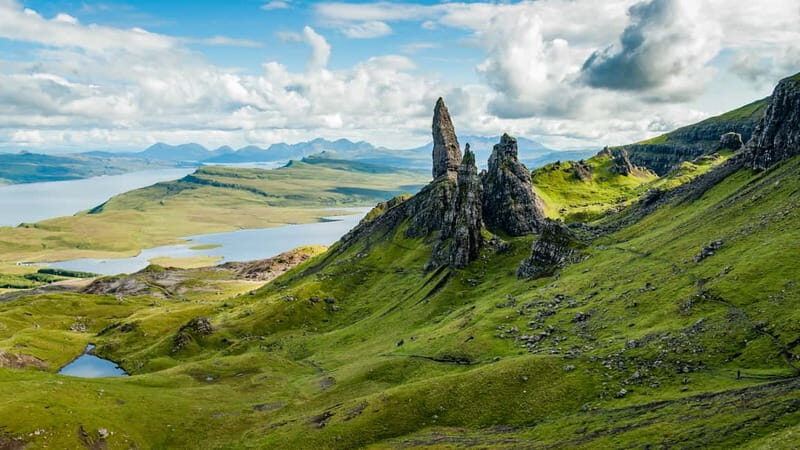
Day 3 is the “this is why you booked” day. You start in Trotternish Peninsula territory with the Old Man of Storr, Kilt Rock, and the Quiraing. These are not random scenic pull-offs. The route is built so you see the same geologic story from multiple angles—rock, weathering, and that dramatic shape-making that Skye is famous for.
What I like about this part of the tour is the way the guide connects the scenery to local folklore. You’re not just looking at formations; you’re hearing how people have explained this place for generations. It makes the landscape feel more like a living culture than a postcard.
After that you visit the Museum of Island Life (optional, and seasonal April to October). Then the day loops north Skye for views toward the Torridon Mountains, and on a clear day you might catch a feel for the Outer Hebrides direction. The tour then moves toward the Cuillin Mountains and continues via Kyle of Lochalsh toward Plockton, a pretty coastal village.
Palm trees in Plockton? Yes—seasonally.
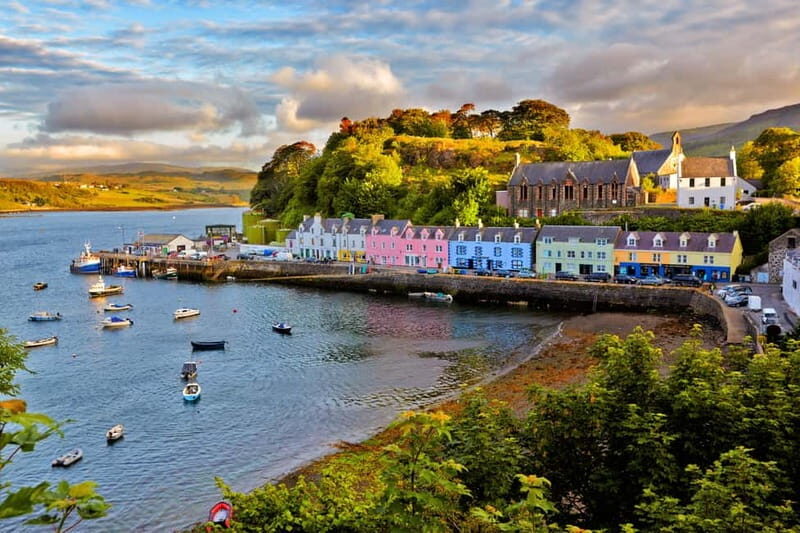
There’s a quirky, very Scotland detail here: during the summer season (April to October), you can take a seal spotting cruise along the coast of palm-tree lined Plockton on Loch Carron (optional). It sounds odd until you see it. Even if you skip the cruise, Plockton is a great “slow down” contrast after Skye’s big cliff scenes.
Day 3 ends with the tour’s next overnight base (the schedule includes Portree as one of the main accommodation towns).
Day 4: Corrieshalloch Gorge, North Coast 500, Ullapool, Beauly, Inverness
Day 4 shifts you from the island drama to North Highland wildness. The first stop is Corrieshalloch Gorge, noted as Scotland’s deepest gorge. This is one of those places where you can feel the scale quickly—so it’s a great stop if you want “wow” without needing a big day-long hike.
Next, you travel the North Coast 500 route past towering peaks and toward Ardvreck Castle, a ruin that adds a “time layers” feeling to the day. Then you stop at Knockan Crag, where the focus turns toward local geology. This is a nice balance: you get both the dramatic scenery and the reason behind it.
Ullapool is your next anchor point, with lunch there. It’s a classic fishing town stop that helps you reset your energy. After lunch, you move on to Rogie Falls, with cascading water and gentle trails in a forest setting—again, the walking is meant to be manageable, but you’ll still want shoes that handle uneven ground.
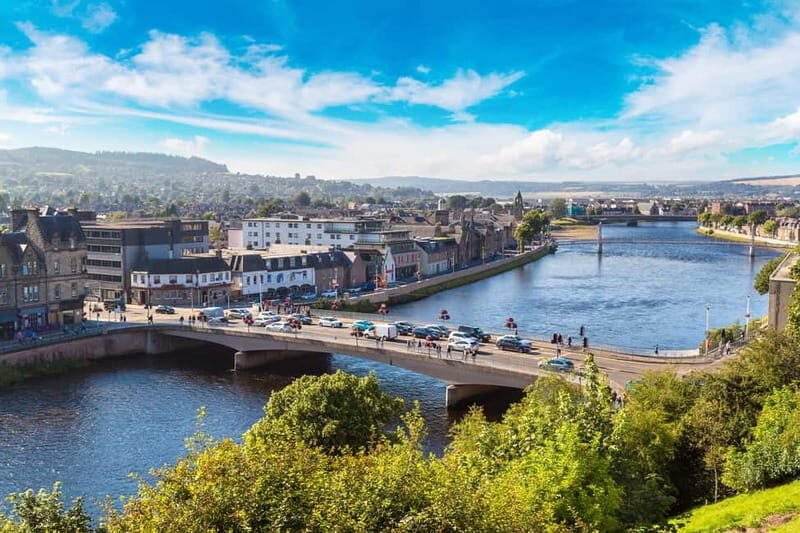
Then you visit Beauly, once associated with Mary Queen of Scots as a favorite town. After that, you head back to Inverness for the night. Inverness is a practical place to end this type of day because you have more options for dinner and it sets you up well for a final history-heavy day.
Day 5: Clava Cairns to Culloden, then St Andrews and Edinburgh
Your last day starts with something that looks simple until you realize its age and purpose. Clava Cairns includes standing stones and burial chambers dating back about 4000 years. It’s the kind of stop that changes how you think about Scotland: this is not a “short history tour” country. It’s a long story.
Then you go to Culloden Battlefield, described as the last battle to be fought on British soil. This stop matters because it frames later Scotland—culture, identity, and the long echo of conflict. If you care about history, I’d give yourself a bit of extra quiet here. The subject can feel heavy, but that weight is part of what makes the visit meaningful.
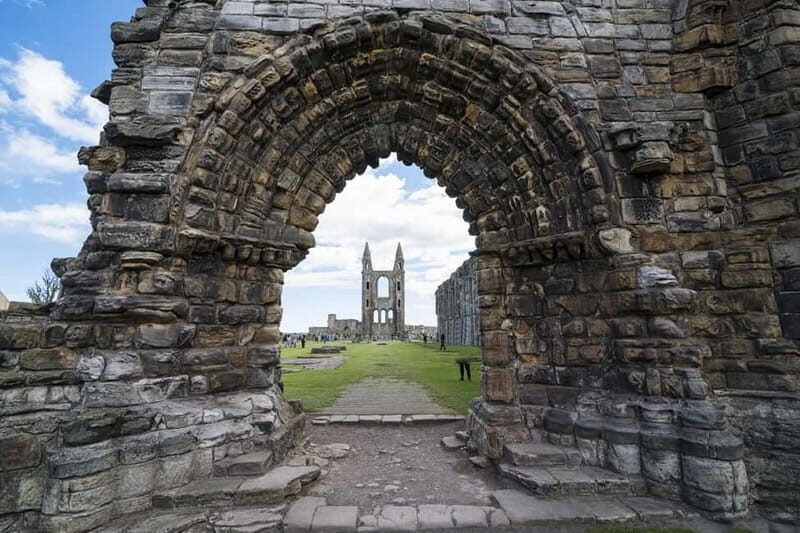
From there the tour passes through Cairngorms National Park and continues into Fife to finish in St Andrews. St Andrews is built for walking. You’ll see the medieval walled town vibe, plus the St Andrews University grounds (noted as the oldest university in Scotland) and St Andrews Cathedral.
By evening, you start heading back toward Edinburgh, crossing the Forth Road Bridge and passing through fishing villages of Fife. The tour concludes in Edinburgh around 6:30 PM (estimated), and you’re advised to leave at least 2 hours after arrival for delays if you have onward plans.
Guides, group size, and why the pacing feels fair
This tour is offered as a small-group experience limited to 16 participants, with an air-conditioned bus. That combination matters more than it sounds. With a bigger group, you spend time waiting. With a smaller one, you get to actually enjoy the stops: you can spread out for photos, return to the bus on time, and keep the day flowing.
The guide quality also seems to be a major part of the experience. Ryan is described as punctual and well organized, Stephen as stellar as both guide and host, Michael as funny and excellent, and Jim as another guide option. In practice, what you want from a Scotland tour guide is not just facts. It’s timing, context, and a way of explaining the why behind what you see—so that a castle or glen doesn’t turn into a checklist.
One pacing drawback to plan for
A guest who focused mainly on Skye said they wanted slower, more relaxed stops, and noted quick meals. Another note mentioned that some hiking felt more demanding than expected. So if your ideal day is long walks with time to linger, you may feel the schedule pushing you. If your ideal day is big sights with manageable foot time and constant variety, you’ll probably be happy.
Value and what you should budget beyond the $507 price
The price listed is about $507 per person for a 5-day, guided, driver-led small-group coach trip. That’s covering transportation plus a live English guide and the bus. Where the value gets clearer is what’s included vs what you’ll still pay for yourself:
- Meals and drinks are not included.
- Accommodation for 4 nights is not included (you’ll be selecting places in Oban, Portree, and Inverness).
- Optional activities cost extra: the whisky distillery tour, Museum of Island Life, seal cruise, and St Andrews cathedral museum/tower.
So you’re really paying for the guide + the route + the access to the “best bits” in an efficient format. If you book smart for lodging and you’re flexible with meals, the overall value can feel strong. If you’re the kind of traveler who needs full board, you’ll want to budget ahead.
Also: free cancellation is offered up to 10 days in advance for a full refund, which gives you flexibility if weather or schedule changes.
Who this tour fits best (and who might feel uncomfortable)
This is a great fit if you want a classic Scotland mix without driving. You’ll get:
- Coastal towns (Oban and Plockton)
- Big nature icons (Glencoe, Skye’s cliffs, North Highlands stops)
- Deep history sites (Dunadd, Clava Cairns, Culloden, St Andrews)
- Optional whisky and seasonal add-ons
It’s not suitable for children under 7, and it’s not set up for wheelchair users or mobility impairments. Also, you’re walking on uneven ground for short stretches at multiple stops, so it helps if you’re comfortable with that.
If you’re traveling solo and hoping for strong social bonding, this small-group format can be hit-or-miss depending on the mix. But you will still get plenty of guided talking and time outdoors to experience the places.
Should you book this 5-day Skye, Highlands, Oban, and St Andrews tour?
I’d book it if you want a tight, well-organized route that hits Skye, North Coast 500, and St Andrews in one go—and you’re happy to handle your own lodging and meals. The small group size and the guide-led context are the biggest reasons this route feels better than a DIY drive for most people.
I’d think twice if your #1 priority is getting right up close to every landmark (especially Eilean Donan) or if you need a totally low-walking schedule with slow, long pauses. The tour’s strength is the mix of big sights with some foot time, not endless lingering.
If you decide to go, my biggest practical tip is simple: pack for walking, plan your dinners in advance in busier Skye towns (Portree is specifically noted as busy), and keep expectations realistic about how close you’ll get to each castle or viewpoint.
FAQ
Where is the meeting point and what time does the bus depart?
You meet in front of the Burns Monument at 1759 Regent Road in Edinburgh. Check-in starts at 8:00 AM and the bus departs at 8:15 AM sharp.
How many people are in the group?
The tour is limited to 16 participants, and it’s operated so that groups do not exceed 8 passengers.
Are meals included?
No. Meals and drinks are not included.
Is accommodation included?
No. Overnight accommodation for 4 nights (in Oban, Portree, and Inverness) is not included.
What optional activities can I add, and which are seasonal?
Optional add-ons include a Scotch whisky distillery tour, the Museum of Island Life, and a seal spotting cruise. The Museum of Island Life and the seal cruise are seasonal and run April to October. St Andrews Cathedral Museum and Tower is also optional.
Is there hiking, and what should I bring?
You’ll have a mix of photo stops and short walking, including a short hike in Glencoe and gentle trails around Rogie Falls. Bring comfortable shoes and comfortable clothes.
Is the tour wheelchair accessible?
No. The tour is not suitable for wheelchair users or people with mobility impairments.
When does the tour end?
The tour concludes in Edinburgh. The estimated arrival on day 5 is around 6:30 PM, and it’s recommended to allow at least 2 hours for any onward travel in case of delays.