REVIEW · CARDIFF
Cardiff: Techniquest Science & Discovery Centre Entry Ticket
Book on GetYourGuide →Operated by Techniquest · Bookable on GetYourGuide
Science you can press, slide, and play with. Techniquest in Cardiff Bay turns interactive STEM into a one-day family mission, with science themes rooted in Welsh culture. It’s the UK’s longest-running science discovery centre, so it’s built for repeat visits and curious questions.
I especially love the Hurricane simulator and the giant silver slide, because you’re not just watching science happen—you’re helping it happen. I also like the sensory garden on the East Terrace, where plants come at you via sight, scent, and touch, plus a nice breather from the busy indoor exhibits.
One thing to plan for: your entry ticket covers the hands-on galleries, but add-on shows like the 360° planetarium and live science shows aren’t included. Also, if you’ve got a teen who’s not into interactive kids-style activities, you may find interest drops after the initial wow.
In This Review
- Key things to know before you go
- Techniquest in Cardiff Bay: a science day that stays kid-friendly
- Start in Science Capital: five zones that give you a game plan
- The hands-on exhibits: where the learning is built into the action
- Hurricane simulator and the giant silver slide: the fastest way to a big smile
- The sensory garden on the East Terrace: a calm break with real pay-off
- 360° planetarium: a standout highlight that costs extra
- Live science shows and KLA Lab workshops: good add-ons, not part of entry
- How long you really need: one day is plenty, if you don’t rush
- Who should book Techniquest (and who might not love it)
- Price and value: is about $17 per person a good deal?
- A practical way to plan your day in Cardiff Bay
- Should you book Techniquest in Cardiff?
- FAQ
- Is Techniquest ticket access limited to specific exhibits?
- Does the entry ticket include live science shows?
- Does the entry ticket include the 360° Planetarium?
- Are KLA Lab workshops included?
- How many interactive exhibits can you expect?
- What areas inside Techniquest are organized for visitors?
- How long is the ticket valid for?
- What if plans change?
Key things to know before you go

- Hurricane simulator and giant silver slide are the big-movement crowd pleasers
- 100+ hands-on exhibits across space, environment, chemistry, world issues, and biomedical science
- Science Capital zones help you steer the day instead of wandering aimlessly
- Sensory garden on the East Terrace makes a solid mid-visit reset
- 360° planetarium is a highlight, but it’s typically an add-on, not included
- KLA Lab workshops and live shows can fill gaps if you want more than exhibits
Techniquest in Cardiff Bay: a science day that stays kid-friendly
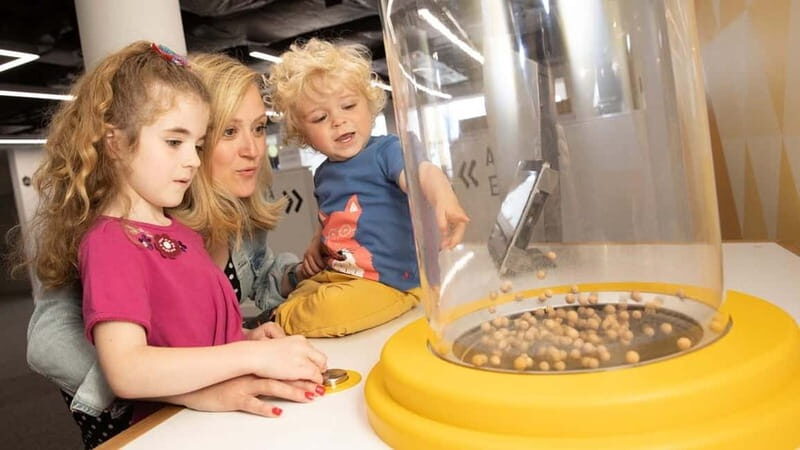
Techniquest sits in the heart of Cardiff Bay, and the setting matters. You’re right in a lively part of the city, so the day feels like an outing, not a chore. The museum’s big promise is practical: over 100 interactive STEM exhibits that are designed to get you hands-on, not just hands-off.
What makes Techniquest work well is the mix of learning styles. Some stations ask you to experiment. Some invite role play and playful tinkering. And some are built for older children and adults who like to understand what’s going on, not just trigger the next button. A 5/5 comment from Chiaki (United Kingdom) sums up the balance nicely: it’s good for children, but parents won’t feel ignored.
The overall vibe is also consistent. You won’t feel like you have to do everything in one marathon push. With so many exhibits, you can pace yourself and still see the best parts.
You can also read our reviews of more tours and experiences in Cardiff.



Start in Science Capital: five zones that give you a game plan
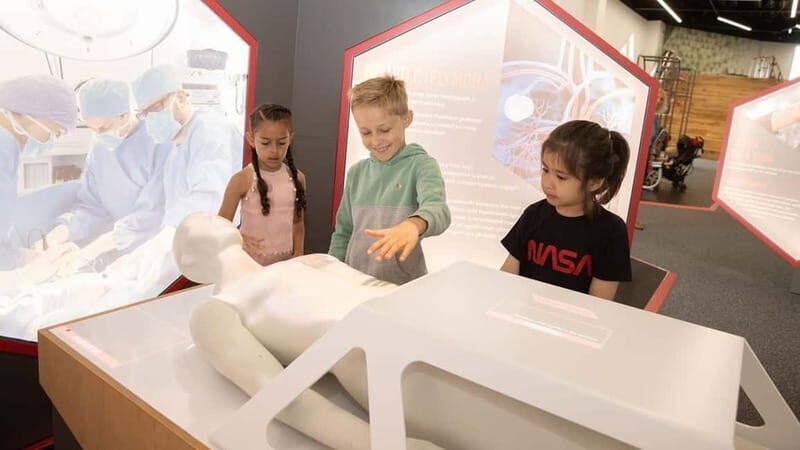
When you walk in, you’re pointed toward the Science Capital concept. Think of it as an internal map that keeps you from getting stuck in exhibit limbo—wandering randomly while everyone else looks like they already know where to go.
The five thematic zones are:
- Space
- Environment
- Chemistry
- World issues
- Biomedical science
That structure is more useful than it sounds. If you have kids who pick one theme and stick with it, you can follow their curiosity. If you have an adult who wants structure, you can use the zones like “chapters” and make sure you see at least one stop in each.
I like that the museum isn’t pretending science is only one thing. It ranges from big-picture questions (space and world issues) to the body (biomedical science) and everyday materials (chemistry). That gives your visit a chance to feel personal. Someone who’s into weather or plants can drift toward environment. Someone who’s into how the world works can bounce between chemistry and world issues.
The hands-on exhibits: where the learning is built into the action

Your ticket gives you access to all hands-on exhibits, which is the core of the value. Instead of paying for a few fixed experiences, you’re paying for a full day of play-based learning. And when a museum has 100+ interactive stations, it usually means there’s something for different comfort levels—quiet experimenters, fast button-pushers, and kids who want movement.
From the highlights, two stand out as “classic Techniquest energy”:
- Role Play Area for younger visitors
- interactive touches like the giant piano and ant-watching
Those details matter because they hint at how the museum teaches. It’s not all “science lecture cosplay.” It’s also sensory and playful. A giant piano tells you the space is thinking about sound and cause-and-effect in a way that kids can feel immediately. Ant-watching points to observation and patience—two skills that don’t always get built into school breaks.
Even better, the museum is set up so that mixed-age groups can share activities. One person can do the sensory-looking station while another tackles the movement one. You’re not constantly splitting up.
Hurricane simulator and the giant silver slide: the fastest way to a big smile
If you want the highlight that most people will remember, this is it. The Hurricane simulator is one of Techniquest’s signature experiences, paired with the giant silver slide. These are the moments that turn your visit into a story you can tell later.
Why do these work so well? Because they hit the science in a body-level way. Simulators and slides don’t just show a concept. They create a visible physical result—air movement you can feel (or at least see), gravity and motion you can experience immediately. Kids get the “why” through the “what happened.”
In the feedback I saw, Sundeep Kumar (United Kingdom) described the overall experience as a gamification setup, which is exactly what these attractions deliver. They aren’t quiet. They’re the kind of stops where you’ll want a little patience, because other people will want turns too.
Practical tip: don’t schedule these at the end of your day. If you hit them early, you can ride the excitement wave while you explore the rest more calmly.
The sensory garden on the East Terrace: a calm break with real pay-off
A science centre can get loud—physically and mentally. That’s why I love having an outdoor reset built into the plan. Techniquest’s sensory garden on the East Terrace gives you a change of pace without ending your day.
The garden experience focuses on plants through:
- sight
- scent
- touch
This is the kind of feature that helps kids who aren’t laser-focused on gadgets. It also helps adults slow down for a minute and notice how learning can be grounded in ordinary things. Plants are a basic topic, but the sensory approach makes it feel like discovery again.
Also, the East Terrace connects you back to the waterfront area. The overview notes you can enjoy the waterfront views, which makes the garden feel like more than a token outdoor corner.
If your group starts melting down, the sensory garden is usually the place to take five. Treat it like a recharge, not an extra.




360° planetarium: a standout highlight that costs extra
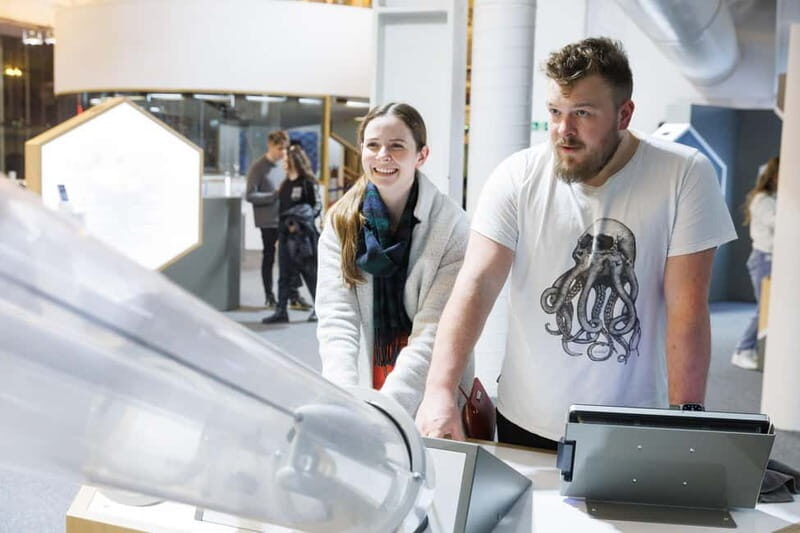
The 360° Planetarium is included in the attraction’s highlights, so it’s clearly a big deal. But it’s not included with your standard entry ticket, along with live science shows and lab workshops.
So here’s how I’d plan it as you make your “best use of a day” decision:
- If your family is space-focused or you know your kids love big-screen visual experiences, add the planetarium show.
- If you’re visiting mainly for hands-on exhibits and movement, you can skip it and still have a full, satisfying day.
Because ticket access is clearly separated from the planetarium shows, you’ll want to check what’s available during your visit and pick one show rather than trying to fit multiple add-ons.
In other words: the planetarium is worth considering, but it’s not required to make the day successful.
Live science shows and KLA Lab workshops: good add-ons, not part of entry
Techniquest also runs live science shows and offers hands-on workshops in the KLA Lab. The catch is simple: these are not included in the entry ticket you’re considering.
That doesn’t mean they’re skippable. It means you should choose deliberately. When you add live shows or workshops, you trade flexibility for schedule. You might gain a guided experience that helps you understand what you’re seeing in the exhibits.
If you do add them, build your day around the add-on time. Otherwise, you’ll lose the advantage of Techniquest’s “show up and roam” strengths.
The museum also mentions a calendar with special events during your visit, which is a good sign if you like structured learning. Check ahead so you can plan around any theme days or extra programming.
How long you really need: one day is plenty, if you don’t rush
The ticket is valid for 1 day, and the experience is designed for a full visit rather than a quick stop. In practice, “plenty” depends on how you handle interactive exhibits.
Here’s a realistic way to pace it:
- Start in the Science Capital zones and pick a few priorities rather than trying to do every station.
- Save the Hurricane simulator and giant slide for a time when your group has energy.
- Add the sensory garden mid-day to break the noise and reset attention.
- Decide on planetarium and live shows based on what’s available and how the day is going.
A 15-year-old finding it a bit boring is a real possibility, and it’s important to respect that. One feedback example from a Germany-based visitor said the place felt more suited to younger children and that their daughter (age 15) found it slow. That doesn’t mean the museum is bad for older kids—it means the interactive style is better matched to certain attention spans.
If your group includes teens, set expectations early: they’ll likely enjoy the loud, physical, or hands-on pieces more than the slower observation stops.
Who should book Techniquest (and who might not love it)
Techniquest is built to serve families first, but it’s not only for small kids.
Based on the feedback and the exhibit style, it tends to work best if:
- you’re traveling with young children who like hands-on play
- you want science you can experience without homework energy
- you like a museum day that includes movement and sensory breaks
- you’re okay choosing add-ons like the planetarium separately
It might be less satisfying if:
- you’re bringing older teens who want a more traditional museum format
- you’re only interested in the planetarium or live shows and don’t care about the hands-on exhibits
- you’re short on time and want just one or two specific attractions (because the value is in the wide exhibit access)
The good news? Even if older kids don’t fall in love with everything, many still light up at the big experiences like the Hurricane simulator and slide. The hands-on exhibits give you enough options to keep people from feeling stuck.
Price and value: is about $17 per person a good deal?
At about $17 per person, the value comes from a single key point: entry gives you access to all hands-on exhibits. You’re not paying for a tiny set of ticketed activities.
So the value question really becomes this:
- If you and your group will actually use the interactive exhibits, it’s strong value.
- If your group only wants the planetarium or live shows, the base ticket won’t be the full story because those add-ons aren’t included.
For families, Techniquest can be a smart spend because kids can try multiple stations in one day. For adults traveling with children, it also hits a nice sweet spot. Chiaki’s comment—good for children but also parents—matches the idea that this isn’t a “drop off and wait” type of attraction.
In other words, the pricing makes sense when you plan to stay and play.
A practical way to plan your day in Cardiff Bay
If you’re building a broader Cardiff Bay day, Techniquest is a good anchor. You can pair it with waterfront walking before or after, since the museum includes an outdoor sensory stop that naturally transitions into the area.
My suggestion:
- Go earlier in your day if you want the calmest chance to enjoy popular hands-on areas.
- Keep at least one “flex slot” for the add-ons you decide on once you’re there (planetarium, live shows, or KLA Lab workshops).
- If you’re traveling with different age groups, agree on one must-do highlight early, then let everyone choose two or three additional stops.
This keeps the visit from turning into a negotiation every time someone discovers a new exhibit.
Should you book Techniquest in Cardiff?
Book it if you want a one-day STEM outing that’s hands-on, structured enough to feel organized, and fun enough that kids don’t feel like they’re being tested. If your group includes younger children, the Role Play Area, interactive exhibits, and the big physics-style attractions (Hurricane simulator and giant silver slide) are exactly the kind of experiences that make memories.
Skip or rethink if your top priority is the planetarium shows or live science events, because those are not included with the entry ticket you’re considering. And if you’re bringing older teens who need a more traditional museum feel, plan to steer them toward the physical, interactive exhibits and pick add-ons only if you know they’ll enjoy them.
If you match your expectations to what Techniquest includes, the day is likely to feel like good value and genuinely enjoyable science time in Cardiff Bay.
FAQ
Is Techniquest ticket access limited to specific exhibits?
No. The entry ticket includes access to the hands-on exhibits across the centre.
Does the entry ticket include live science shows?
No. Live science show access is not included with the ticket.
Does the entry ticket include the 360° Planetarium?
No. Access to Planetarium shows is not included with the entry ticket.
Are KLA Lab workshops included?
No. Access to the KLA Lab workshops is not included.
How many interactive exhibits can you expect?
You can explore over 100 interactive STEM exhibits.
What areas inside Techniquest are organized for visitors?
The Science Capital area is described as having five thematic zones: space, the environment, chemistry, world issues, and biomedical science.
How long is the ticket valid for?
The ticket is valid for 1 day, and you should check availability to see starting times.
What if plans change?
Free cancellation is available up to 24 hours in advance for a full refund, and you can also reserve now and pay later.