REVIEW · CARDIFF
From Cardiff: Wye Valley and Brecon Beacons Full-Day Trip
Book on GetYourGuide →Operated by Tours Wales · Bookable on GetYourGuide
One day. Roman ruins, ruined abbeys, and mountain views.
I took this full-day South East Wales route with Riki, and what makes it click is how the places connect: Rome to the Middle Ages to industry, with the scenery doing the talking. You’ll move from the river valleys of the Wye Gorge up into Brecon Beacons National Park, with a small group that keeps the pace friendly and the stops meaningful.
What I love most is the mix of big-name stops and the moments most people skip. I liked seeing Caerleon up close—Roman amphitheatre and legionary barracks remains that feel oddly real—and I loved the Brecon Beacons scale when you’re near Pen y Fan and Corn Du. The day also has great variety: charming towns, a hidden church stop, and then Merthyr Tydfil’s industrial revolution story.
One thing to consider: it’s a lot of ground in 8 hours, so some stops feel timed for soaking it in rather than lingering for hours. If you hate tight photo windows, build in your patience and focus on one or two “must-do” moments.
Top reasons to book this Wales day loop
- Caerleon Roman amphitheatre remains: not just a plaque, but a real sense of the site’s size
- Tintern Abbey ruins by the Wye: famous for JMW Turner, but still dramatic even after the centuries
- Brecon Beacons viewpoints: time at Pen y Fan and Corn Du country for sky-and-valley photos
- St. Issu hidden-church stop: a quieter detour that adds character to the day
- Crickhowell + Brecon towns: canal/cathedral time plus a lunch break you can tailor to your taste
- Merthyr Tydfil’s industrial revolution angle: the story shifts from landscapes to progress and people
In This Review
- Roman Caerleon to Tintern Abbey: where the day gets real fast
- The Wye Gorge, Forest of Dean vibes, and why Monmouth/Rockfield matter
- Brecon Beacons National Park: Panoramas near Pen y Fan and Corn Du
- St. Issu and the quiet stops that make the day feel personal
- Crickhowell for lunch, Brecon Town for canal and cathedral time
- Merthyr Tydfil: the Welsh industrial revolution angle you’ll remember
- Small-group comfort, van timing, and what $134 is buying
- What to bring for rain or shine (and how to avoid trip-day stress)
- Who this day trip fits best
- Should you book this Wales tour?
- FAQ
- How long is the Cardiff Wye Valley and Brecon Beacons full-day trip?
- How big is the group?
- What languages does the live tour guide speak?
- What’s included in the price?
- What isn’t included?
- Where do I meet the guide?
- What should I bring if the weather is bad?
Roman Caerleon to Tintern Abbey: where the day gets real fast
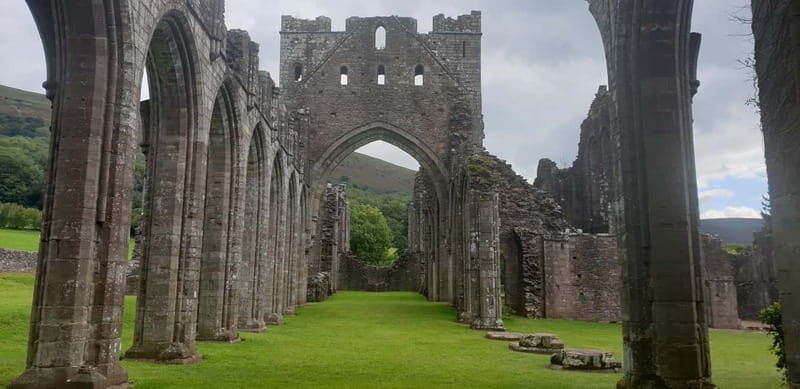
This day trip starts where most of your questions about Wales start too: how the country layers old power on top of new life. You meet your guide at Cardiff Central Railway Station’s south entrance and then you’re off in the van, headed straight for Caerleon, a Roman town with remains you can actually walk around.
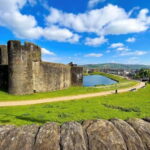
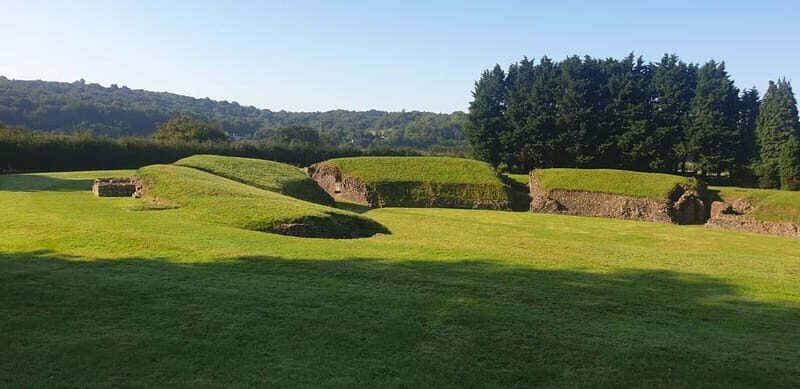
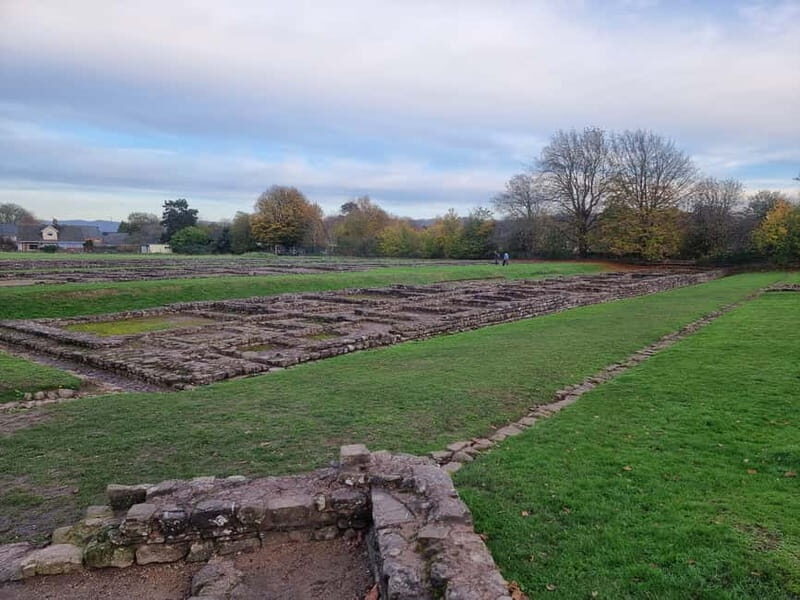
At Caerleon, you’ll get a guided look at the Roman amphitheatre remains and the legionary barracks. The point isn’t to “museum” your way through. It’s to stand where Roman buildings once anchored a military base, and hear how the Roman presence took root in what was never a remote corner. Even if you’re not a Roman nerd, the scale makes you slow down.
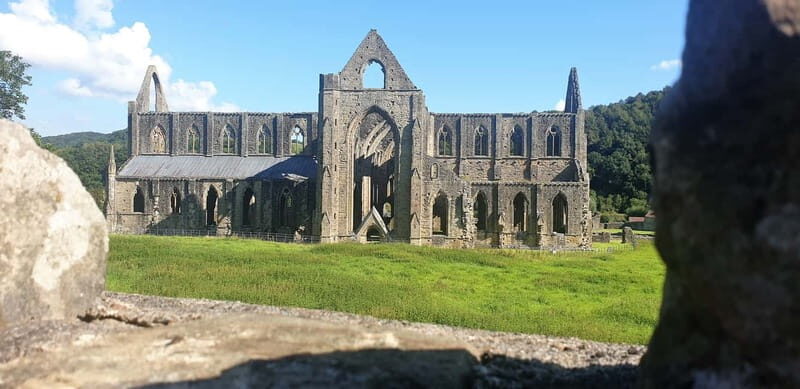
From there, the route turns toward the Wye Gorge. This is the part of the day where the driving starts to feel like a storybook: river bends, valley views, and sudden glimpses of stone and trees where you expect open countryside. The stop at Tintern Abbey—Abaty Tyndryn—is one of those “yes, I’ve seen this” places. It’s famous for painter JMW Turner, but you don’t need Turner to appreciate what you’re looking at.
You get about a half hour here for the ruins and the setting. Expect ruined walls, quiet corners, and the kind of atmosphere you get when nature keeps growing where people once built and lived. If you’re the type who likes a moment of stillness, Tintern is your reward stop. One review detail I’d take seriously: there’s an ancient yew tree nearby that people talk about as thousands of years old, and it tends to make the whole place feel more personal.
Practical tip: with stops this short, choose where you want your “main photo” before you scatter for walking time.
The Wye Gorge, Forest of Dean vibes, and why Monmouth/Rockfield matter
Between the big draw stops, you’ll pass through the broader river-country feel that makes this trip more than a checklist. After Tintern Abbey, you move through the gorge area and the Forest of Dean region, with a route that gives you the in-between Wales: not just sights, but the drive that links them.
You’ll also travel via Monmouth and Rockfield. These aren’t the big-ticket headline items on everyone’s itinerary, but they help create the sense of continuity. Wales here isn’t one “thing.” It’s a chain of small places and rivers that shaped where people lived and worked.
This is also where the small group matters. With a group capped at 6, the guide can manage timing around the real world: traffic, weather, and the moments when a view actually deserves two more minutes. You’ll feel that flexibility when you’re moving on roads that aren’t built for big tour buses.
You can also read our reviews of more tours and experiences in Cardiff.

Brecon Beacons National Park: Panoramas near Pen y Fan and Corn Du
Once you enter the Brecon Beacons National Park area, the day shifts gears. This is where you trade Roman edges for high-air views and mountain weather. You’ll spend time in the Black Mountains, with a guided feel for what you’re looking at rather than a simple “go see this” approach.
You’ll have a Brecon Beacons visit block that’s short but purposeful. Then later, you return again for a bigger stretch that includes time to walk. That second chunk is important because it’s where the views aren’t just seen from the van window. They’re taken in with your feet on the ground.
Pen y Fan and Corn Du are the stars here. The route includes viewpoint time and reservoir reflections near Talybont and Pontsticill. If you like landscape photography, this is your payoff: open sky, far ridges, and mirror-like water when conditions cooperate.
And because it’s Wales, conditions might not cooperate. You’ll still get the mountain feeling in rain or wind, but the look changes fast. That’s why comfortable shoes matter more than fashionable shoes—mud happens, and you don’t want your trip to turn into a balancing act.
Practical tip: bring rain gear even when the forecast looks fine. You’re going into higher country where weather can shift quickly.
St. Issu and the quiet stops that make the day feel personal
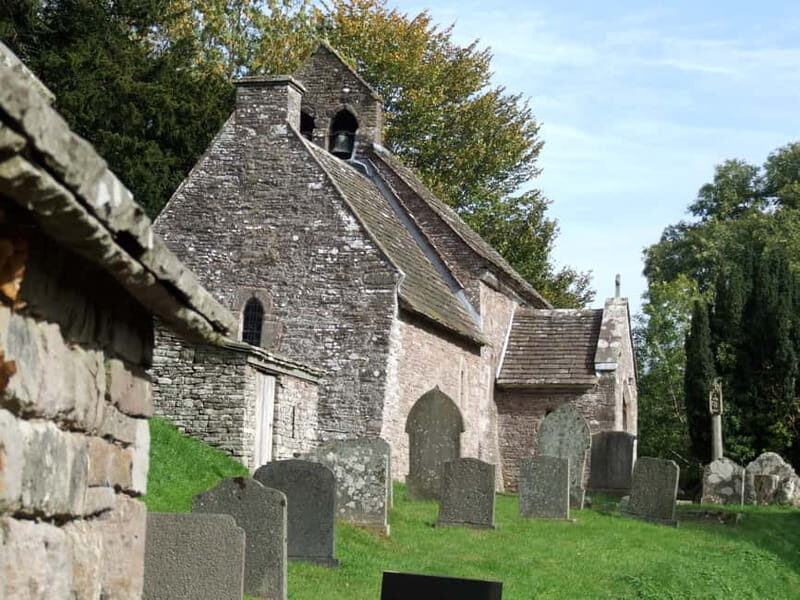
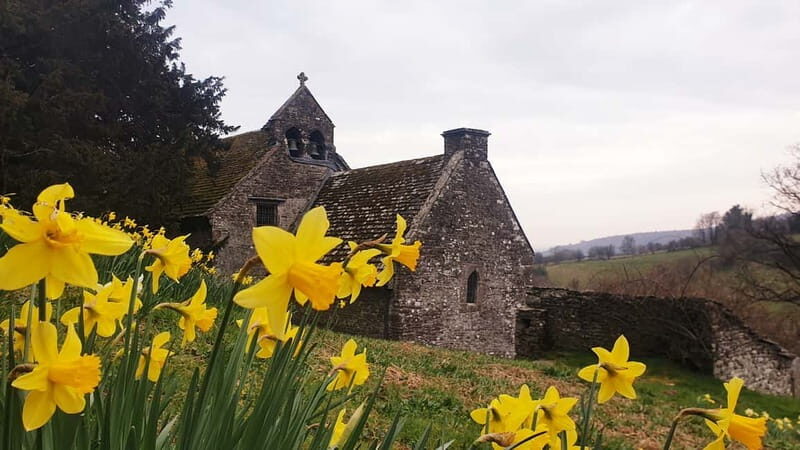
One of the more interesting parts of the route is the “smaller” stop inside the park: the hidden church of St. Issu. It’s the kind of detour that doesn’t fit a fast, high-volume sightseeing model.
Here, you’re not chasing a cathedral crowd scene. You’re stepping into a tucked-away place that gives the day a sense of calm and continuity. This is also a stop that works for different travel styles: if you like big sights, you still get them later; if you love details and atmosphere, this is where you slow down.
This stop also helps explain why the guide experience matters. The route isn’t only about where to stand. It’s about what to notice when you’re standing there—stone, setting, the small human-scale feel that can get swallowed by bigger attractions.
Crickhowell for lunch, Brecon Town for canal and cathedral time
By the time you reach Crickhowell, you’ve earned a break. Lunch time is built in here, but food isn’t included, so you’ll pay for your own meal. The value of including a town stop isn’t just food. It’s the chance to reset your eyes and legs after the road and the gorge.
Crickhowell also has that “small market town” feel that makes it easier to wander without a strict agenda. If you want a pub lunch, this is your moment. If you’d rather grab something quick and enjoy the walk, you have the time to do that too.
Next is Brecon, with time to explore the town, including the canal area and the Cathedral. Brecon adds a different rhythm to the day. Instead of standing in ruins or on viewpoints, you’re back in daily life, where you can look around, shop a bit if you want, and just let the day loosen its grip.
If you like mixing scenery with places that feel lived-in, Brecon is the right kind of stop. It keeps the trip from feeling like a long car ride punctuated by photos.
Merthyr Tydfil: the Welsh industrial revolution angle you’ll remember
The Merthyr Tydfil portion is a real differentiator. A lot of Wales tours focus on castles, coast, or countryside. This one brings you into the story of the Welsh industrial revolution and ties it to the beginnings of train travel.
You’ll follow the river Taff for the return journey to Cardiff in the late afternoon. That matters more than it sounds. It gives your day a clean arc: you start with Roman military power, move through religious change and valley life, then hit industry and transportation, and finally slide back toward Cardiff along the river.
Merthyr Tydfil is the part of the trip that can shift your perspective. You come away seeing that Wales wasn’t only built by old stone and old legends—it was shaped by work, engineering, and transport links too.
Practical tip: if you care about history, this is where your questions get answered. Pay attention to how the guide connects the sites rather than treating each stop like a separate postcard.

Small-group comfort, van timing, and what $134 is buying
At $134 per person for an 8-hour day, you’re paying for three things: transportation from Cardiff, guided interpretation, and a tight routing plan that covers multiple regions in one go.
This price can feel steep if you’re comparing it to a DIY drive. But DIY doesn’t give you the same time-saving logic, and it rarely gives you the “why” behind what you’re seeing. With bottled water included and a guided tour across the day, you’re buying efficiency plus context.
The small group size—limited to 6—makes the experience feel more controlled. You’re not stuck watching your guide disappear into a crowd at every stop. You’re also not dealing with a huge bus schedule where you feel like you’re always waiting.
Duration is the tradeoff. Eight hours is long enough to cover Caerleon, Tintern, Brecon Beacons, Crickhowell/Brecon, and Merthyr Tydfil—but it’s not long enough to linger. The best approach is to pick your “slow moment” ahead of time: for many people, that’s Tintern Abbey or the park walking segment.
What to bring for rain or shine (and how to avoid trip-day stress)
This tour runs rain or shine. That’s not just a line on a page; it affects what you’ll enjoy most.
Bring:
- Comfortable shoes (and hiking shoes if you own them)
- Rain gear
- A mindset that the view might change minute to minute
Also, think about layers. Brecon Beacons weather can shift fast, and the van ride doesn’t always keep you warm once you step out.
One more thing: this route includes several short visits. If you show up ready to move—bag on, shoes tied, rain gear accessible—you’ll spend your energy on the sights, not on fixing your own gear.
Who this day trip fits best
This tour is a strong match if you want a “best of South East Wales” day without the hassle of planning your own route and driving between regions. It’s also ideal if you like variety: Roman remains, abbey ruins, mountain views, town breaks, and industrial history.
It’s less ideal if you’re traveling with very young kids who need frequent, longer breaks. It’s also not the best choice if you want a slow, wandering day where each stop is an open-ended hangout. The schedule is designed for coverage, with guided time at each main point.
If you’re the kind of person who likes learning the connections between places—rather than just checking boxes—you’ll probably feel satisfied even when the walking time is short.
Should you book this Wales tour?
Yes, if you want one day that hits Caerleon, Tintern Abbey, and Brecon Beacons plus a history stop in Merthyr Tydfil—and you want a guide named Riki to steer the story. It’s good value when you factor in the guided interpretation and the fact that you’re covering multiple regions that are harder to connect smoothly on your own.
I’d only skip it if you strongly dislike time-pressured stops or if you want long hikes. If that’s you, you may prefer a slower, single-region plan.
FAQ
How long is the Cardiff Wye Valley and Brecon Beacons full-day trip?
It runs for 8 hours.
How big is the group?
The group is small, limited to 6 participants.
What languages does the live tour guide speak?
The guide speaks Welsh and English.
What’s included in the price?
Bottled water and a guided tour are included.
What isn’t included?
Food and entrance fees are not included.
Where do I meet the guide?
Meet at the south entrance (car park south of the station) of Cardiff Central Railway Station. Look for the van with a Tour Wales logo.
What should I bring if the weather is bad?
Wear comfortable shoes or hiking shoes, and bring rain gear, since the tour runs rain or shine.