REVIEW · CHATHAM
Chatham: The Historic Dockyard Chatham Annual Ticket
Book on GetYourGuide →Operated by Chatham Historic Dockyard Trust · Bookable on GetYourGuide
A submarine periscope and lifeboats in one day. This Chatham Historic Dockyard annual ticket is built around hands-on maritime experiences: you can climb aboard three very different warships and then keep going through Cold War, WWII, and Victorian stories. I also love the way the site makes the past physical, especially with the RNLI Historic Lifeboats collection and the working-feeling rope-making displays. One drawback to plan around: you can easily underestimate the time needed, and a short visit can feel rushed.
Two things I’m really glad about here are the chance to get up close to ships rather than just read panels, and the strong emphasis on real dockyard craft. You’ll spend real time at the ships, then shift gears to interactive exhibits like Command of the Oceans and the No. 1 Smithery museum spaces. The annual format is also the best part for me: you can come back instead of trying to do everything in a single, pressured day.
The whole dockyard has an open-door feel now, but it still reads like a place that used to be tightly controlled. That contrast matters. You’ll walk through restored buildings, see how generations worked, and get the sense of what it meant to build and protect ships—without needing a marine-science degree.
In This Review
- Key Highlights You’ll Actually Feel
- Why an Annual Ticket Changes Chatham’s Dockyard Game
- Entering the Dockyard: Restored Space and Practical First Stops
- Cold War Submarine, WWII Destroyer, Victorian Sloop: Three Ships, Three Moods
- Cold War submarine: see through the periscope
- WWII destroyer: take the bridge
- Victorian sloop: ring the ship’s bell
- Command of the Oceans and No. 1 Smithery: Stories Underfoot
- Command of the Oceans: secrets hidden below the floor
- No. 1 Smithery: museum collections in a dockyard setting
- RNLI Historic Lifeboats: The Biggest Collection, and Why It Matters
- Rope-Making Since 1618: Where Craft Turns Into an Experience
- How Long Should You Plan? More Than Four Hours Usually Wins
- Facilities, Food, and the Small Comforts That Keep You Moving
- Price and Value: What $37 Buys (and Why It’s Not Just a One-Day Ticket)
- Who Should Buy This Annual Ticket
- Should You Book the Chatham Annual Ticket?
- FAQ
- How long is the annual ticket valid?
- What’s included with the Historic Dockyard Chatham entry ticket?
- What are the main attractions I should plan around?
- Is parking included?
- Can I cancel my booking?
- Can I reserve and pay later?
- What language is the host or greeter?
- Is this experience wheelchair accessible?
- Will I be able to access exhibitions during my visit?
Key Highlights You’ll Actually Feel

- Board three eras in one ticket: a Cold War submarine, a WWII destroyer, and a Victorian sloop you can ring
- RNLI lifeboats up close: the UK’s biggest collection of RNLI Historic Lifeboats
- Command of the Oceans interactive exhibit: find hidden ship secrets under the floor and hear the waves
- No. 1 Smithery collections: featured displays tied to major UK museum collections
- Rope-making since 1618: follow the ropemakers in a quarter-mile-long ropery setting
- You can return again and again: valid for 365 days from first activation, so you’re not forced into one sprint
Why an Annual Ticket Changes Chatham’s Dockyard Game
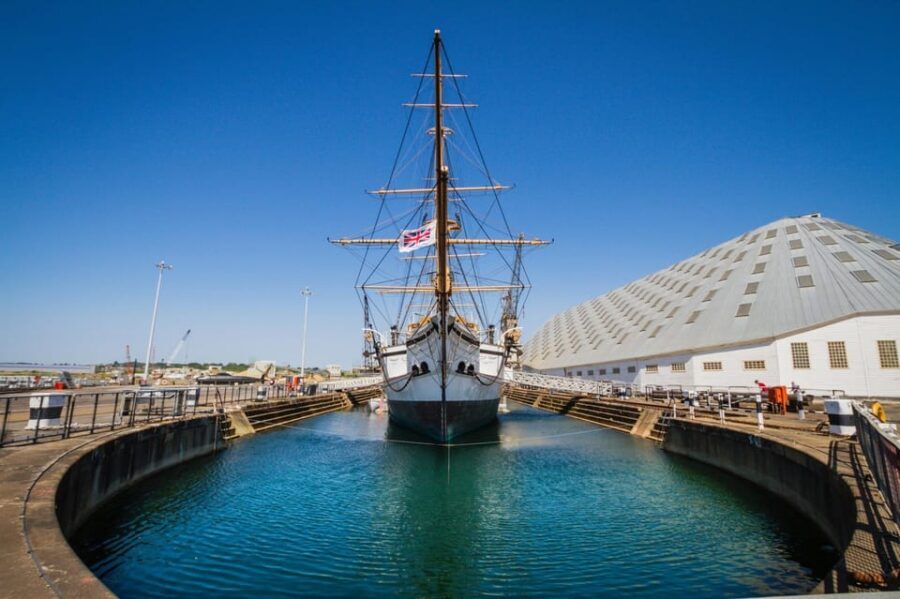
Buying one ticket for a year is the quiet trick here. A lot of heritage sites make you choose between “see the highlights” and “stay all day.” Chatham’s Historic Dockyard gives you more breathing room, because you don’t have to get everything perfect on your first visit.
At about $37 per person, the value comes from access plus repetition. It’s not just one day of entry. The ticket stays valid for 365 days from first activation, so if you hit the dockyard when you’re tired, rainy, or short on time, you can come back and finish the rest. That matters because the site is easy to misjudge. One short visit timing example: people who only had about four hours found they still needed more to see it properly.
You also get access to both temporary and permanent exhibitions, plus school-holiday activities when they’re running. That keeps the experience from feeling stale even if you return more than once.
You can also read our reviews of more tours and experiences in Chatham.

Entering the Dockyard: Restored Space and Practical First Stops
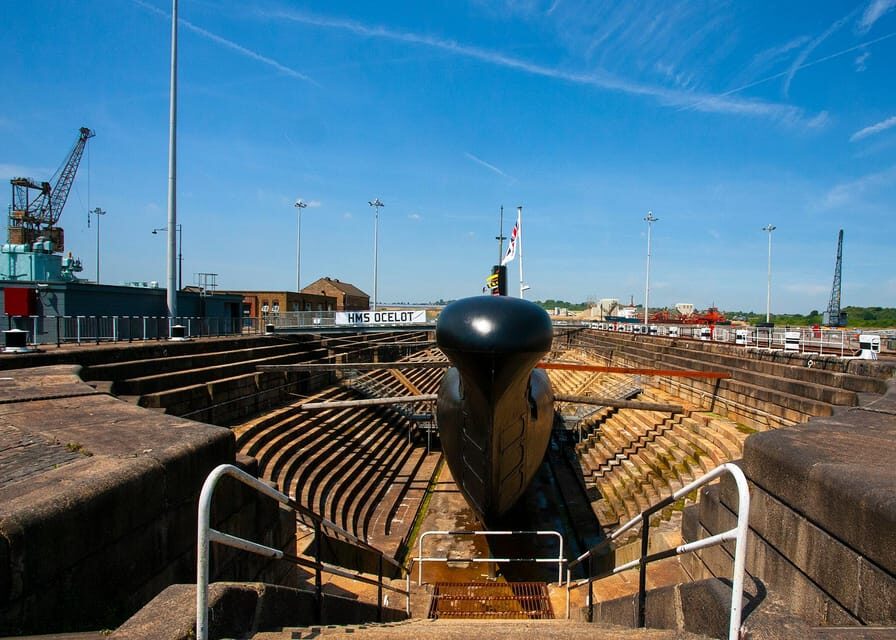
The dockyard feels like a working shipyard you can walk through, not just a museum with polite rope lines. You move between restored buildings and ships, and the layout nudges you to keep switching between “construction and craft” and “command and survival.”
One practical note: the start of your day may involve a voucher or ticket check-in. If you’re using a voucher, I’d plan for a possible slow moment while staff scan and handle entry details. A small delay can happen if information has to be entered manually, so arrive with an easy pace.
Inside, you’ll find a lot of education that doesn’t feel like school. Even when you’re reading, you’re reading in context—inside ship spaces, beside lifeboats, or near tools tied to actual dockyard work. That’s the difference between seeing history and feeling it.
Cold War Submarine, WWII Destroyer, Victorian Sloop: Three Ships, Three Moods
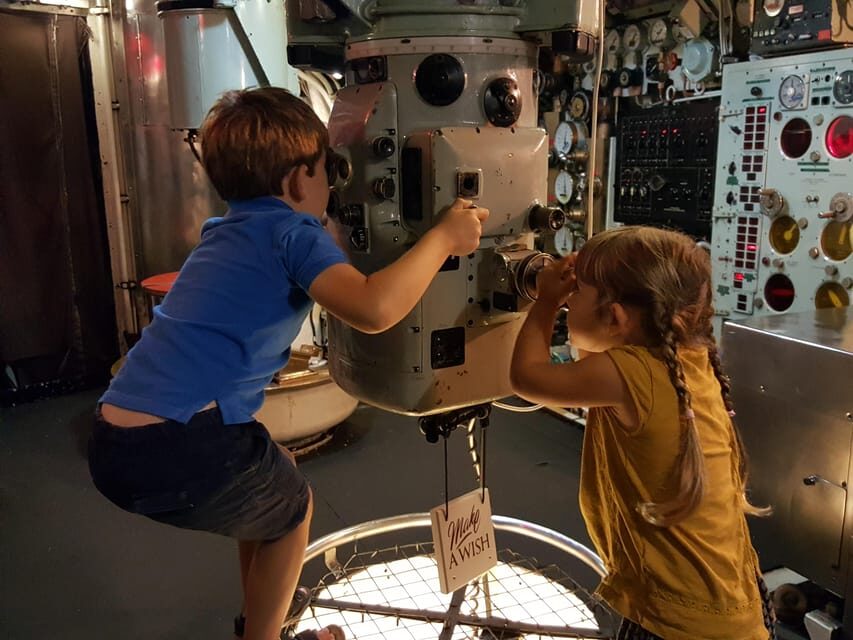
This is the core of the ticket for most people, and it’s easy to see why: you can board ships and climb into roles, not just walk past them. The yard packs multiple eras into the same day plan, which is a big win if you’re visiting from farther away.
Cold War submarine: see through the periscope
The Cold War stop is all about perspective. You don’t just learn that submarines were stealthy. You get the physical sense of it by peering through the periscope of a Cold War Submarine. If you like military history, you’ll likely enjoy the way the submarine makes you think in terms of limited visibility and careful control.
There’s also a personal detail worth noting: one visitor who was a submariner specifically wanted to show a friend an example submarine and was pleasantly surprised by the depth of knowledge shared by a civilian guide. That’s a sign the staff at the ship spaces tend to explain more than the basic text.
WWII destroyer: take the bridge
Next comes the WWII destroyer where you can take charge on the bridge. It’s a very different vibe from the submarine: louder, more exposed, and built around command. If you’re traveling with mixed interests—one person likes ships, another likes storytelling—this bridge moment usually satisfies both camps.
Victorian sloop: ring the ship’s bell
Then you shift into the Age of Sail experience with a Victorian Sloop deck moment—ringing the ship’s bell. It’s simple, but it’s memorable. It also anchors the Victorian ship-building story in something tactile, not just historical narration.
If you want the best flow, I’d do this ship trio early while your energy is high. Once you’ve done the ships, you’ll want the rest of your day to feel more like exploring rather than rushing.
Command of the Oceans and No. 1 Smithery: Stories Underfoot
After the ships, the dockyard turns more cinematic and interactive. This is where the ticket feels like more than a collection of vessels.
Command of the Oceans: secrets hidden below the floor
The Command of the Oceans exhibit is built around a neat idea: you can discover hidden secrets of an ancient ship below the floor. As you explore, you’ll hear crashing waves while you wander through the exhibit spaces.
That combination—physical discovery plus sound—does a good job of creating atmosphere without needing special effects on your part. It’s also a nice break from climbing and boarding, so your feet get a breather while your attention stays engaged.
No. 1 Smithery: museum collections in a dockyard setting
Don’t skip No. 1 Smithery. This space focuses on collections showcased with links to major institutions, specifically Royal Museums Greenwich and Imperial War Museums. It’s one of those places where you can slow down and look longer without feeling like you’re repeating the ship story again.
If your group likes variety—some ship fans, some craft lovers, some people who prefer museums over ships—No. 1 Smithery helps keep everyone happy.
RNLI Historic Lifeboats: The Biggest Collection, and Why It Matters
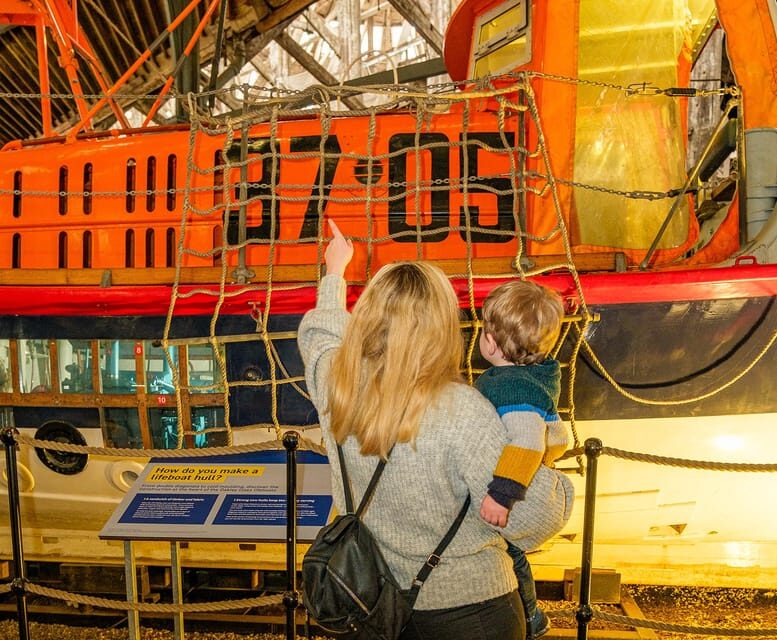
The RNLI lifeboats section is a standout for practical reason: it broadens the dockyard beyond fighting ships. Instead of only thinking about warfare and command, you’re looking at rescue and survival.
You’ll be able to wander through the UK’s biggest collection of RNLI Historic Lifeboats. That scale isn’t just a brag line. When you see multiple lifeboats in a single place, the differences in design and purpose become easier to spot. You start noticing why certain boats were built to handle particular sea conditions.
This is also one of the best sections for a mixed-age visit. Kids often enjoy the size and shape of the boats, while adults tend to appreciate the human story side—what it took to get help out in dangerous weather.
And yes, the setting feels authentic. The lifeboats don’t read like props; they read like tools that once had to work for real people.
Rope-Making Since 1618: Where Craft Turns Into an Experience
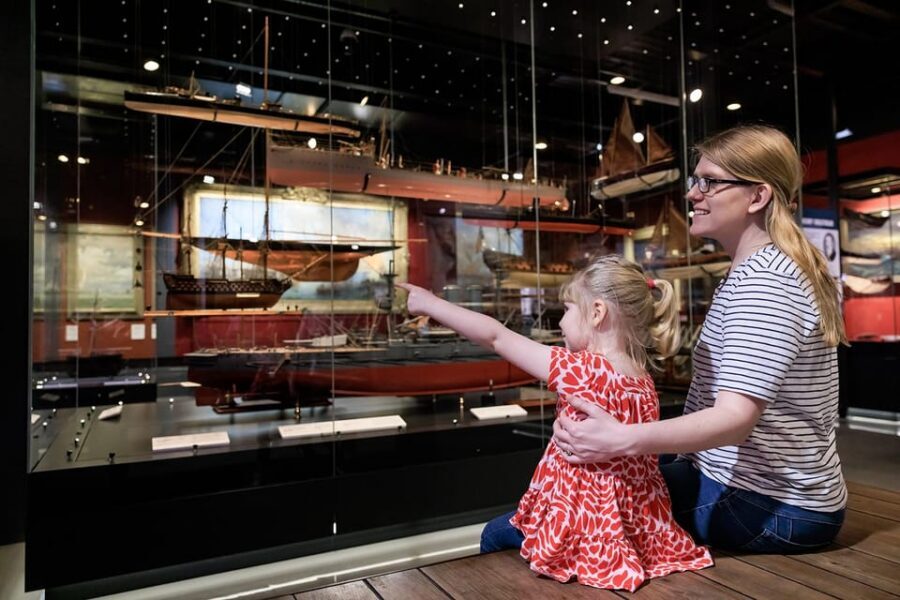
If you only like “ship stuff,” rope-making might sound too niche. It isn’t. Rope-making is one of those dockyard realities that makes everything else make more sense.
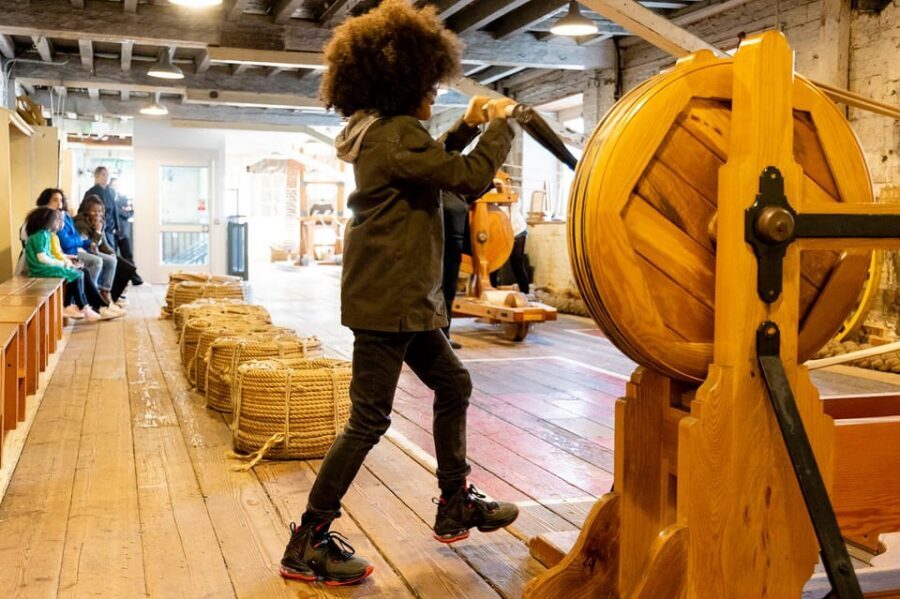
Chatham’s ropery stretches about a quarter mile long and connects you to rope-making that dates back to 1618. The experience is designed so you can follow in the footsteps of the skilled ropemakers who crafted rope for Britain’s ships.
One of the strongest repeated points from visitors is that the rope-making demonstration and museum feels like a must. People describe it as fascinating, and even a first-time visit can turn into a reason to plan a return trip.
Why it’s valuable: ships are dramatic, but rope is the stuff that holds things together. When you understand the rope side, the dockyard feels more complete. You stop thinking of history as a list of boats and start thinking of history as a system of skills.
How Long Should You Plan? More Than Four Hours Usually Wins
This is where I’ll give you blunt advice: don’t treat the ticket like a quick stop. Even with strong energy, the dockyard can swallow time fast because you’re switching between ships, exhibits, lifeboats, and craft areas.
A clear example from real timing: a visit that lasted about four hours left someone feeling they still needed more time to see everything. That’s the exact vibe to watch for. If you arrive determined to “just do the highlights,” you’ll likely still end up pulling out longer time at at least two stops—often the ships and the rope-making.
If you can, I’d plan a longer block for the first visit. Then let the annual ticket handle the rest. The return option takes stress out of the plan.
Facilities, Food, and the Small Comforts That Keep You Moving
This dockyard isn’t only about heavy history. It also makes it easier to stay for hours.
Facilities have been described as very good. One visitor pointed out a play area for kids, so adults can take a break with a hot drink. Another mentioned music, including saxophone, along with food that was described as good.
I wouldn’t plan your whole itinerary around live music, but it’s a nice reminder that the place isn’t frozen in time. It’s heritage, yes, but it also tries to feel pleasant to be in.
Price and Value: What $37 Buys (and Why It’s Not Just a One-Day Ticket)
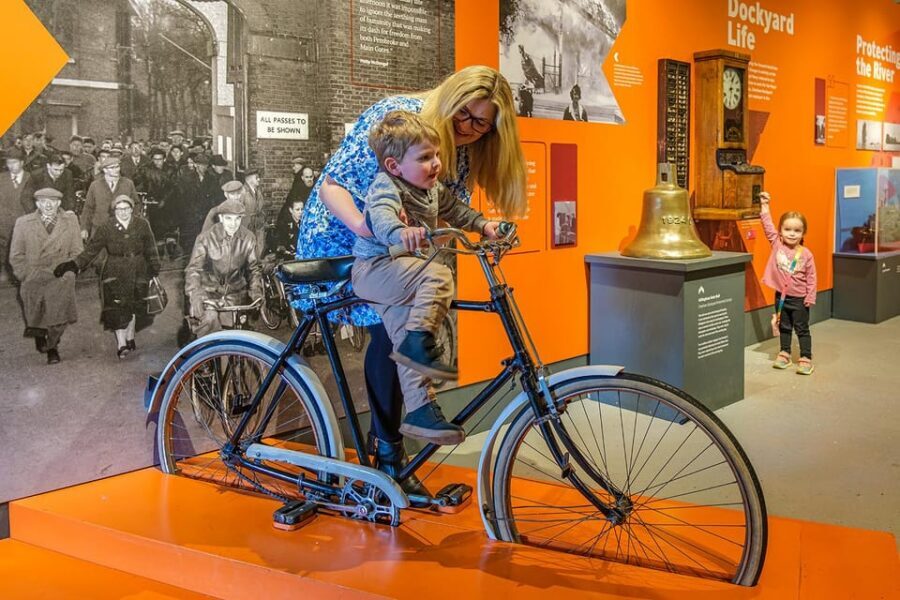
At around $37 per person, the biggest value isn’t the dollar amount. It’s the structure: a year of access to entry, exhibitions, and seasonal school holiday activities.
A one-day admission ticket can feel like a gamble if the weather turns or your group splits interests. Here, you’re buying a long time window. That lets you adapt. If the first day you visit doesn’t go perfectly, the ticket still covers you.
Also, the value stacks because you get a lot of “different kinds” of attractions in one place:
- ships you can board and walk around
- interactive exhibits with sound and hidden elements
- a major lifeboat collection
- rope-making craft interpretation that goes back centuries
Even better, the annual nature means you can return to the parts that truly grabbed you. If rope-making hooked you, you’re not stuck forcing yourself through everything the first time.
Parking isn’t included, so plan for that if you’re driving.
Who Should Buy This Annual Ticket
This ticket fits best if you want a day that’s part museum, part shipyard exploration, and part craft experience.
I’d especially recommend it if:
- you like maritime history but want more than one angle
- you have kids who need space to move and explore
- your group has mixed interests, because ships, lifeboats, and rope-making all pull different people in
- you’re the type who doesn’t do well with rushed visits and would rather come back than cram
If you’re only in town for a single evening and you hate walking a lot, you might feel the pressure. But if you can give it a real chunk of time now, you’ll get more from it.
Should You Book the Chatham Annual Ticket?
Yes, if you want a flexible year-long pass to a dockyard that’s more hands-on than you might expect. The standout for me is the combination of boardable ships and craft like rope-making, plus the huge RNLI lifeboat collection that widens the story beyond battles.
Book it if you can imagine returning within the year. The ticket’s main strength is that it reduces the stress of getting everything right the first time.
Only hesitate if you’re set on doing everything in one short visit. The dockyard rewards time, and a quick run can leave you wishing you’d stayed longer.
FAQ
How long is the annual ticket valid?
It’s valid for 365 days from the first activation.
What’s included with the Historic Dockyard Chatham entry ticket?
Your ticket includes access to the Historic Dockyard Chatham entry, temporary and permanent exhibitions, and school holiday activities.
What are the main attractions I should plan around?
Key attractions include a Cold War submarine with a periscope viewpoint, a Second World War destroyer with bridge access, a Victorian sloop where you can ring the ship’s bell, Command of the Oceans, No. 1 Smithery, RNLI Historic Lifeboats, and rope-making in the ropery.
Is parking included?
No. Parking is not included.
Can I cancel my booking?
Yes. Free cancellation is available up to 24 hours in advance for a full refund.
Can I reserve and pay later?
Yes. You can reserve now and pay later.
What language is the host or greeter?
The host or greeter is in English, and the activity lists English language support.
Is this experience wheelchair accessible?
Yes, it’s listed as wheelchair accessible.
Will I be able to access exhibitions during my visit?
Yes. The ticket provides access to all temporary and permanent exhibitions.