REVIEW · CORNWALL
Cornwall: Online Road Trip Travel Guide
Book on GetYourGuide →Operated by Uncover Britain · Bookable on GetYourGuide
Cornwall without the guesswork. This online road-trip guide maps a 212-mile point-to-point drive and points you at 25 key destinations across three themed sections, so you can mix-and-match your days.
I especially like that it’s built for real schedules. You’re not locked into one route or one pace, and you get planning help like what to see, where to stay, where to park, and how to get there. One thing to consider: it’s self-guided and there’s no live navigation inside the guide, so you’ll rely on your own Google Maps moves.
In This Review
- Key things that make this Cornwall guide useful
- Why this Cornwall road trip guide fits real self-drive travel
- The 212-mile plan: Bude to St Ives plus South & Central Cornwall
- North Cornwall stops: where Padstow and Bodmin Moor add variety
- Padstow: harbour life and a serious food scene
- Bodmin and Bodmin Moor: mining heritage and wide open space
- Tintagel and castle-hopping logic
- Truro and Falmouth: the best balance of city charm and maritime character
- Truro: Cornwall’s only city
- Falmouth: a maritime town with harbour history
- Coastal icons: St Ives, Penzance, St Michael’s Mount, and the walking pull
- St Ives: beaches plus art and a seaside feel
- Penzance: promenade views and harbour energy
- St Michael’s Mount: the classic wow-factor stop
- The South West Coast Path: clifftop walking, but don’t overpack your day
- Castles, coves, and Cornish legends: Minack, Godrevy, and Poldark sites
- Pendennis Castle and St Mawes Castle: history with waterfront context
- Godrevy Lighthouse and the Minack Theatre: dramatic coast, different vibes
- Cornish caves: for when you want the weird and wild
- Poldark locations: story-first sightseeing
- How to use the guide’s Google Maps pins without getting stressed
- Price and value: $17 per group up to 7, and what you get for it
- Who this Cornwall road trip guide is best for
- Should you book this Cornwall road trip guide?
- FAQ
- Is this experience a guided tour with a meeting point?
- How long does the guide account access last?
- What does the guide cover in terms of route and destinations?
- Do I need my own transport?
- Is there a mobile app or live navigation included?
- How much does it cost?
Key things that make this Cornwall guide useful
- 212-mile route, point-to-point style across 25 destinations, with a way to connect stops cleanly
- Three planning sections (Bude to St Ives, South Cornwall, and Central Cornwall including Bodmin and Truro)
- Cherry-pick flexibility so you can build trips from roughly 3 to 14 days
- Google Maps pre-populated pins plus per-section directions you can adjust
- More than beaches: castles, Poldark locations, lighthouses, coves, and the South West Coast Path
Why this Cornwall road trip guide fits real self-drive travel
You’re looking at an online guidebook, not a tour. That sounds obvious, but it matters: you read it at home, you keep it open on your phone, and you shape the trip while you’re driving. If you like spontaneity—stopping when a viewpoint looks good—this format works well.
The second reason I like it is that it gives structure without micromanaging. It’s organized into themed sections, which is a smart way to plan Cornwall because the distances add up and the roads take longer than you expect. Instead of forcing you into one “do everything” loop, you can choose a north-to-south slice that matches your time.
The trade-off is control. The guide doesn’t let you customize routing inside the guide itself, and it doesn’t provide live navigation. Still, you get a big assist: each route includes Google Maps with suggested pins and directions, plus directions you can customize by section in Google Maps. In plain terms, the heavy lifting is done, then you fine-tune.
You can also read our reviews of more tours and experiences in Cornwall.
The 212-mile plan: Bude to St Ives plus South & Central Cornwall
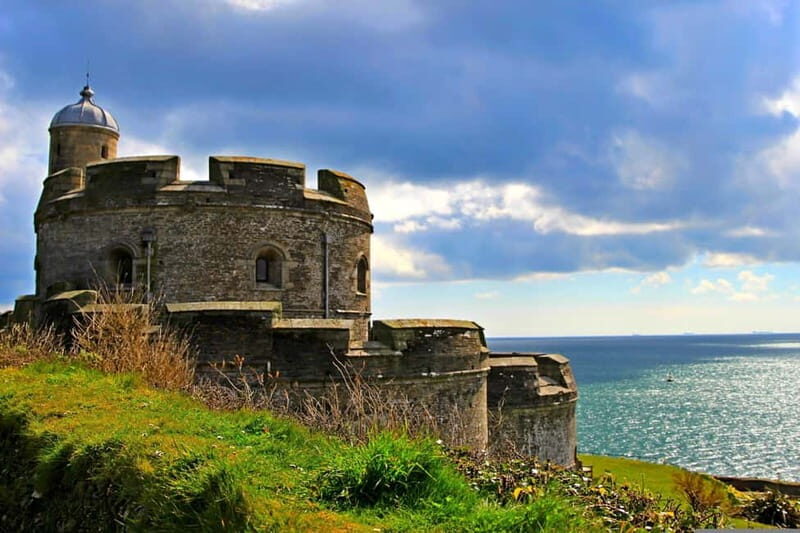
The itinerary is built around a recommended 212-mile (340 km) journey across Cornwall, but the real win is how it’s split. You don’t have to commit to the whole thing at once. The plan is grouped so you can stitch together the parts you care about most.
Here’s how the sections help you in practice:
- Bude to St Ives is a strong backbone for a northern Cornwall day chain. You’ll get a coastal rhythm and easy logic for starting and ending where you want.
- South & Central Cornwall (including Bodmin and Truro) helps if you want a middle-of-the-island chunk, plus classic coastal add-ons down toward the south coast.
Because the guide is designed for different trip lengths (it mentions typical itineraries from 3 to 14 days), you can do a quick hit or stretch it into a slower drive. You’ll also see ideas for how destinations can connect, which saves time when you’re trying to make the route make sense.
One practical tip from this kind of structure: plan your “anchor” stops first (the places you’d be disappointed to miss), then use the rest as flexible fills. That keeps your driving reasonable and helps you avoid arriving at a must-see spot exhausted.
North Cornwall stops: where Padstow and Bodmin Moor add variety

The north leg is more than postcards. It’s where you can mix food, scenery, and big-sky moorland energy.
Padstow: harbour life and a serious food scene
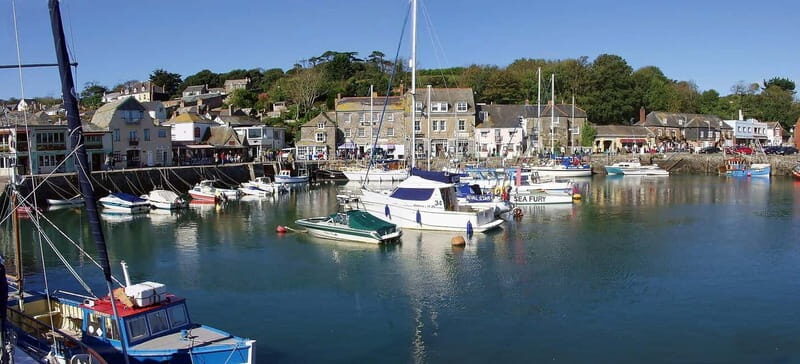
Padstow is highlighted as a popular harbour town with a thriving food reputation and a nod to Rick Stein’s restaurant. Even if you don’t time your day around a big meal, Padstow works as a destination because it’s built for wandering—harbour views, a lively feel, and a place to pause during a drive.
A practical consideration: harbour towns tend to get busy in peak season. If you’re going for a relaxed afternoon, go earlier, and don’t assume parking will be instant.
Bodmin and Bodmin Moor: mining heritage and wide open space
Bodmin and Bodmin Moor bring a different Cornwall flavor. The guide frames it around mining heritage and hidden stories, plus wild moorland. This matters because Cornwall isn’t only cliffs and beaches; getting inland for a bit gives your trip contrast.
If you like roads with fewer stop-start crowds, moor areas can feel more spacious. Just remember: weather can shift quickly in open countryside, so keep your layers and plan for occasional wind and rain.
Tintagel and castle-hopping logic
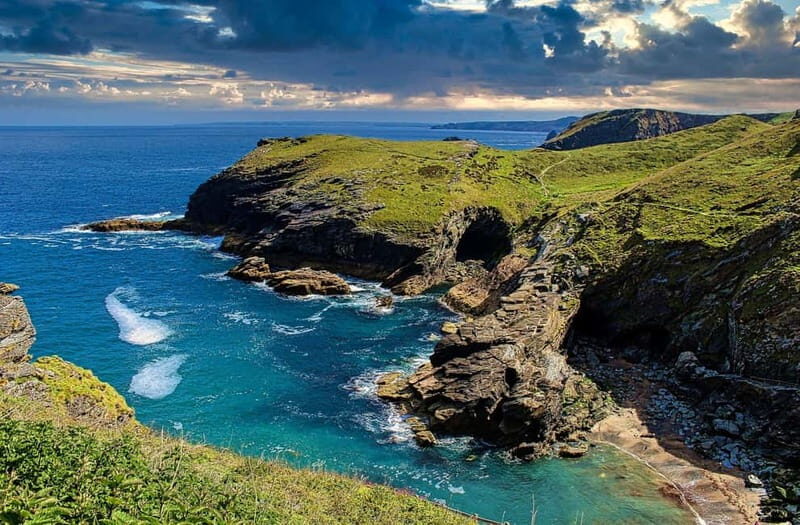
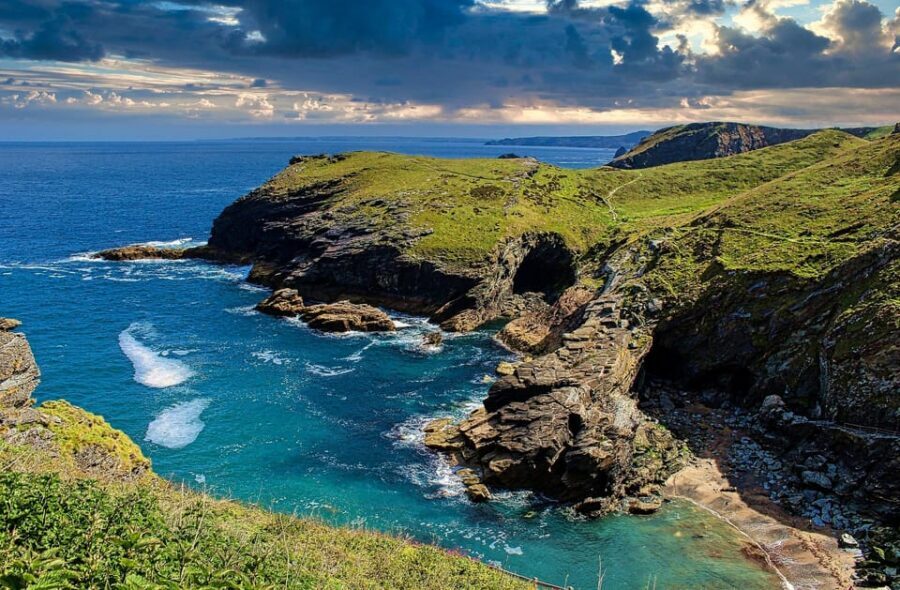
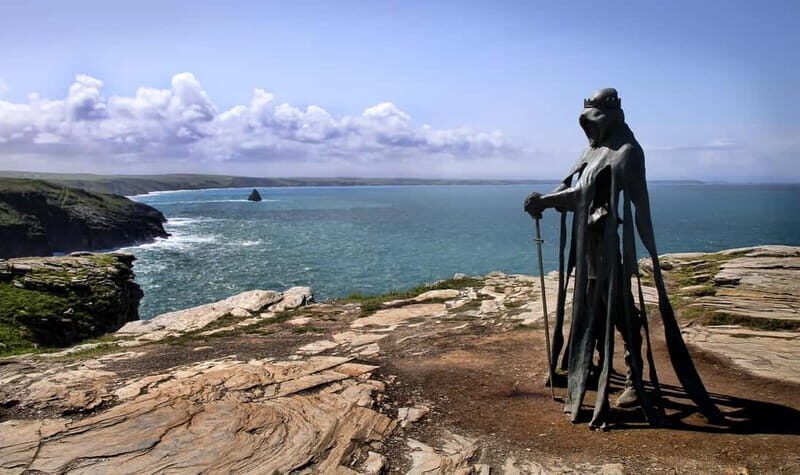
Tintagel is included in the castles and heritage mix. I like adding at least one “big story site” to a coastal route because it gives you a reason to slow down and linger. Castles also make great weather-dependent stops—if the coastal day turns gray, you still get an engaging destination.
Truro and Falmouth: the best balance of city charm and maritime character
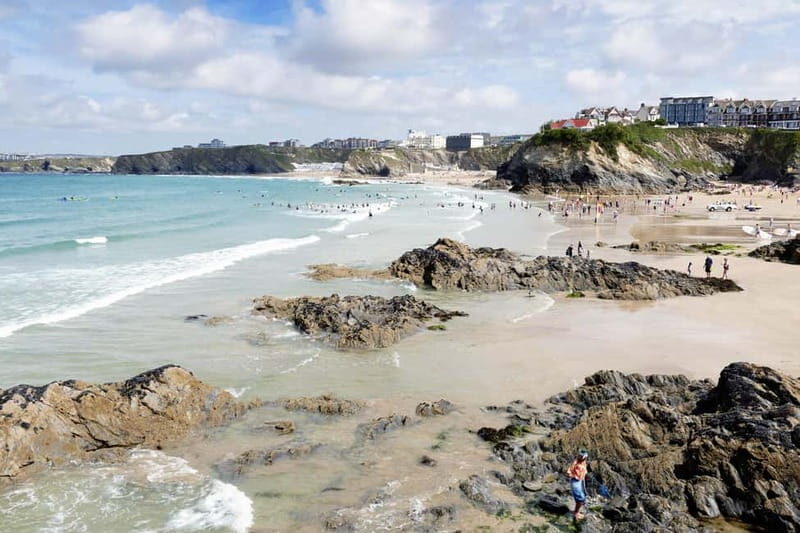
Not every Cornwall trip needs to be purely coastal. If you want a bit of urban energy without losing the seaside feel, this guide steers you toward Truro and Falmouth.
Truro: Cornwall’s only city
Truro is described as Cornwall’s only city, with a cathedral, galleries, and Georgian charm. That combination is ideal for a day that needs variety. You can swap from sea views to culture, then back out to coastal areas later.
A timing trick: use Truro as a reset day. It’s a good place to take care of logistics too—stretch your legs, grab supplies, and refill your energy before you tackle longer coastal drives.
Falmouth: a maritime town with harbour history
Falmouth is framed as bustling with beaches, a harbour, and naval history. That mix makes it an easy anchor on the south side because it naturally supports both sightseeing and downtime.
If you’re the type who likes a “walk then food then views” rhythm, Falmouth fits. If you prefer quiet, aim for shoulder times and keep one extra hour for the harbour area—these towns reward unhurried wandering.
Coastal icons: St Ives, Penzance, St Michael’s Mount, and the walking pull
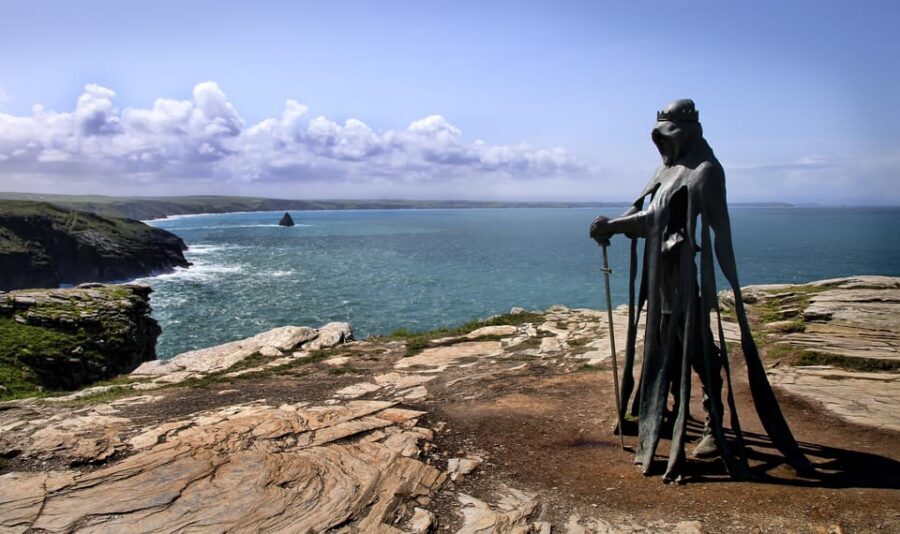
This guide keeps pushing you toward the coast because that’s where Cornwall’s most memorable moments usually land.
St Ives: beaches plus art and a seaside feel
St Ives is highlighted for beaches, art galleries, and colourful seaside charm. I’d treat St Ives as a flagship stop. It’s the kind of place where you can fill a full day without forcing it, because the area supports both scenery and calmer indoor time.
One drawback to plan for: St Ives can be busy, and parking and timing can be the difference between a smooth day and a stressful one. The good news is the guide includes tips like where to park.
Penzance: promenade views and harbour energy
Penzance is presented as lively, with a historic promenade and harbour views. That makes it a practical coastal stop because you can do a scenic walk even if you don’t want to stack too many attractions.
If you’re driving from earlier stops, consider Penzance as a “let the coast stretch your legs” day.
St Michael’s Mount: the classic wow-factor stop
St Michael’s Mount is listed as part of the castles and heritage sites. That’s a strong addition because it’s a destination people often remember even if they don’t do much else that day.
Since your guide is self-driven, your main control here is time planning. Give yourself a buffer so you’re not forced to rush if the day runs slower than expected.
The South West Coast Path: clifftop walking, but don’t overpack your day
The guide points you to the South West Coast Path for spectacular clifftop views and coastal walks. I love using a path like this as a “choose your own adventure” feature. You can do a short stretch and still feel like you saw Cornwall from the coast rather than only from car windows.
The drawback is simple: it can turn into a time sink if you plan too many other stops. Treat it like one of your major activities, not a quick add-on between errands.
Castles, coves, and Cornish legends: Minack, Godrevy, and Poldark sites
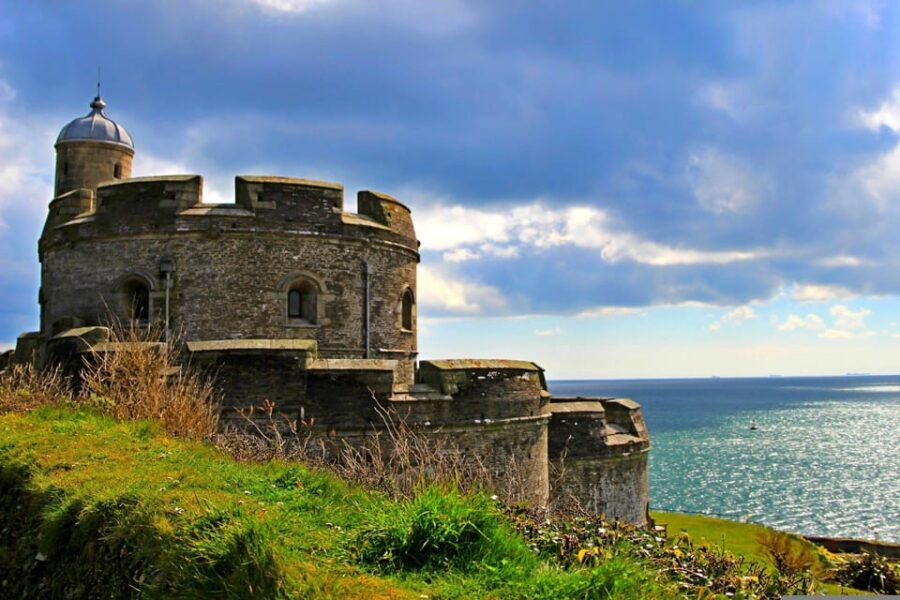
This is where the guide goes beyond the normal beach-only plan. It mixes heritage and story, plus locations tied to the BBC’s Poldark.
Pendennis Castle and St Mawes Castle: history with waterfront context
Pendennis Castle and St Mawes Castle are included in the castles and heritage section. I like this pair because castles near water tend to come with big views and an easy “why this place matters” sense—your surroundings help tell the story.
If you’re weather-dependent, castle areas are still worth it even when visibility isn’t perfect, because you’re not only chasing sunlight.
Godrevy Lighthouse and the Minack Theatre: dramatic coast, different vibes
Godrevy Lighthouse and the Minack Theatre are part of the hidden coves and coastal legends ideas. These two work well as a break from pure driving-focused days.
Lighthouse areas are often good for short walks and quick viewpoints. The Minack Theatre, as a destination, gives your trip a creative or unusual angle. You’re not just visiting a scene; you’re visiting a place with a known identity.
Cornish caves: for when you want the weird and wild
Cornish caves are mentioned under hidden coves and coastal legends. If you like offbeat natural sights, plan caves as an activity you can commit time to, not a rushed stop.
Poldark locations: story-first sightseeing
Poldark location ideas are included, which is useful if you’re a fan and want your route to connect to the show’s geography. Even if you’re not a diehard, it can help you notice details you’d otherwise miss because the places come with a built-in narrative.
How to use the guide’s Google Maps pins without getting stressed
This guide’s planning system is the practical engine behind the trip. After booking, you create an account and access the online guidebook, with a link to your plan. The guide isn’t an app, so you’re using a web page on your phone or tablet—no download needed.
Once you’re ready to go:
- Each route comes with Uncover Britain’s pre-populated Google Maps, including suggested pins and directions.
- You can also customize directions by section using Google Maps, which is where you’ll handle real-world changes like traffic, detours, and your own preferred stop order.
That setup matters because Cornwall driving is not always predictable. Closer to the coast, you can run into slowdowns. With the map pins already there, you spend less time deciding what to search for and more time selecting what to actually visit.
My advice: before you start driving each morning, open the relevant section in Google Maps and lock in your top 2 or 3 stops. Leave the rest flexible. That keeps your day from collapsing if you hit one traffic-heavy area.
Price and value: $17 per group up to 7, and what you get for it
At $17 per group up to 7, this is priced like a low-cost planning tool. You’re not paying for transport, hotel booking, or tickets, and that’s important context.
Here’s the value calculation that makes sense:
- You’re buying a structured way to plan a multi-stop road trip (212 miles, 25 destinations, organized sections).
- You’re getting an online guide you can use on your phone during the drive.
- You’re getting Google Maps pins and directions that can save planning time.
You should expect to cover your own transport and your own day-to-day costs like food and attraction entry fees. But if you’re already planning to road trip Cornwall, the guide’s role is to help you choose smarter stops and build a route that doesn’t feel random.
For groups, this also works well because the price is per group rather than per person. If you’re road tripping with friends or family, you can split the cost and still keep everyone’s plans aligned.
Who this Cornwall road trip guide is best for
This is a strong match if you:
- Prefer self-drive freedom over guided tours
- Want help building a route across many destinations without manually stitching everything together
- Enjoy a mix of classics (St Ives, castles) plus story-based stops (Poldark locations)
- Like planning ahead but still want flexibility to cherry-pick
It’s less ideal if you want step-by-step, real-time directions inside the guide itself. Since you’re responsible for navigation and the guide doesn’t provide live routing, you’ll want to be comfortable using Google Maps while driving.
If you’re the type who needs a fixed schedule with someone else calling the shots, this won’t feel like that. But if you like choosing what matters to you each day, the structure is actually a big advantage.
Should you book this Cornwall road trip guide?
I think you should book it if your goal is a Cornwall road trip with a plan you can trust, but the freedom to swap stops. The combination of a recommended 212-mile route, themed sections, and Google Maps pins means you can plan quickly and then adjust without starting from scratch.
Skip it if you’re expecting a guided tour, live navigation, or a guide you can fully customize inside the app. Also, if you don’t have a charged smartphone for using the online guide while you’re out, you’ll feel the limits fast.
If you want Cornwall that feels personal—picked by you, not forced by a preset itinerary—this is a practical way to get there with minimal fuss.
FAQ
Is this experience a guided tour with a meeting point?
No. It’s self-guided, and there’s no need for a meeting point. You access the website whenever you want.
How long does the guide account access last?
You get 12 months of access with the account license.
What does the guide cover in terms of route and destinations?
It outlines a 212-mile (340 km) point-to-point trip across 25 key destinations, organized into Bude to St Ives and South & Central Cornwall sections.
Do I need my own transport?
Yes. You’ll need your own vehicle to visit the suggested destinations.
Is there a mobile app or live navigation included?
There is no app to download, and the guide does not provide live navigation or allow you to customize routing inside the guide.
How much does it cost?
The price is $17 per group, up to 7 people.