REVIEW · CORNWALL
Cornwall: Eden Project Entry Ticket
Book on GetYourGuide →Operated by Eden Project · Bookable on GetYourGuide
The first step is a little jaw-dropping. One moment you’re in Cornwall, and the next you’re walking inside climate-controlled biomes that let you compare the humid tropics with the calm Mediterranean world. I love the sheer engineering of the domes and the way the plant collections make science feel personal, not textbook. The main thing to consider is walking: even with shuttles and places to rest, the site can still feel like a lot, especially in bad weather.
Plan for a serious half-day or a full day. The ticket is for one day, and the experience works best when you slow down: wander the paths, catch the included free exhibitions and events, and then circle back when you realize you missed something.
In This Review
- Key things worth knowing before you go
- Eden Project Entry Ticket: What You’re Actually Buying
- First Impressions in Cornwall: The Domes, the Scale, the Sound of Awe
- Rainforest Dome: Humid Air, Giant Plants, and the Guide Moments
- Mediterranean Biome and the Outdoor Gardens: Two Moods, One Lesson
- Exhibitions, Art, and the Rotating Free Program
- Timing Your Visit: Why 4 Hours Is the Minimum
- Food, Rest Stops, and Getting Around the Site
- Price and Value: Is a $51 Ticket Worth It?
- Who Should Book This? Best Fit for Families, Plant People, and Rainy-Day Plans
- Should You Book the Eden Project Entry Ticket?
- FAQ
- How long is an Eden Project entry ticket valid?
- What’s included with the ticket?
- Are special seasonal events included?
- What should I bring?
- Is the experience suitable for children and older adults?
- Is Eden Project wheelchair accessible?
- Can I get tickets for personal assistants?
- Can I cancel and get a refund?
Key things worth knowing before you go
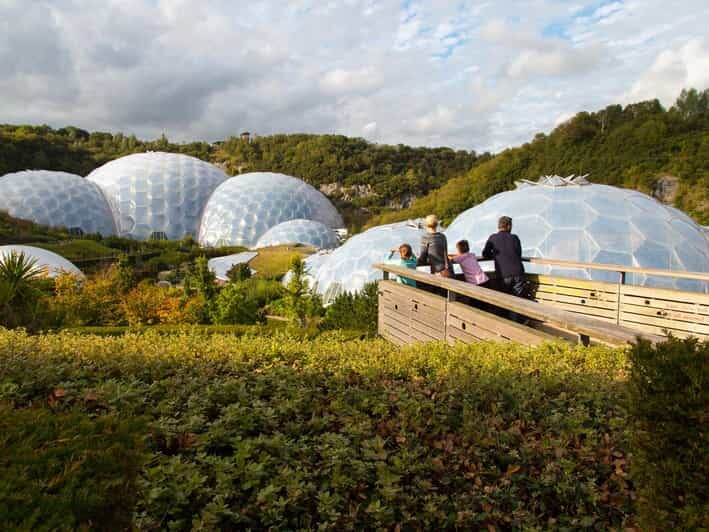
- Two big climate zones under one roof: the rainforest and Mediterranean biomes are the core experience.
- Indoor stays dry when Cornwall weather turns: the domes are ideal when rain limits the outdoor gardens.
- A rotating free events program can change your day, including seasonal specials.
- Expect plenty of walking and some slopes around the site and between parking areas.
- Food and drink are convenient but not cheap, and queues can eat time.
- Seasonal add-ons may cost extra, like the Christmas light show experience.
Eden Project Entry Ticket: What You’re Actually Buying
For about $51 per person, you’re paying for a one-day pass into a global garden that grew out of a former clay pit. That matters because Eden isn’t just a zoo of plants. It’s a living demonstration of how ecosystems work—and how humans can design for better outcomes.
Your entry includes the big-ticket items: the biomes, outdoor gardens, and the general exhibitions you can see during your visit. There’s also a changing program of free events and exhibitions included. Think of it like a museum day with a theme park’s sense of scale, but focused on nature.
One trade-off: the Eden experience is intentionally wide-ranging, so you can’t do it in “just an hour.” Most people do best when they plan at least four hours, and ideally set aside a full day so you don’t feel rushed.
You can also read our reviews of more tours and experiences in Cornwall.
First Impressions in Cornwall: The Domes, the Scale, the Sound of Awe
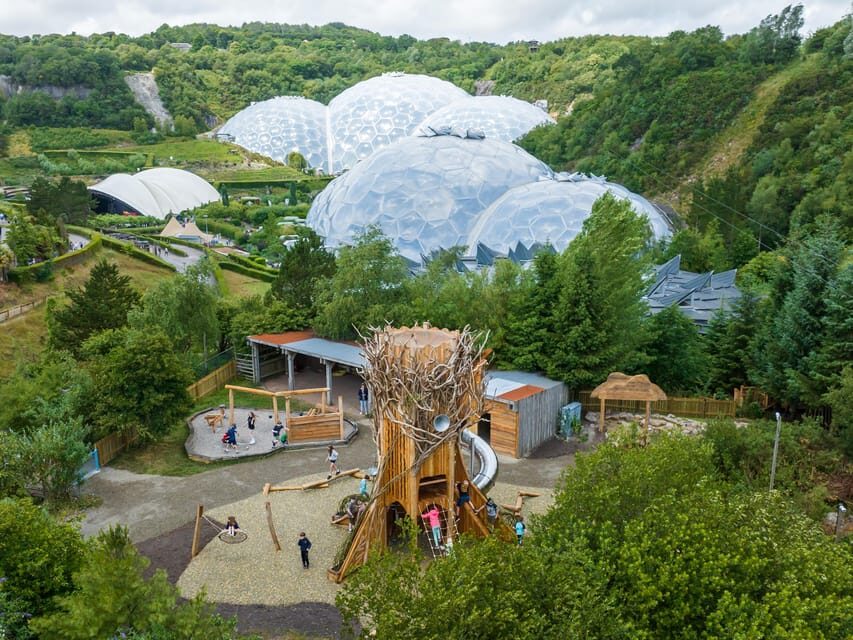
When you reach Eden’s main visitor area and then step out toward the site, you immediately understand why this place is famous. The biomes dominate everything—giant covered structures that look almost sculptural against the Cornish landscape.
This is where the day’s “wow” moment starts. Inside, you’re not stuck staring at a screen. You’re moving through spaces built for living things, with curated pathways that guide you from one climate to another. One strong pattern I noticed from feedback is that the initial view of the biomes is often the highlight before you’ve even entered the domes.
Here’s the consideration: the site’s size and the distances between key areas can surprise you. If you’re bringing kids, or if you have limited mobility, plan for breaks and keep an eye on how your energy matches the route.
Rainforest Dome: Humid Air, Giant Plants, and the Guide Moments
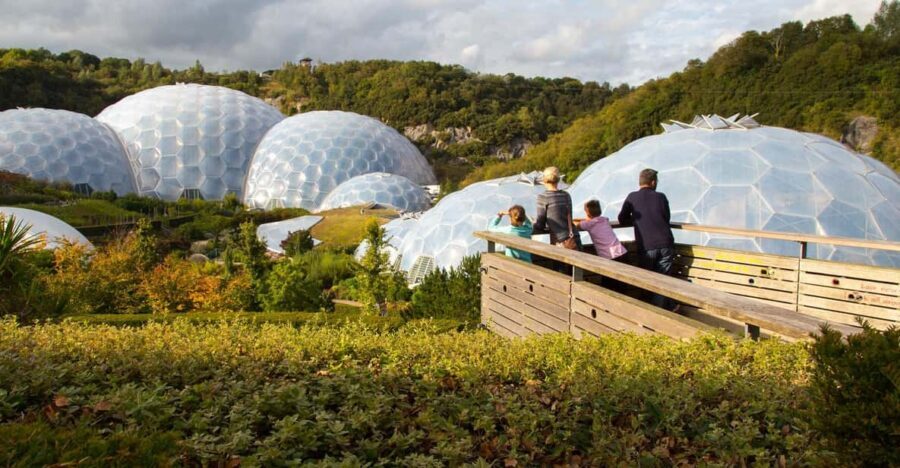
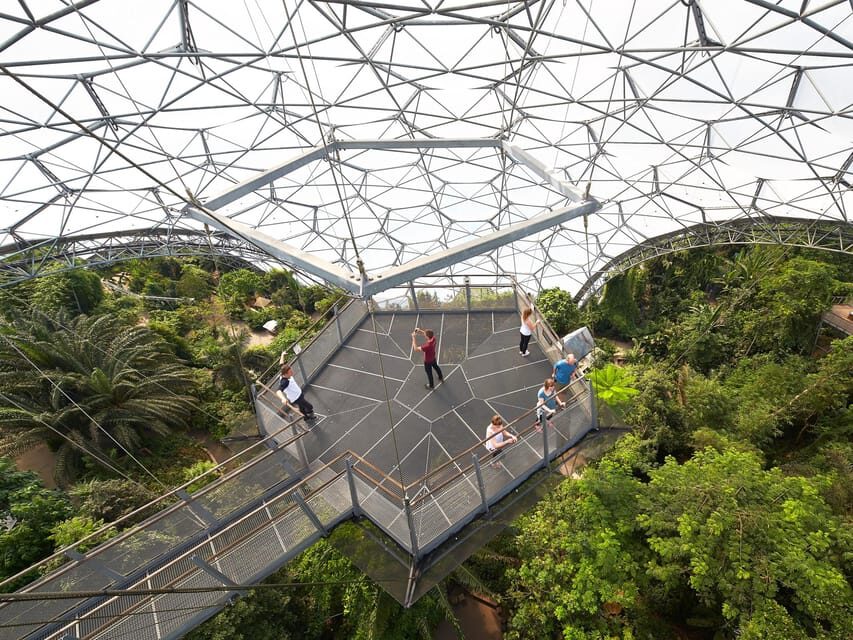
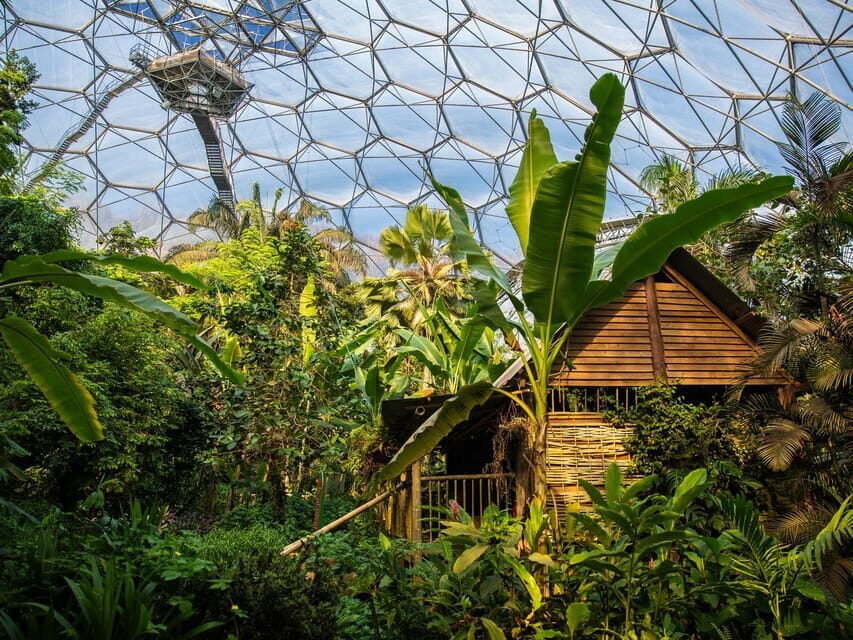
The rainforest dome is the most dramatic stop on the ticket. You’ll feel the shift in temperature and humidity as soon as you step into the enclosed world, and the effect isn’t just sensory—it helps you understand why rainforest plants grow the way they do.
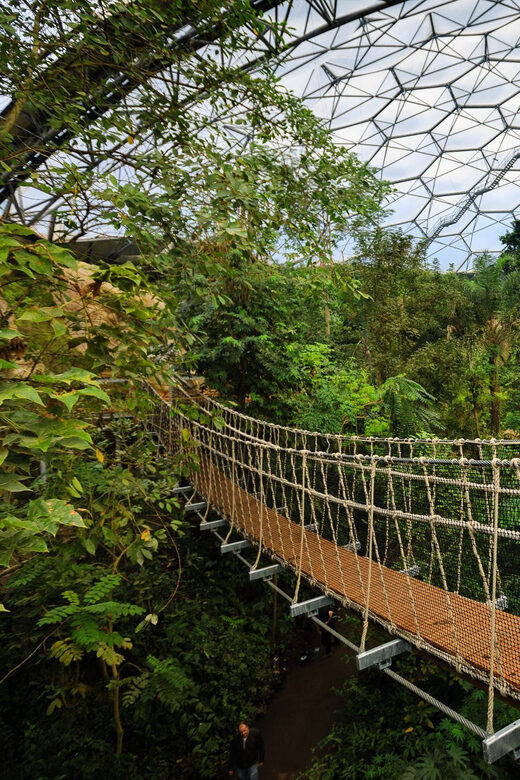
This dome is also where Eden’s educational style shines. Paths typically move you through different layers and plant groupings, so you can notice how many species survive by using light, water, and space differently. I like that the dome makes “nature facts” easier to remember because your body is experiencing the environment, not just reading about it.
If you catch one of the guided talks, that’s a great way to turn a walk into learning. One named example from experience highlights a guide called Emma delivering an engaging tropical dome talk. That’s the kind of moment that can help you connect what you’re seeing to why it matters.
Practical note: some seasonal experiences can have technical hiccups. During a winter visit focused on the Christmas light show, one booking reported a sound issue in the main dome that limited the music for part of the show. If you’re going specifically for a seasonal performance, it’s smart to arrive a bit early and keep expectations flexible.
Mediterranean Biome and the Outdoor Gardens: Two Moods, One Lesson
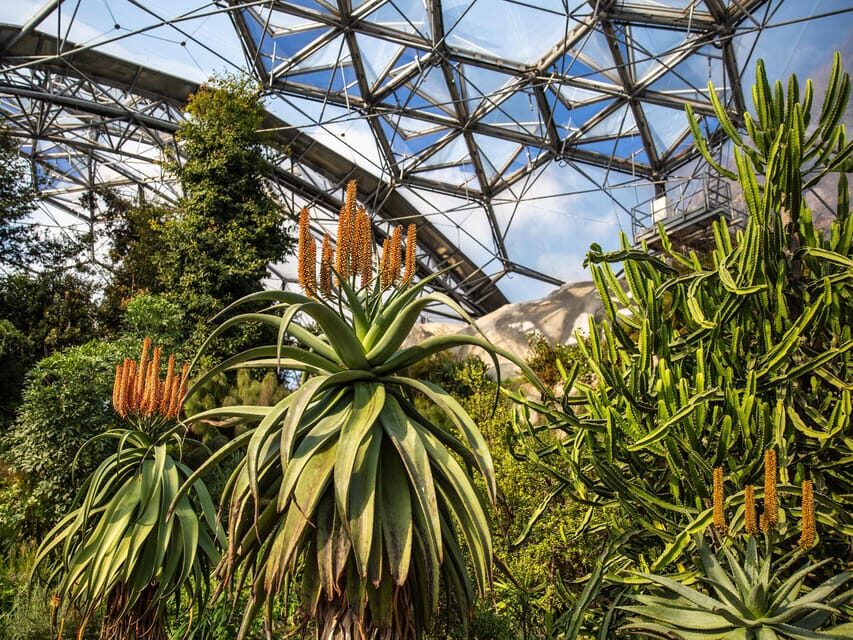
After the rainforest, the Mediterranean biome shifts the mood. The climate is calmer, and the plant shapes tend to reflect dryer seasons and tougher growing conditions. This contrast is one of Eden’s smartest choices: you’re not just seeing plants—you’re seeing how different climates shape what thrives.
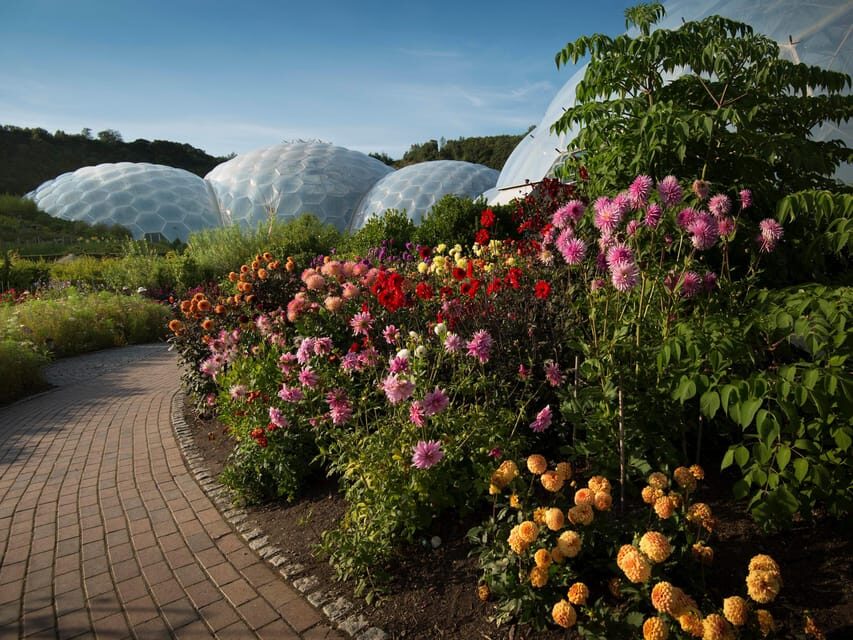
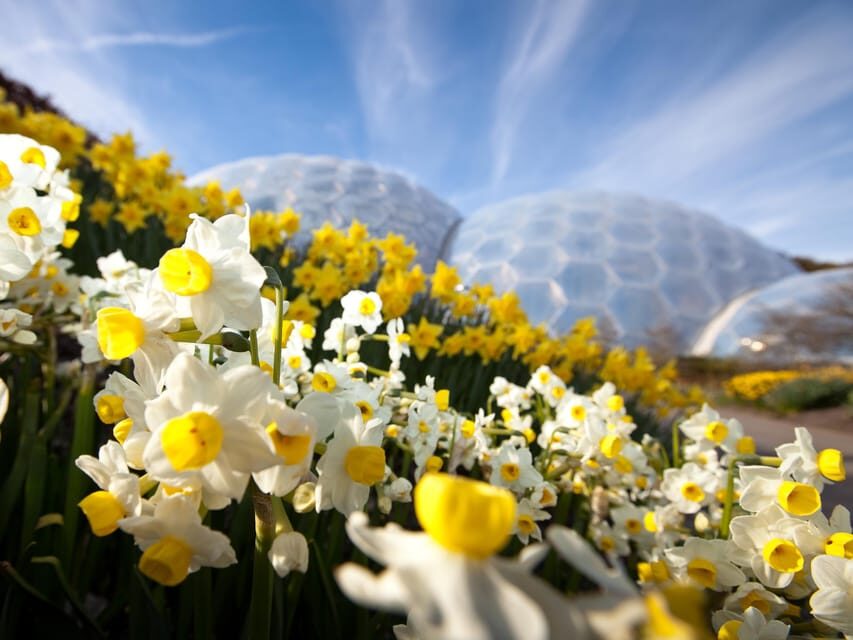
Then you move outward into the outdoor gardens. This is where Eden expands beyond the domes and starts feeling like a walkable sculpture garden with living exhibits. If the weather is kind, this part of the day can be pure pleasure. If it’s not, you’ll still get the bulk of the experience indoors, which is why Eden works so well in winter.
One thing to keep in mind: outdoor areas may have closures for maintenance, and a few people noted parts of the site being closed on the day they visited. That doesn’t usually ruin the trip, but it can change what you expect to see—especially if you’re planning around a specific garden corner.
Exhibitions, Art, and the Rotating Free Program
Eden doesn’t run like a static museum. The site includes a changing schedule of free events and exhibitions during your visit. This is valuable because it means you can’t rely on a single “greatest hits” map. Your best bet is to arrive with curiosity, then let what’s on the day guide your route.
You might find family-friendly activities during school holidays, and in December you may see big seasonal programming. Still, there’s an important distinction: special event entry/fees aren’t included. The Halloween-to-Christmas type moments (like the Christmas light show experience) may require an additional ticket even if the rest of your entry is covered.
Interactive exhibits and contemporary artwork also show up around the site, which helps explain Eden’s mission without sounding like a lecture. The best way to use these areas is simple: stop, read what’s placed right in front of you, and don’t rush to the next biome.
Timing Your Visit: Why 4 Hours Is the Minimum
Eden is the rare attraction where the “minimum time” actually matters. The recommendation is at least four hours, ideally longer, and that advice lines up with what you’ll experience once you’re inside.
Here’s a practical timing plan that usually works:
- Start with one dome early while your legs are fresh.
- Add the second dome after lunch or a mid-afternoon break when you want a clear change of pace.
- Use outdoor gardens and art/exhibits as flexible time that you can speed up or slow down based on energy and weather.
If you’re short on time, don’t fight the route. Instead, pick the “must see” dome and then choose a smaller loop through exhibitions. Trying to do everything at a fast pace often leads to tired feet and missed details.
Also, queues can affect your schedule. Food halls can build lines, and some people reported long waits for hot drinks and slower queues for certain food areas. If you hate wasting time waiting, plan a snack strategy: grab something when the line is short, then sit down later.
Food, Rest Stops, and Getting Around the Site

You’ll find places to eat inside the domes and around the site. Options include restaurant-style meals and quicker choices. From feedback, food quality is often described as good, but prices can feel high and lines can get long at peak times.
My suggestion: treat food as part of the plan, not an afterthought. Eden is large enough that a long lunch line can knock out half a biome. If you’re traveling with kids, that’s extra important for keeping the day smooth.
Getting around matters too. Eden is generally described as organized, and some people mention shuttles and buggy services helping move between car parks and main areas. But there’s a balancing act: on rainy days, routes can still involve steep walking if shuttles aren’t used or aren’t nearby.
One accessibility-related warning from experience: steep slopes between parking and key zones can be tough for wheelchair users and parents pushing strollers if shuttle buses aren’t used. If this is you, I’d plan on extra buffer time and confirm day-of transport options.
Price and Value: Is a $51 Ticket Worth It?
At $51 per person for one day, Eden isn’t a budget outing. But it’s also not a casual garden stroll. You’re paying for:
- the domes’ climate control (rainforest and Mediterranean environments),
- large-scale site maintenance and engineering,
- and a full day of exhibits, plus free event programming that can change during your visit.
A fair way to look at the value is cost-per-hour of something you can’t replicate easily elsewhere. The biomes are the big reason. Even people who found parts of the day disappointing still often point back to the scale and the plant displays as worth the entry.
Where value can slip: if you’re sensitive to long queues for food, or if you end up spending most of your time indoors during a season when the outdoor gardens are what you hoped for, it may feel less than you expected. But Eden is built to work in bad weather, and the rainy-day resilience is a major part of why it sells well.
Don’t forget: entry is non-refundable, so double-check date and time plans before you commit.
Who Should Book This? Best Fit for Families, Plant People, and Rainy-Day Plans
Eden suits a wide range of ages. It’s described as suitable for all ages, and it’s equally workable for families, couples, and solo nature lovers.
You’ll get the most out of the ticket if you enjoy:
- plant science and botany-style learning,
- slow wandering through different environments,
- photo and curiosity time without feeling like you must race through.
If you’re bringing kids, Eden has a big advantage: the domes are a built-in activity when the weather won’t cooperate. If you’re visiting in winter, the indoor set-up is a lifesaver, and seasonal programs add extra energy—just remember that some special performances may require extra tickets.
If you’re someone who needs a very low-walking day, plan carefully. The site has rest points, and there’s help getting around, but steep sections can still make the day challenging. Think ahead and use shuttle options where available.
Should You Book the Eden Project Entry Ticket?
Book it if you want a one-day nature experience that feels different from a normal garden or museum. The biomes are the main draw, and they work in rain, wind, and off-season weather. The rotating free events can also make your date feel special.
Skip or rethink if you’re expecting a quick stop. Eden rewards time. Also, if you care about a specific seasonal show, check whether that experience needs its own ticket, since standard entry doesn’t automatically cover every special event.
If you’re planning to go, I’d do one simple thing: plan for a full day mindset. When you give Eden enough time, the domes stop being just impressive buildings—and start feeling like a living, breathing lesson you can walk through at your own pace.
FAQ
How long is an Eden Project entry ticket valid?
Your ticket is valid for one day. You’ll want to check available starting times and plan to spend at least four hours, with a full-day visit often being ideal.
What’s included with the ticket?
The entry ticket includes admission to the Eden Project and access to the attractions covered by general entry, plus a changing program of free events and exhibitions during your visit.
Are special seasonal events included?
Not always. Special event entry/fees, such as the Christmas Lights Experience, aren’t included in standard admission. You may need a separate ticket for those.
What should I bring?
Bring a reusable water bottle. There is free tap water available in multiple locations for refills.
Is the experience suitable for children and older adults?
Yes. The attraction is described as suitable for all ages, and many parts of the day are designed for families. Still, there is walking involved, so plan breaks.
Is Eden Project wheelchair accessible?
Yes. The activity is wheelchair accessible. Be aware that some routes and slopes between parking and key areas can be difficult if shuttle options aren’t used.
Can I get tickets for personal assistants?
Yes. Tickets for personal assistants and for accompanying a person with disabilities are available through the Eden Project website.
Can I cancel and get a refund?
No. The entry is described as non-refundable.