REVIEW · LONDON
Disastrous London: Plague, Fire, and Revolution
Book on GetYourGuide →Operated by Andrew Hallett · Bookable on GetYourGuide
London keeps receipts. This walking tour strings together plague, revolt, fire, and Shakespeare in one tight 2-hour route. You start at a former Carthusian priory built beside a plague pit, then move through execution ground, a battlefield of sorts from 1381, and stops tied to 1666 before ending in a very real pub setting connected to Shakespeare.
What I like most is how Andrew Hallett (Andy) keeps the story human and clear—he also sticks around for questions without steamrolling the group. I also like that the tour isn’t just dates and names; you walk through alleys and street corners that still look like the film backdrops people recognize. One possible drawback: it’s not a light stroll—expect talk of violence and gruesome events, plus steady walking on historic streets.
If you want London “sanitized,” this isn’t it. The tour leans into the ugly: plague pits, executions, sedition, and the chaos of fire, plus the cheeky side of old street life. Still, the guide balances the darkness with context you can actually use—so you’re not just reacting, you’re understanding what happened and why it mattered. Do note the tour doesn’t include food, and there’s a rule about no alcohol/drugs, so plan to buy anything you want on your own time and follow the guide’s instructions.
In This Review
- Key moments you’ll walk past
- Starting where prayer met a plague pit
- The execution spot: religion turned into policy
- 1381 Peasants’ Revolt: the poll tax that sparked a fight
- Flash forward to 1666: the Great Fire and the last stand
- Shakespeare’s former home and that cellar pint
- The alleyways, the street names, and the “film set” feeling
- Price, value, and who this tour fits best
- What to bring and how to handle the pace
- Should you book this London “disaster” tour?
- FAQ
- How long is the tour?
- What does the tour cost?
- Where do I meet for the tour?
- Is the tour guided?
- Are food and drinks included?
- Can I bring alcohol?
- Is the tour wheelchair accessible?
Key moments you’ll walk past
- Carthusian priory and the plague pit: where prayer met the reality of mass death
- London’s oldest priory church (from 1123): a film-familiar landmark in plain sight
- A major execution site: Protestants and the kind of religious power that turned deadly
- The 1381 Peasants’ Revolt site: a poll-tax flashpoint that turns into rebellion
- Great Fire 1666 stops with pre-fire structure clues: how the city reset
- Shakespeare’s former home area and his cellar: yes, you can toast the bard—if the tour rules allow it
Starting where prayer met a plague pit

The tour begins outside a Tube station next to a café. That simple start matters, because you’re immediately in “London scale” mode: quick pace, tight route, and lots of stops that feel like they’re only a few blocks apart—but each one opens a different century.
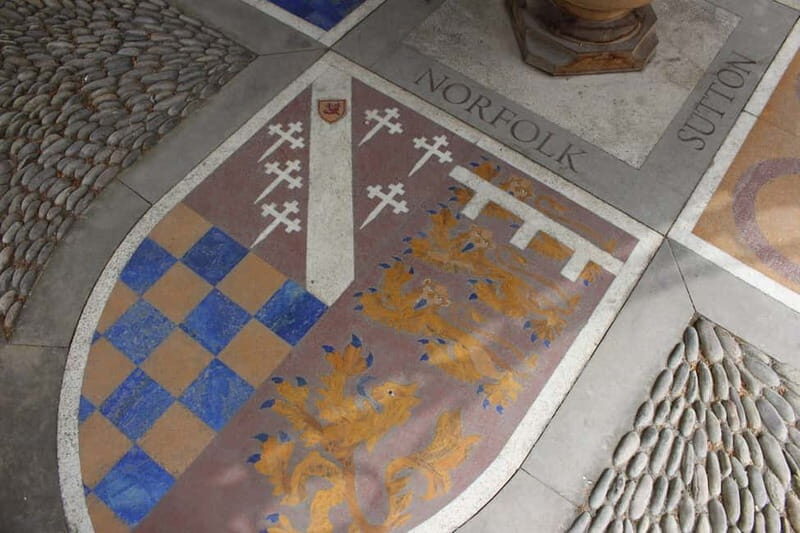
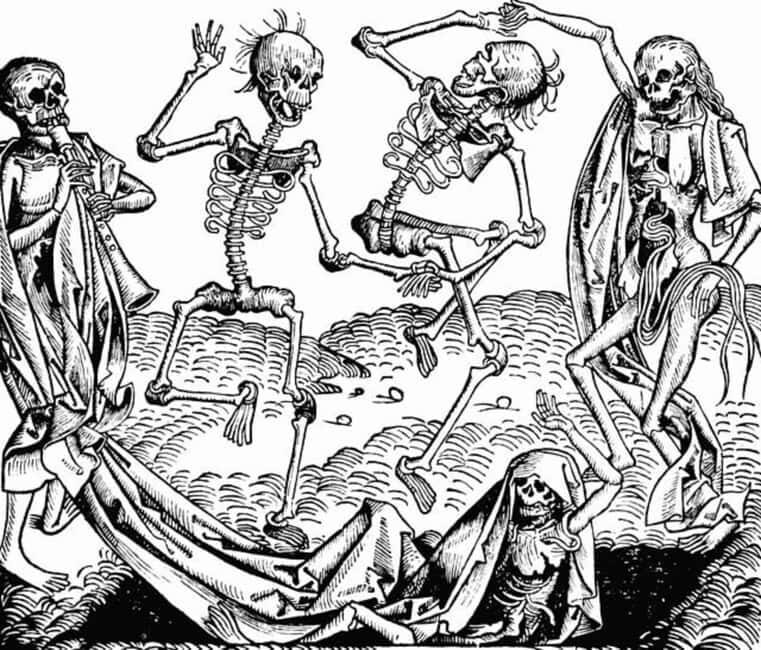
The first big moment is a former Carthusian priory built right beside a plague pit. This is the kind of pairing London does well: sacred stone and grim history in the same frame. You’ll see the spot where monks once prayed for the tormented souls of the dead, which gives you a useful lens—this wasn’t distant tragedy. It was neighbor-to-neighbor reality.
From there, you’ll be pointed toward the oldest priory church in London, dating to 1123. And yes, you’ll probably recognize it from the big-screen world. The guide specifically connects it to titles like Four Weddings and a Funeral, Shakespeare in Love, Avengers, and Sherlock Holmes. Even if you’ve never cared about the original buildings, the recognition factor helps your brain lock onto the place fast—get your bearings fast, then keep going.
Why this stop is worth your time: it sets the tone without trying to shock you into attention. You’re learning how London thought about death, faith, and duty—before you move into the more explosive parts of the story.
You can also read our reviews of more tours and experiences in London.


The execution spot: religion turned into policy
Next comes an execution spot the guide treats as the one you really need to know about—presented with the idea that it’s the execution site connected to Protestant history. The guide also brings in pop-culture associations (including a nod to Mel Gibson) to help you place the vibe of that era.
Here’s what I think makes this stop work for most people: the guide doesn’t just say someone died. He explains how persecution and power moved through the city, and how public death functioned like a grim warning system.
What to watch for: this part can feel heavy even if you’re just casually interested in history. If you’re sensitive to graphic themes, keep your expectations in check. Also, remember this is still a walking tour—no long sit-down segments. You’ll move on quickly, which helps the emotional weight stay controlled.
1381 Peasants’ Revolt: the poll tax that sparked a fight
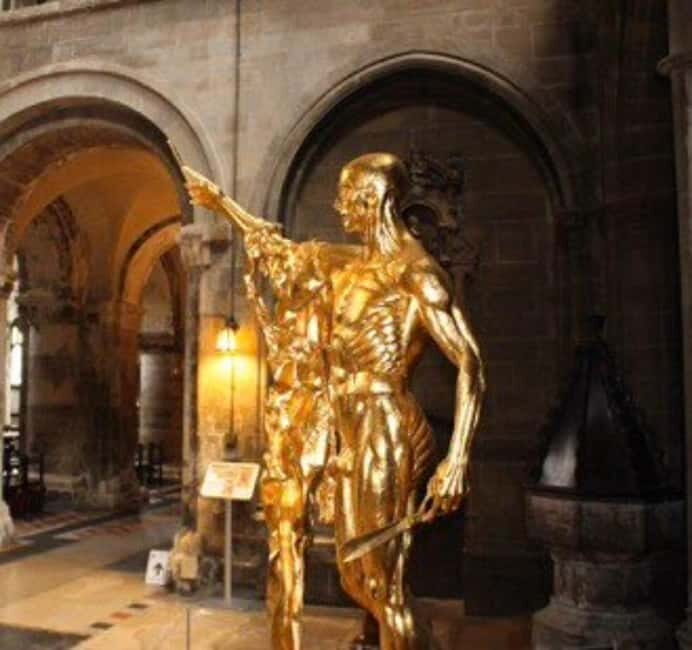
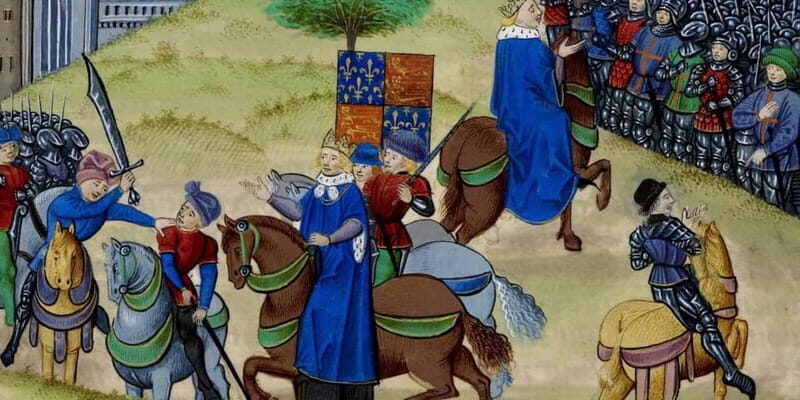
Then you shift from execution to rebellion. You’ll visit the site associated with the 1381 Peasants’ Revolt and hear how it started with a poll tax—explicitly framed as a political squeeze that pushed ordinary people into action. The guide points out the shock of the scale and the speed: a revolt becomes a kind of street-level battlefield, with a Lord Mayor and the king sitting on the other end of the power equation.
It ends badly, and the guide doesn’t sugarcoat that. But the value for you is in understanding the mechanics of the moment. Revolts aren’t random. They happen when people feel cornered and when the system looks too rigid to negotiate with.
Practical tip: if you enjoy history you can “see,” this stop is great. The city’s streets still let you trace movement, and the guide’s storytelling makes it easier to imagine crowds moving through the area.
Consideration: if your historical interests lean more toward architecture than political conflict, you may find this part intense. Still, it’s one of the best ways to understand why London changes when it’s under pressure.
Flash forward to 1666: the Great Fire and the last stand
Now the tour jumps to the Great Fire of 1666, and this is where you get a different kind of thrill: not just what happened, but what you can still spot. You’ll see evidence of pre-fire structures, and you’ll learn how the city looked before the reset.
The guide also weaves in the Duke of York and a group of 100 men—framed as a last stand rather than an abstract battle. Then you’ll hit Cock Lane, which you’ll likely remember because the name matches the reputation people give it. The walk turns into a chain of “this is where it happened” moments, and suddenly 1666 feels less like a textbook chapter.
Finally, you’ll connect the story back to St. Paul’s, described as the great phoenix raised from the ashes. Even if you already know St. Paul’s visually, you’ll appreciate the meaning more, because you’ll have walked through the logic of why the rebuild mattered.
Why this section is strong for your money: Great Fire tours can turn into a generic fire reenactment. This one ties the fire to the physical city—so the buildings you recognize become part of the explanation, not just background.
Shakespeare’s former home and that cellar pint
If you’ve been waiting for a lighter beat (or at least a more playful one), this is where the tour loosens its grip. You visit the site tied to Shakespeare’s former home—specifically connected to the former Blackfriars gatehouse—and you hear how Shakespeare finally bought a place there.
The standout detail: Shakespeare’s cellar is still there, and the tour frames it as a place where you can get a pint. That’s one of those rare London moments where history isn’t behind glass. It’s tied to an actual venue and the act of sitting down with a drink.
Two notes to keep you grounded. First, the tour doesn’t include food or drinks, so plan to pay on your own. Second, the tour rules say alcohol and drugs aren’t allowed, so follow what the guide says about how the pub stop works in practice. In other words: you can want the pint, but don’t assume it’s a free-for-all.
What you’ll likely enjoy here: the contrast. You go from revolt and fire to pubs and a playwright’s real-world digs. It makes the earlier violence and mayhem feel like part of the same city story, not random grim episodes.




The alleyways, the street names, and the “film set” feeling
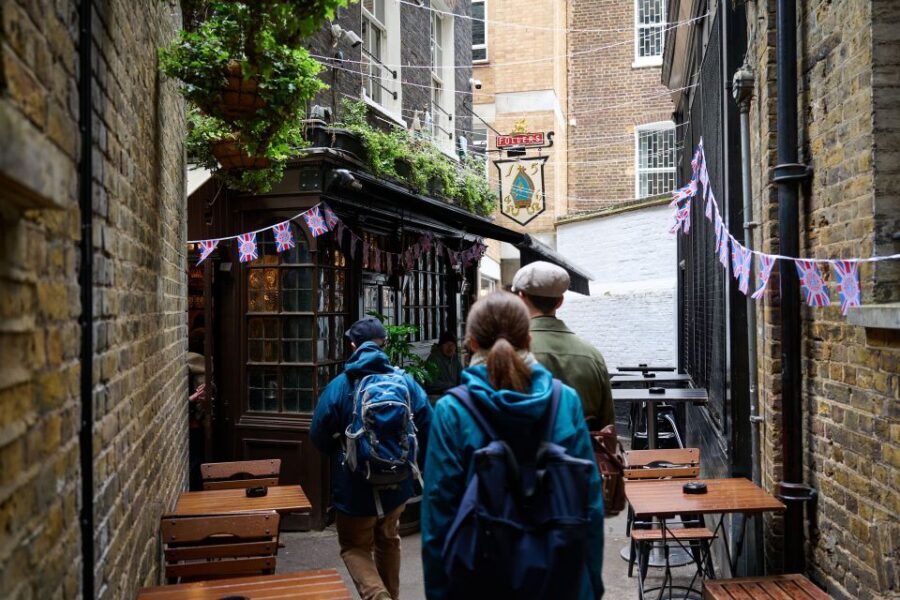
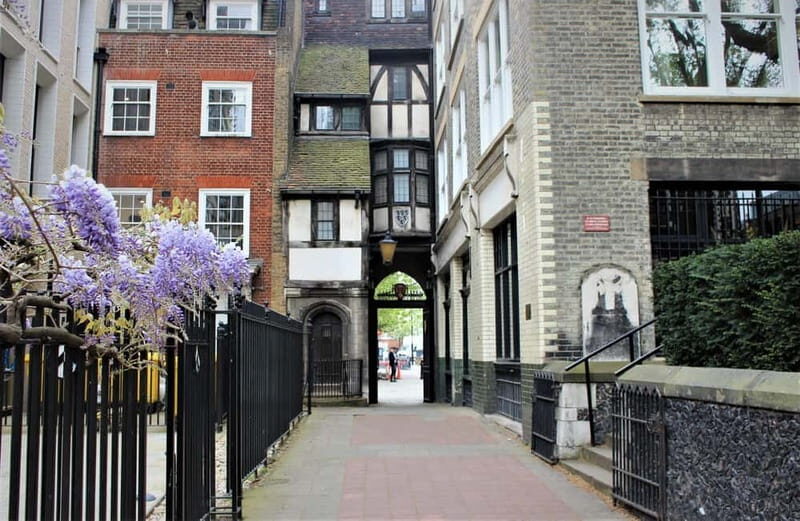
Between major landmarks, the tour works because of the walking itself. You’ll move through historical alleyways and see centuries-old architecture, plus the kind of streets where you catch sight of London’s layered construction—older shapes under newer life.
And yes, there are cheeky street names. The guide uses that humor to keep the mood from collapsing under the weight of plague and execution. It also makes it easier to remember the route, because your brain tags the weirdly named streets as mental bookmarks.
How to get the most out of this kind of walk: keep your pace steady and your questions ready. The guide is the thread, but your attention is what makes it stick. After a stop, ask one quick “why did it matter” question. Andrew Hallett (Andy) has a reputation for answering and staying engaged, and that’s useful because it turns random facts into a coherent picture.
Price, value, and who this tour fits best
At $26 per person for 2 hours, this is priced like a value-focused walking tour. What makes it feel worth it isn’t the low cost alone—it’s the density. You cover multiple headline eras in a short time: plague and 1123 architecture, 1381 revolt politics, 1666 fire survival, and a Shakespeare-linked pub stop.
For value, ask yourself: do you want a single theme, or do you want London in chapters? This tour gives you chapters, and the guide keeps the thread tight enough that it doesn’t feel like five unrelated stops stitched together.
This is a good fit if you:
- like dark history but still want context that makes sense
- enjoy walking and spotting details on the street
- want a compact route that hits major “London stories” fast
- don’t mind violence and mayhem being part of the narrative
This might not be your best fit if you:
- want only cheerful sightseeing
- dislike heavy topics and grim outcomes
- need a lot of seated time or breaks between locations
What to bring and how to handle the pace
You’ll be walking through historical sites, so don’t underestimate footwear. Bring comfortable shoes first. Add water because you’re moving. Wear comfortable clothes so you can keep your pace steady without constantly adjusting layers.
If you want to maximize what you take in, arrive a few minutes early at the meeting point outside the Tube station next to a café. That lets you settle before the guide starts moving everyone.
Should you book this London “disaster” tour?
If you like London the way it actually is—messy, dramatic, human, and sometimes brutal—then yes, you should seriously consider booking it. You’re getting a short tour that still touches huge moments: the plague-era priory story, the 1123 church you’ll recognize from film, the execution focus, the 1381 revolt spark from a poll tax, the 1666 Great Fire with pre-fire structural clues, and a Shakespeare cellar connection that brings the mood back down to earth.
Book it especially if you want your history with street-level visuals and a guide who keeps the energy up. Pass if you want a purely pleasant sightseeing loop or if the themes of executions, sedition, and fire will make you shut down.
FAQ
How long is the tour?
The duration is 2 hours.
What does the tour cost?
It costs $26 per person.
Where do I meet for the tour?
Meet outside the Tube Station next to a café.
Is the tour guided?
Yes. It’s a guided walking tour with a live English-speaking guide.
Are food and drinks included?
No. Food and drinks are not included.
Can I bring alcohol?
Alcohol and drugs are not allowed.
Is the tour wheelchair accessible?
Yes, it is wheelchair accessible.