REVIEW · FORT WILLIAM
Fort William, Highlands: WHITE WATER RAFTING – River Garry
Book on GetYourGuide →Operated by River Wild Adventures · Bookable on GetYourGuide
Cold water, warm cheers, and Scottish rapids nearby. I love that you’re provided premium rafting gear and you’ll get free action photos after, with safety-minded guides running the show. One consideration: this one is not for kids under 12 or for anyone who’s pregnant.
The River Garry section here is dam-controlled, so you get more consistent water levels on schedule. That consistency helps you spend time on the fun instead of waiting around for conditions to line up.
There’s also real comfort built in for a day outdoors—private robe changing, toilets at the meeting base, hot drinks and snacks afterward. Just plan on completing an acceptance of risk form before you hit the water.
In This Review
- Quick hits: River Garry rafting you’ll actually feel good about
- First gear-up: what happens at the Roy Bridge car park
- What you should bring (and what you shouldn’t)
- The safety brief: class 3/4 and why it’s worth listening
- Gear that changes the experience: staying warm and confident
- Hitting the water: the River Garry run you’ll remember
- Specific rapids you’ll likely experience
- The scenic factor near Fort William: action with serious views
- Why they run it twice (and how that helps)
- The photographer perk: free action photos that show the real thing
- After the raft: hot drinks, snacks, and robe-changing comfort
- Timing, ability fit, and who this rafting trip is for
- Age and health limits you should take seriously
- The “class 3/4” reality check
- Value for money: what you actually get for your time
- Should you book River Garry rafting near Fort William?
- FAQ
- How long is the River Garry white water rafting trip?
- What should I bring with me?
- What gear is included?
- Are there limits on age or body weight?
- Do you provide photos, and when do I get them?
- What if weather or water levels make rafting unsafe?
Quick hits: River Garry rafting you’ll actually feel good about
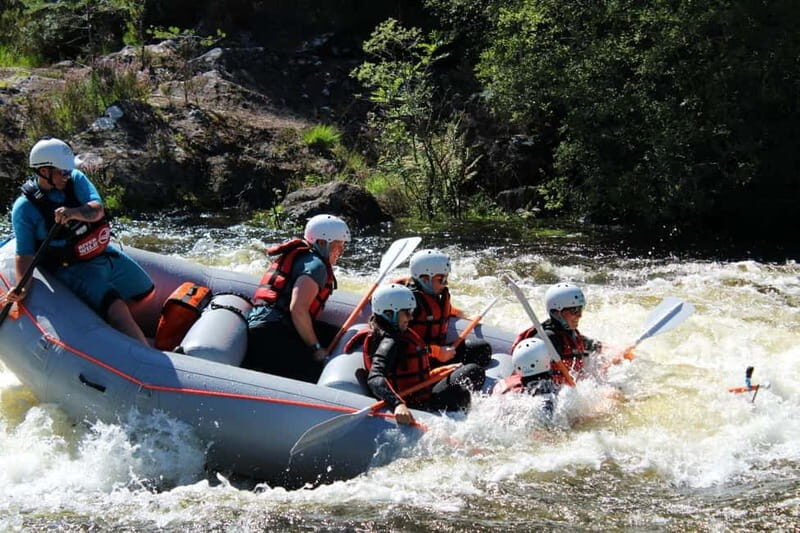
- Class 3/4 thrills with a dam-controlled river level for a steadier run
- All gear included: wetsuit, helmet, buoyancy aid, neoprene boots, gloves, skull cap, socks
- Free photo coverage during the trip, with a link within 24 hours
- Run it twice and you’ll be driven to the top so you save your energy
- More comfort than you’d expect: private changing robes, toilets on-site, and you don’t have to pack wet stuff home
- Small, safety-first experience centered on teamwork and clear guidance
First gear-up: what happens at the Roy Bridge car park
Your adventure starts at a small car park where you’ll spot the River Wild Adventures branded vehicle and trailer. It’s a simple setup, but it matters, because white water rafting feels chaotic only when logistics are sloppy. Here, the base is set up to get you kitted fast.
Once you arrive, you’ll meet the guides and get the equipment you need for the water. You’re not expected to show up with a wetsuit or boots—this operator brings everything to the river. That includes the full raft-ready kit: wetsuit, helmet, buoyancy aid, neoprene boots, and neoprene accessories like a skull cap, gloves, and socks. If you wear glasses, there’s also a glasses strap (where required), which is one of those details that can make or break your day on moving water.
They also provide a towel changing robe and changing setup that’s described as private. On a cold day, that’s a big deal. You’re not just pulling on gear and hoping for the best—you get a more dignified transition from car to river. And since the business is mobile, it’s helpful that they’ve planned for practical needs too, including toilet facilities.
You can also read our reviews of more tours and experiences in Fort William.
What you should bring (and what you shouldn’t)
The only explicitly listed personal item is your medication. Alcohol and drugs are not allowed. That’s worth noting because it’s not just a rule—it affects safety and decision-making on the water.
The safety brief: class 3/4 and why it’s worth listening
Before you go, you’ll get a safety brief. You’ll also be asked to complete an acceptance of risk form. That part is standard for active outdoor sports, but don’t treat it like a formality. The guides’ instructions are tied directly to how you’ll paddle, where you sit, and what to do when the raft hits bigger sections.
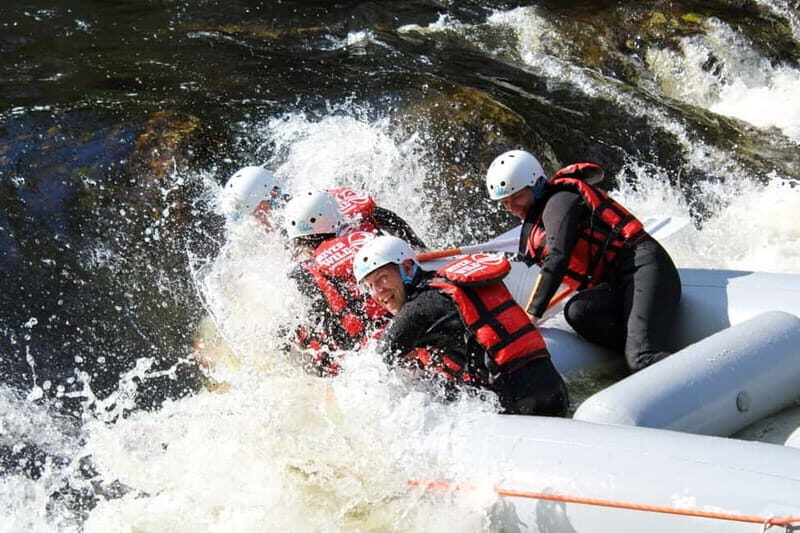
This is class 3/4 white water on the River Garry. In plain terms, that means you’re looking at rapids with noticeable waves and stronger turbulence—enough to be exciting, but not so extreme that it turns into a technical, expert-only situation. The value here is that the rafting is structured around your crew and your guide, not around you knowing the river ahead of time.
The river is also dam-controlled. That matters more than most people expect. Dam-controlled schedules typically help keep river levels more consistent for your time slot. For you, it usually means the day feels smoother: your trip starts when it should, and you’re far less likely to get a watered-down run due to unpredictable timing.
Gear that changes the experience: staying warm and confident
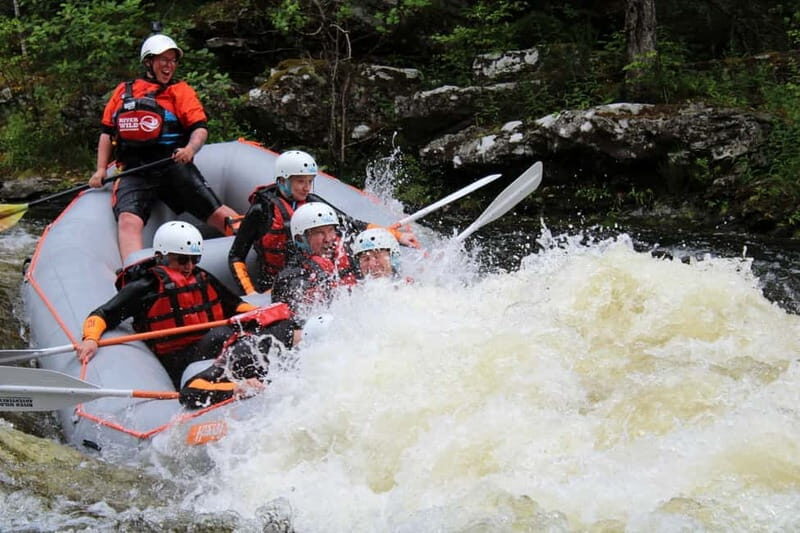
I like that the “premium equipment” promise isn’t vague. You get the core protective items that keep you comfortable and secure in real moving water: helmet, buoyancy aid, and wetsuit. Neoprene boots and accessories matter too because they reduce the risk of cold feet and help you keep grip and warmth.
If you tend to get chilled easily, prioritize the accessories. Gloves and skull cap aren’t just comfort extras—they help maintain finger and head warmth so you can focus on paddling and listening rather than constantly shivering.
One more practical perk: after the trip, you return wet items to River Wild Adventures. You’re not stuck carrying a soaking wetsuit in your day bag all the way back. That’s not glamorous, but it’s genuinely useful.
Hitting the water: the River Garry run you’ll remember
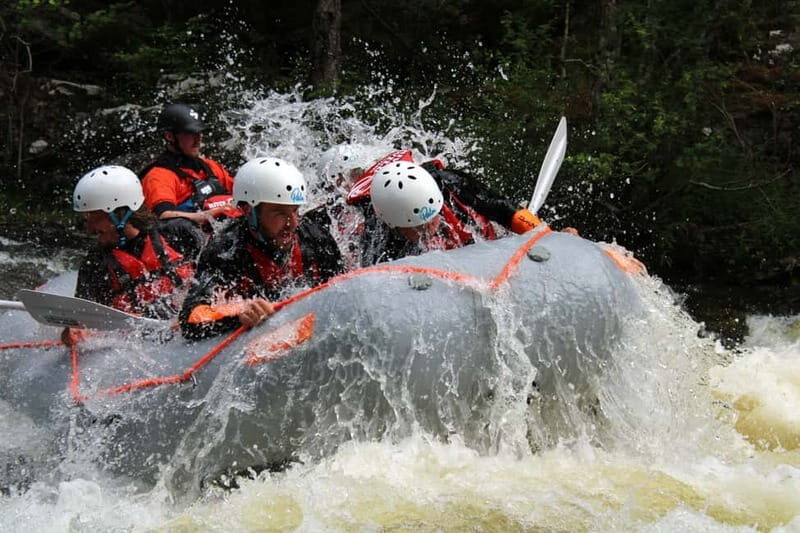
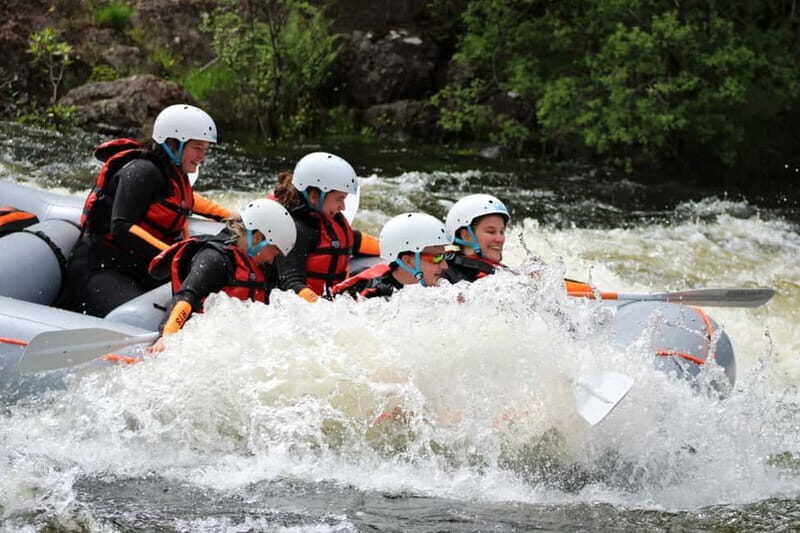
After gearing up and the safety briefing, it’s time to launch. The trip is built around a straightforward flow: you get in the raft, you paddle in sync with your team, and you work with the guide and crew to navigate the rapids.
The excitement starts fast. You’ll feel that immediate rush as you move into faster sections—waves, twists, and turns where teamwork helps. White water rafting isn’t just about getting splashed. The paddling rhythm, the timing, and the way you react together is what turns an active trip into a shared accomplishment.
Specific rapids you’ll likely experience
The rapids mentioned for this route include:
- Double or Quits
- Hey Fiddle Diddle
- Pin Ball Alley
Even if you’ve never heard those names before, the takeaway is simple: you’re not just floating through one long stretch. You’re dealing with multiple feature areas, which usually means more “different moments” and less monotony.
The scenic factor near Fort William: action with serious views
You’ll paddle through rugged Highland scenery—towering mountains, forests, and valleys forming a real backdrop to the thrills. White water can be loud and fast, so it’s easy to miss the bigger picture. That said, the trip is paced so you can grab a few looks during quieter stretches between rapids.
The scenery here isn’t a separate attraction you need to plan around. It’s part of the whole experience, and it helps you feel like you’re in the Scottish Highlands, not just doing an outdoor activity in a location with water.
Why they run it twice (and how that helps)
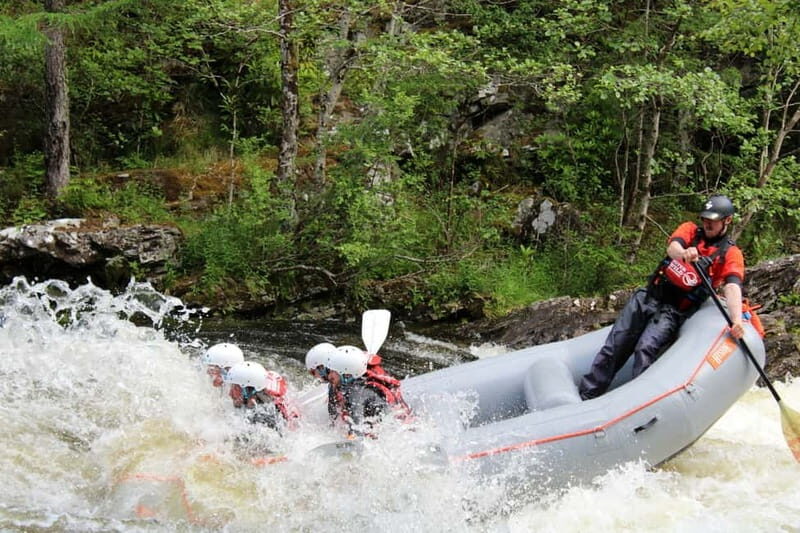
One standout detail: you don’t just do one descent. They run the rafting section twice to give you enough time to experience everything. And importantly, they drive you to the top every time, so you save your energy for the actual rapids.
That’s a smart value play. If you had to hike up or reset yourself, you’d burn time and energy on logistics. By doing the “get you there, do the run, get you back” approach, you get more water time for your 3-hour slot.
Also, doing it twice changes how the experience feels. The first run is about getting used to the raft, the paddling rhythm, and how your crew works together. The second run usually feels more familiar—and that makes you freer to enjoy the challenge instead of just focusing on survival-mode reactions.
The photographer perk: free action photos that show the real thing
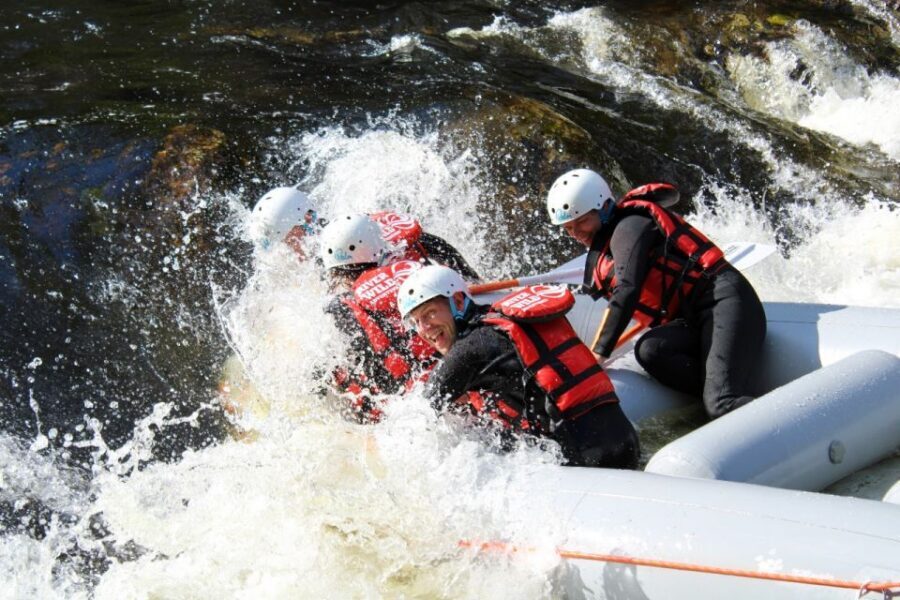
A photographer follows you throughout the adventure to capture the moments you’d never be able to film yourself. The best part is that the photos are free, and you’ll get a link within 24 hours.
This is the kind of value that doesn’t look huge until you realize what rafting moments are like: hands are busy, water gets in the way, and you can’t safely stop to take a perfect shot while navigating rapids. Having someone else handle the camera means you actually get evidence of the fun—without putting your phone at risk.
After the raft: hot drinks, snacks, and robe-changing comfort
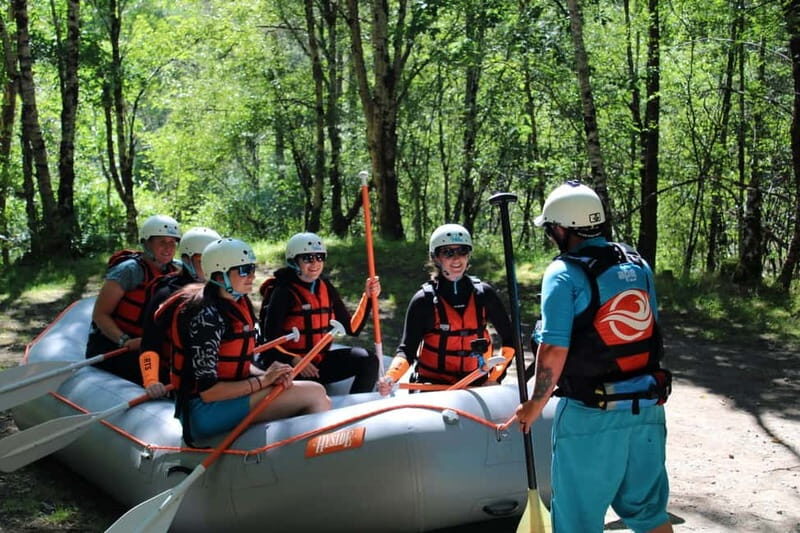
When you finish, you return back to the meeting point. You’ll change back into your dry clothes using the towel changing robe, and the setup includes private changing. After active water sports, that privacy is comfort, not luxury.
Then you’re offered hot drinks and snacks while you share stories with your team. Even if you don’t feel like talking, the social reset matters: it’s a clear end to the adrenaline rush, and it helps you warm up properly.
If you’re traveling in the Highlands and trying to keep your day moving, this structure is ideal. You’re not stuck figuring out your next stop right away—you get a calm wind-down, then photos the next day.
Timing, ability fit, and who this rafting trip is for
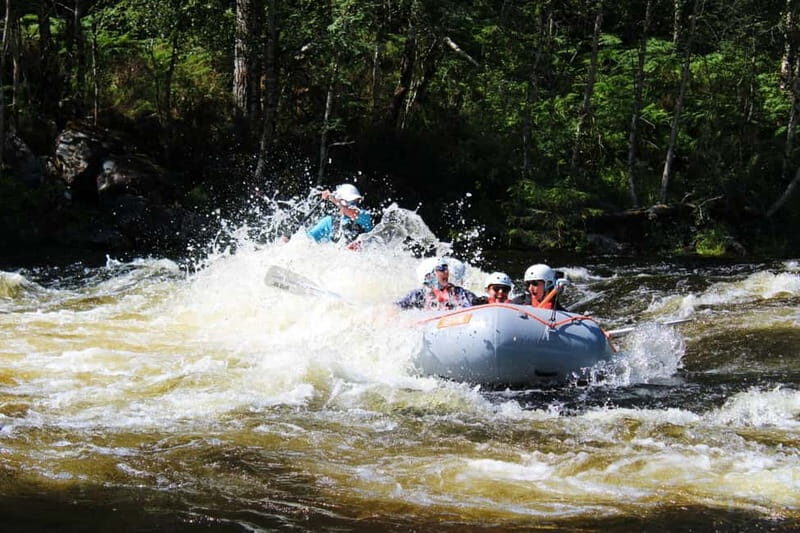
This experience runs for about 3 hours, and starting times depend on availability. That’s a good length for a Highlands adventure: long enough to feel like a full activity, not so long that you lose half your day to transportation and downtime.
Age and health limits you should take seriously
It’s not suitable for:
- Children under 12
- Pregnant women
- People over 264 lbs (120 kg)
If any of those apply, look for an alternative. White water is physical, and these limits are there for a reason.
You’ll also complete an acceptance of risk form. That’s your cue to pay attention to how the guides run the day and what they ask you to do.
The “class 3/4” reality check
Class 3/4 is for people who can handle active, wet, choppy conditions. You don’t need to be an athlete, but you do need to be willing to paddle, follow instructions, and get a bit of water in your day. If you’re expecting a gentle float, this won’t be that.
Value for money: what you actually get for your time
There’s no pricing in the details you provided, so I can’t judge cost directly. But I can judge value. And this setup is built around value in several clear ways:
- You get everything you need for the water: wetsuit, helmet, buoyancy aid, neoprene boots, and accessory kit.
- You get free high-quality action photos instead of paying extra or hoping you’ll get your own shots.
- You get hot drinks and snacks, not just a quick drop-off.
- You get two runs in the same overall window, with transportation to the top so you spend your energy on rafting.
That combination is exactly how you make an outdoor adventure feel worth it.
Should you book River Garry rafting near Fort William?
You should book if you want a classic Highlands adventure that’s heavy on action and light on hassle. The dam-controlled river levels, the all-in gear, and the free photo follow-up all point toward a day that’s designed to go smoothly.
You might skip it if you’re looking for a low-activity experience, you’re traveling with kids under 12, or you fall into one of the listed unsuitability categories. And if weather or water levels ever make conditions unsafe, they may alter the plan or offer a suitable alternative—so treat it as an outdoor sport first, not a guaranteed outcome regardless of conditions.
If you’re planning a Fort William trip and you want one unforgettable “do this” moment without needing specialized skills, River Garry white water rafting is one of the most sensible choices around.
FAQ
How long is the River Garry white water rafting trip?
The duration is listed as 3 hours. Starting times depend on availability.
What should I bring with me?
You only need to bring personal medication. Everything else for the rafting experience is provided.
What gear is included?
You’ll be provided with a wetsuit, helmet, buoyancy aid, neoprene boots, and neoprene accessories like a skull cap, gloves, and socks. There’s also a glasses strap (where required) and use of a towel changing robe.
Are there limits on age or body weight?
Yes. It’s not suitable for children under 12, not suitable for people over 264 lbs (120 kg), and it’s not suitable for pregnant women.
Do you provide photos, and when do I get them?
Yes. A photographer follows you and you get free pictures. You’ll receive a link within 24 hours.
What if weather or water levels make rafting unsafe?
On rare occasions, weather or water levels can mean the activity isn’t safe. In that case, the operator may have to alter the trip plan and will offer a suitable alternative.