REVIEW · EDINBURGH
From Edinburgh: 5 Day Best of Northern England Tour
Book on GetYourGuide →Operated by Rabbie's Small Group Tours · Bookable on GetYourGuide
Some places in northern England feel made for wandering.
This 5-day trip packs Roman wall legends, castle drama, and real country stops into one smooth loop—small-group comfort in a 16-seat Mercedes with a driver/guide who keeps the day moving. I love how you get a mix of big sights (Hadrian’s Wall country, York’s medieval lanes) and smaller, more human moments like Robin Hood’s Bay and the quiet lanes around Keswick. I also like that you get a free afternoon feel in the middle, so you’re not just collecting photos. The only real caution is that the trip involves a lot of time on the road and some steep walking—especially Robin Hood’s Bay, where the coach drops you at the top and you walk down and back up.
The day-by-day rhythm works well if you like variety: sea walls and castles, then hills and lakes, then Roman footpaths again as you head back into Scotland. Guides can make a real difference here; past guide feedback names people like Adam and Kevin, praised for patient, funny, and safety-first driving with stories that connect the stops. Still, you should go in knowing meals and most entry tickets are on you, and the lodging is in small, older guesthouses with stairs and a 20–30 minute walk to dinner options at many locations.
In This Review
- Key things that make this tour work
- From Edinburgh to Berwick-upon-Tweed: walls, coast air, and old roads
- York and the North Yorkshire Moors: medieval lanes plus Whitby fuel
- Yorkshire Dales National Park to Keswick: cattle-country roads and a real change of pace
- Castlerigg and Ullswater: 5,000-year stones and a proper waterfall walk
- Windermere cruise vs. Windermere time: a tradeoff you should understand
- Wordsworth country around Grasmere: short stops, big atmosphere
- Hartside Pass, Hadrian’s Wall, and Jedburgh: the border finale
- Lodging, group size, and the real comfort math
- Should you book this Northern England tour?
- FAQ
- What’s included in the tour price?
- Are meals included?
- How large is the group?
- What kind of vehicle is used?
- Where is the meeting point?
- Is there a luggage limit?
- Are the rooms in the accommodations private and en suite?
- Is Robin Hood’s Bay accessible by the coach?
- What time will the tour return on Day 5?
Key things that make this tour work
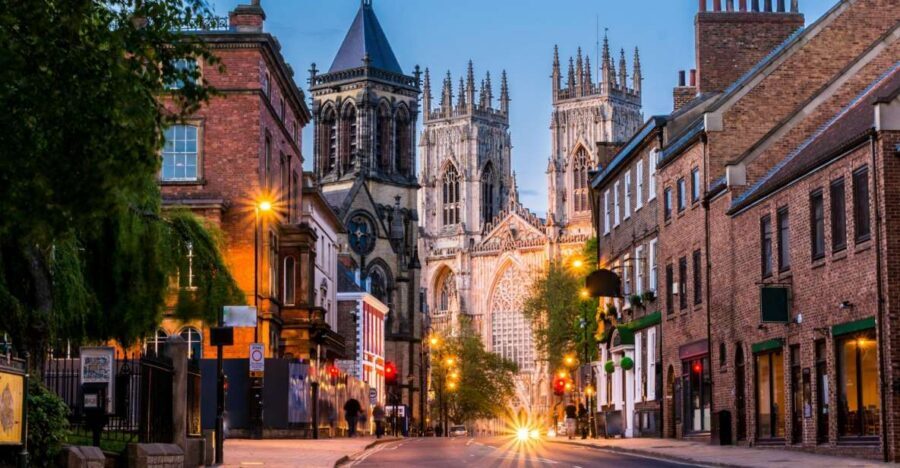
- Northumberland + castles: Bamburgh Castle and the Berwick-upon-Tweed walls set the tone right away
- Roman “following in footsteps” days: Hadrian’s Wall plus Vindolanda and the Roman Army Museum
- York with breathing room: medieval streets, plus enough time to explore on your own
- Yorkshire Dales National Park stops: cattle-trade country and big scenery that’s hard to fake with photos
- Lake time that’s optional in practice: Ullswater walking and an included Windermere cruise, with tradeoffs
- A steep Robin Hood’s Bay reality check: coach drop-off far above the village center
From Edinburgh to Berwick-upon-Tweed: walls, coast air, and old roads
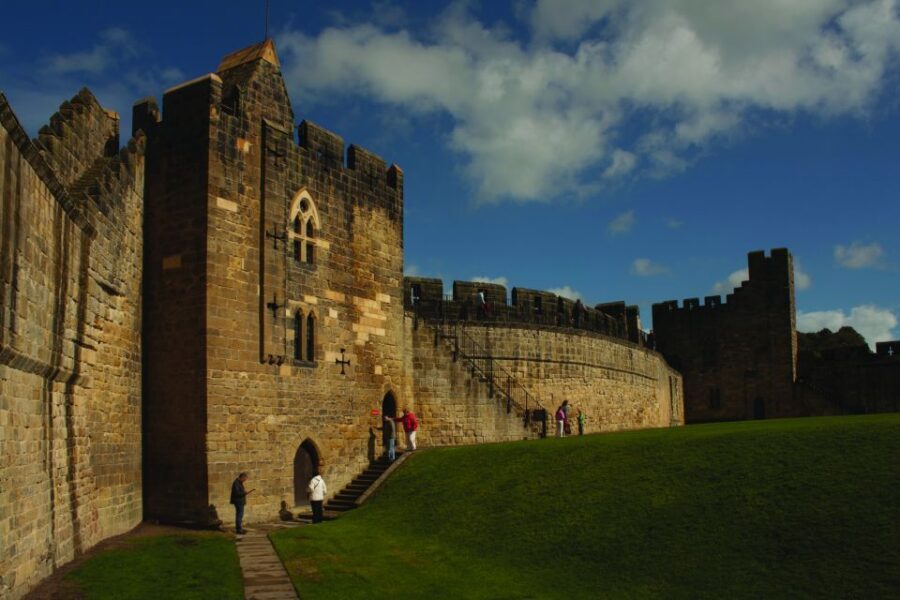
You start by leaving Edinburgh behind and tracing the East Lothian coastline to Berwick-upon-Tweed, a walled town with a border-town feel. The stop here is short but worthwhile: you’re basically getting the geography lesson first. That matters on this tour because the whole route is about the edge—England and Scotland, Roman and local, sea and hills.
Next comes Bamburgh Castle in Northumberland. If you like fortifications, you’ll get your money’s worth. It’s one of those castles where the setting (coastal, wind-whipped, dramatic) helps you understand why people fought over this ground. And because castle admission is included, this is a day where you’re not constantly checking ticket prices to see if you’re “allowed” to see something.
A practical note: this is a tour that uses historic roads. You’ll also travel along the Great North Road, the route once used by Roman legions. That sort of continuity makes the Roman parts later feel less like museum hopping and more like following a line through time.
A few more Edinburgh tours and experiences worth a look
York and the North Yorkshire Moors: medieval lanes plus Whitby fuel
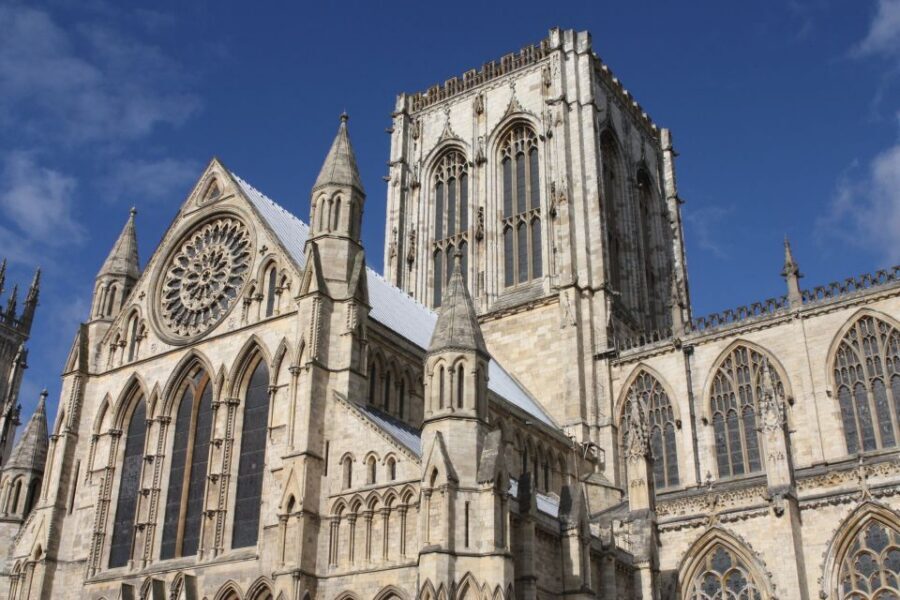
You spend two nights in York, which is a smart move. York is one of England’s most walkable history cities, and two nights gives you time to do more than a fast loop through highlights.
The itinerary builds in two main experiences. First, a late-morning move toward North Yorkshire Moors National Park. Then lunch in Whitby, a fishing port that connects to Bram Stoker’s imagination. Whitby’s appeal on a tour like this is simple: it’s a working coastal town where you can eat something filling, then still have time to explore without committing to a full-day plan.
After lunch and free time in Whitby, you shift to Robin Hood’s Bay. This is one of those places that feels storybook—winding lanes, tight alleys, and a “small village preserved” vibe. But there’s an important logistics detail: the mini-coach can’t reach the main village. You get dropped at the top, then you walk down (and back up) a steep hill to reach the old village center. If you hate steep descents, plan your day around it. If you’re fine with hills but tired easily, bring a good attitude and water.
A very practical way to handle the energy drain: if you’re hungry partway down, consider stopping for a simple bite around halfway (like the fish and chips style snack people talk about). It can save you from eating too late once you’re back climbing.
Yorkshire Dales National Park to Keswick: cattle-country roads and a real change of pace
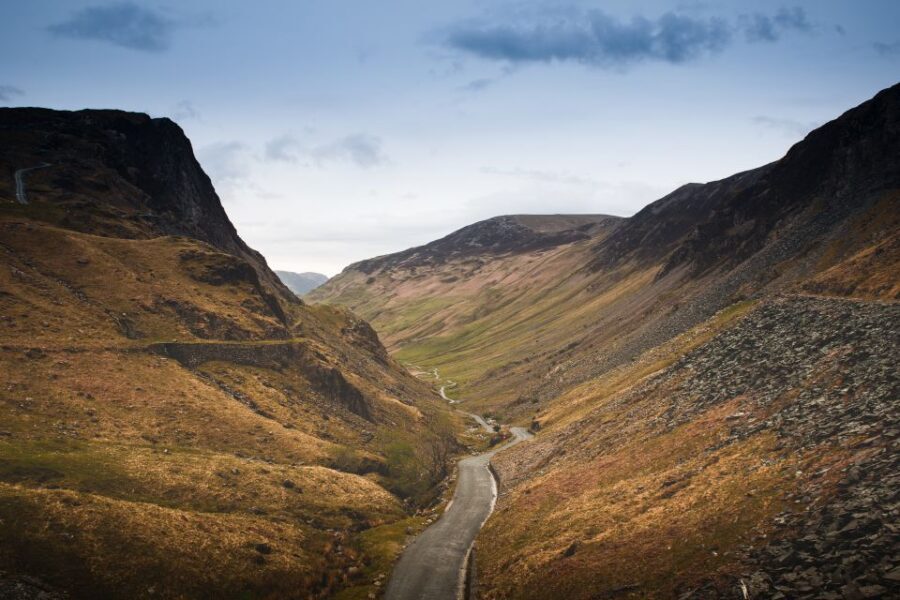
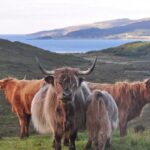
Day three pushes west into the Yorkshire Dales National Park. You’re not just passing through. The Dales are about scale—wide views, small villages, and valleys shaped for farming life. The tour leans into that with a route through the Northern Dales, including cattle-trade country. That detail matters because you’ll feel the working landscape in the way routes connect towns and markets, not just in how pretty things look.
By mid to late day, the scenery becomes more remote as the route ascends into the Dales hills, then descends into Keswick. Keswick is lively enough to feel fun, but not so big that it overwhelms you. The tour drops you off at your accommodation, giving you the chance to eat and reset.
Also, this is the day where you’ll feel the “on the bus” part of the trip most. That isn’t a problem if you treat the driving time as transit between worlds. It’s just good to know that the comfort level is the mini-coach (not a private car), so you’ll likely spend longer than you would in a self-drive plan.
Castlerigg and Ullswater: 5,000-year stones and a proper waterfall walk
On day four, you start with Castlerigg standing stones, often thought to be built over 5,000 years ago. You get that eerie, open-air feeling right away: stones in a field, sky doing most of the talking. It’s a great “time reset” stop before the lakes, because it anchors the day in deep pre-Roman Britain.
Then you head to Ullswater, described as England’s most beautiful lake. That description is aggressive, but I get why it’s used. Ullswater gives you calm water with rugged edges and plenty of places where you can feel how local people live around the shore.
You’ll also do a forest walk to see Aira Force waterfall. This is the kind of stop that adds texture to a tour heavy on castles and towns. It’s not about ticking a landmark; it’s about getting your legs moving and letting the day slow down for a bit.
Windermere cruise vs. Windermere time: a tradeoff you should understand
Next you tackle Kirkstone Pass, then stop near Lake Windermere. From there, the tour includes a 45-minute island cruise.
Here’s the honest value question: the cruise is included, so you don’t have to buy a ticket. But it also takes time away from the Windermere lakeside town experience. In guide feedback, people have said the boat ride is fine but can feel like it competes with having more time onshore.
So how do you decide? If you like watching scenery from the water and you’re tired of walking, take the cruise. If you want to linger near shops and viewpoints longer, you may prefer to treat the cruise as a quick intermission rather than the main event. Either way, you’ll still get views from the route and a chance to refuel.
After lunch time around Windermere, the itinerary continues south and then swings toward Coniston Water, ending up in Hawkeshead. Hawkeshead has a conservation-village feel, and it’s a nice break from larger towns.


Wordsworth country around Grasmere: short stops, big atmosphere
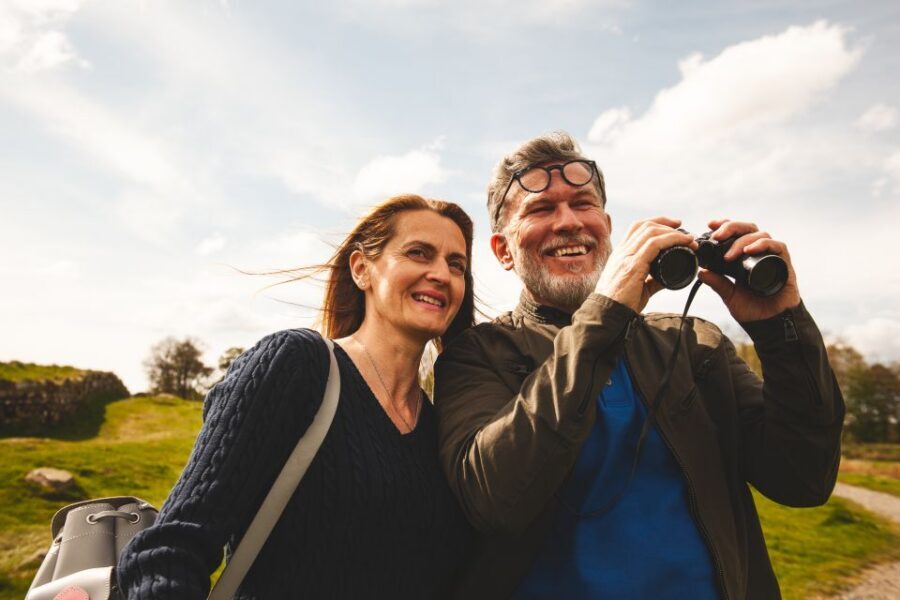
You head north to Grasmere for free time. This part of the trip is a smart change of pace: it’s less about one big museum and more about using quiet time well.
Grasmere is where you can choose your flavor. The options built into the free time include Wordsworth’s Dove Cottage or the Wordsworth Daffodil Garden by the River Rothay. If you like literary tourism, this is a straightforward way to connect people and place. If you prefer simply resting, the lakes-and-river walking vibe often wins.
Then you return to Keswick in the late afternoon.
One small reality check: the tour is structured with multiple “free time” pockets, but you still move through the day as a group. That means you can choose how you spend the time, but you won’t have the freedom to stretch it by hours. If you’re the type who likes to wander until you forget what time it is, build in some buffer for weather and walking.
Hartside Pass, Hadrian’s Wall, and Jedburgh: the border finale
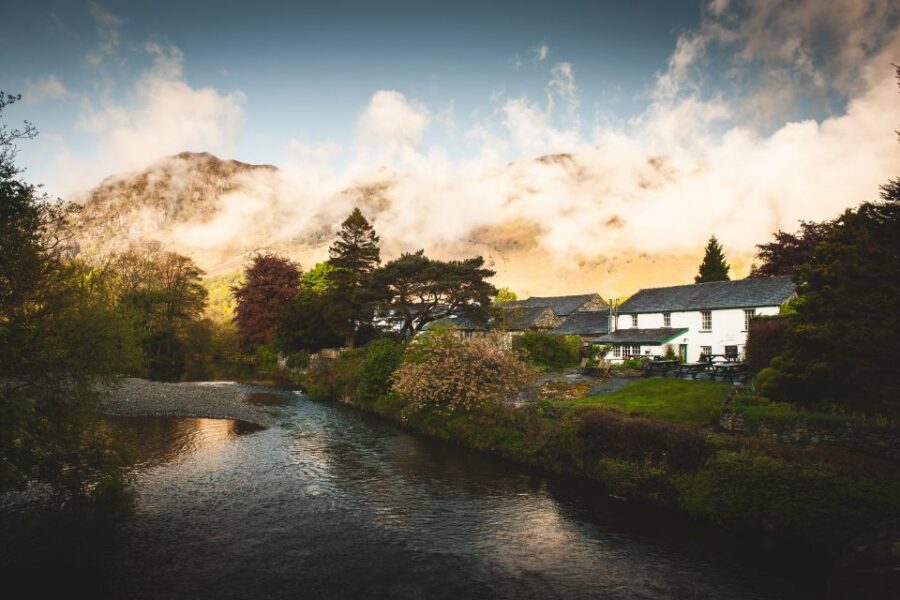
Day five is where the tour turns into a crossing-the-line finale. You start climbing toward Hartside Pass, at over 1900 feet above sea level. On a clear day, you can see Scotland and the English Lake District—exactly the kind of “big view reward” you want after days of inland touring.
The route follows the old sheep drovers road between England and Scotland. That detail adds meaning because you’re not just driving through hills—you’re following the historical logic of how animals and trade moved.
Then comes the centerpiece stop: Hadrian’s Wall. Even if you don’t consider yourself a Roman-history person, it’s hard not to feel something here. The wall is one of those places where the scale does the storytelling for you.
After that, you cross into Scotland and head to Jedburgh for refreshments by the ruins of Jedburgh Abbey. It’s a good “eat and reset” moment before the last view stop. The tour ends at Scott’s View, known for wide views over the River Tweed and the Cheviot hills that form part of the border. Return to Edinburgh is scheduled for about 19:00.
Lodging, group size, and the real comfort math
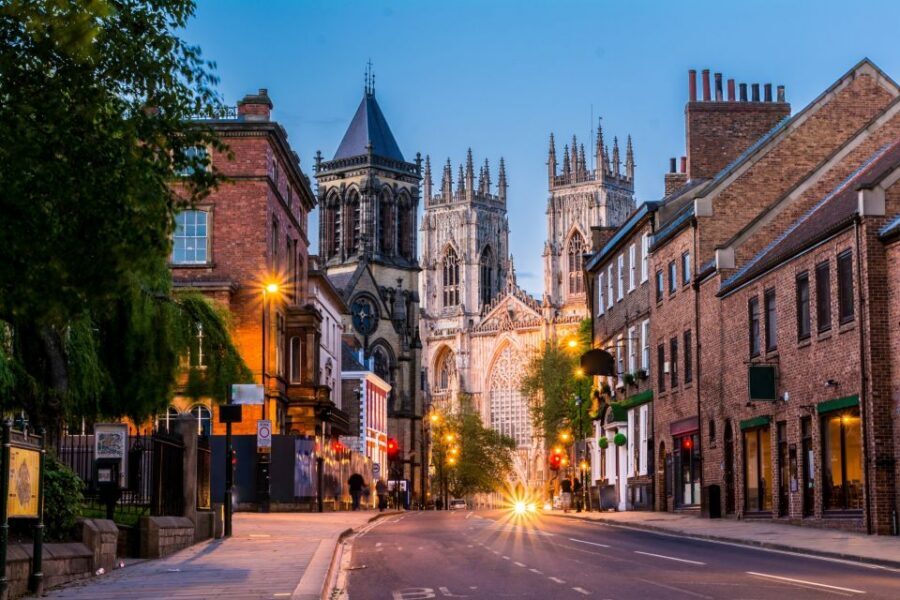
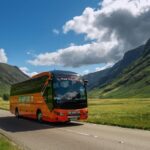
This is a small group experience capped at 16 participants, run with a 16-seat Mercedes mini coach. That’s a meaningful difference versus big buses: you’ll board and offload faster, and the driver/guide can manage the group more personally.
You stay four nights in bed-and-breakfasts and small locally owned guesthouses, with en suite rooms. The tradeoff is location and age of buildings. Many places are on the outskirts, so expect a 20–30 minute walk to reach pubs and restaurants. Lifts aren’t available, so if stairs are an issue, you’ll need to plan ahead.
Now for the value side. The price is $1,172 per person for five days, which includes:
- transportation on the mini-coach
- a driver/guide
- 4 nights with breakfast
- admission to Bamburgh Castle
- the Lake Windermere cruise (45 minutes)
- admission to Vindolanda and the Roman Army Museum
Meals and most other visitor attractions are not included, so you’re still responsible for lunch and dinner. That’s not a deal-breaker; it just means your personal spending will depend on how many paid stops you add on free time days.
Where the price feels justified is that the included items aren’t tiny. Castle admission and the Roman museum pair well with the route, and the breakfast keeps mornings easier. If your idea of value is “I don’t want to plan,” this works.
Should you book this Northern England tour?
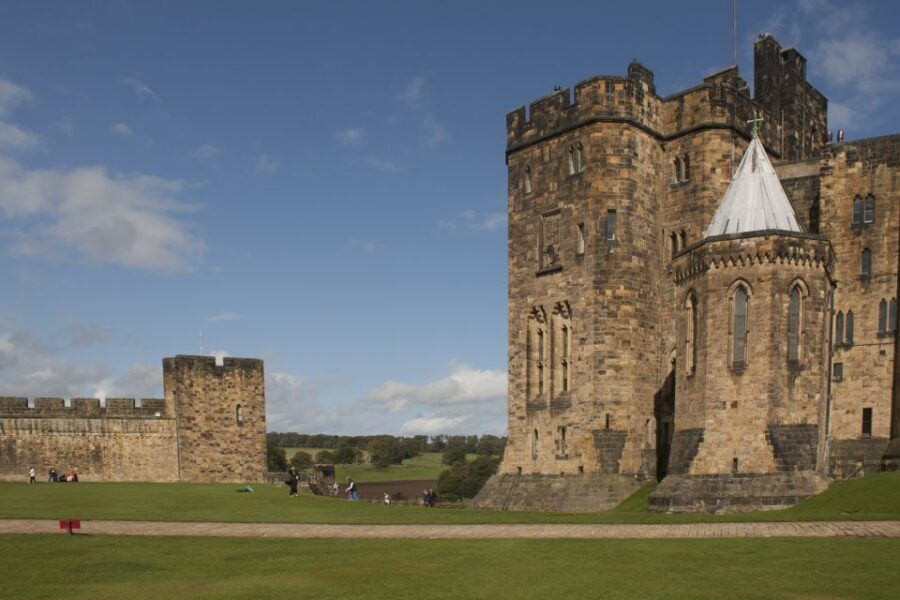
Book it if you want a tight loop that mixes Roman history, English castles, and big-name lake-and-dales scenery in one go. This is especially good for first-timers to the region who want their geography sorted without map chaos.
Pass or consider alternatives if you:
- dislike steep walking, because Robin Hood’s Bay is a real uphill return
- need barrier-free accommodations, since many lodging options are older and may require stairs
- want lots of standalone time in one place (York, Windermere, or the Lakes) since the plan is designed for variety over deep single-location soaking
If you do book, pack smart: the luggage limit is 20 kilograms (44 lbs) per person plus a small onboard bag, and rooms are en suite but in properties where space can be tight. Wear shoes with real grip, especially if the weather turns.
FAQ
What’s included in the tour price?
Transport in a 16-seat Mercedes mini coach, a driver/guide, four nights in bed and breakfast, admission to Bamburgh Castle, a 45-minute island cruise on Lake Windermere, and admission to Vindolanda and the Roman Army Museum.
Are meals included?
No. Meals and refreshments aren’t included.
How large is the group?
It’s limited to 16 participants.
What kind of vehicle is used?
A 16-seat Mercedes mini coach.
Where is the meeting point?
The meeting point may vary depending on the option booked.
Is there a luggage limit?
Yes. You’re restricted to 20 kilograms (44 lbs) of luggage per person, plus a small bag for onboard personal items.
Are the rooms in the accommodations private and en suite?
Yes. Accommodation is in small guesthouses and B&Bs, and all rooms are en suite.
Is Robin Hood’s Bay accessible by the coach?
No. The coach can’t access the main village. You’re dropped off at the top, then you walk down (and back up) a steep hill.
What time will the tour return on Day 5?
On Day 5, the tour returns at approximately 19:00.