REVIEW · EDINBURGH
From Edinburgh: Speyside Whisky Trail 3-Day Group Tour
Book on GetYourGuide →Operated by Rabbie's Small Group Tours · Bookable on GetYourGuide
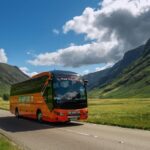
Three days of Speyside, minus the stress. This 3-day group tour from Edinburgh is built for whisky fans who also want real Highland driving time, with stops that mix historic sites and classic distilleries (plus that Cairngorms scenery). I especially like the small 16-seat group setup in a modern Mercedes mini-coach.
I also love how the itinerary hits different sides of Scotch. You start at Lindores Abbey, then move to places with strong backstories like Glenlivet’s role as the first legal distillery in its glen, and Cardhu’s connection to Helen Cumming and major blends.
The only catch to plan for: lunch and dinner aren’t included, and your Grantown-on-Spey guesthouse/B&B can mean a 20–30 minute walk to where you’ll find pubs and restaurants.
In This Review
- Key points at a glance
- Why this Speyside Whisky Trail works so well (even if you’re not a super-expert)
- Day 1: From the Kingdom of Fife to Lindores Abbey, then Cairngorms to Grantown-on-Spey
- Day 1 reality check
- Lindores Abbey: A historic start that still feels current
- Day 2: Glenlivet, Aberlour lunch, the Speyside Cooperage, and Cardhu’s Helen Cumming story
- Day 2 reality check
- Glenlivet tastings: How to use the three drams to learn what you like
- Speyside Cooperage: Why the barrel-maker stop is more valuable than it sounds
- Day 3: Dalwhinnie whisky and chocolate in the Cairngorms, then Perthshire and home to Edinburgh
- Day 3 reality check
- Accommodation in Grantown-on-Spey: en-suite comfort with a small-town trade-off
- Small-group comfort: what the 16-seat Mercedes mini-coach changes
- Price and value: $721 per person, and what you’re getting for it
- Who should book this Speyside Whisky Trail tour
- Should you book this Speyside Whisky Trail 3-Day Group Tour from Edinburgh?
- FAQ
- What distilleries and whisky stops are included on this 3-day tour?
- How big is the group, and how do you travel?
- What tastings are part of the itinerary?
- Where will I stay, and is breakfast included?
- Is lunch or dinner included?
- How much luggage can I bring?
- Is this tour suitable for children?
- When will the tour return to Edinburgh on Day 3?
Key points at a glance
- Small 16-seat Mercedes mini-coach means easier conversations and less waiting around than bigger bus tours
- Historic-to-classic distillery mix: Lindores Abbey, Glenlivet, Cardhu, and Dalwhinnie in one tight route
- Real Cairngorms driving time with photo stops around Braemar and along the way into Speyside
- Tastings are built into the day: three Speyside whiskies at Whisky Castle, three drams at Glenlivet, and whisky plus chocolate at Dalwhinnie
- Speyside Cooperage gives you the barrel-makers view (a key part of the whisky flavor story)
- Day 3 scenery beyond whisky includes the Hermitage Douglas fir walk and the South Queensferry bridges before returning to Edinburgh
Why this Speyside Whisky Trail works so well (even if you’re not a super-expert)
Speyside can be overwhelming if you try to DIY it. Distilleries are spread out, tours don’t always line up, and you spend your best hours on timing and transport. This tour reduces that friction. You’re not just visiting a list of names—you’re also learning how the region thinks about flavor: distilling, aging, and even the craft that happens before the whisky ever hits the bottle.
The second reason it works is the rhythm. You don’t get slammed with back-to-back factory tours all day, then dumped back in a town with no time to breathe. Instead, the days are paced with scenic drives, scheduled entry, and built-in breaks for lunch stops and exploring. That matters, because a whisky trip is partly sensory and partly mental. If you’re tired, the drams blur together.
I’ll be honest about the goal here: you’ll leave knowing what you like. The tastings help you calibrate your palate. And the guide—often praised for mixing whisky-making with Scottish history—makes the whole route feel more connected than just going from door to door.
A few more Edinburgh tours and experiences worth a look
Day 1: From the Kingdom of Fife to Lindores Abbey, then Cairngorms to Grantown-on-Spey
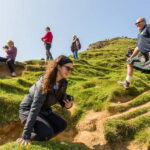
Day 1 is your “set-up” day. You head north through the Kingdom of Fife and arrive at Lindores Abbey first. This isn’t just another distillery visit. It’s a modern Scottish distillery built on the site linked to the first-ever recorded distilling in the country, dated 1494. That blend of old site significance with modern production is a great way to start, because it frames Speyside whisky as both tradition and technique.
After Lindores Abbey, you go on toward Cairngorms National Park. The itinerary is clear that the drive is stunning—so treat it like a proper scenic day. Bring your camera, but also leave room to just watch. The Highlands look different at different angles, and those changing views are part of why people love Scotland road trips.
You’ll stop in Braemar. You’ll have time for lunch and a bit of exploring. Braemar is a nice pause point because it breaks up the “tour day” feel—your brain gets a reset before the next whisky stop.
Then comes Whisky Castle, the classic Speyside meeting place for tasting. It’s a whisky emporium with more than 120 years of selling whisky and a big lineup (600+ malts). The key detail is that you’ll taste three Speyside whiskies there. This is where you start learning what Speyside tastes like in practice: smoothness, floral notes, and the regional style that makes people call it approachable.
Finally, you continue through Cairngorms scenery to Grantown-on-Spey, your base for two nights. I like that base choice. Grantown-on-Spey keeps you centered for the Speyside leg of the trip, instead of scattering you across far-flung accommodations.
Day 1 reality check
The distillery-and-tasting mix can be a lot in one day if you’re sensitive to strong flavors. If you’re prone to getting overwhelmed, slow down during the tastings. Sip, note what you like, and don’t chase volume.
Lindores Abbey: A historic start that still feels current
Lindores Abbey is a strong first stop because it does two things at once. It honors a site tied to 1494, and it also presents the distillery as modern production on that historical foundation. That combo helps you understand something important about Scotch: even when the story is centuries old, the process still depends on current craft choices.
If you’re the type who likes context, this stop is the right tone-setter. You’re not only learning what goes into a dram—you’re learning where the idea of Scottish distilling fits into the bigger timeline.
One practical tip: keep your questions simple and targeted. Ask what makes Lindores Abbey’s approach different. You’ll get more useful answers than if you ask general history questions, especially when the group has limited time inside.
Day 2: Glenlivet, Aberlour lunch, the Speyside Cooperage, and Cardhu’s Helen Cumming story
Day 2 is the main Speyside day. It’s built around a strong sequence: start with a landmark distillery, break for lunch, see how casks get made, then finish with a major Speyside producer and blend history.
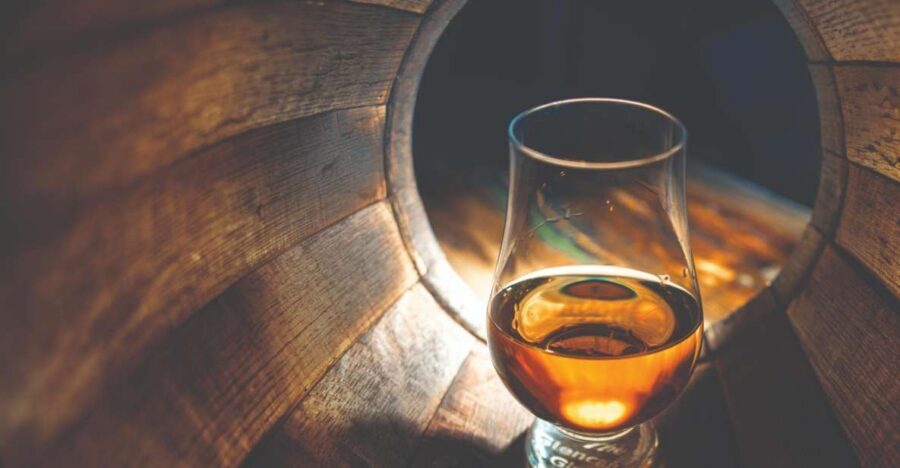
First up is Glenlivet. The background matters here: it was the first legal distillery in the remote Glen of the Livet, and it became a standout right away. At the distillery, you get an immersive-style Process Room experience and sample three drams. Importantly, the itinerary notes that there are exclusive editions available on site. That makes this stop feel like more than just a standard tour.
After Glenlivet, you go to Aberlour for lunch. Lunch itself isn’t included, but the schedule builds in time so you can eat without rushing.
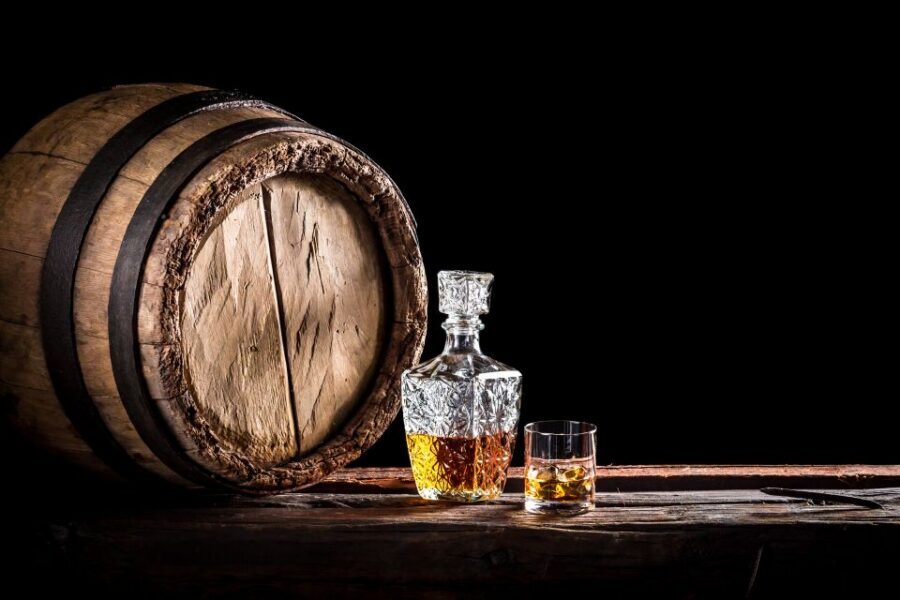
Next is the Speyside Cooperage. This is where the tour stops being only about distilling and starts explaining aging flavor the way many whisky lovers wish more tours did. Barrels aren’t a side detail. They’re a major part of why a dram tastes like itself.
Finally you reach Cardhu. This stop focuses on story and influence. You’ll hear the role of Helen Cumming and how Cardhu became key in blends like Johnnie Walker. That’s a big deal if you drink Scotch beyond just single malts, because it connects what you’re tasting to how whisky shows up in the wider market.
Then you return to Grantown-on-Spey at the end of the day.


Day 2 reality check
This day has multiple “guided tour + tasting” moments. If you’ve already done a few whisky tours before, you may feel the structure repeat. Still, the stops are different enough—legal-distillery history at Glenlivet, cask craft at the cooperage, and blend impact at Cardhu—that it usually won’t feel copy-paste.
Glenlivet tastings: How to use the three drams to learn what you like

Glenlivet is the tasting anchor on the whole trip. If you do anything differently than you would on a random tasting, do this: make your tasting notes mental. Think in categories.
- Which dram feels smoother to you?
- Which one tastes more floral?
- Which one feels more spicy or oaky?
- Which one you’d actually buy for an upcoming celebration moment
The reason this matters is simple: you can’t buy every whisky you like on a 3-day trip. If you know your direction, you’ll shop better later.
Also, because the distillery offers exclusive on-site editions, Glenlivet is one of the few moments here where you might see bottles you can’t easily replicate back home.
Speyside Cooperage: Why the barrel-maker stop is more valuable than it sounds
A cooperage stop can feel like “extra.” But on a whisky trail, extra stops are often the most educational ones. You’re seeing the work that influences sweetness, spice, and color—everything you notice when the whisky is in the glass.
The itinerary specifically calls out that Speyside Cooperage is one of the last Scottish barrel-makers using traditional and modern methods. That’s useful because whisky aging isn’t frozen in time. The cask craft evolves while keeping key traditions.
When you leave this stop and then go to Cardhu, the tasting makes more sense. You’re not only tasting distillation style—you’re also tasting the result of wood work.
Day 3: Dalwhinnie whisky and chocolate in the Cairngorms, then Perthshire and home to Edinburgh
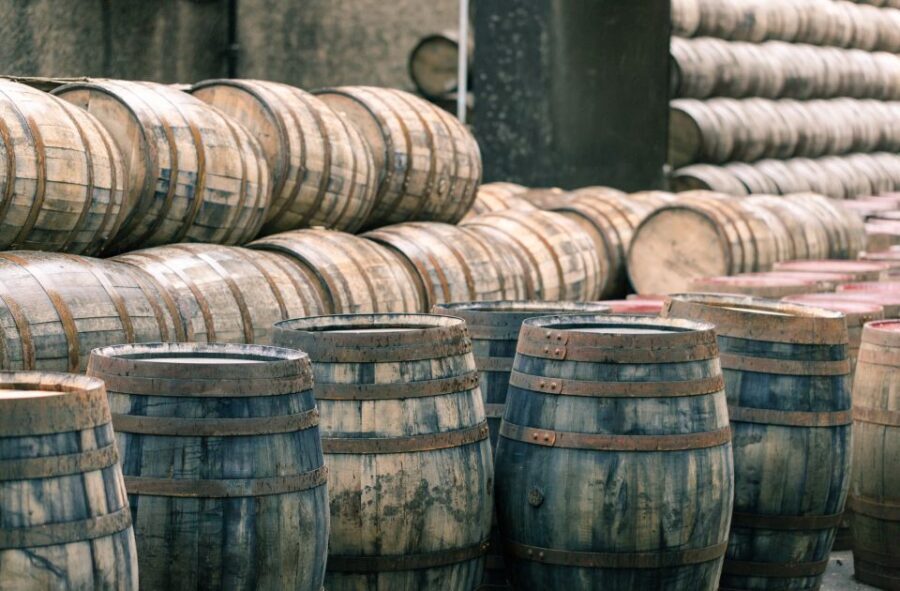
Day 3 starts with Dalwhinnie. The setting is mountain scenery in the heart of Cairngorm National Park, and the tasting is a fun twist: whisky and chocolate. This is a great way to reset your palate after two heavier whisky days. Chocolate can highlight flavors you might miss if you’re only tasting spirits.
After the morning stop, you head south out of the Highlands to Perthshire. Your next base of sorts is Pitlochry, a small town with shops, restaurants, and cafés. You’ll have time to explore and have lunch on your own.
Then you switch from towns to nature: a walk among towering Douglas firs at the Hermitage, followed by time near a roaring waterfall. This is one of the best “non-distillery” parts of the tour because it lets you burn off the day’s thinking time and just enjoy movement.
From there, you visit the wee village of Dunkeld for some exploring before returning toward Edinburgh. You cross near the Firth of Forth and take in the South Queensferry bridges, then head back into Edinburgh. The day wraps up at approximately 18:30.
Day 3 reality check
If you’re already whisky-saturated, don’t force an overly strict shopping plan. Use Day 3 to confirm what you loved earlier, and keep space for the scenery parts. The Hermitage walk and the South Queensferry bridges are the kind of memories that don’t depend on how many drams you tasted.
Accommodation in Grantown-on-Spey: en-suite comfort with a small-town trade-off
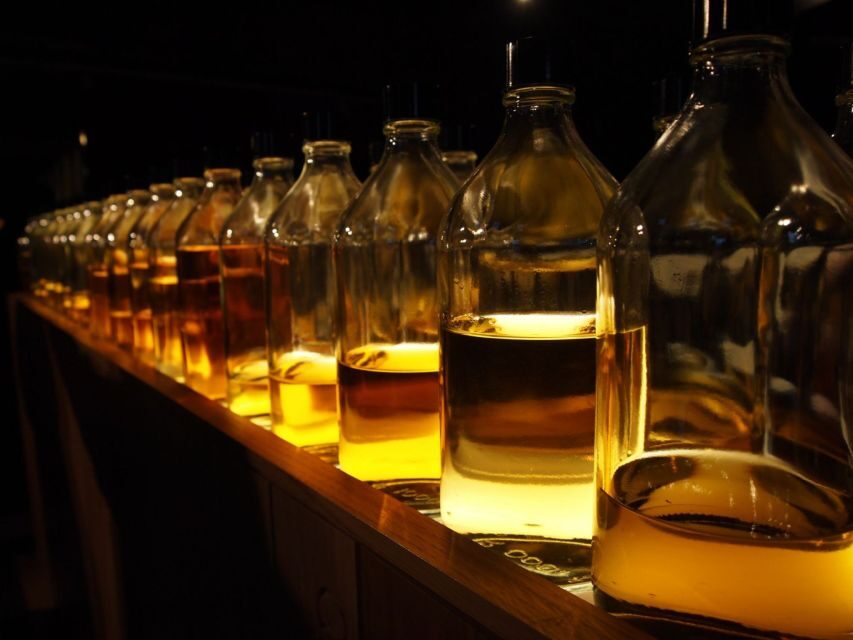
You get 2-night accommodation with breakfast included. Rooms are en suite, and the stay is in small, locally owned guesthouses and B&Bs.
Here’s the practical part: B&Bs are often on the outskirts of towns, and the info says to expect a 20–30 minute walk to pubs and restaurants. That’s manageable for most people, but it matters if you dislike walking after a long day or if you’re carrying shopping bags.
Stairs are also a real-world factor. Lifts aren’t available in these types of properties, so if you have difficulty with stairs, it’s worth letting the operator know ahead of time.
The value here is that breakfast is included, so at least your morning start is handled. And because you’re centered in Grantown-on-Spey, you’re not relocating each night.
Small-group comfort: what the 16-seat Mercedes mini-coach changes
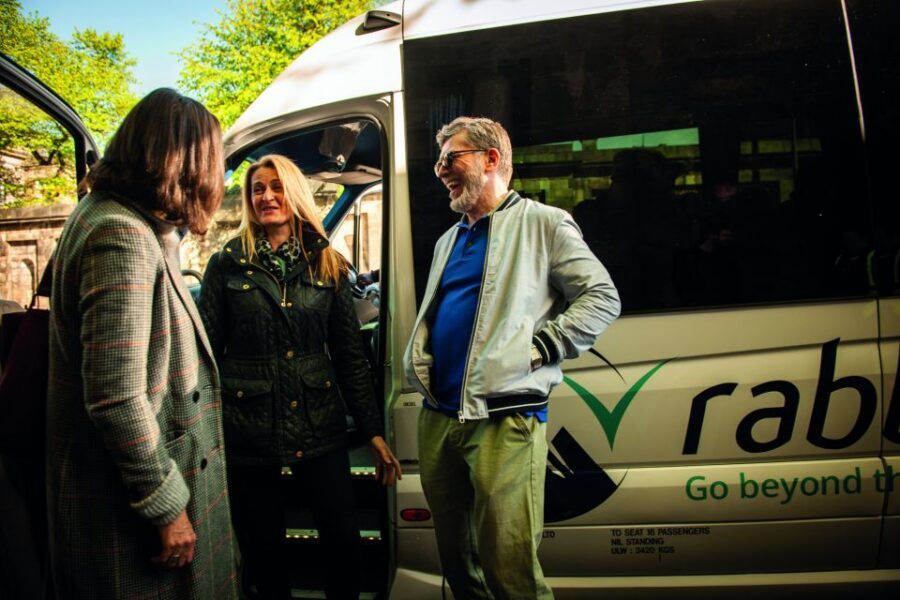
A big reason this tour gets strong feedback is the vibe in the vehicle. With only 16 people, the trip doesn’t feel like cattle-handling. The Mercedes mini-coach keeps it comfortable, and it also makes it easier for the live guide to engage, ask-and-answer, and keep everyone coordinated.
Across past groups, guides like Bruce and Chris have been highlighted for mixing whisky and Scottish history, with other guides named as Ewing, Al, MacKenzie, Ewan, Keith, and Pete in earlier experiences. Even if you get a different guide, the pattern is the same: the role isn’t just logistics. It’s storytelling that makes the route click.
Price and value: $721 per person, and what you’re getting for it
This isn’t a budget tour. At $721 per person, you’re paying for three main things:
1) Transport and driver-guidance across a multi-day route from Edinburgh, using a 16-seat Mercedes mini-coach
2) Multiple paid entries (Lindores Abbey, Glenlivet, Cardhu, Speyside Cooperage, Dalwhinnie) plus a structured visit to Whisky Castle
3) Two nights’ accommodation with breakfast
Lunch and dinner aren’t included, so you’ll likely add spending on meals and probably some bottles if you fall in love with a particular dram. But the entries and accommodation are baked into the price, which is exactly what you want on a whisky trail. Otherwise, you’d be paying for a patchwork of tickets, taxis, and hotels.
If you compare it to a DIY plan, the math often comes down to time saved and reduced stress. This tour gives you a guided plan and a comfortable base in Grantown-on-Spey.
Who should book this Speyside Whisky Trail tour
You’ll love this if:
- You want a focused 3-day route without arranging transport between distilleries yourself
- You like learning how whisky connects to place, from 1494 origins at Lindores Abbey to blend history at Cardhu
- You enjoy scenery as much as whisky, especially Cairngorms roads, the Hermitage walk, and South Queensferry
You might want to skip it (or adjust expectations) if:
- You’re very price-sensitive and prefer building your own schedule for cheaper
- You’re not interested in guided tastings and prefer only one or two distillery visits
- You know you won’t enjoy walking 20–30 minutes at night to find dinner options
Should you book this Speyside Whisky Trail 3-Day Group Tour from Edinburgh?
If you want a Scotland-first trip that also teaches you how to taste, I think it’s a solid buy. The mix of distilleries—plus the Speyside Cooperage—and the fact that tastings are built into key stops (three drams at Glenlivet, whisky and chocolate at Dalwhinnie) makes it feel like more than a driving tour with a quick stamp in your passport.
Book it if you’re excited by both whisky and the story behind it, and you like the idea of a small group where the guide can actually talk to you. Pass if your top priority is saving money or if you’d rather pace yourself with fewer structured tastings and more free time in each town.
FAQ
What distilleries and whisky stops are included on this 3-day tour?
You visit Lindores Abbey, Glenlivet, Cardhu, Speyside Cooperage, and Dalwhinnie. You also stop at Whisky Castle for tasting during Day 1, and you’ll have time to explore towns like Braemar and Pitlochry on your own.
How big is the group, and how do you travel?
The group is limited to 16 participants. Transportation is by a top-of-the-range 16-seat Mercedes mini-coach with a live tour guide in English.
What tastings are part of the itinerary?
The tour includes a tasting of three Speyside whiskies at Whisky Castle. At Glenlivet, you sample three drams. Day 3 includes a whisky and chocolate tasting at Dalwhinnie.
Where will I stay, and is breakfast included?
You stay for 2 nights in small, locally owned guesthouses and B&Bs in the Grantown-on-Spey area. Rooms are en suite, and breakfast is included.
Is lunch or dinner included?
No. Lunch and dinner are not included, though the itinerary includes scheduled time for lunch stops and exploration in towns.
How much luggage can I bring?
You’re limited to 20 kilograms (44 lbs) of luggage per person. It should be one piece of luggage like an airline carry-on plus a small onboard personal bag.
Is this tour suitable for children?
No. It is not suitable for children under 18.
When will the tour return to Edinburgh on Day 3?
On Day 3, you return at approximately 18:30.