REVIEW · TENBY
From London: Wales 5-Day Group Tour
Book on GetYourGuide →Operated by Rabbie's Small Group Tours · Bookable on GetYourGuide
Castles and coastlines in one tight circuit. This 5-day Wales group tour strings together big-ticket sights with real places to wander: Snowdonia’s peaks, Harlech Castle’s ramparts, the tiny cathedral city of St Davids, and the postcard Cotswolds village of Castle Combe. I love the small group size and the way the driver/guide keeps the day moving without feeling rushed, and I also like that you’re on a 16-seat luxury mini-coach instead of a giant bus.
The main trade-off is comfort planning: you’ll be in small, locally owned guesthouses and B&Bs, and those often mean stairs and a 20–30 minute walk to food in the evenings. Also, you’re limited to 20 kilograms (44 lbs) of luggage, so pack light if you want this to feel easy.
In This Review
- Quick hits from this Wales route
- Why this Wales tour feels worth the money
- Price and what you actually get for $997
- Day 1: The Cotswolds, Offa’s Dyke, Elan Valley, then Aberystwyth
- Day 2: Snowdonia National Park, Beddgelert, and Harlech Castle ramparts
- Day 3: Cardigan Bay coast, dolphins and whales, Dinefwr Estate, Dylan Thomas, and Tenby
- Day 4: Pembrokeshire Coast National Park, St Davids lunch, and Pembroke Castle walls
- Day 5: Cardiff National History Museum, Severn Bridge, and Castle Combe on the way back
- Your hotel reality: en suite rooms, but plan for stairs and walk time
- Comfort on the 16-seat mini-coach: friendly, but not for everyone
- Guides make or break the trip—and here they get praise
- Who this Wales tour suits best (and who should think twice)
- Should you book this Wales 5-day group tour?
- FAQ
- Where do I meet for this tour?
- How long is the tour?
- How big is the group?
- What’s included in the price?
- Are meals included?
- What should I pack and how much luggage can I bring?
- What kind of accommodations are provided?
- Is the tour suitable for kids?
- What language is the guide?
Quick hits from this Wales route
- 16-seat luxury mini-coach for a calmer ride on long days
- Snowdonia + Harlech Castle in one sweep, with classic sea-and-mountain views
- Cardigan Bay boat-spotting vibes (dolphins and whales are a real possibility)
- Tenby time for your own pacing, not just more “checklist stops”
- St Davids lunch and exploration in Britain’s smallest city
- Beddgelert and the Gelert legend for a quick myth stop with character
Why this Wales tour feels worth the money
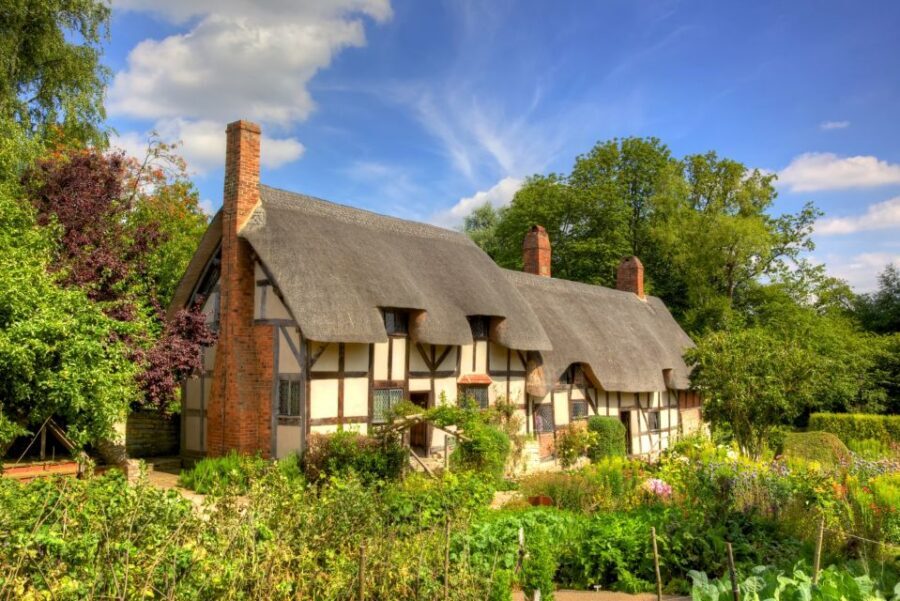
At $997 per person, this isn’t a budget bus tour. What you’re paying for is the logistics being handled: lodging booked for you (4 nights with breakfast), transport on a small 16-seat mini-coach, and an English-speaking guide who layers history and local color onto the drive.
That matters in Wales, where a lot of the best places are spread out. If you try to stitch it together solo, you’ll lose time on transfers and you may end up with awkward gaps—especially between national parks and coastal towns. Here, the route is built to keep you moving while still giving you stretches where you can actually walk at your own speed.
The other value driver is group size. With a smaller group, you can often get better timing at stops and more useful commentary from the driver/guide. In the reviews, guides like Jack, Nick, Kate, Mark McLaren, Francis, and Dan stand out for humor and history, and that makes the long travel days feel like part of the trip instead of punishment.
You can also read our reviews of more tours and experiences in Tenby.
Price and what you actually get for $997
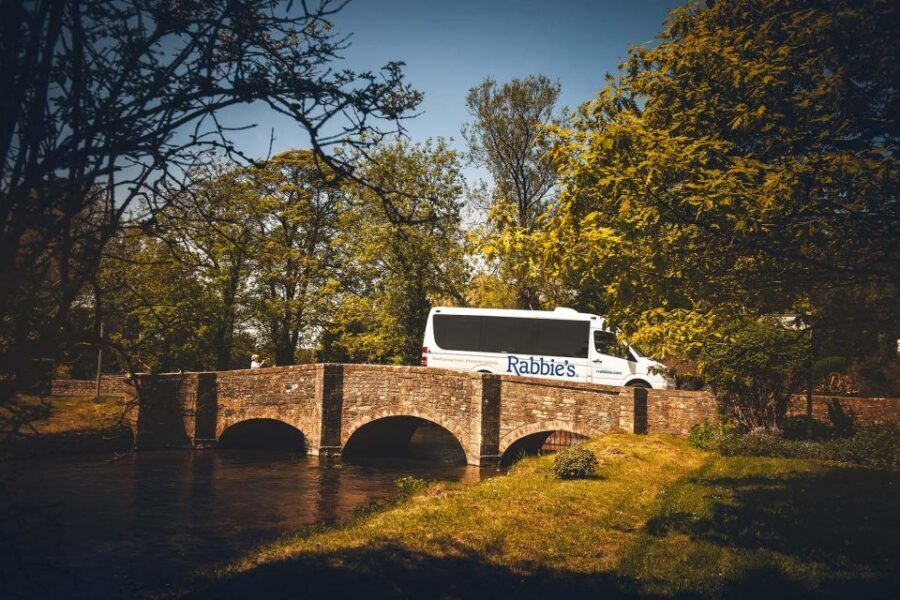
Let’s break down the “what’s included” in a practical way.
Included
- 4 nights accommodation with breakfast
- 16-seat luxury mini-coach transport
- Knowledge support from your driver/guide
- Admission to Harlech Castle
Not included
- Lunches, dinners, and refreshments
- Entry fees unless specified
So you’re mostly paying for transport + guided route + lodging. For some people, that’s the whole point: you get a planned circuit from London through Wales without having to manage hotels, car rentals, or ticket timing.
It’s also why the food planning matters. Since meals aren’t included, you’ll want to treat lunch as a “grab what’s local” moment and plan dinner around whatever walk-time your B&B offers.
Day 1: The Cotswolds, Offa’s Dyke, Elan Valley, then Aberystwyth
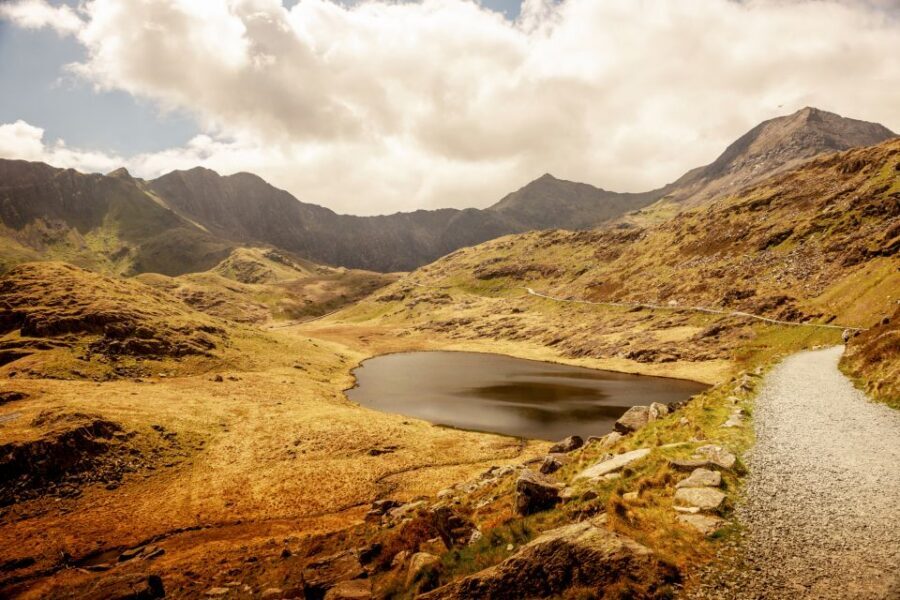
Day 1 is a classic warm-up day: scenic English villages, then Welsh border country, then a proper Welsh landscape finish.
You start by heading west from London through the Cotswolds, stopping in “England’s prettiest historic villages” for photos and local tales. This is a smart opener because it gets you into the travel rhythm fast—walk a bit, take pictures, and learn why these places look the way they do.
Then you cross into the Welsh Marches, guided by the line of Offa’s Dyke. That detail is more than trivia. It gives you a framework for what you’re seeing: the border wasn’t just a political line; it shaped settlement, roads, and identity over centuries.
From there, the route pushes into the Cambrian Mountains and the beautiful Elan Valley. You end the day in Aberystwyth, a seaside town and cultural center where you spend the next two nights.
How this day can feel
- You’ll be in motion for a lot of the day, so you’ll want comfortable shoes early.
- If you like photos, this day is set up for that—early stops are designed for quick, rewarding walks.
Day 2: Snowdonia National Park, Beddgelert, and Harlech Castle ramparts
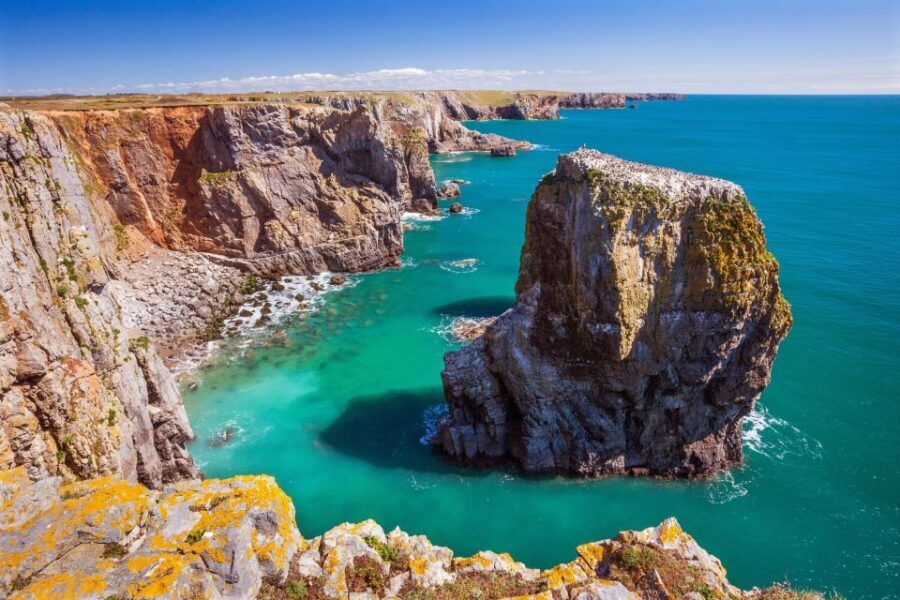
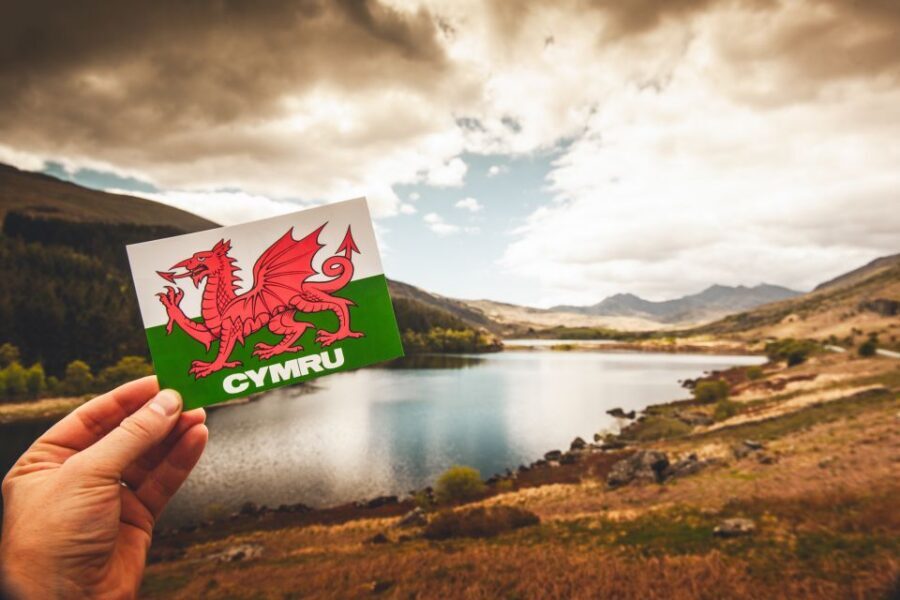
Snowdonia is the star of Day 2. You travel north into Eryri (Snowdonia) National Park, which is where Wales goes from pretty to dramatic.
First you visit Beddgelert, a village tied to the legend of Gelert. You can see the grave associated with the story, and it’s one of those stops that doesn’t take all day but adds a lot of atmosphere. Legends like this also help you understand the Welsh talent for blending landscape with storytelling.
Then it’s on to Harlech Castle, built by King Edward I nearly 800 years ago. The key experience here is the sightline: the fortress overlooks both the peaks of Snowdonia and the sea. The included Harlech Castle admission matters because it’s one of those places where you’ll get the most value by actually going inside and walking the ramparts, not just looking from the roadside.
Late afternoon brings you back to Aberystwyth for the night.
A practical note
This is a day where weather can change fast. Bring layers and plan for wind around coastal castle viewpoints.
Day 3: Cardigan Bay coast, dolphins and whales, Dinefwr Estate, Dylan Thomas, and Tenby
Day 3 is where the itinerary gets fun—coast first, then countryside, then a writer’s corner of Wales.
You go around Cardigan Bay through Aberaeron and on to New Quay. The harbor time is the best use of this stop. It’s the kind of place where you can slow down and just watch the boats, and you’ll also have a chance to spot dolphins and whales, depending on conditions.
Next you head inland to explore the Dinefwr Estate (Newton House) and its ruined castle. If Dinefwr is closed, you switch to Carreg Cennen Castle instead. That substitution is useful for you because it protects the experience even when a site isn’t available.
Then you travel south to Laugharne, where Dylan Thomas lived for the last few years of his life and wrote Under Milk Wood. Even if you’re not a deep Dylan Thomas reader, it’s a great way to see how Wales carries its literary identity through the landscape.
From Laugharne, you go to Tenby, your home base for two nights.
How this day works for your energy
- It’s more varied than the earlier days: harbor views, estate ruins, then literary Wales.
- The mix can be tiring if you pack too many “let’s walk everywhere” plans, but the downtime in Tenby later helps you reset.
Day 4: Pembrokeshire Coast National Park, St Davids lunch, and Pembroke Castle walls
Day 4 turns the volume up on scenery—Pembrokeshire Coast National Park is the big coastal payoff day.
You also stop for lunch and exploration in St Davids, the tiny cathedral city often described as the smallest city in Britain. The focus here is wandering and taking in the scale. St Davids is a place where you feel the difference between “city” as a word and city as a real walking area.
After that, you head to Pembroke, the county town, to enter the thick medieval walls of Pembroke Castle. This is a good contrast with the morning: you move from coastal walking space to castle walls and the tighter feel of medieval defense and living.
Then you return to Tenby for a relaxed evening.
Why the staging matters
Tenby at night gives you an easy reward after a day of travel and walking. You’re not stuck hunting for a meal in a remote location on a big timetable.
Day 5: Cardiff National History Museum, Severn Bridge, and Castle Combe on the way back
On Day 5, the tour shifts toward “return journey with one last highlight.”
You start from Tenby in the morning and travel back past industrial cities of South Wales, aiming for the outskirts of Cardiff. Here you visit the outdoor National History Museum. The word “outdoor” matters because it’s a practical stop: it can be easier to enjoy when your morning energy is mixed with travel fatigue.
Then you cross the Severn Bridge back into England. That’s a classic crossing point and a good chance to take in the scale of the journey you’ve made.
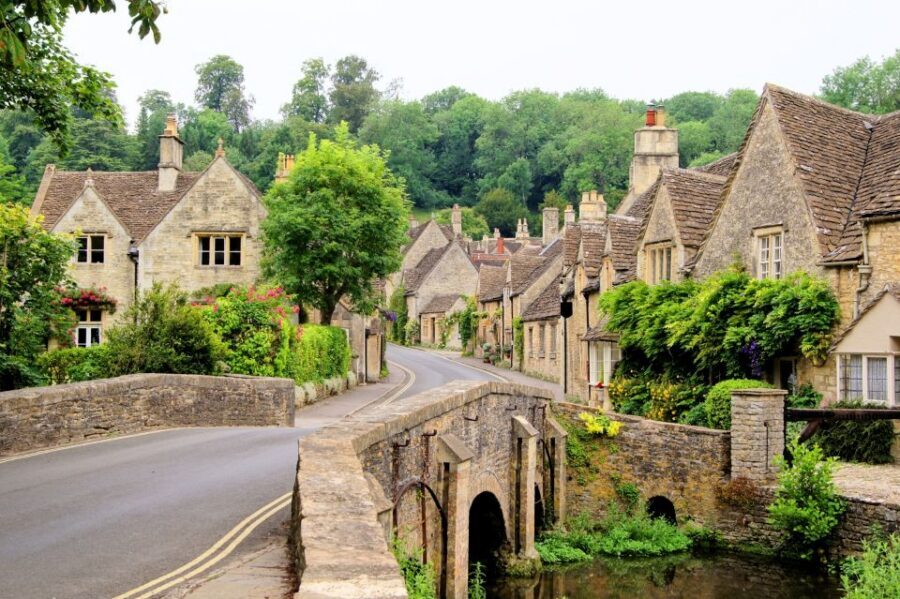
Finally, you stop at Castle Combe, one of those Cotswolds villages made for a relaxed stroll among 16th-century ironstone cottages. It’s a satisfying closer: small, walkable, and photo-friendly without needing a big commitment.
You return to London around 19:30.
Your hotel reality: en suite rooms, but plan for stairs and walk time
The lodging setup is part of the tour’s charm and its biggest practical caveat.
You’ll stay in small, locally owned guesthouses and B&Bs. Rooms are en suite, which is a real win. But B&B locations are often on the outskirts, and you should expect a 20–30 minute walk to reach pubs and restaurants.
Also, lifts aren’t part of the equation in these places. If you have difficulty with stairs, you should tell the operator in advance.
One reviewer detail is worth flagging: on one night, hot water is available only between about 6pm and midnight, and again from 6am. That’s not likely to ruin your stay, but it is the kind of detail that helps you plan showers around the “available window.”
Comfort on the 16-seat mini-coach: friendly, but not for everyone
The mini-coach is one of the reasons this tour feels less like a cattle-call. With only 16 people, you get a calmer onboard vibe and more flexibility at stops.
Still, there are limits. One review mentioned that the small bus can feel uncomfortable for taller passengers (around over 5’6”). The upside is that a smaller vehicle can sometimes access tight spots; the downside is legroom.
My advice: if you’re tall or you’re sensitive about long seating time, plan for it. Bring a travel pillow or wear shoes that won’t make you stiff after a few hours.
Guides make or break the trip—and here they get praise
This is the tour where the guide really changes the feel.
In reviews, multiple guides are singled out for humor and history:
- Jack is praised for being a top guide with good humor and music choices.
- Nick is described as wonderful and the trip as absolutely fabulous.
- Graham Mac… (as listed) is noted as the best guide ever.
- Mark McLaren is praised for professionalism and for adding less-visited sites when time allows.
- Kate is highlighted for looking after the group and getting the best out of each visit.
- Francis and Dan also show up in reviews for humor, knowledge, and making the trip feel personal.
Even if you’re not a history junkie, good guiding helps you see more than the obvious. It turns a stone wall into a story, and a coastal harbor into a place with a reason behind it.
Who this Wales tour suits best (and who should think twice)
This is a strong fit if you want:
- A guided, small-group tour with a manageable pace
- A mix of castles, coastline, and small towns (not just one type of scenery)
- Lodging booked for you, with breakfast handled
- Time to wander in places like Tenby, where slowing down is part of the experience
It may be less ideal if:
- You dislike stairs or long walk segments from B&B locations
- You have limited patience for long travel days
- You need included meals (since lunches and dinners aren’t included)
And if you’re traveling with children: the tour doesn’t carry children under age 5. Kids under 18 must be accompanied by an adult.
Should you book this Wales 5-day group tour?
I’d book it if you want a planned Wales circuit that covers the big emotional highlights: Snowdonia drama, Harlech Castle ramparts, St Davids cathedral city time, and the coastal pull of Tenby and Pembrokeshire. The included Harlech Castle entry and the booked breakfasts are real value, and the small-group setup makes the days feel more human.
I’d pause before booking if stairs and walk time would be a problem for you, or if you’re expecting a fully “meals included” package. Pack light for the 20 kg luggage limit, bring good footwear, and you’ll get more from every stop.
If you like guided storytelling with enough free air to breathe, this is a smart way to see a lot of Wales without turning your trip into a transportation spreadsheet.
FAQ
Where do I meet for this tour?
The meeting point may vary depending on the option you book, but the listed starting locations are Greenline Coach Terminal or Green Line Coach Station.
How long is the tour?
It runs for 5 days, with a return to London at approximately 19:30 on Day 5.
How big is the group?
The tour is a small group limited to 16 participants, traveling by a 16-seat luxury mini-coach.
What’s included in the price?
Included are 4 nights of accommodation with breakfast, transport on the 16-seat mini-coach, a driver/guide, and admission to Harlech Castle.
Are meals included?
No. Lunches, dinners, and refreshments are not included unless specifically mentioned.
What should I pack and how much luggage can I bring?
You’re restricted to 20 kilograms (44 lbs) of luggage per person, with one main piece of luggage plus a small bag for onboard personal items.
What kind of accommodations are provided?
You’ll stay in small, locally owned guesthouses and B&Bs. Rooms are en suite, but many B&Bs are on the outskirts of towns and may require a 20–30 minute walk to reach restaurants and pubs.
Is the tour suitable for kids?
The tour doesn’t carry children under age 5. Children under 18 need to be accompanied by an adult.
What language is the guide?
The live tour guide works in English.