REVIEW · GLASGOW
Glasgow: Clydeside Distillery Tour and Whisky Tasting
Book on GetYourGuide →Operated by The Clydeside Distillery · Bookable on GetYourGuide
Glasgow’s whisky scene hits different at Clydeside. This Old Pumphouse tour mixes dockside history with real production steps, then tops it off with a 3-dram tasting. You’ll walk away with a small dram glass and a clearer sense of how this single malt takes shape.
I especially like how the Dockside Story starts in the historic Queen’s Dock area, so you get the context before you hit the stills. I also enjoy that the guide-led production portion is paced for a small group, so questions don’t get lost in the crowd. One possible drawback: there’s a film element at the start, and if you’re sensitive to a slightly cheesy presentation style, you may find it less fun than the rest.
Even with that, the whole hour feels tightly built—history up front, production in the middle, and tasting at the end—so you’re not stuck waiting around. Guides like Nina, Madeline, Linsey, and Pinzi are the kind of hosts who keep things lively while staying on-topic, which matters when you only have about an hour.
In This Review
- Key highlights to know before you go
- Old Pumphouse whisky in Glasgow’s port area: what makes Clydeside different
- The Dockside Story self-guided start: Queen’s Dock and whisky origins
- The guided production walk: from malting to distillation
- Still House copper and River Clyde views: the fun part that photographs well
- The tasting room: three wee drams and how casks change flavor
- Whisky Bar after the tour: flights and cocktails with a Clydeside twist
- Price and value: what $26 buys in a 1-hour format
- Tour pace, group size, and who this fits best
- Practical tips before you go: what to bring and where to start
- Should you book the Clydeside Distillery Tour?
- FAQ
- How long is the Clydeside Distillery Tour?
- What’s included in the ticket price?
- Where do I meet for the tour?
- What time should I arrive?
- Do I need to bring ID?
- Is the tour wheelchair accessible?
- Are pets allowed?
- How many people are in a group?
- What happens during the silent season in 2025?
Key highlights to know before you go
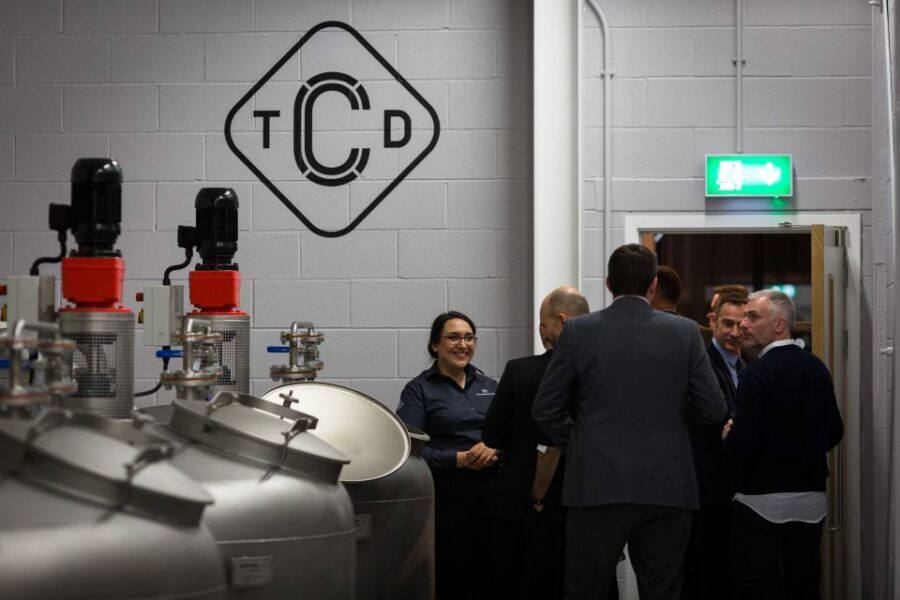
- Old Pumphouse setting: The distillery lives in a building dating to 1877, and you can feel the industrial character as you move through.
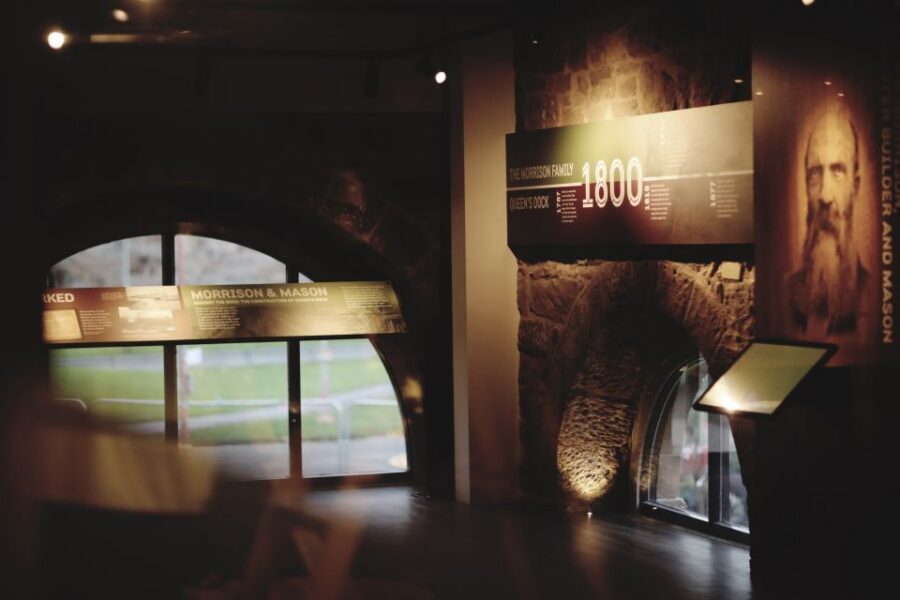
- Dockside Story start: You begin with a self-guided history area in the Queen’s Dock zone, with visuals that bring the whisky story to life.
- Small group limit: Tours run with a maximum of 4 participants, which makes it easier to ask practical questions.
- Full production walkthrough: You’ll see the stages from malting and mashing through fermentation and distillation.
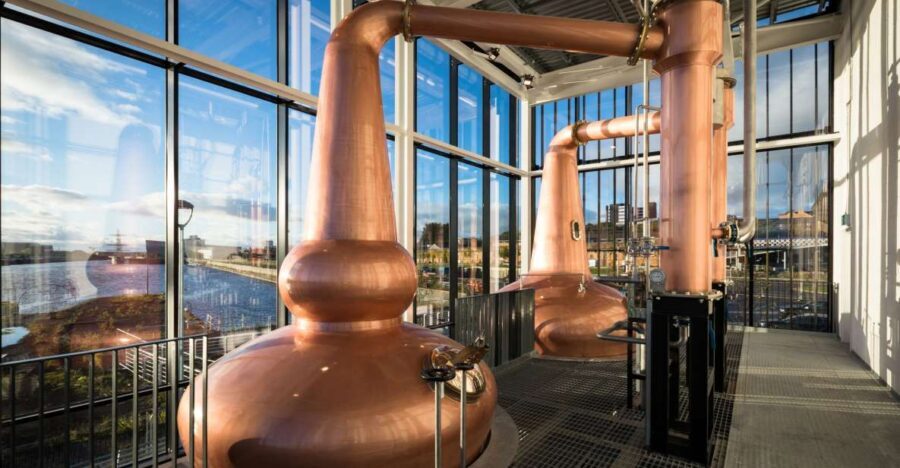
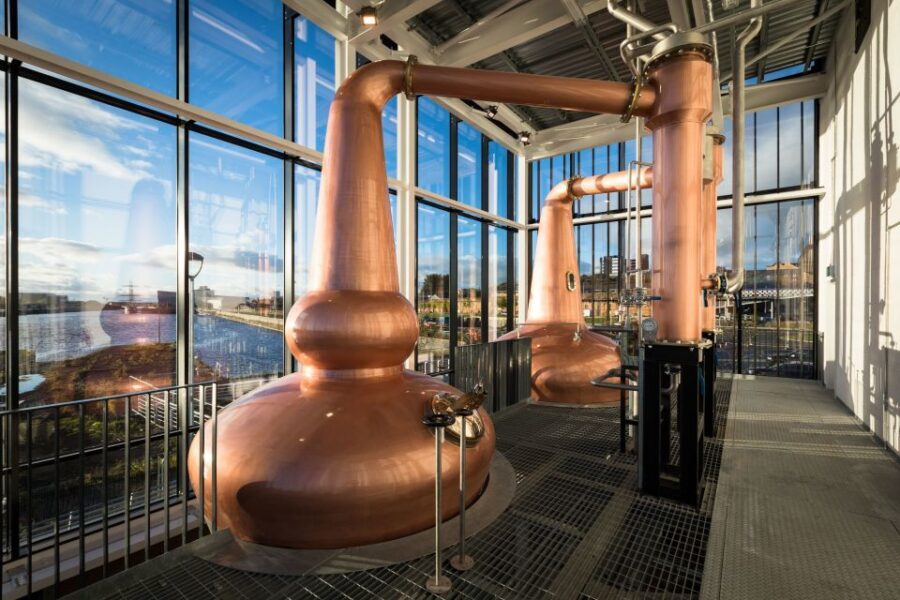
- Still House river views: You get a look down the River Clyde from the Still House, right at the copper wash and spirit still.
- Tasting built around casks: You taste three wee drams and learn how cask choices shape flavor.
Old Pumphouse whisky in Glasgow’s port area: what makes Clydeside different
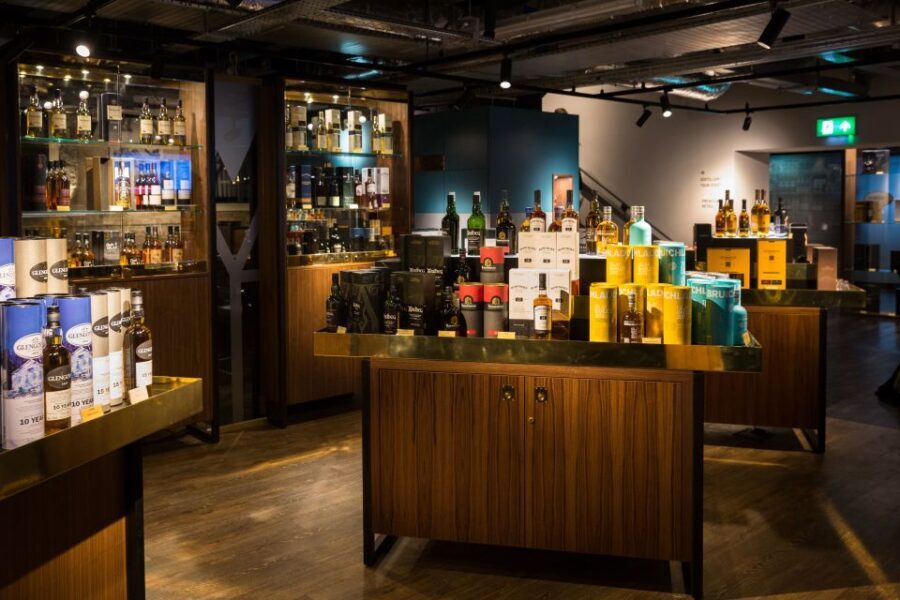
Clydeside Distillery is based in the Old Pumphouse, built in 1877, right in Glasgow’s dockside story-world. That setting matters because it frames whisky as an industrial craft, not a museum exhibit. The tour’s pacing is also smart: you get the story first, then the process, then the tasting.
This is a great choice if you want a Glasgow experience that feels local and current at the same time. The distillery is compact, so you’re not wandering for ages, and the production walkthrough is designed to fit into a 1-hour format without feeling rushed.
You’ll also appreciate the basic comfort details: the tour is wheelchair accessible, and you’re not dealing with a huge tour herd thanks to the small-group cap. If you’re in Glasgow for a short stay, that’s a big deal.
You can also read our reviews of more food & drink experiences in Glasgow
The Dockside Story self-guided start: Queen’s Dock and whisky origins
The tour begins in the distillery’s Premium Retail area, and you should arrive about 10 minutes early to pick up your tickets there. After that, you’ll start with the Dockside Story—this part is self-guided, set up to get you oriented fast.
What’s nice is that you’re learning Glasgow and whisky together. The Queen’s Dock area isn’t just scenery; it’s part of the broader story of how the whisky industry took root around the city’s shipping and trading life. The presentation uses live footage and animation to move the tale along, so even if you’re not a total whisky-nerd, you can still follow what’s going on.
One small note to keep expectations realistic: there’s a film element involved in the Dockside Story experience, and it’s the one part that can feel a bit over-the-top for some people. The rest of the tour usually lands much better because it turns into hands-on, step-by-step production sights.
The guided production walk: from malting to distillation
After you’ve got the dockside context, your guide takes you through the production areas. This is where the tour earns its ticket price, because you’re not just tasting—you’re watching how the spirit becomes New Make Spirit and then matures toward the single malt.
You can expect the tour to cover the main stages:
- Malting: turning barley into the right starting material for fermentation
- Mashing: mixing and preparing the sugars that will become alcohol
- Fermentation: where the new make spirit begins to form
- Distillation: where the spirit is separated and refined
The key here is explanation style. Guides such as Nina and Madeline have a knack for keeping explanations clear while also staying entertaining, which matters because distillery tours can sometimes slow down into a lecture. With a group capped at 4, it’s also easier for your guide to adjust if you ask follow-ups.
If you like seeing how ingredients become a product, this part will feel satisfying. You’re basically getting a focused, practical “how it works” map of whisky production, not a long detour.
Still House copper and River Clyde views: the fun part that photographs well
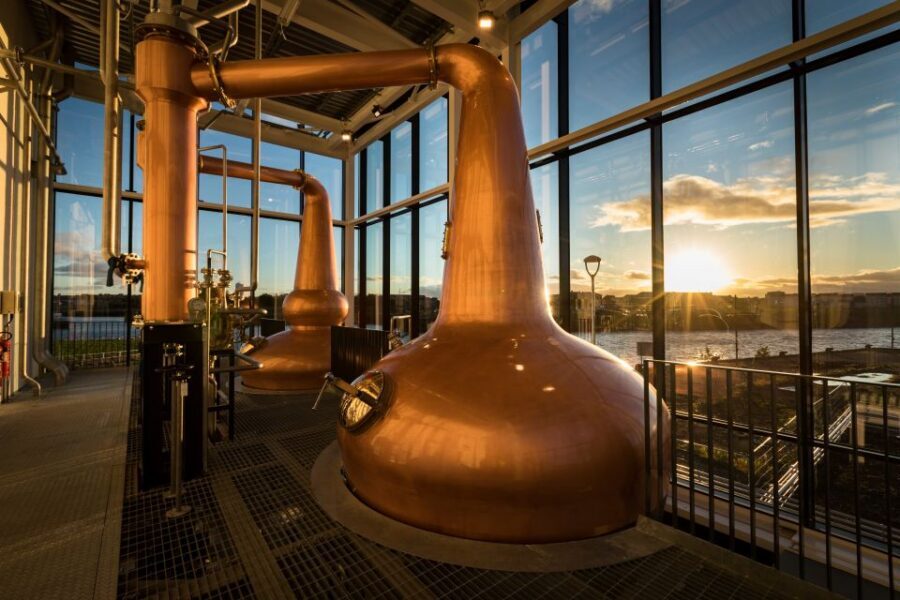
One of the most memorable moments comes in the Still House. You’ll see the copper wash and spirit still and then look out over the River Clyde. It’s a neat combination: the craft is right in front of you, and the city’s working landscape is visible in the background.
This view adds meaning to the whole tour. Whisky here isn’t cut off from place—it’s tied to a river, a port, and the industrial geography that made Glasgow such a major center for goods and trade.
The Still House section also helps you connect the production steps you heard earlier. Distillation isn’t just a word by this point—you’ve seen where the process comes together, which makes the tasting at the end make more sense.
The tasting room: three wee drams and how casks change flavor
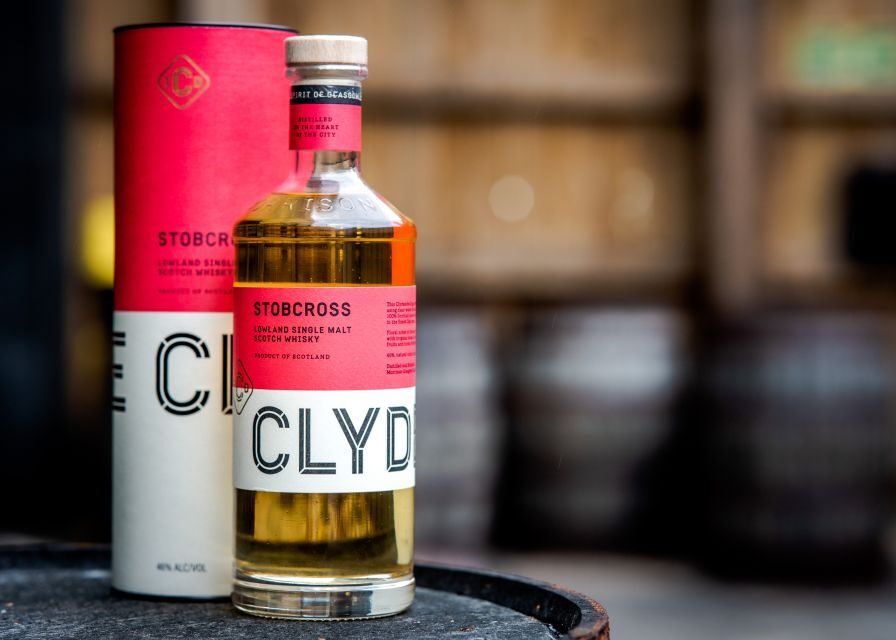
After the production walkthrough, you’ll head into the tasting room for the highlight: tasting three wee drams of Clydeside whisky. This portion is built around the development of the spirit and the way casks shape flavor.
The tour explains that different cask influences help form the foundations of the Clydeside single malt whisky. That’s the important idea to take with you: you’re not just tasting three pours—you’re tasting the effect of storage choices on the same core spirit.
You’ll get a small dram glass as part of the included experience, and you should plan to use it during the tasting so you can compare aromas and finishes properly. A lot of the fun is in the contrast: how one dram tastes drier, one softer, one more expressive, depending on cask influence.
And yes, you can also plan for the practical side. If you’re not sure you’ll love whisky at first, this tasting format is still a good introduction because it’s small, guided, and designed to teach you what you’re tasting.


Whisky Bar after the tour: flights and cocktails with a Clydeside twist
When the tour ends, you can pop into the Whisky Bar. This is where you can keep exploring if you want more than the three-drams tasting you already did.
You’ll find options like curated whisky flights and signature whisky cocktails with a Clydeside twist. If you’re traveling with someone who likes to keep sipping while you prefer slower sightseeing, this part helps you find your pace without turning the night into a schedule battle.
Also, if you want to take your choices home, driver jars are available for taking your whiskeys away. It’s a handy add-on when you don’t want to carry a full bottle but still want a true souvenir.
Price and value: what $26 buys in a 1-hour format
At about $26 per person, this tour can feel like a fair deal because the price includes several things that often cost extra elsewhere: a guided production tour, a small dram glass, and 3 drams.
Where the value really shows is in the time-to-knowledge ratio. In just an hour, you get dockside history context, a step-by-step look at how whisky gets made, and a tasting that ties it all together. If you’ve got limited time in Glasgow, that tight structure is worth something.
You’re also paying for a small-group experience limited to 4 participants, which usually makes the guide feel more like a teacher than a performer. That difference matters when you want clear answers, not just soundbites.
Finally, you’re supporting a local venture that’s bringing whisky back to the heart of Glasgow. If that theme matters to you, the price feels easier to justify.
Tour pace, group size, and who this fits best
This is one of those “short and strong” experiences that suits a lot of travel styles. The 1-hour duration makes it a smart pick for a half-day in Glasgow, especially if you’re also planning things around the city center.
It’s ideal if you:
- like compact tours that don’t drag
- want a guided look at distillation without a full-day commitment
- enjoy tastings that come with explanations
- care about Glasgow’s dockside industrial story
It can also work well even if you’re not a whisky drinker. A guided tasting with smaller drams gives you a controlled way to figure out what you like, and the tour format doesn’t assume you already know what casks do.
If you prefer huge distilleries with lots of expansive floor plans, this might feel more intimate than you expect. But that’s not a flaw—it’s part of why it stays focused.
Practical tips before you go: what to bring and where to start
Bring passport or an ID card, since ID is required. No pets are allowed (assistance dogs are allowed), so plan around that if you’re traveling with an animal companion.
You’ll start in the Premium Retail area inside the distillery. Getting there about 10 minutes early helps you collect tickets smoothly so you don’t miss the beginning of the Dockside Story portion.
If you’re visiting around the distillery silent season (Friday 19 September to Monday 6 October 2025), production won’t be running during those dates. Tours still run normally with full access to the distillery areas, so you won’t lose the core experience—but just keep in mind you may not see active production happening the way you would on a non-silent season day.
For families: children are given Scotland’s other national drink, Irn Bru, which is a nice touch if you’re traveling with younger ones.
Should you book the Clydeside Distillery Tour?
Book it if you want a 1-hour Glasgow distillery experience that balances history, production process, and a guided tasting. The small group size and the three-dram format make it a good choice for first-timers, and the Still House river views add a memorable visual payoff.
Skip it only if you’re looking for a long, slow tour with lots of “hands-on” activities beyond tasting, or if the idea of a film-style presentation at the start might annoy you. Everything else about the structure is built to keep you moving and learning.
If you want one distillery tour that feels tied to Glasgow’s dockside roots and ends with a tasting that actually teaches you something, this is a strong bet.
FAQ
How long is the Clydeside Distillery Tour?
The tour lasts 1 hour.
What’s included in the ticket price?
You get a guided distillery tour, a small dram glass, and 3 drams of Clydeside whisky.
Where do I meet for the tour?
The tour begins in the Premium Retail area within the distillery.
What time should I arrive?
Arrive 10 minutes before the tour starts to collect your tickets from the retail shop.
Do I need to bring ID?
Yes. You’ll need a passport or ID card.
Is the tour wheelchair accessible?
Yes, the tour is wheelchair accessible.
Are pets allowed?
Pets are not allowed, though assistance dogs are allowed.
How many people are in a group?
It’s a small group limited to 4 participants.
What happens during the silent season in 2025?
During Friday 19 September to Monday 6 October 2025, there will be no production, but tours still run normally with full access to the distillery.