REVIEW · LONDON
London: Natural History Museum Private Tour & Skip the line
Book on GetYourGuide →Operated by DS Tours London · Bookable on GetYourGuide
Dinosaurs without the queue can be surprisingly refreshing. This private, skip-the-line visit turns London’s Natural History Museum into a focused, family-friendly experience with a guide and hands-on science moments. You get the big highlights fast, plus the chance to linger where your group has questions, instead of being swept along with strangers.
I really like two things about it: the earthquake simulator and interactive experiments that make geology and physics feel real, and the way the tour spotlights the museum’s famous skeleton mascots Hope and Sophie. One thing to consider is timing: at just 2 hours, you won’t see every gallery in the building, so it’s best if you go in knowing you want the headline attractions.
In This Review
- Key Highlights Worth Booking For
- Entering the Natural History Museum Fast: Your First Win in London
- The 2-Hour Plan: What You’ll Get (and What You Won’t)
- Dinosaurs and Fossils: Main Attractions in a Tight, Smart Route
- Volcanoes, Earthquakes, and the Science Behind the Drama
- Hands-On Physics Experiments: Fun With a Purpose
- The Museum’s Mascots: Hope and Sophie (and Why This Stop Works)
- Sequoia Stop: A Long View That Adds Perspective
- Meet the Guides: Damiano and Stefania Set the Tone
- Price and Value for a Group of Up to 3
- Who This Tour Is Best For (and Who Might Prefer Something Else)
- Practical Tips Before You Go
- Should You Book This Private Tour of the Natural History Museum?
- FAQ
- How long is the Natural History Museum private tour?
- Does this tour include skip-the-line entry?
- Where do we meet the guide?
- What languages are available for the live guide?
- What’s included in the tour price?
- Is the experience wheelchair accessible, and can I take photos?
Key Highlights Worth Booking For
- Skip-the-line entry so you start exploring without waiting with big crowds
- Private guide in English or Italian, with pacing for your group
- Dinosaur and fossil stops that hit major specimens and themes
- Earthquake simulator plus volcano lessons for hands-on science learning
- Physics experiments and interactive moments that work well for kids
- Hope and Sophie skeletons plus a long-view sequoia stop
Entering the Natural History Museum Fast: Your First Win in London
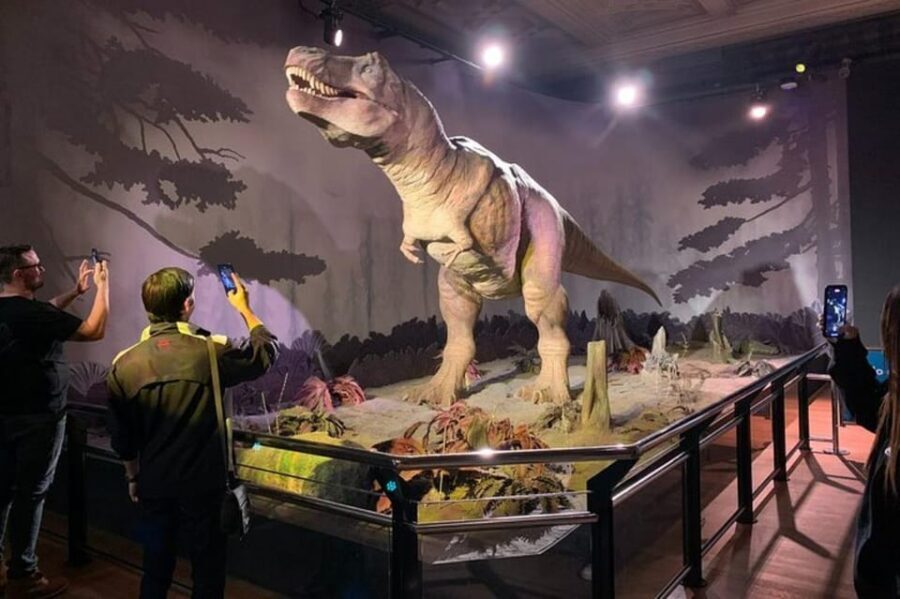
If you’ve ever queued outside a top museum in London, you already know how quickly a “quick visit” turns into a half-day project. This tour’s main promise is simple: you get skip-the-line entry through a separate entrance, so you can use your limited time inside the museum in a meaningful way.
The tour starts in South Kensington, at South Kensington Museums (Stop L), and you meet near the museum area at the bus stop between the Victoria & Albert Museum and the Natural History Museum. It’s by Exhibition Road, close to a traffic light. That location matters because you’re already in the right neighborhood for an easy, low-stress start.
For me, the best part isn’t just saving minutes. It’s the feeling of getting control back. You walk in, get oriented, and your guide immediately points you toward what’s worth seeing first, instead of spending your prime museum energy figuring out where to go.
You can also read our reviews of more private tours in London


The 2-Hour Plan: What You’ll Get (and What You Won’t)
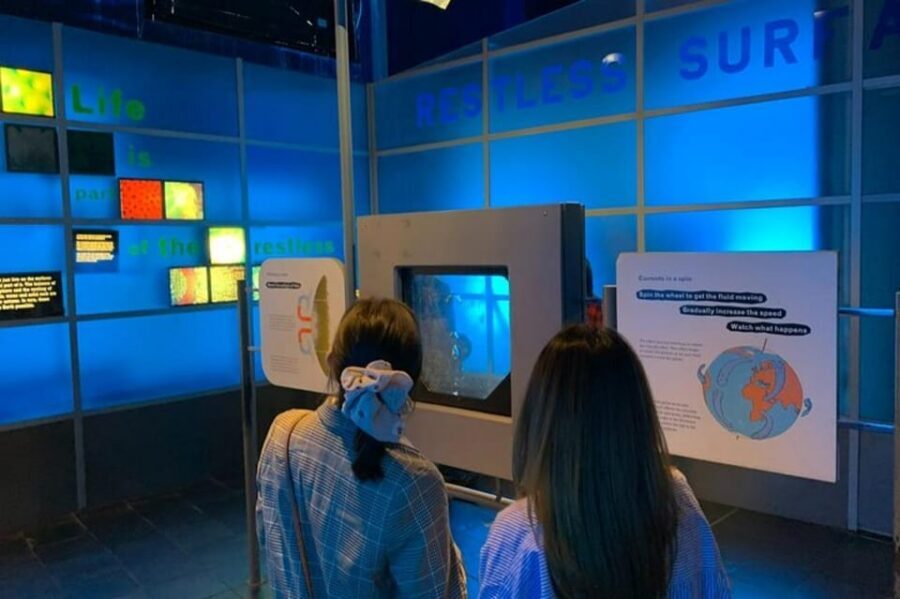
This is a 2-hour private tour, which is a very deliberate length. It’s long enough to hit the museum’s major dinosaur and fossil content, squeeze in geology and hands-on science, and still reach the signature skeleton moments. It’s also short enough to keep kids from getting restless.
What you should expect to not do is see every single room of the Natural History Museum. The museum is huge, and there are also temporary exhibitions that come and go. This tour focuses on the core highlights, so if you’re the type who likes to wander every gallery at random, you may feel mildly restricted.
In practice, the payoff is that you’re not stuck in “checkbox touring.” Your guide’s job is to help you choose where to stand and what to watch for, so you get good views of the key specimens without constantly moving through crowds.
Dinosaurs and Fossils: Main Attractions in a Tight, Smart Route
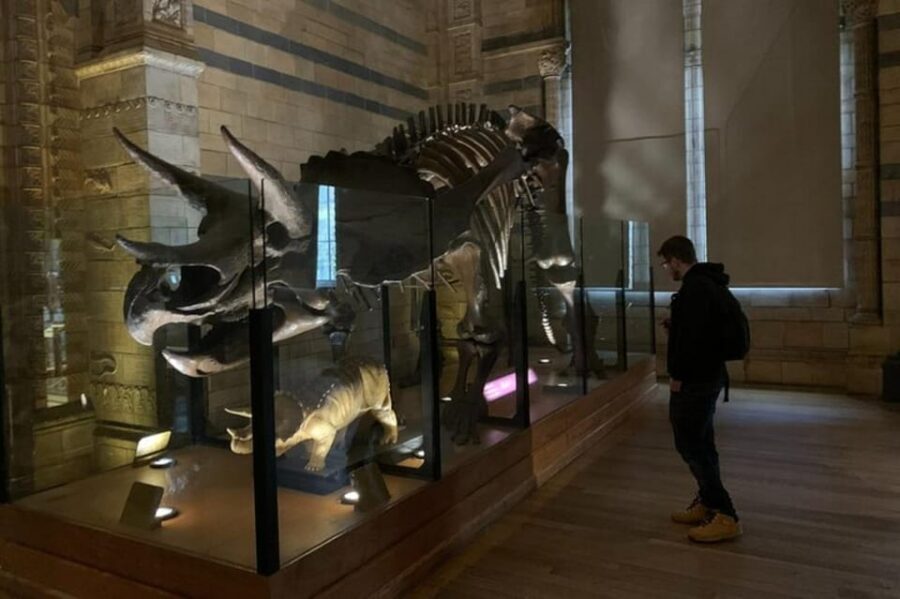
The heart of the Natural History Museum for many people is the dinosaur story, and this tour centers it. You’ll see major attractions tied to fossils and skeletons, with plenty of time to look rather than just pass by.
Some of the specific names you’ll hear during your visit include:
- Megatherium
- Ichthyosaur
- Mastodon
- Mantellisaurus
- plus other featured animals like Blue Marlin and Giraffes
Hearing these names from a guide makes a difference. Without context, it’s easy for fossils to blur together into “old bones.” With a guide, you start understanding why each creature matters and how it connects to the museum’s bigger natural history themes.
There’s also a practical advantage: your guide helps you decide what to see first. That’s important because a museum floor can feel confusing at speed. With a private group, you’re not trying to keep pace with a large crowd while also reading small display labels.
Volcanoes, Earthquakes, and the Science Behind the Drama
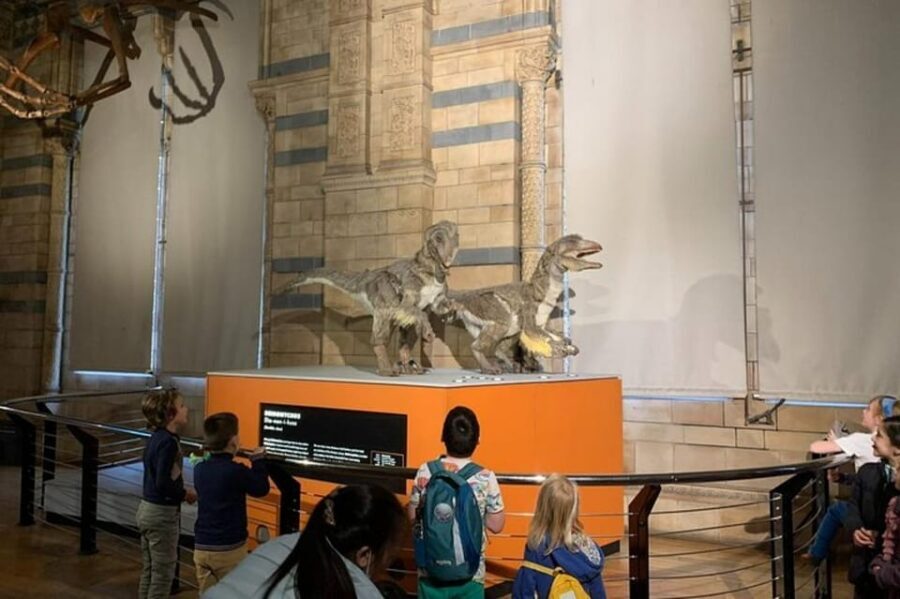
This tour doesn’t stay in the dinosaur lane. One of the most memorable parts is the earthquake simulator, where you experience what an earthquake feels like instead of only reading about it. It’s exactly the kind of activity that turns a museum visit into something you can talk about later.
You’ll also learn about the birth of volcanoes. Even if you think you already know the basics, this stop usually helps you connect the dots: why volcanoes form where they do, and how Earth’s forces shape landscapes and hazards. The Natural History Museum is at its best when it links objects in the galleries to real-world processes, and this tour does that in a way that feels direct.
You’ll also pass through galleries devoted to topics like minerals and related Earth science themes. The goal isn’t to cover everything—just to make the science feel connected, not random.
Hands-On Physics Experiments: Fun With a Purpose
A lot of museum “interactive” stations are really just toys. Here, the physics experiments are described as part of the experience, and that matters because it supports the tour’s overall style: learn something while doing something.
For families, this is often the difference between a visit that feels like school and one that feels like play with learning folded in. Kids tend to remember the moment they tested an idea or watched a result, and then they go back to the exhibits with a better question in mind.
Even if you’re an adult and not traveling with children, I think these experiment stops help you slow down. They give your brain a break from reading and looking, then you return to fossils and skeletons with fresh attention.
You can also read our reviews of more historical tours in London


The Museum’s Mascots: Hope and Sophie (and Why This Stop Works)
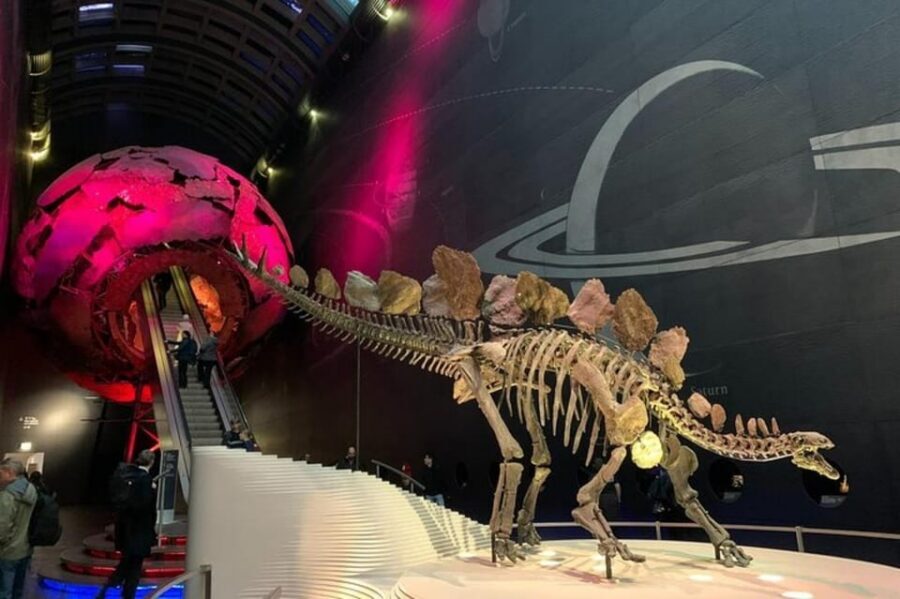
The tour includes a must-see pair of skeleton moments: the skeleton of Hope (Blue Whale) and the skeleton of Sophie (Stegosaurus). These are treated like museum mascots, and for good reason. They’re instantly recognizable, and they anchor the visit with big, showpiece scale.
Why does this work so well? Because it balances the tour. Dinosaurs pull you in with familiarity and excitement, while a Blue Whale skeleton gives you a strong contrast: scale, evolution, and the idea that natural history includes both land and ocean giants.
When a guide organizes your route so you reach these skeletons at the right time, you also avoid the most common museum problem: arriving at the biggest specimens when you’re tired. Here, your guide builds toward them rather than treating them as last-minute catches.
Sequoia Stop: A Long View That Adds Perspective
This tour also includes a Sequoia section dating back more than 1500 years. That single detail quietly changes the emotional tone of a visit. You start the tour with creatures from deep time, then you get reminded that the natural world still keeps its own timeline—one you can walk past and actually see.
Even if you don’t go deep into the science of trees, it’s a grounding moment. It helps you feel the museum isn’t only about extinct animals. It’s about nature as a continuing system.
In a 2-hour tour, it’s smart to include this kind of stop. It gives variety without adding complexity.
Meet the Guides: Damiano and Stefania Set the Tone
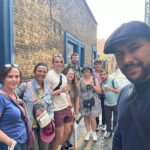
Because this is a private tour, the guide matters more than it does on a large group tour. The reviews point again and again to guides who know how to turn museum facts into a story your group can follow.
In particular, Damiano comes up as a fantastic guide—someone who knew exactly what highlights to see and where to stand for them. One review also highlighted how well he worked with a ten-year-old, keeping attention while still delivering real information.
Stefania is also praised as very good, with reviewers describing her as excellent and very kind. Another review notes she was friendly and playful with children.
When the guide gets the balance right—clear explanations, the right pacing, and humor where it fits—you get a tour that feels tailored. You’re not just collecting museum facts. You’re building a coherent experience.
Price and Value for a Group of Up to 3
At $168 per group (up to 3) for a 2-hour private tour, the price can look high at first glance—until you compare what you actually get. This isn’t just “someone walks you through the museum.” You’re paying for:
- skip-the-line entry
- a private guide (not a crowded, fast-moving group)
- interactive science stops like the earthquake simulator and physics experiments
For a couple or a small family, that per-person math can become reasonable fast. And the real value is time. When you skip the line and get a tight route to the best-known specimens and activities, you’re essentially buying back energy you’d otherwise spend waiting, wandering, or trying to figure out what’s worth seeing.
If you’re traveling solo and you’re not likely to pay for private attention, a group tour might cost less. But if you want your own pace and personalized focus, this is the kind of museum tour that can feel like a smart use of your London hours.
Who This Tour Is Best For (and Who Might Prefer Something Else)
This tour fits best when you want the Natural History Museum’s biggest hits without the usual chaos.
You’ll likely enjoy it if:
- you’re visiting with kids and want hands-on stops and a guide who can keep attention
- you care about dinosaurs and fossils, but also want Earth science and interactive elements
- you prefer a route planned for your group, not one designed for strangers in a line
You might be less satisfied if:
- you’re the type who wants to wander every room and read everything at leisure
- you’re trying to pack in a lot of other museum visits in the same day (the 2-hour focus might feel too narrow)
- you’re traveling with very young children who require extra flexibility (this tour notes that unaccompanied minors aren’t allowed)
The bottom line: treat it as a best-of museum highlight tour with real science activities, not an open-ended museum pass.
Practical Tips Before You Go
This one is easy to prepare for. Wear comfortable shoes, because you’re walking through multiple parts of the museum. Photography is allowed, so you can take pictures of the skeleton moments and display highlights.
You’ll also want to plan your day around your start time. The meeting point is on Exhibition Road near the traffic lights, and you’re close to major South Kensington museums. If you’re already in the area, you’ll find it simpler than arriving from farther across town.
Your tour language will be English or Italian, depending on what you book. If English is your main language, double-check your confirmation before you go so you’re not surprised on arrival.
Should You Book This Private Tour of the Natural History Museum?
I’d book this if you want a smart, kid-friendly, adults-will-enjoy-too Natural History Museum experience with skip-the-line entry and hands-on science. The combination of dinosaur and fossil highlights, the earthquake simulator, and the iconic Hope and Sophie skeleton moments makes it feel like more than a basic sightseeing tour.
I wouldn’t book it if your goal is to spend a long day reading every label in every gallery. At 2 hours, you’ll be delighted by the key stops, but you won’t see everything the museum has to offer.
If you’re traveling as a couple, with a small group, or with a child who gets bored easily, this tour’s private format is exactly where you’ll feel the value.
FAQ
How long is the Natural History Museum private tour?
The tour lasts 2 hours.
Does this tour include skip-the-line entry?
Yes. You get skip-the-line access through a separate entrance.
Where do we meet the guide?
You’ll meet at the bus stop on Exhibition Road, located between the Victoria & Albert Museum and the Natural History Museum, close to a traffic light.
What languages are available for the live guide?
The live guide is offered in Italian and English.
What’s included in the tour price?
Included: skip-the-line, a private guide, the earthquake simulator experience, and interactive experiments.
Is the experience wheelchair accessible, and can I take photos?
Yes, it’s wheelchair accessible, and photography is allowed.