REVIEW · LONDON
London: Rock ‘n’ Roll History Tour
Book on GetYourGuide →Operated by London Rock Music History Tours · Bookable on GetYourGuide
Follow the footsteps of rock’s loudest London years. In 3.5 hours, this bus tour strings together Chelsea’s King’s Road and ends with the Abbey Road photo moment.
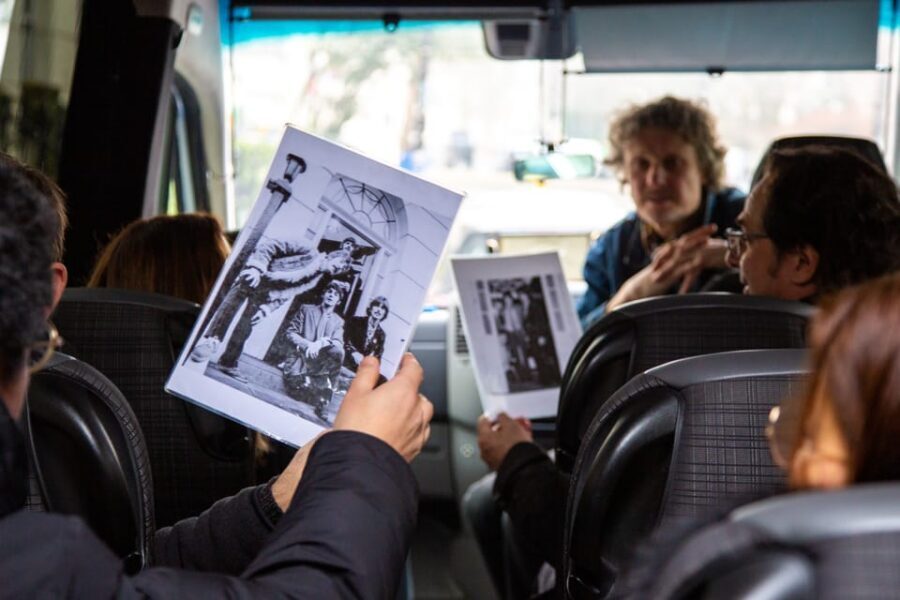
Two things I really like: it connects music legends to the exact streets and shopfronts you can still see, and it keeps the ride fun through the guide’s storytelling. On some departures, guides like Clive bring a photo album to anchor the era, while others (like Ian) keep upbeat banter going all the way to the photo stop.
One possible drawback: the pacing is brisk. You’ll get great “look and learn” moments, but most stops are short, so you won’t feel like you’re settling in for a long self-guided walk.
In This Review
- Key highlights that make this tour worth your afternoon
- Finding your bus: Duke of York Column to Kensington’s Millennium Gloucester
- Chelsea’s King’s Road: Beatles, Rolling Stones, and Clapton-era streets
- Kensington and St John’s Wood: Queen’s formation area and punk’s ignition
- Notting Hill to the Get Back rooftop moment: reggae roots, hippies, and Hendrix
- Abbey Road crossing: the photo stop that actually delivers
- Price, pace, and whether $74 makes sense for you
- Should you book the London Rock ’n’ Roll History Tour?
- FAQ
- How long is the London Rock ’n’ Roll History Tour?
- Where do I meet the tour?
- Is pickup included?
- What’s included in the tour price?
- Does the tour include the Abbey Road crossing for photos?
- What language is the tour guide?
- What should I bring?
- Is the tour wheelchair accessible?
Key highlights that make this tour worth your afternoon
- Chelsea and the King’s Road: boutiques, pubs, and music hangouts tied to major bands and artists
- Kensington for Queen fans: the band’s origin area, plus Freddie-era details nearby
- Punk era stops around St John’s Wood: areas linked to Sex Pistols, The Clash, Poly Styrene, and X Ray Spex
- Notting Hill’s reggae-and-counterculture mix: Caribbean community roots, reggae scene, plus hippies and punks
- Abbey Road crossing photo stop: the money shot, with everyone lined up for their picture
Finding your bus: Duke of York Column to Kensington’s Millennium Gloucester
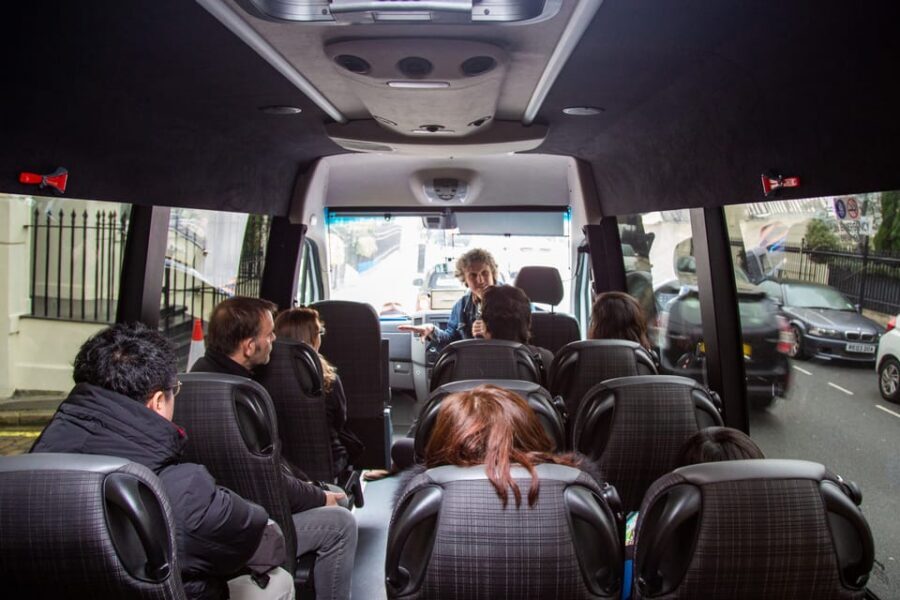
Start by knowing where you’re meeting. Until March 31, 2026, the departure point is Duke of York Column, St. James’s (SW1Y 5AJ), about a 5-minute walk from Piccadilly Circus or Charing Cross. From April 1, 2026, it shifts to Millennium Gloucester Hotel in Kensington, a few minutes from Gloucester Road Underground, and you’ll wait by the hotel’s casino entrance.
I like this setup because it keeps you near transit. Piccadilly is easy to reach, and Gloucester Road is a clean, straightforward Underground hub.
Bring comfortable shoes even if you’re on a bus most of the time. You’ll still want good footing for curbside viewpoints and the final crossing photo. Also note the tour doesn’t do pickup or drop-off, so plan on getting yourself to the meeting point first.
One more practical point: arrive at least 10 minutes early. London has a way of making “right on time” feel optimistic, and early check-in keeps the whole group moving smoothly.
You can also read our reviews of more historical tours in London

Chelsea’s King’s Road: Beatles, Rolling Stones, and Clapton-era streets
Chelsea is where the tour turns from just history into a real time-machine feeling. The route is built around the streets that shaped the swinging Sixties, then stretches into later decades with punk energy and glam-era style.
You’ll spend time around King’s Road, the fashion-and-music artery that inspired countless lyrics and melodies. This is the kind of neighborhood where the street level still matters. You’re not just seeing plaques; you’re looking at the kind of blocks where bands would have been noticed, heard, and chased by crowds.
The tour also points out specific legend-linked stops in this area, including a site connected to where the Rolling Stones shared a flat, plus details tied to Mick and Marianne’s partying. It’s also the kind of run where the guide may mention spots connected to the Chelsea Drug Store, and you’ll hear about the Beatles era in a way that makes the city feel less like a museum and more like a living stage.
If you’re a guitarist at heart, don’t miss the Cream years angle tied to Eric Clapton. It’s one of those moments where the tour connects the music you know to the London addresses you usually wouldn’t bother to learn. That’s a big part of the value here: you get context without needing to do hours of independent research first.
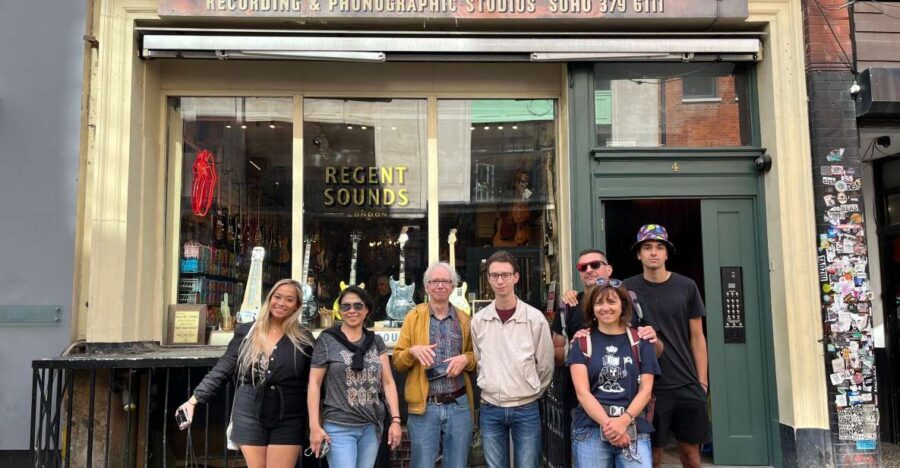
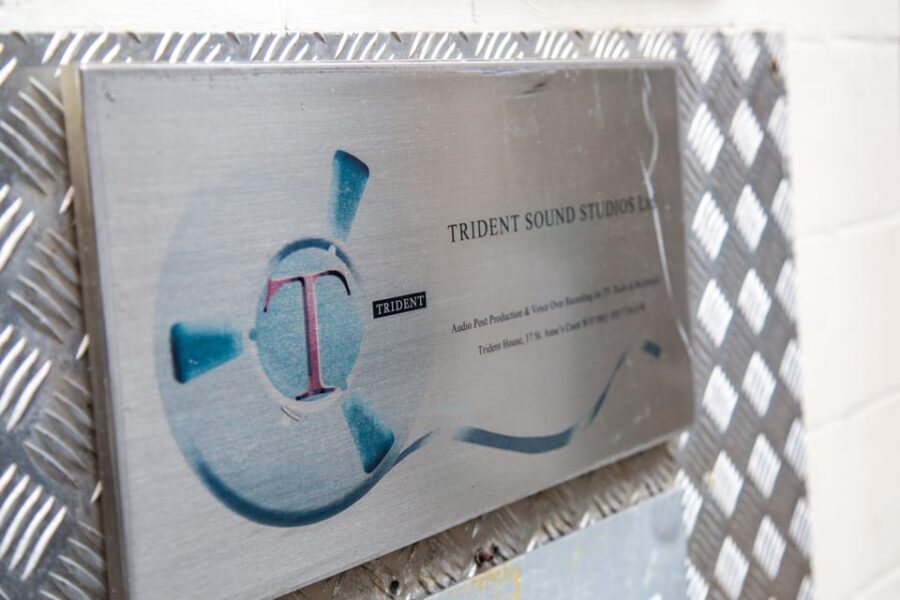
And yes, there’s a strong “industry” flavor too. The tour routes past places like studios and record company offices, plus gig sites and hotels favored by the stars. It helps you understand how London built music careers—by geography, not just talent.
Kensington and St John’s Wood: Queen’s formation area and punk’s ignition
After Chelsea, the tour shifts toward Kensington, which is where Queen fans start smiling. This is the side of town tied to where the band formed, where famous album parties happened, and where Freddie lived. The point isn’t to treat it like a shrine; it’s to see how the neighborhoods shaped the people who made the sound.
Kensington also makes a useful contrast with Chelsea. Chelsea can feel flashy and streetwise; Kensington can feel more polished, and that difference helps you picture how musicians moved between scenes. When you pair that with the bus format, you get a “big-city overview” without having to keep changing neighborhoods yourself.
The tour’s other strong track runs through the punk story. You’ll head toward the area linked to the early punk movement and hear names like Sex Pistols, The Clash, Poly Styrene, and X Ray Spex. This is where London’s counterculture stops being a concept and turns into real addresses and real streets where the energy was happening.
One reason I like this portion is how it balances eras instead of treating music history as a straight line. You go from the polished sheen of late-era celebrity culture to the raw, fast attitude of punk. It’s the contrast that makes both feel more real.
Also, a quick logistics note: the ride uses an air-conditioned bus, and that matters. London traffic can be unpredictable, but at least you’re not baking in a cramped coach while you wait for the next curbside stop.
Notting Hill to the Get Back rooftop moment: reggae roots, hippies, and Hendrix
Next comes Notting Hill, and the tour leans into why this area matters beyond just famous homes. You’ll hear about Notting Hill as the heart of London’s Caribbean community, plus its connection to the reggae scene. Then the story expands to the broader mix that once pulled hippies and punks into the same orbit.
This part is great for understanding how London scenes overlap. Rock doesn’t grow in a vacuum, and Notting Hill is a good place to see how culture, music, and communities braid together.
The tour also connects the neighborhood to Jimi Hendrix, with details on where he lived, played, and died. I appreciate that the tour doesn’t treat Hendrix as a distant legend. It links him back to place, which helps you remember the name when you’re walking around later.
There are Beatles connections too. You’ll pass areas tied to the Beatles, plus a stop that references the Get Back rooftop concert site. Even if you’re not a hardcore Beatles completist, that rooftop moment is an easy mental anchor. It gives the tour a clear climax before the final Abbey Road photo.
One small consideration: because you’re traveling by bus, you’ll see a lot from the window or from quick curbside angles. That’s still worth it for the route coverage, but if you like slow wandering, you’ll want to add extra time after the tour in whichever neighborhood hits hardest for you.
Abbey Road crossing: the photo stop that actually delivers
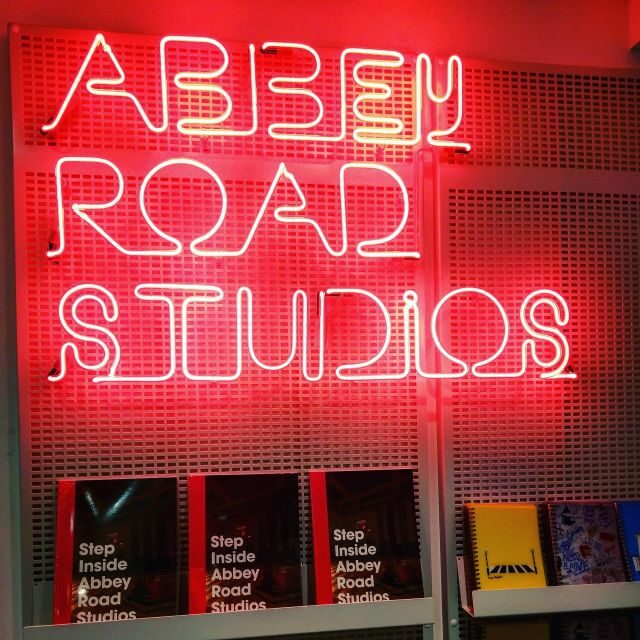
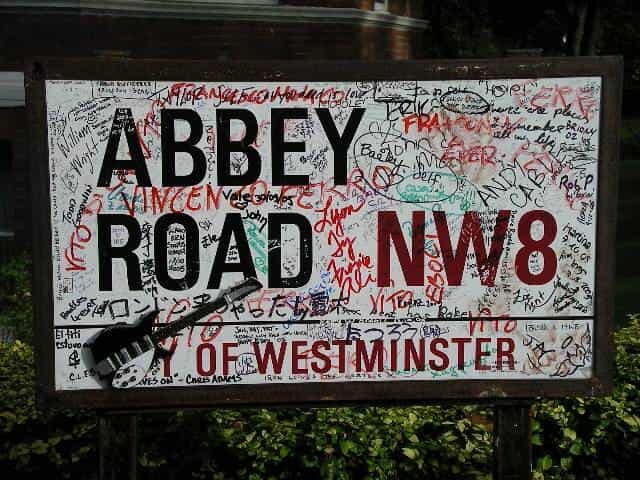
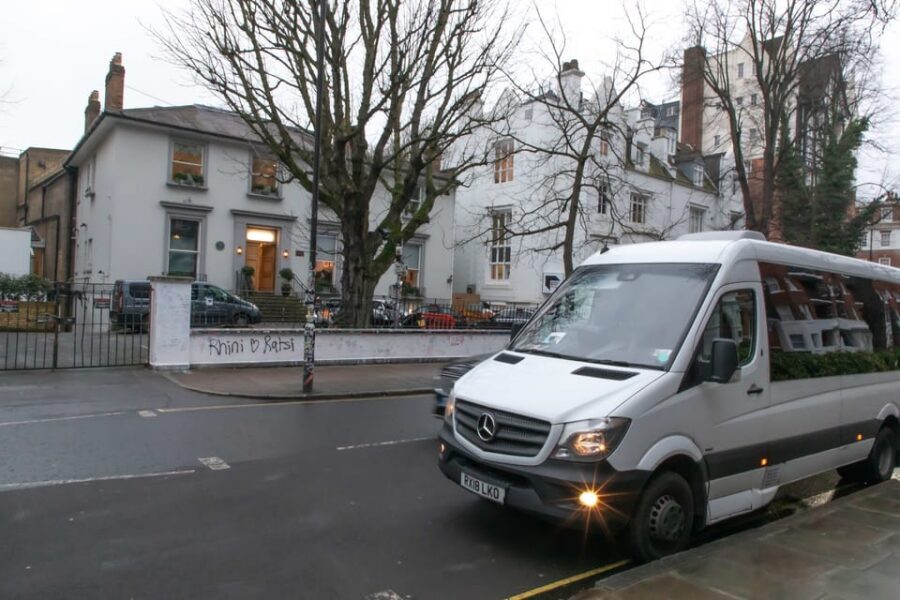
Every music tour has a finale, but this one has the kind of finale you’ve seen a thousand times and still want to recreate. At the end, you take a photo at London’s famous Abbey Road crossing.
The tour is built around making that moment work for real people, not just cameras. Expect time set aside so you can step into position and get your shot walking the crossing the way people recognize from the iconic cover. Guides have a practical routine for this, and it’s one of the most consistently praised parts of the experience because it’s memorable and low-stress.
If you want to maximize your results, wear shoes that let you stand comfortably for a few minutes. You’ll also want your phone charged before you board, since your best photo is the one you actually manage to capture without scrambling.
Is Abbey Road the only stop you can look forward to? Not at all. But it’s a strong closer because it gives you a final, clear payoff you can point to later.




Price, pace, and whether $74 makes sense for you
At $74 per person for a 3.5-hour tour, this sits in the “pay for convenience and guidance” category. You’re not just buying sightseeing; you’re buying a structured route across multiple neighborhoods, plus an experienced guide and bus transport.
The value is strongest if you want:
- a fast way to see Chelsea, Kensington, Notting Hill, and St John’s Wood-related sights in one afternoon
- music history told through street-level context, not random facts
- the Abbey Road photo stop handled for your group
It’s less ideal if you want lots of inside visits. The tour is built around passes, short stops, and then back onto the bus. So if you imagine long museum-style time at every location, you’ll likely feel time pressure.
Pace matters too. You’ll cover a lot, and some stops may feel brief. The upside is you get breadth; the downside is you don’t get a deep study at every address.
Who does it suit best? I’d book it if you’re a first-time London visitor who wants a music-focused route, or if you’re a dedicated fan who doesn’t want to spend your vacation doing web research. It also works well for solo travelers, because you’re moving as a group without having to plan logistics between stops.
Should you book the London Rock ’n’ Roll History Tour?
If your idea of a good afternoon is bus rides with meaningful street stops, this is an easy yes. You’ll get a lot of ground covered, the Abbey Road crossing finale is worth the effort, and the mix of decades—from Sixties swing through punk and reggae-adjacent culture—keeps the tour from becoming repetitive.
Book it when you want guidance to do the heavy lifting. Skip it if you want mostly walking time or long indoor visits at each famous address. In other words: if you want a high-impact hit of rock ’n’ roll London in one go, this tour fits the bill.
FAQ
How long is the London Rock ’n’ Roll History Tour?
The tour lasts 3.5 hours.
Where do I meet the tour?
Until March 31, 2026, meet at Duke of York Column, St. James’s, London SW1Y 5AJ. From April 1, 2026, meet at the Millennium Gloucester Hotel in Kensington, waiting by the hotel’s casino entrance.
Is pickup included?
No. Pickup and drop-off are not included.
What’s included in the tour price?
The included items are the London Classic Music History tour, a visit to Abbey Road, a tour guide, and transportation by air-conditioned bus.
Does the tour include the Abbey Road crossing for photos?
Yes. The experience includes a photo stop at the famous Abbey Road crossing.
What language is the tour guide?
The tour guide is English.
What should I bring?
Wear comfortable shoes.
Is the tour wheelchair accessible?
No. It is not suitable for wheelchair users.