Piccadilly Circus has a secret layer below it. What makes this tour worth your time is the chance to see London Underground space most people never get to visit, including original Edwardian features and disused areas sealed off from public access since 1929. I love the behind-the-scenes feel and the fact the stories come from the London Transport Museum team, not just general sightseeing chatter.
The second thing I really like is how the guide connects the station to real moments in London’s past—especially wartime sheltering stories and how the Tube was used under pressure. You also get a very practical pay-off: you’ll learn what’s still original from 1906, and what changed during the 1925–1928 modernization that shaped passenger flow for decades. A possible drawback: this is a lot of walking, in low light, with stairs and uneven ground, and it is not step-free.
In This Review
- Key takeaways before you go
- Under Piccadilly Circus: the station beneath the postcard
- Where to start at Exit 4, and how the 75 minutes flow
- Secret doors and disused tunnels closed since 1929
- Edwardian design features you can actually see
- Wartime shelter stories in the heart of the Tube
- The 1925–1928 modernization angle (and why it matters)
- Practical comfort notes: stairs, low light, and what to wear
- Is $60.61 a good deal for a 75-minute Underground tour?
- Who should book Hidden Tube Tour, and who should pass
- Should you book the Hidden Tube Tour?
- FAQ
- How long is the Hidden Tube Tour at Piccadilly Circus?
- Where do I meet for the tour?
- What parts of the station will I see?
- Is the tour step-free or wheelchair accessible?
- What should I bring, and what’s not allowed?
- Is the tour suitable for claustrophobia?
Key takeaways before you go
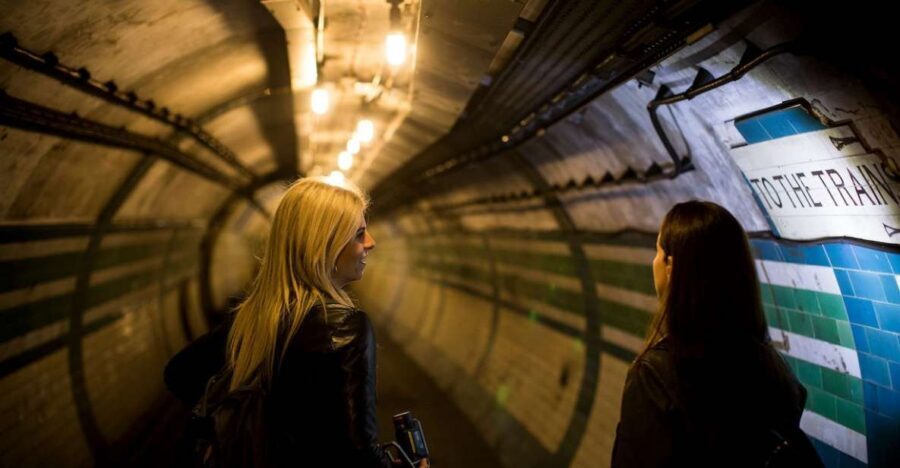
- Disused tunnels since 1929: you’ll explore parts of the station that have been closed to the travelling public for a very long time.
- Secret doors and closed passageways: the tour route includes areas normally not reachable from the platforms.
- Edwardian design details: you’ll learn what the station looked like when it opened in 1906 and what remains.
- Wartime sheltering stories: the guide uses the station itself to make history feel immediate.
- Top-secret storage references: you’ll hear about storage of priceless artefacts connected to Underground life.
- Small, focused time window: at 75 minutes, it’s short enough to fit a busy day, but packed enough to feel substantial.
Under Piccadilly Circus: the station beneath the postcard
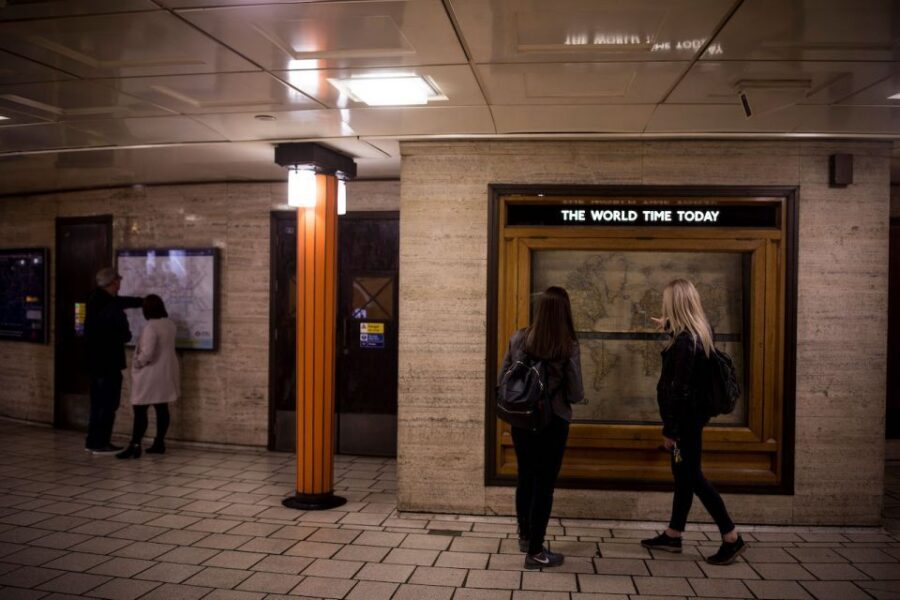
Piccadilly Circus is all neon energy above ground. But underneath it, the Underground is where the city gets more serious and more interesting. Piccadilly Circus station opened in 1906, serving the Bakerloo and Piccadilly lines, and the Hidden Tube Tour takes you to the architectural and historical layers that sit right below the daily commute.
What you’re really paying for is perspective. From street level, the station is a backdrop to photos and buses. On this tour, it becomes a working machine and a historical site at the same time. That shift is the magic trick: you’re not just seeing old brick or reading a plaque. You’re learning how the station grew with London.
You’ll be guided by people from London Transport Museum, and the tour content is written by historical experts using their archive and collection material. That matters because Underground history can turn into trivia fast. Here, the stories have a shape: opening dates, design choices, passenger demand, and later wartime use.
You can also read our reviews of more tours and experiences in London.


Where to start at Exit 4, and how the 75 minutes flow
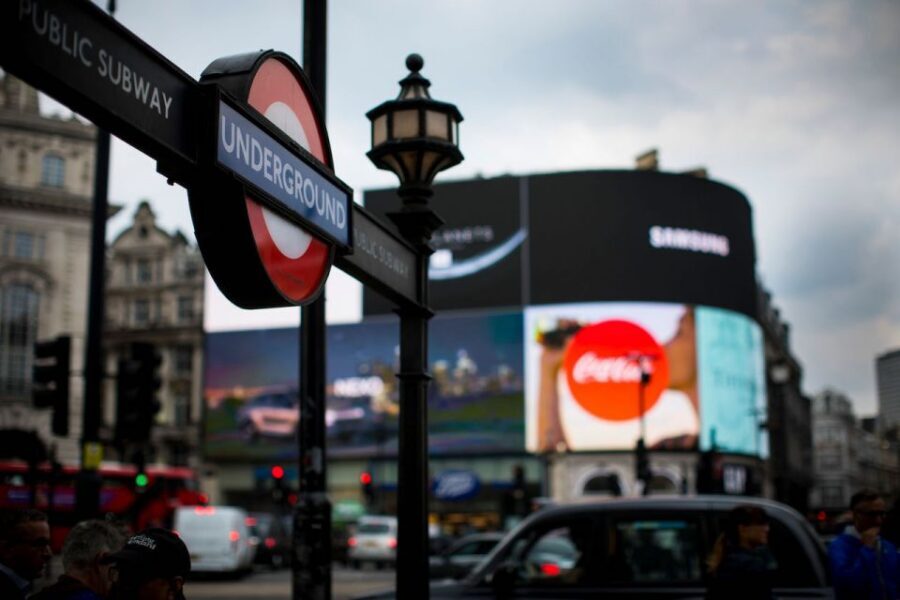
The tour meets at the bottom of the stairs of Exit 4, Piccadilly Circus Underground station. Exit 4 sits at the corner of Shaftesbury Avenue and Coventry Street, next to the Criterion Restaurant. Then you finish back at the same meeting point, so you don’t have to worry about getting lost afterward.
The duration is 75 minutes, and that time includes the walking between stops and the explanation at each one. Expect a steady pace rather than a sit-down museum rhythm. This isn’t designed as a casual stroll through decorative areas. The guide moves you through parts of the station that are mostly closed to the public.
One more practical note: this is in English with a live guide. If you like clear, spoken storytelling over reading a handout, you’ll probably enjoy the format.
If you’re planning the rest of your day, keep the mindset that you’re doing “one focused experience,” not “a quick add-on.” Piccadilly Circus can be hectic above ground, so giving yourself a bit of buffer time before the start helps.
Secret doors and disused tunnels closed since 1929
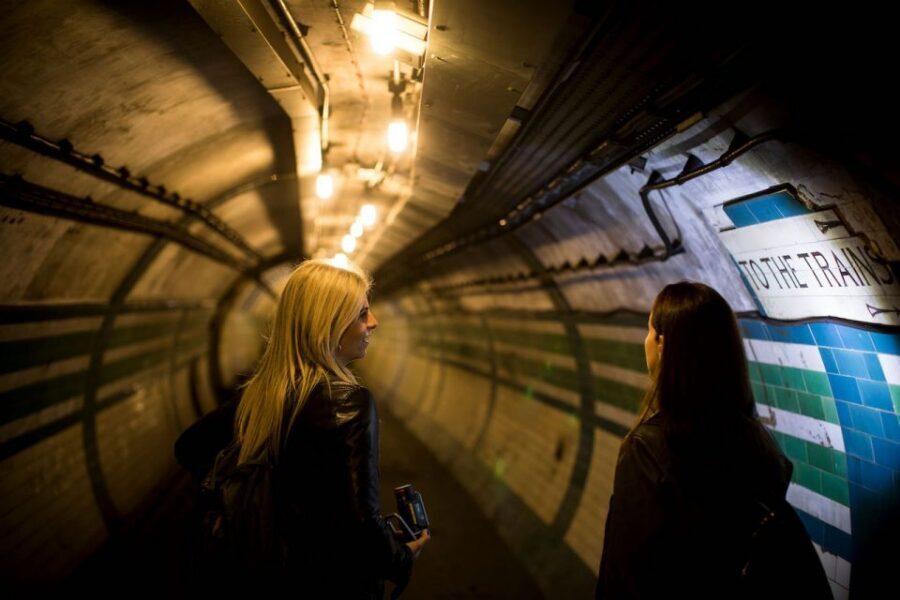
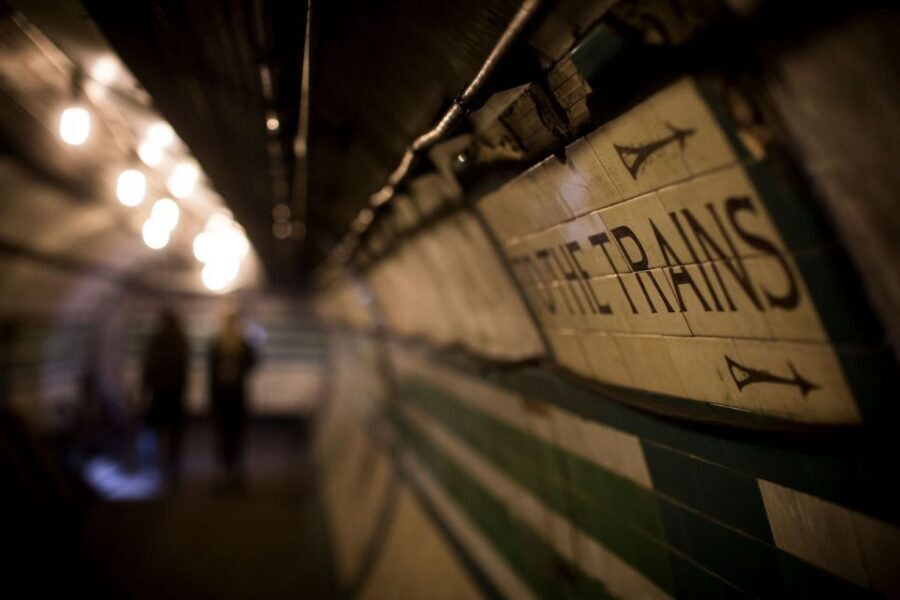
This tour’s headline feature is access to spaces that were closed to the travelling public in 1929. That date alone sets the tone. You’re not seeing something temporarily off-limits or under renovation. You’re seeing parts of the station that have been shut off for a very long time.
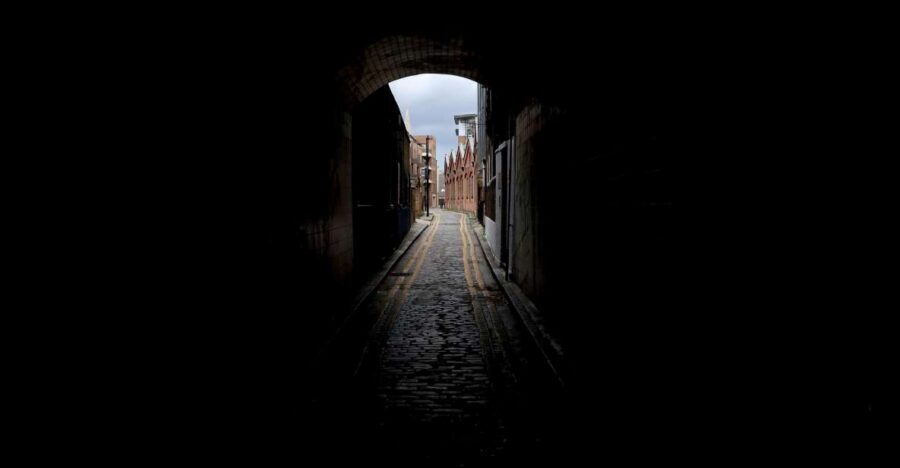
During the tour, you’ll go through passageways and lift-shaft areas that are not open like the normal station corridors. The guide leads you step-by-step behind secret doors and into sections you can’t simply stumble into on your own.
What I think makes this part special for you is how it changes what you notice later. Once you’ve seen a station’s hidden circulation routes—service-style passageways, older connections, and the logic of earlier station design—you’ll look at the station you use every day in a different way. Even if you don’t know engineering terms, the layout starts to make sense.
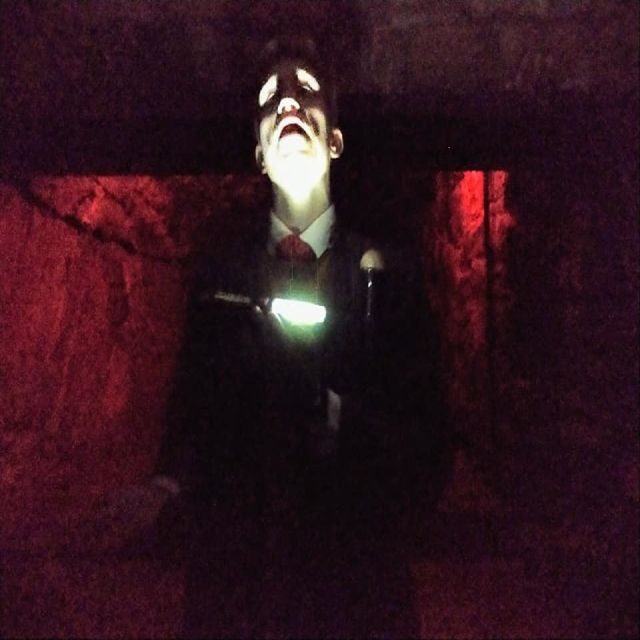
A key consideration: these areas can feel tight and dim. The tour involves low lighting and uneven ground, and it is not suitable for claustrophobia. Also, it involves stairs and no elevator, so you should be comfortable with climbing and descending flights of stairs as part of the experience.
Edwardian design features you can actually see
Piccadilly Circus station opened in 1906, and the tour highlights the original Edwardian design features still visible in the station’s older areas. This is the part that rewards curiosity. Instead of treating the station as generic Tube infrastructure, the guide points out architectural choices that reflect the period.
You’ll learn what the station looked like at the start and how the design influenced how people moved through the space. That’s not just aesthetic. In stations, design decisions affect crowding, wayfinding, and how upgrades happen later.
I also like that this isn’t framed as nostalgia. The Edwardian details are used to explain function—why certain spaces were built the way they were, and why later changes were needed as passenger numbers grew. You end up with a timeline you can picture, from the opening era through later modernization.
Wartime shelter stories in the heart of the Tube
London Underground stations weren’t only transport hubs during wartime. They became shelters, refuges, and survival infrastructure. Here’s where the tour becomes more than engineering sightseeing: you’ll hear fascinating stories about wartime shelterers who took refuge in the station.
The way the guide tells these stories matters because the setting does the heavy lifting. You’re not imagining what the Underground felt like in an emergency. You’re standing in the types of spaces where people would have waited, sheltered, and tried to stay safe.
This is also where the tour’s “little known parts” promise turns real. The station’s history becomes physical: corridors, passageways, and older sections tied to how people moved and gathered during difficult times.
And there’s a further layer mentioned on the tour: top-secret storage of priceless artefacts. That’s the kind of detail that makes the Tube feel like part of the city’s backstage life, not just the route to work.


The 1925–1928 modernization angle (and why it matters)
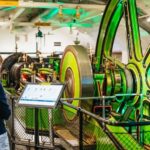
Piccadilly Circus station didn’t stay in its original form. It was extensively modernised between 1925 and 1928 to meet rising passenger demand. On the tour, this modernization period isn’t just a date on a timeline. It’s explained in terms of how the station had to evolve.
For you, the value here is understanding why Underground stations often feel like they’re built in layers. London kept expanding, ridership grew, and older infrastructure needed adaptations. When you see the station as an evolving system, you start to notice patterns: older components reused, upgraded sections added, and layout changes made to handle crowds.
This is also why the Edwardian design story pairs so well with the disused spaces. You’re seeing where the system came from and how it later changed. That combination helps you connect the underground architecture to the lived reality of London life.
Practical comfort notes: stairs, low light, and what to wear
Let’s make this easy. This tour has clear physical requirements, and you’ll enjoy it more if you prepare for them.
- Walking and stairs: you’ll go up and down flights of stairs. There is no elevator, and it is not step-free.
- Uneven ground and low lighting: the route includes uneven areas and dim areas inside the station.
- No cloakroom: you shouldn’t count on storage for coats or extras.
- No food or drinks inside the experience areas.
- No luggage or large bags.
What to bring: a passport or ID card. What to wear: sturdy footwear, and avoid open-toed shoes. If you’re the type who hates being cold, wear layers suited to underground temperatures and stop any last-minute “I’ll just wear sandals” decisions now.
Also, think about your comfort level with tight spaces. This tour is not suitable for people with claustrophobia. If that describes you, it’s not a maybe. It’s a clear no.
Finally, there’s a child rule to be aware of: there is a maximum of four children aged 10–15 allowed per adult. It is not suitable for children under 10 years.
Is $60.61 a good deal for a 75-minute Underground tour?
At $60.61 per person for 75 minutes, this is not a bargain-basement Tube experience. The question is what you get in return. Here’s my honest take on value.
First, you’re paying for access. Most people can spend years in London and never see disused passenger tunnels closed since 1929, or the kinds of passageways that normally stay off-limits. Access itself has value because it’s constrained by design and history, not by ticket supply alone.
Second, you’re paying for guided interpretation from London Transport Museum experts. Generic history tours often toss out facts without context. This experience is built from archived museum material, which helps the stories land with credibility.
Third, the content density is high. Edwardian features, modernization in the 1920s, wartime sheltering, and storage references all fit into a short time window. If you’re the type who likes a single well-structured stop rather than a long list of superficial sights, the 75 minutes is a feature.
So for value, I’d frame it like this: you’re not just buying a ticket to enter a station. You’re buying a guided way to see parts of the station that are otherwise inaccessible to the public.
If your schedule is flexible, you may also like that free cancellation is available up to 24 hours in advance, and there’s a reserve and pay later option so you can hold your place without paying immediately.
Who should book Hidden Tube Tour, and who should pass
This tour is a strong fit if you like one or more of these things:
- Underground architecture and how stations are designed
- Real historical stories connected to a physical place
- Engineering-adjacent curiosity, especially station evolution from 1906 onward
- Short, guided experiences with a clear structure
It’s also a good choice for people who want something different from the usual Piccadilly Circus plan. This is still in the same iconic spot, but your experience will feel like you stepped behind the curtain.
On the other hand, I’d pass if:
- You’re not comfortable with stairs and uneven ground
- You need step-free access or elevators (there aren’t any on this route)
- You have claustrophobia
- You plan to bring luggage or large bags, or you need to eat during the experience areas
It’s also not suitable for children under 10, and there are specific limits for ages 10–15 per adult.
One more thought: because the tour includes low-light areas and closed spaces, it rewards calm attention. If you want open-air views and lots of room to move, this won’t match that vibe.
Should you book the Hidden Tube Tour?
If you’re curious about what’s underneath the city you see above it, I’d book. The combination of disused spaces closed since 1929, Edwardian design features from the 1906 station, and wartime shelter stories makes this feel genuinely special for people who like history with location-specific details.
If you’re comfortable with stairs, low light, and the idea of tight underground corridors, you’ll likely find this a smart use of time near Piccadilly Circus. If not, the physical requirements are real enough that it’s better to choose a different kind of London tour.
FAQ
How long is the Hidden Tube Tour at Piccadilly Circus?
The tour lasts 75 minutes, with starting times depending on availability.
Where do I meet for the tour?
Meet at the bottom of the stairs of Exit 4 at Piccadilly Circus Underground station. Exit 4 is at the corner of Shaftesbury Avenue and Coventry Street, next to the Criterion Restaurant.
What parts of the station will I see?
You’ll explore areas behind secret doors, including passageways and lift-shaft areas closed to the public since 1929, plus original Edwardian design features.
Is the tour step-free or wheelchair accessible?
No. The tour is not step-free, includes walking up and down stairs, and there is no elevator.
What should I bring, and what’s not allowed?
Bring a passport or ID card. Open-toed shoes are not allowed. Food and drinks are not allowed, and luggage or large bags are not allowed.
Is the tour suitable for claustrophobia?
No. The tour involves areas of low lighting and confined spaces, and it is not suitable for people with claustrophobia.