REVIEW · LONDON
London: The Original Jack the Ripper Walking Tour
Book on GetYourGuide →Operated by See Your City · Bookable on GetYourGuide
Jack the Ripper feels uncomfortably close in Whitechapel. This 2-hour East End walk uses an expert Ripperologist guide to connect case facts, victim stories, and street-level locations around 1888 London.
I especially like how the tour treats the murders as history and not just spooky entertainment. You’ll hear true-to-life stories about victims and suspects, plus context about daily life in an impoverished neighborhood, and how that world helped shape characters like Sherlock Holmes.
One consideration: this is an outdoor tour with graphic details and visual content, so plan on it being intense—bring comfortable shoes, and if you’re sensitive to crime details, go into it with your eyes open.
In This Review
- Key Takeaways Before You Go
- Why Whitechapel Still Feels Like 1888
- Meeting at Altab Ali Park and Starting Without Stress
- St Marys Whitechapel Church Memorial: The Tone Is Set Fast
- Christ Church Spitalfields: A Neighborhood With Layers
- Old Spitalfields Market and Spitalfields Life: Where the Story Meets Real Routine
- Mitre Square: The Investigation Starts to Feel Human
- Brick Lane: Sherlock Holmes Comes Into the Conversation
- Petticoat Lane: Poverty, Daily Life, and Why Whitechapel Was Chosen
- Ten Bells Spitalfields: The Ending That Stays With You
- The Guides: Storytelling Style That Gets You Through the Cold Parts
- Price and Value: $25 for a Full-Strength Story-Walk
- Timing, Duration, and How to Get the Most From Two Hours
- Who Should Book This Jack the Ripper Tour (and Who Might Skip It)
- Final Verdict: Should You Book?
- FAQ
- How long is the London: The Original Jack the Ripper Walking Tour?
- How much does it cost?
- Where do I meet the guide?
- What languages are the tours offered in?
- Is the tour wheelchair accessible?
- Is the tour suitable for children?
Key Takeaways Before You Go
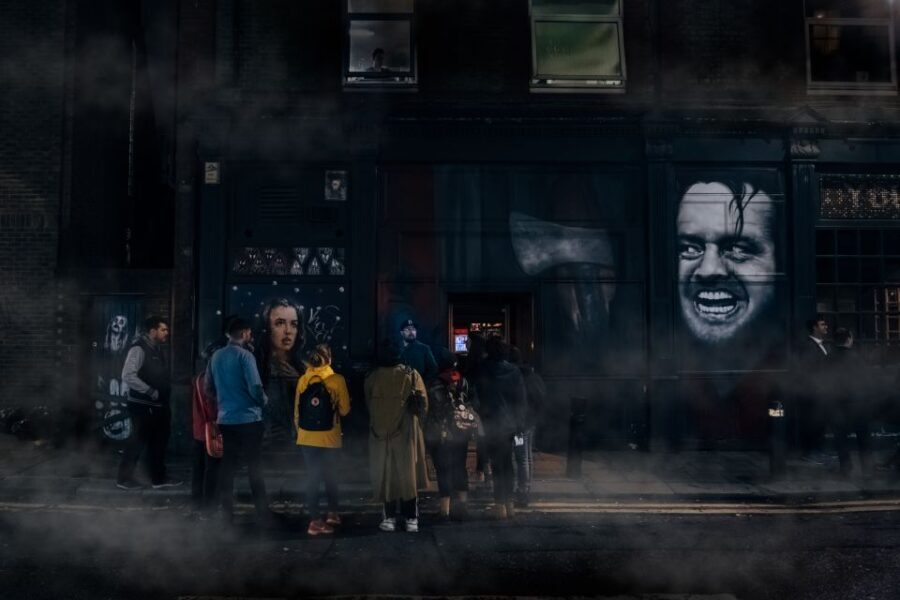
- Real Whitechapel street stops that help you picture where events unfolded
- Victim-first storytelling that keeps the focus on real people, not just theories
- Evidence talk and suspect theories framed as what we know and what we don’t
- Victorian London context including the cultural background behind Sherlock Holmes
- A satisfying finish at the Ten Bells pub area where the night’s mystery lands
Why Whitechapel Still Feels Like 1888
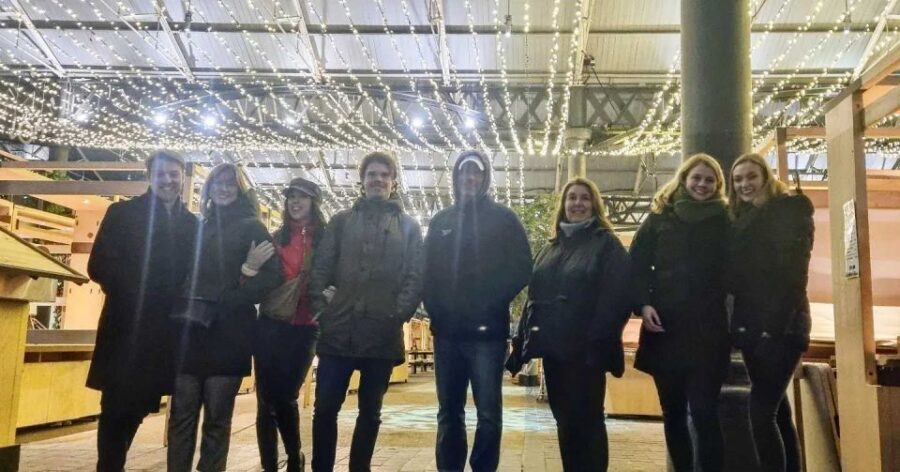
There’s something about walking through Whitechapel that makes the Jack the Ripper story stop being abstract. The streets are where you can imagine the fog, the crowd noise, and the everyday grind that surrounded the case.
What makes this tour work is the balance: you get case details (the “who, what, where” of the investigation), but you also get the neighborhood context. That matters, because Whitechapel wasn’t some movie set. It was an area of heavy poverty and tough living, and the guide uses that reality to explain why the crimes were tied to this part of London.
You’ll also get a literary angle. The tour doesn’t just mention Sherlock Holmes as a fun aside—it explains the cultural context behind why the character resonated, which helps you connect Victorian crime stories to the real city that produced them.
You can also read our reviews of more walking tours in London



Meeting at Altab Ali Park and Starting Without Stress
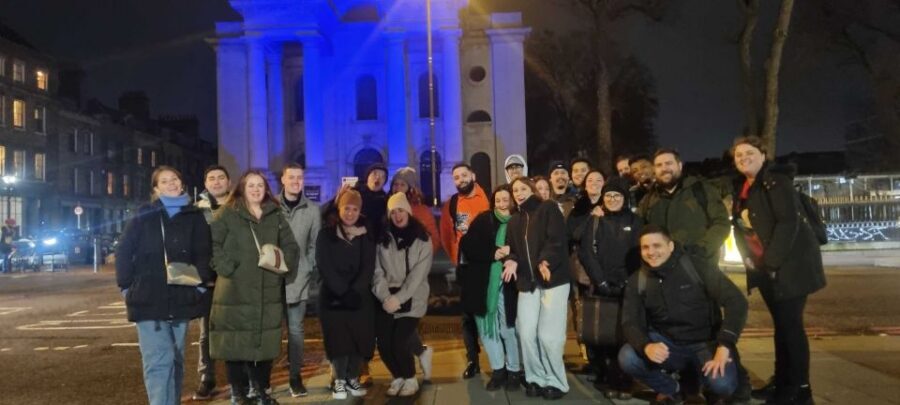
Getting started is straightforward once you know the landmark. Meet at the west entrance to Altab Ali Park, at the big iron arch gate on the corner of White Church Lane and Whitechapel High Street. Your guide will be holding a blue flag, and the nearest Underground station is Aldgate East.
Since it’s a city walk, the practical win here is simple: arrive a few minutes early and get comfortable with your surroundings before the story kicks in. Comfortable shoes are a must, because you’ll be moving for the full two hours, largely on public paths.
Also, keep weather in mind. The tour is entirely outdoors, so if the skies are doing London things, wear layers and plan for it.
St Marys Whitechapel Church Memorial: The Tone Is Set Fast
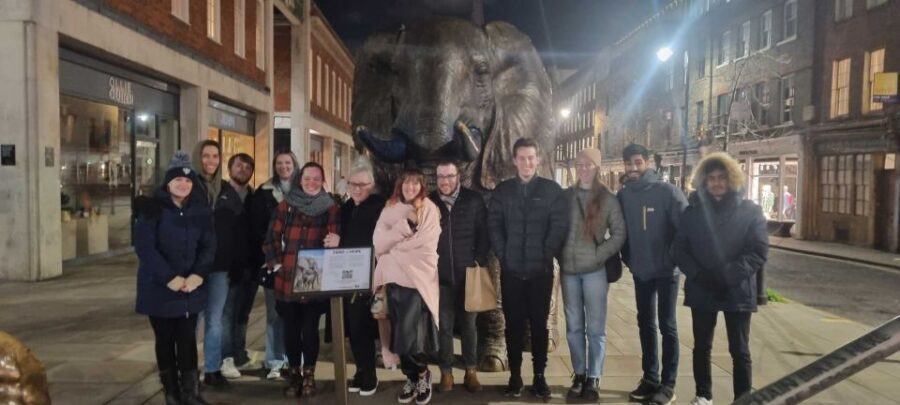
The walk starts at St Marys Whitechapel Church Memorial, and that opening stop does an important job. It helps you understand that you’re not chasing a cartoon villain—you’re stepping into a specific time and place where real people lived, worked, and disappeared.
This first moment is also where a good guide can help you get oriented. Expect an early framing of the case and the neighborhood, so the later street stops feel connected instead of random.
If you like true crime stories, you might think you already know the plot. This is where the tour often shifts you onto the right track: not just names and dates, but why the evidence mattered and how investigators tried to make sense of it.
Christ Church Spitalfields: A Neighborhood With Layers

From the start, the route brings you to Christ Church Spitalfields. Passing it isn’t about checking off a landmark. It’s more about showing how religious and civic spaces fit into daily life in that era.
Whitechapel and Spitalfields were full of community structures, and the guide uses those references to paint a clearer picture of what life looked like for ordinary people. That’s one of the reasons this tour feels grounded rather than theatrical.
You may also hear explanations that link the case to the neighborhood’s social pressures—what it meant to live there, and how that shaped both opportunity and vulnerability. That context is what makes later “suspect” discussions feel more serious.
Old Spitalfields Market and Spitalfields Life: Where the Story Meets Real Routine
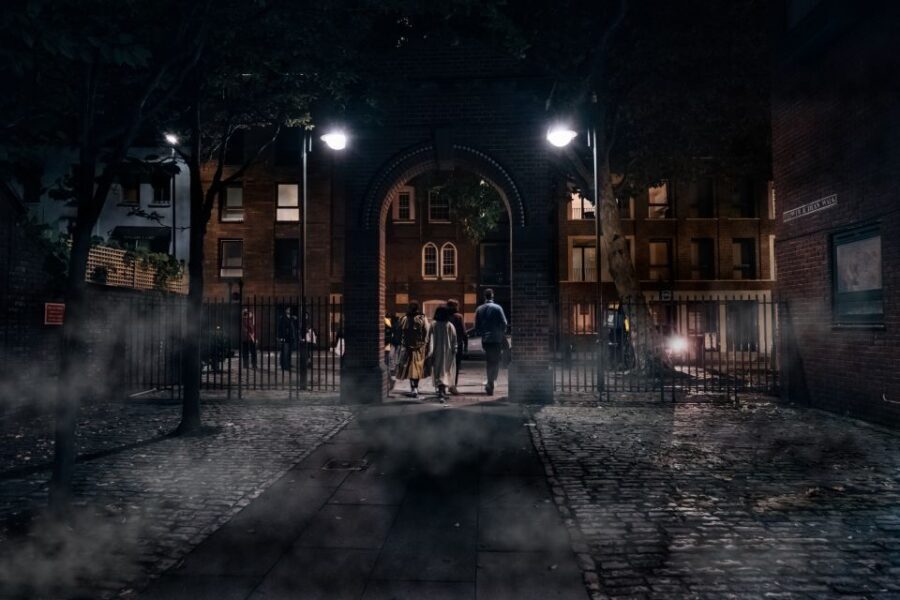
Next, you’ll pass Old Spitalfields Market. This stop is about routine. Markets were where residents moved through the day, where information traveled, and where the neighborhood’s energy showed up in public.
Even if you’ve read about Jack the Ripper before, this is the part where street-level details start doing real work. You start thinking in patterns: people moving in and out, noise levels, crowds, and the way visibility changes block by block.
The tour’s big strength is how it ties those everyday patterns back to the case. You’ll hear about victims’ lives and the wider environment, not just crime details. It’s a key difference between a history walk and a thrill ride.




Mitre Square: The Investigation Starts to Feel Human
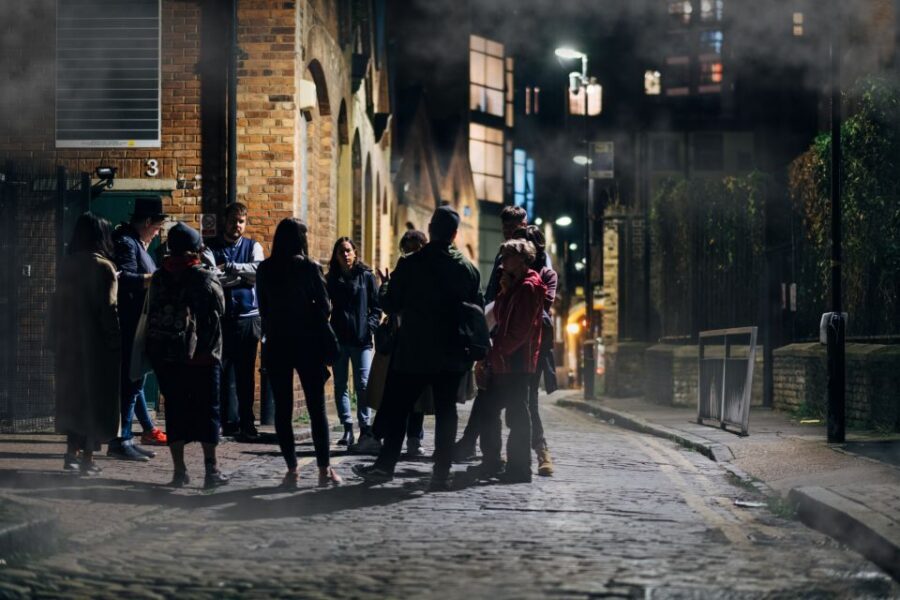
At Mitre Square, the mood often shifts from “where it happened” to “how people reacted.” This is where guides tend to focus on investigative thinking—what investigators considered, what evidence was found, and why certain theories stuck.
What you’re really looking for here is the logic behind the rumors. The tour talks about photographic evidence and the investigation in a way that helps you understand what was actually available at the time.
And because the case is still unresolved, you’ll hear theories about alleged perpetrators. That can be fun, sure, but the best guides keep it respectful and grounded: this is what people argued, and here’s what might make a theory plausible or weak.
Brick Lane: Sherlock Holmes Comes Into the Conversation
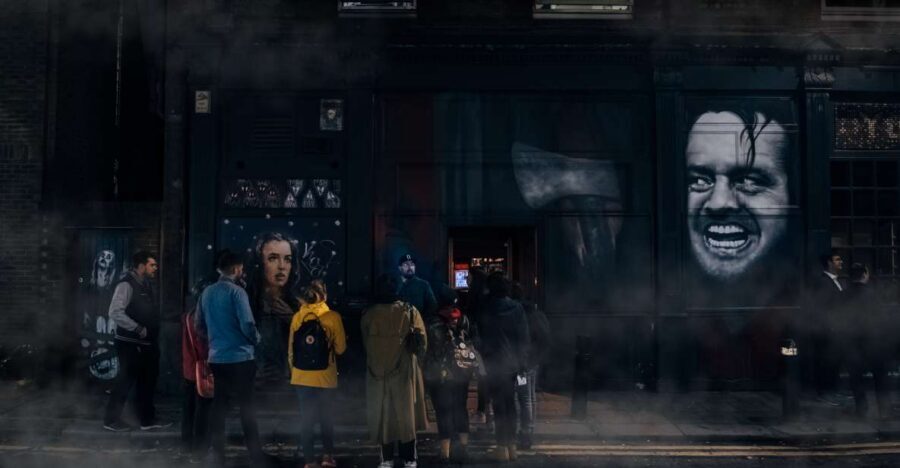
Brick Lane is a smart stop for one big reason: it connects Whitechapel’s story to the wider cultural imagination. The tour brings in the inspiration and context behind Sherlock Holmes, showing how Victorian crime writing grew out of a world like this one.
This section is especially useful if you’re the type who loves the mythology but wants a clearer origin story. You’ll see how public fascination with crime, mystery, and detection grew alongside the realities of a changing London.
It also helps you understand why Jack the Ripper became so powerful as a cultural symbol. Not only because the crimes shocked people, but because questions kept hanging in the air—questions your guide will keep returning to as you walk.
Petticoat Lane: Poverty, Daily Life, and Why Whitechapel Was Chosen
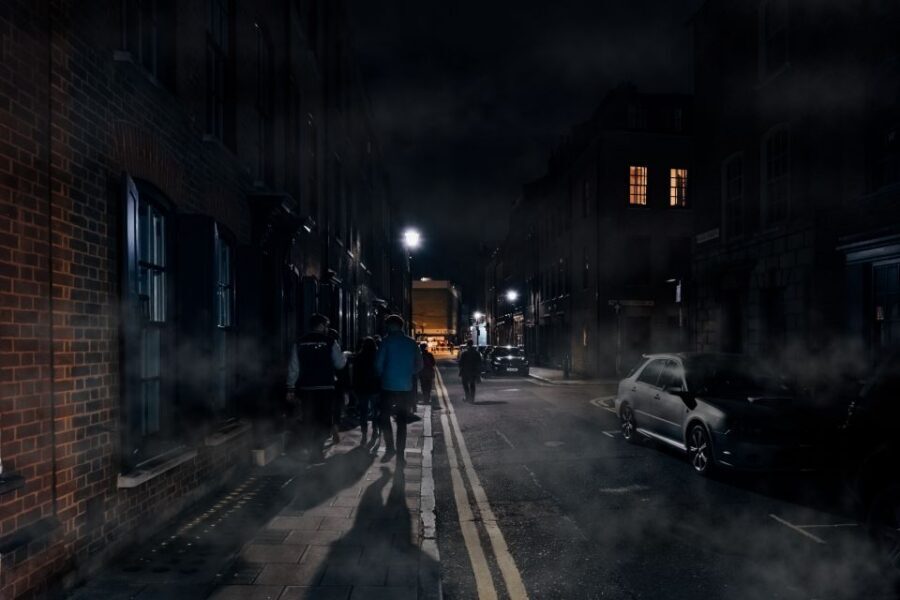
At Petticoat Lane, the tour slows slightly in spirit. This is where the conversation often lands hardest on everyday life in Whitechapel: hardship, limited options, and the way an impoverished neighborhood shapes vulnerability.
The tour is built to answer questions like why the killer chose Whitechapel, whether Jack was close to being caught, and where evidence turned up. Instead of treating those as trivia, you’ll hear them framed as detective problems tangled with social reality.
This section tends to be where I notice people paying closer attention. It’s not because the story gets more sensational. It’s because the guide gives the case a spine: the neighborhood’s conditions make the investigation’s challenges easier to understand.
Ten Bells Spitalfields: The Ending That Stays With You
The tour finishes at The Ten Bells Spitalfields, and ending here feels right. It’s a natural place for the story to land, because the name itself carries weight in Ripper culture—and because pubs were social hubs in that era.
This finale gives you a chance to absorb what you heard. If you came in thinking the tour would be pure mystery, you’ll likely realize it’s also a human story: victims, community, and the messy gaps that still exist in the historical record.
One of the reasons this works as a wrap-up is that you can ask questions right after the walk. If you want your head to keep turning, this is a good moment to press the guide on the theories—especially those built from evidence and investigation details rather than folklore.
The Guides: Storytelling Style That Gets You Through the Cold Parts
The guide is the whole experience. Across many bookings, names like Arlo, Martin Cheng, Nic, Anna, Bettina, Gabby, Ivan, Marc, Andrew, Christophe, Marisol, and Gemma show up in feedback—often with praise for clear delivery, strong audience connection, and lots of follow-up answering.
What consistently comes through in the best sessions is pacing. People mention guides who take their time with the group, keep the walk interesting, and manage questions so everyone can hear. Some also get credit for keeping the mood engaging without turning the topic into cheap theater.
There’s also an important point: several guides are specifically praised for being respectful, including when the content gets graphic. You’ll still get graphic details and visual content, but the delivery tends to be framed as factual and human, not sensational.
Price and Value: $25 for a Full-Strength Story-Walk
At $25 per person for two hours, the value is really about what you’re buying: guided interpretation in the exact streets where the story is set. This isn’t a museum where you read plaques at your own pace. It’s an active walk where the guide explains why certain locations matter.
You also get a “Ripperologist” approach, meaning you’re not just hearing spooky narration. You’re getting evidence discussion, victim context, and suspect theories tied to what was investigated.
Is it cheap? London prices can be wild, so $25 feels fair for the time and the guide skill—especially if you’re serious about crime history or you want something different from the usual sightseeing circuits.
The one trade-off is that food and drinks aren’t included. That’s not a deal-breaker, but it does mean you should plan to eat after, or at least have something light in mind before you start.
Timing, Duration, and How to Get the Most From Two Hours
Two hours sounds short until you’re actually walking and listening in the East End air. The best way to maximize the experience is to arrive ready to listen and ready to ask questions.
Wear shoes you won’t regret after 90 minutes. Dress for the weather, because the tour is outdoors the whole time. And if you know you’ll be distracted by crowds, give yourself a moment at the start to settle into the group position so you can hear without constantly shifting.
If you’re coming with friends, this is also a tour where different people can get different enjoyment: one person might focus on the crime evidence, while another leans into Victorian London life and the Holmes connection. The guide’s job is to hold all those threads together, and the overall feedback suggests they do a solid job.
Who Should Book This Jack the Ripper Tour (and Who Might Skip It)
This tour is a great fit if you want true crime history that stays tied to real places. If you’ve seen the Ripper story in movies and want the street-level context behind it, you’ll likely find it satisfying.
It also suits you if you like guided storytelling with practical explanations. Feedback highlights guides who answer questions well and keep content clear, even when the topic is heavy.
But consider skipping if graphic content is a deal-breaker for you. The tour includes graphic details and visual content, and it’s not intended for children under 12. Also, unaccompanied minors aren’t allowed, so bring adults if kids are in the group.
Wheelchair accessibility is supported, but paths can vary outdoors. If you have limited mobility, it’s smart to plan for uneven public walkways.
Final Verdict: Should You Book?
I think this tour is worth booking if you’re curious about the real Whitechapel backdrop behind the Jack the Ripper legend. The two-hour format makes it focused, and the street stops make the stories feel anchored instead of abstract.
The biggest reason to book is the mix of case facts + neighborhood life. You don’t just get theories. You get context—why the crimes were tied to this area, what evidence was discussed, and how the world of Victorian crime imagination helped shape the detective stories people still love.
If you want light entertainment, this isn’t that. If you want a thoughtful, respectful, street-based mystery story with real history, it’s a strong choice.
FAQ
How long is the London: The Original Jack the Ripper Walking Tour?
The tour lasts 2 hours.
How much does it cost?
The price is $25 per person.
Where do I meet the guide?
Meet your guide at the west entrance to Altab Ali Park, at the large iron arch gate on the corner of White Church Lane and Whitechapel High Street. The nearest Underground station is Aldgate East.
What languages are the tours offered in?
Live guided tours are available in Spanish, Italian, French, English, and German.
Is the tour wheelchair accessible?
Yes, it is listed as wheelchair accessible. Since it takes place outdoors, public paths can have varying conditions.
Is the tour suitable for children?
This tour is not suitable for children under 12. It also contains graphic details and visual content, and unaccompanied minors are not allowed.