REVIEW · LONDON
London: The Great British Rock and Roll Music Walking Tour
Book on GetYourGuide →Operated by Experience Local Ltd · Bookable on GetYourGuide
Walking in Soho with a guitar in your head. This London rock and roll tour strings famous names to real street corners, studios, pubs, and backstreets you’d otherwise pass by. I really like the way the guide keeps the focus on places, not just facts, and it comes with the fun of a musician-style storytelling approach.
My other favorite part is the specific connections to major artists and moments, including where legends like Elton John, Jimi Hendrix, and Eric Clapton got their early start, plus the behind-the-scenes recording stops linked to Bowie and Queen. The one possible drawback: it’s a rain-or-shine walk, so you’ll want shoes that handle wet cobbles and a willingness to stand in the open when the route slows.
In This Review
- Rock and roll focus, with real London street corners
- Finding the meeting point at Centre Point, Tottenham Court Road
- Why this 2-hour walk hits harder than a museum
- Soho and backstreets: where legends started, then multiplied
- Hidden studios and the recording places behind the sound
- The funniest stories: Keith Moon, the Sex Pistols, and pub trouble
- The beer stop: finishing with a real pub vibe and rock-and-roll tales
- Guide style and group energy: what you should look for on your date
- Price and value: what $36 buys you in London sightseeing
- Practical tips that help you enjoy the walk more
- Who should book this, and who might want to skip it
- Should you book the Great British Rock and Roll Music Walking Tour?
- FAQ
- How long is the London Great British Rock and Roll Music Walking Tour?
- What is the price per person?
- Where do we meet the guide?
- Is there pickup or drop-off included?
- Will the tour run in the rain?
- Is the tour suitable for children?
- Is free cancellation available?
Rock and roll focus, with real London street corners
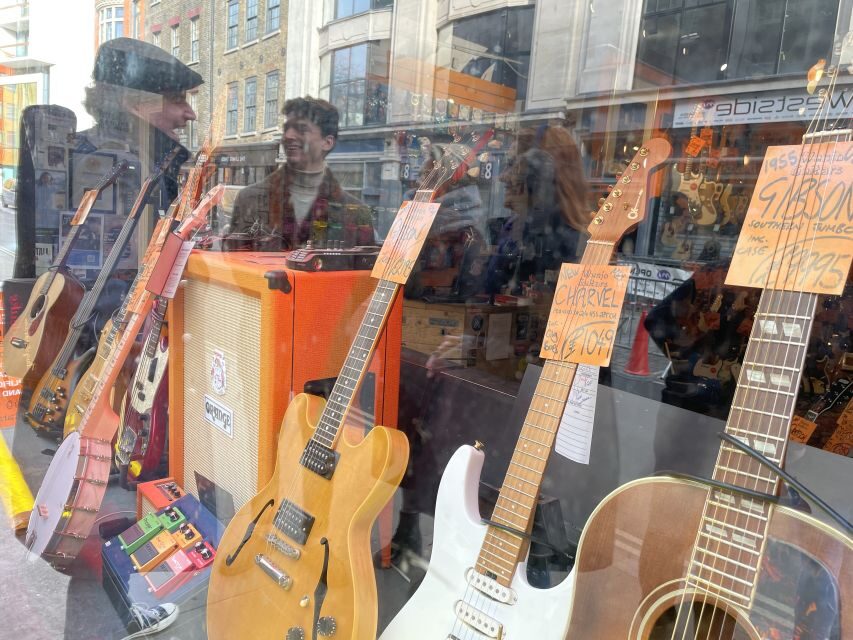
- An outcomes-based route: you leave knowing where major acts began, not just hearing song titles.
- Hidden studio talk: you’ll hear about lesser-known places where big names recorded and performed.
- A guide who tells stories like a performer: the pacing stays lively, with humor and context.
- Pub lore in the mix: you’ll hear why certain celebrities were seen as troublemakers in their day.
- A simple, tight 2-hour format: it’s long enough to connect dots, short enough to fit any itinerary.
- A proper local finish: the tour ends with a beer at a pub steeped in rock-and-roll culture.
Finding the meeting point at Centre Point, Tottenham Court Road

Your tour starts in a very easy-to-navigate zone: Centre Point at The Now Building (WC2H 8LH). You’ll spot your guide because they’re holding an open umbrella beneath the large digital screens. If you’re coming by Underground, this is directly outside exit 4 at Tottenham Court Road Station.
That matters more than it sounds. Central London tours can be a scavenger hunt when the group is late or when the “meet here” landmark is vague. Here, the combination of digital screens, Centre Point, and the umbrella is designed to reduce that stress. Aim to arrive a few minutes early so you can get oriented before the group locks in.
Tip: take a second before you leave your hotel to confirm which Underground entrance you’re using. Tottenham Court Road has multiple exits, and you’ll save time by targeting the right one.
You can also read our reviews of more walking tours in London



Why this 2-hour walk hits harder than a museum
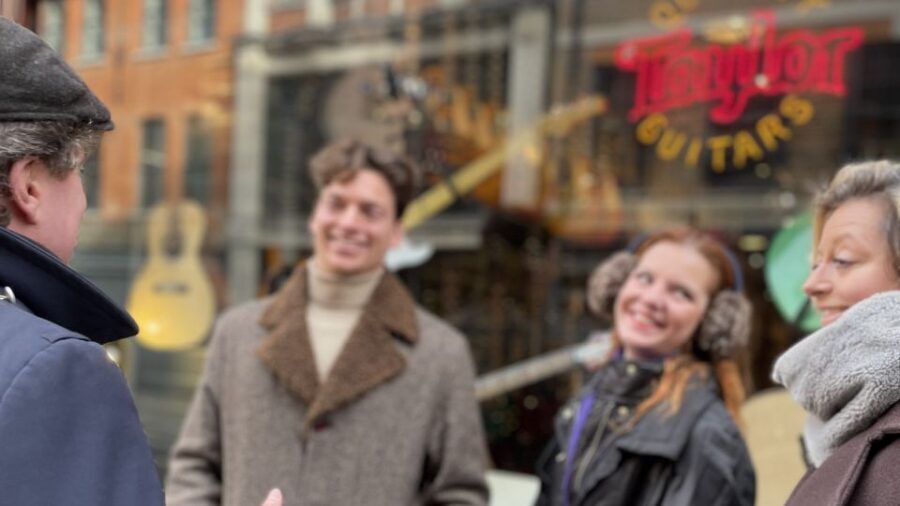
This isn’t the kind of tour where you stand in front of a plaque for forty-five minutes and hope the story sticks. The pitch is simple: you walk the streets where rock and roll first took shape, and you connect the legends to the actual places they played, recorded, and lived around.
The best part of that approach is how it changes your brain from passive to active. You’re not just absorbing names. You’re looking at a streetscape and asking why an artist would be here, why a venue mattered, and how London’s scene shaped a sound that then spread worldwide.
From the lineup of artists mentioned for this route—The Rolling Stones, The Beatles, Led Zeppelin, Pink Floyd, and more—you can tell the tour tries to trace a timeline across the decades. You get early rock-and-roll origins and then the next waves that built on it.
And because the tour’s theme is British rock and roll, the stories tend to explain the specific London ingredients behind the music: the clubs, the rival crowds, the pubs, and the everyday hangouts where careers turned from rumor to reality.
Soho and backstreets: where legends started, then multiplied
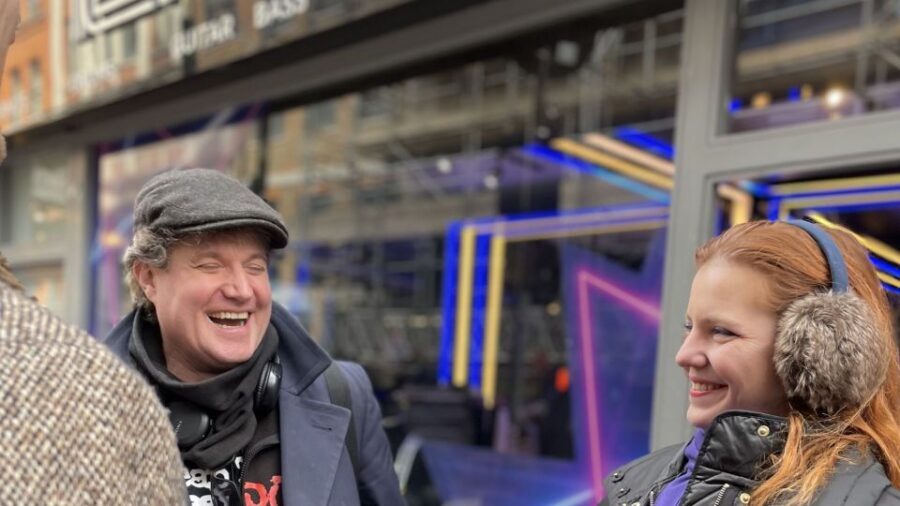
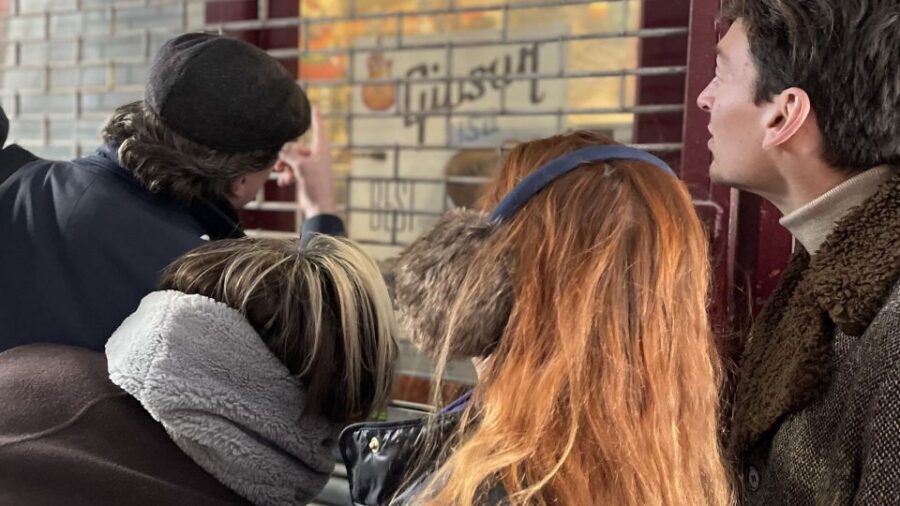
Much of what makes this tour feel different is the focus on the parts of central London that don’t look like “music history” from a distance. The route leans into Soho and surrounding streets, including what the guide calls unseen backstreets.
In plain terms, you’ll get taken off the main drag just enough to feel like you’re seeing the real neighborhoods—not just the postcard version. That’s where a lot of rock-and-roll London mythology lives: in narrow lanes, anonymous-looking storefronts, and venue walls you’d never notice if you were walking to dinner.
The tour also calls out specific early-career links. You can expect stops tied to where major artists such as Elton John, Jimi Hendrix, and Eric Clapton started out. That’s a strong hook if you like the origin story angle: the “before the fame” phase, when musicians were still trying to find their sound, their people, and their next gig.
You’ll also hear about secret rock-and-roll landmarks hidden in plain sight—places that don’t scream celebrity history today, but once mattered to the scene. That’s the kind of sightseeing that actually pays off later when you re-watch live footage and wonder what the room looked like.
Hidden studios and the recording places behind the sound
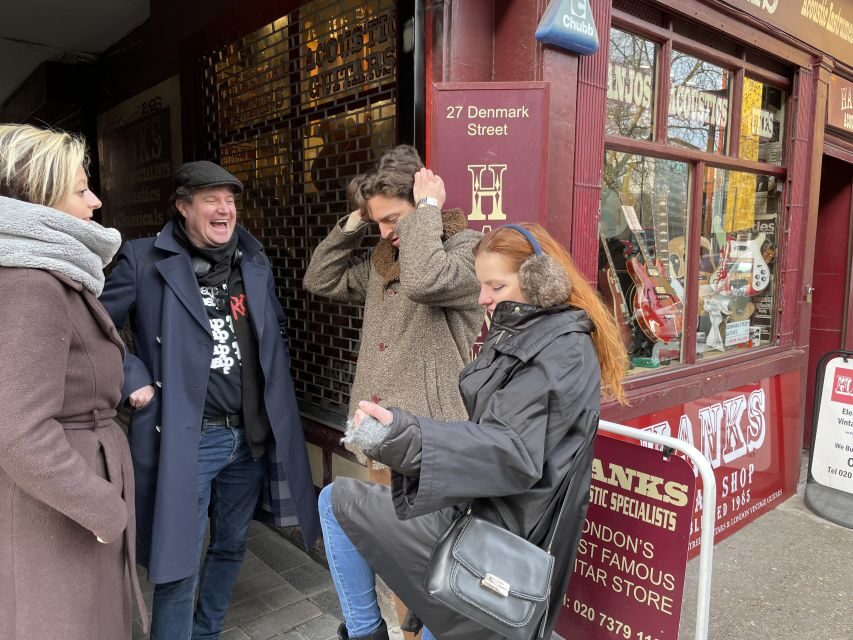
One of the most compelling parts of the concept is the promise of “hidden studios” where famous artists recorded and performed. You’re not just learning where bands played live—you’re learning that London’s music-making happened in real locations, not some abstract creative ether.
The names tied to these behind-the-scenes spots include David Bowie, Queen, and Jimi Hendrix. That’s useful because it bridges two things you may not connect on your own:
- how the city’s venues fed performers into the studio era
- how studio work fed back into what people wanted to hear next
This part of the walk is also a good reminder that rock history isn’t only about stage lights. A lot of the magic happens in rehearsal rooms, session spaces, and the “in-between” places where the work gets done before the public sees it.
If you like trivia, you’ll probably enjoy the way these studio stories get told with sharp detail. And if you don’t care about trivia, the studio angle still helps you understand why London became a magnet for artists: it wasn’t just nightlife. It was an ecosystem.
The funniest stories: Keith Moon, the Sex Pistols, and pub trouble
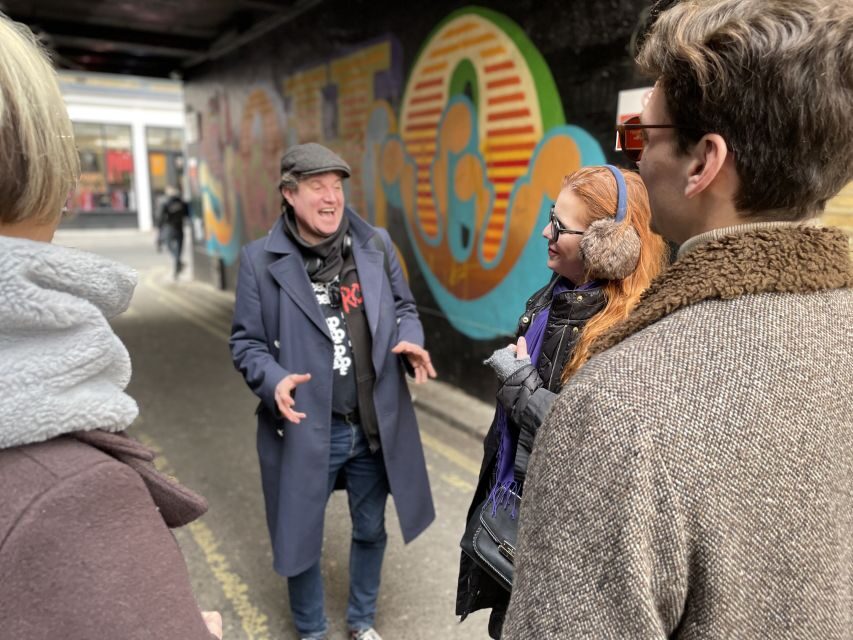
Rock-and-roll legend can turn into pure mythology if the facts aren’t grounded. This tour avoids that trap by mixing big names with the messy human side of the era: drinking, reputation, and trouble.
A couple storylines that really define the tone are included in the tour theme:
- why Keith Moon was reportedly barred from so many pubs
- why the Sex Pistols had such a bad reputation
That kind of storytelling does two things well. First, it makes the artists feel like actual people rather than untouchable icons. Second, it helps you understand why London’s scene had boundaries. Some venues embraced chaos; others wanted customers with fewer problems.
This is also where your guide’s musician background shows. The tour is designed for humor, but it’s not random jokes. The best guides use stories to explain social context: who had status, who was trying to prove themselves, and how quickly fame could turn into friction.
If you enjoy hearing how counterculture gets policed—by landlords, rival gangs, or even just annoyed regulars—this is the portion that tends to land hardest.




The beer stop: finishing with a real pub vibe and rock-and-roll tales
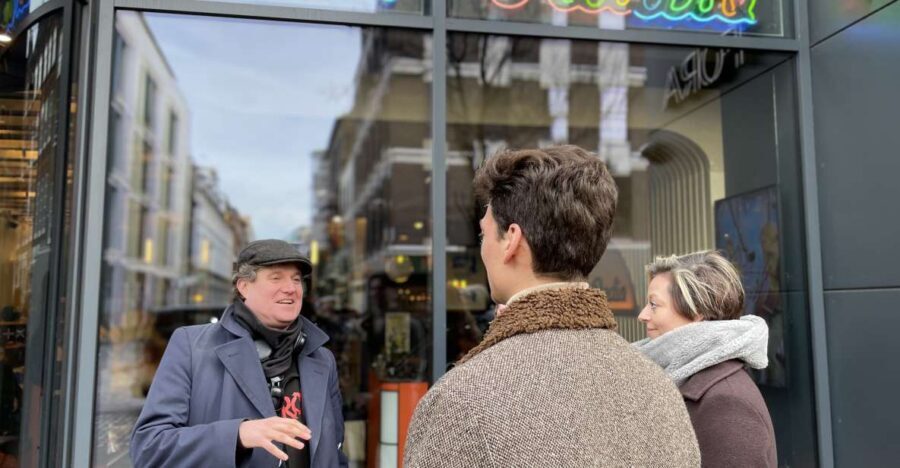
Every walking tour has a “last stop” moment. Here, the finish is intentionally social: you end with a beer at a local pub with rock-and-roll history.
The tour theme points to a place rooted in the era’s culture, and some stories tied to the mythos include references like the Ship Tavern. There’s also mention of John Lennon and Keith Moon frequenting a pub—so even if you don’t know the venue lore, you’ll leave with a stronger sense of what “hanging out” meant in that scene.
Practically, this ending is smart. After two hours of walking, you get a chance to cool down, compare notes, and ask questions without the pressure of moving on immediately. And if you’re traveling in a short window, this pub finish gives you a natural waypoint for the rest of your evening.
One practical note: choose a pace that keeps you comfortable until the end. A beer helps, but it won’t fix tired feet.
Guide style and group energy: what you should look for on your date
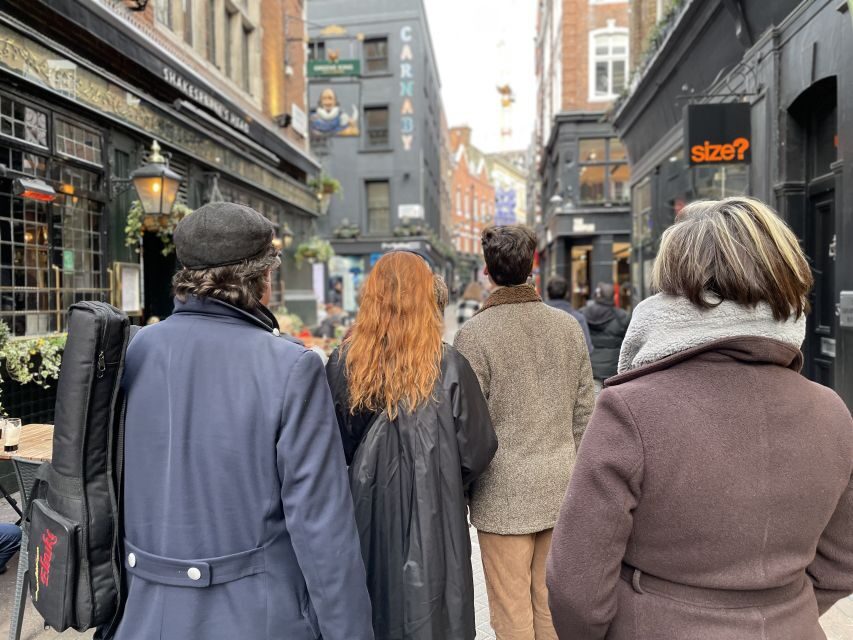
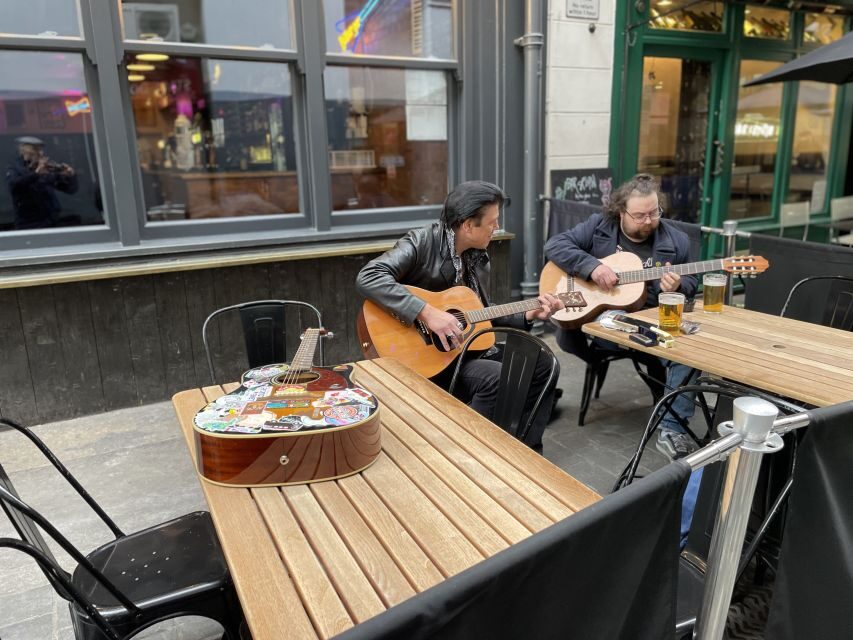
The tour includes a live guide, and the whole setup is built around humor + storytelling. The company emphasizes that your guide is also a professional musician, and that fits what many guests highlight: the stories feel animated, and the guide keeps asking light questions to keep the group engaged.
You might encounter guides with names like Danny, Henry, Tom, Al, Calum, Jack, and Alan. Different guides have different personality styles, but the common thread is that they tie each stop to a reason it matters.
If you care about how a tour feels, not just where it goes, that’s the differentiator here. A strong guide can turn a street corner into a scene from a film, and you’ll notice the difference between a lecture and a performance.
Also, group size can vary. Some outings seem to get small, even very small, which tends to make the conversation feel more personal. If you like Q&A and interaction, you’re more likely to get it on those dates.
Price and value: what $36 buys you in London sightseeing
At $36 per person for a 2-hour walking tour, this sits in the “good value” zone for London, where short experiences can cost a lot and often feel too general. This one justifies the price by focusing on three things you can’t easily recreate on your own:
- the specific locations tied to major artists
- the backstage/hidden studio angle
- the story thread that connects legends to venues and pub culture
You’re paying for interpretation as much as you’re paying for walking. The guide does the job of turning street locations into a coherent narrative. Without that, you could still browse sites online—but you’d probably miss the connective tissue that makes the history feel like a living scene rather than a list of names.
And because it’s only two hours, the cost per hour doesn’t look scary compared to longer London tours that include more sitting. This format fits people who want something meaningful without losing half a day.
Worth noting: there’s no pickup and drop-off. That’s normal for a walking tour, but you’ll want to plan your start and end so you’re not rushing across town right after.
Practical tips that help you enjoy the walk more
You already have the headline advice: comfortable shoes. I’d add a few real-world tweaks that match the way this tour is described.
- Wear shoes you’d happily walk on if it’s damp. The tour runs rain or shine, so you’ll want grip.
- Bring a light layer. London weather can change fast, and walking keeps you warm until you stop.
- If you’re a music fan, decide what you’re most interested in before you start. Are you chasing early careers, studio stories, or pub-era chaos? It helps you “tune in” to the tour as it moves.
Also, if you’re hoping for post-tour follow-up like playlists or extra reading, you might find your guide offers that kind of add-on. It’s not guaranteed from the core tour description, but it’s part of the guide style that comes up.
Who should book this, and who might want to skip it
This tour is a strong fit if you:
- love British rock and roll and want the London geography behind the songs
- want a short walking plan that still feels story-driven
- enjoy humor and celebrity-era gossip as context, not just star names
It may not be the right fit if you:
- hate walking long stretches in open air (the tour is rain or shine)
- want quiet, low-energy sightseeing (this is built for lively storytelling)
- are traveling with kids under 15 (the tour isn’t suitable for them)
If you’re on a first London trip and you want one “theme tour” that adds personality to your city time, this is a solid choice.
Should you book the Great British Rock and Roll Music Walking Tour?
I’d book it if you want London sightseeing that feels like a soundtrack you can walk through. For $36, the value comes from the way the guide ties famous names to specific places, then makes the era feel real with pub-lore humor and studio behind-the-scenes stories.
Skip it only if you’re not interested in the rock-and-roll angle at all, or if weather-wet walking is a dealbreaker. Otherwise, this is the kind of tour that makes the next night out in Soho feel more loaded with meaning.
If you’re torn, I’d choose it for day-one or day-two of your trip. You’ll spot the themes as you explore on your own afterward, and the city will start to connect in your head.
FAQ
How long is the London Great British Rock and Roll Music Walking Tour?
It runs for 2 hours.
What is the price per person?
The price is $36 per person.
Where do we meet the guide?
Meet at The Now Building, Centre Point, London WC2H 8LH, under the large digital screens. The guide will be holding an open umbrella. If you’re arriving by Underground, it’s directly outside exit 4 at Tottenham Court Road Station.
Is there pickup or drop-off included?
No. Pickup and drop-off are not included.
Will the tour run in the rain?
Yes. The tour takes place rain or shine.
Is the tour suitable for children?
No. It’s not suitable for children under 15.
Is free cancellation available?
Yes. You can cancel up to 24 hours in advance for a full refund.