REVIEW · LONDON
London: Jack the Ripper Evening Walking Tour
Book on GetYourGuide →Operated by Meet The Street Tours · Bookable on GetYourGuide
A dark case starts at Aldgate Underground. This 2-hour evening walk takes you through the streets tied to Jack the Ripper, but it does it with strong social context about Victorian working-class life. I especially like the fact that you’re not just hearing the famous names; you’re seeing how poverty, policing, and street realities fed into the story.
The second big win for me is the detective-style approach. You’ll get suspect profiles and chances to ask questions, with the guide keeping the mood eerie but never confusing. One thing to consider: it’s a moderate-walking tour, and crowded, dim streets can make it feel quick if you’re slow on your feet.
In This Review
- Key highlights you will care about
- Aldgate Underground to East End streets: where the case begins
- Victorian working-class life: the real reason the story feels so grim
- Walking the streets tied to the crimes: how the tour keeps it grounded
- Suspect profiles and detective thinking: why you’ll remember more
- The guide matters: what makes George’s style work on the street
- Walking pace, night conditions, and what to wear
- Value check: $33 for a live 2-hour street story
- Who should book this Jack the Ripper evening walk
- Should you book? My practical call
- FAQ
- Where does the tour meet?
- How long is the Jack the Ripper evening walking tour?
- Is the tour mostly walking or mostly sitting?
- Is the guide live and in English?
- How much does it cost?
- Can I cancel if my plans change?
Key highlights you will care about
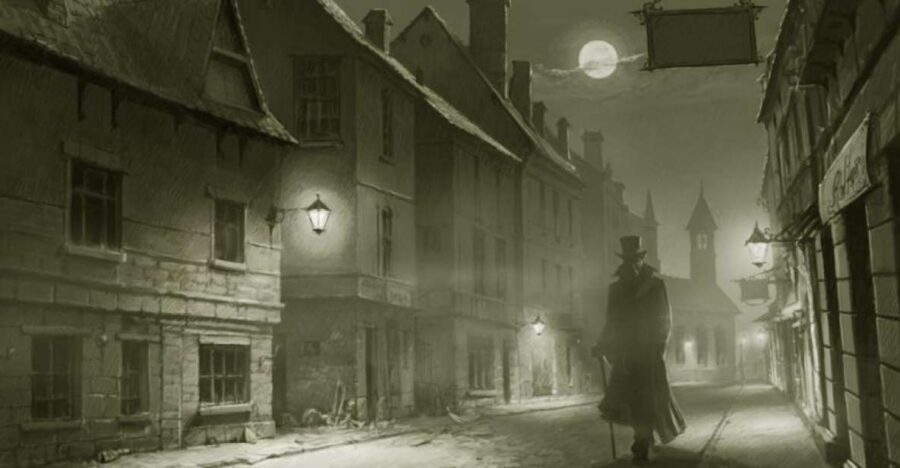
- Aldgate meeting point makes it easy to start your night with transit already solved
- East End street storytelling connects the crimes to 1880s working-class conditions
- Fact vs. fiction focus helps you separate what’s proven from what’s been repeated
- Suspect profiles turn history into a mini detective exercise
- Live English guide with lots of Q&A keeps the group engaged
- A 2-hour pace works well if you want a full evening activity without overcommitting
Aldgate Underground to East End streets: where the case begins
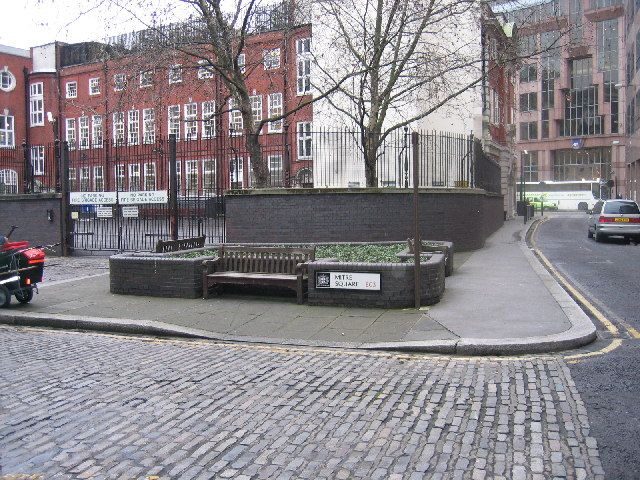
Your night starts at Aldgate Underground station, and that matters more than you might think. It gets you into motion quickly, and it also means you can keep your plan simple: start near transit, do the walk, then head wherever you’re going next without a big detour.
In the early part of the tour, you’ll get the tone set for what you’re about to see. The goal isn’t just spooky theater. The guide frames the setting in terms of everyday street life in the 1880s: cramped neighborhoods, sharp class lines, and an urban system that often left poor people with few options. That context is what makes the rest of the walk click, because you’re not treating the murders like a standalone horror story.
Also, the walking is described as moderate. The route is long enough to feel like an actual stroll through the area, but short enough that the two hours doesn’t drag. If you’re planning dinner after, give yourself a little buffer, especially if the weather is rough or the sidewalks are busy.
You can also read our reviews of more walking tours in London



Victorian working-class life: the real reason the story feels so grim
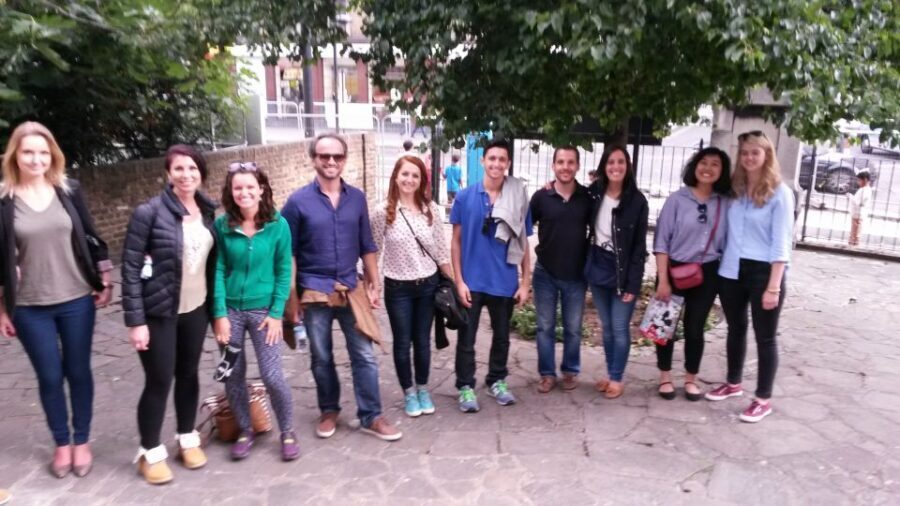
Jack the Ripper is famous for mystery, but the tour keeps dragging you back to the human environment behind it. Expect a focus on working-class Victorian London—specifically the slums and inner-city poverty of the 1880s. This is where the tour earns its value, because it turns the case into something historical and social, not just sensational.
You’ll hear about the darker sides of street life: prostitution, violence, and gin. The details are presented to explain the atmosphere of the time and the pressures people faced, not just for shock value. And that’s the balance that makes the tour worth your money if you like understanding why crimes happened in a particular place, during a particular period.
One small but important thing: the guide also pushes you to separate fact from fiction. London folklore has a way of stacking on top of real events, and the tour’s approach helps you sort what’s backed by the case timeline from what’s been repeated until it sounds true. If you’ve read online theories before, this part is especially handy—it gives you a cleaner foundation to think from.
Walking the streets tied to the crimes: how the tour keeps it grounded
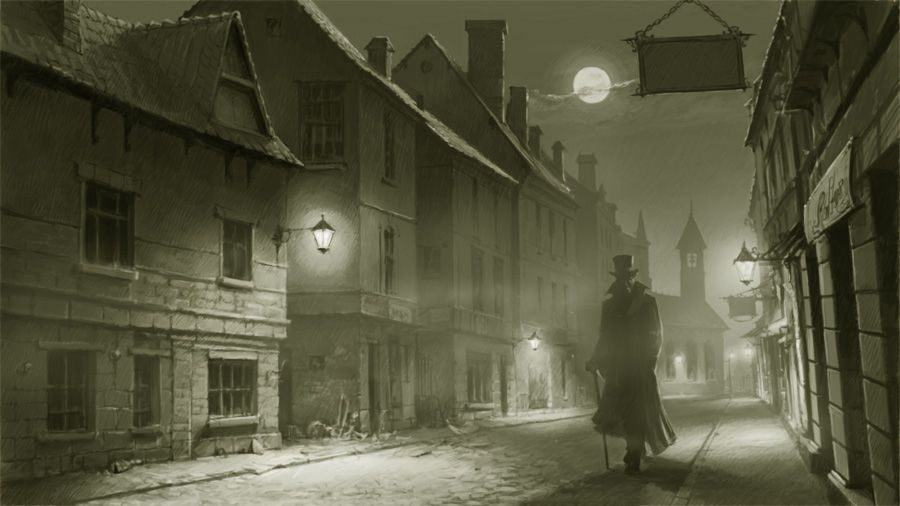
The core of the experience is simple: you walk along the streets where the crimes are connected in the historical record. You’ll move through the East End area with the story told in sequence, so the map in your head starts to form as you go. It’s not just, here’s a plaque, end of story. The guide connects each stop to what was going on around that time—people, conditions, and the kind of environment where danger could escalate fast.
A big part of staying grounded is pacing and explanation. The tour gives enough context to understand why certain places matter, without turning the walk into a nonstop lecture. You also get reminders that this is a case that was never solved in the clean way modern people expect. That uncertainty is built into how the guide tells it, which keeps the story from turning into pure myth.
You’ll also notice how the tour handles the subject matter. It’s described as dark and murderous, so you should expect a serious tone. Still, multiple accounts highlight that the guide keeps it engaging—storytelling with questions and small moments that relieve the tension without disrespecting the topic.
Suspect profiles and detective thinking: why you’ll remember more
One of the most fun aspects here is the detective element. You don’t just listen to theories—you’re given profiles of likely suspects and encouraged to think through who fits the picture. The guide frames it like a case review, so your brain stays active instead of zoning out.
This “play detective” format matters because it changes how you process information. You’re not collecting facts like a spreadsheet. You’re weighing motives and patterns as the story goes. By the end, you’ll likely find yourself comparing what you learned about the area and policing to the suspect profiles in your own head.
Expect a mix of storytelling and interaction. The tour is built to keep you asking questions. Many people call out that the guide invites participation and tests what you think during the walk, which is a great way to check if you’re following the timeline and social context.
If you like crime narratives but hate when tours feel like a one-way show, this part is a strong match. You’re allowed to engage, and that turns a 2-hour evening activity into something that sticks.
The guide matters: what makes George’s style work on the street
A recurring name here is George, and that’s not random. The most praised part of the experience is the guide’s ability to tell the story clearly while keeping it lively enough that you don’t lose the thread in the dark.
What stands out from the accounts: George’s voice carries well, he answers questions, and he stays enthusiastic. He also blends Jack the Ripper with broader London context, which is helpful because it prevents the tour from becoming a single-theme lecture. You get the case, yes, but you also get a better sense of how Victorian London functioned at street level.
There’s another practical advantage: the tour is designed to keep the group together and able to hear. Some people note the importance of hearing clearly in crowded streets, and the strong delivery is part of why the tour gets such high marks. If you’ve ever done a walking tour where the guide is buried in the crowd, you’ll appreciate how this one is paced so everyone can follow.
Language is English, and since it’s a live guide, you can ask real questions instead of hoping an audio recording covers what you care about. That’s a big quality-of-life upgrade on a topic that has lots of competing theories.
You can also read our reviews of more evening experiences in London






Walking pace, night conditions, and what to wear
This tour is about 2 hours, and that’s a sweet spot for a walking experience. Long enough to feel like you’ve actually moved through the area, short enough that you’re not exhausted before the night is over.
Still, it’s an evening walk through streets where it can get crowded. Expect moderate walking, and plan for the fact that night air plus cobblestones plus a story with suspense can make you want to move carefully. If it’s wet, bring footwear you trust on slick pavement. If it’s cold, layers matter because you’re outside for the full duration.
Also, because you’re standing and listening at multiple points, you’ll want to think about comfort, not just style. You’ll likely stop more than once, and listening at street level means you’re not always under cover. A small umbrella or rain jacket is a smart move if the forecast looks questionable.
If you’re coming from dinner or heading to an evening plan afterward, factor in that the tour ends in the same general area you started from in East End terms. That’s convenient, but it’s still a walking activity, not a quick photo stroll.
Value check: $33 for a live 2-hour street story
At about $33 per person for a 2-hour guided walk, the value comes from two things: a live guide and an experience that’s more than “see this, then that.” You’re paying for interpretation—connecting the crimes to real street conditions, policing pressures, and the social reality of 1880s London.
This isn’t a museum ticket where you passively absorb labels. It’s an active guided route, with suspect profiles and room for Q&A. That’s why the reviews lean so hard on engagement and explanations. When a guide can answer questions and keep the pace comfortable, the price suddenly feels fair.
It also helps that the tour has a very strong track record, with a 4.9 rating from 1,449 reviews. A high rating alone doesn’t guarantee quality, but in this case it fits the pattern: clear storytelling, interactive approach, and strong social context.
Who should book this Jack the Ripper evening walk
This tour fits you best if you enjoy true-crime narratives but want them grounded in place and time. You’ll like it if you’re interested in Victorian London beyond the headlines—especially how poverty, street life, and policing shaped what happened.
It’s also a good pick if you like structured “case” thinking. The suspect profiles and detective-style approach are great for people who want to do more than listen.
If you’re sensitive to dark subject matter, go in with eyes open. This is described as involving grisly crimes, violence, prostitution, and gin, and it’s told seriously. You might decide it’s not the best match if you’re bringing younger children or if the topic is a hard line for you.
For everyone else, it’s an easy evening win: you’ll get a clear introduction to the case, a street-level view of the area, and enough interaction to keep it from becoming passive.
Should you book? My practical call
If you want a 2-hour evening activity that blends Jack the Ripper with real context, book it. The biggest reasons: the suspect profiles make it memorable, and the guide style—especially George’s—helps the story stay clear, engaging, and question-friendly.
I’d skip it only if you hate walking at night or if the topic’s darkness feels like too much for your comfort level. Otherwise, $33 buys you a guided East End case review you can’t get from a quick stop at a book or a couple of web pages.
FAQ
Where does the tour meet?
The meeting point is Aldgate Underground station.
How long is the Jack the Ripper evening walking tour?
It runs for 2 hours.
Is the tour mostly walking or mostly sitting?
You should expect a moderate amount of walking.
Is the guide live and in English?
Yes. You’ll have a live tour guide and the tour is in English.
How much does it cost?
The price is $33 per person.
Can I cancel if my plans change?
Yes. You can cancel up to 24 hours in advance for a full refund.