REVIEW · LONDON
Southampton: London via the Cotswolds, Oxford and Pub Lunch
Book on GetYourGuide →Operated by International Friends · Bookable on GetYourGuide
A day that turns a transfer into a real trip. What I love most is the small-group feel paired with door-to-door pickup and drop-off, so you’re not stuck figuring out trains with luggage. The other standout for me is Oxford: a guided walk through the university sights, capped with entry to Divinity School.
You’ll spend the morning in storybook Cotswolds villages and the afternoon in one of England’s most famous academic cities. The tradeoff is time and walking: it’s a 10-hour day with a guided walk in Burford and an on-foot Oxford tour, so comfortable shoes really matter.
Here’s what makes this outing a strong value for the money—and what to watch before you commit.
In This Review
- Key highlights worth centering your plans on
- From Southampton Port to London: fewer transfer headaches, more sightseeing
- Cotswolds villages first: Bibury and Arlington Row at the start of the day
- Burford on the River Windrush: St John the Baptist and a proper pub lunch
- Oxford by foot: the dreaming spires, star buildings, and college spotting
- Divinity School entry: the oldest original purpose-built Oxford structure
- The pacing reality check: 10 hours that need comfortable shoes
- Transportation that actually matters: small-group coach comfort
- Price and value: when $263 feels fair (and when it won’t)
- Who this is best for—and who should consider another option
- Should you book Southampton to London via the Cotswolds and Oxford?
- FAQ
- Where do I meet the guide?
- What time does the vehicle depart?
- How long is the day trip?
- Is this a small-group tour?
- What’s included in the price?
- What about food and drinks besides lunch?
- Which Oxford sites are included?
- What if Divinity School is closed?
- How much time do I have in Oxford on my own?
- What luggage rules should I know about?
Key highlights worth centering your plans on
- Small group (up to 10) keeps the pace relaxed and makes questions easy for your guide
- Bibury and Arlington Row give you classic Cotswolds stone-and-river scenery early in the day
- Burford walk plus St John the Baptist mixes pretty streets with a real sense of place
- Pub lunch happens in an old inn setting with fires and historic stone floors
- Oxford walking tour covers the university’s star buildings and colleges as you move through town
- Divinity School entry adds a focused, must-see stop (with a backup plan if it closes)
From Southampton Port to London: fewer transfer headaches, more sightseeing
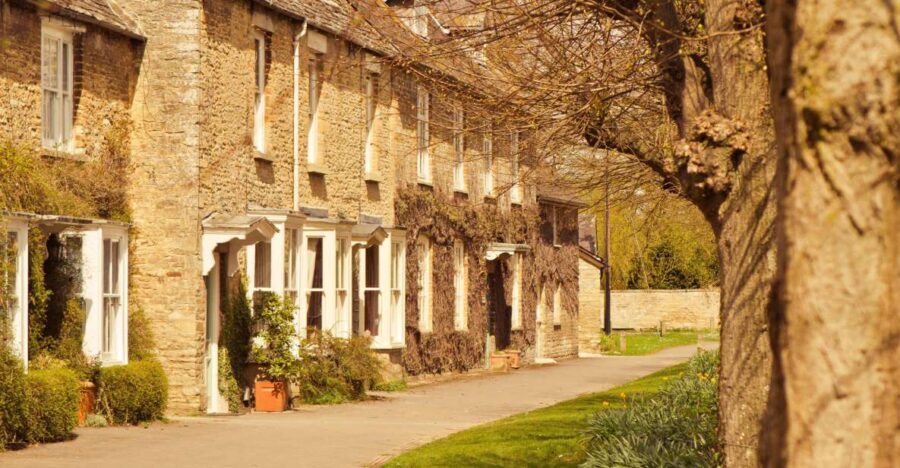
If your cruise docks at Southampton and you need to reach London (often for a flight the next day), transfers can get messy fast. This plan is built to reduce that stress. You meet your driver and guide at 8:00 AM right outside the customs exit of your cruise ship, and the vehicle departs at 8:30 AM. It’s a clean, predictable rhythm—important when you’re managing timing, boarding days, and jet lag.
What I like is that it’s not just “get on a bus.” It’s a guided day that intentionally breaks up the long drive between ports of interest. You’re in the Cotswolds in the first part of the morning, then in Oxford before you get dropped in London near Heathrow airport and designated hotels or terminals.
One practical note: this service is for cruise passengers on specific lines visiting Southampton (including Royal Caribbean, Carnival, Oceania, NCL, Celebrity, Princess, and Disney). If your ship isn’t one of those, the operator says they’ll reach out when dates and times line up. Also, you’ll need to make your own way to the ship they’re servicing that day.
A few more London tours and experiences worth a look



Cotswolds villages first: Bibury and Arlington Row at the start of the day
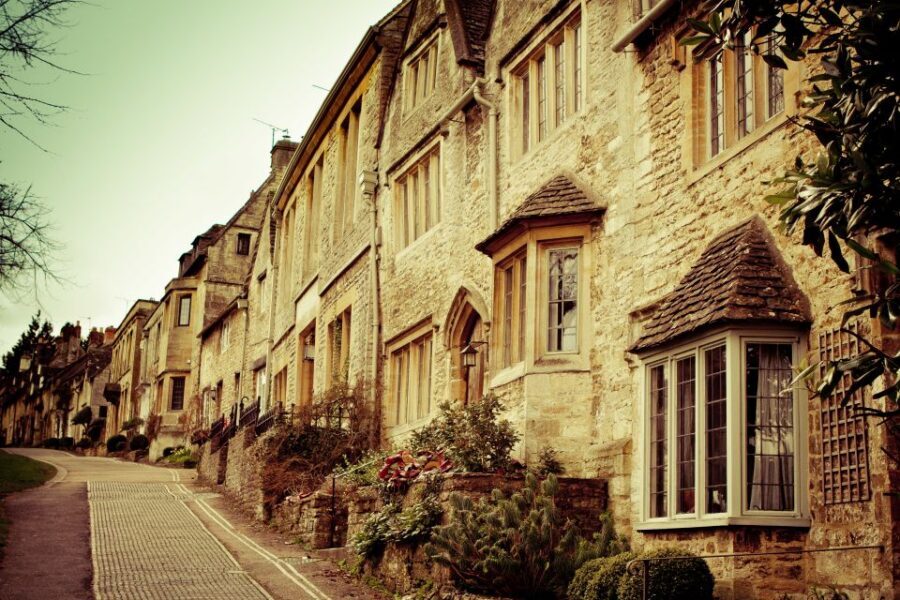
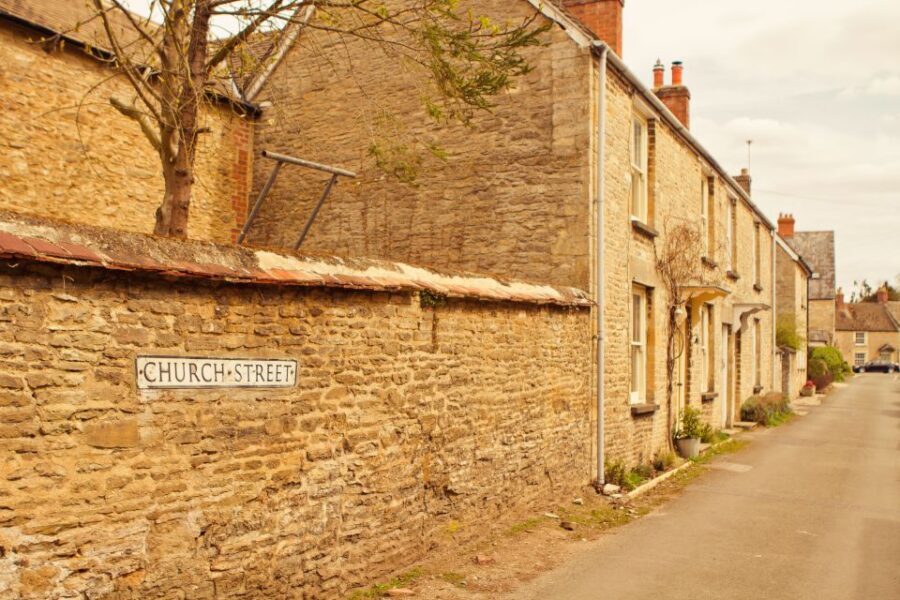
The Cotswolds have a look that’s hard to fake on photos: honey-colored stone, gentle hills, and lanes that feel like they’ve slowed down for centuries. This trip leans into that vibe early, with a stop in Bibury.
Bibury is best known for Arlington Row, the famous row of cottages that people spot on postcards for a reason. Even if you’ve seen it before, being there in person changes it. You get the scale of the buildings, the way the village sits in its valley, and that slightly quiet feeling that makes you want to walk one more street just to see what’s around the bend.
Your guide also frames what you’re looking at. You’ll hear how the area’s wool trade helped shape local history, and how the later decline as a cloth producer contributed to the Cotswolds becoming a kind of sleepy backwater—frozen in time. That’s a useful context. It turns the scenery from “pretty” into “understandable,” so you leave with more than images on your phone.
What to watch: Bibury is a popular stop, and you’ll be in and out on a tight schedule as part of a 10-hour day. Wear shoes you can move in comfortably, and plan to keep your pace steady rather than sprinting from viewpoint to viewpoint.
Burford on the River Windrush: St John the Baptist and a proper pub lunch
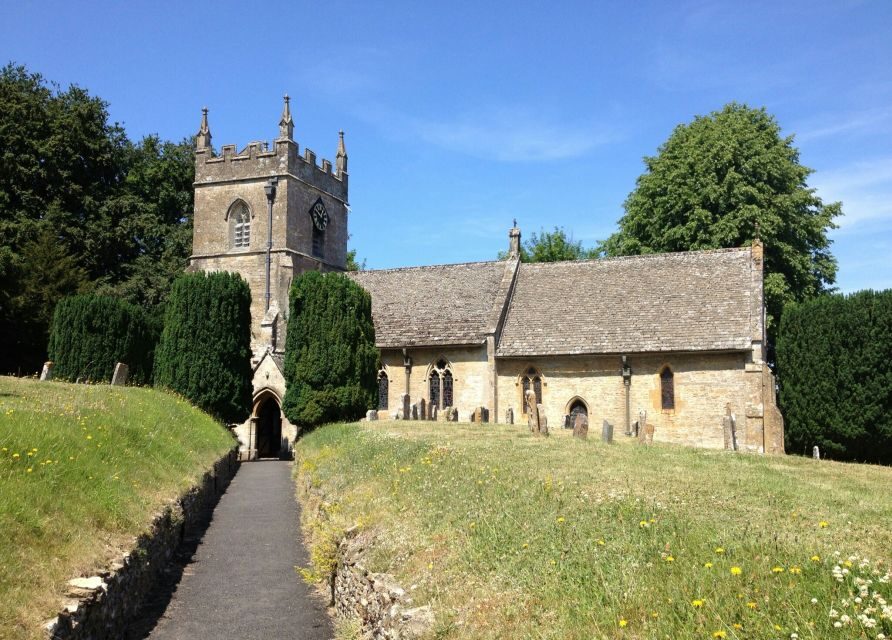
After Bibury, you continue through the Cotswolds with views over rolling hills and meandering lanes. Your next featured village is Burford, where you’ll have a guided walk through town. Burford’s old stone cottages feel like they cascade down toward the River Windrush, which is exactly the kind of detail that makes the Cotswolds feel cinematic.
During your walk, you can see St John the Baptist, an ancient church that helps anchor the village in something older than tourism. Even if you’re not a church person, the guide’s storytelling tends to make it make sense—how these communities grew, what mattered locally, and why stone buildings still dominate the look.
Then comes lunch, which is more than a checkbox. You’ll eat in a traditional pub setting in an old building: the description calls out an inn/tavern built in 1402, with the feel of historic floors and wood fires. That matters because your day’s focus shifts here. The drive and village walks can start to blur together—lunch is the reset button.
From the feedback I’ve seen, the lunch consistently lands as a highlight. Several people specifically call out excellent food, including chicken, and the overall “this was really good” factor. If you’re thinking, Why does pub lunch matter?—it matters because it’s the difference between a day that feels rushed and one that feels like someone planned your needs.
Small caution from the real world: one account mentioned a restroom issue in-town that wasn’t working as expected, and the guide found an alternate indoor place (inside the library) to use facilities. That’s not a pattern you can count on, but it’s a reminder to not treat restroom access as guaranteed at every stop. If you’re sensitive to timing, plan for water and breaks like a grown-up.
Oxford by foot: the dreaming spires, star buildings, and college spotting
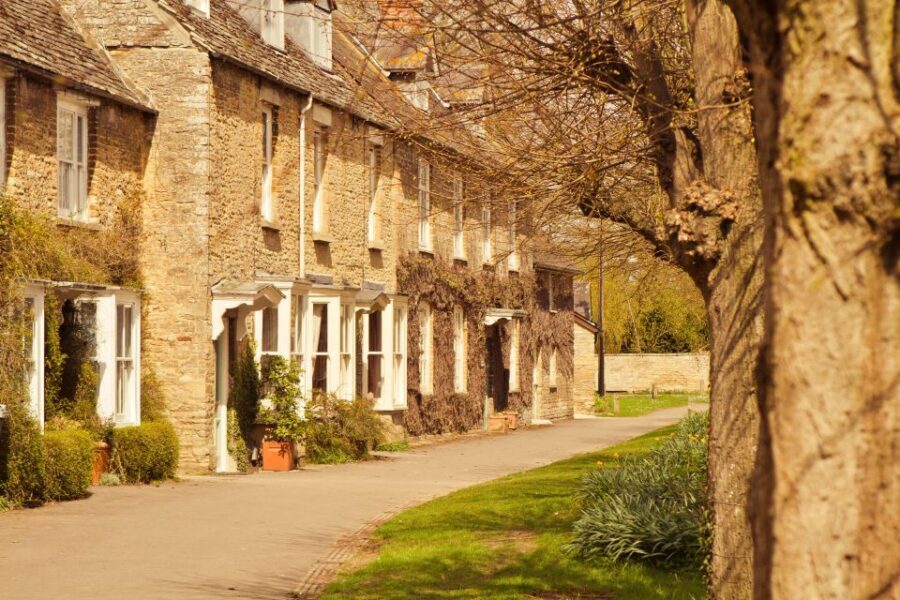
Oxford on a same-day transfer is always a balancing act: you want the highlights without turning it into a 6-hour sprint. This tour gives you about an hour walking tour in Oxford with your professional guide, plus free time at the end to explore on your own.
What I like about the Oxford approach is that it’s guided in a way that helps you “read” the city. You’ll walk past major university features and learn how the university world works—close to the buildings, not just from across a street.
You’ll be steered through the parts that define Oxford in the imagination: cloisters, quadrangles, cobblestone squares, and the famous spires people talk about like they’re a skyline category. The tour includes stops and/or passes by major sights such as the Bodleian Library, Radcliffe Camera, and Sheldonian Theatre. Your guide also points out selected colleges—places like Christ Church, Merton, Oriel, Corpus Christi, Magdalen, University, Queens, All Souls, Hertford, Trinity, Balliol, and St John’s come up during the walk.
There’s a helpful bit of big-picture context too: Oxford is England’s oldest university, founded in 1167, and it has 38 independent, autonomous colleges. Getting that in your head before you stroll makes the place feel structured rather than random.
What to watch: the Oxford portion is on foot. More than one person noted that the walking can be a lot, especially if you have mobility limits. If you use a walker or wheelchair, the operator asks you to contact them in advance with dimensions and weight, and they note these items must fold and fit in the luggage hold.
Divinity School entry: the oldest original purpose-built Oxford structure
The Oxford walking tour includes entry to Divinity School. The key detail here is what it represents: it’s described as the oldest original purpose-built structure of the university. That’s the kind of fact that makes a visit feel specific instead of generic.
You’ll appreciate this most if you’re the type who likes to connect architecture to what an institution does. Divinity School isn’t just a pretty room. It’s part of how Oxford formed and functioned in its early days, and it gives you a “real” stop where you can slow down from the outdoor college spotting.
There’s also a practical contingency built in: the description says Divinity School may close on short notice. If that happens, the tour includes a visit to an alternative college if available. That’s worth taking seriously. If this particular interior stop matters a lot to you, mentally prepare for the idea that Oxford can be unpredictable day-to-day, even when everything else runs smoothly.
You can also read our reviews of more drinking tours in London






The pacing reality check: 10 hours that need comfortable shoes
This is a 10-hour day, and it’s full. You’re not just riding in a comfortable coach while scenery passes by like a screensaver. You’ll do guided walks (Burford) and a guided on-foot experience (Oxford). You’ll also have a lunch stop and time to explore.
From feedback, the experience tends to feel smooth when you’re physically comfortable and ready to move at a steady pace. One person described it as a relaxing day even on a small vehicle, while another mentioned that they didn’t complete the Oxford tour due to walking volume but still enjoyed the day.
So here’s my direct advice: plan for walking time even if you think you can “power through” once. Bring comfortable shoes, and wear weather-appropriate layers since you’re outside for portions of the day.
Also remember this is timed to cruise schedules. Your pickup is set at 8:00 AM, with departure at 8:30 AM, so you’ll want to be ready earlier than you think. If your ship involves last-minute delays, you’ll still want buffer time.
Transportation that actually matters: small-group coach comfort
Transportation can make or break a day like this. A long drive plus multiple stops means you’ll spend real time in the vehicle. This tour uses a luxury coach and keeps the group to a small size (limited to 10 participants).
What I see consistently in the feedback is appreciation for punctuality and driver quality. People report that the tour ran on time, and drivers were friendly and safe. One person even highlighted the driver’s skill maneuvering the bus around tight spots.
There are also guide names mentioned in the reviews, which is a good signal that the guiding varies little in quality. Nigel gets called out multiple times for being funny and very knowledgeable, and there’s also praise for guides like Michael and Marek Winter. Drivers named include Florian, Tony, Henry, and others. Since names can’t be guaranteed, what you can take from this is that the experience often feels led by someone who knows how to explain places without turning them into a lecture.
My practical tip: if you’re the type who learns best by asking questions, the small group setup is a huge advantage. In a crowd, you’d be waiting your turn. Here, you can actually talk.
Price and value: when $263 feels fair (and when it won’t)
At $263 per person, this isn’t the cheapest way to get from Southampton to London. But it’s also not just a transport service pretending to be a sightseeing day.
Here’s what’s included:
- Port pickup and drop-off at airport terminals, selected hotels, and train stations
- Transportation during the activity
- A tour guide
- Lunch
- Entry to Divinity School
Add up what those usually cost separately in time and planning. You’re paying for one organized day that handles the hard parts: timing the transfer, getting you to multiple stops, guiding your walking time, and covering an Oxford admission that isn’t just “look from outside.”
So when does it feel worth it?
- If you want a proper Cotswolds day without renting a car
- If you like guided context (wool trade, Oxford university structure) rather than aimless wandering
- If you’d otherwise be tired from logistics and want to keep the day smooth
When might it feel high?
- If you’re happy doing DIY transport and only care about one city
- If you’re limited by walking and need a more relaxed plan (because you’re still signing up for a scheduled day with guided movement)
Who this is best for—and who should consider another option
This works really well for:
- Cruise passengers who want to turn a transfer day into a highlight
- People who want Oxford with structure, not just a quick stop at one landmark
- Families or pairs who prefer a small-group pace over large bus tours
- Anyone who enjoys the Cotswolds’ village look and wants the wool-trade context that explains why the region looks the way it does
It might not be the best fit if:
- You need minimal walking. Oxford alone plus Burford’s walk can be a lot in a 10-hour block
- You hate time-bound schedules. This is organized and paced; you won’t wander whenever you feel like it
- You want multiple long stops in each town. This day is built for variety, not extended hanging out
If you’re somewhere in the middle—curious but cautious—tell yourself it’s a day of highlights with some walking. Then pack accordingly.
Should you book Southampton to London via the Cotswolds and Oxford?
I’d book it if you want a day that feels like England, not just a transit task. The combination of Bibury, Burford, a real pub lunch, and guided Oxford—plus Divinity School entry—is a strong package for people who have limited time and don’t want the stress of piecing it all together.
I’d hesitate only if walking is a clear problem for you or if the timing of your flight or onward plans makes a longer day risky. For most people with solid mobility and a curiosity for both countryside and academia, this is the kind of trip that turns a cruise exit into a memory worth keeping.
FAQ
Where do I meet the guide?
You’ll meet the tour guide starting at 8:00 AM outside the customs exit of your cruise ship (for ships operated on the listed cruise lines).
What time does the vehicle depart?
The vehicle departs at 8:30 AM, so you should be at the vehicle at least 15 minutes early.
How long is the day trip?
The experience runs for 10 hours.
Is this a small-group tour?
Yes. It’s limited to a small group of up to 10 participants.
What’s included in the price?
Transportation during the activity, a tour guide, lunch, and entry to Divinity School are included, along with port pickup and drop-off at selected locations.
What about food and drinks besides lunch?
Only lunch is included. Food and drinks other than lunch are not included.
Which Oxford sites are included?
You’ll do an hour walking tour of Oxford that includes major sights such as the Bodleian Library, Radcliffe Camera, and Sheldonian Theatre, and the tour includes entry to Divinity School.
What if Divinity School is closed?
The Divinity School may close on short notice. If that happens, the tour includes a visit to an alternative college if available.
How much time do I have in Oxford on my own?
You’ll have free time in Oxford at the end of the guided portion to explore at your own leisure.
What luggage rules should I know about?
You’re allowed a maximum of 2 hold luggage items (each up to 75x51x28 cm and 23kg) and 1 carry-on item (up to 55x40x20 cm and 10kg). Mobility aids like wheelchairs or walkers must be reported in advance with dimensions and weight. Extra luggage that doesn’t fit in the vehicle may require separate transport.