REVIEW · LONDON
London: Medieval History Walking Tour from The Tower
Book on GetYourGuide →Operated by The Sights of London Tour · Bookable on GetYourGuide
Tower Hill to St Paul’s in one smooth walk is a great way to see medieval London’s power in daylight. This 2-hour medieval history route ties together the castle, the river, and the city’s biggest institutions, with an expert guide talking you through why these places mattered. You’ll pass major hits like the Tower of London and Shakespeare’s Globe, but you also get time on the lesser-noticed corners that make the whole medieval story click.
I especially love how the guide turns famous sights into cause-and-effect history: politics, religion, and everyday life connect across the river and along the water. I also like that stops feel practical for the time you have, including a walk that covers engineering (Tower Bridge), war memory (HMS Belfast tied to D-Day), and literature-theatre (Shakespeare’s Globe). Many departures are led by Mick Priestly, and his style—clear answers, lots of context, and even archive photos—comes through again and again in the way people describe the tour.
One caution: this is real walking in all weather, so if you’re not keen on standing and moving for two hours, plan your footwear accordingly. Expect rain or shine, and bring clothing that won’t make you miserable when the wind off the Thames picks up.
In This Review
- Key Takeaways Before You Go
- Tower Hill to Tower of London: start where power lived
- Tower Bridge engineering lesson: why the river mattered
- HMS Belfast and the Thames edge: from medieval to modern
- Borough Market and Southwark: trade, faith, and the other side of the river
- Golden Hinde and Shakespeare’s Globe: ships, drama, and London’s storytelling
- Winchester Palace, Millennium Bridge, and St Paul’s: ending with scale
- Price and pacing: is $24 worth it?
- What to bring and how to get the most out of the walk
- Should you book this Tower-to-St Paul’s medieval walk?
- FAQ
- How long is the London: Medieval History Walking Tour from the Tower?
- How much does the Tower-to-Thames medieval history walking tour cost?
- Where do I meet the guide?
- What are some of the main places the walk includes?
- Does the tour run in bad weather?
- Is the tour wheelchair accessible?
- What should I wear or bring for this walking tour?
- If I need to change plans, is there a refund?
Key Takeaways Before You Go
- Tower Hill start puts you right in the zone where London’s medieval power began.
- Tower Bridge crossing is paired with a build-and-purpose explanation, not just a photo stop.
- HMS Belfast connects the Thames to 20th-century history, including D-Day landings.
- Southwark and Borough Market area helps you understand the city’s religious and commercial life on the riverfront.
- Shakespeare’s Globe + Thames walk ties medieval and early modern London together through culture.
- Finish at St Paul’s gives you a big “look up” moment at the end of the walk.
Tower Hill to Tower of London: start where power lived
The tour begins outside the western exit of Tower Hill tube station, near Trinity Square and The Citizen M Hotel, by the Tower Hill Tram burger van. Your guide carries a flagpole with a flag flying, so you’re not hunting around with a confused face.
From there, you get pulled into the medieval mindset fast. Tower Hill is close enough to feel like you’ve stepped into the defensive geography of medieval London rather than just reading about it. Once you’re at the Tower of London, the tour includes a guided look, so it’s not only exterior sightseeing. This stop works because the Tower isn’t just one story—it’s a symbol of control, fear, and administration that shaped the river-side city around it.
You’ll likely hear how the Tower’s 1,000-year history shaped who had power, where that power was enforced, and how the city functioned day to day. I like that this isn’t treated like a museum lecture. Instead, the Tower becomes the reference point for everything you see later along the Thames, especially once you start crossing and moving into Southwark.
You can also read our reviews of more walking tours in London



Tower Bridge engineering lesson: why the river mattered
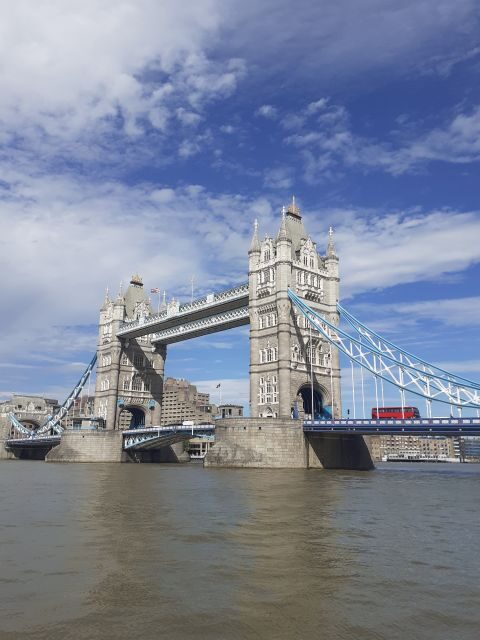
Next up is Tower Bridge. This is one of those London sights where people rush for pictures, but on this walk you get a focused explanation of how it was built and why it needed to exist in the first place. The Thames here isn’t just scenic—it’s practical. It carried trade, people, and ships that had to pass through a city built around the water.
Crossing the bridge also changes your perspective. Half the value is visual: you get river views and the skyline context you’d miss if you only visited inside a single landmark. The other half is the story-linking. Your guide connects the bridge’s purpose to the broader medieval theme of moving power through infrastructure—walls, crossings, and access points.
A plus for photo lovers: you’ll have several natural angles while crossing. Bring your camera, but also keep an eye on what the guide is saying about the bridge’s function so you’re photographing with context, not just aesthetics.
HMS Belfast and the Thames edge: from medieval to modern
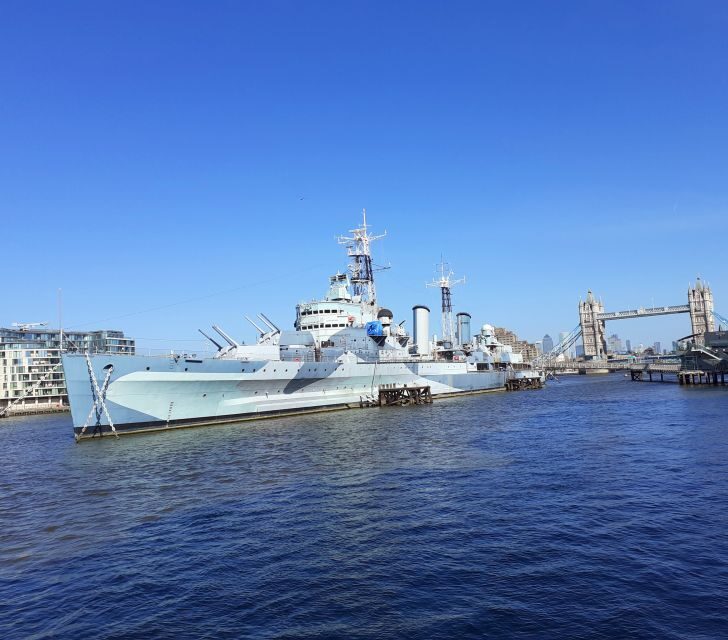
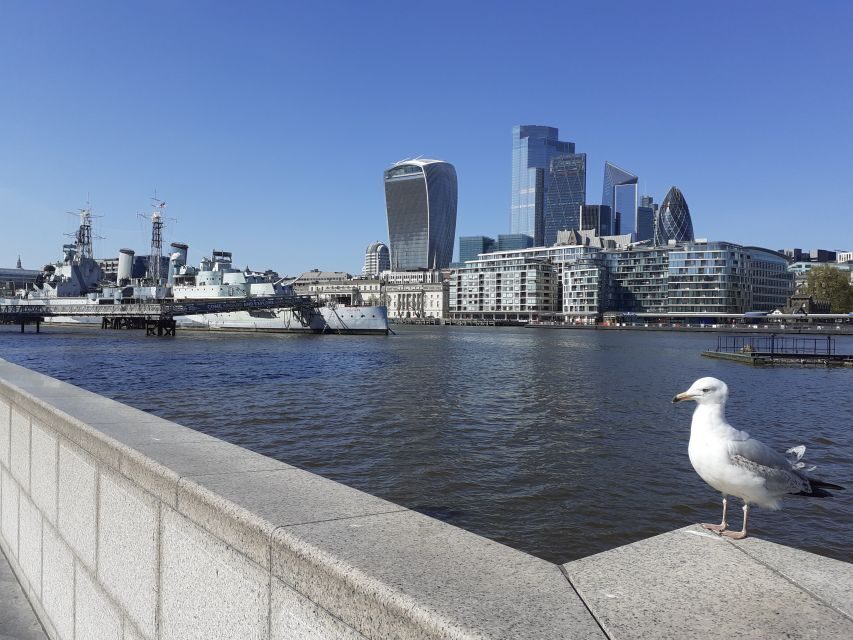
After the bridge, you move into the HMS Belfast area, which makes a smart pivot from medieval London to the 20th century. The ship is known for its role in the D-Day landings of World War II, and the tour uses that connection to keep the Thames story continuous.
Here’s why this stop matters for your understanding: it shows that the river wasn’t a dead backdrop in history. It kept being a strategic corridor. Seeing HMS Belfast while you’re still thinking about medieval control helps you track the long timeline—London evolves, but the river keeps pulling the city’s strings.
You’ll also pass through the London Bridge area, which adds one more layer: the “London Bridge” name may sound too generic, but on a Thames walk it becomes a clue about how many bridges have helped shape movement and commerce over centuries. This is the part of the walk that helps you feel why a medieval river city had to plan for crossings even before modern transport existed.
Borough Market and Southwark: trade, faith, and the other side of the river
One of the best values on this tour is how it uses the river to explain London’s split personality—castle and court on one side, markets and religious institutions on the other.
You’ll reach Borough Market, where you can sense how food, trade, and traffic have always mattered here. Even if you’re not stopping for snacks, the point is interpretive: the market connects the city’s daily needs to the riverfront. It also sets up later stops in Southwark, where you’ll see how spiritual power and civic life sat close to commerce.
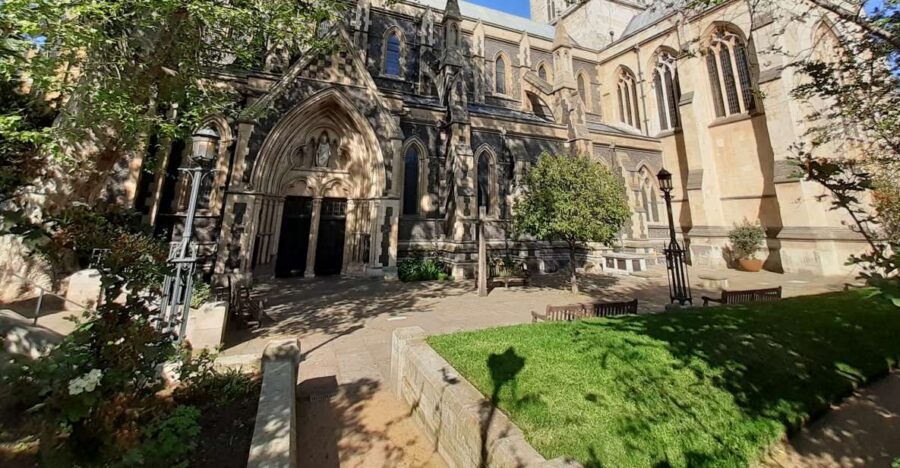
Then comes Southwark Cathedral, and this is where the tour often becomes more than postcard history. Southwark is famous for being the “other bank,” and your guide uses that to explain how faith, authority, and city life intertwined along the Thames. This stop is useful if you want medieval London to feel like a place people lived—not just a place rulers visited.
If you’re the type who likes your history with social context, this section is a highlight. Your guide’s explanations tend to connect politics and religion with daily routines, so you start understanding why these buildings were located where they were.
Golden Hinde and Shakespeare’s Globe: ships, drama, and London’s storytelling
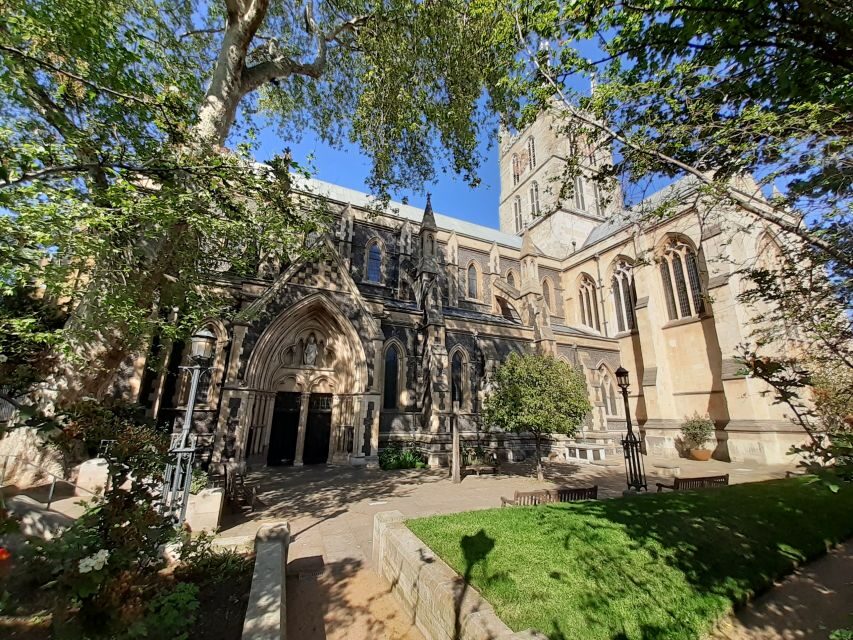
After Southwark, the walk shifts toward the maritime and cultural layers that run right alongside medieval and early modern London.
You’ll stop for The Golden Hinde. In the tour experience described by guests, it’s presented as an exact replica tied to Sir Francis Drake’s famous ship. That detail matters because it reframes a “river attraction” into a story about exploration, national identity, and how seafaring England grew its influence.
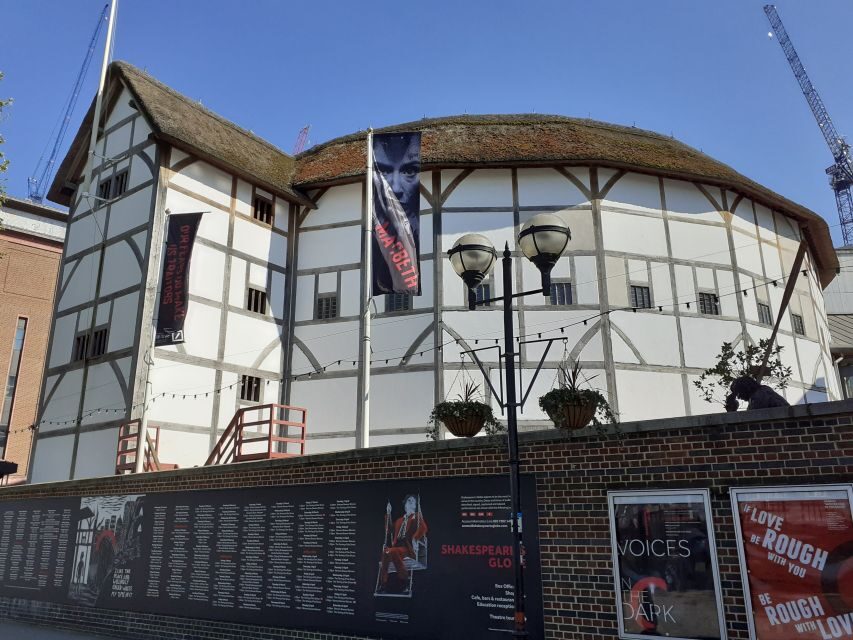
Then you’ll reach Shakespeare’s Globe Theatre. This is where the tour cleverly does something few walking tours try: it connects the Thames story to literature. The Globe isn’t treated as a standalone stop. Instead, your guide uses Shakespeare’s world to help you imagine what the riverfront looked and sounded like in the centuries when theatre and public life were booming.
In practical terms, this section also has a pacing effect. It’s a natural slow-down moment in the walk where you can look around, get perspective, and take photos without feeling like you’re sprinting. If crowds thicken, your guide’s job is to keep the story clear and the group moving safely through the busy areas.
If you want medieval London with a human voice, this is your “turn the page” moment.
You can also read our reviews of more historical tours in London

Winchester Palace, Millennium Bridge, and St Paul’s: ending with scale
The tour continues with Winchester Palace, described as a 12th-century landmark. This stop is especially useful because it adds a layer many visitors miss: medieval England’s administrative and clerical power didn’t only sit in dramatic fortresses. It also lived in grand residences and institutional spaces that shaped how the city governed itself.
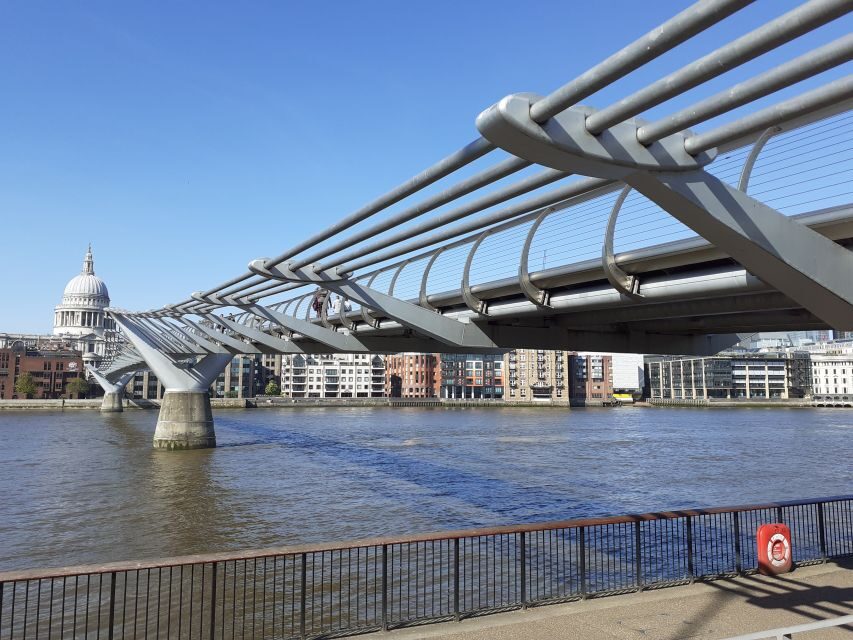
From there, you move along the river toward the Millennium Bridge. While it’s modern, it functions as a visual bookend. You get a strong sense of London’s continuity—new design placed over an old corridor of movement and meaning. It’s a good moment to recalibrate after the earlier stops, especially if you’re starting to feel the walking.
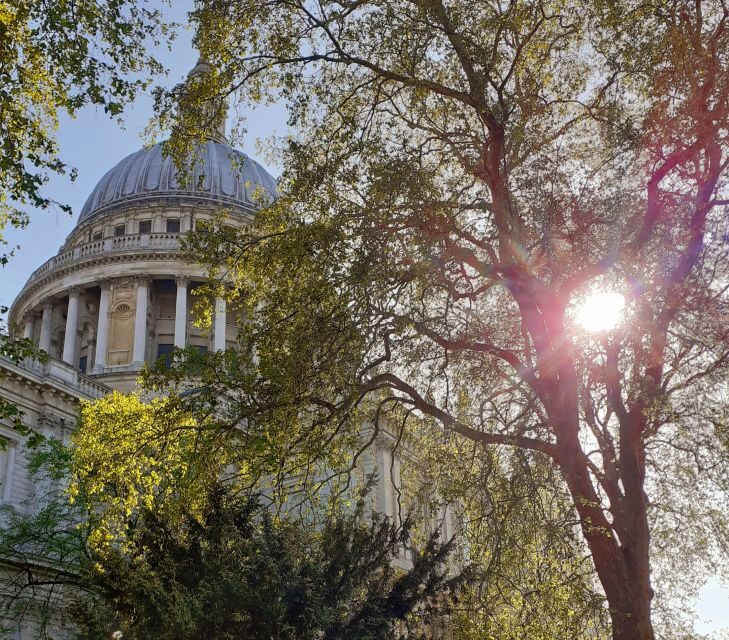
Finally, you end at St Paul’s Cathedral. Finishing here is a classic reason this tour works: it gives you a big, iconic “look up” payoff after a walk full of story and detail. The cathedral ties together the religious dimension you saw earlier with something you can recognize even if you’re not a history expert.
The end point is listed as EC4M 8AD, so you’re right where you can keep exploring on foot or connect onward easily.
Price and pacing: is $24 worth it?
At $24 per person for about 2 hours, the value comes from focus, not bulk. In a short time, you cover a tight stretch of central London where medieval power, river trade, cultural life, and even WWII memory all connect.
What you’re paying for isn’t just access to famous spots. You’re paying for an expert guide who can answer follow-up questions and put places into context. People consistently describe the guides as able to respond in a thoughtful, detailed way rather than repeating memorized talking points. Many also mention guide extras like carrying historical photo material that helps you picture scenes as they looked earlier.
Pacing is another reason this price works. You get a lot of stops without it turning into a “checklist march.” You do still need solid stamina, though. This walk stays outdoors and runs in rain or shine, so your weather prep matters as much as your interest level.
What to bring and how to get the most out of the walk
This tour is easiest when you show up ready to move. Wear comfortable shoes with grip, because parts of the route can feel crowded and slick if it’s wet.
Bring weather-appropriate clothing. Since the tour runs in all weather, you don’t want to spend two hours thinking about your comfort instead of the stories being told. A small rain layer, a compact umbrella you can manage in crowds, and a light extra top are sensible.
Also, come with at least one question. The tour style—based on how guests describe the Q&A—leans into conversation. If you care about medieval politics, city religion, the role of the Thames, or how London grew outward, you’ll get more out of the experience by asking something specific.
Should you book this Tower-to-St Paul’s medieval walk?
If you want a fast, story-driven way to understand medieval London along the Thames, this tour is a strong pick. It hits major highlights—Tower of London, Tower Bridge, HMS Belfast, Shakespeare’s Globe, and St Paul’s—and it doesn’t treat them like separate attractions. The value is the connections: how river geography shapes power, commerce, faith, and culture.
Book it if you:
- like your sightseeing tied to explanations you can remember later
- want a guided route that gets you beyond the obvious photo stops
- appreciate a guide who’s willing to answer questions and add context
Skip it or think twice if:
- you hate outdoor walking in rain or wind
- you want a long, sit-down museum-style tour instead of a moving city story
FAQ
How long is the London: Medieval History Walking Tour from the Tower?
The tour lasts 2 hours.
How much does the Tower-to-Thames medieval history walking tour cost?
The price is listed as $24 per person.
Where do I meet the guide?
Meet your guide outside the western exit of Tower Hill tube station, near Trinity Square and The Citizen M Hotel, by the Tower Hill Tram burger van. The guide will be holding a flagpole with a flag flying.
What are some of the main places the walk includes?
You pass the Tower of London, cross Tower Bridge, visit HMS Belfast, see Borough Market and Southwark Cathedral, stop by The Golden Hinde, see Winchester Palace and Shakespeare’s Globe Theatre, walk along the Thames toward St Paul’s Cathedral.
Does the tour run in bad weather?
Yes. The tour runs in all weathers, rain or shine.
Is the tour wheelchair accessible?
The tour is listed as wheelchair accessible.
What should I wear or bring for this walking tour?
Wear comfortable shoes and bring weather-appropriate clothing.
If I need to change plans, is there a refund?
The activity lists free cancellation up to 24 hours in advance for a full refund.