REVIEW · LONDON
London: British Museum Private Guided Tour with Tickets
Book on GetYourGuide →Operated by Anthonys Tours · Bookable on GetYourGuide
Ancient worlds, in one museum, with a guide who actually connects the dots. This private tour led by Blue Badge Guide Anthony Matthews makes the British Museum feel less like a maze and more like a story you can follow. I especially like the focus on big “why does this matter” objects (the Rosetta Stone for sure, plus the Egyptian and classical highlights), and I like that the route is built for momentum, not wandering.
One thing to consider: it moves fast. At 2.5 hours, you’re seeing major anchors, not exhausting every gallery you pass, so it helps to arrive with a few must-sees.
In This Review
- Key Takeaways Before You Go
- Your 2.5-Hour Sprint Through the British Museum
- Meeting Point on Great Russell Street: How to Start Smooth
- The Route: From the Rosetta Stone to Sutton Hoo
- Egypt Galleries: The Rosetta Stone and Tutankhamun Context
- Greek Highlights: Parthenon Sculptures and Why That Room Works
- Rome in One Tour Stop After Another
- Sutton Hoo: The Anglo-Saxon Mystery That Feels Immediate
- Price and Value: Is $337 Good for Up to 6 People?
- Who This Private Tour Is Best For
- Small Details That Make a Big Difference
- Should You Book This British Museum Private Tour?
- FAQ
- How long is the British Museum private guided tour?
- What does the tour price include?
- Is transportation included?
- Where do we meet the guide?
- Is there an option to skip the line?
- How big is the group?
- Can I cancel if my plans change?
- Is the tour accessible for wheelchairs?
- Are there any restrictions on recording?
- Is the tour in English?
Key Takeaways Before You Go
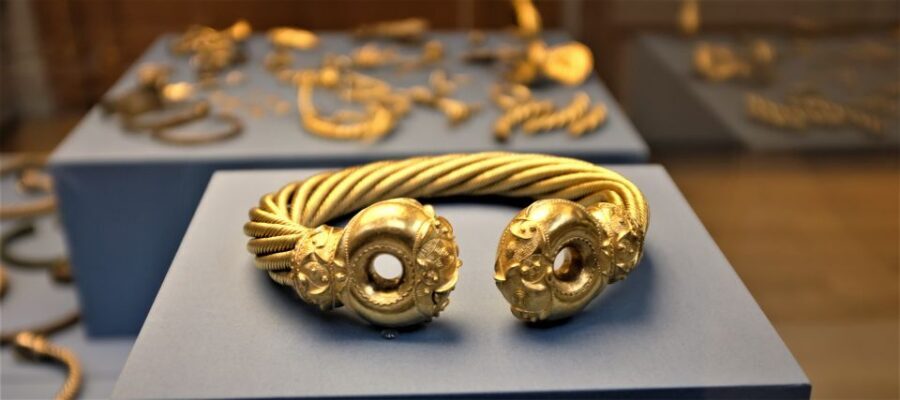
- Anthony Matthews is the star, and his stories are aimed at helping you read the objects, not just look at them
- Skip-the-line security means you spend more of your booked time inside the museum
- You get ticketed access included, so the tour time stays protected
- A tight route across civilizations: Egypt, Greece, Rome, and Anglo-Saxon England
- Private group format (up to 6) keeps it flexible for families and mixed interests
Your 2.5-Hour Sprint Through the British Museum
If you’ve ever stared at the British Museum map and felt your enthusiasm leak out, this tour is built to fix that. In about two and a half hours, you get a guided route that hits the museum’s most famous markers and also explains why they’re important. That’s the difference between seeing artifacts and understanding what you’re seeing.
The format matters. You’re not fighting crowds or guessing where to start. Instead, your Blue Badge licensed professional guide helps you connect objects to the people behind them, the politics around them, and the materials they were made from. The tour is offered in English, and it’s set up for a private group, so questions don’t have to wait for the next scheduled pause.
Now for expectations. This isn’t “every room, every detail.” It’s a curated highlight run with context. If you love museums because you like going slow, you’ll still enjoy the story. But you may want to plan extra independent time afterward so the exhibits you care about most can get the deeper look.
A few more London tours and experiences worth a look


Meeting Point on Great Russell Street: How to Start Smooth
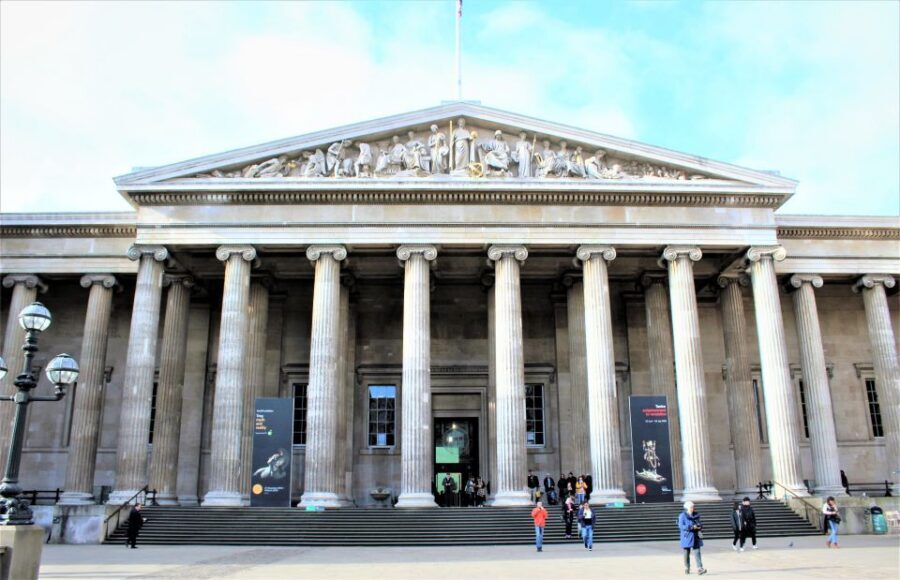
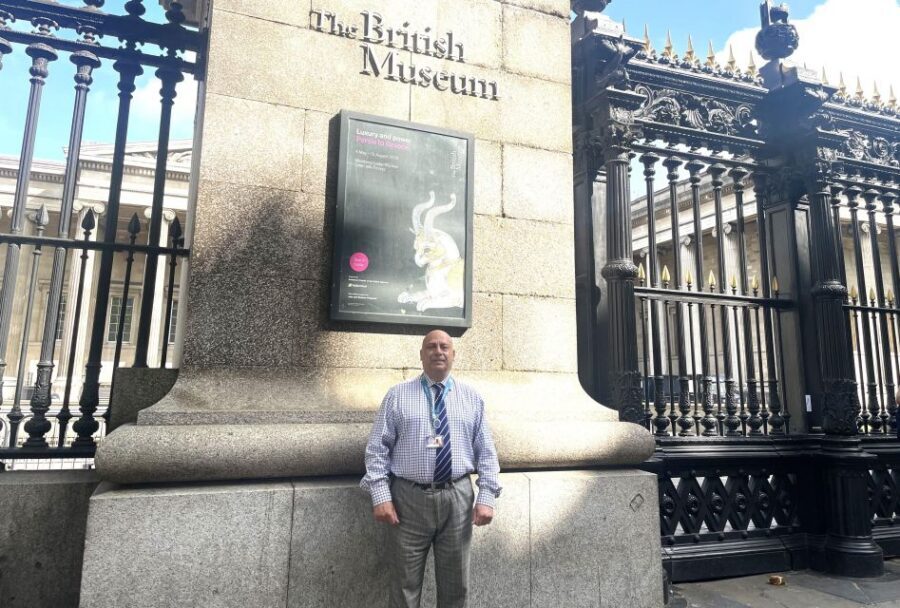
You’ll meet your guide to the left of the main entrance gates on Great Russell Street. There’s a clear reference point that helps: the meeting area is to the right of the red telephone boxes, and opposite Starbucks.
They ask you to arrive 15 minutes early because you’ll be skipping the line through an express security check. That small time buffer makes a big difference. It’s not about being overly formal. It’s about getting inside while your energy is high, not stressed.
Once you meet, the tour flows from the entrance into the museum’s major highlight zones. The guide’s job isn’t just reciting facts. It’s directing your attention: what to notice first, what to look for in details, and what question the object answers.
Practical note: this tour runs rain or shine, so wear shoes you can move in. You’ll be walking through several sections during the 2.5 hours.
The Route: From the Rosetta Stone to Sutton Hoo
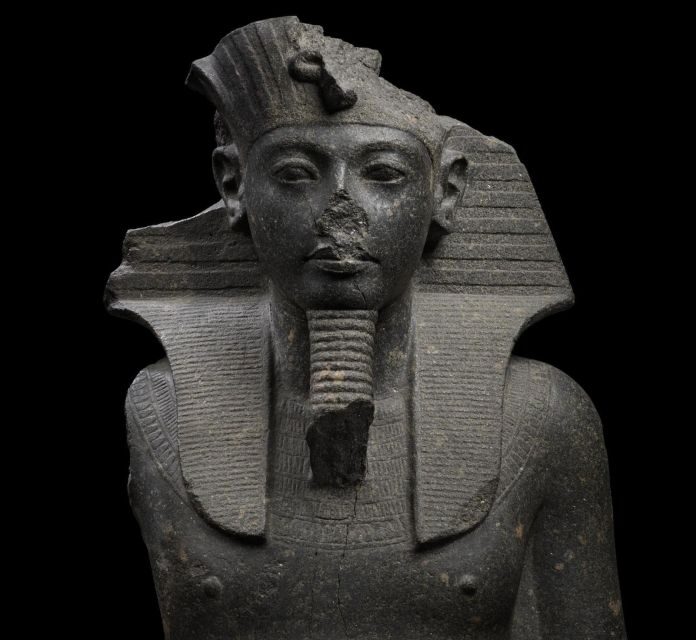
The tour’s power is the way it stitches together time periods that often feel disconnected when you visit solo. Your guide moves from Egypt to classical Greece and Rome, then lands in early England with the Sutton Hoo burial story. That sweep helps you see the museum as a single learning path.
Here’s how the experience typically unfolds, with the objects acting like signposts:
- Ancient Egypt anchor points, led by the Rosetta Stone and key royal imagery
- Greek culture through major sculpture and the story of Athens and Sparta
- Rome through conquest, art objects, and recognizable “classical power” details
- Anglo-Saxon England via Sutton Hoo, where the museum connects you to the beginnings of what becomes England
Each stop comes with interpretation. Not just what something is, but what it tells you: about language, empire, belief, technology, and burial customs.
If you’re visiting with kids, this structure is also a win. It gives them a set of repeating themes they can follow: Egypt’s royal legends, Greece’s rival cities, Rome’s expansion, and Anglo-Saxon mystery and power.
Egypt Galleries: The Rosetta Stone and Tutankhamun Context
Let’s start with the big one: the Rosetta Stone. This object isn’t famous just because it’s old. It’s crucial because it’s tied to how humans learned to read ancient Egyptian scripts again. Your guide explains the significance of the stone and why it became a key to understanding Ancient Egypt.
From there, the tour leans into the human drama behind Egypt’s power. You’ll see a statue associated with Tutankhamun and hear the guide’s take on how he died and why his story became so singular. The tour also points out the unusual nature of his burial legacy, including the fact that his was the only royal grave not discovered until much later.
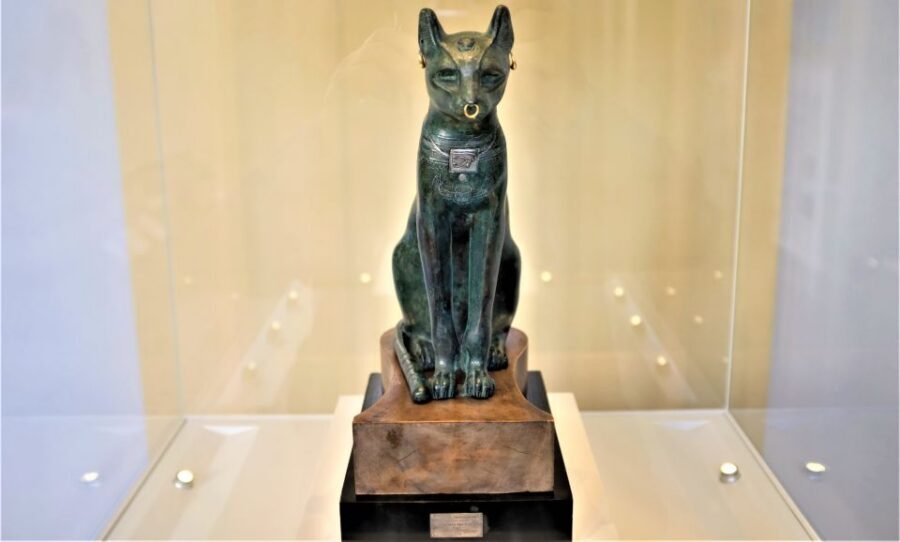
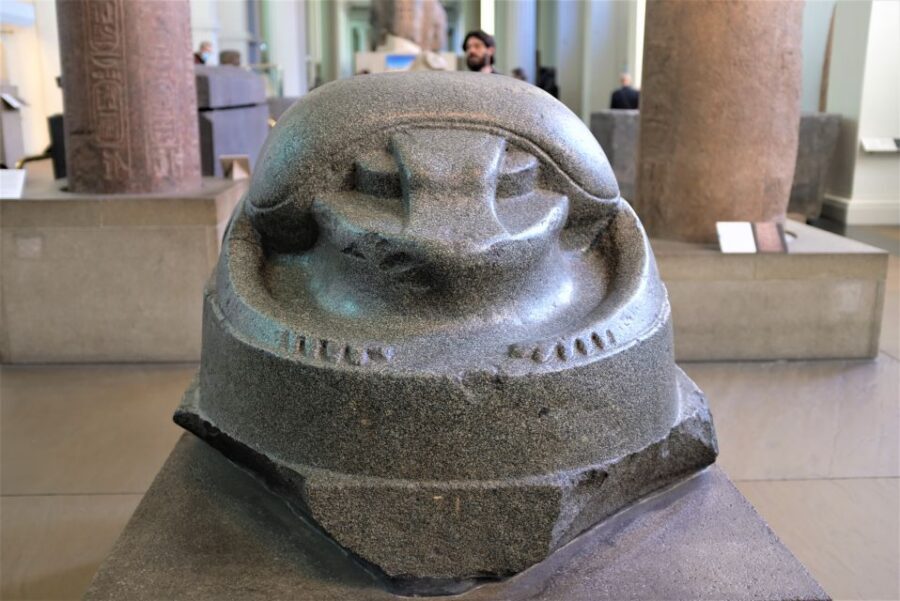
This isn’t all “royal portraits,” either. You’ll also encounter objects that help Egypt feel physical and specific: a sacred metal cat, and a giant scarab beetle that brings mythology and symbolism into view. Those details help you understand that Egyptian culture wasn’t only about kings and monuments. It was also about everyday sacred ideas, animal symbolism, and craft.
One of the best parts of a good museum guide is translation—of meaning, not just language. Here, the translation is: why these objects mattered to the people who made and used them.
Greek Highlights: Parthenon Sculptures and Why That Room Works
Greek culture is a major focus, and the tour doesn’t treat it like background scenery. You’ll see highlights that include Parthenon sculptures—part of one of the ancient world’s seven wonders. That connection changes how you look at the pieces. Instead of thinking, That’s impressive, you start thinking, This is what a world-class political and religious project looks like in stone.
You’ll also get an explanation for the room itself—why it feels architecturally “right” for what’s inside. In many museums, sculpture can feel stuck to a wall. Here, the guide helps you see how the space supports the way the sculptures were meant to be experienced.
Then come the city-states. You’ll hear about Sparta and Athens, and how their differences shaped Greek life and values. That theme matters because the Parthenon wasn’t just art. It was messaging—who mattered, what ideas were honored, and which myth and authority were being promoted.
The goal isn’t for you to memorize a timeline. It’s for you to recognize patterns: culture is politics, religion is public identity, and art is persuasion.
You can also read our reviews of more guided tours in London






Rome in One Tour Stop After Another
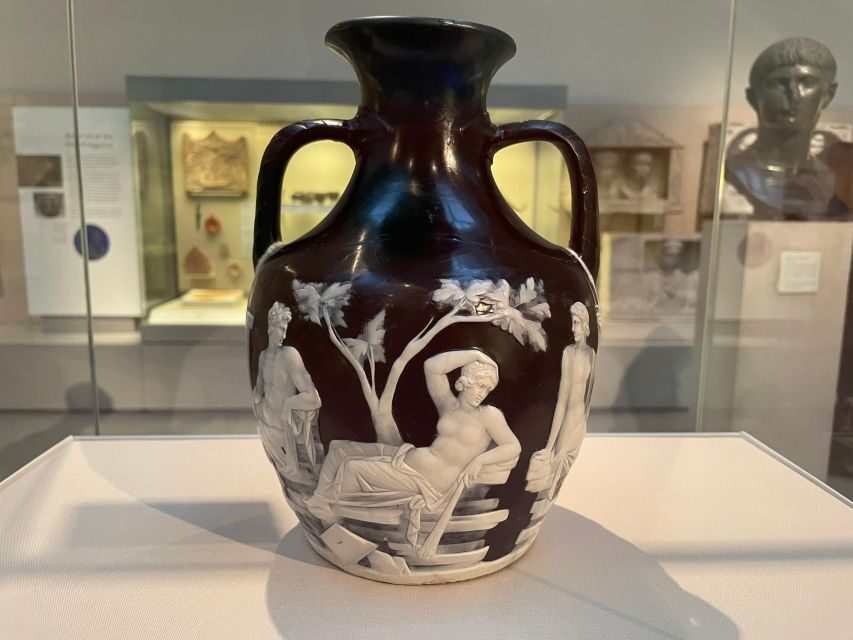
Rome is where the museum can feel extra fun, because Roman culture left behind lots of recognizable “everyday empire” evidence—objects that show how power looked, moved, and controlled territory. The tour explains how and why Rome conquered countries bordering the Mediterranean, which helps you understand Rome as a system, not just a list of emperors.
Your Roman-focused moments include:
- A gladiator’s helmet, a direct taste of spectacle, training, and danger
- Brilliant Roman glass, which helps you see Roman craftsmanship and trade reach
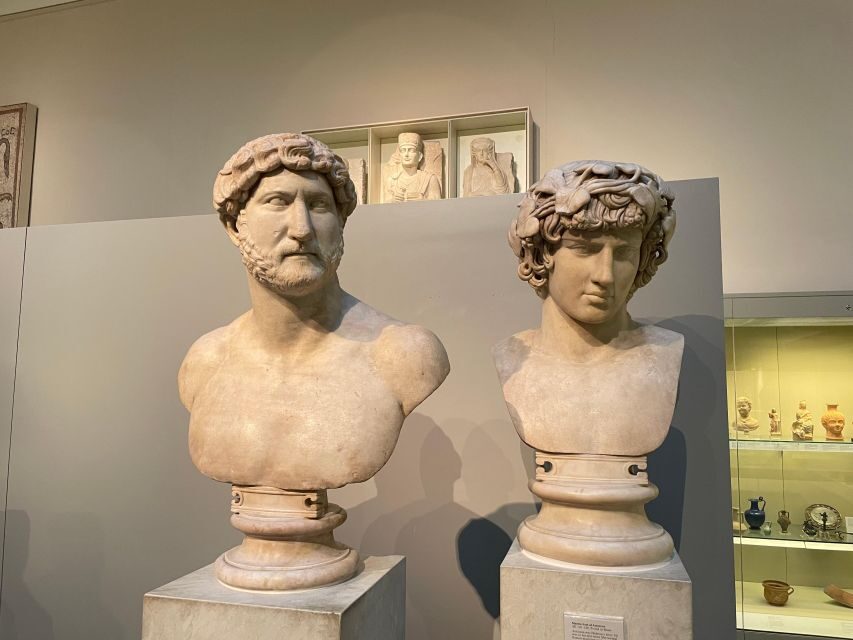
- A bust of a major Roman emperor, giving you a face to attach to the idea of authority
The point isn’t only that these objects are beautiful. It’s that they’re proof. Proof of empire-building, craft skill, and the kind of image-making that makes power feel personal.
If you like your history grounded in artifacts you can point at, this section delivers. The guide’s job is to connect what you’re seeing to what you’re learning—so the helmet becomes more than armor and the glass becomes more than decoration.
Sutton Hoo: The Anglo-Saxon Mystery That Feels Immediate
Then the tour pivots to Sutton Hoo, which is one of the most compelling parts for many first-time museum visitors. This is where early England steps out of textbook vagueness and into real archaeology.
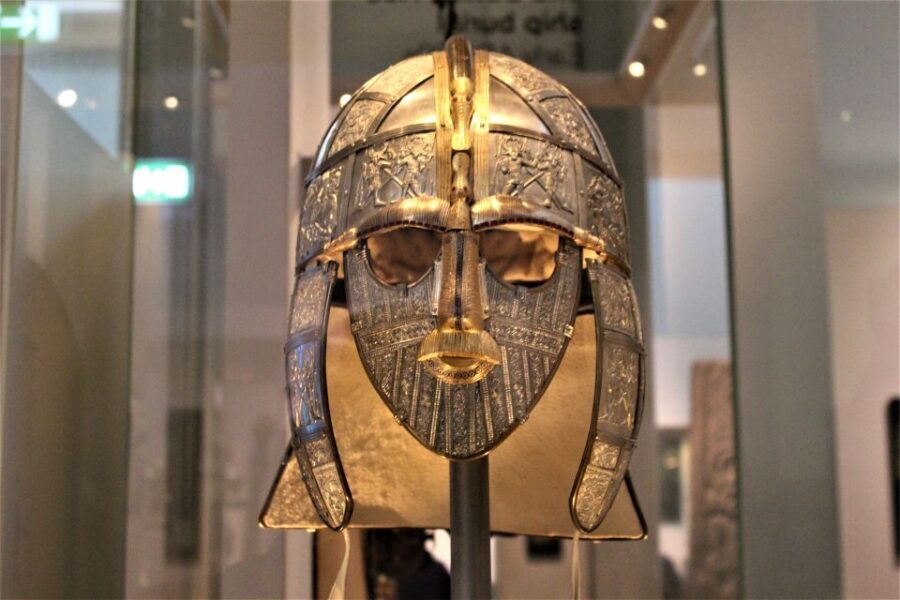
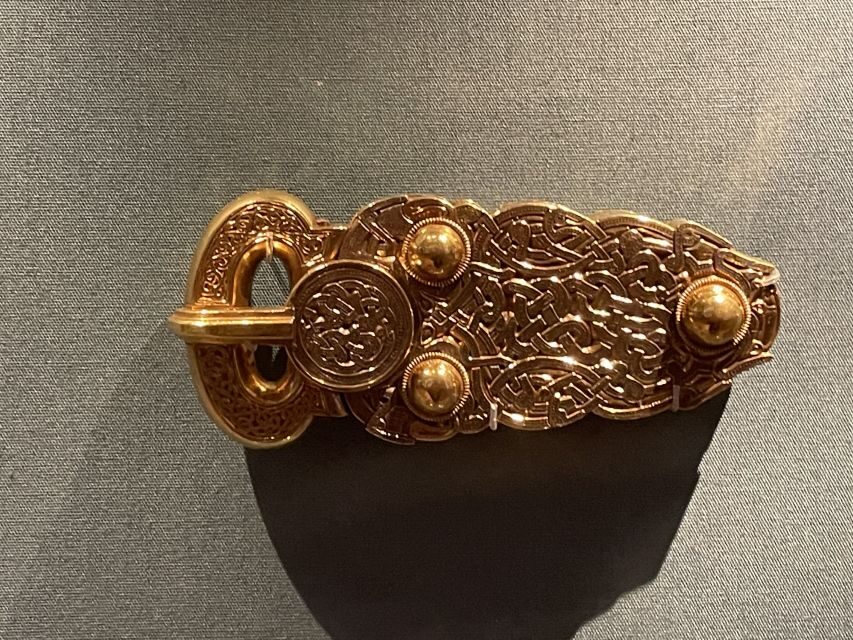
You’ll hear about the mysteries of the Sutton Hoo burial and get a glimpse into the Anglo-Saxon world that helped shape England. Even if you’ve read a bit about Sutton Hoo before, a guided explanation can change what you notice: not just the “big find,” but what it implies about status, belief, and cultural connections.
Sutton Hoo also gives your tour a satisfying arc. You start with language and royal imagery in Egypt. You travel through political sculpture and classical rivalries in Greece. You watch Rome’s expansion through objects tied to spectacle and authority. Then Sutton Hoo lands as a different kind of story—one that connects power and identity in a formative period.
It’s a reminder that a museum highlights tour can still feel meaningful, not just efficient.
Price and Value: Is $337 Good for Up to 6 People?
At $337 per group up to 6, the best way to judge value is to compute how it works when you divide it up. If you bring a full group of 6, you’re effectively paying about $56 per person for a licensed guided highlight tour plus museum tickets. Even with fewer people, you’re still buying something that’s hard to replicate by yourself inside the British Museum: direction, interpretation, and time saved.
The tour includes private group, the guide, and entry tickets. Transportation and food aren’t included, so you’ll still handle your own logistics like getting to central London and grabbing a snack before or after.
Where the price really pays off is in the part many visitors struggle with: focus. The British Museum can be overwhelming. A guide helps you “read” the building’s major civilizations without turning the visit into a checklist.
If you’re the kind of person who wants the museum to feel like a guided lecture with visuals—this is the money-saving way to get that without spending all day planning and still missing key themes.
Who This Private Tour Is Best For
This is a strong fit if you want the highlights plus interpretation, and you don’t want to spend your museum day making decisions.
It’s especially good for:
- Families who need a guide to keep kids engaged while still teaching real substance
- Mixed-age groups (teens, adults, even limited mobility situations) where pacing matters
- Travelers who care about meaning: why an object exists, what it symbolized, and how language and empire shaped the world
It may be less ideal if you’re the type who wants to linger for 30–45 minutes per gallery. In that case, you might still book this, but plan time afterward so the objects that hook you get the longer look.
Small Details That Make a Big Difference
A few operational choices improve the experience.
You’ll skip security via an express security check, which helps you keep your booked time intact. The guide also starts at a specific meet point you can verify: left of the main gates, right of the red telephone boxes, opposite Starbucks. That reduces the most common first-day stress.
One rule to note: audio recording isn’t allowed. If you rely on audio notes, plan to take written notes instead.
The tour runs in English and is wheelchair accessible, which is useful to know if you’re planning for someone who needs it.
Should You Book This British Museum Private Tour?
I’d book this tour if you want a focused, high-impact British Museum visit where the objects are explained in plain language and tied to real human stories. The combination of express entry, a licensed Blue Badge guide, and a route spanning Egypt, Greece, Rome, and Sutton Hoo makes it a smart way to get meaning fast.
I’d skip it (or at least add extra time) if you want a slow museum day with deep unhurried wandering. This is fast by design, and the value comes from making your limited time count.
If you’re aiming for the museum’s biggest “click moments”—Rosetta Stone understanding, Parthenon sculptures context, Roman power through objects, and Sutton Hoo mystery—this is the kind of tour that helps you leave with more than photos.
FAQ
How long is the British Museum private guided tour?
It runs for 2.5 hours.
What does the tour price include?
The price includes a private tour, the guide, and entry tickets.
Is transportation included?
No. Transportation isn’t included.
Where do we meet the guide?
Meet on Great Russell Street, to the left of the main entrance gates of the British Museum. The meeting point is to the right of the red telephone boxes and opposite Starbucks.
Is there an option to skip the line?
Yes. The tour includes express security to help you skip the line.
How big is the group?
It’s a private group with a maximum of up to 6 people.
Can I cancel if my plans change?
You can cancel up to 24 hours in advance for a full refund.
Is the tour accessible for wheelchairs?
Yes. The tour is wheelchair accessible.
Are there any restrictions on recording?
Audio recording isn’t allowed.
Is the tour in English?
Yes. The live tour guide provides the experience in English.