REVIEW · GLASGOW
Merchant City: Past and Present Music Tour
Book on GetYourGuide →Operated by Glasgow Music City Tours · Bookable on GetYourGuide
A great music tour starts with the right streets. This one threads Merchant City and Glasgow’s East End through stories of rooms you’ve likely heard of, from the Britannia Panopticon to the Barrowland scene. What I really like is how the guides keep the talk grounded in real venues and real gig memories, and how you get inside Britannia Panopticon instead of just standing outside. The main thing to consider is that you’ll walk uphill in places and there are stairs, so comfy shoes matter.
You start at The Clutha/Victoria Bar area (Stockwell Street) and work your way through older blocks and creative hangouts, aiming to skip the usual tourist trails. Along the way, the tour mixes genres and eras—folk and punk right next to pop and rock—so even if your music knowledge is patchy, you’ll still have something to latch onto.
Price-wise, $26 for a 2-hour guided walk with entry included to a major historic venue feels fair, especially if you value context over just photos. If you want a quiet, art-gallery pace, this may be a bit more chatty and story-driven than you expect.
In This Review
- Key Things I’d Pay Attention To
- Walking the Streets Where Glasgow’s Music Changed
- Meeting Outside The Clutha: Your First Clue to the Scene
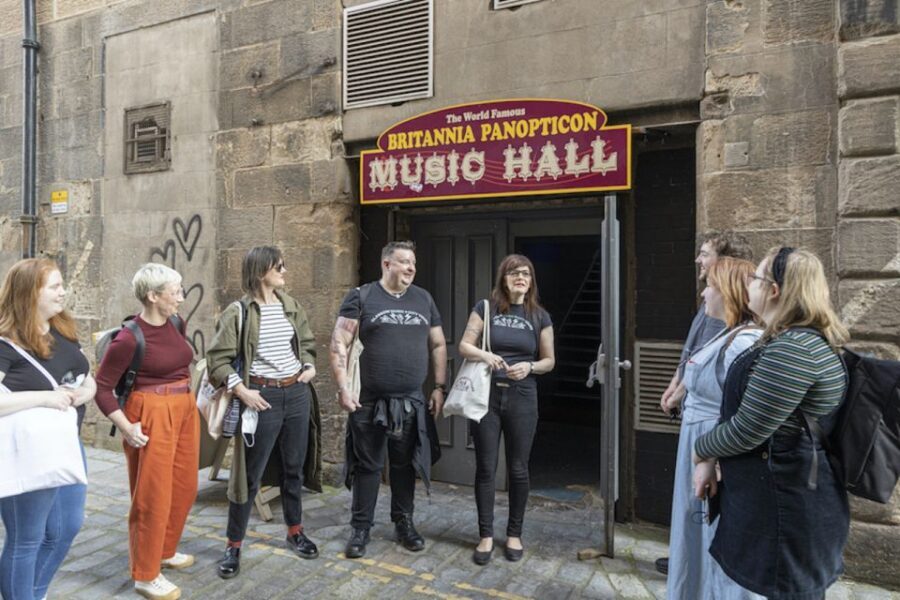
- The Britannia Panopticon Stop: Why Getting Inside Matters
- Barrowland Ballroom Stories and the Barrowland Pathway
- Genres Together: Folk, Punk, Pop, and Rock in One Walk
- Merchant City’s Creative Link: Music, Visual Arts, and Local Life
- UNESCO City of Music: What It Means When You’re Walking
- Newer Venues, Same Spirit: Old Rooms and New Noisy Upstarts
- Ending at Mono Café Bar: Your Next Step
- Value Check: Is $26 for 2 Hours Worth It?
- Who This Tour Suits Best (And Who Might Want Something Different)
- Booking: Should You Sign Up?
- FAQ
- How long is the Merchant City: Past and Present Music Tour?
- How much does the tour cost?
- Where do I meet the guide?
- Is entry to Britannia Panopticon included?
- What areas of Glasgow does the tour cover?
- Is the tour suitable if I’m not a music expert?
- What language is the tour guide?
- Is the tour walking-friendly, and should I expect stairs?
- Experience Provider
Key Things I’d Pay Attention To
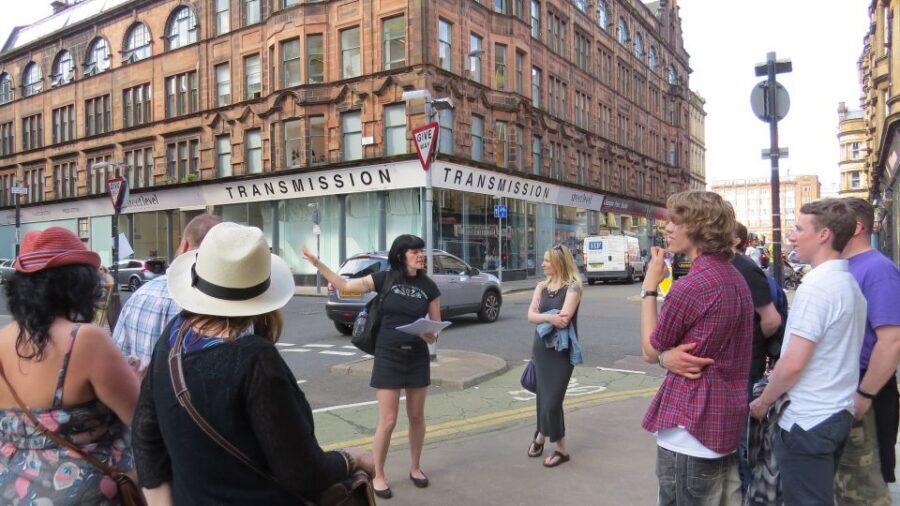
- Britannia Panopticon entry is included, so you’re not just hearing about history from the sidewalk
- Barrowland Ballroom tales connect the legend to the streets around it, not just the building
- Multiple music genres get treated as part of the same Glasgow conversation
- You walk older routes and creative corridors, rather than a sticker-by-sticker highlights route
- The guides bring energy (Phil and Fiona have both shown up as standout guides in recent runs)
Walking the Streets Where Glasgow’s Music Changed
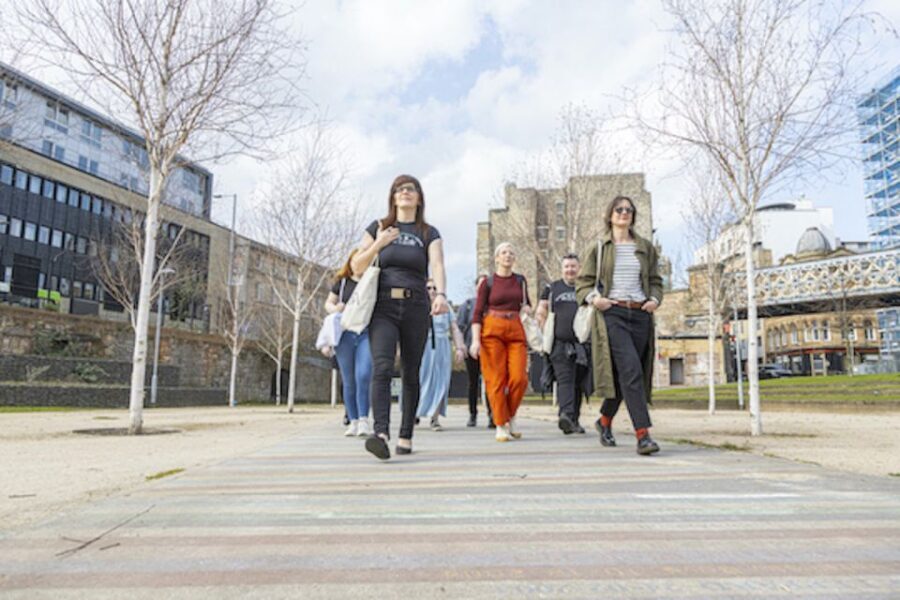
This tour works because it treats music as something you experience in rooms and on streets, not as a list of famous names. You’ll be moving through Merchant City and the East End, but you’re also learning how the city’s music scene learned to bounce between classic venues and newer spaces.
The format is simple: a guided walk, steady stops, plenty of stories, and a final drop-off at Mono Café Bar. It’s designed so you don’t need to be a specialist. You’ll pick up the place names, the vibe, and why they mattered, even if you don’t already know which band played where.
I also like that it gives you a mix of tones. The tour leans on funny, human anecdotes and fond recollections of great gigs, not just “this opened in 19xx” trivia. That matters, because music scenes live in people’s memories as much as in dates and plaques.
You can also read our reviews of more city tours in Glasgow
Meeting Outside The Clutha: Your First Clue to the Scene
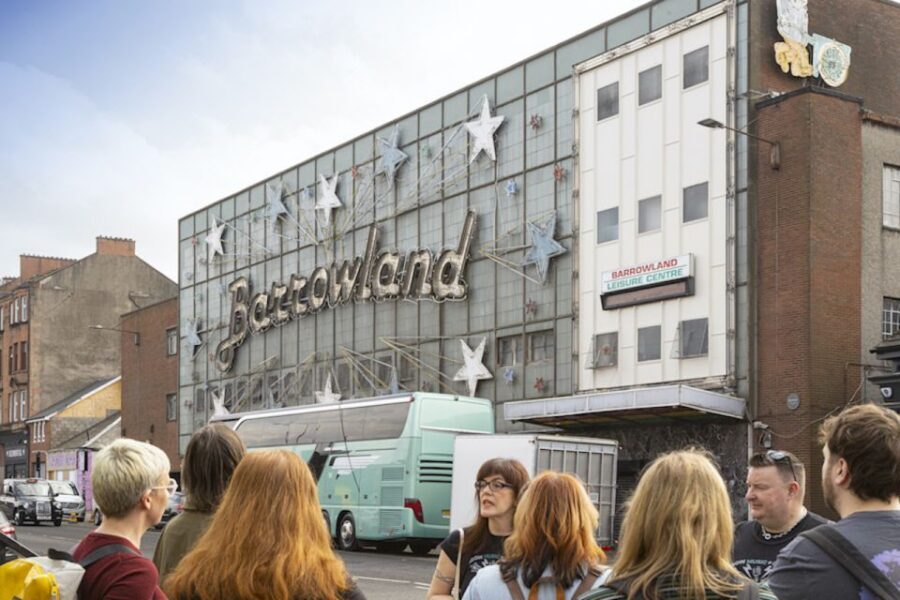
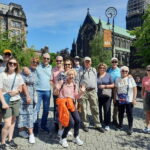
Your meeting point is outside The Clutha/Victoria Bar, 167 Stockwell Street, G1 4SP. That location is a smart start. The tour begins in the kind of pub setting that makes sense for Glasgow: a place where live music culture isn’t an odd event—it’s part of daily life.
Once you’re with the guide, you get a quick sense of the walking rhythm. Expect a proper stroll, not a bus tour where you barely step out. The pace is built around talk at each stop, then short walks between them.
One practical tip: plan to arrive a bit early so you can settle your shoes and get oriented on Stockwell Street. You’ll get more from the first stories if you’re not scrambling to find the right group.
The Britannia Panopticon Stop: Why Getting Inside Matters
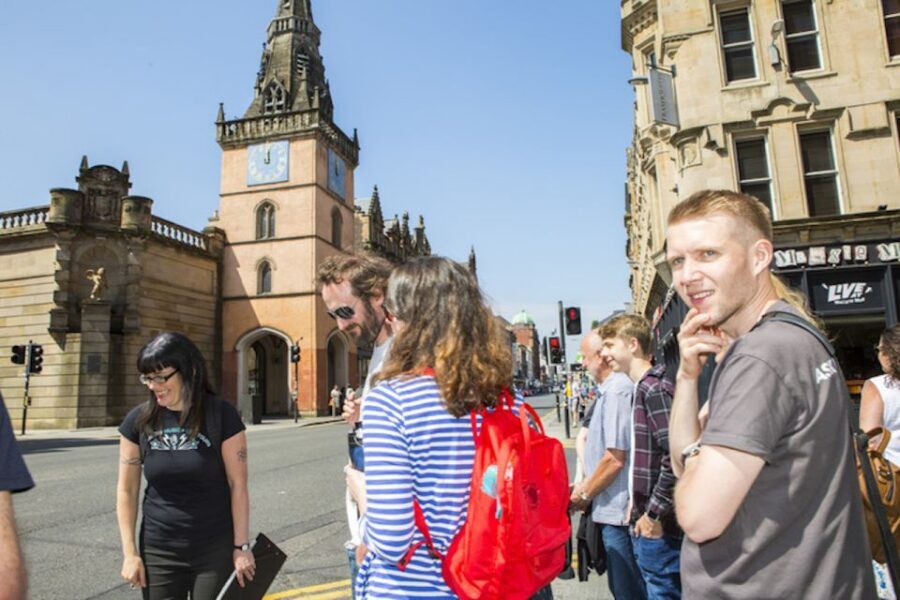
The Britannia Panopticon is the big “wow” moment. It’s described as the UK’s oldest surviving music hall, and the tour includes entry, which is a big deal for value. A lot of music-themed tours point at buildings. This one gets you into the room where performances used to happen.
When you’re inside, you can better grasp what made these halls special—how the space shaped the sound, the audience closeness, and the general sense that live entertainment was built into the building’s purpose. Even if you’re not a theatre nerd, the change from outside street view to inside-hall atmosphere helps the stories land.
The guide’s job here is to connect the venue’s survival to the bigger picture: how Glasgow kept its performance rooms alive, even when the city’s music shifted over the decades. You’ll come away with a clearer idea of why the old and new scenes could share the same city without feeling like they were competing.
Barrowland Ballroom Stories and the Barrowland Pathway
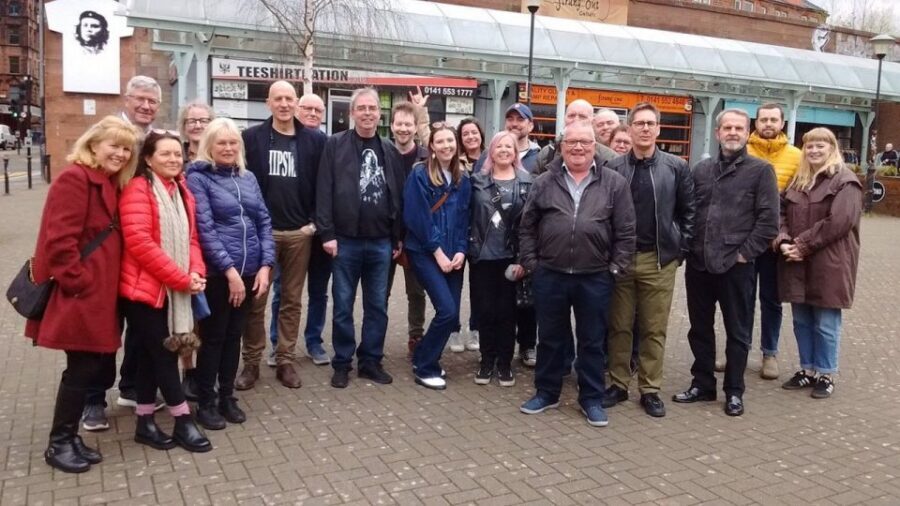
Barrowland Ballroom is the other anchor stop in the tour narrative. You don’t just hear that it’s legendary—you hear why people still talk about it. The guide shares tales tied to the venue, then you continue along the Barrowland Pathway style memories, which helps the history feel connected to the neighborhood.
This is where the tour does something I appreciate: it treats the ballroom as more than a single landmark. You get to see how the surrounding area supported the gig culture—getting there, talking before and after, and the way the streets became part of the experience.
That “place-as-memory” approach is especially useful if you’ve only heard about Barrowland from headlines or recordings. The walking component gives you a sense of how fans moved through the city and how the scene created a repeatable ritual: show up, listen, meet people, repeat.
Genres Together: Folk, Punk, Pop, and Rock in One Walk
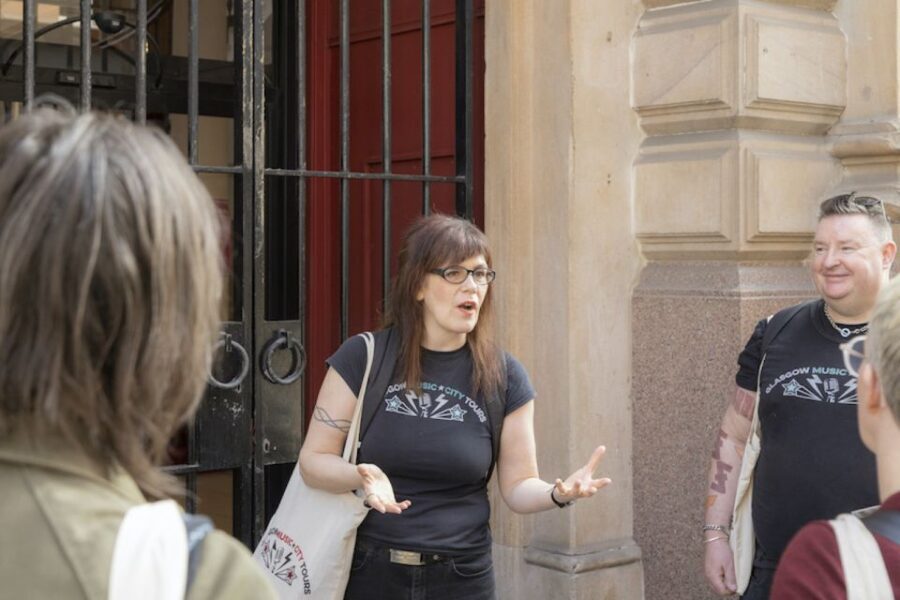
One of the tour’s strengths is that it doesn’t silo music. You’ll hear stories spanning folk and punk alongside pop and rock. That could sound like a gimmick, but on this kind of walking tour it actually helps you understand how Glasgow music built momentum across different audiences.
Think about it this way: when a city has a strong live culture, musicians borrow from each other and audiences overlap. The tour highlights that kind of cross-genre connection, instead of pretending each scene lived in a separate box.
You’ll likely leave with a practical takeaway: in Glasgow, the “scene” wasn’t only one sound. It was venues, promoters, writers, and communities pushing each other forward.




Merchant City’s Creative Link: Music, Visual Arts, and Local Life
You’ll also hear about the relationship between Glasgow’s visual arts community and its musicians. This is one of those ideas that can sound vague until someone explains it with local examples. In this tour, it comes through as a pattern: creative energy doesn’t stay in a single department or discipline.
What you can do with this info is simple. As you walk, you’ll start noticing visual cues that fit the music culture—signs of creative spaces and the general sense that art and sound are part of the same ecosystem. Even if your day after the tour is short, you’ll understand what to look for.
This kind of context makes the city feel less like a set of famous venues and more like a living creative network. And that usually leads to better second-day exploring, because you know what kind of places you’re hunting for.
UNESCO City of Music: What It Means When You’re Walking
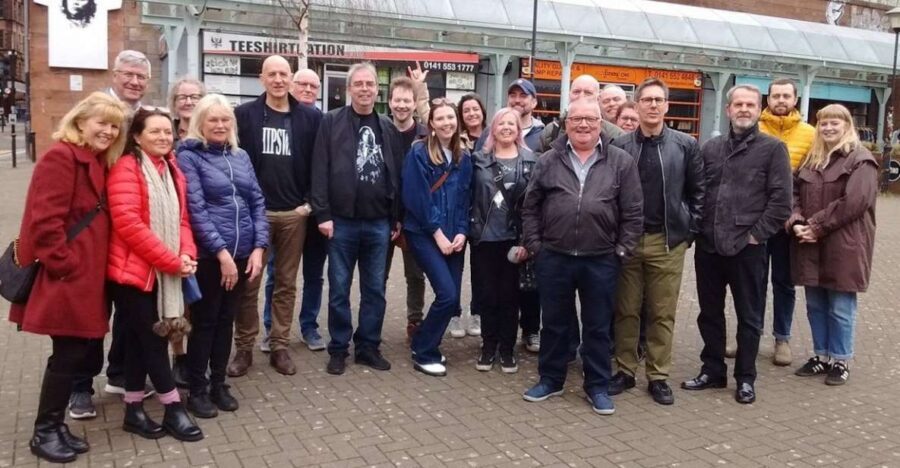
The tour includes a point about why Glasgow was the UK’s first UNESCO City of Music. That fact is interesting on its own, but the tour’s value is in making it feel relevant rather than ceremonial.
When a city earns that kind of recognition, it’s usually because music shows up in its public life: education, venues, creativity in multiple neighborhoods, and ongoing support for artists. On this walk, you get a “proof” vibe: you see how deep the venue roots go and how the scene keeps growing.
The practical benefit is this: you can use that UNESCO label as a guide for your expectations. In Glasgow’s Merchant City and East End, you’re not chasing an isolated music stop. You’re moving through an environment where music is woven into streets and community spaces.
Newer Venues, Same Spirit: Old Rooms and New Noisy Upstarts
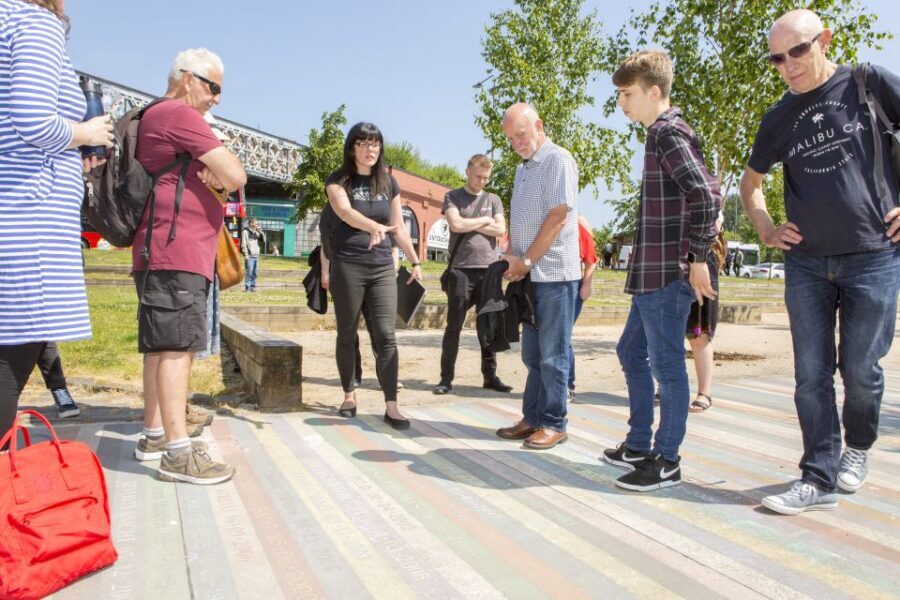
A good music story includes continuity and change, and this tour makes room for both. You’ll hear about veteran venues finding a new lease of life, but you’ll also hear about newer, louder upstarts that keep grassroots culture moving.
That balance helps you avoid the common tourist trap: treating famous places like static museum exhibits. Here, the message is that Glasgow’s music scene keeps feeding itself. New spaces don’t erase old ones; they extend the chain of live culture.
For you, this means you’re more likely to leave with ideas for what to do later that night. Even if the tour doesn’t hand you a one-size-fits-all concert plan, it gives you the mindset to look for current shows instead of only chasing legends from past decades.
Ending at Mono Café Bar: Your Next Step
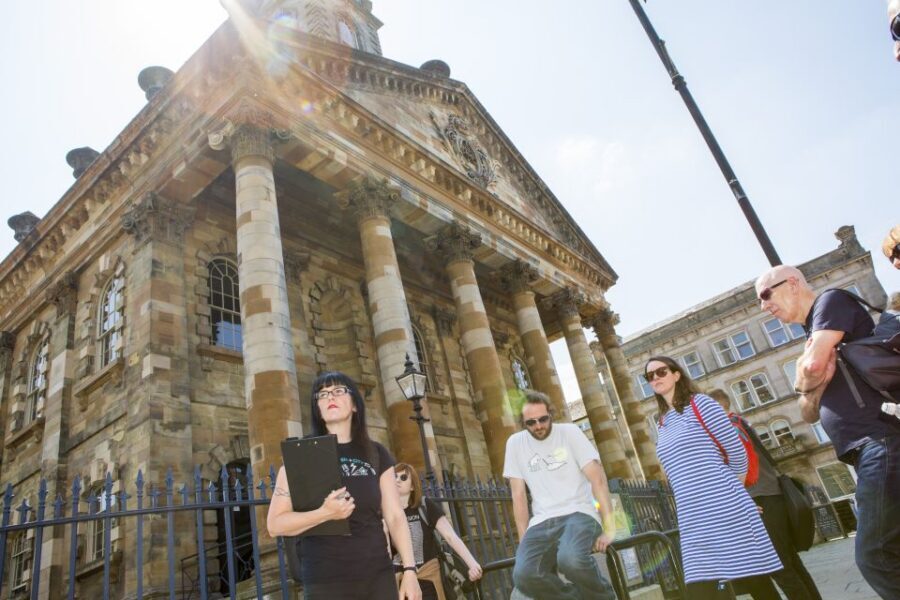
The tour finishes at Mono Café Bar. Ending at a place like this is useful because it naturally gives you a pivot point. You’ve spent two hours learning where the music happened. Now you can keep the momentum in a casual, social setting.
If you’re continuing your day, this finish location also makes it easier to adjust. You can head back for food, take a short walk to nearby points of interest, or simply recharge after stairs and inclines. Just plan for the reality that you’ve done a proper walking route, not a minimal stroll.
Value Check: Is $26 for 2 Hours Worth It?
For $26 per person, the tour is positioned as a value-friendly way to see major music landmarks with context. The math works because:
- It’s two hours, long enough to cover multiple stops with stories
- It’s guided, which changes the experience from sightseeing to understanding
- Britannia Panopticon entry is included, so you’re not paying extra to get into the main historic room
Where value can vary is your personal preference. If you mainly want facts you can read on a sign, you may find the story-heavy format a little much. But if you enjoy the human side of music—why people loved certain shows, how scenes formed, and how venues evolved—you’re exactly in the target zone.
Who This Tour Suits Best (And Who Might Want Something Different)
This tour is a strong match if you like:
- walking and small-city neighborhoods instead of big-bus routes
- music culture told through places and stories
- a mix of genres, even if you’re not a dedicated fan of every style
It may be less ideal if you:
- want a quiet, strictly historical lecture
- dislike stairs and inclines (the route does include both)
- only care about one specific genre and hope for a narrow, fan-focused deep dive
Booking: Should You Sign Up?
If you’re spending a day or two in Glasgow and you want a fast, focused way to understand why the city’s live music scene matters, I’d book this. It’s one of those activities that turns famous names into actual street-level reality.
The decision gets easier if you tick at least one box: you want to go inside Britannia Panopticon, you’re curious about the Barrowland story, or you like tours led by guides who blend humor with real local scene context. Just wear flat shoes, expect stairs, and give yourself time to absorb what you learn once you finish near Mono Café Bar.
FAQ
How long is the Merchant City: Past and Present Music Tour?
It runs for 2 hours.
How much does the tour cost?
The price listed is $26 per person.
Where do I meet the guide?
Meet outside The Clutha/Victoria Bar, 167 Stockwell Street, G1 4SP.
Is entry to Britannia Panopticon included?
Yes, entry into Britannia Panopticon is included.
What areas of Glasgow does the tour cover?
The tour covers Glasgow’s Merchant City and the East End, focusing on music hotspots and older streets.
Is the tour suitable if I’m not a music expert?
Yes. The tour is designed so you do not need to be a music expert, and you can still learn even if you are.
What language is the tour guide?
The tour is delivered in English.
Is the tour walking-friendly, and should I expect stairs?
You should wear comfortable, flat shoes. There will be stairs and inclines during the walking route.
Experience Provider
Glasgow Music City Tours