REVIEW · GLASGOW
Glasgow Necropolis: Small Group Tour with Local Guide
Book on GetYourGuide →Operated by Jess L · Bookable on GetYourGuide
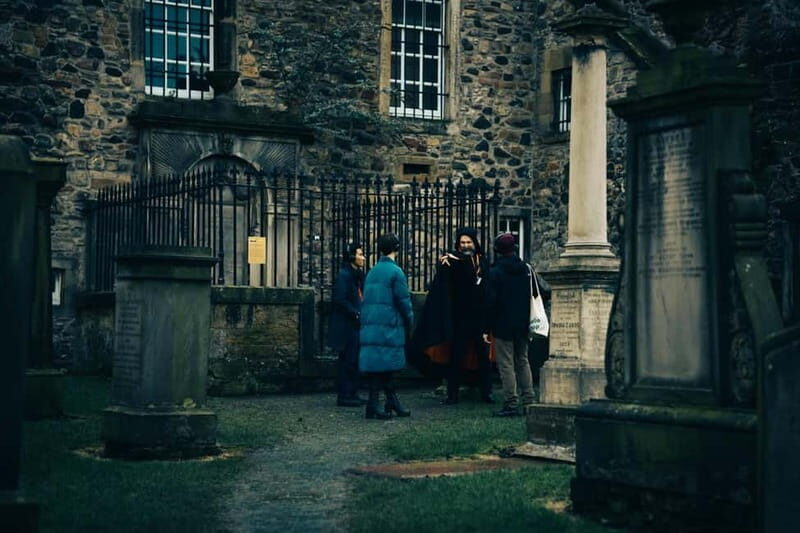
Glasgow’s Necropolis feels like a film set for Victorian Scotland, and the local guide makes it make sense fast. You’ll get a focused walk through stonework, funerary sculpture, and major memorials rather than wandering alone among 50,000-plus occupants.
What I like most is how the tour balances big-picture context with specific people. You get to stand at recognizable landmarks like the Necropolis Gates and the Bridge of Sighs, then connect them to why this city of the dead was built the way it was.
One drawback to plan around: it’s a short, structured 2 hours, so if you fall hard for the place, you may want extra time afterward. Also, bathroom access isn’t available, so plan accordingly before you go.
In This Review
- Key moments to look for
- Glasgow Necropolis feels like Victorian ambition in stone
- Starting at the main gates: fast orientation, better photos, less guesswork
- Necropolis Gates: the grand “welcome” that sets the tone
- Bridge of Sighs: a dramatic name with a story behind it
- Facade and Failed Catacombs: when Victorian plans didn’t go perfectly
- Monteith Mausoleum and Millionaires Row: wealth, rank, and portrait-style memorials
- Famous graves you’ll recognize: Jeffray, Buchanan Sisters, Tennant, Elders, Templeton
- The guide makes the pace work: small group, humor, and real stories
- Timing and price: how $26 fits a short, high-value walk
- What to bring and how to enjoy it more (especially in bad weather)
- Who this tour is best for
- Should you book this Glasgow Necropolis tour?
- FAQ
- How long is the Glasgow Necropolis tour?
- Is this tour private or small group?
- Where do I meet the guide?
- Can I choose a start time or adjust the route?
- What’s included in the price?
- Is transportation or food provided?
Key moments to look for
- Necropolis Gates orientation so you understand what you’re seeing before you move deeper in
- Bridge of Sighs and the stories behind its dramatic name and setting
- Facade and Failed Catacombs showing the ambition—and misfires—of Victorian design
- Monteith Mausoleum and Millionaires Row for the grandeur of the era’s wealth and status
- Guided stops at major graves tied to Glaswegian industry, families, and legacy
Glasgow Necropolis feels like Victorian ambition in stone
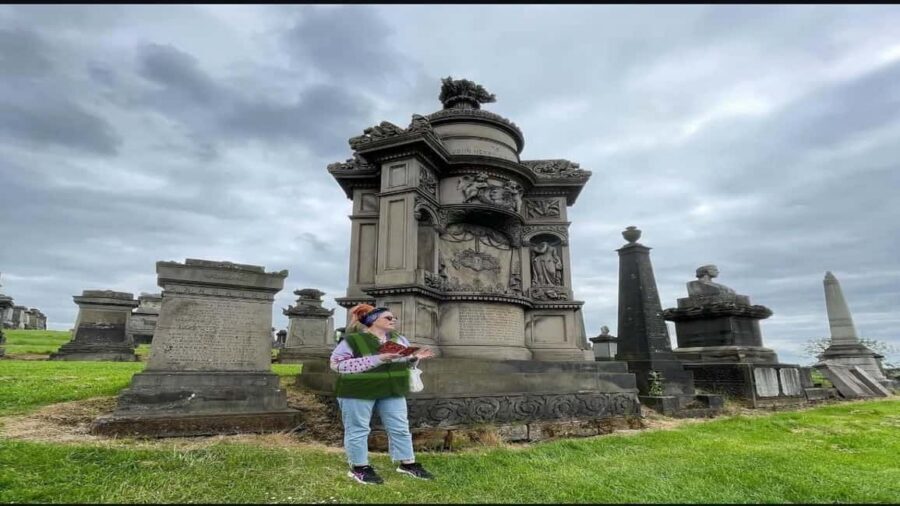
Glasgow Necropolis isn’t just a quiet graveyard. It’s an outdoor archive of how the Victorians thought about death, memory, and social standing. From the moment you enter, the place reads like a planned city: gates, routes, big architectural statements, and memorials designed to be noticed.
That’s why a guided small-group format matters. Without help, it’s easy to focus only on the most obvious statues and ignore the deeper meaning. With a local guide, you get the stories behind the stone. The tour is also built around your time, usually in the 1.5 to 2 hour range, so you can fit it without losing the rest of your day.
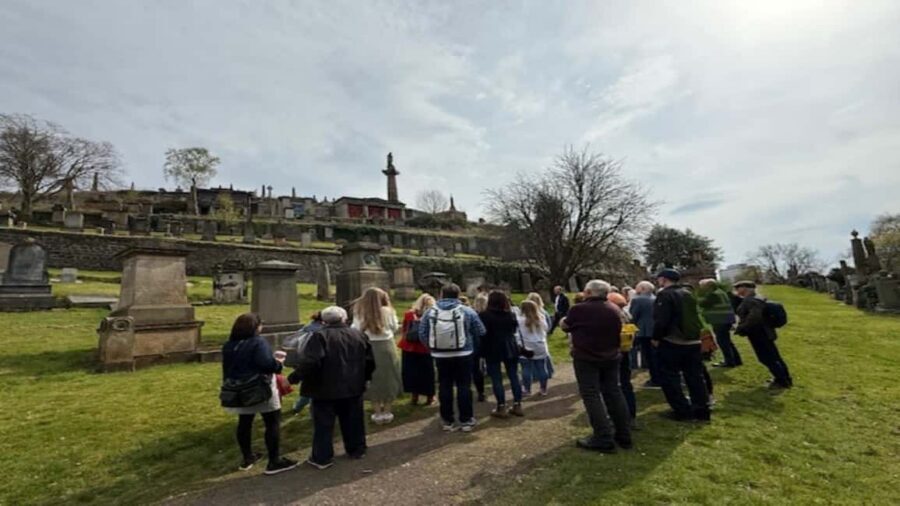
This is a small group tour, limited to 10 participants, and it keeps the pace manageable. You can actually hear the guide, ask questions, and absorb details while you walk.
You can also read our reviews of more guided tours in Glasgow


Starting at the main gates: fast orientation, better photos, less guesswork
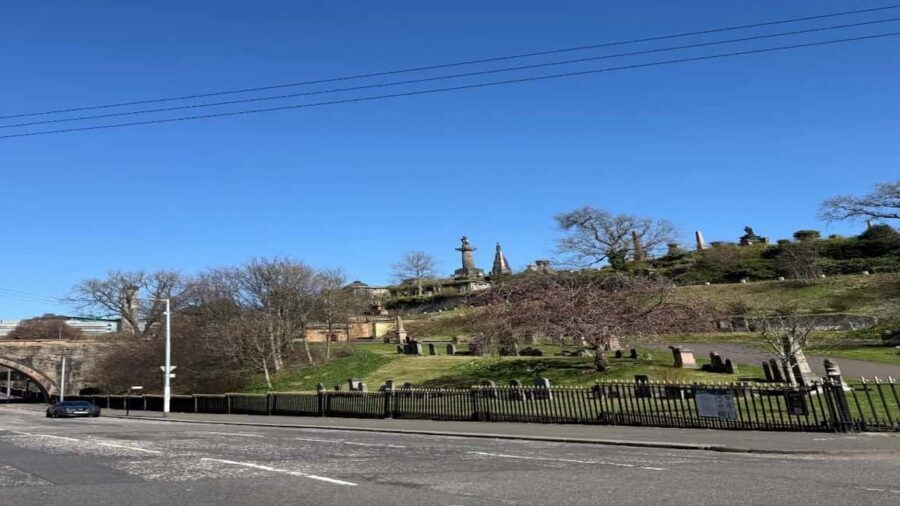
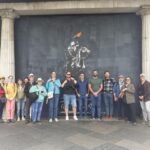
You meet next to the main Necropolis Gates (the large black-and-gold gates) by the cathedral, behind the St Mungo museum. It’s a clear landmark meeting point, which makes arrival less stressful, especially if you’re on foot and juggling timing.
Before you get carried away taking photos, you’ll get the orientation piece: what the Necropolis is, why it looks the way it does, and how it fits into Glasgow’s growth. That early context is a big deal because it changes how you see everything that follows. Instead of random plaques and statues, you start seeing patterns: who got what kind of monument, what styles were popular, and what people wanted future generations to remember.
Also, the tour starts based on the guide’s availability, and you can request a different start time or adjust timing and focus. That flexibility is useful if your Glasgow day includes museum time, a pub stop later, or you just want to avoid midday crowds.
Necropolis Gates: the grand “welcome” that sets the tone
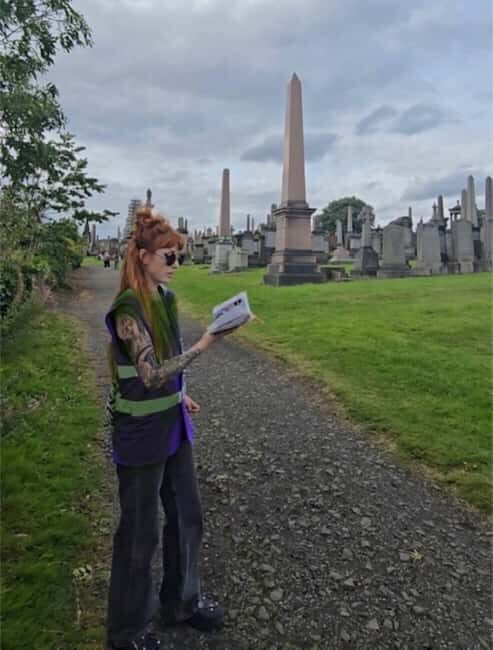
The Necropolis Gates are more than an entrance. They’re an announcement. Here, the Necropolis declares its purpose—memory on a scale that matches the city’s ambition in the Victorian era.
From this first landmark, the guide typically connects the physical design to the social climate of the time. You’ll also hear how the cemetery’s role evolved as Glasgow’s population and wealth shifted. The result is that the gates stop feeling like scenery and start feeling like a statement about how people wanted to be remembered.
This is also where you start noticing funerary art as more than decoration. Even in the first stretch of the tour, you’ll see how gravestones and larger memorials communicate status, belief, and family identity.
Bridge of Sighs: a dramatic name with a story behind it
The Bridge of Sighs is one of those spots where the setting does half the work. You’re in a space built for contemplation, and the guide gives the meaning behind the name and what it reflects about how the Necropolis was designed for visibility and symbolism.
What I appreciate about this stop is that it doesn’t treat architecture like trivia. Instead, the guide helps you connect the “wow” factor to why it matters. You’re learning how Victorian planners and patrons used form, placement, and atmosphere to shape how people moved through the cemetery and what they felt while doing it.
Even if you’re not a person who normally reads every inscription, this kind of storytelling makes it easier to follow along. You don’t just see a viewpoint—you understand why it became a key moment.
Facade and Failed Catacombs: when Victorian plans didn’t go perfectly
If you only expect polished success, this section surprises you—in a good way. The tour includes the Facade & Failed Catacombs, which are a reminder that big building projects don’t always land as intended.
This is exactly why I think this stop is so valuable. It adds honesty to the history. Instead of treating the Necropolis like a finished monument only, you get a sense of planning, ambition, and the obstacles that came along.
As you stand near the facade and hear what happened with the catacombs concept, you’ll likely notice how architecture can reflect both intention and limitation. That makes the cemetery feel more human. The stone doesn’t just memorialize the dead; it also reveals the living decisions that shaped the outcome.





Monteith Mausoleum and Millionaires Row: wealth, rank, and portrait-style memorials
Next comes the part of the tour that hits the eye. The guide takes you to major memorials, including the Monteith Mausoleum and the mausoleums along Millionaires Row.
These stops are where funerary sculpture and design choices start to look like branding. In Victorian terms, these weren’t simple grave markers. They were designed to project permanence, prominence, and family legacy. The guide helps you see the difference between monuments built for different kinds of people and different kinds of remembrance.
You’ll also get a clearer picture of the Victorian era through material choices and architectural style. When you compare grand mausoleums side by side, you start understanding how the Necropolis became a public statement as much as a private resting place.
This is also where the tour earns its “quality time” promise. In a short tour, these are the stops that give you the strongest visual payoff while still tying back to history.
Famous graves you’ll recognize: Jeffray, Buchanan Sisters, Tennant, Elders, Templeton
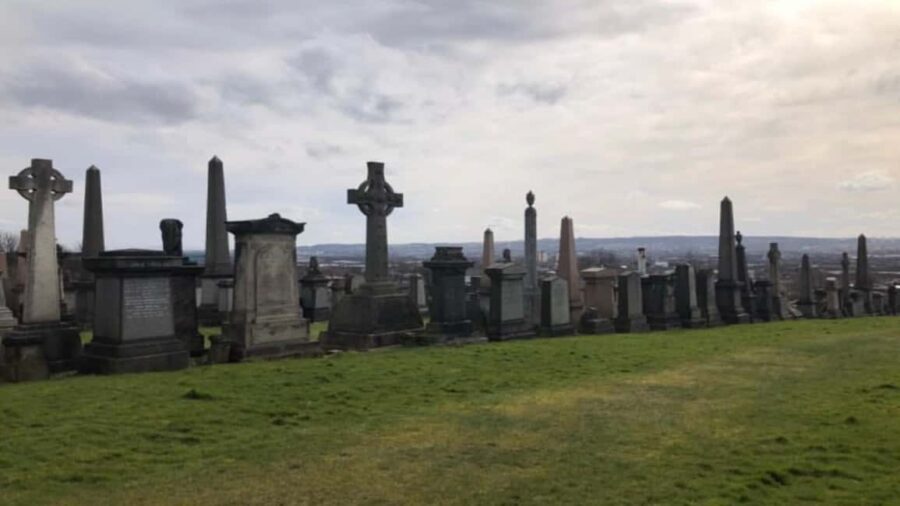
One of the best ways to make a cemetery tour feel real is to meet names connected to the city’s growth. This tour builds in exactly that. You’ll visit graves and memorials for major Glaswegians, including:
- James Jeffray
- Buchannan Sisters
- Charles Tennant
- John & Isabella Elder
- John Stewart Templeton
- and more
The guide also explains what you should pay attention to at each stop, which is key. Instead of hoping you can connect a name to a story just from the headstone, you get the context out loud while you’re there.
And this is where the tour turns into something more than sightseeing. You start to see Glasgow’s history as a network of people—industrialists, families, and social circles—rather than as a textbook summary. The guide makes those individuals feel connected to the city you’re walking through today.
In the reviews, the guide’s storytelling style comes up again and again. Jess L is described as bringing the Necropolis alive with energy, humor, and historical credibility, and that blend really helps you stick with the thread when you’re surrounded by stone details.
The guide makes the pace work: small group, humor, and real stories
For this kind of attraction, the guide can make or break the experience. Here, you’re working with a live English guide, and the tour stays limited to 10 participants. That matters because cemetery walking needs a steady flow: you’ll pause, look up close, and listen.
A big theme in the feedback is how the guide mixes humor with solid context. That balance helps the tour feel fun instead of like a lecture. It also helps you retain what you’re learning, because you’re not only hearing facts—you’re hearing stories with a point.
If you enjoy history that reads like people, not just events, you’ll probably love this format. The guide is also flexible about start time and can tailor your route to your interests, within the typical short tour window.
Timing and price: how $26 fits a short, high-value walk
At about $26 per person for a roughly 2-hour guided walk, this tour is priced like a practical add-on rather than a major day commitment. The value comes from what you’re buying: a local interpretation of architecture, funerary sculpture, and major memorial sites without you needing to research everything yourself.
You also get a group cap, and that usually translates into less “herding” and more time to look at details. If you like walking tours, this works well because the Necropolis rewards slow attention—but you don’t have to sacrifice half a day to get it.
Do note the practical tradeoff: it’s short. If you’re the type who could comfortably spend hours reading every inscription and comparing every mausoleum, you might leave wanting more. The guide’s ability to tailor and adjust timing helps, but you’ll still likely want a follow-up self-guided loop after.
What to bring and how to enjoy it more (especially in bad weather)
This tour is outdoors for the most part, so think like a weather realist. In the feedback, one person specifically noted that the tour stayed dry, but you can’t count on that every day.
Bring:
- comfortable walking shoes (stone paths and uneven ground are normal in cemeteries)
- a light layer or rain jacket
- a way to keep warm while you pause for stops and explanations
- a phone camera, because you’ll want photos at the gates and major memorials
Also, plan for no bathroom access. If that’s a concern for you, take care before you meet at the Necropolis Gates.
Who this tour is best for
This experience is a good fit if you want:
- a short, meaningful guided walk through Victorian architecture and memorial design
- a way to understand the Necropolis without getting lost among names and sculptures
- history with a human voice, aided by a guide who tells stories with humor and credibility
- a small group setting where you can actually hear the guide
It’s also ideal for first-timers to Glasgow who want one stand-out cultural stop that doesn’t feel like a standard museum day. You’ll see a side of the city that’s quieter but still full of personality.
Should you book this Glasgow Necropolis tour?
Yes, if you like tours where the guide gives you the keys to the place. The Necropolis can be impressive even without help, but you’ll get more from your time when someone explains why the Gates, Bridge of Sighs, and major mausoleums matter. The small group size, flexible start times, and the guide’s lively storytelling style make it easy to recommend.
Hold off or consider adding extra time if you’re the kind of person who wants to linger. Since there’s no bathroom access and the tour typically runs around 2 hours, plan a schedule that supports a focused visit, not a rushed one.
FAQ
How long is the Glasgow Necropolis tour?
The tour runs for about 2 hours.
Is this tour private or small group?
It’s a small group tour limited to 10 participants. It’s described as private in the sense of having your own local guide experience, but it is still capped at a small group size.
Where do I meet the guide?
Meet next to the main Necropolis Gates (large black and gold gates), by the Cathedral, behind the St Mungo museum.
Can I choose a start time or adjust the route?
Start times and the starting location are flexible depending on the guide’s availability. The tour can be tailored to your time and points of interest, usually within about 1.5 to 2 hours.
What’s included in the price?
The tour includes a private tour of the Glasgow Necropolis with a local guide, plus flexible start times and tailoring to points of interest.
Is transportation or food provided?
Transportation to the starting location and food and drinks are not included. Bathroom access is not available.