REVIEW · GLASGOW
Glasgow: Charles Rennie Mackintosh Private Tour
Book on GetYourGuide →Operated by Walking Tours In · Bookable on GetYourGuide
Mackintosh turns Glasgow into a living puzzle. This private tour follows Charles Rennie Mackintosh’s ideas through real streets, notable buildings, and design touches you can still see today, with your guide explaining how the pieces connect. I love the storytelling approach—you’re not just looking at facades, you’re learning why they matter and how Mackintosh’s world shaped them.
I also love the Mackintosh Tearooms exhibition stop, because it turns what you saw outside into something you can experience up close. One thing to plan for: it’s a walking tour with frequent conversation on sidewalks and in public spaces, so if you’re sensitive to noise, make sure you’re positioned where you can hear your guide clearly, especially in windy or rainy weather.
In This Review
- Key Things to Know Before You Go
- A Mackintosh Walk That Reads Like a Story
- What the Tour Covers: Streets, Buildings, and Real Design You Can See
- Starting at The Clutha and Victoria Bar: Getting Your Bearings Fast
- The Clutha Mural (#8 Glasgow Mural Trail): Art on the Street Level
- St Enoch Square and Sloans: Glasgow’s Public Energy
- The Lighthouse and the Daily Record Building: Print, Culture, and Design Power
- Savings Bank of Glasgow and Bath Street Palomino: Where Motifs Matter
- Glasgow Art Club and the Willow Visit: Seeing the Work, Not Just the Story
- Mackintosh Tearooms on Sauchiehall Street: The Finish That Makes Everything Click
- Price and Value for a Private Group Up to 2
- Weather, Hearing, and Comfort: Small Stuff That Affects Your Day
- Who This Tour Fits Best
- Should You Book This Charles Rennie Mackintosh Private Tour?
- FAQ
- How long is the Glasgow Charles Rennie Mackintosh Private Tour?
- Where does the tour start?
- What’s included in the price?
- Does the tour include admission to Mackintosh Tearooms?
- What language is the tour guide?
- Is this tour private or shared?
- Is the tour wheelchair accessible?
- What should I bring?
- Where do you finish, and are there drop-off options?
- Is free cancellation available?
Key Things to Know Before You Go
- Private group, up to 2 people, so the pace and focus can match your interests
- A street-to-tea-room route that connects Glasgow corners to Mackintosh design themes
- Skip-the-line admission to the Mackintosh Tearooms exhibition
- Stops include both famous and lesser-known Mackintosh-connected places across the city
- Temperance-era inspiration via Mrs Cranston, tying social history to design choices
A Mackintosh Walk That Reads Like a Story
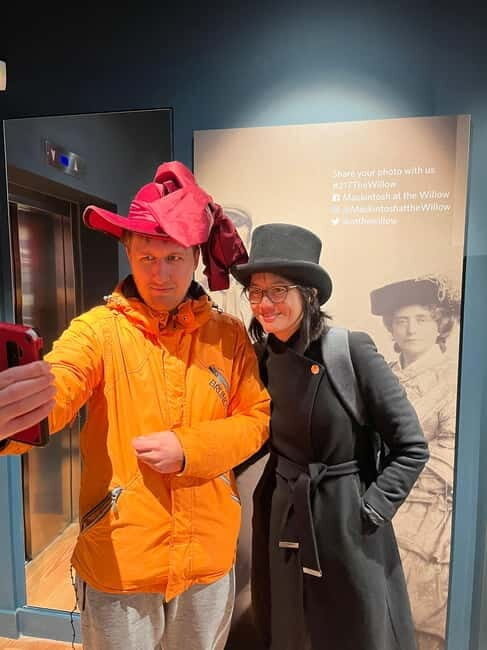
Charles Rennie Mackintosh isn’t just a designer you read about. In Glasgow, his work becomes a way to interpret the city: how buildings feel, how details repeat, and how people’s lives influenced what got made. This is a guided walking tour built to help you see those connections, without drowning you in trivia.
What makes it especially satisfying is the balance between the famous and the local. You’ll move through recognizable landmarks and also hear about smaller, less obvious treasures along the way—details that explain how Mackintosh earned his reputation as an architect and artist.
Your guide plays a big role here. Some guides, including Louise, are praised for being engaging and genuinely pleasant, even when the weather turns Glasgow-raisin-red. You also get the kind of explanation that helps you connect names and dates to actual streets you can point at.
You can also read our reviews of more private tours in Glasgow


What the Tour Covers: Streets, Buildings, and Real Design You Can See
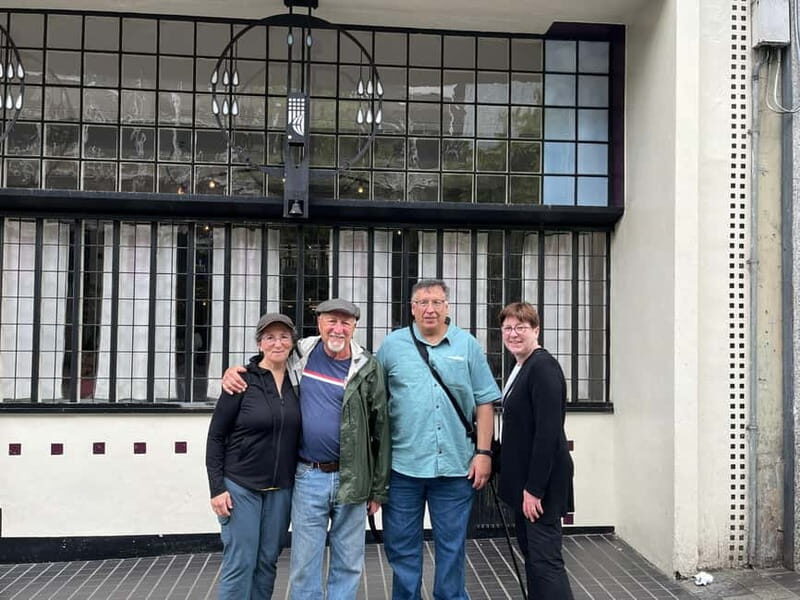
The route is structured around Mackintosh’s Glasgow, with stops that connect the man to the city’s look and feel. You’ll visit a mix of exterior landmarks and design-linked locations, then finish with time at the Mackintosh Tearooms on Sauchiehall Street, where the design becomes tangible and you can take your time in the exhibition.
Along the walk, you should expect more than “here’s a building.” Your guide is set up to talk about Mackintosh’s life, his marriage, what influenced his thinking, and where his first married home fits into the story. That context matters, because Mackintosh’s style isn’t random—it grew out of relationships, movements happening in his era, and the expectations people had of what design should do.
You’ll also learn about Mrs Cranston, Glasgow’s leading tea-shop entrepreneur, and how the temperance movement (a moral and social push of the time) influenced her tearooms commission. If you like history that actually changes how you read architecture, this angle is a standout.
Starting at The Clutha and Victoria Bar: Getting Your Bearings Fast
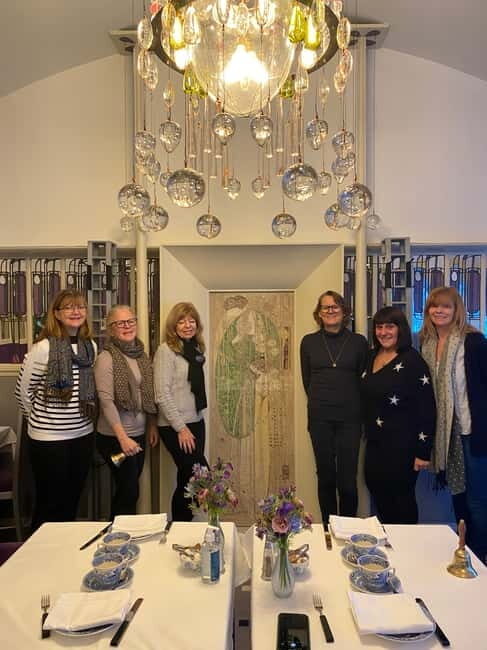
The tour meets outside The Clutha bar, at the Clutha & Victoria Bar—an easy point to locate before you start walking. I like this kind of start because it helps you settle into the day without stress. Once you’re with your group, your guide sets expectations and starts connecting Mackintosh themes to what you’ll see next.
Just as important, you’ll be walking with a guide who can keep the story flowing through multiple stops. That helps on a short city walk, because you don’t want to feel like you’re piecing together information from the ground up.
The Clutha Mural (#8 Glasgow Mural Trail): Art on the Street Level
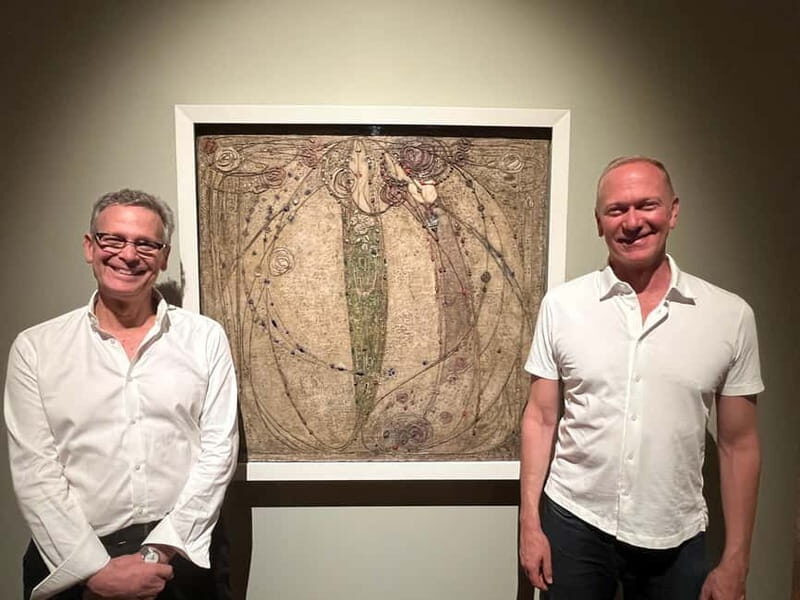
One of the first stops is The Clutha, tied to the #8 Glasgow Mural Trail. Even if you’ve never followed Glasgow mural trails before, this is a smart warm-up: it shows how the city celebrates visual design in public.
Your guide uses this starting point as a bridge—moving from today’s street art to the bigger idea that Glasgow’s visual culture is long-running. It’s the kind of beginning that makes the tour feel “Glasgow,” not like a checklist of distant monuments.
If you’re hoping for long, quiet pauses to take photos, you might find the pacing moves steadily. That’s normal for a walking route, but it’s worth knowing so you can plan your attention accordingly.
St Enoch Square and Sloans: Glasgow’s Public Energy
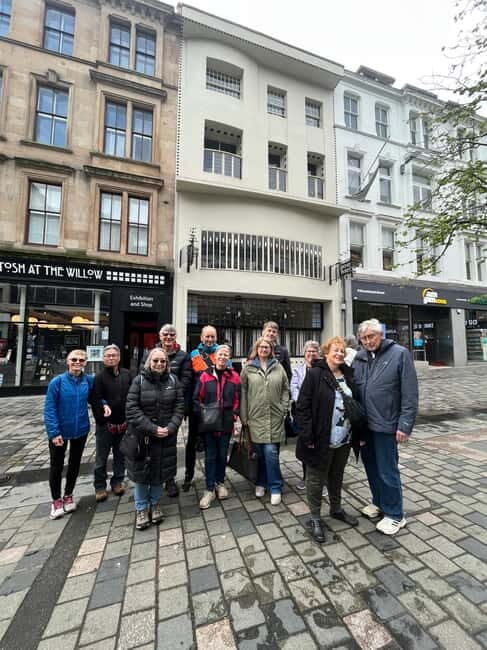
Next up is St Enoch Square. It’s the sort of place where you can feel how a city organizes itself—open space, heavy foot traffic, and a blend of older and newer Glasgow identities. Your guide’s job here is to connect that energy to the kind of civic and cultural attention designers like Mackintosh were working within.
Then you head toward Sloans, which in this context works as a practical city-stops moment: a stretch where you’ll likely notice architectural rhythm and street-level details. Even when the stops feel more “walk past” than “stand and stare,” your guide can still pull out design themes that help you look longer than you would on your own.
Tip: keep your camera ready but don’t constantly look down. The tour works best when you keep one eye on your surroundings and the other on what your guide is pointing out.





The Lighthouse and the Daily Record Building: Print, Culture, and Design Power
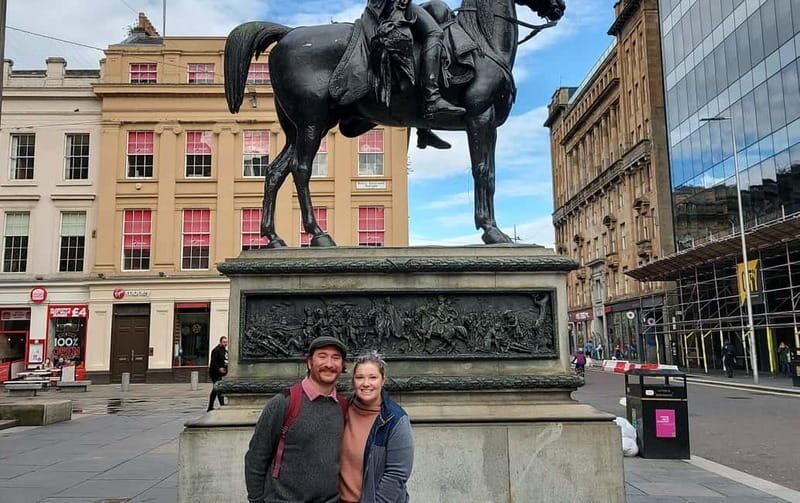
At The Lighthouse, you’re in a building tied to design and creativity as an idea. This stop is valuable because it frames Mackintosh as part of Glasgow’s broader culture, not only as an individual talent. When you understand that, his work starts to feel less like an isolated genius moment and more like a product of a city with strong visual ambitions.
After that, you’ll visit the Daily Record Building. It’s a reminder that design doesn’t only live in homes and museums. Newspapers and media spaces helped shape how people consumed images and ideas—so it makes sense to fold that context into a Mackintosh-focused walk.
I like that these stops widen your lens. If you only focus on interiors and iconic buildings, you miss how much public culture influences what gets built and how it gets noticed.
Savings Bank of Glasgow and Bath Street Palomino: Where Motifs Matter
The Savings Bank of Glasgow building adds another layer: the idea of institutions investing in how they look. Banks and civic structures often put design on display, and your guide will use this as a way to talk about why Mackintosh’s design instincts resonated in official settings.
Then comes Bath Street Palomino. Named locations like this are often where you catch smaller details that a quick drive-by misses. In a tour like this, “minor” stops are often where the design clues live—patterns, lines, or decorative elements that help you recognize Mackintosh themes as you move.
One small consideration: if you want to maximize museum-style reading time, this portion of the tour may feel fast. The upside is that you’re learning how to look at the city, not just where to stand.
Glasgow Art Club and the Willow Visit: Seeing the Work, Not Just the Story
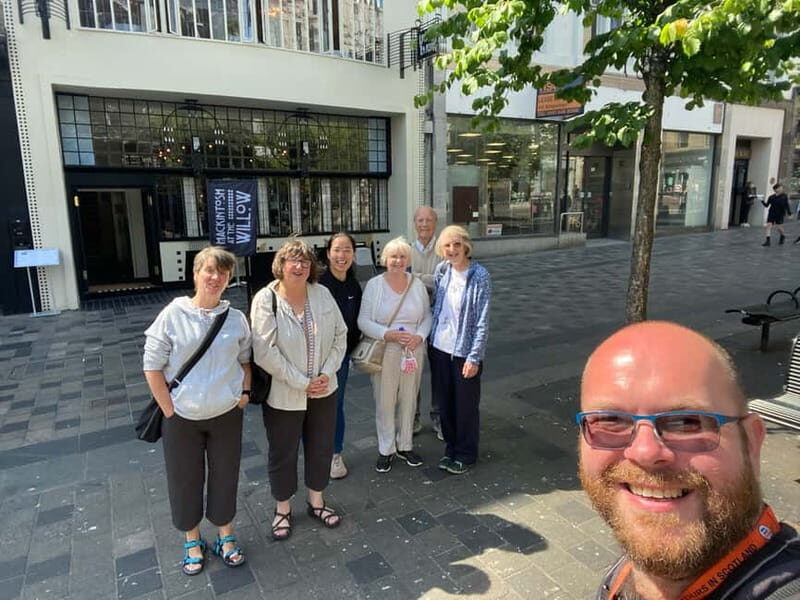
Next, you’ll visit the Glasgow Art Club. This stop matters because it connects Mackintosh’s world to artists and creative institutions that supported people who worked in design, art, and architecture.
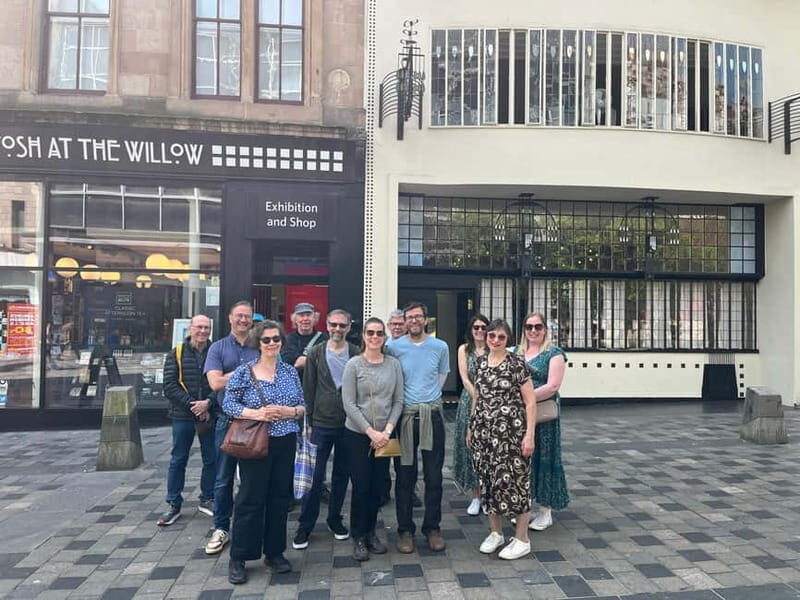
Then the tour lands at Mackintosh at the Willow, with time to visit. This is one of the places where the tour becomes most real, because you’re not just hearing about design—you’re seeing spaces associated with Mackintosh’s legacy and experiencing what made it influential.
If you’re the type who learns best by combining explanation with being in the room, this is a strong part of the route. And since the tour is private, you can ask questions that pop up as you walk through.
Mackintosh Tearooms on Sauchiehall Street: The Finish That Makes Everything Click
After the street portion, the experience wraps up at Mackintosh Tearooms on Sauchiehall Street. This is where the tour’s promise pays off: you see the iconic designs firsthand and then get into the Mackintosh Tearooms exhibition.
The included entrance ticket and skip-the-line approach help here. You’re not spending your best energy staring at tickets and waiting around—you’re using the time for looking slowly, noticing design choices, and matching them to the story your guide told on the street.
This is also where the Mrs Cranston angle becomes more than a name. Your guide ties her influence to the temperance movement of the time, showing how social values and marketing shaped the kind of tearoom experience Mackintosh helped create. You might find you look at the details differently once you understand the human motivation behind them.
Price and Value for a Private Group Up to 2
The price is $217 per group (up to 2 people). That’s not cheap, but it is often fair for a private, guided, ticket-included experience with a short city walking route plus exhibition time.
Here’s how I think about value for this kind of tour:
- You’re paying for a guide who connects multiple sites into one coherent story
- You get entry to the Mackintosh Tearooms exhibition, so you’re not piecing tickets together on your own
- The route is tailored to a small group, which tends to make questions and pacing easier
If you’re coming as a pair, it typically lands at about half the group price per person. If you’re solo, the value still makes sense if you really want a guided, design-focused route and prefer not to join a larger group.
Weather, Hearing, and Comfort: Small Stuff That Affects Your Day
This tour can run in cold, rainy, and windy conditions, so plan like a Glasgow local: comfortable shoes and weather-appropriate clothing are the only real non-negotiables. You’ll be walking through multiple city stops, and the most important thing is staying warm enough that you can actually pay attention.
Also, since the tour involves your guide talking while you move and stand around in public spaces, it’s worth being attentive to where you’re standing in relation to the guide. Some people find it harder to hear on windy days, so don’t be shy about adjusting your position.
Who This Tour Fits Best
This private Mackintosh-focused walk is a great match if you:
- Want a design-led Glasgow experience, not a generic highlights tour
- Like your architecture explained through people, motives, and cultural context
- Prefer a smaller group where you can ask questions and set your pace
- Enjoy finishing with a hands-on style experience (the tearooms) rather than only photos outside
You might consider a different format if you’re hoping for a purely inside-museum day with lots of long galleries, since part of the experience is built around street walking and short landmark stops.
Should You Book This Charles Rennie Mackintosh Private Tour?
Yes, if you want a Glasgow day where design feels connected and readable. The combination of a city walk, a strong narrative about Mackintosh’s life and influences, and a finish at Mackintosh Tearooms makes it more than a list of locations.
Book it especially if you like thoughtful guides who can turn names like Mrs Cranston and the temperance movement into something you can actually connect to the spaces you’re standing in. If you’re sensitive to hearing in bad weather, just position yourself well and dress for the elements, and you’ll set yourself up for a smooth, memorable route.
FAQ
How long is the Glasgow Charles Rennie Mackintosh Private Tour?
The tour is described as a 2-hour tour, with available durations showing a range of 2 to 6 hours depending on starting times and how the day is paced.
Where does the tour start?
You meet outside The Clutha bar (Clutha & Victoria Bar), where the guide will be waiting.
What’s included in the price?
The tour includes a local, expert guide, and an entrance ticket to the Mackintosh Tearooms exhibition.
Does the tour include admission to Mackintosh Tearooms?
Yes. You’ll have entrance to the Mackintosh Tearooms exhibition, and there’s also a skip-the-ticket-line benefit.
What language is the tour guide?
The live tour guide is available in English.
Is this tour private or shared?
This is a private group tour.
Is the tour wheelchair accessible?
Yes, the tour is listed as wheelchair accessible.
What should I bring?
Bring comfortable shoes and weather-appropriate clothing.
Where do you finish, and are there drop-off options?
The tour ends at Mackintosh Tearooms on Sauchiehall Street, and there are drop-off locations listed as Kelvingrove Art Gallery and Museum and Mackintosh at the Willow.
Is free cancellation available?
Yes. You can cancel up to 24 hours in advance for a full refund.