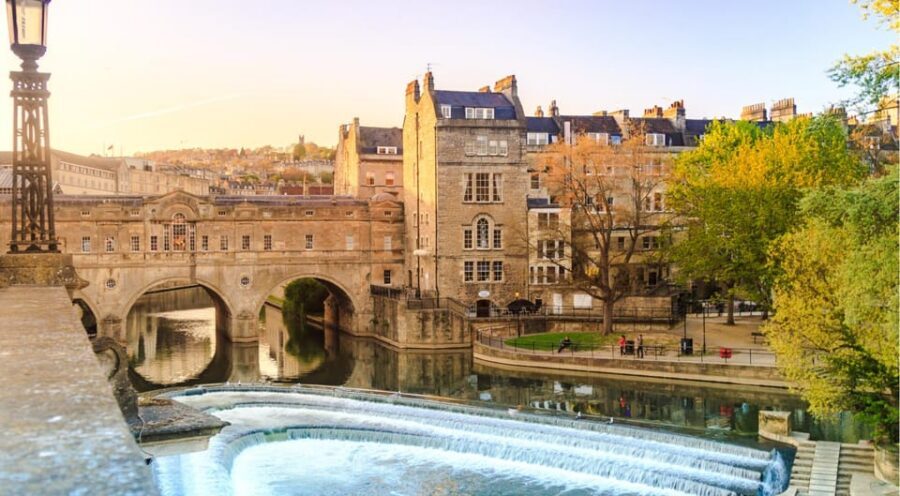
REVIEW · GLASGOW
Glasgow: Stuck in the 90s… A Nostalgic Musical Escape Room
Book on GetYourGuide →Operated by eeek! Escape Rooms · Bookable on GetYourGuide
This 90s murder mystery plays like a mixtape. I love the 90s bangers that power the vibe and the inventive puzzles that keep your brain moving instead of just hunting for props. One thing to consider: the difficulty is rated Brain Bruiser, so first-timers who want an easy win may need a clue or two to stay on track.
The story has a proper hook too: Blade Heart is found dead, and you’re brought in as detectives before the police get involved. A dedicated games host handles the flow, and I like that people have called out staff like Eliska and Edi for stepping in with exactly the right amount of help when the room stalls.
In This Review
- Key things that make this escape room worth your time
- Entering the eeek! studio near Charing Cross and Kelvinbridge
- The Blade Heart case file: what you’re really solving
- Your 75-minute game flow: what happens after you walk in
- 1) You get the briefing and your mission
- 2) You split tasks and search for the first real clue
- 3) Puzzles build on each other, and the host becomes your safety net
- 4) You reach the reveal before your case goes public
- 5) Quick wrap-up
- The 90s soundtrack isn’t decoration—it’s the room’s engine
- How the puzzles feel in practice (and what Brain Bruiser means for you)
- Price and value: what $37 gets you in Glasgow time
- Best group size and the team dynamic that makes or breaks it
- Who should book this, and who should skip it
- A quick reality check: what the rules mean for your night
- Should you book this Glasgow 90s murder mystery?
- FAQ
- How long is the escape room experience?
- How many people can play at once?
- What’s the theme?
- What age is this suitable for?
- Is it beginner-friendly?
- What language is the host guide?
- Where do I meet for the experience?
- Is parking available?
- Are there any rules about food or photos?
- What can’t be brought into the room?
Key things that make this escape room worth your time
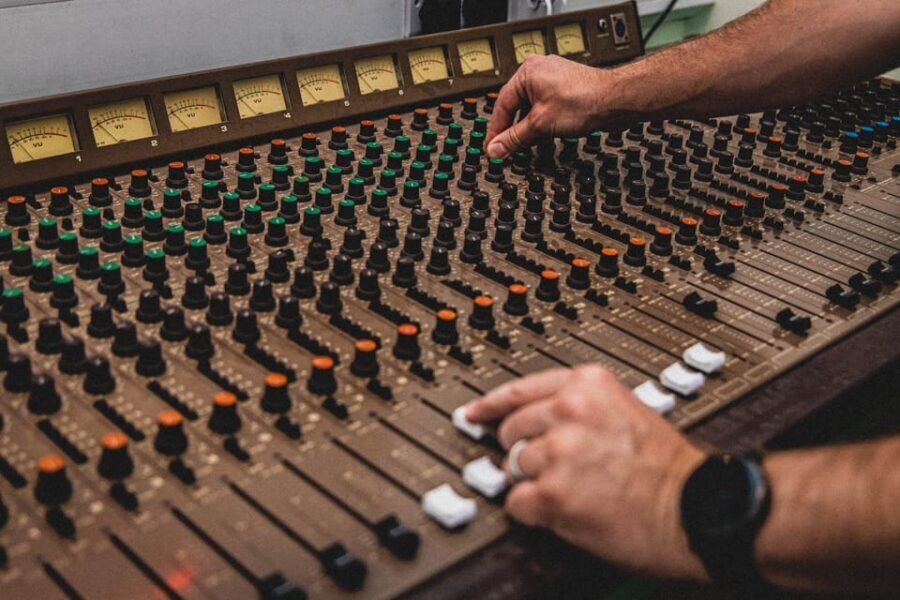
- A 90s pop soundtrack that’s part of the experience, not just background noise
- A real murder-mystery plot built around Blade Heart, Lola Chains, and a studio full of 1990s clues
- Brain Bruiser-level puzzles that reward teamwork and pattern-spotting
- A live games host who can guide you without taking over the game
- Perfect for groups of 2 to 5 who want something social and a little competitive
- A clear 75-minute format, so you’re not committing to a half-day activity
Entering the eeek! studio near Charing Cross and Kelvinbridge
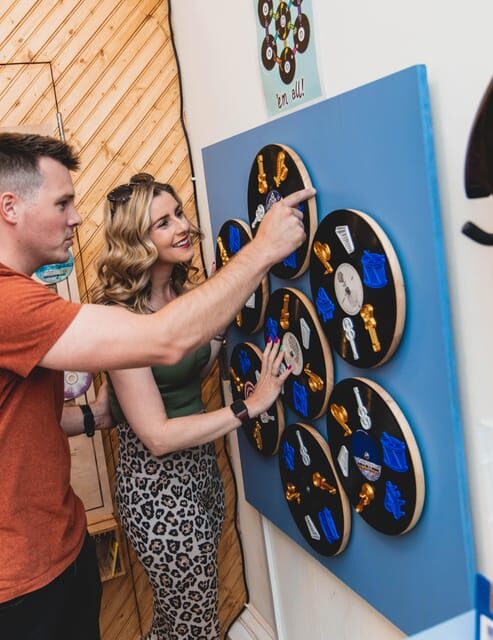
This escape room is in Glasgow, at eeek! Escape Rooms Glasgow, a short walk from transit. If you’re arriving by train, it’s about an 8-minute walk from Charing Cross station. If you’re coming through the subway, it’s roughly a 15-minute walk from Kelvinbridge Underground station. That matters more than you might think. Escape rooms work best when you show up calm and on time, not rushing through a city trying to find the entrance.
By car, there are parking spaces outside the premises. Some are metered, but the cost is described as low if you’re just parking for a couple of hours. If you’re planning an evening outing, there’s free parking in the evenings and on weekends. Practical tip: if you’re going straight after work, give yourself a few extra minutes to find the best spot. Escape room games don’t pause, and arriving late can cut into your only 75-minute window.
Before you head in, wear comfortable shoes. You’ll be standing, leaning, moving around the room, and working close to puzzle panels. Also skip anything messy: food and drinks aren’t allowed, and flash photography is a no. That keeps the game area focused and tidy, and it helps the set pieces stay in good shape.
You can also read our reviews of more tours and experiences in Glasgow.



The Blade Heart case file: what you’re really solving
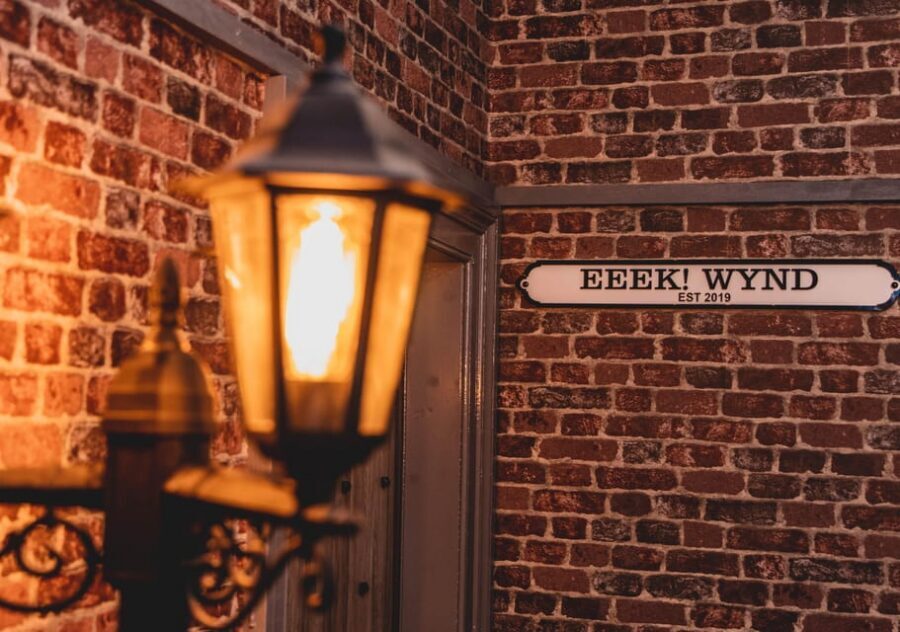
The premise is very specific, which is good. You’re not just decoding random riddles. You’re trying to figure out how Blade Heart died.
Here’s the setup you’ll hear right before you play: Blade’s girlfriend, Lola Chains, discovers him dead in his studio. In the 1990s, Blade was the lead singer of the boy band Hearts Desire, and he’s spent years trying to claw his way back to fame. The story points to a rough breakup of the band, then more fallout: he keeps chasing a return to glory, while old label drama catches up with him.
The label situation adds tension. Sleazegenix Music Productions announces it has dropped Blade from the record label, and it becomes public. The rights to Blade’s music are still held by Sleazegenix if he dies, and the owner, Daemon Powell, fears he’s a prime suspect. His worry isn’t just personal. He believes he’ll be arrested the moment Blade’s death is revealed.
That’s where you come in. You’ve been hired by Daemon Powell through a private detective agency to determine the truth quickly. The clock matters, because the police will be involved once the death is officially known. It also means your team can’t just enjoy the theme. You have to solve.
Blade also has a list of likely enemies. The case mentions:
- Steel, an ex boyband mate
- Big EZ, a rapper
- VanDer Bass, an Ibiza DJ
You’ll be using clues linked to these characters and to the studio’s 1990s look and feel. The key is that you’re building a cause-and-effect answer: who did what, and why the clues point there.
Your 75-minute game flow: what happens after you walk in
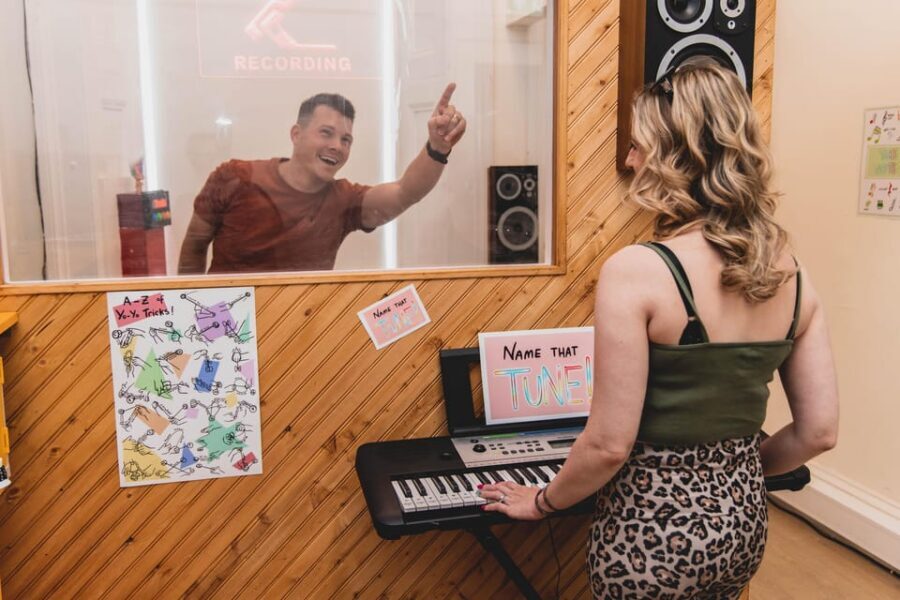
Escape rooms can feel chaotic, but this one is set up like a focused challenge. You’re booking for a 75-minute session, and that time box pushes you to work efficiently.
Typically, the flow goes like this:
1) You get the briefing and your mission
You’ll start with clear instructions from the live games host. The most helpful part of a good escape room isn’t the puzzles. It’s the first few minutes. From the experience notes, hosts like Eliska are good at explaining the rules and then letting you get started without wasting time.
2) You split tasks and search for the first real clue
Then you’ll move through the studio, looking for puzzle elements tied to the story. With teams of 2 to 5 players, you can spread out:
- one or two people handle puzzle stations
- someone watches for new clue locations and cross-checks
- someone keeps notes so you don’t forget key details you already discovered
This matters because the story is about a death and multiple suspects. Even if the puzzles are fun, the real win is connecting them into one conclusion.






3) Puzzles build on each other, and the host becomes your safety net
The game is rated Brain Bruiser, so you might hit spots where you stare at something that feels obvious but won’t click. That’s normal. The games host is there for guidance, and people have specifically praised the timing of those hints. You get support when it’s genuinely needed, not when it would remove the satisfaction.
4) You reach the reveal before your case goes public
You’re working to determine who killed Blade Heart, so the ending is about putting your clues into a final answer. The best escape room endings give you a sense of closure. The worst ones feel like a scramble. Here, the story framing gives your last minutes a purpose: you’re finishing your case.
5) Quick wrap-up
Even with the fun and music, it’s still an escape room: time is short, so the host will keep things moving.
The 90s soundtrack isn’t decoration—it’s the room’s engine
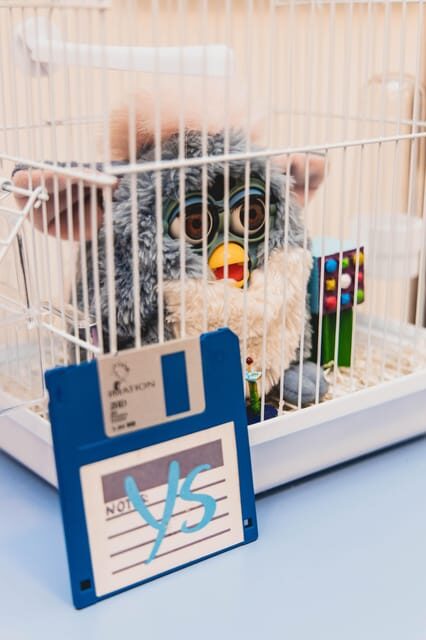
The big attraction here is the theme: stuck in the 90s. The story explicitly mentions boybands, bleached hair, tracksuits, and the Macarena. But what I’d call out for value is that the music is part of the experience, and it’s not treated like a playlist you can ignore.
In a lot of themed rooms, the soundtrack is just atmosphere. Here, classic 1990s bangers are a core part of the entertainment. That does two useful things for you:
1) It keeps energy high for all 75 minutes
2) It gives you a shared reference point, especially for mixed-age groups
That soundtrack factor shows up in the kind of feedback people give: music being spot on, it bringing back memories, and the musical twist landing well for families. If your group includes someone who grew up with 90s pop, this becomes more than puzzles. It turns into a shared nostalgia moment while you solve.
Also, remember: you’re in a murder mystery. That contrast is fun. You’re using serious detective logic, but the room is dressed like a throwback pop world.
How the puzzles feel in practice (and what Brain Bruiser means for you)
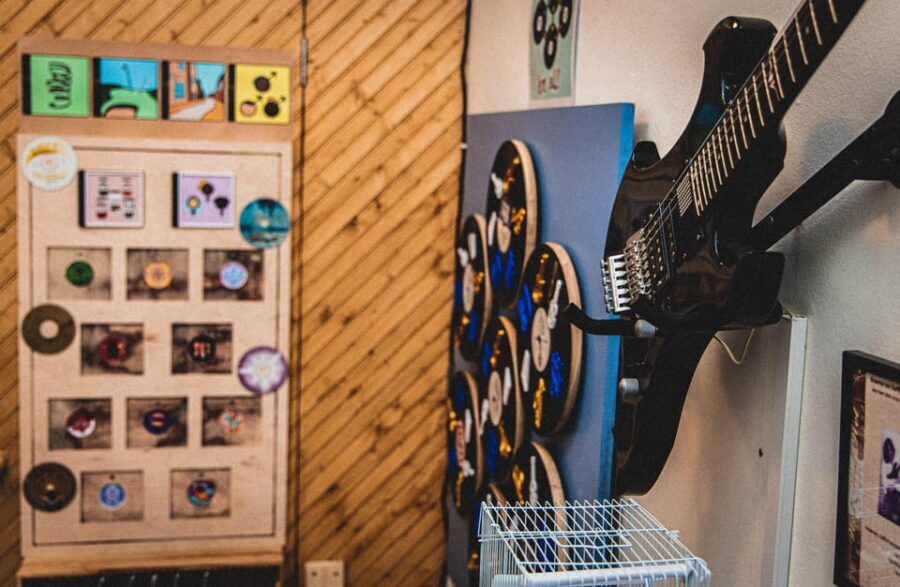
The difficulty rating is Brain Bruiser, which should set your expectations. This isn’t a do-everything-with-one-system room. It’s closer to the kind where you need to combine:
- lateral thinking
- careful reading
- pattern spotting
- communication under pressure
If you’re new to escape rooms, you’ll still be fine. The key is how you manage the team. Your best strategy in a 90-minute mystery is simple:
- Don’t stick to one puzzle too long
- If someone gets an idea, say it out loud
- If you’re stuck, ask your host for a clue sooner instead of later
People have credited the hosts for stepping in with extra clues when a team is struggling. That’s a smart design choice. It prevents the game from turning into a frustration loop.
One more practical note: because this is a murder-mystery and you have multiple suspects (Steel, Big EZ, VanDer Bass, plus the label drama), you’ll want to keep track of what each clue suggests. Some clues may feel like they’re just “information,” but in escape rooms that often becomes the difference between solving and missing the final link.
Price and value: what $37 gets you in Glasgow time
The price is listed as $37 per person. On its own, that number doesn’t tell you much. Value comes from what you actually receive:
- 75 minutes of guided, interactive entertainment
- a dedicated games host
- a full story-driven setting with 1990s music as part of the deal
- teamwork with a group size of 2 to 5
When escape rooms work well, you’re not just paying for puzzles. You’re paying for someone to run the game, keep it fair, and make sure you’re not stuck forever without help. And you’re paying for the fact that you get a complete activity in one sitting, which is easier to plan than longer evening options.
Is it worth it if you don’t love puzzles? If you’re the type who enjoys solving challenges with friends and you can communicate quickly, yes. If you hate being time-pressured or you need a purely passive experience, maybe skip it.
Also think about your group’s makeup. In families and mixed groups, the music helps. The puzzles are still the main event, but the theme makes the “working together” part feel lighter.
Best group size and the team dynamic that makes or breaks it
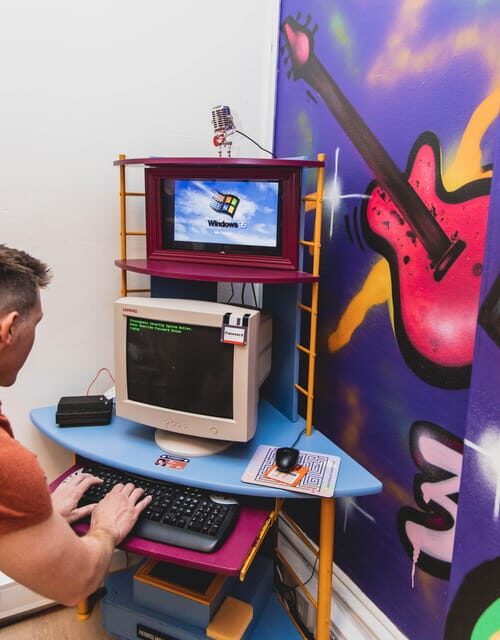
This is designed for 2–5 players. That range is ideal because it lets you actually split tasks. In smaller teams, every person matters. In bigger teams, you can assign roles and move faster.
Here’s a team setup that tends to work:
- Person A: handles mechanical or code-style puzzle stations
- Person B: handles word-based clues or storyline details
- Person C (optional): does the “look-around” sweep for new clue locations
- Everyone: contributes when stuck, and you confirm before acting
The story includes multiple names and relationships, so coordination matters. If you have a habit of working silently, your team may lose time. I’d rather see a lively group where people say what they think and then test it together.
And if you’re visiting as a family, this can work well with kids 10 and over. The main caution is that the room is rated Brain Bruiser. That rating suggests it won’t be a child-only puzzle; it will need adult support or a very puzzle-savvy kid.
Who should book this, and who should skip it
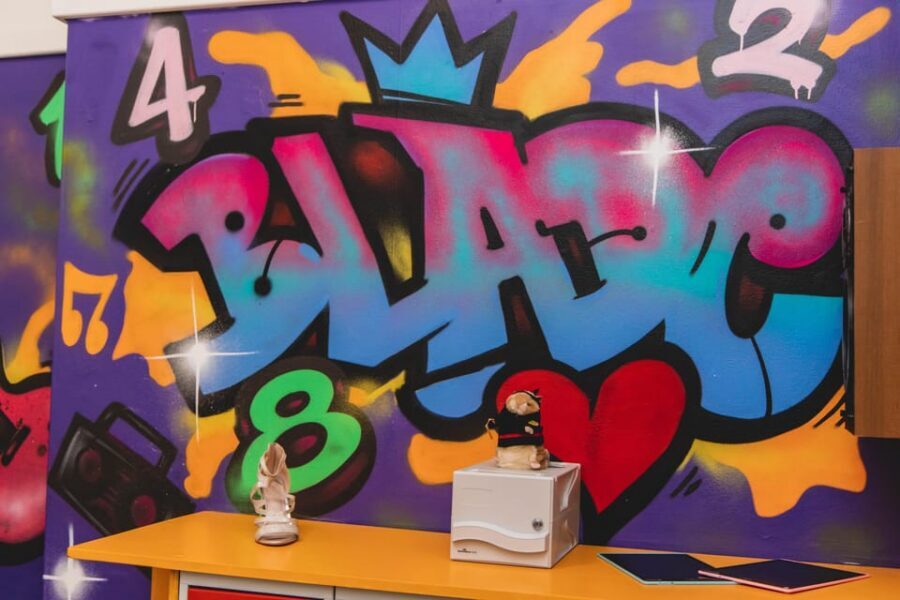
This escape room is marked recommended for age 10+. It’s also explicitly not suitable for:
- children under 5
- people with mobility impairments
- wheelchair users
- people over 75
So for mobility reasons, you’ll want to check if your group can move comfortably within a typical escape room layout.
Who will enjoy it most:
- groups of friends who like competitive teamwork
- families with kids 10+ who enjoy puzzles and themes
- anyone who loves 1990s pop culture and wants to feel it while solving
- first-time escape room visitors who want clear rules and live guidance
If you’re over 75, or if someone in your group needs wheelchair access or mobility support, skip this specific room based on the stated suitability.
A quick reality check: what the rules mean for your night
A few house rules keep the experience focused:
- No food or drinks
- No flash photography
- No alcohol or drugs
- Bring comfortable shoes
- English live tour guide
This keeps the space distraction-free and helps preserve the set. It also means you should plan a meal before or after. If you’re meeting friends from work, grab something quickly nearby and then head in.
Should you book this Glasgow 90s murder mystery?
If you want a Glasgow evening that’s part detective work and part 90s nostalgia, I’d book it. The reason is simple: the room’s theme isn’t an afterthought. The music, the story, and the puzzle challenge all work together, and the games host support (including guidance from staff like Eliska and Edi) seems to be timed to keep you in the game.
Book it if:
- your group includes people who love 90s pop culture
- you’re okay with a Brain Bruiser challenge
- you want a complete, story-driven activity in 75 minutes
Skip it if:
- your group needs wheelchair access or has mobility limitations
- you want an easy, low-effort activity
- you’re going in with the expectation of doing puzzles without any possible hints
If you’re torn, ask yourself one question: Do you want to spend an hour with friends solving a case together while the room soundtrack keeps you in that 90s mood? If yes, this is a strong pick.
FAQ
How long is the escape room experience?
The experience lasts 75 minutes.
How many people can play at once?
It’s designed for 2 to 5 players.
What’s the theme?
It’s a fun, playful murder mystery set in the 1990s, centered on solving who killed Blade Heart.
What age is this suitable for?
It’s recommended for age 10 and over. It’s not suitable for children under 5.
Is it beginner-friendly?
It’s rated Brain Bruiser, so it can be challenging. A dedicated games host provides help if you’re stuck.
What language is the host guide?
The live guide is in English.
Where do I meet for the experience?
Meet at eeek! Escape Rooms Glasgow. It’s about an 8-minute walk from Charing Cross station and about a 15-minute walk from Kelvinbridge Underground station.
Is parking available?
Yes. There are parking spaces outside the premises, sometimes metered. Parking is described as low cost for short stays, and there is free parking in the evenings and on weekends.
Are there any rules about food or photos?
You can’t bring food or drinks, and flash photography isn’t allowed.
What can’t be brought into the room?
Alcohol and drugs aren’t allowed.