REVIEW · GLASTONBURY
Glastonbury Day Tour – ‘The Quest’ – Magdalene, King Arthur
Book on GetYourGuide →Operated by Tor's Tours · Bookable on GetYourGuide
Avalon here feels like a living map. On the Glastonbury Day Tour The Quest, you walk between Avalon legends and early Christian stories, from the Holy Thorn Tree to the Glastonbury Tor summit.
Two things I love are how the guide links the sites into one continuing story, and the extra moments to actually take the places in. Highlights like the Wattle Church and the King Arthur area feel less like quick photo stops, with a small group vibe that keeps the day moving but still personal. If you get a guide such as Edward or Michael, expect a warm, engaged style—plus the chance to hear unique details that you won’t get from a basic audio walk.
One drawback to plan for: meeting point and early timing can be a bit tricky. Make sure you know exactly where to start, because if the morning doesn’t go smoothly, the whole schedule can slip.
In This Review
- Key things to look forward to
- Avalon Meets Early Christianity: What The Quest Feels Like
- Where the Day Starts and How to Plan Your Morning
- Avalon Walk-Through: Holy Thorn Tree and the Joseph of Arimathea Story
- St Margaret Chapel and the Wattle Church in Glastonbury Abbey
- King Arthur and Guinevere: Why Their Resting Place Matters Here
- St John’s Church Windows and the Grail Hunt at Chalice Well
- White Spring, the Candle-Lit Water Temple, and Comfort Considerations
- Glastonbury Tor Summit: Sleeping Dragons and Big Views to Wales
- Price and Value: Is $101 a Good Deal for a Full-Day Quest?
- Best For Who: You’ll Enjoy This If You Like Meaning, Not Just Facts
- Should You Book the Glastonbury Quest?
- FAQ
- Where does the tour start?
- How long is the Glastonbury Day Tour The Quest?
- Is the tour guided in English?
- Is food included in the price?
- Are entrance fees included?
- What should I bring?
- Is the tour wheelchair accessible?
Key things to look forward to
- A single, guided myth-to-faith storyline that carries you site to site through Glastonbury’s sacred center
- Holy Thorn Tree lore tied to Joseph of Arimathea and the early Christian arrival narrative
- Hidden chapel stop and the Wattle Church as a core part of England’s earliest Christian worship story
- Chalice Well and White Spring ritual-style balance with instructions that turn sightseeing into participation
- Glastonbury Tor summit views to Wales plus the sleeping dragons explanation
Avalon Meets Early Christianity: What The Quest Feels Like
This tour’s hook is simple: Glastonbury is a place where myth, spirituality, and church history all claim the same ground. You start in the orbit of Avalon and follow a story that connects pagan spiritual initiation ideas with an early Christian arrival narrative. If you like places that feel layered—rather than one-note museum culture—this day fits that mood.
I like that the guide doesn’t just recite facts. The storytelling approach makes you pay attention to what’s physically in front of you: trees, chapels, church windows, wells, and hilltop lines of sight. Even if you’re skeptical about the legends, the tour is good at showing why people keep returning to these spots for meaning.
The day also has a hands-on streak. At the wells, you’re invited to consider the waters directly, and at White Spring there’s an explicit heads-up about what you might see in the candle-lit water temple. That’s not everyone’s comfort zone, so be honest with yourself about how you want your spirituality to look—quietly reflective or more experiential.
You can also read our reviews of more tours and experiences in Glastonbury.

Where the Day Starts and How to Plan Your Morning
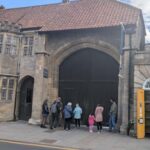
The tour begins at St John the Baptist’s Church. That matters because Glastonbury’s streets are busy, narrow, and full of churches, signs, and little side paths. One practical tip: confirm the meeting spot location before you wander off to grab a coffee, especially if your instructions feel vague.
The pace is full-day, and the schedule is structured around walking between a series of religious and myth-linked landmarks. You’ll be on your feet for much of the day, so I’d treat it like a light hike plus a lot of walking through historic areas.
You also need to budget for your own meals and any paid entry you run into. Food isn’t included, and entrance fees aren’t included either. If you don’t want to spend your whole lunch hour searching for something nearby, pick up snacks in advance or plan a simple lunch plan so you don’t lose momentum.
And yes, the tour is listed as wheelchair accessible. Still, Glastonbury Tor involves a climb, so if mobility is a concern, ask ahead what route or pacing is possible for your chair. It’s the kind of detail that can make or break the experience.
Avalon Walk-Through: Holy Thorn Tree and the Joseph of Arimathea Story
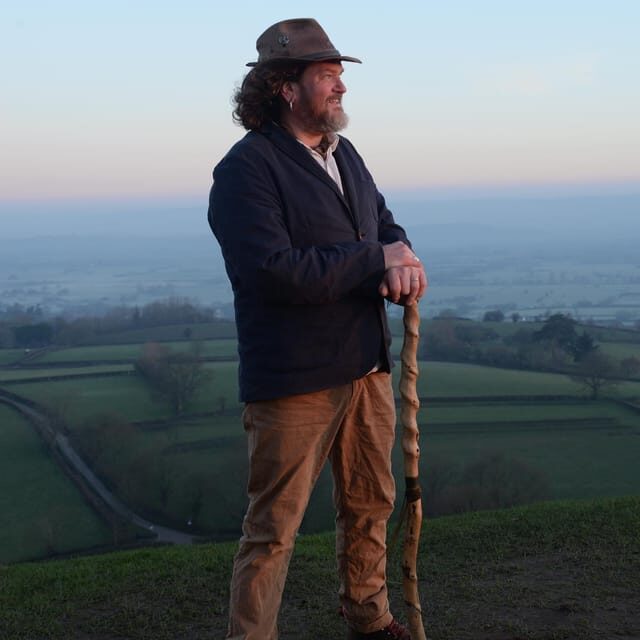
Right from the start, you shift into the Avalon storyline with a guided walk across Avalon’s sacred ground. The tone here is about time overlap—what the legends say happened, what Christian traditions claim, and how the landscape held spiritual importance long before any single faith version took center stage.
A major stop is the Holy Thorn Tree. The tour shares the belief that it grew from a staff given to Joseph of Arimathea by Jesus, planted as a symbol tied to the birth of an early Christian way. You also hear how, in this telling, Joseph and the early Christians worked alongside Pagans and Druids who had used the Isle of Avalon for spiritual initiation for thousands of years.
This is where the tour becomes more than sightseeing. It asks you to interpret the place as a spiritual crossroads. If you’re the kind of traveler who likes learning why myths attach themselves to real locations, you’ll enjoy the way the guide builds connections between what’s seen and what’s claimed.
If you’re not into legends, you can still get value by focusing on the symbolism the tour highlights: thorn, staff, planting, and continuity. Those are visible themes you can read even if you approach the story as cultural heritage rather than literal history.
St Margaret Chapel and the Wattle Church in Glastonbury Abbey

After the Avalon walk, you move via the hidden chapel of St Margret to the center of Glastonbury Abbey’s story, including the Wattle Church site. This stop is one of the day’s most distinct points because it’s framed as England’s first building for Christian worship in this tradition.
The guide explains that the Wattle Church was built in 62 AD by Mary Magdalene and Joseph of Arimathea, as part of the early Christian worship narrative in Glastonbury. Whether you take that timeline literally or treat it as legend, the tour helps you understand the appeal: this is a place where spiritual origin stories get attached to physical sites, and the buildings (or their remembered location) become anchors.
One reason I think this section works well is that the tour gives you time to slow down. You’re not just moving through stone corridors. You’re standing near a site that the tour treats as the start of a worship lineage, and that changes how you look at the abbey area.
Practical note: abbey and church areas often have uneven ground. Wear your hiking shoes, and plan for cool air if it’s damp outside. A little rain gear also helps, because these sites can make weather feel more personal.
King Arthur and Guinevere: Why Their Resting Place Matters Here

A few steps from the Wattle Church area, the tour points you toward the last resting place of King Arthur and Gwynevere. This is another moment where the tour blends myth and devotion, but it does so with a guide-led explanation rather than leaving you to figure out why the tomb is claimed to be here.
What I like about this segment is the focus on the connection the guide draws between Arthur legends and the family-of-Christ storyline. In other words, Arthur isn’t treated as a standalone medieval attraction. The tour frames Arthur as part of a longer spiritual chain that connects back to early Christian themes.
If you’re interested in how legend travels through time, you’ll likely enjoy this stop. It’s a reminder that Glastonbury has long been a magnet for story-making, where later myths can graft onto older sacred claims.
If you’re more history-focused and prefer hard evidence, keep your expectations flexible. This part is about meaning and tradition as much as it is about confirmed facts. Still, the guide’s structure makes it easier to appreciate why these stories endure and why people seek them out.
St John’s Church Windows and the Grail Hunt at Chalice Well
After Arthur and Gwynevere, you’re guided to St John’s church, where the windows are described as painting hidden stories from earlier times. This is a subtle stop, but it’s smart: it trains your eye to look upward and inward. Instead of asking you to absorb only written story, it encourages you to notice how the church visually communicates its legends.
Then comes the post-lunch shift into the Grail quest narrative at Chalice Well. The tour explains that the Holy Grail is said to be buried under Chalice Well. That claim is what gives the whole next phase its momentum.
You’ll hear why the well water is considered healing and you may be encouraged to drink the waters yourself. I like the way this turns Glastonbury’s spiritual reputation into an actual experience—though, of course, you should listen to your own health needs. Bring a small cup of common sense to anything drinkable in the field, and pace yourself if you’re doing this as part of a ritual-style moment.
The tour also adds an energy-balancing element. Chalice Well’s red waters are presented as tied to female energies, and you’re guided toward the idea of balancing that with the white waters of the White Spring. If you enjoy the idea of symbols and ritual steps, this sequence will feel cohesive rather than random.
White Spring, the Candle-Lit Water Temple, and Comfort Considerations
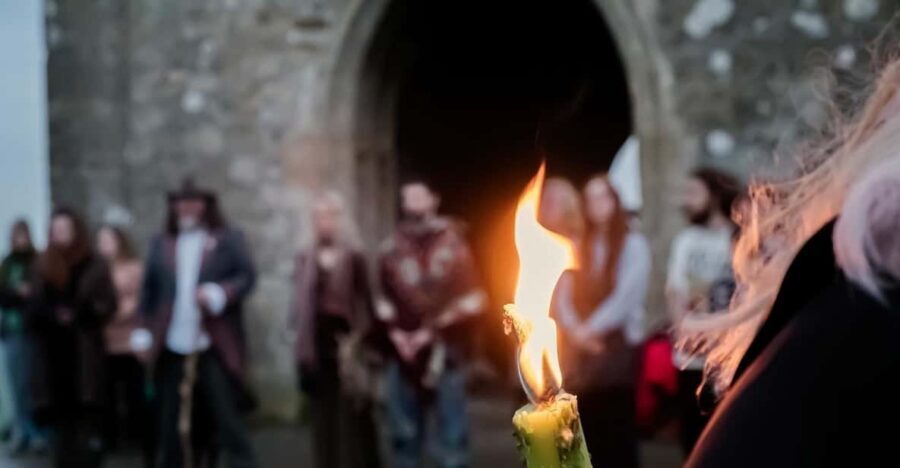
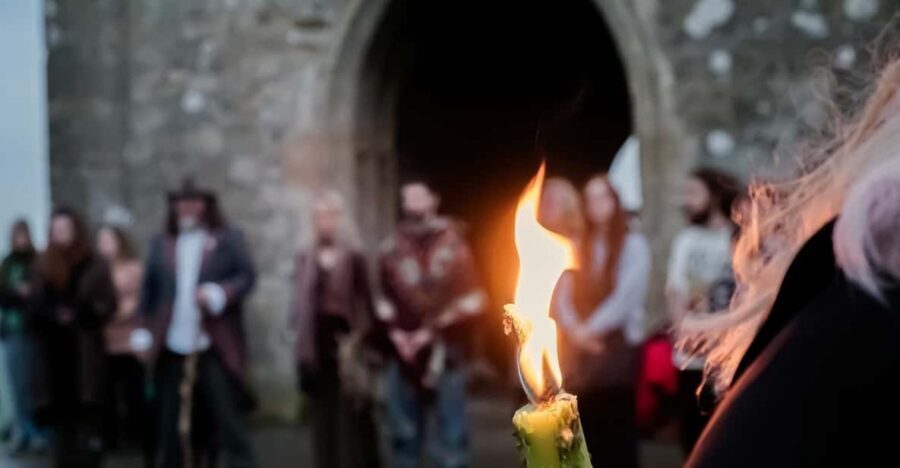
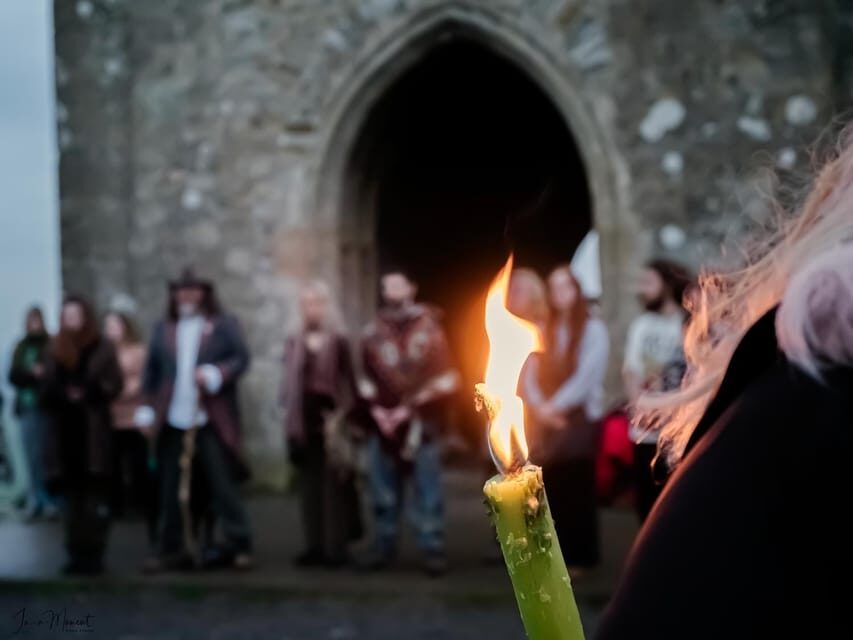
White Spring is close by and framed as the partner water—often described as aligning with male energies. The tour takes you there with a focus on quiet and symbolism, and it includes time at a candle-lit water temple.
Here’s the practical head-up: the tour notes that you may find a naked bather or two. If you’d rather avoid that situation, tell your guide or operator preference ahead of time. It’s not about politeness; it’s about your comfort during a religious-themed stop.
I also think this is one reason the tour works for some people and not for others. The Quest isn’t trying to be a neutral, museum-style circuit. It leans into lived experience and spiritual atmosphere. If that matches your travel style, you’ll likely feel more connected to the sites than you would with a standard historical walk.
If it doesn’t match your comfort, you can still get plenty from the myth and Christian symbolism without treating the water temple as the main event. Just plan how you want to participate, not how you feel pressured to.
Glastonbury Tor Summit: Sleeping Dragons and Big Views to Wales
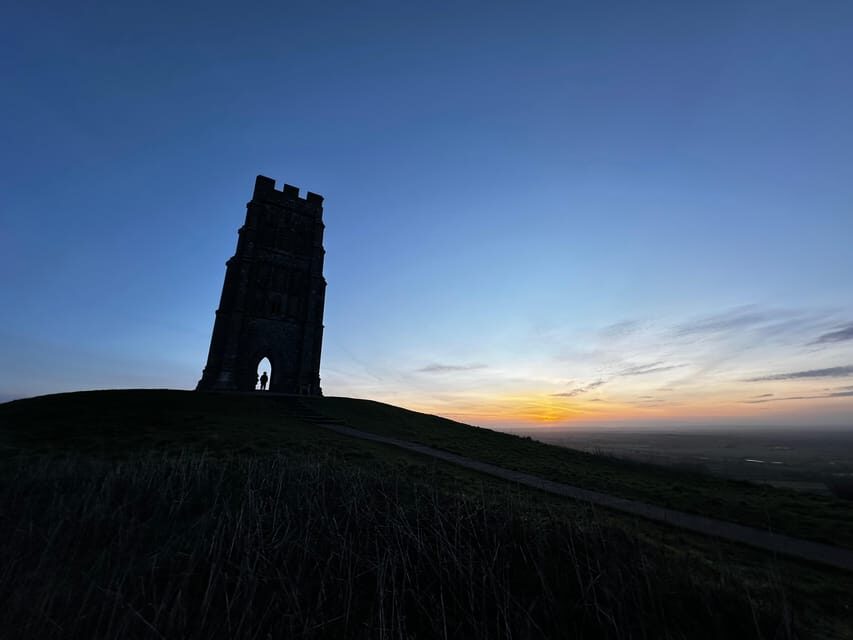
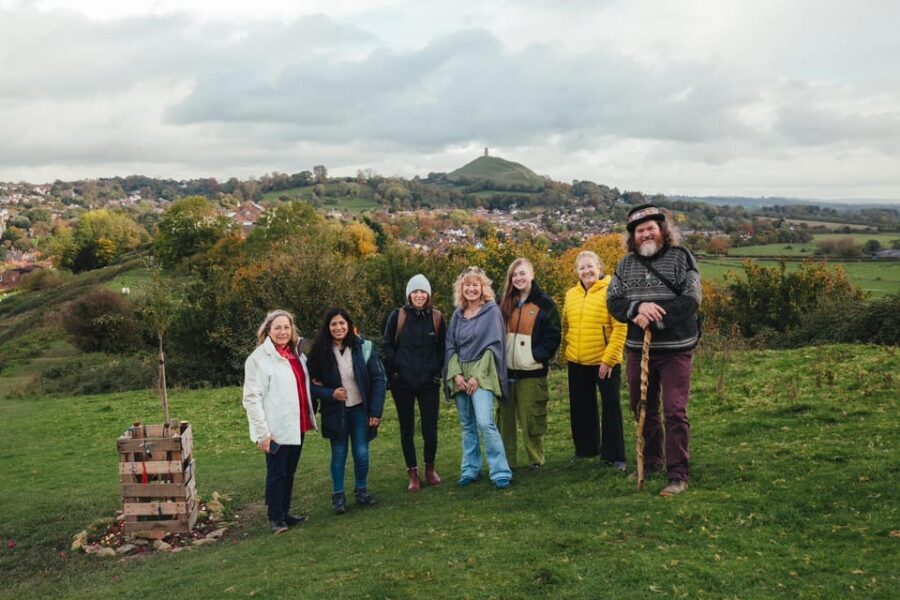
Ending with Glastonbury Tor makes sense. It’s the classic Glastonbury finish: you climb, you arrive, and the entire story makes spatial sense. The Tor is treated as a place of energy, and the guide shares why the hills are called sleeping dragons.
The view point is also a real reward. From the Tor, you get sweeping sightlines across the sacred area and all the way toward Wales on clear days. Even if you don’t buy into the energy talk, the panoramic payoff is hard to ignore.
Be ready for the fact that this is the most physically demanding part of the day. Bring hiking shoes and be ready for wind and rain. If your route requires careful footing, slow down and let the group set its own pace under the guide’s timing.
This final climb also helps you process the full day. By the time you’re on the Tor, the earlier stops feel like chapters of the same book—tree and chapel, wells and windows, myth and devotion—now placed into one wider view.
Price and Value: Is $101 a Good Deal for a Full-Day Quest?
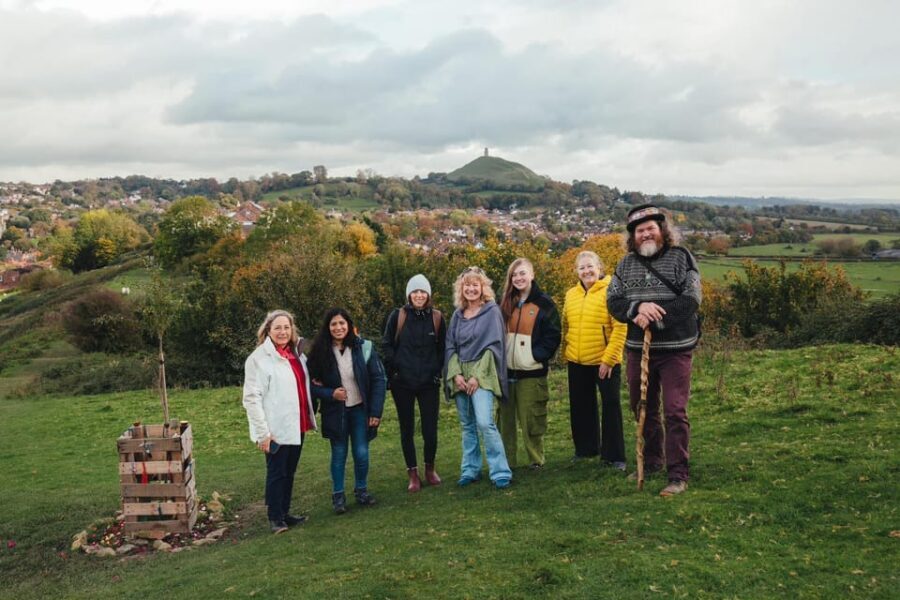
At about $101 per person, you’re paying for guided interpretation across multiple major sites in one day. The guide is included, and the duration is a full day, which matters because Glastonbury’s sacred center isn’t exactly a place you want to freestyle without structure.
But you do need to plan for what the price doesn’t cover. Food isn’t included, and entrance fees aren’t included. That can add cost depending on what you choose to pay into and how long you linger at stops that have entry requirements.
Still, I think the value is strong if you want this specific blend: Avalon myth plus early Christian narrative plus a guided bridge between them. If you prefer purely academic history, you might decide you could do some of this on your own with walking directions and reading plaques. If you prefer story-driven guidance, the guide-led format is where the money goes.
A plus that shows up in the experience: guides such as Edward and Michael are praised for bringing the day with enthusiasm and for making sure you get time to explore after they give context. That turns a tour from a race into a day you can actually feel.
Best For Who: You’ll Enjoy This If You Like Meaning, Not Just Facts
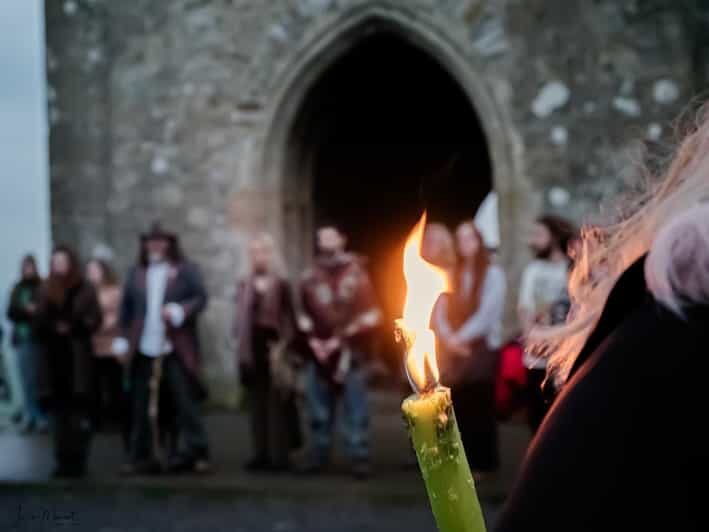
This tour is a great fit if you enjoy spiritual travel in a non-boring way. You’ll probably love it if you’re the type who likes hearing how legends attach to real places, and you don’t mind that the day is guided by tradition as much as by documentation.
It’s also a good choice if you want a structured day but still want room to look around. A couple of reviews highlight a small-group feel and enough time for exploring each stop once the guide has explained the connections.
It may be less ideal if:
- you strongly prefer strictly verifiable history only
- you hate the idea of participating in water-themed rituals
- you’re uncomfortable with the possibility of seeing a naked bather at White Spring
- you want downtime and a relaxed schedule with minimal walking
Should You Book the Glastonbury Quest?
If your idea of a great day in southwest England is walking through places where people keep returning to find spiritual meaning, yes, book it. The structure is strong: Avalon walk, Holy Thorn Tree, hidden chapel and Wattle Church, Arthur and Guinevere, grail quest at Chalice Well, then the Tor climb with wide views.
I’d book especially if you want a guide who makes connections and keeps the day readable, not just a list of stops. The guide names that have shown up in past sessions—Edward, Michael, and Tor—signal that you’re likely to get personality, not just a script.
I’d hesitate only if your top priority is low-mobility comfort or strict history with zero legend. In that case, consider a more conventional historical tour or plan a self-guided route with your own pacing.
FAQ
Where does the tour start?
It starts at St John the Baptist’s Church.
How long is the Glastonbury Day Tour The Quest?
It’s listed as a one-day tour.
Is the tour guided in English?
Yes, the live tour guide is English.
Is food included in the price?
No, food is not included.
Are entrance fees included?
No, entrance fees are not included.
What should I bring?
Bring hiking shoes and rain gear.
Is the tour wheelchair accessible?
It is listed as wheelchair accessible. Since the day includes a climb to the top of Glastonbury Tor, it’s smart to ask what route or support is available for your needs.