REVIEW · LONDON
Jack the Ripper and Victorian London: Beyond the Shadows
Book on GetYourGuide →Operated by Loudman Tours · Bookable on GetYourGuide
Foggy streets, real questions, and a guide named Nick.
This 140-minute Jack the Ripper and Victorian London walk, run by Loudman Tours, uses the East End as your map to understand Jack the Ripper and the world of Victorian London beyond the headlines.
What I love most is the way the guide turns the story into thinking, not just shock. You get a clear focus on the people most affected, especially the women, while also addressing misunderstandings and what we really can and can’t know.
One consideration: this is a true-crime themed walk through an area tied to real violence, even if the tone is careful. It’s also a walking route (with several street-level stops), so comfortable shoes matter.
In This Review
- Key Points You’ll Actually Notice
- Victorian Whitechapel After Dark: What This Jack the Ripper Tour Covers
- Price and Timing: Is $24 for 140 Minutes Worth It?
- Starting at Braham Street: Getting Oriented Fast
- Brick Lane and Hanbury Street: The East End Lives in the Details
- A quick heads-up for your expectations
- Old Spitalfields Market: Where Stories Meet Street-Level Commerce
- Goulston Street, Mitre Square, and the London Fruit & Wool Exchange
- The Ten Bells Pub: A Landmark Built for Storytelling
- London at 140 Minutes: How the Route Feels in Real Life
- Guide Style: Why Nick’s Storytelling Gets Mentioned a Lot
- Who Should Book This Tour (and Who Might Want to Skip It)
- Should You Book Jack the Ripper and Victorian London: Beyond the Shadows?
- FAQ
- How long is the tour?
- Where does the tour start and where does it end?
- What is the price per person?
- Is there a live guide?
- Is the tour wheelchair accessible?
- What stops are included?
- Is free cancellation available?
- Is there an age limit?
Key Points You’ll Actually Notice
- 140 minutes long, built for a full East End narrative without rushing you
- Braham Street start and Spitalfields Market finish, so you end in a lively, walkable hub
- Major stops include Brick Lane, Hanbury Street, Goulston Street, Mitre Square, and London Fruit & Wool Exchange
- You’ll work in context, focusing on women’s lives and the gaps/misreadings in popular stories
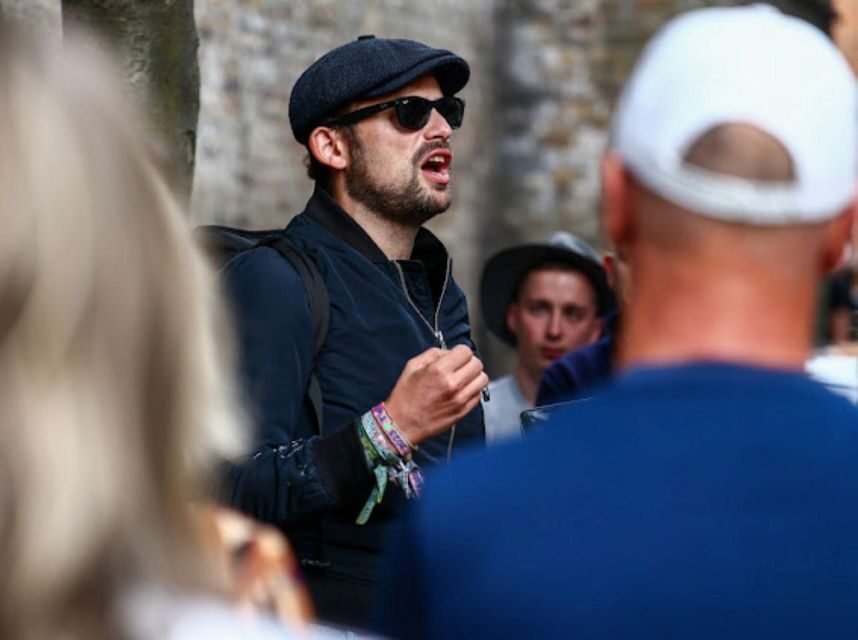
- The guide’s style has a performance feel, keeping the heavy material readable and even funny at times
- Wheelchair accessible as stated, though you should expect street-level walking
Victorian Whitechapel After Dark: What This Jack the Ripper Tour Covers
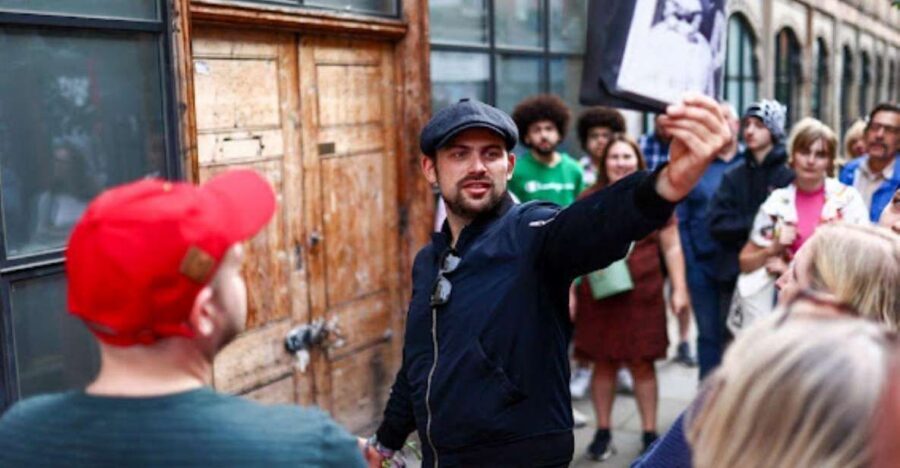
If you’ve ever looked up Jack the Ripper and then wondered why the facts feel tangled, this is the kind of tour that helps your brain sort it out. You’re not just chasing eerie spots. You’re connecting those places to daily life in the East End in the late 1800s, including the social pressure points that shaped people’s choices and vulnerabilities.
The tone matters here. The tour is clearly about a dark chapter, but it aims to avoid turning the subject into gore for gore’s sake. The result feels more like intelligent street theater than a horror movie.
And the emphasis is refreshingly human. Instead of treating the victims as plot devices, the story centers on the women involved and works to clear up common misconceptions. That shift alone makes it worth your attention, because it’s the difference between sensationalizing and understanding.
Finally, you get a walk that’s designed to explain. You move from street to street with a guide who’s focused on the larger picture: poverty, community life, commerce, and the way Victorian society looked from ground level.
You can also read our reviews of more tours and experiences in London.



Price and Timing: Is $24 for 140 Minutes Worth It?
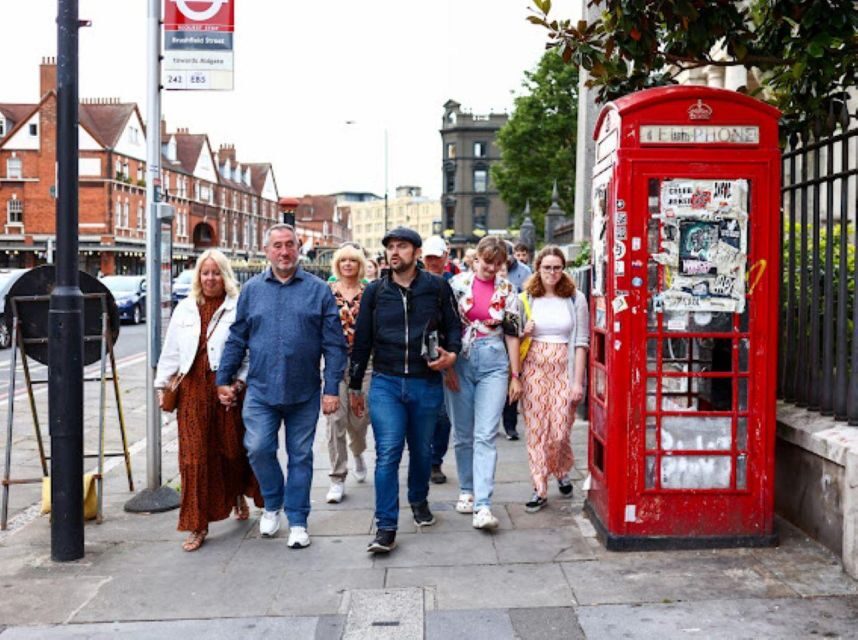
At $24 per person for 140 minutes, this tour lands in the practical zone for London. It’s long enough to make sense of an area, but not so long you lose the thread. You’re paying for a live guide, a structured route, and (most importantly) someone steering you through context so you don’t end up with a pile of names and no meaning.
Here’s how I judge the value. If a tour only “points out places,” it’s easy to feel shortchanged. This one is built around explanation: the East End’s social conditions, how people lived, and how Ripper stories got shaped over time.
You also benefit from the way the guide communicates. Multiple ratings highlight an engaging style that keeps participants thinking, not just listening. That’s a real value factor because it changes how much you remember after the walk ends.
One more practical note: English is the only listed language. If you’re comfortable with English, you’re in a good spot. If not, you might want to consider a different tour format.
Starting at Braham Street: Getting Oriented Fast
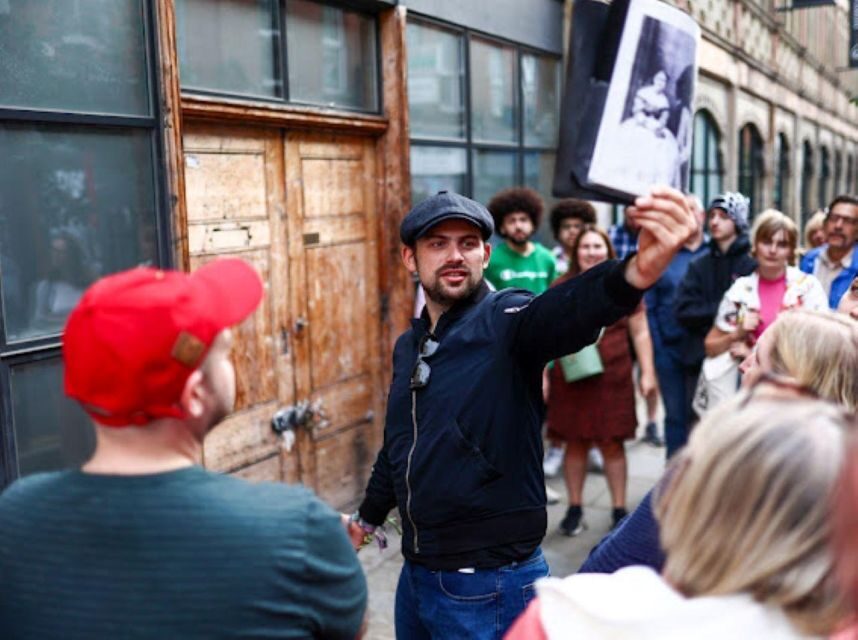
The tour begins at Braham Street, and that matters more than you’d think. Starting in a real neighborhood helps you get the geography right early, especially for an area as twisty as Whitechapel and the surrounding districts.
From the jump, you’re guided to think in layers. The streets aren’t treated as stage props. They’re treated as evidence of how Victorian London functioned: where people lived close together, how work and street life overlapped, and how official responses sat beside everyday reality.
In other words, the early minutes help you stop seeing the Ripper story as a single isolated event. You start seeing it as something that happened inside a wider system.
It’s also a nice setup for photos and mental mapping. If you plan to explore after the tour, you’ll know how the route connects, rather than wandering blindly with a phone in hand.
Brick Lane and Hanbury Street: The East End Lives in the Details
Brick Lane and Hanbury Street are more than famous streets. They’re places where you can feel how the East End worked as a social machine. The tour uses stops here to connect the Ripper narrative to the lived reality of the time—crowding, work, and the constant pressure of limited means.
At street-level, the biggest payoff is perspective. You’re not just asking, Who did it? You’re being guided to ask, What did life look like for people in these circumstances? That shift changes how you understand the story, because it moves the focus from mythology to social context.
Then comes Hanbury Street, where you walk through the kind of area that’s easy to romanticize until you remember it was also hard. The guide’s approach helps you keep both truths in your head: the neighborhood energy and the very real vulnerability people faced.
If you like history that feels connected to real streets, this section is a strong anchor.
A quick heads-up for your expectations
This is a walking history tour, so expect a steady pace. You’ll do better if you treat it as an evening event, not a quick photo stop.




Old Spitalfields Market: Where Stories Meet Street-Level Commerce
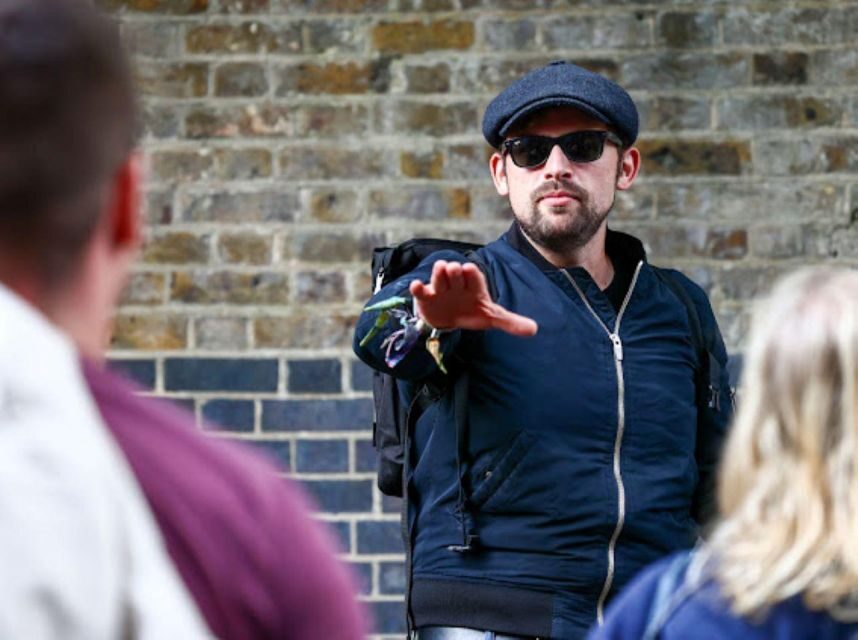
Next up is Old Spitalfields Market. This is a smart choice because markets are where you can tie together daily life, movement, and the flow of people. Even without turning the experience into a museum lecture, the market setting helps your understanding click.
Spitalfields is also a useful counterbalance to the grim side of the Ripper story. You’re reminded that the East End wasn’t only “crime and fear.” It was trade, routine, and community activity. That contrast helps the guide’s main message land: stop treating tragedies as if they happened in a vacuum.
You also get the kind of setting where conversations feel natural. The guide can point out how the environment shapes what people see and report, which ties directly to the tour’s focus on misunderstandings and the way accounts get formed.
Goulston Street, Mitre Square, and the London Fruit & Wool Exchange
This part of the route—Goulston Street, Mitre Square, and London Fruit & Wool Exchange—is where the tour’s “beyond the shadows” promise really comes alive. You’re not just hearing the Ripper name again and again. You’re learning how places connect to Victorian systems: commerce buildings, squares as social nodes, and streets as corridors of daily movement.
Goulston Street is one of those locations that works well for guided storytelling, because it gives you a tangible sense of the kinds of spaces people navigated. When a guide can talk through how an area worked, you start building a mental map instead of memorizing disconnected facts.
Mitre Square adds another layer. Squares often represent gathering points, and in a city like London, those points shape how communities communicate, how attention concentrates, and how information spreads. The tour uses this logic to keep you thinking about society—not just the case.
Then there’s London Fruit & Wool Exchange, which helps you understand the commercial engine of the area. When you connect commerce to neighborhood life, you get a clearer picture of who had opportunities, who lacked them, and how ordinary schedules affected everything—including what people noticed and what they didn’t.
The Ten Bells Pub: A Landmark Built for Storytelling
The Ten Bells Pub shows up as a highlight, and that’s because it has the kind of recognizable presence that makes it easy to anchor a story. Here, the tour’s focus on humanity matters. The pub isn’t treated as spooky set dressing. It’s part of the neighborhood fabric where everyday life unfolded.
This is also where the guide’s tone earns its keep. Multiple ratings praise the fact that the tour stays engaging without leaning on unnecessarily gory details. That’s a delicate balance, and it helps the story feel more grounded.
If you’re the type who likes true crime but hates when tours turn victims into props, this stop is likely to feel respectful. It supports the tour’s core idea: the Ripper narrative sits inside real lives, real neighborhoods, and real social pressures.
London at 140 Minutes: How the Route Feels in Real Life
A 140-minute walking tour hits a sweet spot. You get enough time to move through multiple zones and build a coherent story. At the same time, it’s not so long that attention collapses.
The route also finishes at Spitalfields Market, which is a smart end point. You’re not dropped in a dead zone. You end in a place where you can keep exploring, grab food, or just decompress after absorbing something heavy.
Group energy is another factor worth thinking about. The guide’s delivery style (highlighted in the ratings) seems built for a lively group. If you enjoy interactive moments—asking questions, hearing the guide interpret what you’re seeing—this format fits.
Weather is always a wild card in London, but the tour has proven to stay enjoyable even when conditions are less than ideal.
Guide Style: Why Nick’s Storytelling Gets Mentioned a Lot
If the name Nick comes up repeatedly in feedback, it’s for a reason. The guide’s approach blends knowledge with performance. You’re not getting a monotone lecture. You’re getting story rhythm—enough humor to keep things human, and enough clarity to keep the plot from turning into confusion.
What stands out is restraint. The tour aims to keep the tone serious without leaning into graphic detail. That helps you stay engaged for the full 140 minutes and reduces that awkward feeling when tours treat violence like entertainment.
Another praised element is critical thinking. The guide encourages you to look at reports and popular stories with a more careful eye. That’s valuable because Jack the Ripper stories are full of myths, convenient assumptions, and half-understood claims.
If you like history that asks you to connect dots, you’re going to appreciate that mindset. You don’t just hear facts. You practice reasoning.
Who Should Book This Tour (and Who Might Want to Skip It)
This tour is a strong pick if you’re into true crime with context. If you’ve read a few Ripper theories and you want the East End explained in plain terms—who lived where, what pressures shaped lives, and why the story got twisted—this fits.
It’s also a good option if you care about respectful storytelling. The tour’s emphasis on the victims’ humanity and the clearing up of misunderstandings makes it feel less exploitative than many “Ripper only” walks.
On the other hand, if you dislike dark subject matter at all, you might find the theme wearing. The guide keeps things careful, but the topic still centers on real harm.
Also note the age suitability: it’s not listed as suitable for people over 95 years. And since it’s a walking route through city streets, you should plan around that reality.
Should You Book Jack the Ripper and Victorian London: Beyond the Shadows?
I’d book it if you want a Jack the Ripper tour that doesn’t just chase locations. The big value is the focus on Victorian East End life—especially women’s lives—and the guide’s ability to connect grim events to a bigger social story.
The other reason to book is the guide style. Nick’s performance-like delivery seems to hit the right target: engaging, clear, and never bored. That makes the time feel worth it, even if you already know a few basic Ripper headlines.
I’d skip it only if you want a light, casual outing. This is a themed walk through a hard story. But if you’re okay with that—and you like understanding the why behind the what—you’ll likely feel you got more than you paid for.
FAQ
How long is the tour?
The tour lasts 140 minutes.
Where does the tour start and where does it end?
It starts at Braham Street and finishes at Spitalfields Market.
What is the price per person?
The price is $24 per person.
Is there a live guide?
Yes, it is a live guided tour in English.
Is the tour wheelchair accessible?
Yes, it’s listed as wheelchair accessible.
What stops are included?
Key stops include Brick Lane, Hanbury Street, Old Spitalfields Market, Goulston Street, Mitre Square, London Fruit & Wool Exchange, and the Ten Bells Pub. The tour ends at Spitalfields Market.
Is free cancellation available?
Yes. You can cancel up to 24 hours in advance for a full refund.
Is there an age limit?
It is listed as not suitable for people over 95 years.