REVIEW · LONDON
London: Apsley House Entry Ticket
Book on GetYourGuide →Operated by English Heritage · Bookable on GetYourGuide
Wellington’s Number 1 London hides real art treasure. Apsley House, right at Hyde Park Corner, lets you see the Waterloo Gallery and major paintings by Velazquez and Rubens. I also like the chance to walk through the first Duke of Wellington’s former home, with rooms that feel personal rather than generic. One small drawback to plan around: there isn’t a tearoom nearby.
This place is London’s only surviving aristocratic townhouse open to visitors, so you’re stepping into a real “lived-in” scale of grandeur. I love that you’re not just checking boxes—you can also visit the basement gallery, where you’ll find rarely seen pieces. If you’re sensitive to crowds, I’d time your visit so you can actually enjoy the rooms, not sprint through them.
Your entry ticket is valid for 1 day, and you can check availability for starting times. The experience is led in English, with audio guides available, and staff who are ready to help when you want the stories behind the details. Plan on a few focused hours if you want to do the art properly and not just glance.
In This Review
- Key things you’ll notice at Apsley House
- Apsley House at Hyde Park Corner: the Wellington home is the attraction
- The art collection is why this ticket feels like value
- Waterloo Gallery: where the legacy becomes a room full of meaning
- Touring Wellington’s rooms and descendants: it’s a family home, not a theme park
- Don’t miss the basement gallery: rare pieces change the tone of the visit
- Lighting stories and the small details that turn a visit into a real experience
- How long to plan, and what to check before you go
- Price and value: is $17.51 a fair deal?
- Who should book this Apsley House entry ticket?
- Should you book Apsley House?
- FAQ
- Is an entry ticket included?
- Where is Apsley House located?
- How long is the ticket valid?
- Are there different starting times?
- What are the main highlights inside?
- How big is the collection?
- Are audio guides available?
- What languages are offered?
- Can I cancel and get a refund?
- Can I reserve and pay later?
Key things you’ll notice at Apsley House
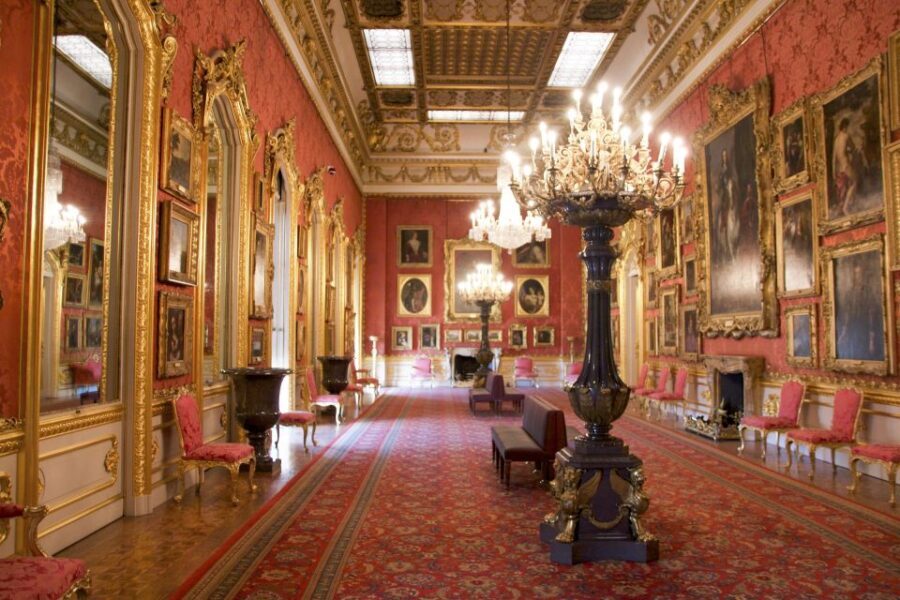
- Waterloo Gallery: a major room where Wellington’s legacy takes center stage
- 3,000 works of art: paintings, sculptures, and standout names like Velazquez and Rubens
- Basement gallery: rarely seen pieces that add depth beyond the main floors
- Inner Hall break spot: comfortable seating plus leather-bound Wellington albums
- Audio guides and room staff: an easy way to understand what you’re looking at
Apsley House at Hyde Park Corner: the Wellington home is the attraction
Apsley House is the kind of London stop that feels bigger than it looks from the street. It’s located at Hyde Park Corner in central London, and it’s famously tied to the first Duke of Wellington—so the building itself is the star, not just the art inside.
The big idea here is simple: this was once called Number 1 London, and it still gives that impression of power and polish. You’re walking through a former aristocratic townhouse—London’s only one of its kind still open to visitors—so it has a different feel than a palace tour built for crowds. Instead of feeling like you’re in a stage set, it reads more like the home of a family that wanted everything to be just so.
You’ll want a little patience too. Apsley House is packed with paintings and objects, plus multiple galleries. If you go in expecting quick-hit sightseeing, you might feel rushed. If you go in expecting to look carefully, it’s a very satisfying use of time.
A few more London tours and experiences worth a look



The art collection is why this ticket feels like value

The entry ticket price is $17.51 per person, which sounds almost too reasonable for what you get. The math works because the collection is huge: about 3,000 paintings, sculptures, and artworks. That scale matters. It’s not a small museum with a handful of highlights—it’s a full-on art experience.
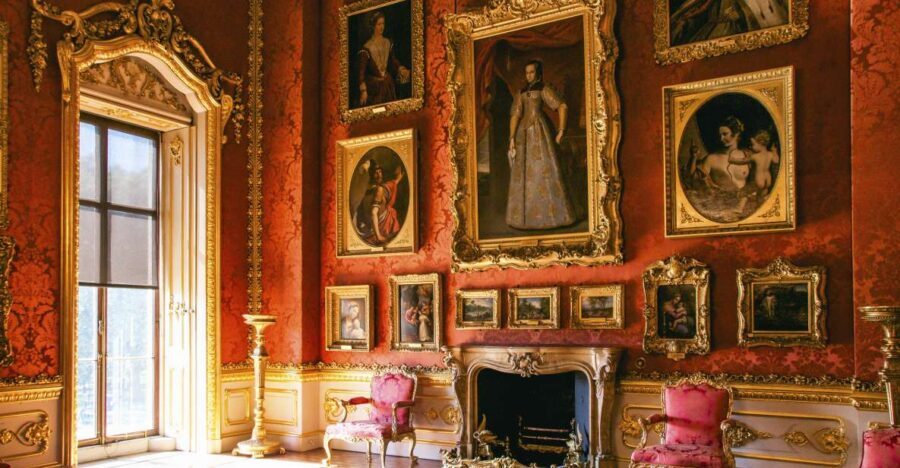
You should also expect major names. The collection includes paintings by Velazquez and Rubens, and that alone justifies your time if you love European art. But what makes this collection more fun than a checklist is that the art is mixed into rooms that are also telling Wellington’s story. You’re seeing the Duke’s world, not just viewing framed masterpieces in isolation.
In practice, you’ll probably find yourself slowing down in certain areas. The variety helps. You’ll move from big, impressive rooms to more specific details, including objects that hint at wealth and taste—like the impressive china and metalwork mentioned in visitor experiences. If you’re the kind of person who enjoys interiors as much as art, this is your place.
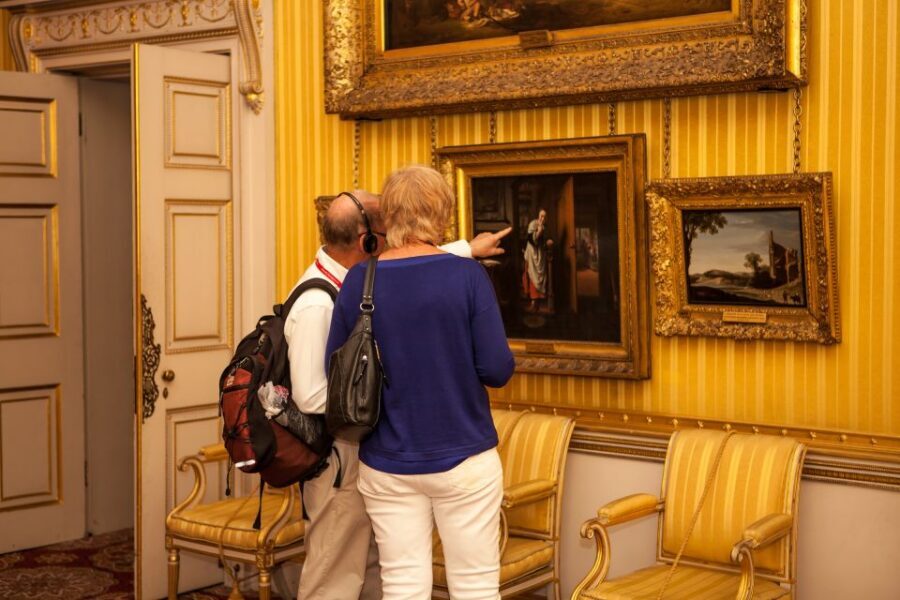
And if you care about what you’re looking at, you’ll like the support. Audio guides are available, and staff in the rooms can be helpful and knowledgeable when you want context. The whole experience is designed so you can either browse on your own or get pointed toward what’s worth your attention.
Waterloo Gallery: where the legacy becomes a room full of meaning
The Waterloo Gallery is the highlight most people remember, and for good reason. It’s named for the moment Wellington is tied to, so the room gives the legacy a physical presence. Even if you’re not a military-history superfan, the gallery format makes it easier to understand why this house mattered.
Think of the Waterloo Gallery as the emotional center of the visit. You’re moving from general grandeur into something more pointed: the Duke’s story in a space built to impress. The room’s role is to connect all the artwork and objects you’ll see later with the man at the center of the collection.
Where this really pays off for you is if you’re short on time but still want one or two signature moments. You can treat the Waterloo Gallery as your anchor stop, and then build the rest of the visit around it. If you start here, you’ll also have a better sense of what to pay attention to in the quieter rooms afterward.
Touring Wellington’s rooms and descendants: it’s a family home, not a theme park
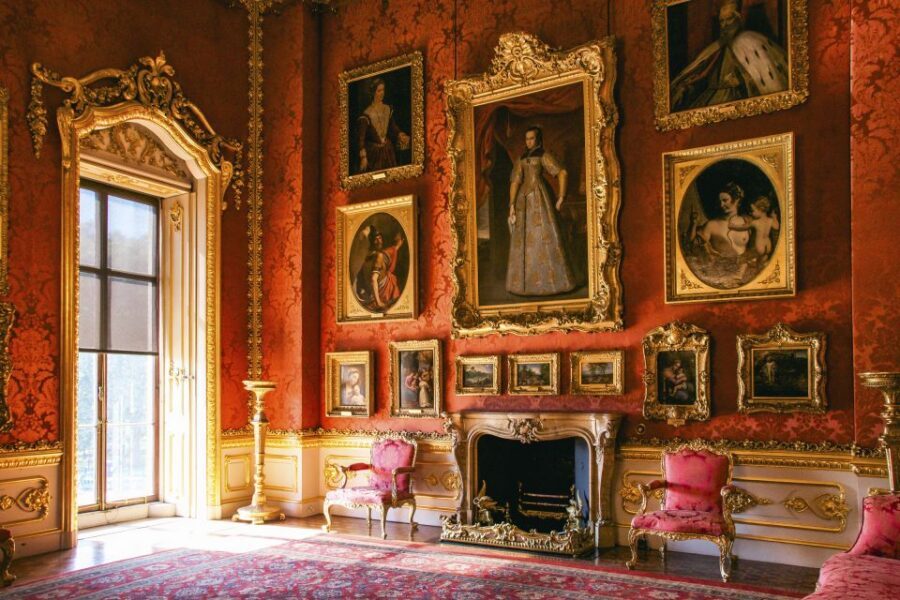
Apsley House isn’t just “a palace with famous art.” It was the London home of the first Duke of Wellington, and it includes elements connected to his descendants too. That matters because you’re not only looking at a curated narrative. You’re walking through a space shaped by real family priorities: display, status, and daily life.
As you move through the house, keep an eye out for the ways the rooms present the Duke and his legacy. Visitor experiences highlight how much the personal and professional life of Wellington comes through in the way the house is arranged and interpreted. That’s the value of the house itself: it makes the stories feel grounded.
Also, don’t skip the Inner Hall area. It’s not just a corridor moment. Comfortable seating has been created there, and visitors can browse through leather-bound albums of images of Wellington, his descendants, and Apsley House. For me, that kind of pause is underrated. It turns the visit from a sprint into a proper browse—you can sit, reset, and then continue with a clearer head.
Don’t miss the basement gallery: rare pieces change the tone of the visit
One of the best reasons to buy the ticket is that you can go beyond the most famous rooms. The basement gallery is where you’ll find rarely before seen pieces, which adds surprise even if you feel you already know what to expect from a “grand London house.”
A basement gallery changes the mood in a good way. Main-floor rooms can feel like they’re meant for public display, but the basement has a different energy: more hidden details, more behind-the-scenes curatorial choices. That contrast can make the visit feel more complete, like you’re seeing both the show and the storage of the story.
If you love art, basement rooms often reward you most with specific pieces that you wouldn’t see just walking through typical mansion tours. If you’re less of an art person, this is still worth it because it adds texture. You stop seeing Apsley House as only a famous address and start seeing it as a collection with layers.




Lighting stories and the small details that turn a visit into a real experience
The best house tours reward your attention to details, and Apsley House has some great ones. One visitor highlighted a story about how the house was lit—covering a shift that wasn’t as straightforward as you might assume. The idea isn’t just candle versus electric; paraffin candles were competitive with oil at one point, and Apsley House reverted to candles before later moving toward oil-lamp, gas lamp, and eventually electricity (not surprisingly, a late change).
That kind of detail matters because it changes how you interpret the rooms. If you understand that decisions were practical, you start seeing the house as a living space adapting over time, not a fixed monument. It also makes your visit feel more human.
Another detail worth seeking out is the sculptural standout mentioned in experiences: Canova’s Napoleon as Mars. The fig leaf has reportedly been replaced at times, and that odd little fact gives you a glimpse of how objects can change with time. It’s one of those “wait, really?” moments that makes you look again instead of scrolling past the highlight.
If you want to catch stories like this, use the audio guides—but also don’t be shy about asking staff. Visitor experiences note that the staff are friendly and helpful, and that some room staff are exceptionally knowledgeable. Even a short question can make your next room feel richer.
How long to plan, and what to check before you go
Your ticket is valid for 1 day, and you can check availability for starting times. That’s your best guide for deciding when to go, since timing determines how relaxed your visit feels.
One real-world note from visitor experiences: the opening time can vary by season, and one visit opened at 11 instead of 10. So I’d treat opening hours as something to confirm right before you head out, not a fixed fact.
As for pacing, I’d aim for a few hours if you want to do more than glance. With thousands of works and multiple galleries, speed defeats the point. If you have only a short window, focus on the Waterloo Gallery first, then pick the art rooms and the basement gallery as your priority sequence.
If you’re the type who likes to rest, build in time in the Inner Hall seating area. The comfortable break spot can help you avoid that last-room fatigue that leads to missing the good details.
Price and value: is $17.51 a fair deal?
At $17.51 per person, this entry ticket is priced in a way that feels like good value for London. Here’s why: you’re not paying for a quick room or two. You’re paying for access to a house plus a collection on a massive scale, including big-name European painting and sculptures.
The key value driver is the combination of:
- A major Wellington-related setting (the house itself)
- A serious art collection size (about 3,000 works)
- Multiple zones (main rooms, Waterloo Gallery, and basement gallery)
- Support tools (audio guides and helpful staff)
Could you spend less by choosing a smaller museum? Sure. But if you want one location that mixes interior spectacle with a genuinely wide art collection, this ticket checks that box without the cost feeling out of proportion.
Who should book this Apsley House entry ticket?
This is a great fit if you like:
- Art and interiors, especially European painting and sculpture
- Historic London buildings that feel like real addresses
- A self-paced tour where you can slow down and look
- Big-room highlights plus a few quieter surprises (like the basement gallery)
You’ll probably feel less satisfied if you only want modern attractions or you’re chasing a fully guided group program with constant structure. This ticket is about access and exploration, supported by audio and staff when you ask.
Should you book Apsley House?
Yes, if you want a London stop that’s both visually impressive and actually packed with art. The Waterloo Gallery gives you a high-impact centerpiece, and the rest of the house keeps paying you back if you slow down. At $17.51, it’s one of the easier “buy now” choices in central London because the volume of artwork and the quality of the setting are both strong.
If you hate house tours and prefer city views over interiors, you might skip it. But if you like stepping into a grand home with a real collection behind it, this ticket is a smart use of time.
FAQ
Is an entry ticket included?
Yes. The Apsley House entry ticket is included.
Where is Apsley House located?
Apsley House is in Greater London, right at Hyde Park Corner.
How long is the ticket valid?
The ticket is valid for 1 day.
Are there different starting times?
Yes. You can check availability to see starting times.
What are the main highlights inside?
Expect the Waterloo Gallery, a vast art collection, and the former home of the first Duke of Wellington.
How big is the collection?
The house features around 3,000 paintings, sculptures, and other artworks.
Are audio guides available?
Yes, audio guides are available.
What languages are offered?
The experience is in English.
Can I cancel and get a refund?
You can cancel up to 24 hours in advance for a full refund.
Can I reserve and pay later?
Yes. You can reserve now and pay later to keep plans flexible.