REVIEW · LONDON
London: London in WW2 and Churchill War Rooms Entrance
Book on GetYourGuide →Operated by Urban Saunters Ltd · Bookable on GetYourGuide
Westminster goes quiet after the sirens begin. This WW2 Westminster walk turns the landmarks you’ve seen on postcards into places with wartime weight, then you cap it off at the Churchill War Rooms.
I like that the tour is built for real interaction: you get a live guide on the streets and small groups of 15 or fewer so questions actually land. One thing to consider: the War Rooms experience is largely self-paced with an audio guide, and the inside can get crowded.
In This Review
- Key highlights to look forward to
- Meeting on Victoria Embankment: the start is straightforward
- A 3-hour Westminster WW2 walk that makes the city feel smaller
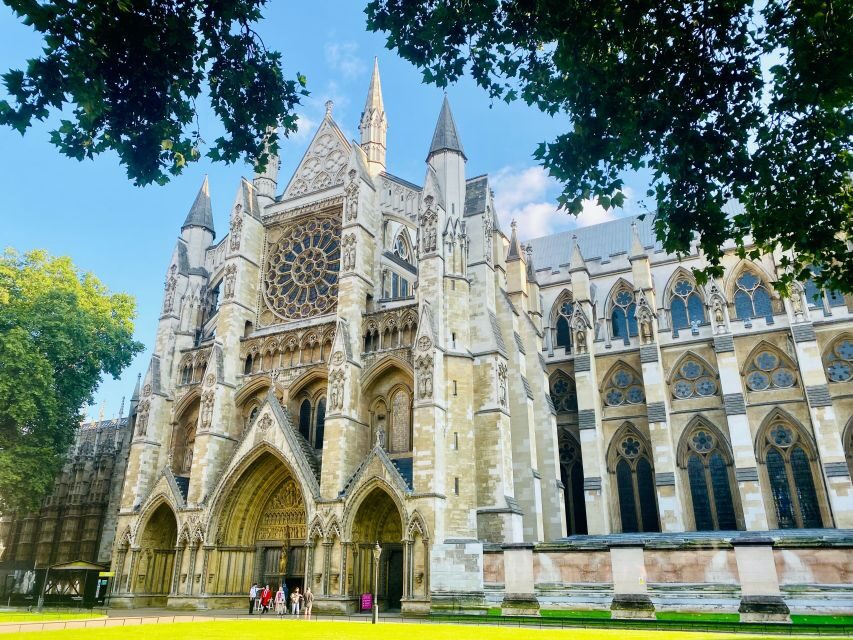
- Houses of Parliament and Westminster Abbey: more than famous facades
- The Cenotaph: learning to look at remembrance differently
- Ministry of War, Whitehall, and the machinery of leadership
- 10 Downing Street: seeing Churchill’s era with the right framing
- Descending into Churchill’s War Rooms: where the story becomes physical
- How the audio guide works (and what to do if it’s crowded)
- Price and value: why $96 can make sense in London
- What to wear and bring so the tour feels easy
- Who this tour fits best (and who might want a different plan)
- Should you book this WW2 Westminster and War Rooms tour?
- FAQ
- Where is the meeting point for the tour?
- How long does the tour last?
- Does the price include entry to Churchill’s War Rooms?
- Is there a live guide during the walking portion?
- Is the War Rooms part guided by a person?
- Is the tour rain or shine?
- What should I bring?
- Are strollers or luggage allowed?
- Is this tour suitable for wheelchair users or mobility impairments?
- Is hotel pickup included?
- Is food included?
Key highlights to look forward to
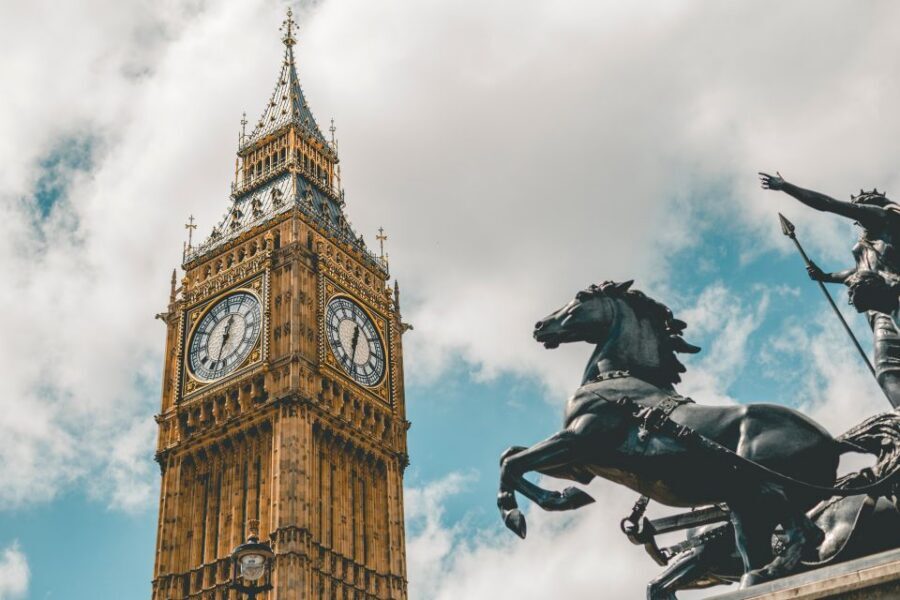
- Churchill’s War Rooms entrance included so you skip the hassle and head straight to the bunker experience
- Westminster in WW2 storytelling with stops at Parliament, Westminster Abbey, the Cenotaph, and more
- Downing Street and Whitehall on the route, so you see government under pressure
- Live English-speaking guide on the walk, with humor and plenty of context
- Audio guide inside the War Rooms, letting you move at your own pace
Meeting on Victoria Embankment: the start is straightforward
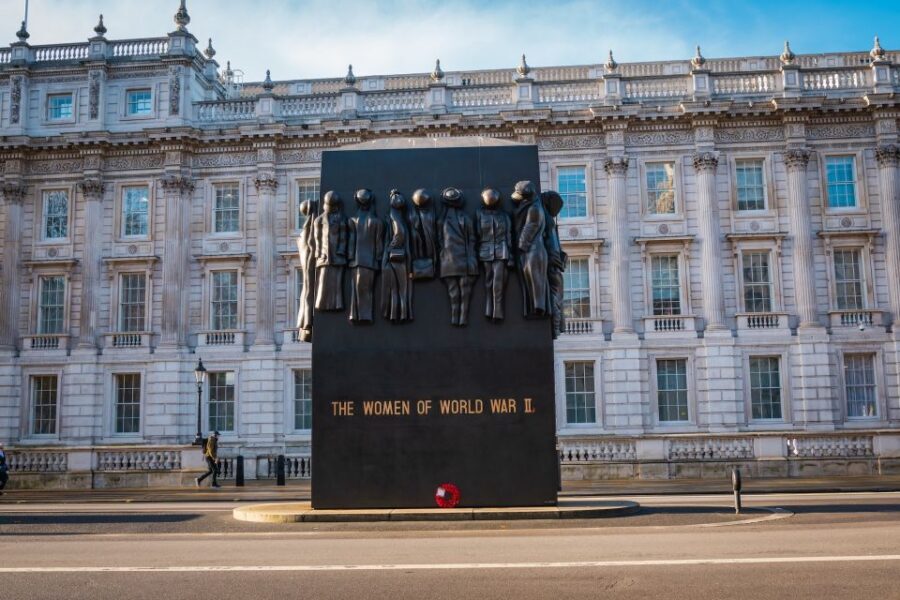
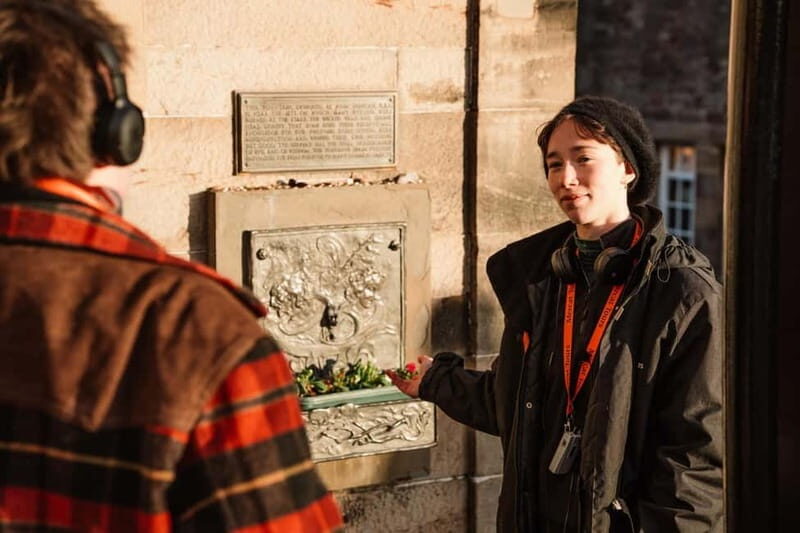
This tour meets outside Westminster Station at the Boadicea and Her Daughters Statue. You’ll want Exit 2 on Victoria Embankment, then take the stairs up to street level and line up by the statue with your guide holding an Urban Saunters orange sign.
It’s a good setup if you’re staying anywhere central. Westminster is busy, but this is a clear landmark start, and it keeps the tour from wasting time hunting for people. You’ll also be walking soon after you meet, so arrive ready to head out, not still collecting things from your bag.
A few practical notes you’ll thank yourself for later: the tour is rain or shine, so bring an umbrella. Wear comfortable shoes because you’ll be on city pavement and moving between monuments. And this is not the kind of outing for luggage or large bags, or baby strollers.
You can also read our reviews of more tours and experiences in London.



A 3-hour Westminster WW2 walk that makes the city feel smaller
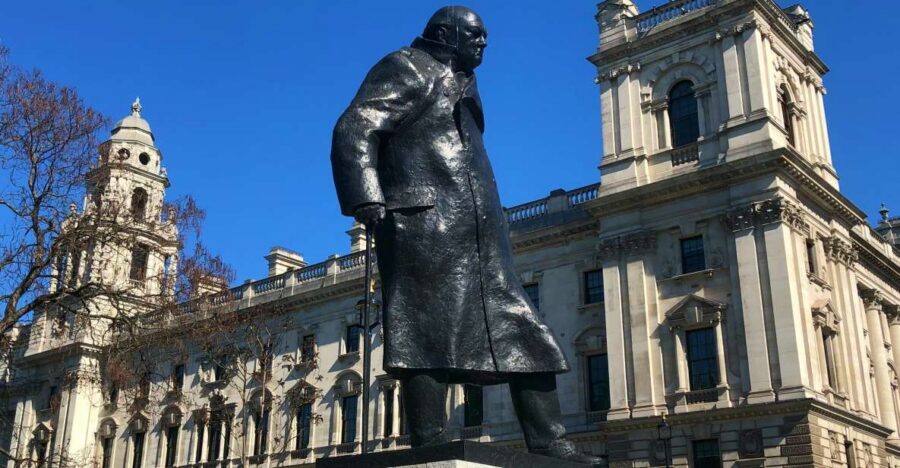
The whole idea here is scale. Westminster is packed with famous buildings, but this tour shrinks it down into a wartime mindset. As you go, you’ll hear how daily life changed: air raid sirens became routine, nights hid bombing raids, and rationing and restrictions shaped what people could do and what they had to risk.
Your guide keeps the pace conversational. The best part is how the tour uses the skyline like a timeline. You’re not just standing in front of a “must-see.” You’re learning why that exact spot mattered during WW2 and how the government and public spaces around it fit into the larger survival story.
And yes, you’ll walk past big names that most people come to London for anyway—so you get both the landmark satisfaction and the wartime meaning.
Houses of Parliament and Westminster Abbey: more than famous facades
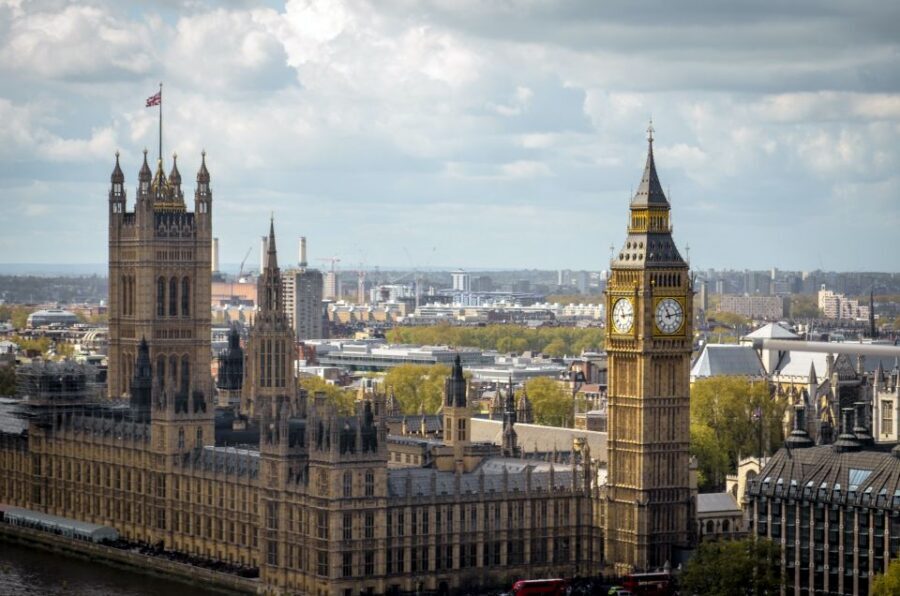
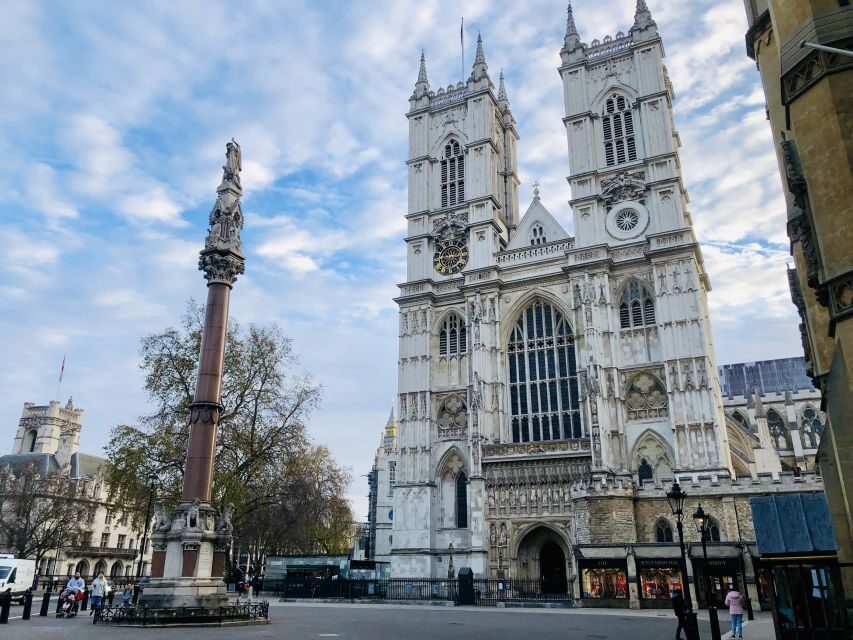
Two of the most recognizable stops on your route are the Houses of Parliament and Westminster Abbey. On a normal sightseeing day, you might glance up, snap a photo, then move on. On this tour, the guide connects those places to resilience and national identity during the war years.
What I like about this approach is that it helps you stop treating the monuments as scenery. Parliament is where policy and leadership happen; Westminster Abbey represents a long thread of British tradition and public reflection. Put those together and suddenly you’re seeing how “big history” wasn’t just happening elsewhere—it was happening right here, in public view, under threat.
If you enjoy history that feels practical—how people live, work, and make decisions when conditions are grim—this part does a strong job of turning the abstract into something you can picture.
The Cenotaph: learning to look at remembrance differently
You’ll also visit the Cenotaph, one of the most moving memorials in the area. This stop changes the tone of the walk. Instead of focusing only on strategy and government, you’re reminded that WW2 was also personal—names, loss, and the cost that never stays theoretical.
I like that the tour doesn’t rush this feeling. It gives you a chance to recalibrate your attention from the “what happened” of events to the “what it meant” for people at home and abroad. For many visitors, this is where the tour starts to feel emotionally real.
Ministry of War, Whitehall, and the machinery of leadership
As you move through Whitehall, and toward the Ministry of War area, the message shifts again: war isn’t only battles. It’s also paperwork, logistics, communications, and decision-making under pressure.
This is where a good guide makes a big difference. In this tour, the guiding style leans toward clear storytelling with humor and context. Names you might hear people talk about include guides like Nathan, Babs, Richard, Jeremy, Paul, and Peter—and the consistent theme is that they explain what you’re seeing and connect it to Churchill and wartime London.
If you’re the kind of person who likes “why this building, why this street,” you’ll get it here.



10 Downing Street: seeing Churchill’s era with the right framing
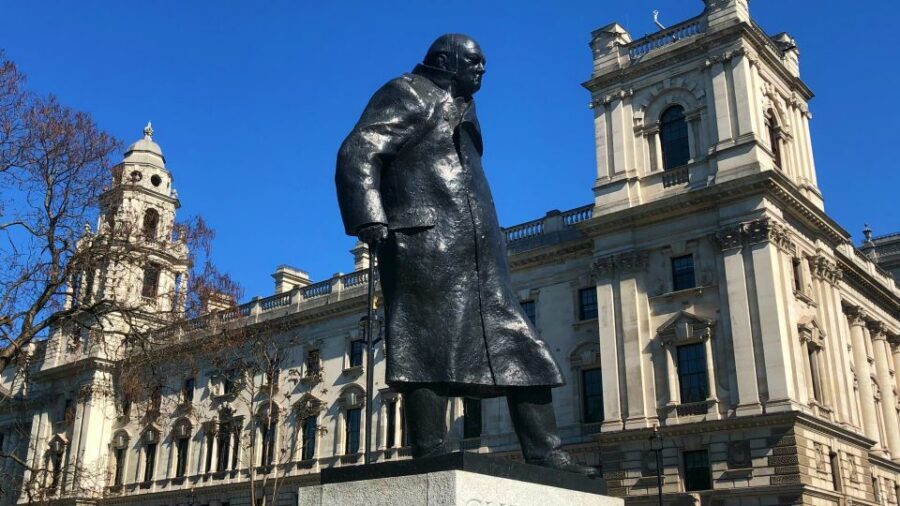
One of the most compelling parts of the walk is passing 10 Downing Street. You’re not going to go inside on this tour (nothing in the provided info suggests that). But you do get the context: how Britain’s leaders operated during the war, and how Churchill’s presence shaped the public story of resistance.
This is also where the phrase keep calm and carry on fits in naturally. The tour frames it as more than a poster slogan. You’ll learn how that mindset connected to leadership, morale, and the everyday choices people had to make.
Even if you’re not a die-hard WW2 fan, this stop helps you understand why Churchill still looms so large in British memory.
Descending into Churchill’s War Rooms: where the story becomes physical
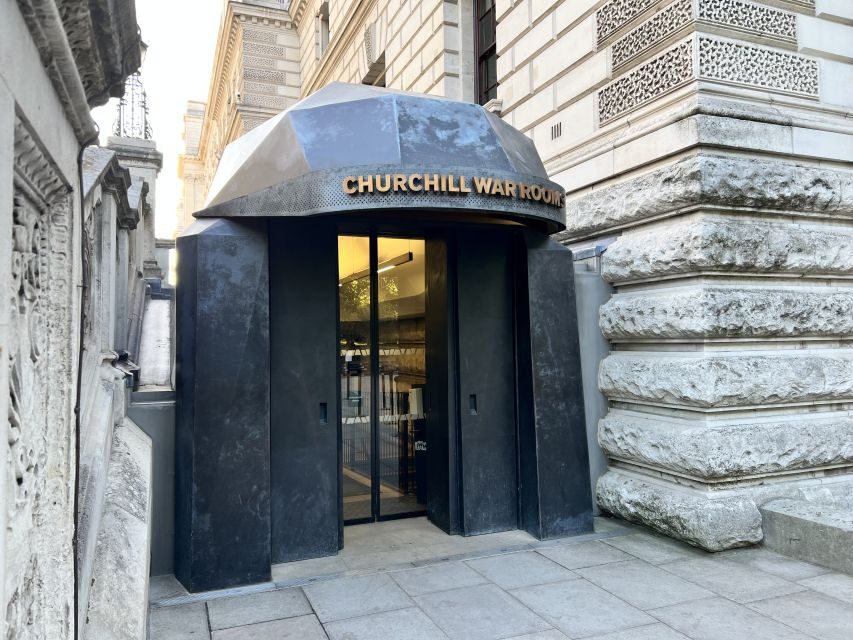
After the walking portion, you’ll finish by descending into Churchill’s War Rooms. This is the moment where the tour stops being about landmarks and becomes about the setting where Churchill and his cabinet carried out their wartime work.
Entry to the War Rooms is included, so you don’t need to figure it out mid-trip. You’ll also have to pass through security, like all visitors, so build in calm patience before you go in.
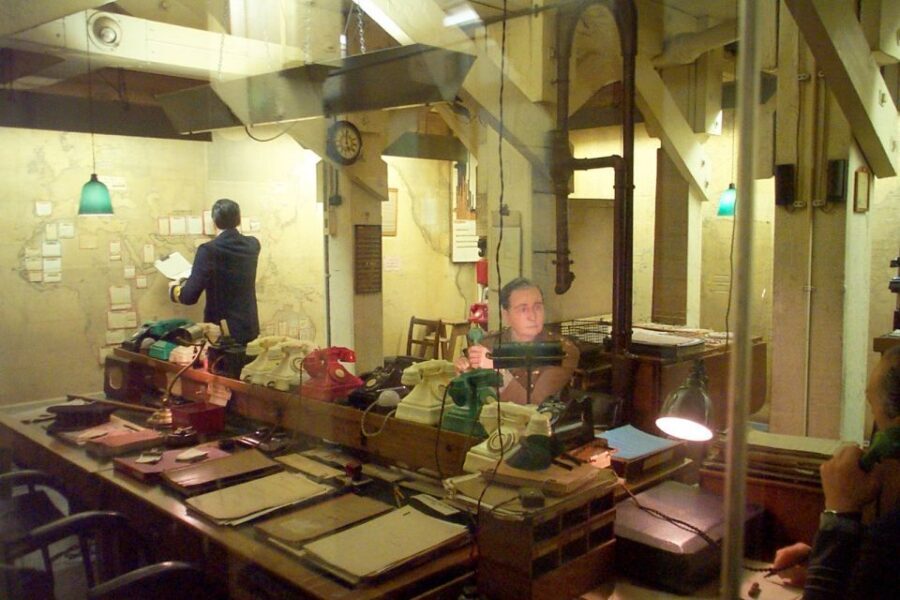
Once inside, the place is described as frozen in time, and you’ll see the strategic bunkers where key decisions were made. The audio guide is included, so you’re not wandering in silence. Instead, you can move room to room and still get the context you need to understand what you’re looking at.
How the audio guide works (and what to do if it’s crowded)
One important detail: the War Rooms portion is primarily self-guided with an audio guide. That’s not automatically a downside. In fact, it’s great if you want control over pacing. Want to linger at one display because it grabs you? You can. Want to move faster because you’re less interested in a particular room? You can do that too.
But it does create two practical realities:
- If the War Rooms are crowded, it can be harder to take your time and read smaller details.
- Because the guide portion is audio-based, you’ll have fewer live moments for instant follow-up questions inside.
What helps is a simple strategy: listen, then pause. Let the audio set the scene, then take a few seconds to look closely before moving on. If you run into bottlenecks, keep moving to the next area rather than trying to force your way into prime viewing spots.
From the guide side, the walking portion often provides the context that makes the audio portion click. So even if you find audio-only a bit limiting, the earlier Westminster walk typically gives you the background to enjoy the bunker setting.
Price and value: why $96 can make sense in London
At $96 per person for a 3-hour experience, you’re paying for a combination that matters: guided walking plus War Rooms entrance and an audio guide inside.
London can be expensive, and Churchill’s bunker ticket alone can feel like a lot when you’re budgeting. The value here is that you’re not buying three separate pieces and trying to stitch them together on your own. You’re also getting a live guide for the street portion, which usually costs extra if you hire it separately.
So the real question isn’t just the dollar amount. It’s whether you want:
- the WW2 framing while you’re still outside, and
- the actual War Rooms access without extra planning.
If you do, this price starts to look fair.
What to wear and bring so the tour feels easy
This tour is timed to keep moving. Comfort matters more than fashion.
Bring:
- Comfortable shoes
- Umbrella (it runs rain or shine)
- Water
- Comfortable clothes for walking in the city
Don’t bring:
- Baby strollers
- Luggage or large bags
Also remember: the walking portion and the War Rooms visit both involve moving through public spaces. If you’re prone to getting flustered in busy indoor areas, plan for that mindset shift when you descend.
Who this tour fits best (and who might want a different plan)
This experience is described as engaging for all age groups, and the structure works well for mixed teams: people who love monuments still get famous names, and people more interested in human story and leadership get that too.
It’s a strong fit if you:
- like WW2 history and want it connected to the streets of London
- care about Churchill’s legacy
- want a small-group format so you can ask questions on the walk
It’s not a strong fit if you:
- have mobility impairments or use a wheelchair, since the tour isn’t suitable for wheelchair users
- need stroller-friendly accommodations (strollers are not allowed)
- expect a fully guided experience inside the War Rooms (audio is the method there)
Should you book this WW2 Westminster and War Rooms tour?
I’d book it if you want a clean, high-value way to connect Westminster landmarks to the real wartime atmosphere and then step into the bunker setting. The included War Rooms entrance is a big practical win, and the small-group walking portion gives you the context that makes the audio portion land.
Skip it or consider another option if you strongly prefer a fully live-guided museum experience and get frustrated by crowds. Also, if mobility is a concern, follow the suitability info closely.
If your goal is to leave London with a sharper understanding of Churchill’s Britain—seen right where it happened—this tour is one of the more sensible ways to do it in about three hours.
FAQ
Where is the meeting point for the tour?
Meet your guide outside Westminster Station by the Boadicea and Her Daughters Statue, at Exit 2. The group meets at the top of the stairs on Victoria Embankment, and your guide will be holding an Urban Saunters orange tour sign.
How long does the tour last?
The tour duration is 3 hours.
Does the price include entry to Churchill’s War Rooms?
Yes. Entrance to Churchill’s War Rooms is included, along with an audio guide inside the War Rooms.
Is there a live guide during the walking portion?
Yes. The tour includes an English-speaking local expert guide for the guided walking tour.
Is the War Rooms part guided by a person?
The War Rooms portion includes an audio guide, and you explore the rooms at your own pace.
Is the tour rain or shine?
Yes. The tour takes place rain or shine.
What should I bring?
Bring comfortable shoes, an umbrella, and water, plus comfortable clothes for walking.
Are strollers or luggage allowed?
No. Baby strollers are not allowed, and luggage or large bags are not allowed.
Is this tour suitable for wheelchair users or mobility impairments?
No. The tour is not suitable for people with mobility impairments and it’s not suitable for wheelchair users.
Is hotel pickup included?
No. Hotel pick-up and drop off are not included.
Is food included?
No. Food and drinks are not included.