REVIEW · SCOTLAND
Orkney West Mainland Tour
Book on Viator →Operated by Orkney Travel · Bookable on Viator
Some days are about ruins. This one is about how they fit. You’ll get a small-group drive around Orkney’s West Mainland with a local guide who ties the views to the people who lived there. The best part is that you can do the big highlights without renting a car, while still getting enough stopping time to look closely.
I especially like the mix of stop styles: a long, guided dive at Skara Brae, then shorter photo stops for the standing stones and cliffs. One caution: the day is tight in its schedule, and the vehicle seating can feel narrow—so if you’re tall or need extra room, plan for comfort early.
In This Review
- Why This Tour Feels Easier Than Renting a Car
- Scapa Flow Scenic Drive: Sea Power and War Stories
- Skara Brae: The One Stop You’ll Remember
- Ring of Brodgar and Stenness: Fast Stops With Big Payoff
- Yesnaby Cliffs: Sea Views, Wildlife Chances, and a Breather
- Earl’s Palace and Birsay Village: Where the Ruins Meet the Sea
- Kirbuster Farm Museum: The Human Scale of Orkney
- Price and Value: What You’re Really Paying For
- Timing, Group Comfort, and Weather: The Two Real Variables
- Who This Tour Fits Best
- Should You Book the Orkney West Mainland Tour?
- FAQ
- How long is the Orkney West Mainland Tour?
- What time does it start, and where is the meeting point?
- What’s included in the price?
- Is lunch provided?
- What group size should I expect?
- What happens if the weather is poor?
Why This Tour Feels Easier Than Renting a Car
This is the kind of Orkney trip that makes sense if you want the “greatest hits” but don’t want to wrestle with parking lots, weather timing, and driving on unfamiliar roads.
You board in Kirkwall (travel centre, KW15 1AB) and return to the same meeting point. That round-trip structure matters because Orkney weather can shift fast. If you’re not used to island conditions, having a driver and route already sorted keeps your day calm.
The tour runs with a maximum of 14 travelers, which is big enough to feel social but small enough that the guide can actually answer questions at each stop. In the real world, that’s a big deal for places like Skara Brae, where you’ll want explanations that help you read what you’re seeing.
One more practical note: the tour includes lots of time outdoors or in windswept areas. Even if you’re there in summer, bring layers. You’ll be grateful when the sea air shows up.
Scapa Flow Scenic Drive: Sea Power and War Stories
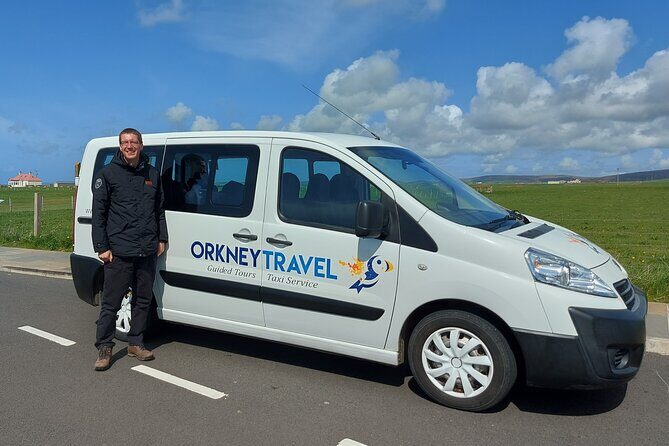
The day starts with a scenic drive that frames Scapa Flow, the main British naval base during both World Wars. Even from the road, you get that sense of “this was a strategic place,” not just a scenic one.
This is also where your guide’s storytelling can make the difference. In the accounts I saw, guides brought up wartime details like the story of Germans sinking a ship and how the fleet situation changed once naval forces left. You don’t have to be a history buff to enjoy this stop, because it’s built around visible geography—water, harbor lines, and the feeling of remoteness.
What I like here: it sets the theme of Orkney—strategic at sea, tough on land, old in time. It also gives you a mental map before you hit the prehistoric sites.
You can also read our reviews of more tours and experiences in Scotland.


Skara Brae: The One Stop You’ll Remember
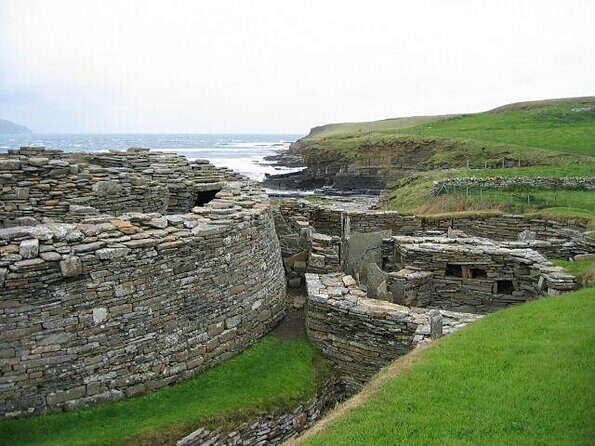
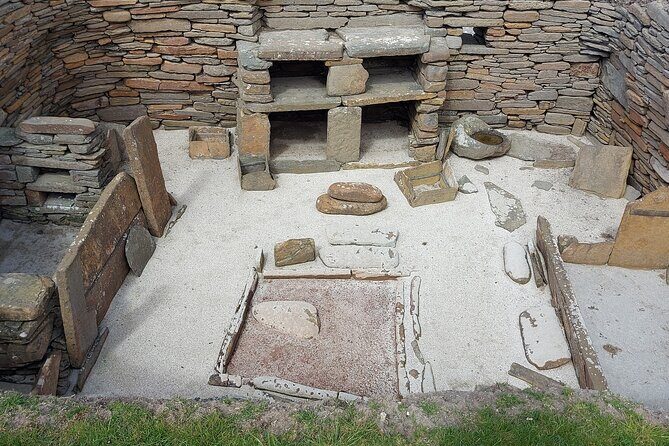
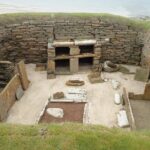
Skara Brae is the headline stop, and the tour gives it the time it deserves: a guided visit with admission included. You’re there for about 1 hour 20 minutes, long enough to actually understand what you’re looking at instead of just snapping photos and moving on.
This is one of the best-preserved Neolithic village sites in Northern Europe, dating back around 5,000 years. The big value isn’t only the age—it’s the way the site shows daily life. The design and layout help you picture how people organized space, cooked, slept, and lived in a harsh climate.
A practical tip: wear shoes you trust. You’ll want stable footing for uneven areas, and your time window is guided, so you won’t want to waste minutes searching for what to do next.
One drawback to plan around: since Skara Brae is the longest stop, everything else that day becomes shorter. If you love one “slow and absorb” moment, Skara Brae delivers that. If you want equal time at every stop, you may wish the schedule were more evenly split.
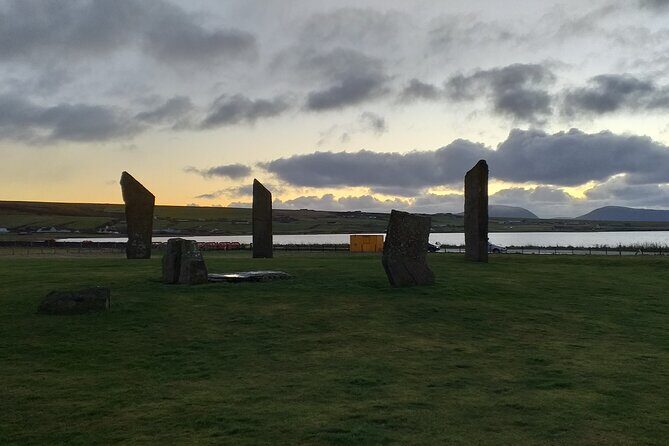
Ring of Brodgar and Stenness: Fast Stops With Big Payoff
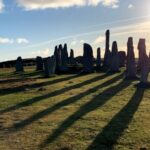
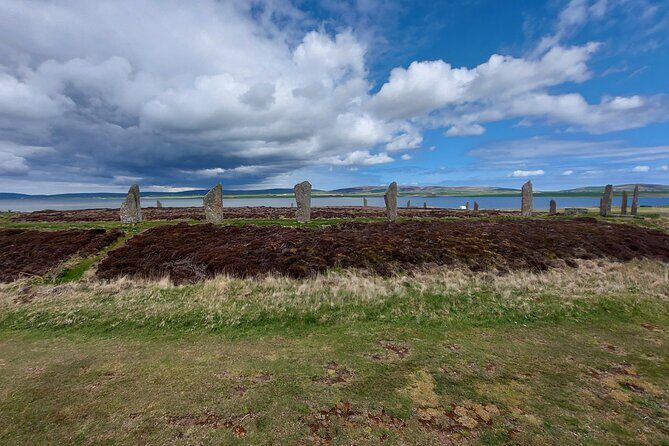
After Skara Brae, the tour shifts into a quicker rhythm. You’ll visit the Ring of Brodgar for about 30 minutes with a guided tour, then stop at the Standing Stones of Stenness for a photo stop of around 15 minutes.
Here’s the key way to think about it: these stone circles work best when you understand their scale and alignment. A short guided explanation helps you see beyond “cool rocks,” especially at Ring of Brodgar. The circle layout becomes clearer when you’re pointed toward what to notice.
For Stenness, the short time is what it is—expect photos and a few quick context lines rather than a full walk-through. The benefit is that you’ll still see a “first impression” of one of the oldest known henge monuments in the UK, without losing the rest of the day to travel between sites.
What to watch for: wind. Open stone sites can feel exposed, and it’s easy to feel rushed if your hands are cold and your attention is scattered. Dress for the outdoors so you can actually enjoy the moment.
Yesnaby Cliffs: Sea Views, Wildlife Chances, and a Breather
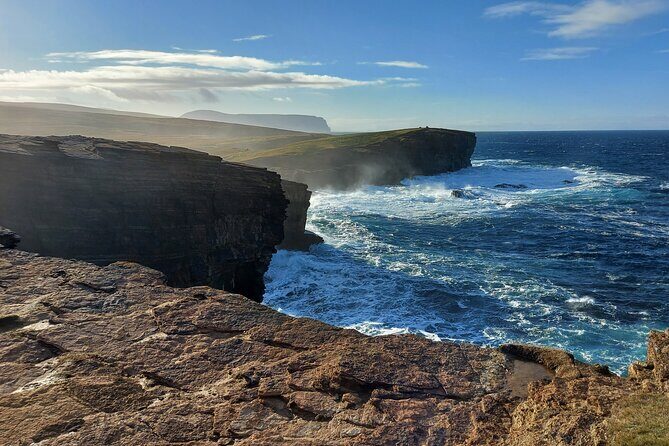
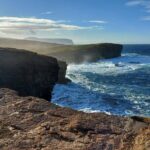
Next up is the Yesnaby Cliffs stop, another short 15-minute photo stop. This is one of those Orkney moments where the wind is part of the experience. From here you get dramatic coastline views, and you may also spot native wildlife along the way—especially seabirds—depending on the day.
Some guides also help you connect what you’re seeing to the bigger map of the area. On at least one tour run, a guide reportedly pointed out the view toward The Old Man of Hoy from this region when conditions made it visible. You shouldn’t count on a perfect view every time, but it’s a good example of how the guide’s local instincts can add value to a quick stop.
A real-life way to make this stop better: keep your camera ready before you arrive. With only a quarter hour, you’ll get the best photos if you’re already positioned mentally and physically.
Earl’s Palace and Birsay Village: Where the Ruins Meet the Sea
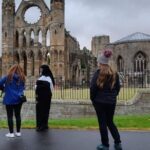
The tour then heads toward Earl’s Palace in Birsay for about 30 minutes. This is a ruins stop, but it’s built to feel more like a coastal wander than a museum checklist.
Earl’s Palace is tied to the 16th-century Earl Robert Stewart, described as a powerful figure who built a Renaissance-style residence overlooking the sea. Today, the palace stands in romantic ruin near the remains of the medieval Bishop’s Palace.
What I like about this part of the day: it’s a change of pace from prehistoric sites. You’re moving from Neolithic villages and stone circles into the layered story of later centuries on Orkney—power, architecture, the sea’s pull, and the contrast between grandeur and decay.
Also included in this stop time: a chance to explore Birsay village, with its traditional stone cottages and sweeping coastal views. That’s a nice bonus if you enjoy small settlements more than big monuments.
The main consideration: this is still a relatively short window. If you’re the kind of person who could spend an hour just looking at tide lines and stonework, you might want extra time. But for most visitors, 30 minutes is enough to get the feel of the place.
Kirbuster Farm Museum: The Human Scale of Orkney
The last major stop is Kirbuster Farm Museum, held for about 30 minutes. This is where the tour broadens from ancient sites to the day-to-day reality of island life over time.
You’ll see a traditional Orkney farmhouse with a central peat fire, plus farming tools, vintage machinery, and gardens that show rural Orkney’s heritage. It’s not only a static display. It helps you understand how people survived on the island’s terms—heat, fuel, work, and land.
In a day that starts with sea war stories and prehistoric stone monuments, Kirbuster gives you a human rhythm. You start to feel that Orkney isn’t just old; it’s practical and lived-in.
One potential drawback: because this is a shorter museum-style stop, you’ll get the overview rather than a deep, slow read. If you love farm tools and want time to inspect every object, you may wish you had more time here. Still, for a six-hour overview tour, it lands well.
Price and Value: What You’re Really Paying For
The price is $165.28 per person for about 6 hours of touring. That’s not cheap, but Orkney tours often aren’t, mainly because driving time is real and admissions and guides cost money.
Here’s the value math that matters:
- Transportation and guide time are included for the full circuit from Kirkwall and back.
- Skara Brae admission is included.
- Other stops are listed as having free admission, so you’re not paying extra entry fees on the fly.
- Lunch is not included, so you’ll likely want to plan a snack or budget for food separately.
For me, the best value part is the guide. On this route, you’re seeing sites that can look similar if you don’t get context. In the guide notes people shared, names like George, Rachel, Garry, and Ron came up as examples of guides who kept the day engaging and answered questions. That human element is what turns a “drive-by” day into an Orkney day you actually understand.
One practical downside tied to price: since lunch isn’t included, you’ll need to manage your hunger. If you hate paying for an expensive meal later, bring a small snack from Kirkwall.
Timing, Group Comfort, and Weather: The Two Real Variables
This tour starts at 10:00 am and ends back at the meeting point. With about six hours total, it’s designed as a solid overview, not a slow exploration day.
That can be a good thing. You’ll cover a lot of major West Mainland sites without wasting half your time figuring out routing. But you should also accept the trade-off: the day is not built for long sit-down breaks.
The comfort issue is worth highlighting because it shows up clearly in the tour details. The vehicle seats are between 48cm and 51cm wide, and while there is generous legroom, the seat width can feel restrictive for some people. One review-style note also flagged that a minivan can feel tight for the group size. If you’re sensitive to narrow seats or mobility needs, this is your signal to ask questions before you book or plan for an extra seat if that option is available.
Weather is the other variable. The experience requires good weather and could be canceled due to poor conditions, with an alternative date or a full refund offered. Since several stops are outdoors and windswept, you’ll feel the weather. Dress for it, not for the forecast you hope for.
Who This Tour Fits Best
This tour fits best if you:
- Want a car-free way to see Orkney’s West Mainland highlights
- Like guided context, especially for prehistoric sites
- Prefer a small group day with time to ask questions
- Are okay with a schedule that moves and keeps stops fairly short outside Skara Brae
You might not love it if you:
- Need lots of time at every stop (this is built as an overview loop)
- Have strong mobility or comfort needs around narrow seating
- Want lunch included, or want a more relaxed pace with long meal breaks
Should You Book the Orkney West Mainland Tour?
If you want the key Orkney sights in one focused day, I think this is an easy yes. Skara Brae is given real attention, and the rest of the route hits major sites that most people travel to Orkney specifically to see. The small group size and guide-led explanations are the difference between seeing stones and actually understanding why they matter.
Book it if you’ll use your time well—layer up for wind, bring a snack for the gap before lunch, and be ready for photo-stop pacing. If you’re the type who hates tight schedules or you’re worried about the vehicle’s narrower seat width, read the comfort notes closely and consider your options.
FAQ
How long is the Orkney West Mainland Tour?
The tour lasts about 6 hours (approx.).
What time does it start, and where is the meeting point?
It starts at 10:00 am at the Travel centre, Kirkwall KW15 1AB, UK.
What’s included in the price?
Skara Brae/Skaill House entrance fees are included. Other listed stops have free admission, and the tour includes guided components at certain sites.
Is lunch provided?
No. Lunch is not included.
What group size should I expect?
The tour has a maximum of 14 travelers.
What happens if the weather is poor?
The experience requires good weather. If it’s canceled due to poor weather, you’ll be offered a different date or a full refund.