REVIEW · EDINBURGH
Scotland: West Highlands, Mull and Iona 4-Day Tour
Book on GetYourGuide →Operated by Rabbie's Small Group Tours · Bookable on GetYourGuide
Scotland’s West Highlands can change by the hour, and this route lets you catch the big moments. I like the small-group pace (up to 16 in the vehicle, with a tighter passenger cap in practice) and the fact that you do real driving plus real ferry time. I also appreciate how the trip often turns into a guided story session with an expert like Paul or Duncan, plus practical pointers for what to do when the coach stops. One thing to think about: your Staffa boat trip is optional and can be affected by conditions, and the B&B-style rooms can vary (some are on quieter outskirts, but others may be noisier or require stairs).
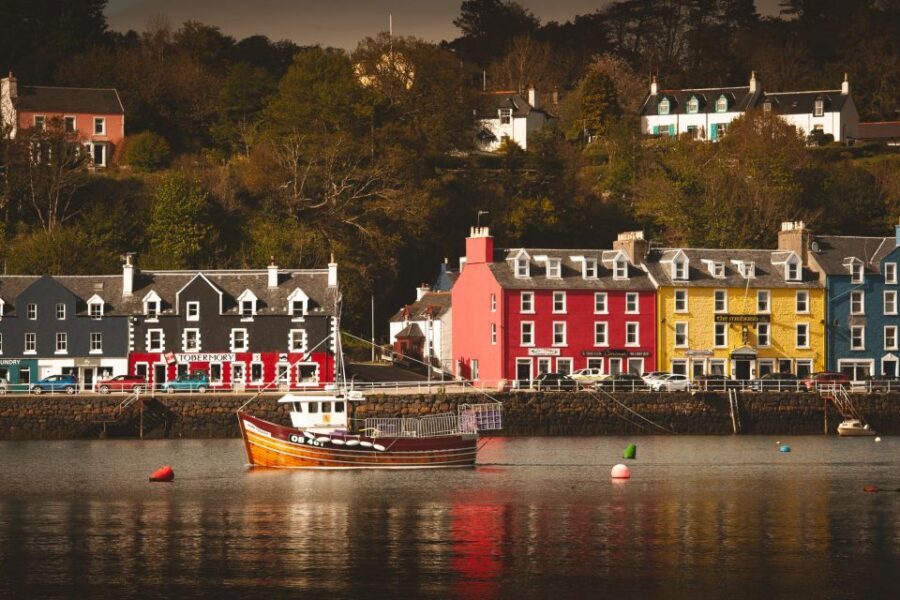
Two of my favorite parts are the three nights in Tobermory, where colorful harborside streets are close enough for evening walks, and Iona’s Abbey area, with its Celtic crosses and calm that feels a bit removed from the rest of Scotland. If you’re expecting a smooth, always-same-day perfect plan, build in flexibility—weather, ferries, and the optional add-ons can shift your timing.
In This Review
- Quick takeaways before you go
- Small-group West Highlands touring by a 16-seat Mercedes
- Day 1: Edinburgh to Callander, Trossachs roads, Rannoch Moor, and Glencoe
- Tobermory: colorful harbor town living for three nights
- Day 2: Fionnphort to Iona Abbey, beaches, and the Staffa/Fingal’s Cave option
- Day 3: Mull’s Dervaig and Calgary Bay—eagles and wild sandy shorelines
- Day 4: Craignure to Oban, Inveraray Castle, and Loch Lomond’s Rest and be Thankful
- Price and what you’re really buying for $975
- Practical stuff that can make or break your comfort
- Who this tour fits best
- Should you book this West Highlands, Mull and Iona tour?
- FAQ
- What’s included in the price?
- Are meals included?
- Is the Staffa boat trip included?
- Where do we stay during the tour?
- How big is the group?
- What kind of vehicle is used?
- How much luggage can I bring?
- What’s the minimum age?
- Is there free cancellation?
Quick takeaways before you go
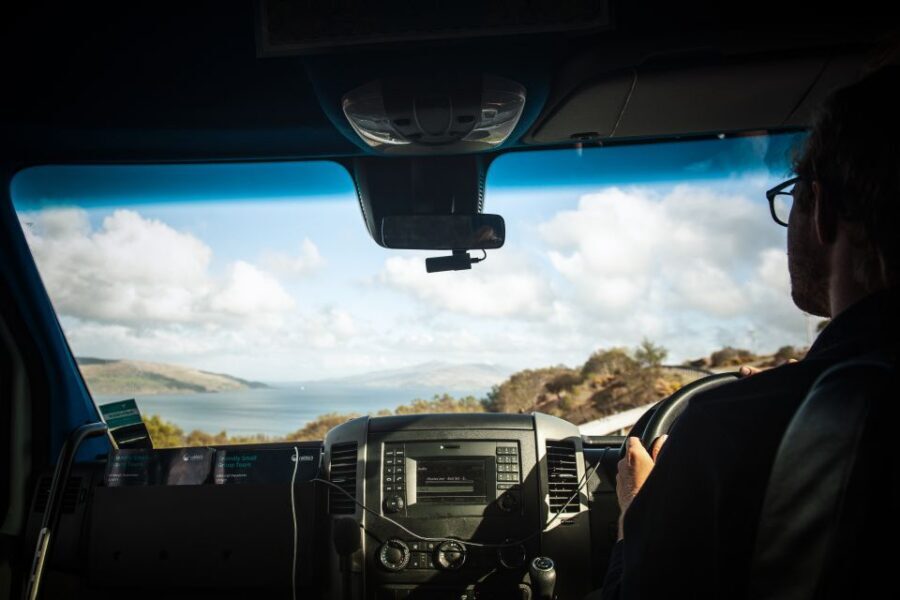
- Tobermory base for 3 nights: best chance to explore at a relaxed pace instead of rushing through by day.
- Rannoch Moor + Glencoe: long, remote roads that make the Highlands feel big and real.
- Iona Abbey and Celtic carvings: a quiet, meaningful stop with tangible history you can walk around.
- Optional Staffa/Fingal’s Cave: a standout if it runs, but not guaranteed in the way guaranteed tours are.
- Small-group feel: you get room to ask questions and not lose the guide in a crowd.
Small-group West Highlands touring by a 16-seat Mercedes
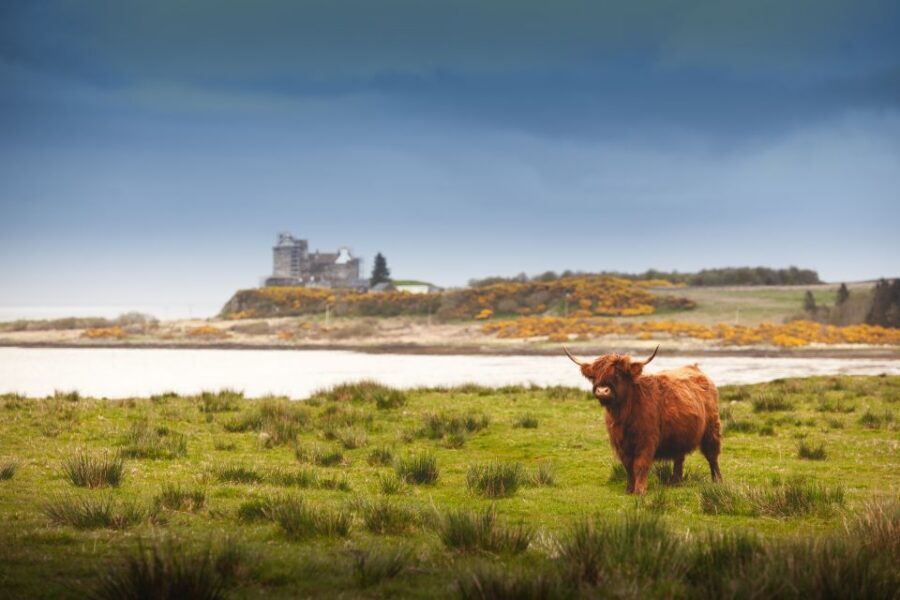
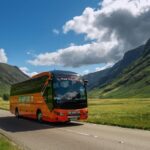
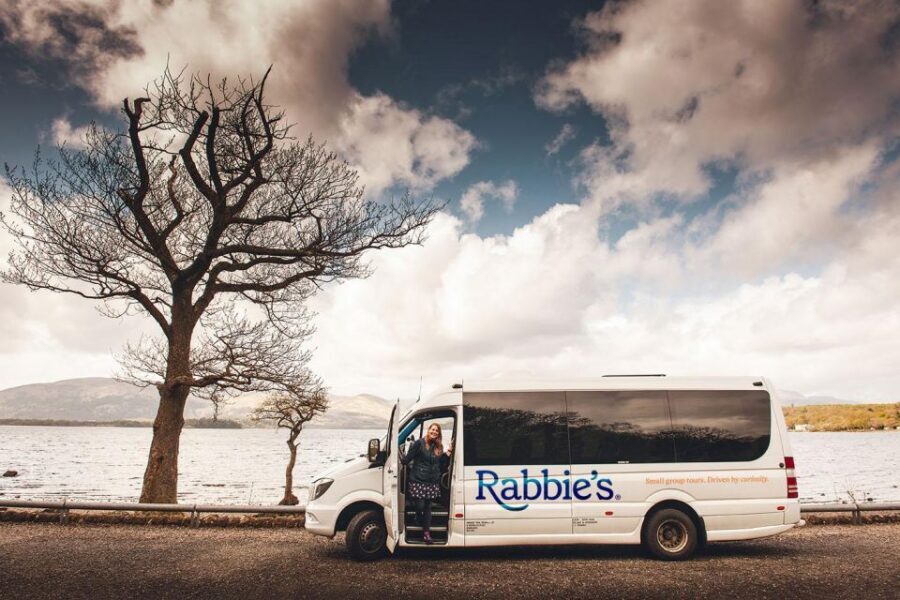
This tour runs on a top-of-the-range 16-seat Mercedes minicoach, which matters more than it sounds. You’re not stuck shoulder-to-shoulder, and it’s easier for the driver/guide to manage stops without wasting time. The group size is kept small—there’s an advertised cap of 16 participants, but the operator also limits bookings to a maximum of 8 passengers per group—so the day-to-day experience feels personal rather than mass.
You’ll be traveling with a live English-speaking driver/guide, and the best part is how the commentary connects places. In past departures, guides named Paul, Duncan, Andy, and Stefan show up, and the consistent theme is clear: they mix place-based history with practical tips for what to look for on arrival and what to do on your own afterward.
The other big “small group” benefit is rhythm. When you’re on tighter roads in the Highlands, you feel the flow of the day, including the times you’ll have to wait for ferry departures or account for weather.
A few more Edinburgh tours and experiences worth a look
Day 1: Edinburgh to Callander, Trossachs roads, Rannoch Moor, and Glencoe
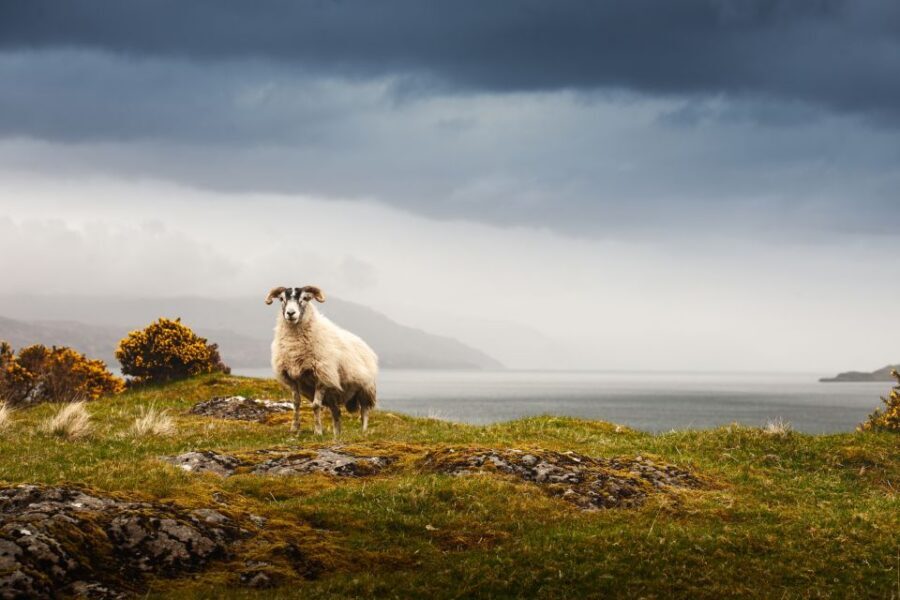
Your day starts by leaving Edinburgh and heading toward the small town of Callander, a lively first stop that gives you a sense of the “real Scotland” vibe before the bigger wilderness begins. From there, the route pushes into the Queen Elizabeth Forest Park and the Trossachs terrain, where the hills and forest edges set a different tone than the city-to-highway feeling you may be used to.
Then comes the part many people remember most: driving across Rannoch Moor. Roads across open moorland give you wide horizons and long sightlines, so even without a scheduled “attraction” there, the drive itself becomes the show. It’s also a good day to remember Scotland weather can be quick—bring a waterproof layer and shoes you trust.
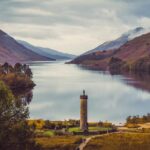
As you continue north, you reach Glencoe, famous for the 1692 massacre involving Clan MacDonald. You’ll get time to take in the valley from viewpoints and understand why this place lives in Scottish memory. After that, you cross water via a short ferry ride across Loch Linnhe, then drive through the Morven mountains toward Lochaline for the next crossing.
Finally, you take a ferry to Mull, arriving at Tobermory, where you’ll stay for three nights. This is important: you don’t just “pass through Mull,” you land and settle.
Tobermory: colorful harbor town living for three nights
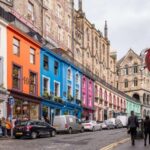
Tobermory is the tour’s home base for a reason. The town has brightly colored buildings facing the sea, and it’s the kind of place where you can walk a few minutes and still find something worth looking at. The name Tobermory is said to mean well of Mary, and it fits the vibe: part coastal town, part gateway to quieter island life.
You’ll likely arrive in the afternoon/evening of Day 1, with enough time to get your bearings, wander the harbor, and think about tomorrow’s ferry day. That matters because island days can be full; having an evening without rushing makes the whole itinerary feel less like a checklist.
A practical note: your stay is in small, locally owned guesthouses and B&Bs, with en suite rooms. But many B&Bs sit on the outskirts of towns, and you may find yourself walking 20–30 minutes to reach pubs and restaurants. And if you’re sensitive to noise or need step-free living, tell the operator in advance—these properties often involve stairs, and lifts aren’t available.
Day 2: Fionnphort to Iona Abbey, beaches, and the Staffa/Fingal’s Cave option
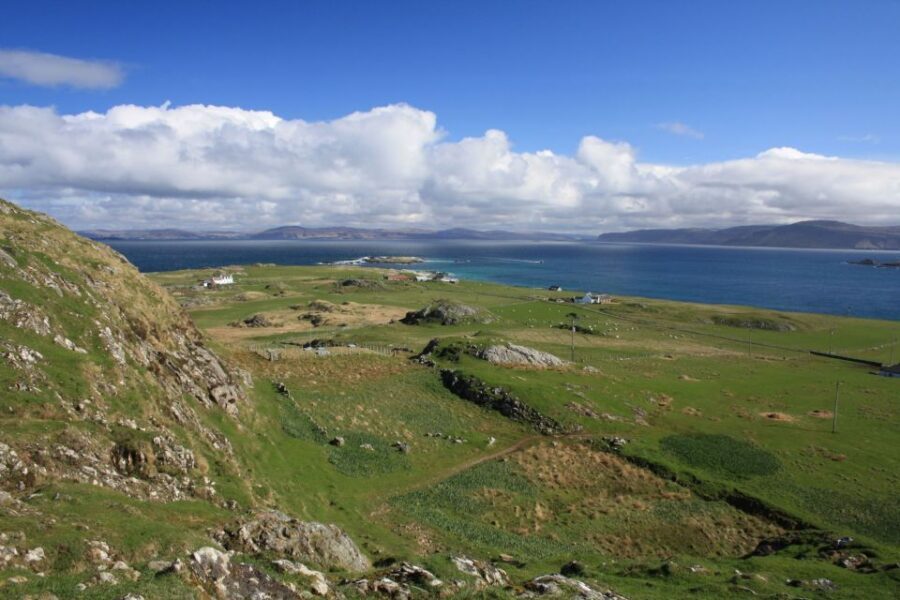
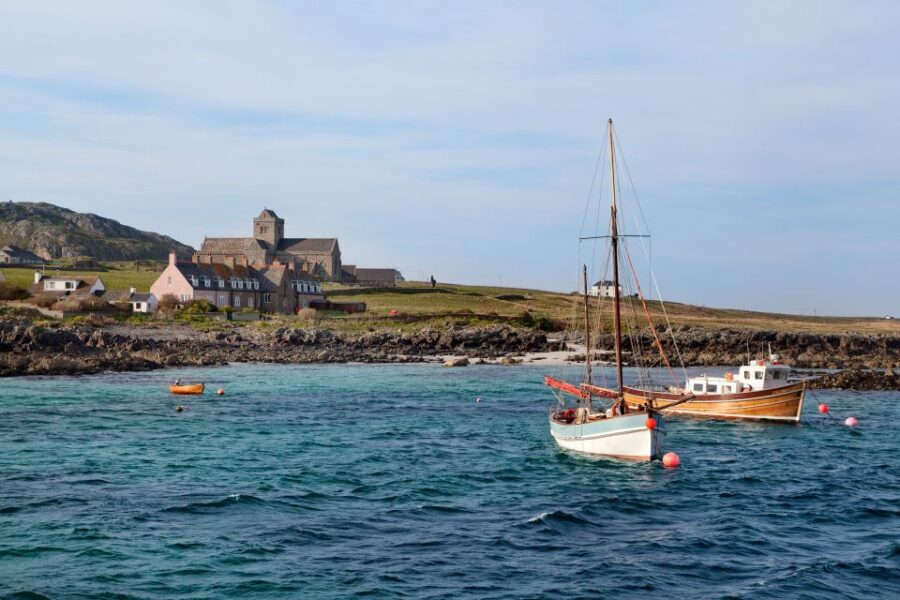
The day starts with a drive to Fionnphort, where you take a passenger ferry to Iona. Iona has that “slow time” quality right away. It’s known as the cradle of Celtic Christianity, and the island’s character is quiet charm more than showy attractions.
Once on Iona, you’ll have time to explore the Abbey and a museum focused on history and Celtic heritage. This is where you’ll see Celtic crosses and headstones up close. Even if you’re not a serious history reader, the scale and workmanship make it feel more real than a photo ever can.
You’ll also have the option to swap “inside time” for outdoor time. Iona’s peaceful sandy beaches are a great counterbalance after a morning of stone and symbols. In weather like Scotland can bring, a short walk with waterproof layers can turn into one of those calm moments you didn’t plan for.
In the afternoon, you may have the chance to take a small boat trip to Staffa, which is famous for Fingal’s Cave, often described as Nature’s cathedral. This is the key optional piece of the itinerary: the caves can be a major highlight, but it’s not guaranteed in the same way the standard stops are. If it doesn’t run, you’ll still have a full Iona day—but your plan should include some flexibility.
Afterward, you return to Tobermory for the night.
Day 3: Mull’s Dervaig and Calgary Bay—eagles and wild sandy shorelines

Day 3 shifts from the island’s iconic “big names” into its wilder edges. You drive into more remote areas on Mull and visit Dervaig, a pretty settlement that works as a reset after Iona. It’s less about a single landmark and more about the island texture: small coastal life, open views, and the feeling that you’ve gone farther than a day trip would.
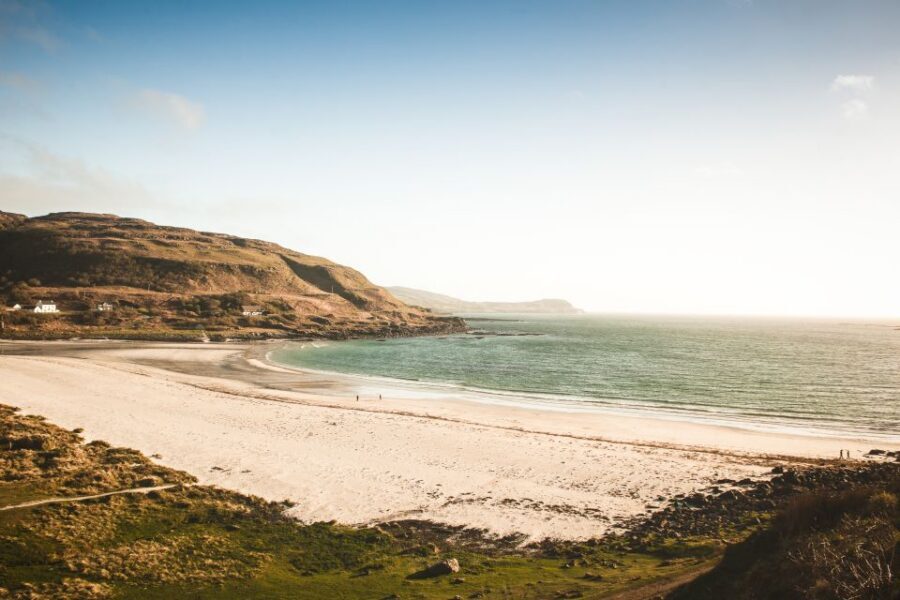
From there, you head to Calgary Bay, where you’ll experience wild thrashing sandy shores. The wording is basically a Scotland truth: expect wind, salt air, and fast-changing weather. Bring a windproof outer layer, especially if you’ll stop for photos or just watch the tide.
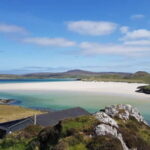
If you’re lucky, this is also where you might see large white-tailed eagles. Even without a sighting, the bay’s scale and the weather-driven drama make it feel like the Highlands at their most elemental.
You return to Tobermory by early afternoon. That gives you breathing room for the town’s small shops and the Tobermory whisky distillery, plus a chance to enjoy Tobermory without a packed schedule. It’s also a good time to sit down with local food and plan how you want to spend your last day’s energy.
Day 4: Craignure to Oban, Inveraray Castle, and Loch Lomond’s Rest and be Thankful
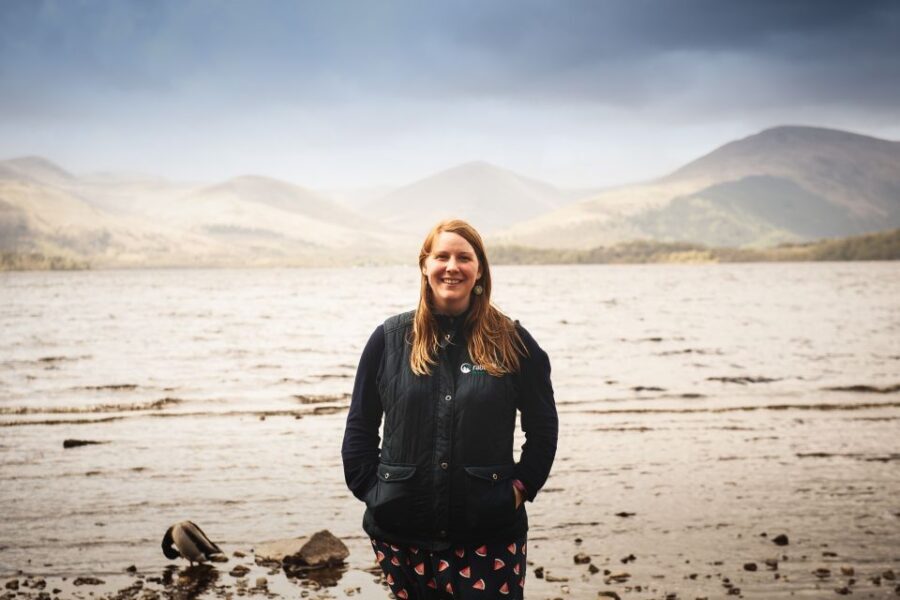
Your final day begins with the ride back off Mull. You head to Craignure for a short crossing to Oban, the biggest town in Argyll. Oban has a busier feel than Tobermory, so it’s a useful contrast at the end of the islands portion. You’ll be able to take in the shift from calm seaside base to a town with more activity.
Next, you continue west to the whitewashed 18th-century town of Inveraray, on the shores of Loch Fyne. Inveraray is one of those places that feels designed for strolling: historic buildings, loch views, and a sense of order compared to the raw Highlands you’ve been driving through.
Inveraray Castle is part of what you’ll see, and it’s tied to Clan Campbell. The castle’s mix of Scots Baronial and Neo-Gothic styles gives you a lot to look at, even if you’re only passing by rather than going deep inside.
After leaving Inveraray, you enter Loch Lomond National Park and travel up to the viewpoint known as Rest and be Thankful. It’s a photo stop, but it also helps you understand why the Highlands are so famous for their passes and weather exposure.
Then it’s back east toward Stirling, with photo opportunities for Stirling Castle, before returning to Edinburgh in the early evening.
Price and what you’re really buying for $975
At $975 per person for 4 days, the value comes from a few big cost drivers that you don’t always realize until you try to plan the trip yourself.
- Transport throughout, including long driving days across remote areas.
- A driver/guide who helps connect the route and keeps the day running.
- Three nights of B&B accommodation with en suite rooms (not a hostel-style setup).
- Ferry fares included, including the crossings tied to the Mull and Iona portions.
- The one major ferry-related item not included is the optional Staffa trip.
What’s not included is also clear: meals and refreshments, plus entrance fees. That means your real total cost depends on what you choose to pay on-site (and how you eat each day). Still, if you’ve ever priced ferries, multiple lodging nights, and day-long private transportation across the West Highlands, you’ll see why package pricing can feel reasonable.
Where you should pay attention is “expectation management.” The route delivers iconic stops and real island time, but optional elements like Staffa and the timing flexibility of Highlands weather mean you’re not buying a guaranteed lottery win. You’re buying access to a well-run route with the infrastructure handled.
Practical stuff that can make or break your comfort
Scotland isn’t subtle about weather. Bring suitable clothing and footwear for country walks, and assume you’ll want waterproof protection even if the morning starts clear.
You also have a luggage limit of 14 kilograms (31 lbs) per person, described as one piece like an airline carry-on plus a small onboard personal bag. Pack like you’ll be moving quickly between hotel rooms and coach storage areas.
If stairs are an issue, take it seriously. Rooms are in small B&Bs and guesthouses where lifts aren’t available, and some properties are outside town, meaning you’ll walk back and forth to shops and dinner.
One more comfort note: accommodation quality can vary by room and property layout. In past cases, that has meant noise or a less pleasant outlook for at least one participant, and it turned into a stress point. My advice is simple: if you need quiet or step-free options, tell the operator early and be specific.
Who this tour fits best
This works especially well if you want:
- A guided route through West Highlands highlights without doing point-to-point planning.
- Real time on Mull and Iona, not just brief window-shopping stops.
- A small group so the guide’s explanations and your questions don’t get drowned out.
It may not be the best fit if you:
- Want a fully guaranteed Staffa boat experience every time.
- Have strong mobility needs and expect elevator-style lodging.
- Expect meals and entrance fees to be handled for you.
Minimum age is 5 years, so it’s aimed more at families who can handle a full day of travel and walks.
Should you book this West Highlands, Mull and Iona tour?
I’d book it if you’re excited about the mix of big driving days and island quiet—and if you like the idea of having Tobermory as your home base for three nights. The included ferries and the small-group structure make it efficient, and the guides named across past departures suggest you’ll get more than a “drive-by” narration.
I’d think twice if you’re planning your trip around Staffa being the main reason to go, or if you’re very sensitive to room location and noise because the lodging is in small, varied B&Bs. In that case, I’d still consider booking, but I’d plan carefully: ask about room needs early, pack for wet weather, and treat optional boat time as a bonus rather than a promise.
If you want a Scotland trip that feels like you’re moving through layers of the country—moors to valleys, ferry to island calm, then back through castles and lochs—this one fits.
FAQ
What’s included in the price?
Transportation, the driver/guide, bed-and-breakfast accommodation for 3 nights, and all ferry fares are included. Entrance fees and meals aren’t included.
Are meals included?
No. Meals and refreshments are not included, so you’ll need to budget for food and drinks each day.
Is the Staffa boat trip included?
Ferry fares are included, but the optional trip to Staffa is not included. If you choose to go, you’ll pay for that add-on separately.
Where do we stay during the tour?
You stay for three nights in Tobermory, in small locally owned guesthouses and B&Bs. Rooms are en suite.
How big is the group?
This is a small group tour. It’s limited to 16 participants, and the operator also caps bookings at a maximum of 8 passengers per group.
What kind of vehicle is used?
You travel by a top-of-the-range 16-seat Mercedes minicoach.
How much luggage can I bring?
You’re restricted to 14 kilograms (31 lbs) of luggage per person, described as one carry-on type piece plus a small personal bag.
What’s the minimum age?
The minimum age to participate is 5 years.
Is there free cancellation?
Yes. You can cancel up to 14 days in advance for a full refund.