REVIEW · SHREWSBURY
Shrewsbury Prison Guided Tour and Museum Access
Book on GetYourGuide →Operated by Shrewsbury Prison Ltd · Bookable on GetYourGuide
Steel doors make you look closer. This Shrewsbury Prison guided tour turns a real working prison site into a clear, story-led walk through Victorian and modern punishment—with time to explore on your own afterward.
I especially like the prison officer guide approach: the stories feel specific, not generic, and the best guides (like Alex, Dan, Michelle, Malcolm, and Graham) bring the place to life with humor even when the subject is grim. One thing to consider is that it’s a standing-and-walking visit, and it can feel cold inside those thick walls, so wear layers.
What really sells this ticket is what comes after the guided part. You get a self-guided tour plus access to the Shrewsbury Prison Museum, so you can slow down in the areas that grabbed you. Do that, and the 90 minutes guided segment feels like a strong starter, not the whole meal.
In This Review
- Key highlights you’ll feel on the ground
- Shrewsbury Prison in 90 Minutes: What This Guided Tour Covers
- Arriving Through the Giant Metal Gates and Finding Your Start Point
- Reception and the B.O.S.S Chair: How Control Began
- Victorian A Wing and C Wing Cells: Built for Hundreds
- Officer Landings, Long Routine, and the Click of Everyday Rules
- Exercise Yards, Netting, and the Details That Feel Strange for a Reason
- Healthcare and Medication Queues: The System’s Daily Rhythm
- Visits Area Under Scrutiny: Meeting the Outside World
- Executioner’s Bedroom, Condemned Cell, and the Execution Room
- Self-Guided Museum Time and Onsite Restaurant Plans
- Price and Value: Is $33 Fair for Shrewsbury Prison?
- Who This Tour Fits Best (and Who Might Want a Different Style)
- Should You Book Shrewsbury Prison Guided Tour and Museum Access?
- FAQ
- How long is the guided tour?
- Is self-guided tour time included with my ticket?
- Do I get access to the museum?
- Is there an onsite restaurant?
- What language is the guided tour in?
- Is the experience wheelchair accessible?
- Where does the tour start?
- Can I cancel and get a refund?
- Is there a reserve and pay later option?
Key highlights you’ll feel on the ground
- Victorian A Wing and C Wing layout: cell counts, design purpose, and how the prison was built to manage numbers.
- Reception and B.O.S.S chair: a look at how prisoners were processed entering and leaving.
- Two exercise yards: high walls, netting over the main yard, and the little rules behind routine.
- Healthcare and medication queues: what prisoners faced day to day in the system’s medical flow.
- Visits area with intense scrutiny: how contact with the outside world was permitted—and controlled.
- Execution spaces with names like Albert Pierrepoint and George Riley: the execution room, condemned cell area, and what happened in the final stretch.
Shrewsbury Prison in 90 Minutes: What This Guided Tour Covers
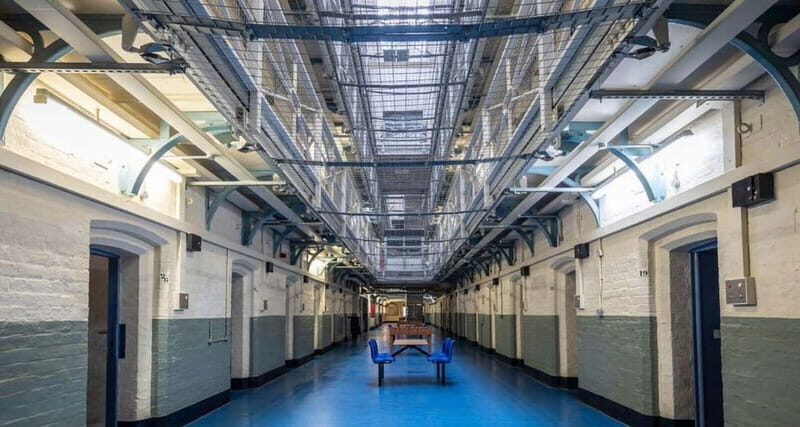
This is a 1.5-hour (about 90-minute) guided experience inside Shrewsbury Prison, in Shropshire, run in English by a live guide who’s a prison officer. The point isn’t just to point at walls. It’s to explain how this place worked—physically and psychologically—over time, from earlier eras through modern days.
You’ll see two traditional wings, walk landings where officers worked for generations, and get guided explanations of systems that look baffling now: processing at reception, exercise yard rules, healthcare access, visits, and (yes) the execution areas. What makes it feel worth your time is that the tour connects architecture to behavior. You can picture why things were built this way and what it did to the people inside.
And then, you’re not left out to dry. Your ticket includes museum access and time for self-guided exploration, so you can linger in the parts that stick with you.
You can also read our reviews of more tours and experiences in Shrewsbury.


Arriving Through the Giant Metal Gates and Finding Your Start Point

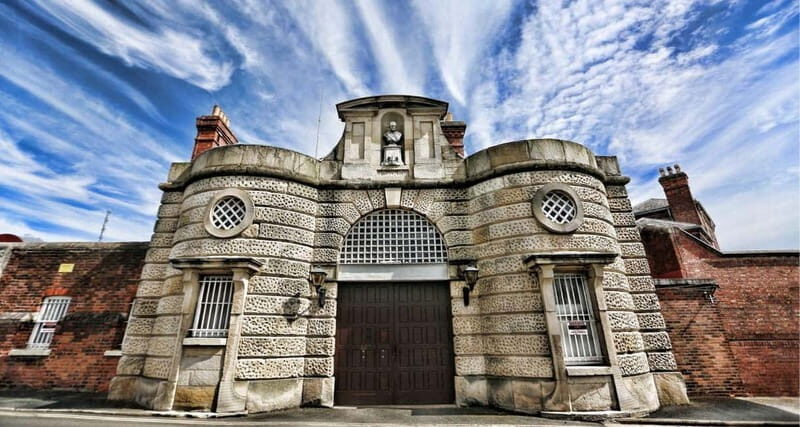
Plan to arrive with a little slack. When you enter, you’ll pass giant metal gates and see a sign reading Welcome to Shrewsbury Prison to the left of the main entrance. Follow the signage to the visitor center. A team member will show you where the guided tour begins.
That simple orientation matters more here than in many attractions. Once you step into the prison environment, you’ll want your bearings quickly—where to queue, where to move next, and what to remember from the guide’s first explanations.
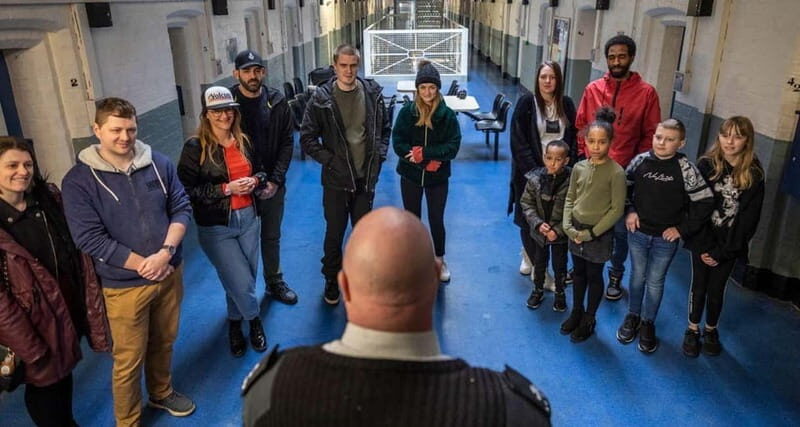
If you’re visiting with kids or teens, this is also a good moment to set expectations: this isn’t a theme park walk-through. It’s a factual guided tour of a real penal site. Still, multiple groups in the feedback praised the guides for keeping everyone engaged with story flow and light touches (like dad jokes).
Reception and the B.O.S.S Chair: How Control Began
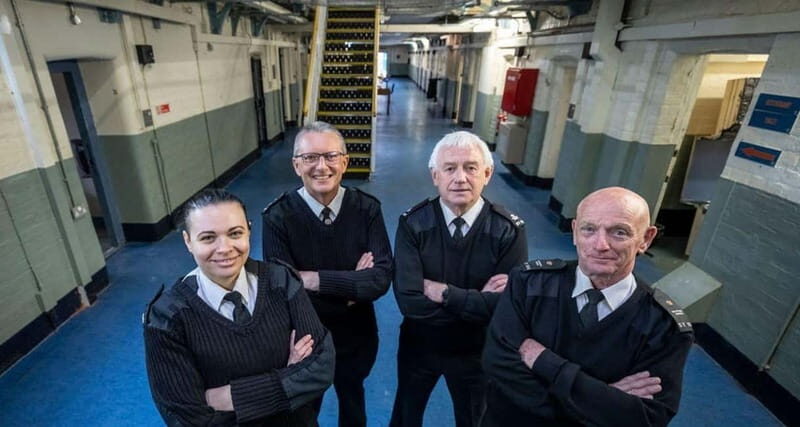
One of the first stops is reception, where prisoners were processed when entering or leaving the prison. Even if you’ve seen other prisons in films, this feels different because you’re looking at a system that was meant to run day after day.
You’ll also learn about the B.O.S.S chair (Body Orifice Security Scanner). That detail is a good example of why this guided tour is useful: it links “modern security” to the ongoing theme of control. You’re not just learning dates. You’re learning how rules were enforced.
This area also helps you understand the prison mindset before you step deeper. By the time you reach the cell wings, you already know the prison wasn’t designed around freedom or comfort. It was designed around management—of bodies, movement, and risk.
Victorian A Wing and C Wing Cells: Built for Hundreds
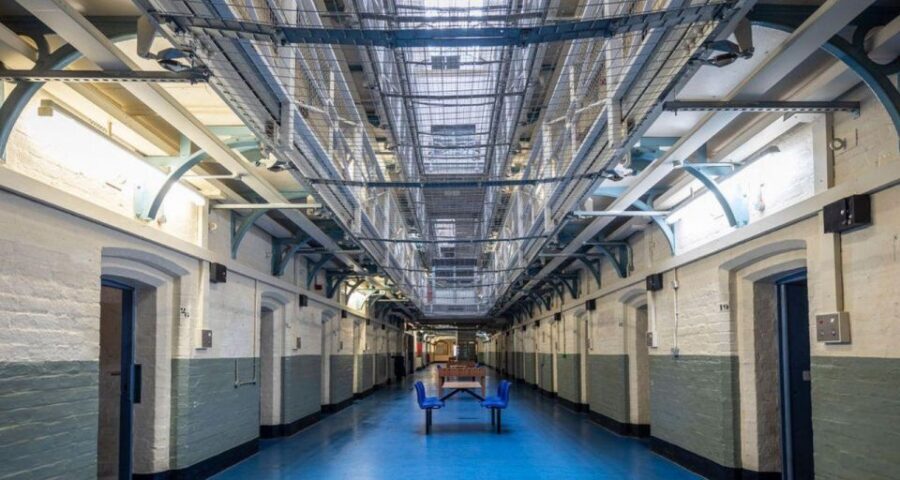
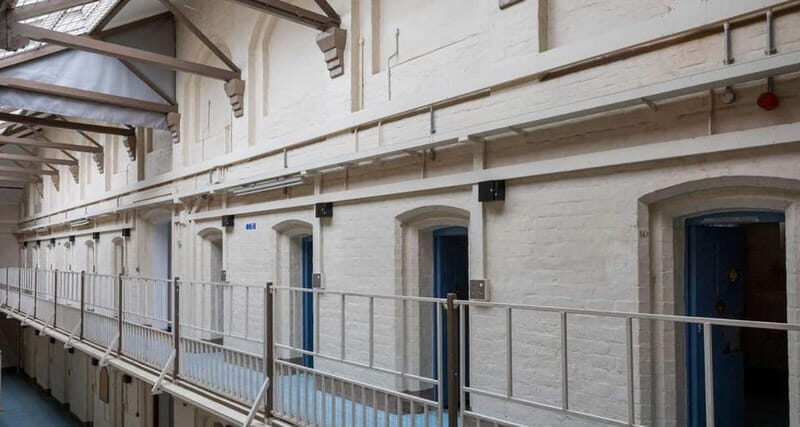
The core of the tour is the walk through two traditional prison wings: A Wing and C Wing.
A Wing contains 172 cells, built to house 350 men. That number alone gives you the right mental image. It wasn’t built for space and quiet. It was built for volume and containment.
C Wing has 22 cells and was originally designed to hold female prisoners until 1921. Seeing the space laid out like this helps you grasp how the prison system adapted by gender and policy—again, not with feelings, but with physical layout.
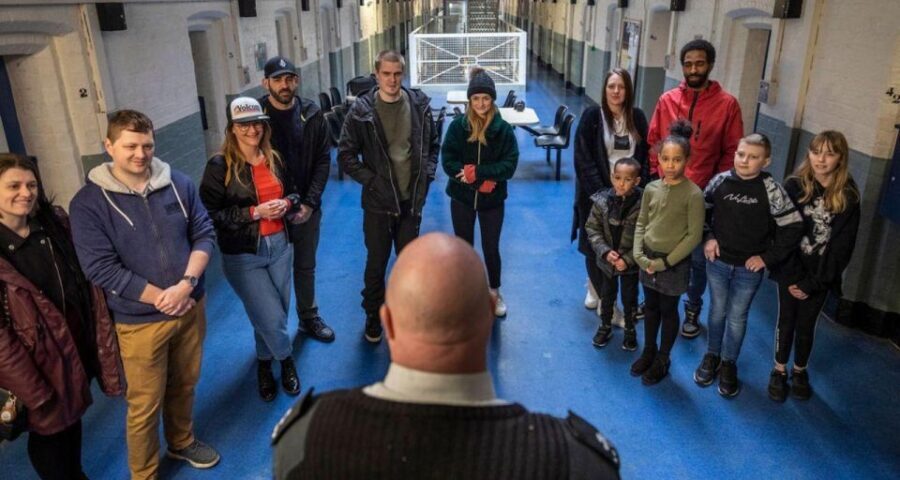
As you move, your guide will explain what it was like to be locked behind steel doors and how the prison’s routine shaped daily life. This is where the best guides really shine. In the feedback, Alex and Michelle came up for being engaging and thought-provoking, and several people liked how the guide made the system feel understandable rather than just shocking.
Officer Landings, Long Routine, and the Click of Everyday Rules
Between the cell blocks, you’ll wander parts of the prison where officers did their work for around 200 years. That detail is more important than it sounds. It turns the site from a collection of rooms into a functioning corridor-of-life environment.
You’ll also hear about the landing as officers did for generations—what it meant to monitor from there, and how the layout supported that. Even if you’re not a history buff, this stop can make the prison’s logic click. It’s less about one dramatic moment and more about constant observation.
One small but memorable theme in this tour is how routines could be oddly specific. For example, you’ll learn the guide’s version of whether prisoners always walked in a clockwise direction, and why that kind of detail shows how control can become habit.
Exercise Yards, Netting, and the Details That Feel Strange for a Reason

Exercise yards are dark in tone but fascinating in explanation. You’ll walk two exercise yards, both enclosed by high prison walls. The guided portion doesn’t treat them like generic outdoor space. It treats them like controlled systems.
Two points stand out:
- You’ll learn why netting was placed over the main exercise yard.
- You’ll be told the facts behind certain prisoner walking routines (including the clockwise question).
These details matter because they reveal how prisons often managed risk in everyday moments. An exercise yard isn’t just a break. It’s a place where communication, movement, and potential escape risks had to be controlled.
If you’re the kind of person who likes the “why” behind procedures, this segment is a keeper. It’s also where strong storytelling really helps, because the space can look similar at first glance—until your guide gives it meaning.
Healthcare and Medication Queues: The System’s Daily Rhythm
In the prison, healthcare is one of the toughest topics because it shows the system’s limits in real time. You’ll see the area where prisoners queued for medication, and where drug and alcohol addiction programs were administered.
This part of the tour helps you understand that the prison system wasn’t only about punishment. It also tried (sometimes successfully, sometimes not) to address health and dependency within its own structure.
As you move through this section, you’ll likely notice how the prison kept the same “movement-control” logic even when the intention was support. That contrast is a big reason many people found the tour thought-provoking rather than simply grim.
Visits Area Under Scrutiny: Meeting the Outside World
The visits area is another high-security zone conceptually, even if you’re just standing where people once waited. This is the place within prison walls where prisoners can meet people from outside.
Your guide explains how many visits a prisoner was entitled to, how long visits lasted, and why the area had the highest level of security and scrutiny within the prison.
From a reader’s perspective, this stop is crucial. It reframes the prison as something that tried to manage relationships too. Even when contact with the outside world was permitted, it wasn’t free-flowing. It was scheduled, timed, monitored, and controlled.
Executioner’s Bedroom, Condemned Cell, and the Execution Room
This is the most intense part of the tour, and it’s handled through historical explanation rather than spectacle. You’ll see:
- the Executioner’s bedroom, where the executioner would have stayed the night before the condemned man was sent through the drop
- the condemned man’s cell area, where he would have spent his last days before being hanged
- the Execution Room, described as one of the darkest places in the prison due to previous usage
You’ll learn about Albert Pierrepoint, including why he became the world’s most well-known executioner. You’ll also hear about George Riley, named as the last man executed at Shrewsbury Prison in 1961.
The guide will also cover the stories of how executions happened, why public executions were outlawed, and why the death penalty was removed altogether in 1965.
Two notes for your comfort and expectations:
- This section deals with real death and serious crimes. It’s best for visitors who can handle heavy content respectfully.
- Several guides were praised for adding humor in the right places, but the subject stays serious.
Self-Guided Museum Time and Onsite Restaurant Plans
Once your guided portion finishes, you can go your own pace. Your ticket includes a self-guided tour of the prison before or after your guided session, plus access to the Shrewsbury Prison Museum.
The museum matters because it turns background information into physical artifacts. You’ll see items displayed from past inmates hidden within the prison walls—proof that the site isn’t just a set of rooms; it also preserves stories in objects.
If you want a practical approach, do this:
- Do the guided tour first, so you understand the logic of each area.
- Then circle back during self-guided time to linger where the guide gave you details you want to reread in your own head.
There’s also an onsite restaurant with hot and cold food, drinks, and homemade cakes and bakes. That’s useful because the tour is in stone walls and you may be on your feet longer than you expect. A food stop helps you avoid rushing your self-guided time.
Price and Value: Is $33 Fair for Shrewsbury Prison?
At about $33 per person for 1.5 hours, you’re paying for more than a walk-and-look. You’re getting:
- a live guided tour led by a prison officer
- self-guided access after (or before) the guided segment
- access to the on-site museum
- access to the restaurant
In the feedback, people repeatedly called it worth the money and praised the guides’ storytelling and knowledge. That’s a strong sign the value comes from the human guide, not just the building.
Still, price sensitivity is real. One review flagged that costs can add up for families (especially with kids). If you’re traveling with children, plan your budget and be honest with yourself about attention span. This works best when your group likes real places and real stories—dark, yes, but not cartoonish.
Who This Tour Fits Best (and Who Might Want a Different Style)
This tour is a great fit if you:
- like guided explanations, not just wandering
- want to understand how prison design shaped behavior
- enjoy history with specifics: cell numbers, reception processing, yards, visits rules, and execution-era context
It also has strong potential for teens. One family specifically said their teenage kids enjoyed it, and another mentioned a law degree interest in the prison set-up and treatment across eras.
You might want to think twice if you:
- don’t handle heavy topics well
- prefer minimal standing and long moving routes
- hate cold environments—because it’s often chilly in the stone interior, even on warmer days
Should You Book Shrewsbury Prison Guided Tour and Museum Access?
If you want a structured, officer-led experience with time to explore at your own pace afterward, I’d book it. The combo of guided context + self-guided museum access is the main reason this ticket feels like more than a standard attraction.
Book especially if you care about interpretation—learning why things were built, how systems worked, and how rules controlled daily life. The guides seem to make the difference, with named standouts like Alex, Dan, Michelle, Malcolm, Graham, Sarah, Charlotte, and others praised for making the tour engaging and memorable.
Just go prepared: wear warm clothes, expect standing, and come ready for serious history. If that sounds like your kind of day, Shrewsbury Prison delivers an unforgettable, factual look at how punishment was engineered.
FAQ
How long is the guided tour?
The guided tour is listed as 1.5 hours.
Is self-guided tour time included with my ticket?
Yes. The ticket includes self-guided tour access so you can explore more of the prison at your leisure before or after your guided tour.
Do I get access to the museum?
Yes. Museum access is included with the ticket, with displays located within the prison.
Is there an onsite restaurant?
Yes. There is an onsite restaurant offering hot and cold food and drinks, plus homemade cakes and bakes.
What language is the guided tour in?
The guided tour is in English.
Is the experience wheelchair accessible?
Yes, the tour is listed as wheelchair accessible.
Where does the tour start?
Enter through the giant metal gates, look for the Welcome to Shrewsbury Prison sign to the left of the main entrance, then follow signage to the visitor center where your team member shows you where the guided tour begins.
Can I cancel and get a refund?
Yes. Free cancellation is available up to 24 hours in advance for a full refund.
Is there a reserve and pay later option?
Yes. You can reserve your spot and pay nothing today (reserve & pay later).