REVIEW · LONDON
Turmoil, Templars, Oliver Twist: London’s Squalor & Splendor
Book on GetYourGuide →Operated by Historic London Tours · Bookable on GetYourGuide
London gets messy on this walk. In just two hours, you move through two thousand years of London in a tight route that ties together crime, power, religion, and the big city’s darker corners, with stops linked to Saxon unrest, the Knights Templar, and Charles Dickens.
I especially like two things: the way the tour balances squalor and splendour without getting preachy, and the fast-moving structure that keeps you from zoning out (each stop is short and focused). One drawback to consider: it’s a quick hit tour, so if you want slow, museum-style detail at every landmark, you may feel a little rushed.
In This Review
- Key highlights worth showing up for
- A two-hour Holborn route that jumps eras fast
- Starting at Covent Garden: the walking plan in plain terms
- Bow Street Police Museum: where street law gets a spotlight
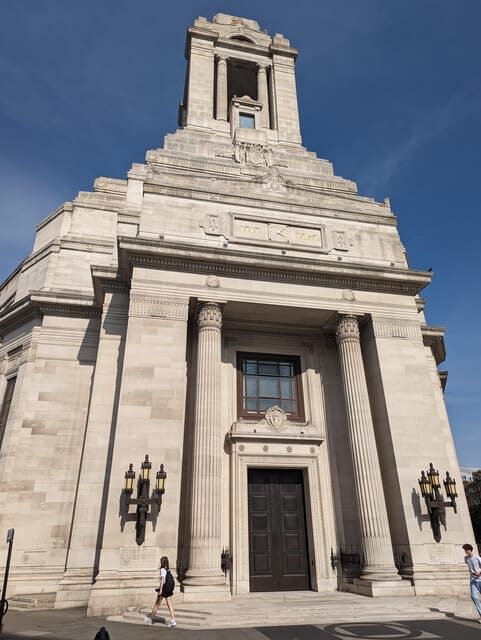
- Freemasons’ Hall: splendour that feels like a different kind of power
- Aldwych and the Royal Courts of Justice: justice takes center stage
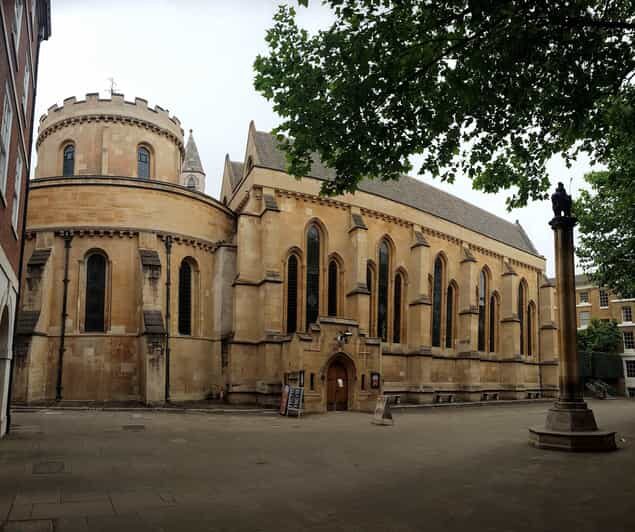
- Temple Church and the Knights Templar headquarters: religion with political weight
- Staple Inn, Hatton Garden, and Holy Sepulchre Church: layers you can feel
- London Silver Vaults: the world’s largest retail silver collection
- Old Bailey and Bridewell Centre: two notorious names in one sweep
- Oliver Twist stops: Fagin’s den and an execution site
- Price and logistics: why $26 feels like value here
- Who this tour is best for (and who should skip)
- Should you book this London squalor-and-splendour walk?
- FAQ
- FAQ
- How long is the tour?
- What distance do we walk?
- Where does the tour start?
- Where does it finish?
- How many people are on the tour?
- What is the price?
- Is there a live guide?
- Is it suitable for children?
- Can I cancel or pay later?
Key highlights worth showing up for
- A 15-person cap that keeps the pace human and question-friendly
- Oliver Twist street links tied to Fagin’s den and an execution site
- Freemasons’ Hall and Knights Templar headquarters for a strong power-and-ritual contrast
- Old Bailey plus Bridewell to face London’s criminal justice story head-on
- London Silver Vaults to see the world’s largest collection of retail silver
A two-hour Holborn route that jumps eras fast
This tour is built like a good story: quick setup, sharp turns, and enough variety to keep you paying attention. You’re walking about 2.5 miles at a pace that’s meant for moving through time—Saxon turmoil to medieval order to Dickens-era headlines to the courts and prisons that shaped modern London.
If you like history that feels tied to real street corners (not just distant facts), you’ll get a lot out of this. The guide’s job is basically to connect dots: how power works, how law shows up, and how fiction can grow from real places. And based on how guests describe the experience, you’ll also get time for questions and follow-ups—especially when something in London’s past makes you curious.
The big “so what?” for me is the contrast. You can look at the same city through different lenses, from secretive societies and knightly symbolism to the mechanisms of punishment and control. In a single walk, London stops being a postcard and starts acting like a living timeline.
You can also read our reviews of more tours and experiences in London.



Starting at Covent Garden: the walking plan in plain terms
The tour begins outside Covent Garden Station, with your guide standing at the exit holding a Historic London Tours sign. That matters because you’ll want to get started cleanly—you’ll be covering a lot of ground in around two hours, and this route is designed to keep everyone together.
You’ll be hitting a series of stops across Holborn, with guided moments that are brief (think roughly five minutes per stop). That quick pacing is part of the value: you get many different chapters without waiting forever at any one place. The tradeoff is the tour is not built for lingering. Bring your curiosity, but also bring your walking shoes.
Also, this isn’t marketed as a kids’ tour: it’s listed as not suitable for children under 13. If you’re going with teens who like crime stories, literature, and architecture-and-why-it-matters, that age range is a better match.
Bow Street Police Museum: where street law gets a spotlight
You start by stopping at the Bow Street Police Museum, a place that signals right away that this walk won’t be only about pretty buildings. This is where the tour points you toward London’s public order story—connected to the Bow Street Runners, a name that fits the theme of law working close to the streets.
You don’t need to be a policing expert to enjoy it. The guide’s approach (from what guests emphasize) seems to focus on making the material feel understandable and relevant. In practical terms, this means you’ll get context that helps you later when the route moves into courts and prisons.
A good tip for you: when the guide talks about early law, treat it like a map key. It helps explain why London’s justice world looks the way it does when you reach the Old Bailey and Bridewell Centre later.
Freemasons’ Hall: splendour that feels like a different kind of power
Next up is Freemasons’ Hall, and this stop is the tour’s “high” after the grit. The tour description puts real weight on the splendour here, which is a smart choice because it forces you to compare types of influence.
Where earlier stops point toward enforcement, Freemasons’ Hall represents something else: networks, ritual, status, and the social machinery that can operate alongside the law. You’re learning how power can look polished, not just punishing.
Guests also praise the guide’s energy and willingness to answer questions. That’s useful here, because symbol-heavy locations can lead to lots of good curiosity: what people believed, why groups mattered, and how public life mixed with private worlds.
Aldwych and the Royal Courts of Justice: justice takes center stage
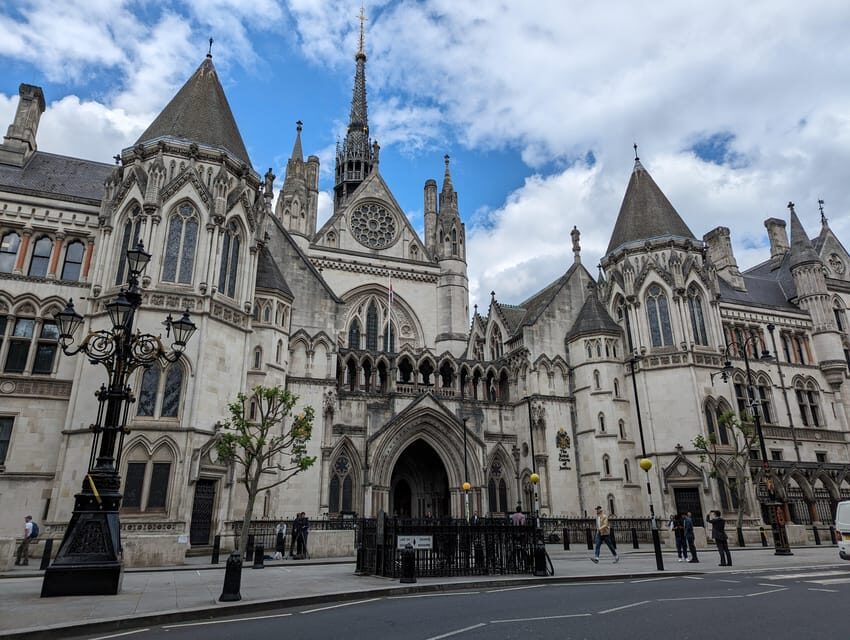
As you move along, you’ll pass through Aldwych and then reach the Royal Courts of Justice area. These stops help you see that London’s law isn’t tucked away in one building—it lives in a whole district identity.
Even with short guided segments, this part of the route is valuable because it gives you a chain: museum → courts → prisons. It makes the later stops click into place instead of feeling like separate sightseeing.
If you’re the type who likes to understand what you’re standing in front of (even when you can’t read every stone), pay attention here. This is where the tour quietly teaches you to “read” London’s institutions like they’re characters in a plot.





Temple Church and the Knights Templar headquarters: religion with political weight
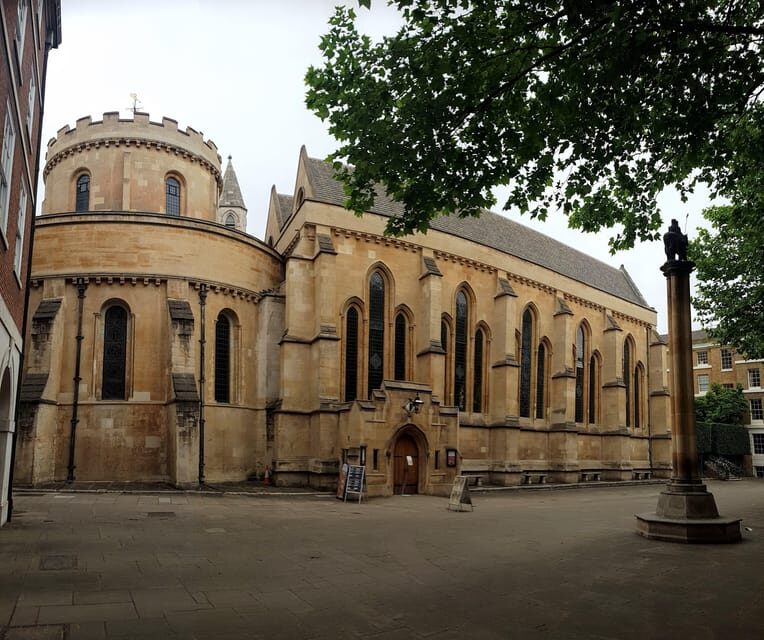
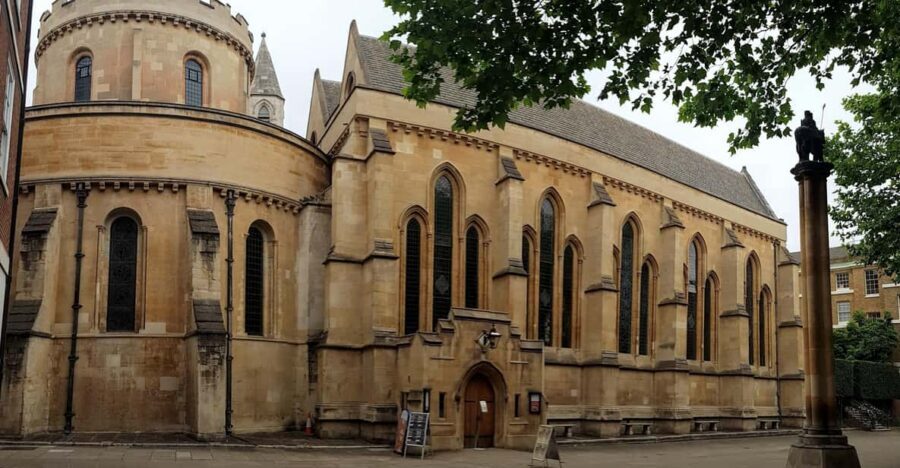
Then comes Temple Church and the route’s link to the Knights Templar headquarters. The tour’s theme leans into the idea that religious order and political power often grew up together in medieval London.
You don’t need background knowledge to enjoy it. The benefit of a guided walk is that the guide can connect the symbolism to the real world. And because the tour is short-stop by short-stop, you’re unlikely to lose the thread.
For you, the practical payoff is understanding why this area appears in so many stories—because it wasn’t just sacred; it was also strategic. It helps the rest of the walk feel more like one connected narrative than a list of famous addresses.
Staple Inn, Hatton Garden, and Holy Sepulchre Church: layers you can feel
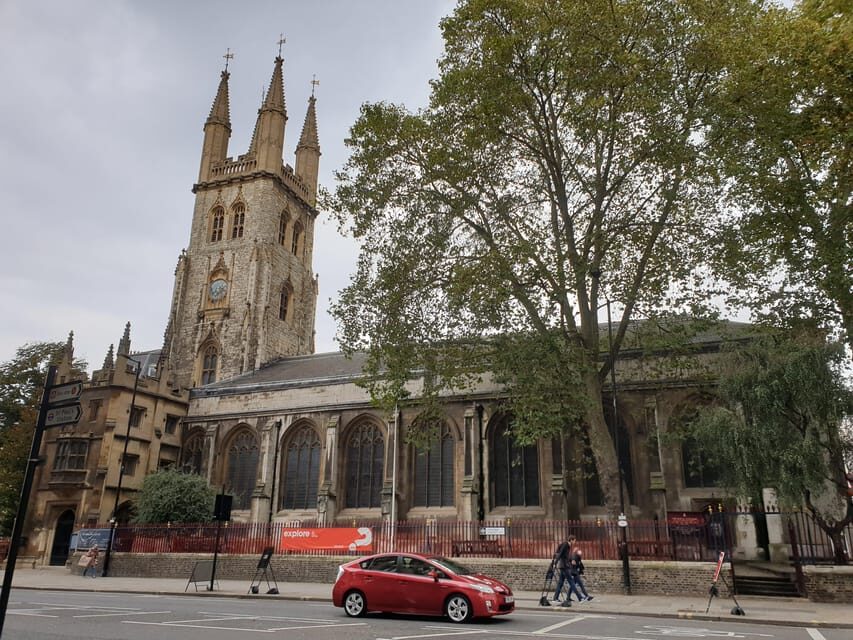
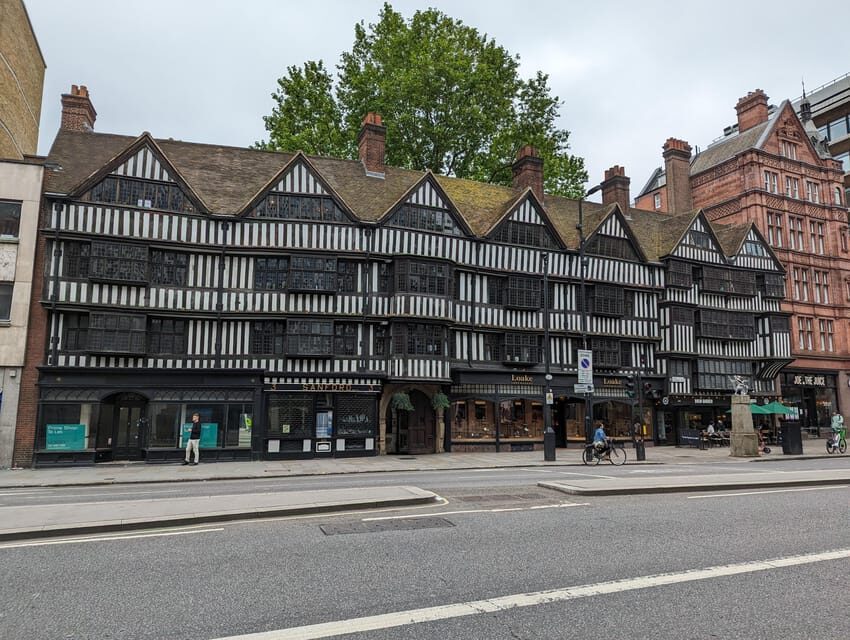
You’ll continue through places like Staple Inn, Hatton Garden, and Holy Sepulchre Church. The tour data doesn’t load every stop with extra detail, but the route logic still makes sense: these are part of the city’s layering—work, commerce, faith, and the daily setting where bigger historical forces played out.
Think of this stretch as the “between chapters” portion that keeps the city readable. Without it, the walk could become too binary: either crime only, or medieval only. With these stops, London becomes a system where different worlds overlap.
If you like street-level sightseeing, you’ll appreciate how these names give texture to the route. Even when the guided segment is brief, the location itself helps you stay oriented and grounded while the tour jumps across time periods.
London Silver Vaults: the world’s largest retail silver collection
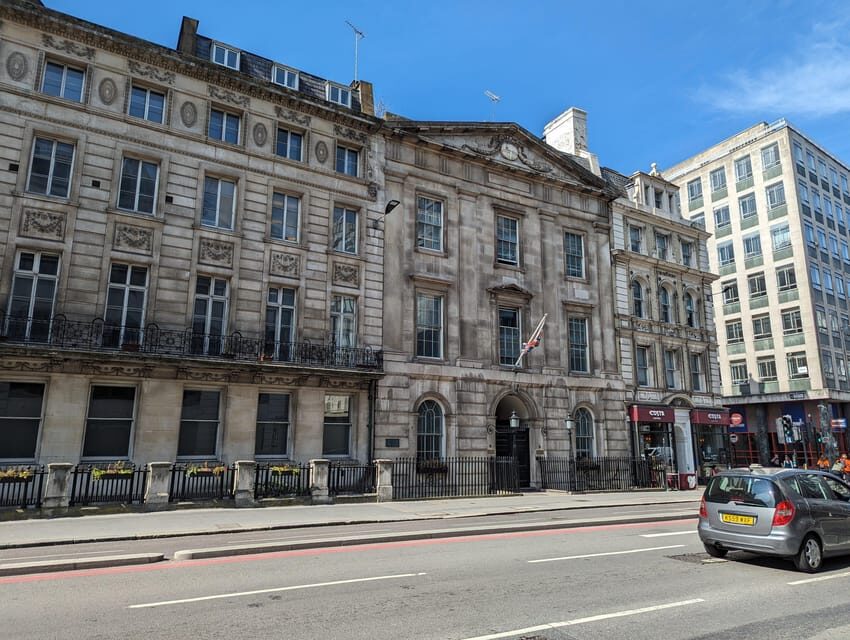
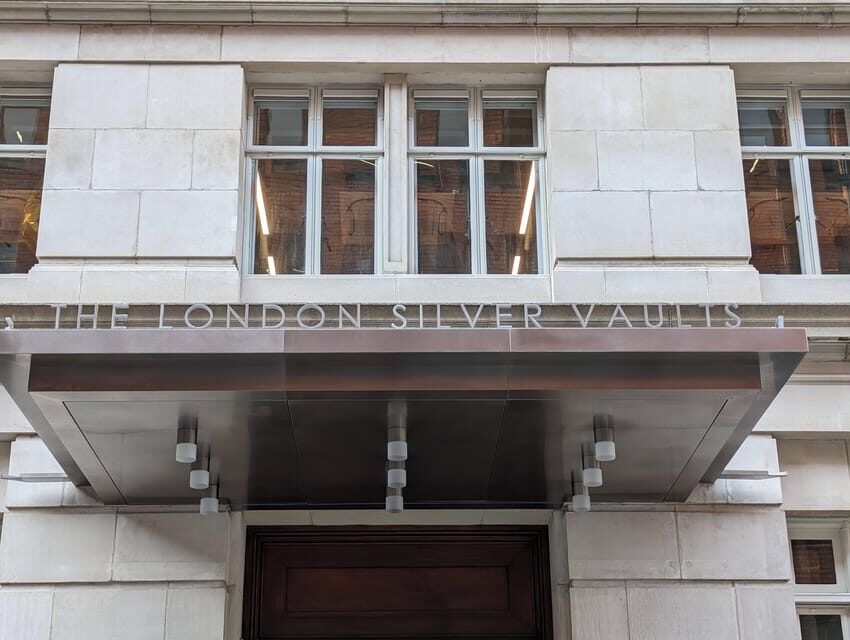
One of the most fun and surprising stops is the London Silver Vaults, described as holding the world’s largest collection of retail silver. This is a tonal shift in the best way: after law, prisons, and knightly power, you get something crafted, shiny, and tangible.
From a value perspective, this matters because it breaks up the heavy themes. It also gives you something concrete to look at with your eyes, not just process with your brain. Even if you’re not shopping, seeing a dedicated silver collection turns the tour from “history lecture” into “history you can see.”
If you enjoy looking at materials—metalwork, display styles, craftsmanship—this stop will likely be a standout. And because the tour is limited to 15 attendees, you’re less likely to get swallowed by a crowd while you’re trying to take things in.
Old Bailey and Bridewell Centre: two notorious names in one sweep
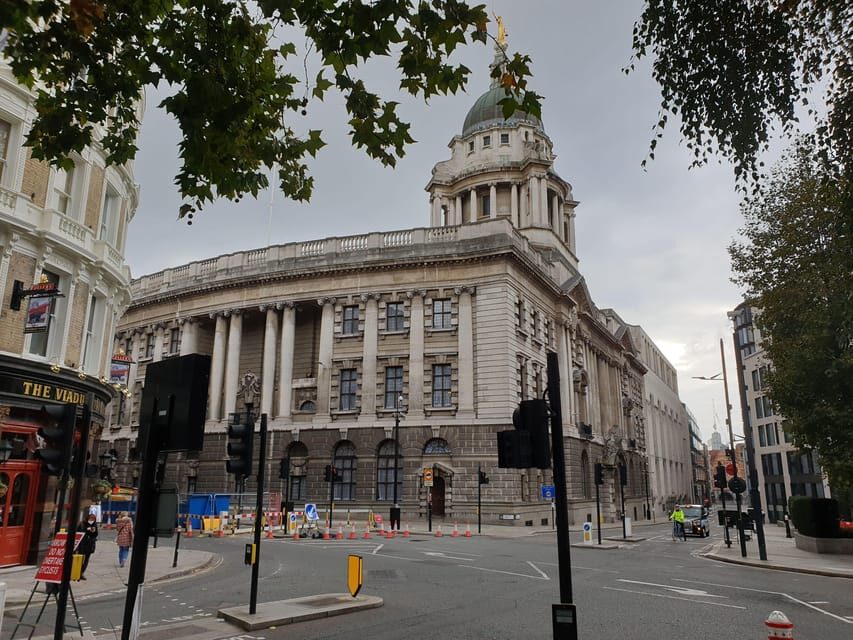
As the walk continues, you’ll reach Old Bailey and the Bridewell Centre, both tied to London’s punitive side. The tour highlights “a couple of London’s most notorious prisons,” and in this stretch you can feel why those names became symbols.
This is where you stop thinking of crime as a genre and start thinking of it as an institution. Courts and prisons were how London controlled risk, managed disorder, and turned individuals into cases. Even with short guided segments, the theme gives you a clear takeaway: the justice system leaves a footprint all over the city.
Also, this is a great part of the walk to ask questions. Guests have noted that guides are happy to answer, and the Old Bailey and Bridewell theme tends to spark more than one follow-up—about how the system worked, or how stories about criminals took shape.
Oliver Twist stops: Fagin’s den and an execution site
One of the headline draws for this tour is the literary thread: you’ll visit locations linked to Fagin’s den and the execution in Oliver Twist. That’s a powerful pairing with the surrounding crime and prison stops, because Dickens wasn’t writing in a vacuum—he pulled from real social anxieties and the city’s hard edges.
What I like about this approach is that it turns a familiar story into a physical walking experience. Instead of just hearing plot points, you’re placed near the kind of streets and institutions where those stories fit culturally.
A practical note: if you’re a Dickens reader, go in with a quick reminder of the story so names don’t fly by too fast. Since the tour is time-limited and each guided stop is short, having one or two scenes in mind helps you connect the dots instantly.
Price and logistics: why $26 feels like value here
At $26 per person for a two-hour guided walk, the value comes from density and group size. You’re paying for a structured route that stitches together many topics: Saxon turmoil, Templars, Freemasons, Dickens, Bow Street policing, courts, prisons, and the silver collection. Most cheap tours skip half the variety; this one doesn’t.
The 15-person limit is part of the equation. Smaller groups typically mean your questions don’t evaporate into the back of the crowd. And since the tour is designed as short guided moments, it works best when everyone stays together and engaged.
You’ll also walk roughly 2.5 miles, which is manageable for most adults who walk normally. It’s long enough to feel like you saw the city, short enough that you still finish without your legs plotting revenge.
If you’re traveling on a plan, the tour is listed as having English guidance and about two hours total. It also offers free cancellation up to 24 hours in advance and reserve-and-pay-later options, which is useful if you’re still juggling museum time.
Who this tour is best for (and who should skip)
I think this tour fits best if you’re:
- into London history that connects to literature and crime
- curious about how power shows up across eras (law, secret societies, knightly orders)
- okay with short stop-by-stop storytelling rather than museum-level lingering
- traveling with someone who likes different themes in the same afternoon
You might want to skip if you’re after deep, slow detail on one subject. This is a “many doors, quick walkthrough” style tour. It’s great for getting oriented and leaving you with new questions, but it’s not a substitute for a focused museum day.
Also, it’s marked as not suitable for children under 13, so plan accordingly.
Should you book this London squalor-and-splendour walk?
I’d book it if you want a smart, story-driven way to see Holborn and its surrounding criminal-justice and institutional zones, without spending the whole day in one building. The mix of Oliver Twist locations, Old Bailey and Bridewell, and the surprise energy of the London Silver Vaults gives it variety you can feel in your feet and in your head.
The only reason to hesitate is the pacing. Since it’s about two hours with brief guided moments, you need to be comfortable with “short and sharp.” If you’re the kind of person who reads every plaque slowly, you might find yourself wishing for more time at fewer stops.
FAQ
FAQ
How long is the tour?
It lasts about 2 hours.
What distance do we walk?
The total distance is about 2.5 miles.
Where does the tour start?
It starts outside Covent Garden Station, with the guide standing holding a Historic London Tours sign.
Where does it finish?
It ends at 36–37 New Bridge St, London EC4V 6BJ.
How many people are on the tour?
Ticket sales are limited to fifteen attendees.
What is the price?
The price is $26 per person.
Is there a live guide?
Yes, it’s a live guided walking tour in English.
Is it suitable for children?
It is not suitable for children under 13.
Can I cancel or pay later?
Free cancellation is available up to 24 hours in advance for a full refund, and reserve-and-pay-later is offered.