REVIEW · WARWICK
Warwick: Ghost, Crime & Murder Walking Tour
Book on GetYourGuide →Operated by Dark Warwick · Bookable on GetYourGuide
Warwick has a dark side you can walk. This 90-minute Ghost, Crime & Murder tour turns everyday streets into a crime scene, with a costumed guide setting the mood from the start outside the Lord Leycester Hospital. I like the mix of spooky legends and real local detail, and I especially love the way you get a secret angle on Warwick Castle instead of just passing it.
The main thing to think about is the tone: this walk includes graphic depictions of death and executions, so it is not for everyone. If you are traveling with kids under 9, or anyone who needs accessibility support, it is best to skip this one and look for a lighter option.
By the time you finish in the market square, you are close to food and a drink, so the evening can keep going without extra planning.
In This Review
- Key highlights to know before you go
- From Lord Leycester Hospital to The Weird Walk of Warwick
- Warwick Castle, but from the angle most people miss
- The old Courts: crime, punishment, and what justice looked like
- Tudor Warwick: Thomas Oken and the people behind the walls
- Oldest buildings and local legends that actually fit
- The Great Fire of Warwick: how disaster shapes a town
- St Mary’s Church and the short, sharp moments
- What the 90 minutes feels like in real life
- Price and value: why $13 can feel like a steal
- Who should book, and who should skip
- Final call: should you book the Ghost, Crime & Murder walk?
- FAQ
- Where does the Warwick Ghost, Crime & Murder Walking Tour start?
- How long is the tour?
- How much does it cost?
- Is the tour guided by a live person?
- What kind of content should I expect?
- Is it suitable for children?
- Where does the tour finish?
- Can I cancel or pay later?
Key highlights to know before you go
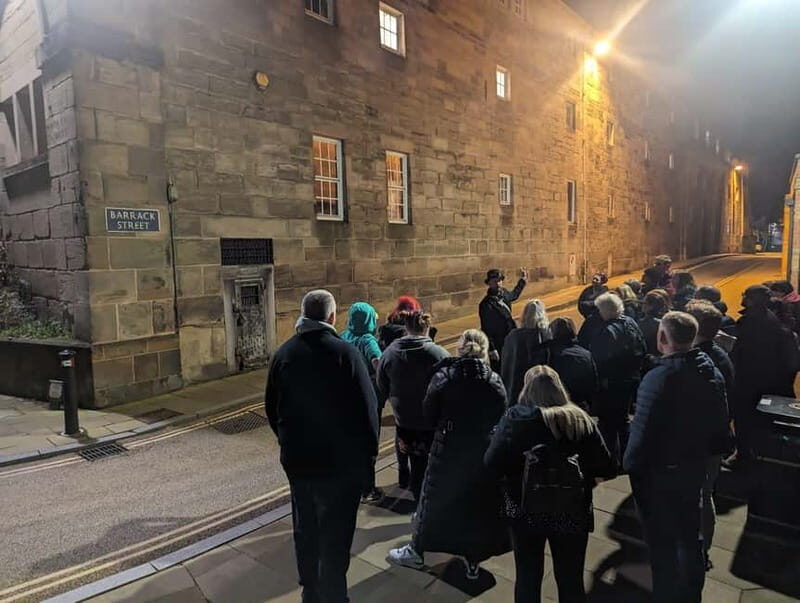
- A costumed guide in character, with clear storytelling that keeps you oriented through the walk
- Warwick Castle from a secret spot, plus a darker look at its past
- Old Warwickshire County Courts, where crimes were tried and executions carried out
- Thomas Oken’s Tudor merchant home, tied to who lived there and what happened next
- Warwick’s oldest buildings, used as real-world clues to the people behind the legends
- The Great Fire of Warwick, explained as part of the city’s larger story
From Lord Leycester Hospital to The Weird Walk of Warwick
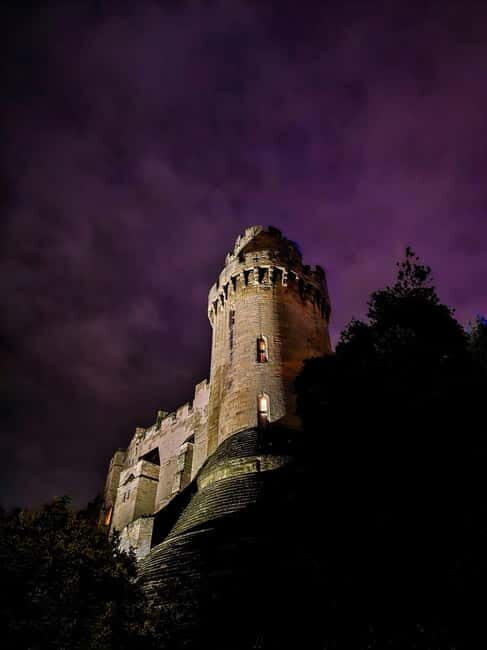
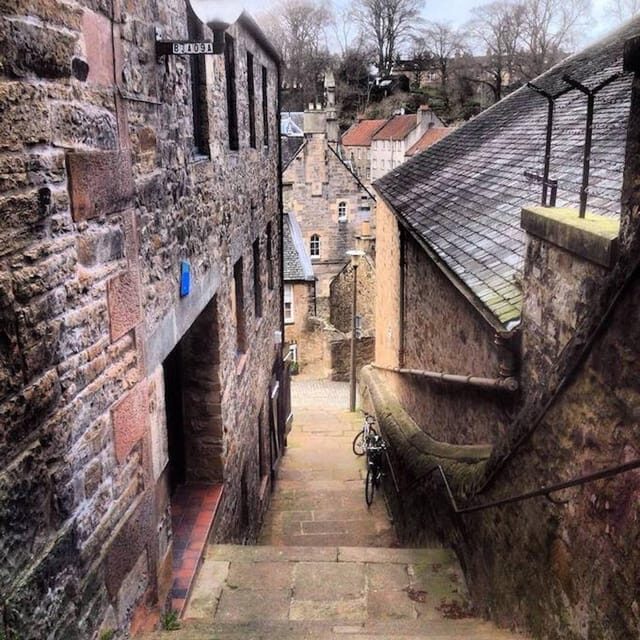
You start outside the Lord Leycester Hospital, a timber-framed, Tudor-style building that immediately makes the setting feel older than the rest of the street. The meeting point is near the bollards, so I recommend arriving a few minutes early and taking a second to check you are in the right spot before the group gathers. This tour begins like a scene: the guide greets you in costume and sets the tone for a night where history comes with shadows.
What makes this opening work is simple. You are not just getting a lecture. You’re getting a guided start-point, a reason to look at the buildings around you, and a sense that the guide knows the town well enough to tell you where the spooky details hide. If you like walking tours that feel like a story you can physically follow, this is the right kind of start.
The guide is also the engine of the experience. The tour is led by Warrane Worthington (often described as the Dark Investigator of things strange in Warwick), and you may also find other guides in similar character (names like Simon and Westbury show up). Either way, the consistent theme is performance plus clarity, including the kind of delivery that helps you hear the story even when you are outside in cool evening air.
You can also read our reviews of more tours and experiences in Warwick.


Warwick Castle, but from the angle most people miss
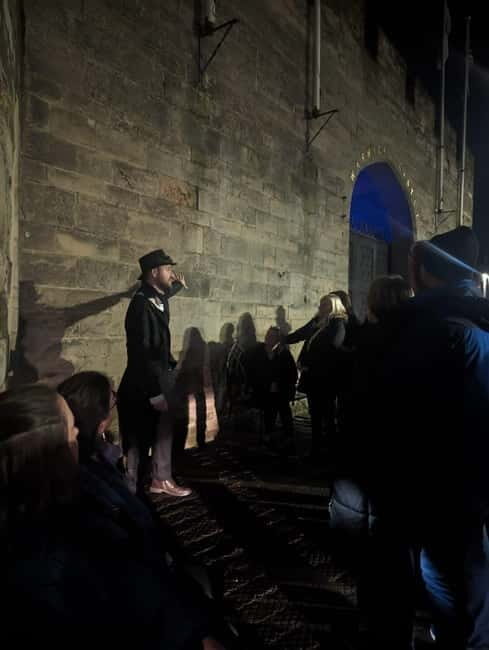
Warwick Castle is the obvious landmark, but the tour treats it like a puzzle box. You get more than a standard viewpoint: you see the castle from a secret angle and learn parts of its history that feel darker and more personal than the usual postcard story.
The walk puts you in position to notice details you might otherwise ignore. It is one thing to look at walls and towers from a distance, but it is another to stand where you can feel the castle as a place people once relied on for safety, power, and control. The guide’s job here is to connect architecture to events, so you understand why certain corners and locations mattered.
A nice part is pacing. You get short guided moments around the castle, then quick walks between them, so you are constantly repositioning. That matters because it prevents “one long speech” fatigue. By the time you’ve had multiple castle touches, the story starts to feel like it belongs to Warwick as much as it does to the castle itself.
The old Courts: crime, punishment, and what justice looked like
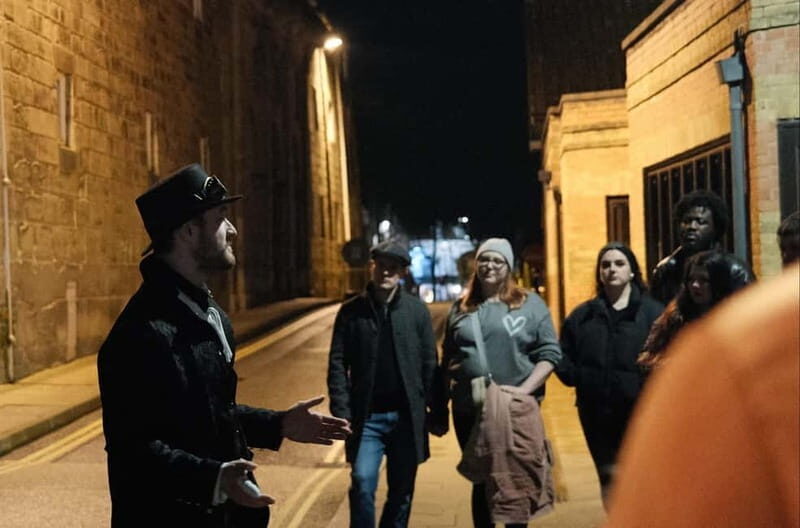
If you want the tour to turn from legend into something sharper, this is where it does it. You visit the Old Warwickshire County Courts, and the guide explains the crimes and the brutal endings that followed. This is not watered down.
Because the tour includes graphic depictions of death and executions, I would treat this as the most intense section of the walk. If you know you avoid details like that, you’ll want to mentally prepare yourself. If you are the type who likes true crime history and period justice (with the understanding that it was harsh), this stop is one of the best reasons to book.
What I value here is how the story stays tied to place. Courts are not abstract concepts; they were physical spaces with consequences. When you stand near the right landmarks, the guide’s narrative helps you picture how trials shaped lives, including how the town’s reputation formed over time.
Tudor Warwick: Thomas Oken and the people behind the walls
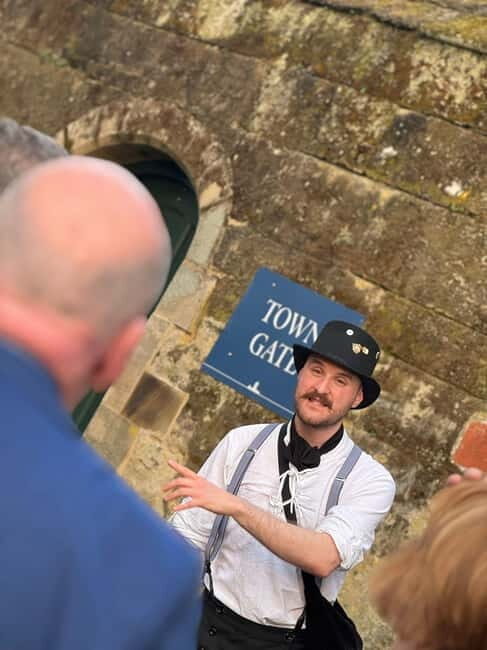
One of the tour’s strongest ideas is using everyday architecture to talk about real people. You visit the Tudor home of wealthy merchant Thomas Oken, and the goal is not just to point at old brickwork. The guide connects the home to who lived there and who lived (and died) there, turning a building into a human story.
This is also where Warwick starts feeling less like a “ghost town” and more like a town with layers. The tour helps you notice that wealth, politics, and survival were all part of the same landscape. Even if you love spooky stories, this stop adds weight because it reminds you these legends sit on top of lives that were complicated and, at times, tragic.
If you prefer tours where the guide gives you names and specifics instead of just general vibe, you will likely enjoy this section. The focus stays on the people and what happened to them.
Oldest buildings and local legends that actually fit
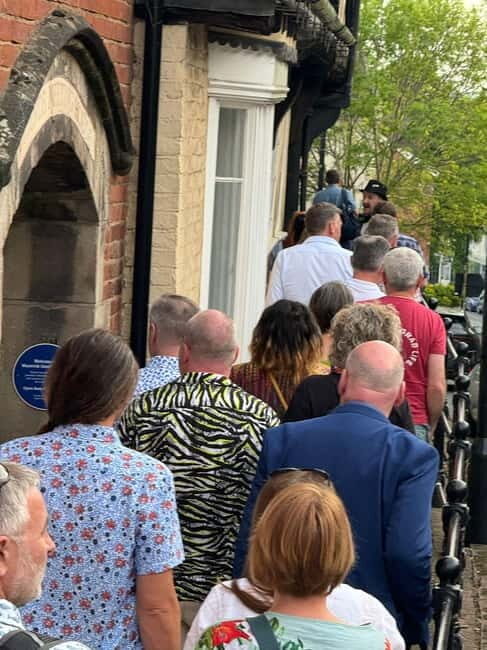
Warwick’s oldest buildings get their moment, and you learn who lived in them and what became of them. This is important because “ghost stories” can turn into generic chills if the guide doesn’t anchor them. Here, the legends are presented as part of Warwick’s actual past, tied to locations you can stand in front of.
This stop style is also a good match for the tour’s overall approach. You move through the town in small sections, and each stop gives you a new piece of the puzzle. Instead of telling one giant story and hoping you remember it, the guide swaps locations often enough that your attention stays locked in.
The result is a walk that feels like it gives you a mental map. Afterward, you’ll find yourself seeing Warwick differently in daylight, because you know where the stories “land” in the real streets.
The Great Fire of Warwick: how disaster shapes a town
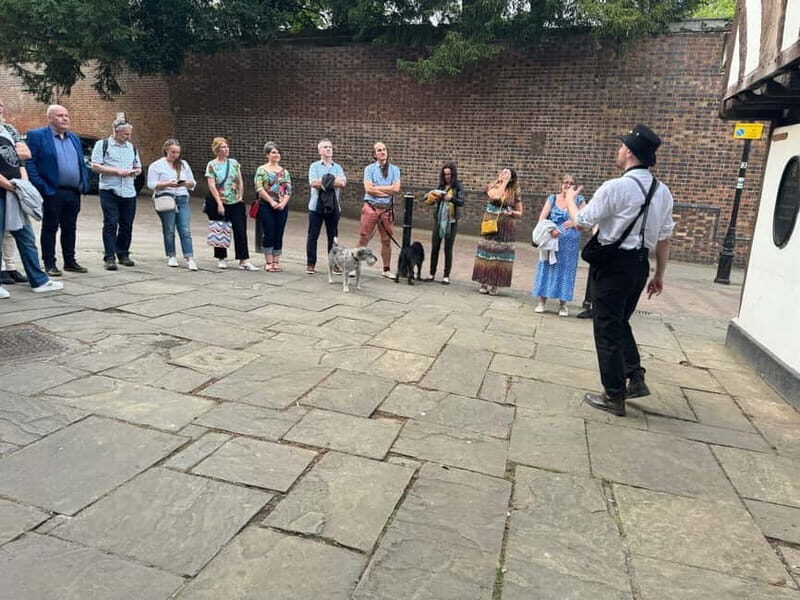
Every place has a turning point, and for Warwick that includes The Great Fire of Warwick. The guide explains what happened and how it became part of the town’s identity.
This kind of stop is more useful than it sounds. Fires change building patterns, wealth, streets, and long-term habits. When you learn about it in a walking-tour setting, it stops being trivia and starts becoming context you can use as you explore the town later. You’ll walk past places thinking, not just looking.
Even if you come for ghosts, this stop helps you understand why a town would generate dark stories in the first place. When disasters happen, rumors grow, memories harden, and legends get attached to the places that survived.
St Mary’s Church and the short, sharp moments
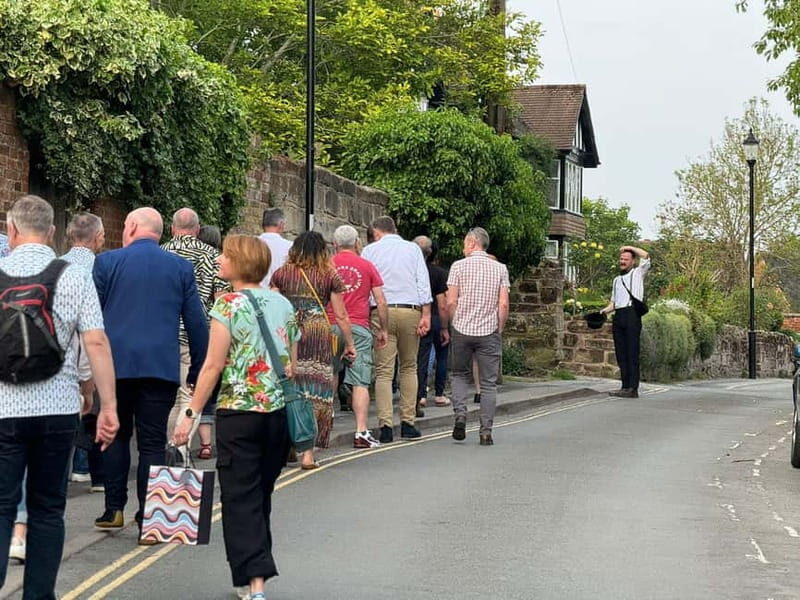
You also make a brief stop at St Mary’s Church. It’s not the longest segment, but it matters because it breaks the walk into distinct chapters and gives your ears a reset between heavier story beats.
Short church stops can feel optional on some tours, but here it works as a pacing tool and a thematic one. Religious spaces often act as community anchors, and the guide uses that to connect the story threads you’ve already started hearing.
What the 90 minutes feels like in real life
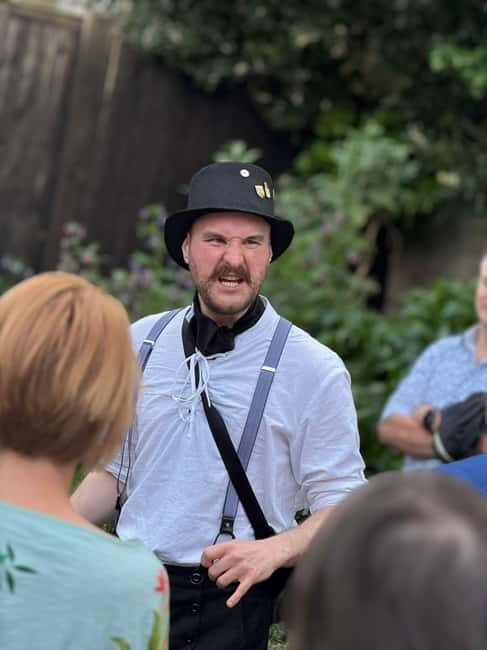
This is a 90-minute walking tour, so think of it as a compact evening plan, not an all-night event. The route is built around on-foot movement between historic points, with guided segments ranging from a few minutes to longer stretches. That rhythm is a big part of why it works: you are always either learning or physically repositioning.
The tour is also designed for audible storytelling outdoors. Based on the consistent praise for guide clarity and the ability to keep the group engaged, you can expect to actually follow along without straining. Still, if you have hearing challenges, it’s worth choosing an early spot near the guide so you can hear comfortably.
Weather matters. Warwick evenings can be chilly, especially in winter. Wear layers, comfortable shoes, and expect you’ll be outside the whole time.
Price and value: why $13 can feel like a steal
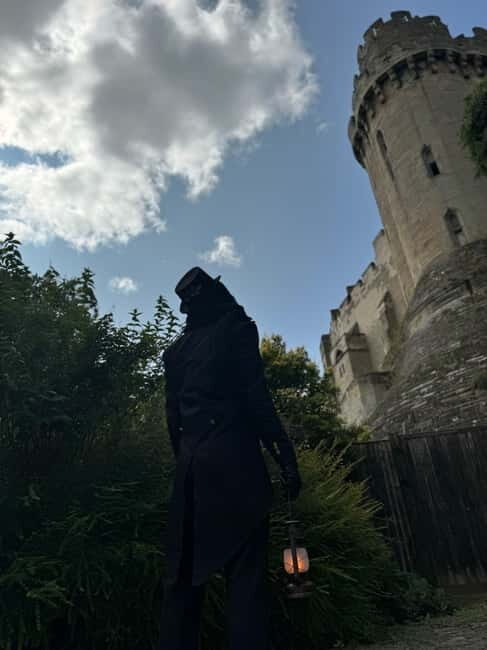
At $13 per person, the value is strong because you get a real guide for a full 90 minutes, plus multiple high-interest stops that would be hard to line up yourself. You’re not just touring one attraction. You’re getting a guided route that includes Lord Leycester Hospital, Warwick Castle (with that secret angle), the old Courts, and multiple older Warwick locations tied to specific people and events like the Tudor merchant life and the Great Fire.
If you are the type who enjoys stories attached to streets and buildings, the price makes sense. If you only want light entertainment and prefer zero dark material, then $13 is still a fair cost, but you may want a gentler alternative.
Either way, for a short evening activity that ends centrally, it’s priced like a local secret rather than a big-ticket production.
Who should book, and who should skip
This tour fits best if you enjoy:
- Ghost stories with real place-based detail
- True crime history as part of local storytelling
- Costumed guides who keep you moving and listening
It is not a good match if:
- You need accessibility support for mobility impairments (it is not suitable)
- You are traveling with children under 9
- You do not want graphic depictions of death and executions
If you fall somewhere in the middle, decide based on your comfort level with dark historical content. The spook factor and the violence factor are part of the package.
Final call: should you book the Ghost, Crime & Murder walk?
Yes, I think you should book if you want a fun evening that also teaches you how Warwick’s darker chapters connect to real buildings. This tour’s strength is the combination of a strong guide presence and specific stops you can picture later, including a memorable castle moment and the old courts setting.
Skip it if you are sensitive to graphic death and execution descriptions, or if accessibility needs make a walking tour unrealistic for your group.
FAQ
Where does the Warwick Ghost, Crime & Murder Walking Tour start?
You meet outside the Lord Leycester Hospital, near the bollards.
How long is the tour?
The tour lasts 90 minutes.
How much does it cost?
The price is $13 per person.
Is the tour guided by a live person?
Yes. It includes a live English-speaking guide.
What kind of content should I expect?
The tour includes graphic depictions of death and executions.
Is it suitable for children?
It is not suitable for children under 9.
Where does the tour finish?
It ends in Warwick’s market square at 3-7 Market Pl, Warwick CV34 4SA, UK.
Can I cancel or pay later?
You can cancel up to 24 hours in advance for a full refund, and you can reserve now and pay later.