REVIEW · WHITBY
Whitby: Captain Cook Museum Entry Ticket
Book on GetYourGuide →Operated by Captain Cook Memorial Museum · Bookable on GetYourGuide
A real-life ship story starts right on Whitby’s harborside. This entry ticket lets you walk through the 17th-century Captain Cook Memorial Museum in the only surviving building tied to Cook, where the original letters and voyage artwork bring the man and his world into focus. I especially loved two things: the original Cook documents (including a note linked to King George III) and the detailed Whitby ship models that explain how these vessels were built for real work. One small drawback: on busy days the layout can feel a bit tight, so plan an unhurried pace.
You’re not getting a tour that drives you from room to room. Instead, it’s self-paced, and the exhibits are packed into a historic house and garden, so it works best if you like reading letters, looking closely at drawings, and letting the place set the mood.
In This Review
- Key Things I’d Put on Your Short List
- Finding the Museum Fast: From the Swing Bridge to the Courtyard Door
- The 1688 House: Cook’s Apprenticeship Room by Room
- Original Letters and the Home Front: The Documents That Make It Real
- Voyage Artwork and Portraits: What You Can See Without a Lecture
- The Ship Models: Whitby’s Collier Barks and the Real Engineering Angle
- The Garden as a “Working Yard” Pause: Plants, Seasons, and Quiet Benches
- What You Actually Get for the Price: Value in a Tight, Packed House
- Practical Rules That Can Catch You Off Guard
- Who This Ticket Fits Best (And Who Might Skip It)
- Should You Book This Captain Cook Museum Ticket?
- FAQ
- How long should I plan to spend at the Captain Cook Memorial Museum?
- Is there a guided tour included with the ticket?
- What is included with admission?
- Can I take photos inside?
- Is the museum wheelchair accessible?
- What are the rules about food, drinks, and bags?
Key Things I’d Put on Your Short List
- Original letters connected to Cook, plus correspondence tied to the Admiralty and the voyages
- Voyage artwork and sketches that help you visualize the routes and the ship life behind the headlines
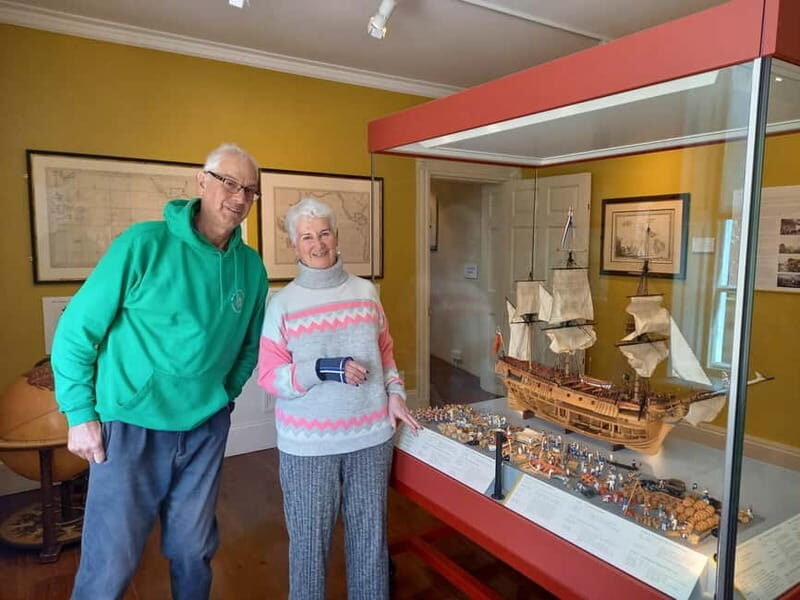
- Whitby-built ship models (collier barks) that show how practical boatbuilding supported exploration
- The 1688 house where Cook was apprenticed at age 17 to Captain John Walker
- A working yard style garden with 18th-century plants that change through the seasons
- Home-front context, including Elizabeth Cook’s life during the voyages
Finding the Museum Fast: From the Swing Bridge to the Courtyard Door

The Captain Cook Memorial Museum sits right on the harborside, so expect a bit of “walkers and wheels” energy—boats nearby, sea air, and locals moving along the quay. Your start point is over the swing bridge: turn right down Grape Land and follow the clearly marked signs.
You’ll enter through a door and gates into a courtyard. The entrance door is in the corner near a model marked Kangaroo (the meeting-point note also calls out a name: Stubbsie). It sounds small, but it matters because this museum is in a historic setting. Once you’re in the courtyard, you quickly get the sense you’re stepping into an old harbor business site rather than a modern visitor complex.
Practical tip: bring only what you truly need. The museum doesn’t allow luggage or large bags, and it also bans backpacks and baby strollers. That means you’ll want to travel light—think day bag or small crossbody, not “I brought everything I own.”
A few more Whitby tours and experiences worth a look
The 1688 House: Cook’s Apprenticeship Room by Room
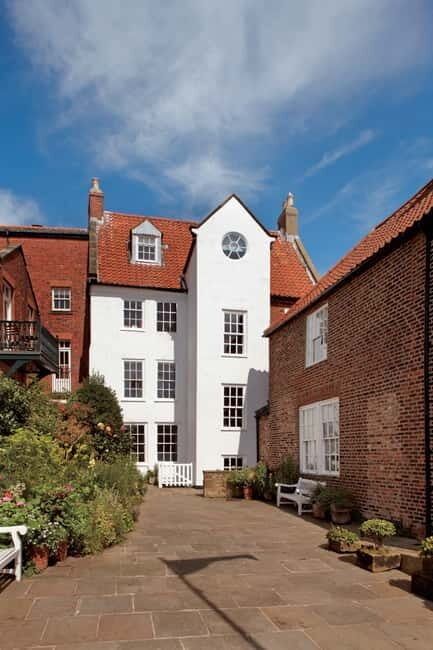
The heart of your visit is the original 17th-century house, built in 1688, and described as the only surviving building connected to Captain Cook. The building isn’t just a backdrop; it’s part of the story. The museum focuses on Cook’s early years in Whitby, including the fact that he came there at 17 to be apprenticed to Captain John Walker.
What makes this section satisfying is the way it ties ship life to everyday details. You don’t just get the romantic idea of exploration—you see how a working harbor trained young people, built skills, and created the kind of seafaring competence that later helped with major voyages.
Also pay attention to the note about the house’s original internal decoration. The museum aims to preserve the feeling of the home, not just list dates. Even if you’re not a “museum read every label” person, you’ll likely find yourself slowing down once you’re inside, because the rooms feel like they’re holding onto the past rather than presenting it on a screen.
The garden is also part of the experience, but I’d do the house first. You’ll get the “where Cook learned the trade” feeling sooner, and then the outdoor space becomes a smoother mental reset.
Original Letters and the Home Front: The Documents That Make It Real
If you want the exhibits to feel personal instead of textbook, head for the letters. The museum displays original correspondence tied to Cook and other key figures connected to the voyages. You’ll also see a note attributed to King George III that expresses regret at the news of Cook’s death. That single detail does a lot: it links exploration to the highest levels of government, and it shows how far the impact traveled.
Another major thread is correspondence from Lord Sandwich, the First Lord of the Admiralty, who was closely involved in preparations for the Second and Third voyages. When you see these documents in context, it’s easier to understand exploration as a system: funding, planning, ship coordination, and political support—plus the human cost.
One more area worth your time is the insight into Elizabeth Cook and the home front during the voyages. It’s not only about what happened at sea. This part helps you picture the waiting, the uncertainty, and the family life that ran alongside the big expedition stories.
I like that this museum doesn’t treat the letters like museum trophies behind glass. It gives you a sense of why people wrote them, what they were trying to manage, and how the message carried weight.
Voyage Artwork and Portraits: What You Can See Without a Lecture
After the letters, the museum shifts into visuals: original voyage artwork, including watercolors, pencil drawings, and sketches. This is where the experience becomes fun even if you don’t love reading. You can study the shapes of ships, the style of the drawings, and the way artists captured movement and detail.
You’ll also come across portraits, including a Thomas Gainsborough likeness of Lord Sandwich. Even if you only spend a minute or two, a portrait like that helps you connect the name on the Admiralty documents to a real person—someone who supported Cook and actively followed what was happening.
Why this matters for you: it gives your brain multiple entry points. If you’re tired of facts, you can swap to images. If you’re tired of images, you can return to the correspondence and feel like the museum is building a complete picture from different angles.
Quick note on photography: photography is allowed, but flash photography is prohibited to help preserve artifacts. So bring your camera plan (and turn off flash). It’s a small rule, but following it keeps your experience smooth.
The Ship Models: Whitby’s Collier Barks and the Real Engineering Angle
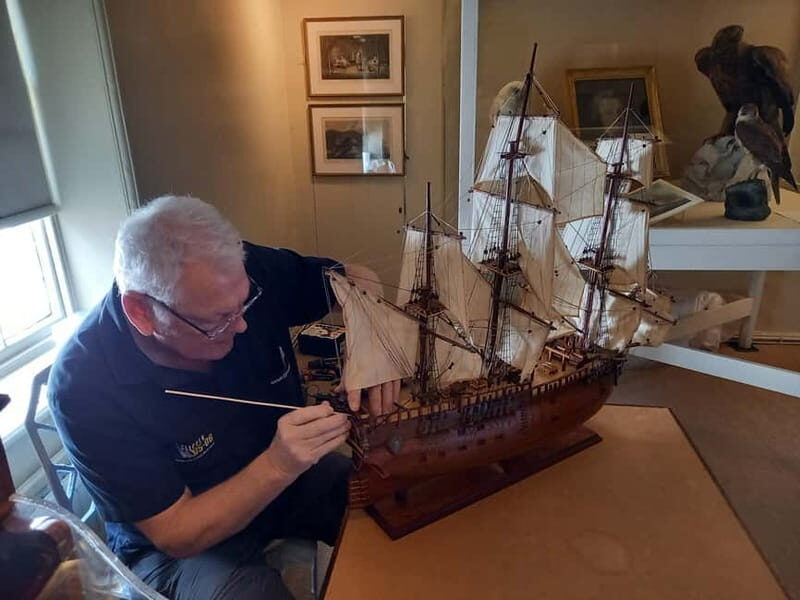
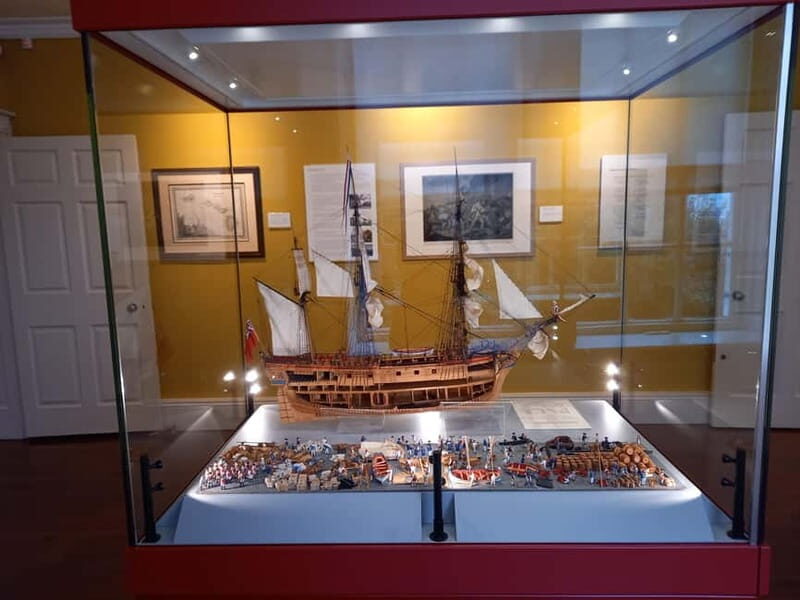
One of the strongest parts of your ticket is the model section. The museum showcases superb models of Cook’s ships, and the note that they were all Whitby-built collier barks is more than trivia. It points to a practical truth: exploration didn’t happen in a vacuum. It relied on builders who already knew how to construct sturdy ships for difficult work.
The collier barks were tied to the coal trade, and the museum’s models emphasize them as sturdy and reliable—boats built to service a demanding commercial route. When you connect that to Cook’s voyages, you can see how shipbuilding experience in a working harbor supports larger missions later.
I also like that this part feels visual and physical. Even if you’re not a ship-nerd, the models let you compare shapes and get a sense of how the ships were designed for function. This is a good stop for families, too, because it’s easier to share what you’re seeing with kids than it is to translate every letter.
Take your time here if you like detail. If you’re short on time, prioritize the models and go back to the letters afterward. The order helps—once you’ve seen the ships, the voyage artwork and correspondence often make more sense.

The Garden as a “Working Yard” Pause: Plants, Seasons, and Quiet Benches
Don’t skip the garden. The museum describes it as formerly a working yard for a master-mariner’s business. That detail changes how you see the space. It’s not just a pretty courtyard—it’s a place tied to everyday maritime work.
You can also admire 18th-century plants that change with the seasons. Even if you visit when it’s not peak bloom, you can still appreciate that the museum is trying to keep the planting schedule in the spirit of the era.
There’s even a bench where you can slow down and soak up the atmosphere. I like this part because it breaks the “read, read, read” rhythm. It also helps you shake off the cramped-feeling problem that can happen on busy days: you’ll be able to stand, look out, and reset your pace.
What You Actually Get for the Price: Value in a Tight, Packed House
At around $14 per person, this ticket is usually good value for a Whitby stop—especially if you enjoy primary sources and visual exhibits. You’re paying for more than entry to a room of information. You’re paying to access an original house and garden tied directly to Cook’s story, plus a mix of original letters and original voyage artwork, and models connected to ships used in the voyages of exploration.
The museum also gives you context beyond Cook alone. It includes insights into Elizabeth Cook and the home front, which helps explain how major voyages affected real families. That’s the difference between a “name and dates” attraction and something that feels more human.
Time-wise, plan at least 1–2 hours. The building is historic and the space can feel tight when it’s busy, so a little extra time keeps the experience comfortable. If you only have 45 minutes, you can still see a lot—but you’ll likely miss some of the details that make the place special.
If you like a calm pace, go earlier in the day if your schedule allows. If you go on a busy time, adjust expectations: keep moving, don’t try to linger everywhere at once, and use the garden bench to regain breathing room.
Practical Rules That Can Catch You Off Guard
This is one of those small museums where the rules shape your comfort. The museum doesn’t allow:
- food and drinks
- luggage or large bags
- backpacks
- smoking
- pets (assistance dogs are allowed)
- baby strollers
- chewing gum
- climbing
- bare feet
- unaccompanied minors
So if you’re the type who likes to arrive with a snack, don’t. Plan to eat before you go and keep your bag simple. Also remember flash photography is prohibited—so make sure your camera is set accordingly.
On mobility: the museum is wheelchair accessible, but the historic building may limit access to some areas. Access for mobility impairments is listed as first floor only, with a video showing remaining floors including the special exhibition. The information also says it’s not suitable for wheelchair users, so if you rely on a chair for most movement, treat this as a “check first” situation rather than a guaranteed comfortable visit.
Who This Ticket Fits Best (And Who Might Skip It)

This works best if you:
- like primary documents and historical artifacts, especially original letters
- enjoy ship details and the practical engineering angle behind exploration
- want a Whitby experience that’s more than sea views and souvenir shops
- can spare 1–2 hours to move slowly through rooms
It’s also a good family option because of the ship models and the visual artwork. If your group includes at least one person who loves facts and another who likes pictures, this museum helps you keep everyone engaged.
If you strongly prefer spacious modern galleries, this won’t feel like that. On busy days, it can be cramped. And if you need full mobility access beyond the first floor, you may feel frustrated in a historic layout.
Should You Book This Captain Cook Museum Ticket?
Yes, I think you should book it if you’re in Whitby and you want an authentic, story-driven stop with real artifacts. For the money, you get a rare combination: the only surviving Cook-connected building plus original letters, voyage artwork, and Whitby-built ship models tied to how these voyages were actually enabled.
I’d book it especially if you’re the type who enjoys learning through documents and close looking. If you’re short on time, pick the house rooms and letters first, then ship models, then finish in the garden for a calmer exit.
If you’re unsure due to mobility needs, plan for first-floor access and use the provided video for the rest. And if you dislike crowds or tight spaces, aim for a quieter time window.
FAQ
How long should I plan to spend at the Captain Cook Memorial Museum?
You should allow at least 1–2 hours to fully enjoy the exhibits.
Is there a guided tour included with the ticket?
No. Guided tours are not included.
What is included with admission?
Admission includes access to the original 17th-century house and garden, plus viewing original letters from Cook and others, voyage artwork and portraits, models of ships used in the voyages of exploration, and insights into Elizabeth Cook and the home front.
Can I take photos inside?
Yes, photography is allowed, but flash photography is prohibited.
Is the museum wheelchair accessible?
Wheelchair access is listed as available, but the historic building may limit access to some areas. Access for mobility impairments is noted as first floor only, with a video showing remaining floors including the special exhibition.
What are the rules about food, drinks, and bags?
Food and drinks are not allowed. Luggage or large bags, backpacks, and baby strollers are also not allowed.