REVIEW · BIRMINGHAM
Birmingham: Discovering Birmingham Guided Walking Tour
Book on GetYourGuide →Operated by Positively Birmingham · Bookable on GetYourGuide
Birmingham’s canal stories turn corners into clues. This guided walk through the Jewellery Quarter and along the canals helps you connect old industry with how the city works today. I especially like the way the tour keeps things interactive and motivating, and I love that it includes a tourist guide book you can take home.
One thing to plan for: you’ll be on your feet for about 2 hours and walking roughly 3 km (2 miles), so comfy shoes matter more than you might expect for a short tour.
In This Review
- Key things I’d highlight before you go
- What This 2-Hour Canal-and-Quarter Walk Really Shows
- Meeting at the Library of Birmingham: A Clear Start
- Strolling the Canal System and the Origins of the Original Canals
- Finding the Secret Canal to the Jewellery Quarter
- Georgian to Victorian Industry: How Birmingham Scaled Up Fast
- Seeing Today’s Jewellery Quarter and Its Role in the Modern City
- Post-War Redevelopment and the Hard Parts You Can Actually See
- St Philip’s Cathedral: Architecture Plus the Workshop of the World
- The Audio Receiver and Guide Book: Why This Feels Engaged
- Price and Value: Is $20 Worth It in Birmingham?
- Who This Walking Tour Is Best For
- Should You Book This Birmingham Guided Walking Tour?
Key things I’d highlight before you go
- Canal-side route with real industrial context, not just street names
- Secret canal to the Jewellery Quarter for a true change-of-scene moment
- Georgian-to-Victorian manufacturing stories explained in plain language
- Post-war redevelopment lessons and what Birmingham is doing now
- St Philip’s Cathedral stops that connect architecture to the city’s harder years
What This 2-Hour Canal-and-Quarter Walk Really Shows
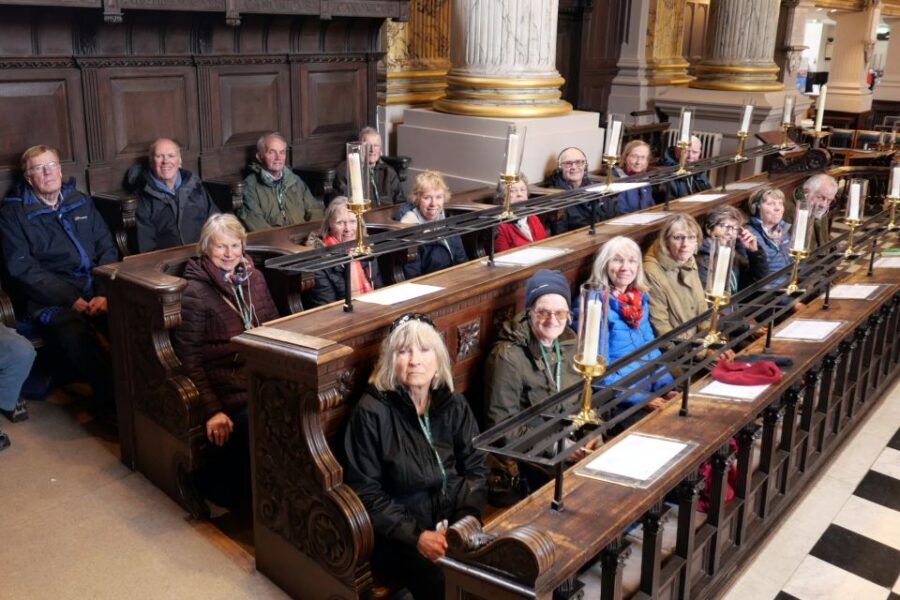
This is a focused introduction to Birmingham that doesn’t treat the city like a museum. You start with waterways and working life, then you move into the Jewellery Quarter and finish at St Philip’s Cathedral, seeing how industry, design, and redevelopment shaped what stands in front of you today.
The tour’s angle is simple: Birmingham’s modern work culture has roots in the past. You’ll get the origin story of the original canal system, then watch how the Jewellery Quarter grew from Georgian times onward, and how Victorian industry scaled up fast.
You can also read our reviews of more walking tours in Birmingham


Meeting at the Library of Birmingham: A Clear Start
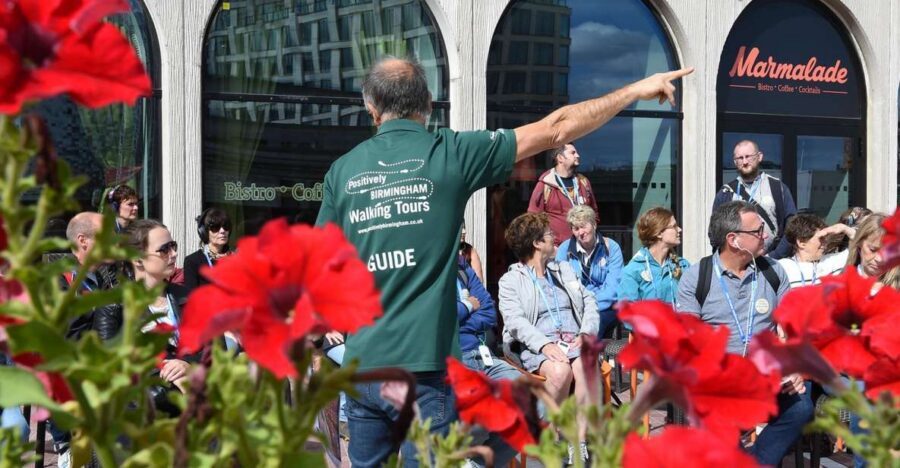
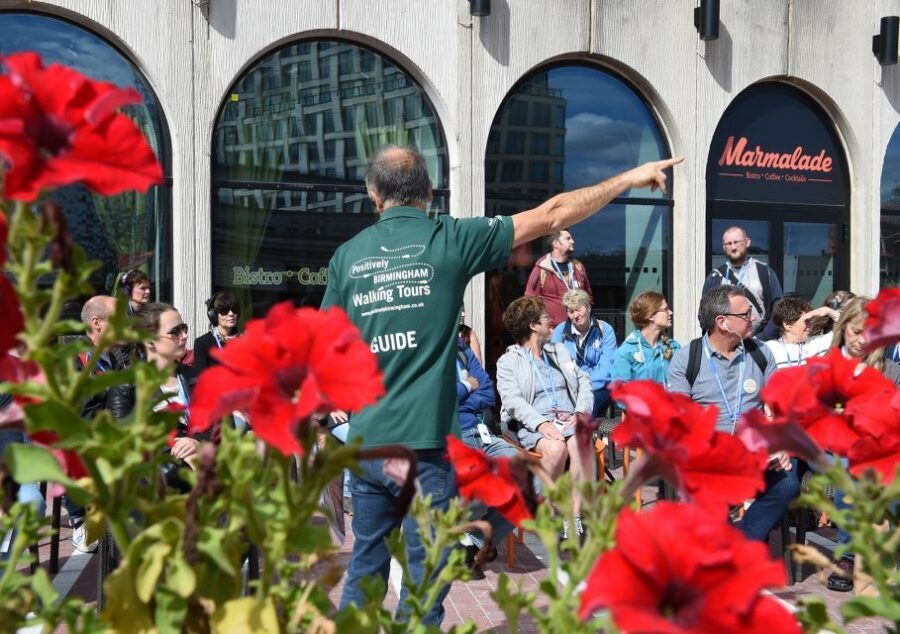
You meet at the front entrance of the Library of Birmingham, usually at a nearby pop-up stand. It’s a good meeting spot because it’s easy to spot and it keeps the first minutes straightforward: get your audio receiver, get set, and you’re off.
The walk is led in English with a live guide, and the tour includes an audio receiver so you can hear the commentary clearly. If your hearing isn’t great in groups, this is the kind of small detail that makes a huge difference.
Strolling the Canal System and the Origins of the Original Canals
Right away, you’re in the canal context. You’ll understand how Birmingham developed and why the canal network mattered in the way people worked, shipped, and built businesses.
This isn’t a dry lecture about waterways. The point is to help you read the city: once you grasp the role canals played, you’ll notice patterns you’d otherwise miss—movement of goods, the need for connections, and how industry shaped neighborhoods around transport.
If you like practical storytelling, this part works because it sets the timeline you’ll keep using. Georgian and Victorian details make more sense when you’ve already been shown why the canals existed in the first place.
Finding the Secret Canal to the Jewellery Quarter
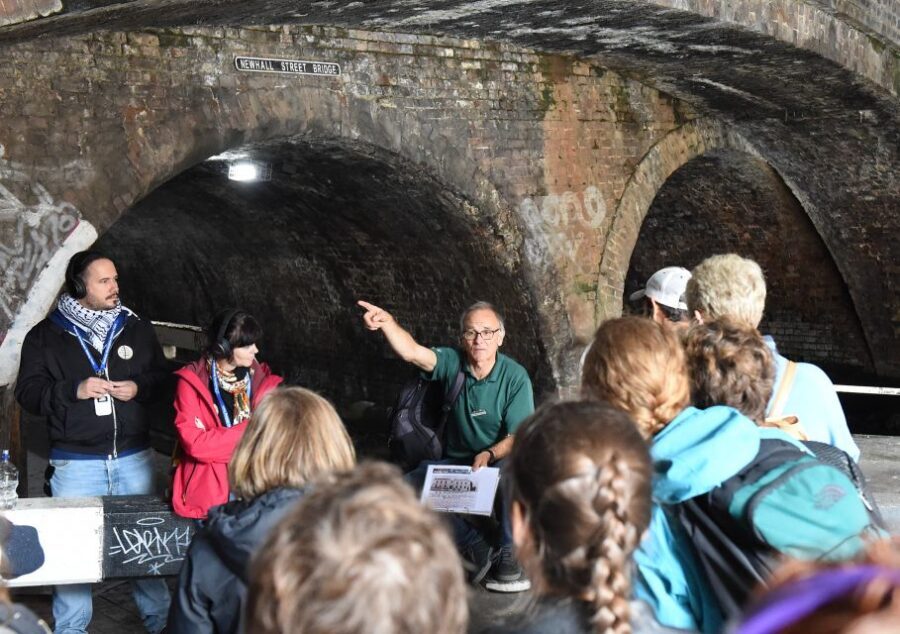
One of the most memorable moments is the walk through the secret canal leading you into the Jewellery Quarter. It’s not just scenic—it changes your mental picture of the city. You go from open canal views to a more hidden route that feels like a shortcut into industrial Birmingham.
This is also where the tour starts delivering its strongest “why it matters” angle. The Jewellery Quarter developed as a key home for Birmingham’s Industrial Revolution starting in Georgian times, and the tour connects that growth to the canal access and working needs that came before.
It’s the kind of segment that makes you slow down, look closer, and realize you’re standing in an area shaped by systems. Not random streets. Systems.
Georgian to Victorian Industry: How Birmingham Scaled Up Fast
Once you’re in the Jewellery Quarter zone, the story shifts through time. You’ll move from Georgian to Victorian times, with the guide explaining how inventors and entrepreneurs turned ideas into production.
What I liked here is how the tour frames speed and scale. You don’t just hear that manufacturing happened—you learn that large-scale factory production could happen in amazingly short time periods once the right ideas and business momentum lined up.
And because the tour is on foot, you’re not stuck imagining it. You’re walking through the Quarter’s streets and seeing the physical backdrop while the guide connects it to working life—how the industry shaped the neighborhood’s identity and how that legacy still shows up now.
This is also the segment that feels most motivating. The guide’s delivery keeps it moving, and you get the sense that Birmingham’s past is connected to current jobs and craft culture.
You can also read our reviews of more guided tours in Birmingham


Seeing Today’s Jewellery Quarter and Its Role in the Modern City
The tour doesn’t stop at the past. You’ll experience the Jewellery Quarter as it exists now, then learn what its role is in the modern city.
That contrast is the real payoff. You get historic industrial roots, but you’re not left behind in a timeline-only version of Birmingham. You see how the Quarter fits into what the city is becoming—more of a modern world city—while still carrying industrial fingerprints.
If you’re visiting Birmingham for the first time, this is especially useful. It helps you make sense of where to spend extra time later, because you’ll understand why the Jewellery Quarter is more than a pretty district name.
Post-War Redevelopment and the Hard Parts You Can Actually See
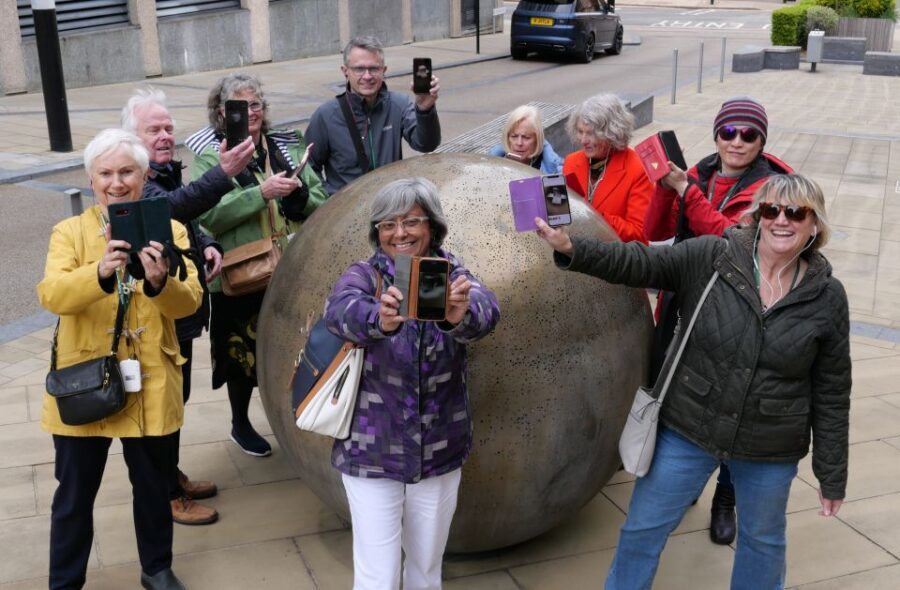
Birmingham’s story includes serious issues tied to post-war redevelopment, and the tour doesn’t shy away from that. You’ll see how redevelopment affected the city and what problems it caused, explained in a way that stays grounded in what you pass by on the walk.
This matters because many walking tours either focus on charm or focus on tragedy. This one tries to hold both. You walk through the evidence of change, then you hear about the rejuvenation happening now.
I found it practical, not preachy. You leave with a clearer sense of why cities go through rough patches, and how they can try to correct course while still building on what already works.
St Philip’s Cathedral: Architecture Plus the Workshop of the World
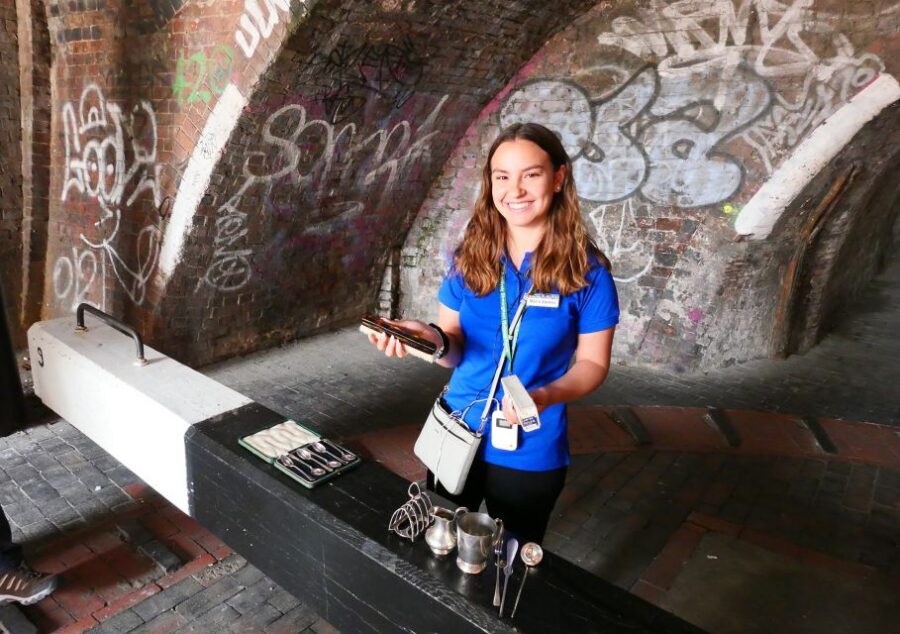
Your route ends back in the city center area at St. Philip’s Cathedral, known for its English Baroque architecture. It’s the kind of stop where the guide helps you look beyond the big exterior details.
The churchyard is part of the learning too. The tour explains that it hides some of the difficult issues Birmingham grappled with as the city became the workshop of the world. That phrase isn’t just used for effect—it’s tied to what industrial power meant in human terms.
If you care about architecture, you’ll enjoy the cathedral. If you care about social context, you’ll enjoy how the guide links building style and city identity to real-world outcomes of industrialization.
The Audio Receiver and Guide Book: Why This Feels Engaged
This tour includes an audio receiver, which you use with the live guide commentary. That’s a big deal in older city streets where sound can bounce or disappear in a group. The result is that you can actually follow the story without straining.
It also includes a tourist guide book. In the reviews, people praised this book, and I think that’s because it supports the walk. You can reference it afterward and turn the tour into something you remember, not just something you heard once while walking.
The guide matters too. One guide name you’ll likely recognize from people’s feedback is Jonathan, described as a true Birmingham enthusiast. That enthusiasm comes through as part of the pacing—this isn’t a monotone history recitation.
Price and Value: Is $20 Worth It in Birmingham?
At about $20 per person for a 2-hour guided experience, the value comes from three things:
- Guidance that gives context
You’re not just walking through the Jewellery Quarter and canal areas. You’re learning how and why they developed, from Georgian canal roots through Victorian manufacturing to modern redevelopment.
- Included listening support
The audio receiver is included, and that means you’re paying for a better experience, not just a ticket.
- A take-home guide book
That extra material helps you keep the story after your shoes hit the pavement back at home or in your hotel.
If you’re the type who likes to understand a city fast—especially if Birmingham is new to you—this price is easy to justify. If you already know Birmingham’s industrial timeline and just want a self-guided walk, you might find you can do it cheaper on your own. But for most people, the guidance makes the difference.
Who This Walking Tour Is Best For
This tour is ideal for you if:
- you’re visiting Birmingham for the first time and want a fast, structured orientation
- you like cities where industry shaped streets, architecture, and neighborhoods
- you want a tour that balances facts with a light touch, not a heavy slog
- you’re comfortable walking 3 km (2 miles) over 2 hours
It’s also a strong choice if you like guided storytelling but hate feeling lost. The route connects the dots so you don’t have to build the history yourself as you go.
If you’re very short on time, you still get a lot of connections: canals, the Jewellery Quarter, Victorian scale-up, post-war redevelopment, and St Philip’s Cathedral.
Should You Book This Birmingham Guided Walking Tour?
Yes, I’d book it if you want Birmingham explained through what you can see. The strengths here are the canal-side route, the secret canal into the Jewellery Quarter, and the way the guide connects industry to architecture and redevelopment without turning it into a lecture.
Before you decide, just be honest about your walking comfort and bring comfortable shoes. Also plan to use the audio properly—if you don’t have earphones with a 3.5 mm jack, you can request one in exchange for a small donation supporting homelessness in the city.
If Birmingham is on your list and you want the kind of tour that gives you context you can carry around for days, this one is a smart use of time.