REVIEW · BIRMINGHAM
Birmingham: Victorian Canals and Modern-Day Birmingham Tour
Book on GetYourGuide →Operated by Positively Birmingham · Bookable on GetYourGuide
Birmingham’s canals tell a smarter story.
This walking tour stitches together Victorian canals and modern Birmingham, starting right at the sleek Library of Birmingham and moving through the city’s major squares and regenerated waterways. Along the way, you’ll get a clear, human guide narrative with an audio receiver that keeps commentary easy to hear over street noise.
Two parts I especially liked are the way the walk uses public art and architecture to explain what the city values at different eras, and the stops at Centenary, Oozells, Victoria, and Chamberlain Squares—each one reads like a different chapter. One drawback to plan for: this is a straight 3 km walk in about 2 hours, so cold wind or rain can make it feel longer than the map.
In This Review
- Key things worth knowing before you go
- A 2-hour Birmingham canal walk that actually connects the dots
- Library of Birmingham and Centenary Square: the modern doorway to industrial power
- International Convention Centre and Symphony Hall: where the city turns sound into identity
- Brindley’s canal into town: why water power matters
- Brindleyplace and the regenerated waterways: Victorian ambition in a modern setting
- Oozells, Victoria, and Chamberlain Squares: public art and architectural styles as a map
- What you get for the price: $20 for a guided 3 km city story
- Guides you might meet: Jonathan and Michael Harrison examples
- Tips to make the walk easier (and more fun)
- Should you book this Birmingham canals and squares tour?
- FAQ
- How long is the Birmingham Victorian canals and modern city tour?
- Where does the tour start?
- How far do you walk?
- Do I need headphones?
- What language is the tour in?
- Is there a guide book included?
Key things worth knowing before you go
- Start at the Library of Birmingham on Centenary Square, a modern-looking launchpad for industrial-era ideas.
- Audio receiver with live guide commentary, so you can focus without constantly craning your head.
- Brindleyplace waterways and Victorian city-making, including the civic improvements tied to the Municipal Revolution.
- A tour route built around squares, not random photo stops: Centenary, Oozells, Victoria, and Chamberlain Squares.
- Modern landmarks like Symphony Hall show how Birmingham sounds and performs today.
- Guides vary by departure, but many bring architecture-focused storytelling and lots of Q and A.
A 2-hour Birmingham canal walk that actually connects the dots
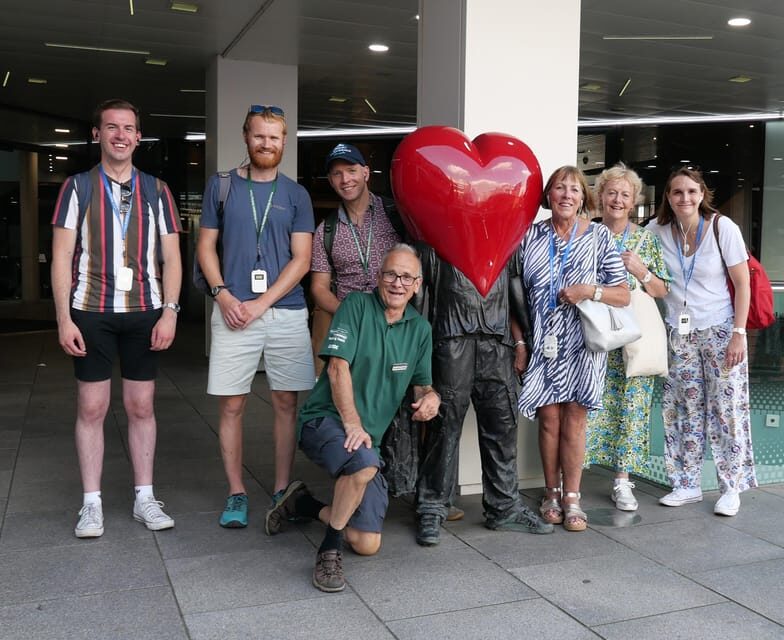
If you’ve only driven through Birmingham or skimmed guidebooks, this tour helps you connect cause to effect. Canals are the obvious headline. The real payoff is understanding how Birmingham grew from engineering grit into a city that still reinvents itself—using both Victorian ambition and modern design.
It’s also a practical length. You cover about 3 kilometers in 2 hours, which is a nice balance: long enough to feel like you moved through the city, short enough that you’re not rushing or exhausted before dinner.
You’ll want to come prepared for weather. It’s mostly outdoors, and at least one guide-led departure has run in very chilly, windy conditions—so dress like you’ll be standing around telling stories, because you will.
You can also read our reviews of more tours and experiences in Birmingham.



Library of Birmingham and Centenary Square: the modern doorway to industrial power
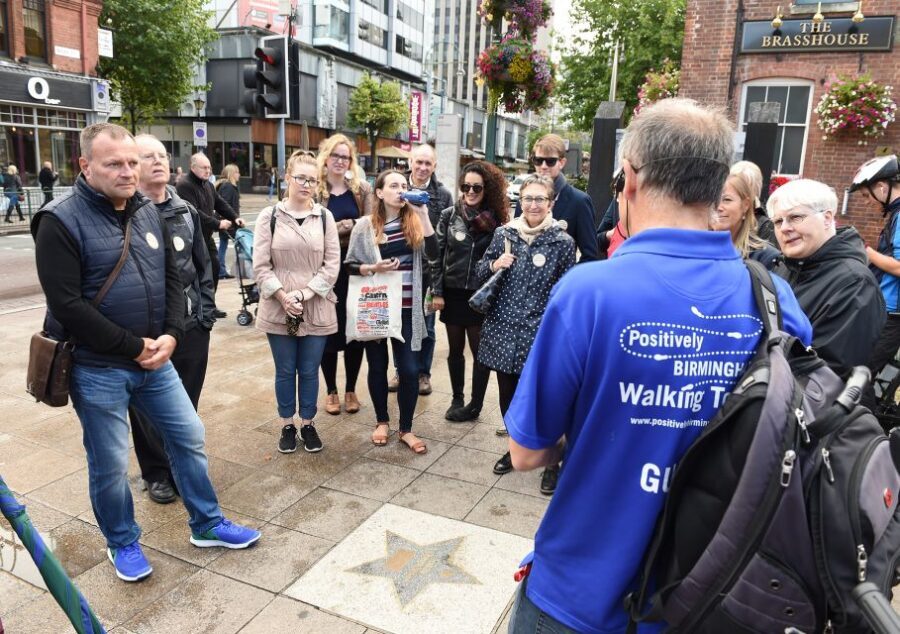
The tour kicks off at the front entrance of the Library of Birmingham, usually with a pop-up stand marking the meeting spot. From there, you step into Centenary Square, where the public art acts like a set of visual clues.
What I like about this start is that it avoids the usual museum vibe. Instead of telling you Birmingham’s story from a single monument, you start in a central square surrounded by buildings. That matters because Birmingham’s identity is tangled—arts, commerce, civic pride, and industry all rubbing shoulders.
You’ll get an early sense of why this central area feels like a birthplace for the Industrial Revolution. The square isn’t just pretty; it sets context before the walk turns toward the canal story.
International Convention Centre and Symphony Hall: where the city turns sound into identity
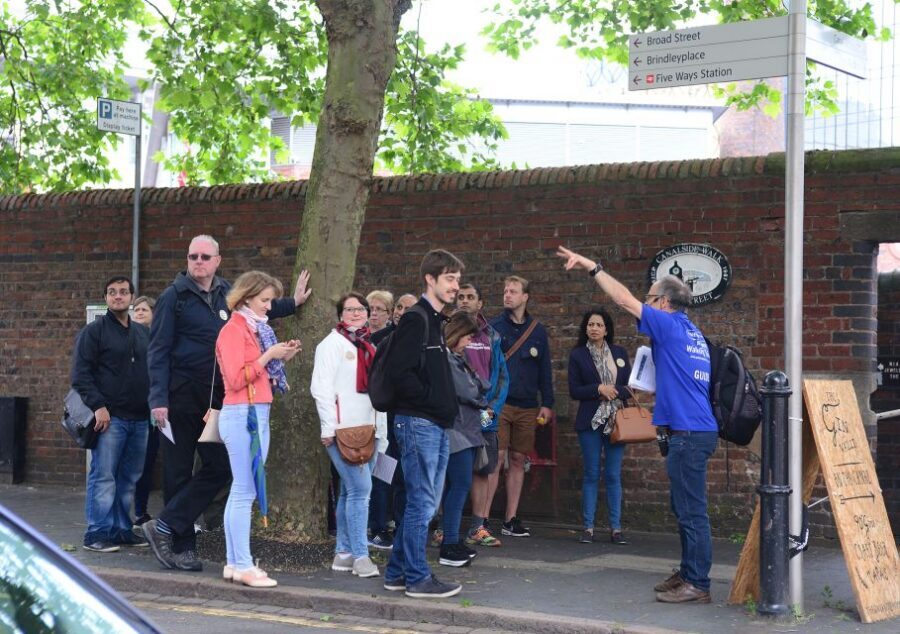
From Centenary Square, the route passes through the International Convention Centre and heads toward Symphony Hall. Even if you’re not a concert person, Symphony Hall is worth paying attention to because it represents a Birmingham that doesn’t only look backward.
You’ll hear how Symphony Hall is known for fine acoustic performance, and the guide will place that in the broader city story. This is a good reminder that industrial cities often grow a second identity—culture, performance, and public spaces—once they’ve built the infrastructure to support them.
Possible drawback: if you’re hoping for narrow, canal-side walking the entire time, this portion is more city-centre than riverside. Still, it earns its place. It helps you understand the modern Birmingham setting you’re walking through.
Brindley’s canal into town: why water power matters
Now you get to the core idea: the opening of James Brindley’s canal into Birmingham in the 1770s. Water access wasn’t a side detail—it was a practical leap that helped move goods and shape the city’s growth.
This is where the tour feels most “teachable.” The guide ties the canal to the city’s development logic—why transportation routes changed what businesses could do, and why Birmingham’s layout and development patterns make sense once you understand waterways as infrastructure.
If you like cause-and-effect city history, you’ll probably enjoy this section most. It’s the moment when the walk stops being just scenic and becomes explanatory.
Brindleyplace and the regenerated waterways: Victorian ambition in a modern setting
From the canal-history beat, the tour moves into Brindleyplace, where you can actually see the contrast between then and now. The waterways here have been rejuvenated, and today they’re used in new ways—so you’re not just imagining the old industrial transport scene. You’re standing in the in-between version of Birmingham: old engineering lines repurposed for contemporary life.
You’ll also get a sense of the Victorian effort to make Birmingham a model for others, not just a local success. The guide connects this with the Civic Gospel and the Municipal Revolution—big ideas that were tied to very real outcomes.
This portion includes themes like education efforts, clean water provision, and the push to clear poor-quality housing. That can feel heavy, but it’s also why the canal story is bigger than trade and boats. Birmingham’s improvements weren’t only about productivity; they were about living conditions too.
Practical note: this area is easy to stop and start, which helps keep the walk comfortable in changing weather. You’re typically pausing at key points anyway, so you won’t be stuck speed-walking to keep up.

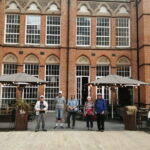

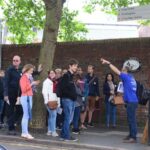

Oozells, Victoria, and Chamberlain Squares: public art and architectural styles as a map
One of the smartest parts of the tour is how it uses squares as interpretation tools. The stops at Oozells, Victoria, and Chamberlain Squares (plus Centenary Square at the start) help you read Birmingham like a time line.
In each square, you’ll notice different architectural styles and public art. The guide uses those visual cues to explain how older structures, newer civic spaces, and modern reinventions sit next to each other. That’s a big deal in Birmingham, where change has been constant.
I also like that these stops keep the walking varied. You’re not just walking along a single corridor. You’re stepping through mini “rooms” of the city—each with its own rhythm, design language, and sense of what the city wanted to project at that moment.
If you’re the type who takes photos but also wants context for what you’re photographing, this section should feel rewarding.
What you get for the price: $20 for a guided 3 km city story
At about $20 per person for a 2-hour guided walk, the value comes from the extras, not just the basic route. The tour includes:
- A tour guide and a tourist guide book
- An audio receiver loaned to you for live commentary
- A live guide in English
- A “skip the ticket line” perk as listed by the operator
For me, the audio receiver is the difference between listening and straining. One review highlighted that the technology worked well and made it easier to hear over city noise. Another noted the audio sets helped when the wind was rough. If you’ve ever tried a walking tour without audio, you know how quickly you miss half the story.
Also, you’ll usually learn more when the guide can answer questions in real time. Many departures earn standout praise for exactly that: friendly energy, humor, and space for questions.
Guides you might meet: Jonathan and Michael Harrison examples
The tour’s character depends on who’s leading. Names show up often in feedback, like Jonathan, who has been described as both engaging and flexible with changing weather. Another guide mentioned is Michael Harrison, described as a former history of architecture lecturer, which is a strong fit for a tour centered on public art and architectural change.
So if you like tours where the guide can zoom in on details you wouldn’t notice on your own—materials, street-level design, and how civic improvements show up in space—you’re likely to click with this format.
Tips to make the walk easier (and more fun)
Bring headphones—the audio receiver is provided, but you need your own headphones. Also:
- Dress for wind and cold if you’re going outside the warm months.
- Wear shoes you’re comfortable walking in for 3 km on city pavement.
- If you want better photos, stand still at the guide’s stop points rather than trying to chase the route.
One more thing I appreciate: because the stops are spread across major squares and key canal-adjacent areas, you still feel oriented afterward. You’re not just entertained—you come away with a clearer sense of where the city’s story lives.
Should you book this Birmingham canals and squares tour?
Yes—if you want a fast, affordable orientation to Birmingham’s canal-driven growth and its shift into a modern civic city. The 3 km / 2-hour format is ideal for a first visit, a short stopover, or a day when you want city history without sitting indoors.
Skip it only if you’re strictly looking for a long, uninterrupted canal-side amble. This one mixes canals with squares and architecture, so it’s as much about how Birmingham thinks and builds as it is about water. If that sounds like your kind of trip, book it and plan to ask questions—the best tours leave you with answers you didn’t know you were hunting.
FAQ
How long is the Birmingham Victorian canals and modern city tour?
It runs for about 2 hours.
Where does the tour start?
Meet at the front entrance of the Library of Birmingham. There is usually a pop-up stand marking the location.
How far do you walk?
The total distance is about 3 kilometers.
Do I need headphones?
Yes. You’ll need headphones for the audio receiver loaned with the live guide commentary.
What language is the tour in?
The tour is offered in English.
Is there a guide book included?
Yes. A tourist guide book is included with the tour.