REVIEW · BELFAST
Belfast: Private Black Taxi Cab Political Murals Tour
Book on GetYourGuide →Operated by Hugh Jordan · Bookable on GetYourGuide
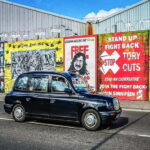
A black taxi ride tells Belfast’s truth. This Black Taxi Cab tour is built around the walls themselves, with local guide Hugh Jordan turning murals and street corners into clear, human stories about the Troubles and how the city still lives with its divisions. I especially like the chance to see the art up close (you actually step out), and I like the emotional weight of stopping at the Peace Wall—including signing your name.
One possible drawback: the topic can be challenging. You’re looking at tensions and even relatively recent history, so if there’s a subject or site you’d rather not focus on, tell your guide early and steer the conversation.
In This Review
- Key Things to Know Before You Go
- Why Belfast’s Murals Fit Perfectly in a Black Taxi
- Price and Value: What You’re Paying For at $50 Per Person
- The “Private Group” Advantage: Getting Your Questions Answered
- Pickup, Drop-Off, and the One Rule That Avoids Stress
- Stop by Stop: Divis Tower Photo Views and the “Big Picture” Start
- Albert Street: Where the Politics Show Up in Daily Space
- Falls Road Murals: Looking Directly at the Troubles
- Bombay Street and the International Wall Murals: Context Beyond Belfast
- Peace Walls: Signing the Line Between Loyalist and Republican Areas
- Shankill Road: Seeing Another Side Without the Spin
- How Hugh Jordan Shapes the Experience: Authentic, Interactive, and Direct
- Weather, Timing, and What to Wear
- Wheelchair Access and Who Should Rethink This Tour
- So, Should You Book This Belfast Black Taxi Murals Tour?
- FAQ
- How long is the Belfast Black Taxi Cab Political Murals Tour?
- What is included in the price?
- Where does pickup happen, and is it available from the cruise port or Titanic Quarter?
- Will the driver go into my hotel reception for pickup?
- What stops and areas are covered during the tour?
- Is the tour private?
- Is the tour suitable for everyone?
Key Things to Know Before You Go
- A classic Belfast black taxi is part museum ticket, part real-transport vibe
- Free pickup from central stops (you meet outside, not at the front desk)
- Short-but-dense 1.5 hours with multiple photo stops and guided moments
- You’ll sign the Peace Wall, not just photograph it
- Falls and Shankill areas are driven through carefully, with context along the route
- Hugh Jordan’s approach is interactive, with room for your questions
Why Belfast’s Murals Fit Perfectly in a Black Taxi
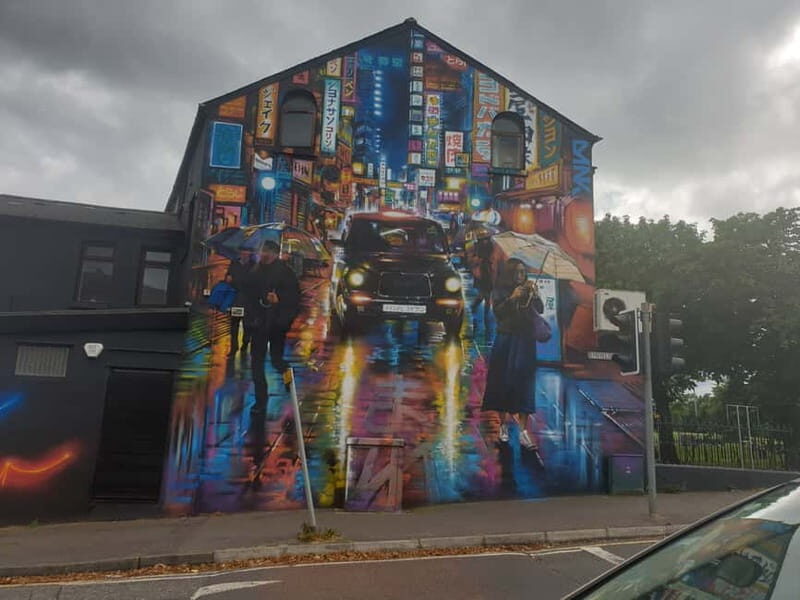
If you’re expecting a standard bus tour with a megaphone, this one changes the format. A Belfast black taxi doesn’t just move you around—it forces a slower, more attentive way to look. You’re seated close, you can talk, and you’re not hiding behind a window.
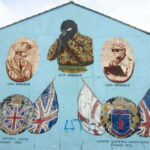
The murals are the star, but they’re not treated like decoration. You’ll get the why behind the images: what people feared, what people hoped for, and how politics shows up on ordinary streets. And since you spend real time out of the cab at several stops, you get that crucial feeling of standing in the same place as the story.
You can also read our reviews of more private tours in Belfast

Price and Value: What You’re Paying For at $50 Per Person
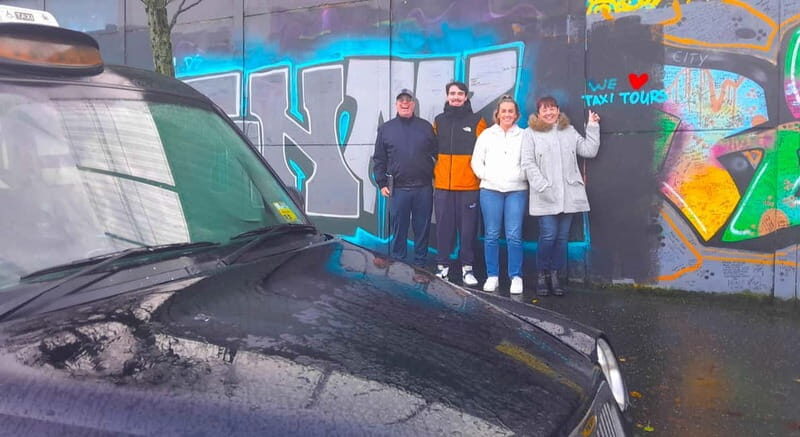
At $50 per person for about 1.5 hours, you’re paying for three things that add up fast: a licensed black taxi, a live guide, and pickup/drop-off from central points. It’s not a “scrapey bargain” tour model. It’s a direct, personal way to understand a complicated city without trying to decode everything on your own.
Also, you’re not just seeing one mural wall. You’re moving through multiple key areas—Divis Tower views, Falls Road murals, Shankill Road context, and the Peace Wall moment. For many visitors, the peace-line stop (including signing) is what makes the price feel justified, because it’s memorable and meaningful in a way a photo can’t fully capture.
If you want a long, slow education spanning many neighborhoods, this duration might feel short. But if you want a guided hit of context that you can absorb without burning your whole day, this format is strong.
The “Private Group” Advantage: Getting Your Questions Answered
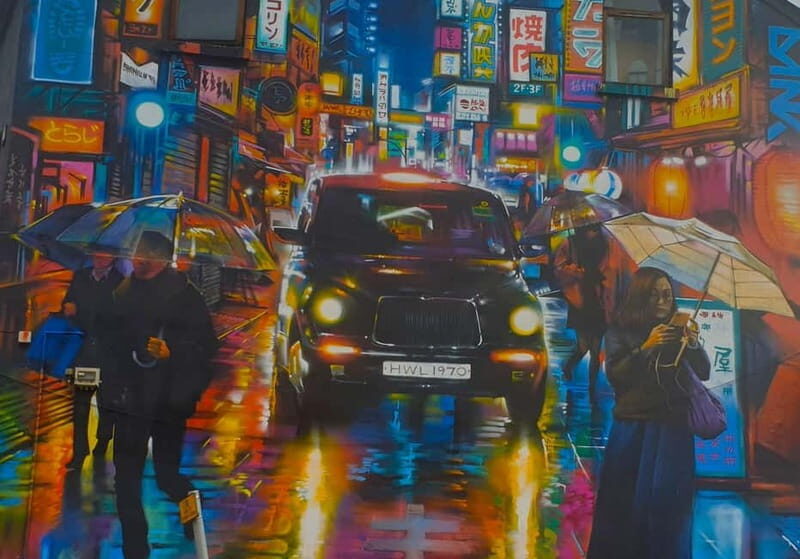
This is a private tour for your group only, which matters a lot for a topic like this. With a small group, your guide can calibrate. If you arrive with basic questions, you’ll get clear explanations. If you arrive with more reading done, you’ll get better detail instead of the same recycled facts.
The guide’s style is also interactive. You’ll be encouraged to ask questions, and the time spent in each area adjusts based on what you want to know. That flexibility is a real advantage on a short tour—because you don’t have to guess what’s important once you’re there.
Pickup, Drop-Off, and the One Rule That Avoids Stress
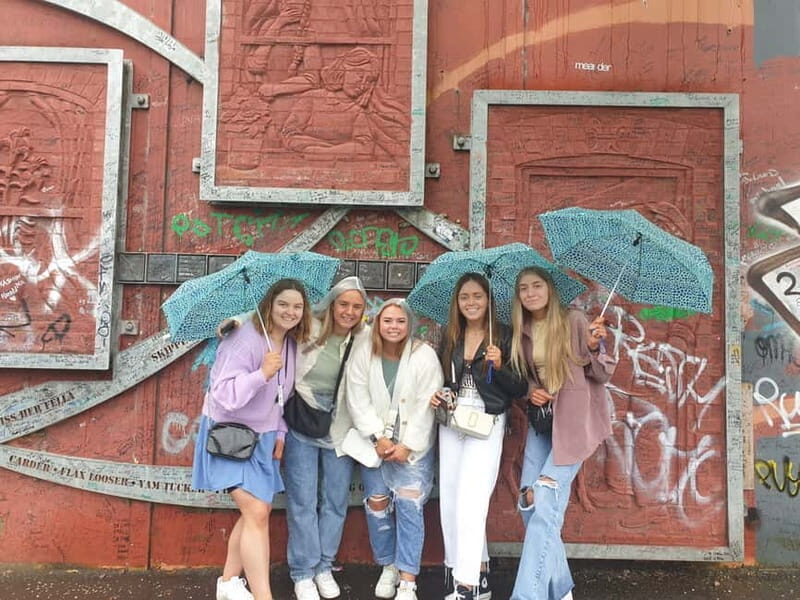
Your pickup is included—but it’s limited to central options, and your driver will not enter your hotel reception. You’ll need to meet outside where you’re told. The tour also isn’t set up for pickup from places like the cruise port, Titanic Quarter, Queens Quarter, East Belfast, or Stenaline drop.
Practically, that means you should confirm your pickup point before you go. The good news: there’s a long list of central hotels and landmarks offered, including places like Belfast City Hall, Europa Hotel, and Crumlin Road Gaol Visitor Attraction and Conference Centre. If you’re staying downtown, you’ll likely be covered.
Stop by Stop: Divis Tower Photo Views and the “Big Picture” Start
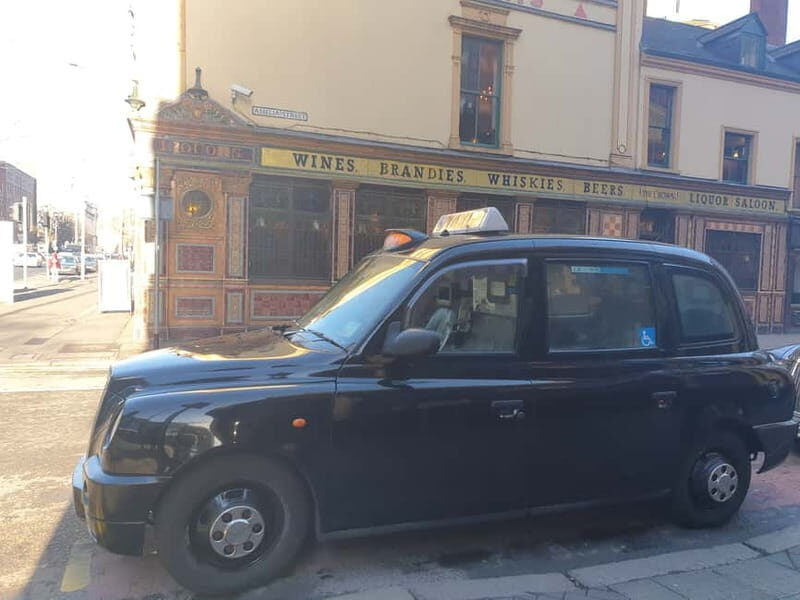
The tour begins with a classic visual anchor: a stop around Divis Tower. You’ll have a photo moment and a guided explanation designed to set the scene early. The goal here isn’t to overwhelm you—it’s to help you understand why the city looks the way it does, and why certain streets and walls matter.
One thing I like about this kind of start is that it prevents the “tourist tunnel vision” problem. You’re not just chasing murals. You’re being shown the logic behind where they’re placed and what they represent.
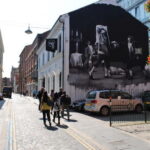
Albert Street: Where the Politics Show Up in Daily Space
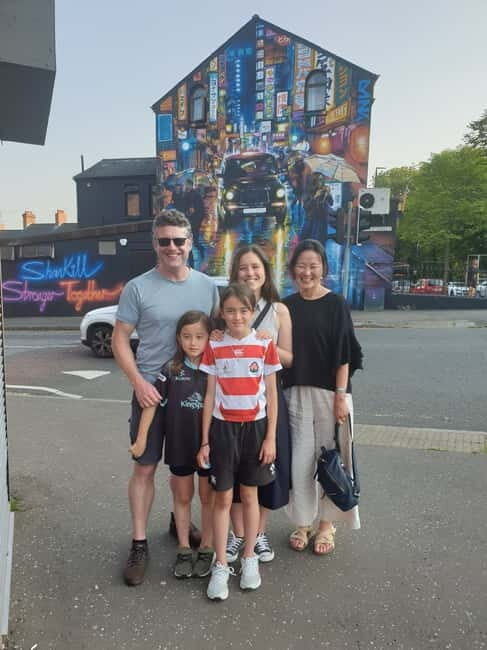
Next comes Albert Street, again with a photo stop and guided time. This is the part of the tour where the murals stop being isolated artworks and start behaving like a map of memory. You’ll connect the dots between what you see and how people interpret the same streets differently.
This is also where you’ll likely notice the guide’s fairness. The stories you hear aren’t presented like one side’s propaganda versus the other side’s counterspeech. Instead, you’re guided to understand competing narratives and why both have staying power.
Falls Road Murals: Looking Directly at the Troubles
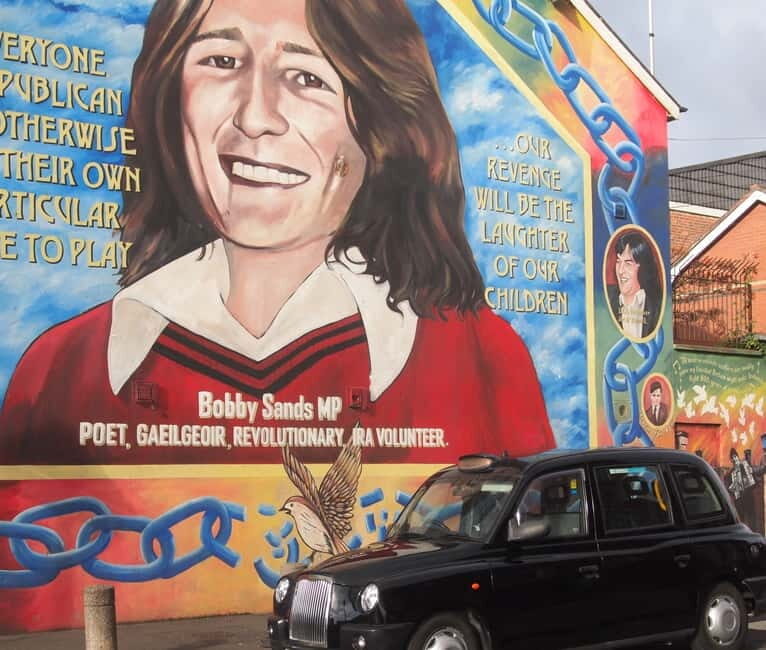
When you reach the Falls Road, you get a guided stop focused on the murals there. This is one of the most important sections of the route because it grounds the history in lived context. The guide will explain key events and what the murals mean to people who grew up with the conflict in the background of everyday life.
Plan for a somber tone. This isn’t light sightseeing. At Falls Road, you’ll feel the weight of slogans, portraits, and symbols that were never meant to be only decorative.
If you have a “read the room” instinct, you’ll appreciate how the tour gives you time to take it in without rushing past the message.
Bombay Street and the International Wall Murals: Context Beyond Belfast
Then comes Bombay Street with guided time, followed by a stretch described as the International Wall Murals area. This part helps broaden your perspective beyond local politics. You’re shown how international ties, solidarity, and broader narratives can show up on Belfast walls.
For many visitors, this is the “I get it now” section. You realize the city’s conflict didn’t exist in a vacuum. It connected to global movements, and those connections left marks in the form of murals and messages.
Peace Walls: Signing the Line Between Loyalist and Republican Areas
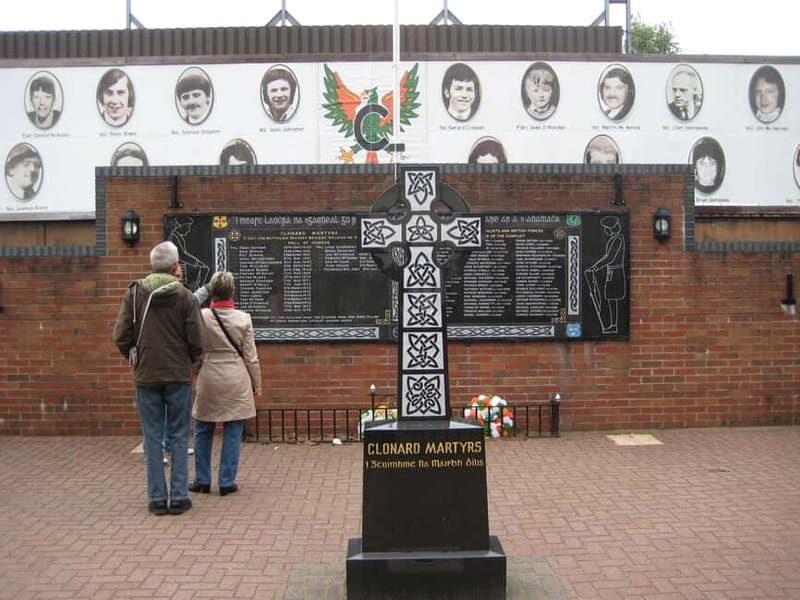
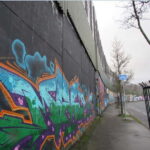
The Peace Walls stop is the emotional center of the tour. You’ll have photo time and guided context, and you’ll also have the chance to sign your name on the wall that separates Loyalist and Republican areas.
This is the moment that tends to land hardest. It’s small in action, but heavy in meaning: you’re not just taking in history—you’re participating in a symbolic gesture of acknowledgement and a wish for peace. If you’re traveling with someone who values respectful, thoughtful experiences, this will likely become one of your trip memories.
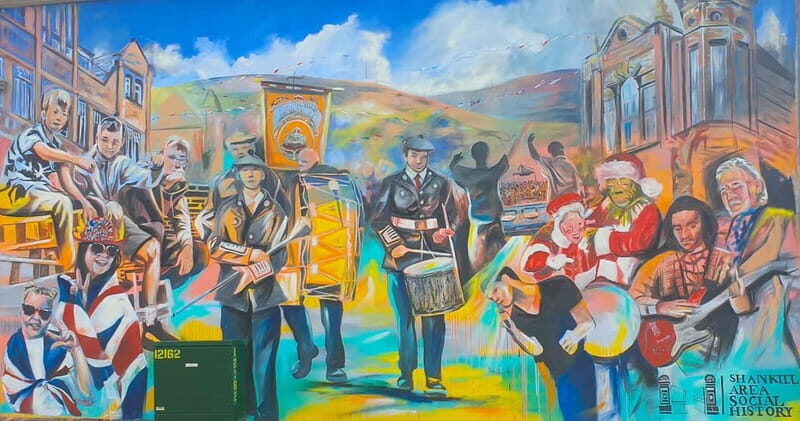
Shankill Road: Seeing Another Side Without the Spin
The tour includes Shankill Road twice, with a mix of passing and guided time at different points. That repetition isn’t a mistake. It helps you compare what you’re seeing and hearing, and it reinforces the idea that Belfast divisions are not simple lines on a map.
You’ll also get the practical reality of driving through former centers of conflict, including areas like Falls and Shankill. The route is handled carefully, and you’ll be guided so you understand what you’re looking at rather than just feeling uneasy.
What I value here is the balance. The guide aims to keep the story fair and grounded, and you’re given enough context to understand why people draw the lines they draw.
How Hugh Jordan Shapes the Experience: Authentic, Interactive, and Direct
Hugh Jordan is the name to remember. A lot of guides can explain historical events. Fewer can translate the lived feel of growing up during the Troubles into something understandable today.
The pattern you’ll notice is that Hugh doesn’t just recite facts. He asks what you want to get out of the tour at the start, then adjusts as you go. That helps the tour feel personal instead of generic, even though the stops are fixed by the route.
Also, the guide’s manner tends to keep things human. You’ll hear stories that include both sorrow and resilience, and the tone stays respectful even when the subject is heavy. On a visit where you might feel overwhelmed by complexity, that pacing is a lifesaver.
Weather, Timing, and What to Wear
This tour runs rain or shine, so dress like Belfast means it. Wear comfortable shoes. Bring a jacket. You’ll spend time stepping out for photo and guided moments, so you’ll want footwear that can handle wet pavement and short walks.
Timing-wise, it’s tight. Each area is designed for a focused stop—photo, guided explanation, then onward—so the tour stays in the 1.5-hour window.
If you’re the type who loves a slow linger, set expectations accordingly. You’ll get meaning, but you won’t have hours to wander. That trade is part of the tour’s value: a guided experience that’s hard to self-navigate.
Wheelchair Access and Who Should Rethink This Tour
The tour is listed as wheelchair accessible, which is great news if you need that level of inclusion.
However, it is not suitable for hearing-impaired people. If that affects you, you’ll want to look for another format that better fits your needs.
Finally, because the subject can be challenging, it’s worth thinking about your comfort level before you book. If you’re curious and ready to learn, this is exactly the kind of experience that gives you understanding instead of just images.
So, Should You Book This Belfast Black Taxi Murals Tour?
Yes, if you want more than photos and you’re ready for a real conversation about Belfast’s divisions. This is a strong choice for first-time visitors who want context quickly, for couples who like guided storytelling, and for anyone who appreciates local perspective delivered with respect.
Book it especially if you value:
- A private guide who can tailor answers to your questions
- Step-out stops at key mural locations
- The Peace Wall signing moment
Skip it if you want a purely upbeat, light itinerary, or if the Troubles subject matter is likely to be too heavy for you right now. And if you’re hearing-impaired, look for a different tour format since this one isn’t suitable.
FAQ
How long is the Belfast Black Taxi Cab Political Murals Tour?
It lasts about 1.5 hours.
What is included in the price?
You get pickup and drop-off from selected locations, a tour guide, and transportation by black taxi cab.
Where does pickup happen, and is it available from the cruise port or Titanic Quarter?
Pickup is included only from selected central locations. It does not include pickup from the cruise port, outer city, Titanic Quarter, Queens Quarter, East Belfast, or Stenaline drop.
Will the driver go into my hotel reception for pickup?
No. The driver will not enter your hotel reception. You should meet outside.
What stops and areas are covered during the tour?
The route includes stops such as Divis Tower, Albert Street, Falls Road murals, Bombay Street, Peace Walls, and Shankill Road, with guided time at multiple points.
Is the tour private?
Yes. It’s a private group tour for your group only.
Is the tour suitable for everyone?
The tour is listed as wheelchair accessible, but it is not suitable for hearing-impaired people. The content can also be challenging, covering tensions and even recent troubled history.