REVIEW · BELFAST
Belfast: A History of Terror Walking Tour
Book on GetYourGuide →Operated by DC Tours · Bookable on GetYourGuide
Belfast can feel quiet until you learn why. This 2.5-hour walking tour uses the city itself to explain the long road from old divisions to The Troubles and then toward peace.
What I like most is the way the tour stays balanced and empathetic while still giving you clear context. I also appreciate the practical touch of audio headsets, which make the guide easy to hear even when the weather turns character-building.
One thing to consider: the stories deal with real violence and long trauma, so it’s not a light stroll. If you want cheerful history only, this may be heavy.
In This Review
- Key points before you go
- Enter Belfast City Hall: The starting point with weight
- Bombing sites and attacks: how fear shaped daily Belfast
- Former security cordon locations: where control became normal
- The Troubles timeline: 800 years that explain the 1960s
- Peace and reconciliation: what it looks like after fear
- Forgotten Troubles Memorial: remembering without getting stuck
- Guides make or break this tour (and DC Tours leans hard into it)
- Logistics that actually matter for a history-with-feelings walk
- Who should book this Belfast Troubles history walk
- Is it worth $35? Value comes from time, listening, and tone
- Should you book this tour?
- FAQ
- How long is the Belfast History of Terror walking tour?
- What does it cost?
- Where do I meet the guide?
- Is the tour wheelchair accessible?
- What language is the tour in?
- Is it suitable for kids?
Key points before you go
- City-centre history lesson: you learn the roots of conflict through the places where it unfolded.
- Thoughtful, neutral storytelling: causes, key events, and civilian impact are explained without sensationalism.
- Expert local guides: many guides are Belfast-born and able to add personal context, like Anne and James.
- Audio headsets included: you’ll hear details clearly throughout the 2.5 hours.
- Stops with reflection built in: the Forgotten Troubles Memorial adds a forward-looking, human note.
- Flat route, just 1.5 miles: easier walking for most people, but bring weather protection.
Enter Belfast City Hall: The starting point with weight
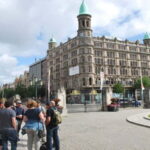
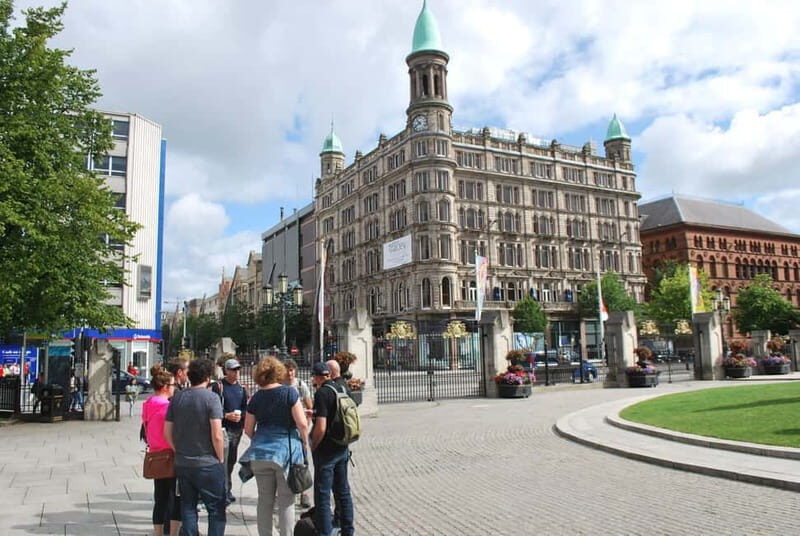
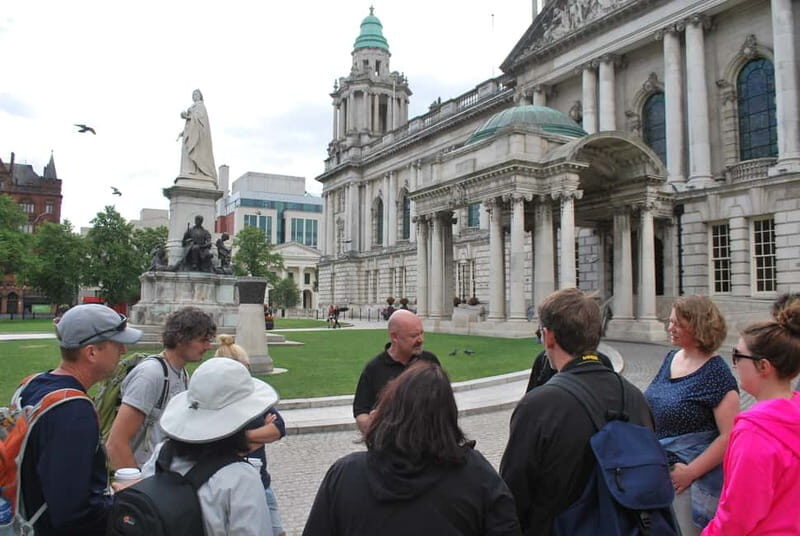
Your tour begins at the front gates of Belfast City Hall on Donegall Square North. That choice matters. City Hall sits right in the civic heart of Belfast, so you start with the idea that political power and everyday life are linked.
Your guide is easy to spot in a black DC Tours top. And right away, you’ll get the tone: this isn’t a horror show. It’s history told in a careful, human way. You’re going to hear about causes and consequences, but the emphasis stays on understanding—why divisions grew, what fear did to ordinary routines, and why the city had to learn a new way to live.
You can also read our reviews of more walking tours in Belfast
Bombing sites and attacks: how fear shaped daily Belfast
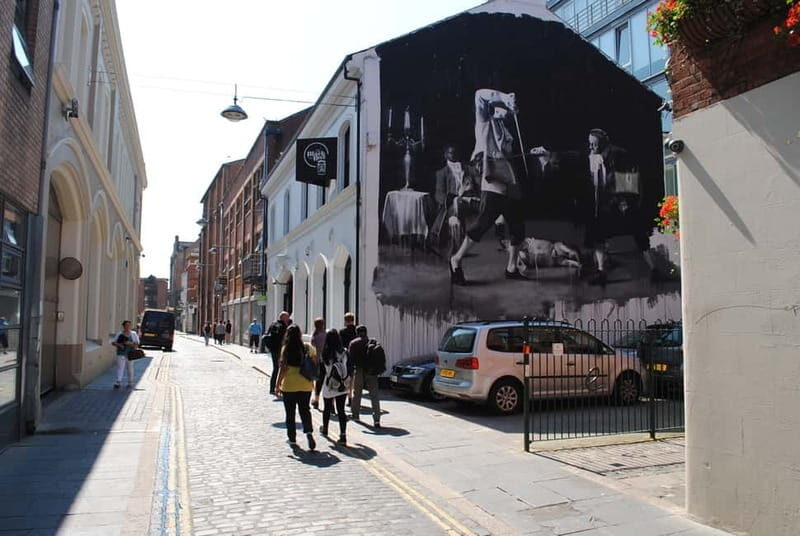
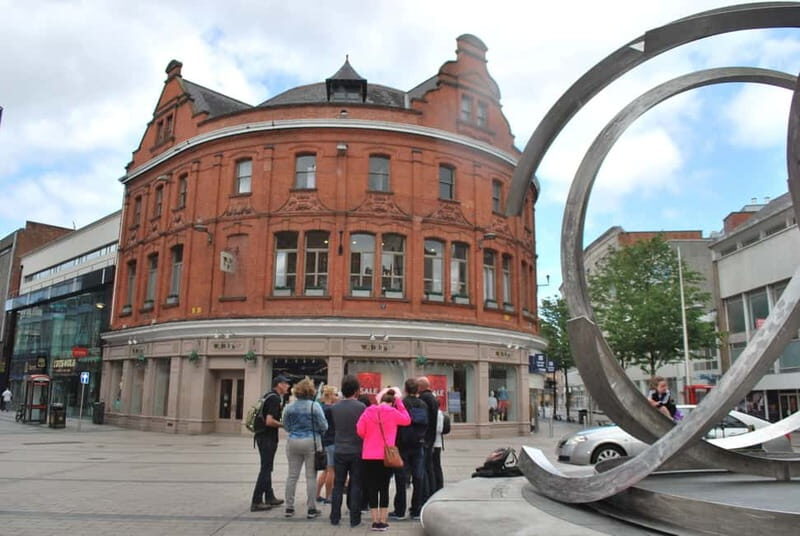
A big part of the experience is walking past city-centre locations tied to major Troubles-era events. These aren’t described like movie scenes. You’re guided to look at the space and imagine the pressure that filled it. That’s the key shift: you stop thinking of The Troubles as a headline and start thinking of it as a daily reality.
You’ll connect the dots between politics and public space. When violence is frequent, it changes how people move, shop, work, and even how they relax. Several guides use clear historical framing so you can follow the timeline without getting lost in names and dates. The goal is not to pick a side for you. The goal is to show how multiple forces—political, religious, social—fed the cycle.
A practical upside here: because the walking route stays flat and covers about 1.5 miles, you can focus on listening. You won’t be fighting hills or stairs while trying to absorb heavy material.
Former security cordon locations: where control became normal
One of the more unsettling parts is the set of stops tied to former security cordons. You don’t just hear that security was present—you learn what that kind of control feels like for civilians.
Cordon life changes perception. It affects who can go where and when, how long delays last, and what people learn to expect from their own streets. The tour explains the role of the British Army, police, and paramilitary groups in shaping daily life, and it connects those roles to the wider conflict.
This is where the tour earns trust. It doesn’t reduce people to caricatures. It explains how fear could become routine, and how routine can still be dangerous. If you’re the type who likes to understand systems—who had authority, who used power, what changed in public spaces—this section will click.
The Troubles timeline: 800 years that explain the 1960s
The tour doesn’t start in the 1960s and call it a day. You’ll be guided through how centuries of division helped set the stage. That matters because The Troubles weren’t invented overnight. The tour connects older fault lines to the conditions that allowed violence to surge in the late 1960s.
You’ll also learn how peace talk didn’t appear as a miracle. The path toward reconciliation is shown as something Belfast worked toward—imperfect, complicated, and deeply tied to local lived experience.
I like this approach because it helps you make sense of what you see around Belfast today. Without that longer view, modern street life can feel disconnected from the past. With it, you understand why certain places carry lingering meaning and why healing takes time.
Peace and reconciliation: what it looks like after fear
Here’s what I found valuable: the tour doesn’t treat peace as a hard stop. It treats peace as a process—and a local challenge.
You’ll hear how reconciliation unfolded and how Belfast has regenerated since then. That regeneration isn’t described as a simple glow-up. It’s framed as effort and adaptation: changing public spaces, shifting community relationships, and rebuilding trust that had been broken for decades.
This section also gives you language for what you might notice on your own after the tour. You’ll be more alert to the way cities signal change. You’ll also be more patient with how long post-conflict healing can take.
You can also read our reviews of more historical tours in Belfast
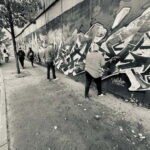

Forgotten Troubles Memorial: remembering without getting stuck
The tour includes the Forgotten Troubles Memorial, which shifts the tone from explanation to reflection. This stop matters because it acknowledges that the conflict’s legacy didn’t disappear when the violence slowed.
What the memorial adds is perspective. You learn about challenges still faced after the worst years, and you get a reminder that memory is part of how societies move forward. The guide’s job here isn’t to scare you—it’s to help you understand why people still talk about this history, even when the rest of the world moves on.
Guides make or break this tour (and DC Tours leans hard into it)
DC Tours is locally owned, and the big difference shows in the delivery. Across the guides I’m referencing here—James, Eugene, Mylie, Anne, Rory, Chris, Roisin, Steve, Paul, Jim, Finn, Miles—there’s a consistent pattern: clear context, careful wording, and a steady sense of respect for people who lived through this.
You may also notice a touch of humor used sparingly. It doesn’t turn tragedy into a punchline. It works more like breathing room. That matters because the story is long and heavy. When humor shows up at the right moment, it helps you stay present without shutting down.
Also: the audio headsets are a real quality-of-life win. A guide can be brilliant and still get lost in street noise. Here, you’re set up to hear details clearly all the way through. If you have any hearing issues, you’ll likely appreciate this the most.
And yes, you’ll get real local perspective. One guide like Anne shared a born-and-raised Belfast viewpoint. Another like James has been described as growing up through the Troubles period and bringing that perspective into the story. That kind of firsthand context can deepen the emotional realism—without turning the tour into a rant.
Logistics that actually matter for a history-with-feelings walk
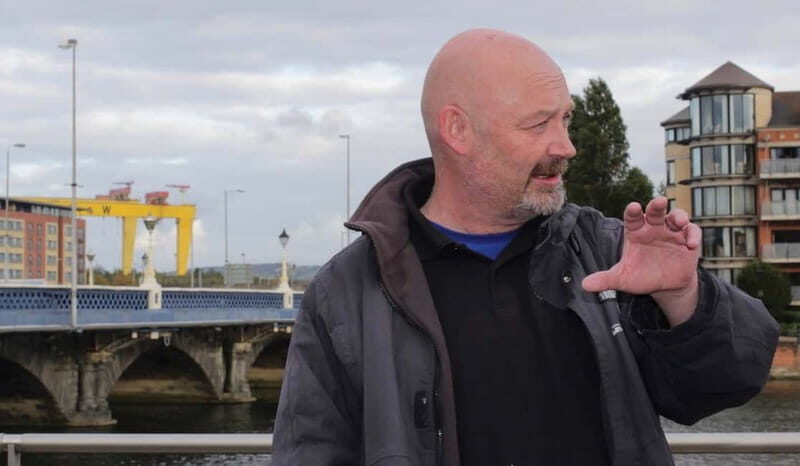
This is not a marathon. The duration is 2.5 hours and the distance is about 1.5 miles. Belfast city centre is completely flat, so you’re not spending energy on steep grades. Still, you’ll want comfortable shoes. You’ll be listening hard, so your body should cooperate.
Language is English only, and the information moves with purpose. If your English is strong enough to follow nuanced points, you’ll get more out of it. If you’re not sure, consider a different format where you can re-check content at your own pace.
Weather is part of Belfast. The tour runs regardless of weather, so plan for rain. A waterproof jacket is recommended, and warm clothing in winter is a must. If it’s cold, you’ll thank yourself. If it’s wet, you’ll thank yourself again.
The best habit: arrive 10 minutes early. Meet at the City Hall gates, find your guide’s DC Tours logo, and get settled before you start walking. That small buffer makes a noticeable difference once you’re in story mode.
Who should book this Belfast Troubles history walk
This tour fits best if you want more than dates and plaques. It’s for people who like context, timelines, and cause-and-effect. It’s also a strong option for adults and teens who want to understand modern Irish history with empathy and clarity.
You’ll especially enjoy it if you’re the type who asks why something happened, not just what happened. The guide structure is built around causes, key events, and human impact—plus the roles of the British Army, police, and paramilitary groups.
It’s not suitable for children under 12. That’s partly about content and partly about the ability to focus for the full 2.5 hours.
If your priority is a casual sightseeing loop with big photo stops, you might find the themes demanding. But if your goal is to understand Belfast properly, this kind of walking tour earns its place.
Is it worth $35? Value comes from time, listening, and tone
At $35 per person for 2.5 hours, you’re paying for expert interpretation and a guided path through sensitive history. This isn’t a museum ticket where you can skim. It’s more like hiring a thoughtful teacher for a concentrated block of time.
The audio headsets push the value up. They reduce friction—less straining to hear, more staying focused on what the guide is connecting. And because the walk is short and flat, you’re not paying for time lost to transit or difficult terrain.
When the guides are good—and the overall rating is 4.9 with 854 reviews—you get a lot of learning per minute. You also leave with a clearer mental map of Belfast’s past, plus a better sense of what peace and reconciliation look like in real city life.
Should you book this tour?
Book it if you want to understand Belfast beyond slogans—if you like respectful storytelling, clear history, and places that carry meaning. This tour is also a great match if you appreciate guides who can talk about volatile topics with care and a touch of humor to keep the pace human.
Skip it if you’re short on time and want only light sightseeing, or if you know you can’t handle emotionally heavy history. And if you’re not comfortable with English-only interpretation, plan for a different option.
If you’re on the fence, here’s my practical advice: take it earlier in your Belfast trip. You’ll understand what you’re seeing afterward, and you’ll be better at turning the city’s many small details into real context.
FAQ
How long is the Belfast History of Terror walking tour?
The tour lasts 2.5 hours.
What does it cost?
The price is $35 per person.
Where do I meet the guide?
Meet at the front gates of Belfast City Hall, Donegall Square North, Belfast. The guide wears a DC Tours logo on a black jacket or t-shirt.
Is the tour wheelchair accessible?
Yes, it is wheelchair accessible.
What language is the tour in?
The tour is English only, and a good standard of English is needed to fully appreciate the information.
Is it suitable for kids?
It is not suitable for children under 12.