REVIEW · BELFAST
Belfast: Political Taxi Tour
Book on GetYourGuide →Operated by City Tours Belfast · Bookable on GetYourGuide
Murals tell the story before you even speak. This Belfast Political Taxi Tour puts you in a black cab with a working Belfast driver and brings you close to the Falls Road and Shankill murals, with real accounts from the era of the Troubles. I love how it focuses on people, not slogans, and I love the practical Belfast guidance you get once you’ve got the context. The one drawback to know up front: it’s emotionally heavy, so it’s not the best choice if you want a purely cheerful hour.
You meet at the Leonardo Hotel Belfast (formerly Jurys Inn) on Great Victoria Street, hop into an air-conditioned car, and spend an hour moving between the two sides of West Belfast. Guides often share personal connections to the conflict, and the tour is described as the same cab experience that has drawn interest from Anthony Bourdain, Vince Vaughn, and George Negus. If you end up with Jackie, Alan, Michael, Tony, or Colin, you’re likely in for a respectful ride where you can ask hard questions and shape your own view.
In This Review
- Key takeaways before you go
- Booking for two: $101 and why the private cab matters
- Meet at the Leonardo Hotel Belfast on Great Victoria Street
- Falls Road murals: seeing the conflict as a visual language
- Shankill Road and the other side: memory isn’t the same everywhere
- Peace Walls and photo stops: where Belfast still shows its split
- Getting Belfast tips after the politics: what to do with your new context
- How drivers keep it balanced while still telling the truth
- Who this tour fits best in Belfast (and who might skip it)
- Should you book this Belfast Political Taxi Tour?
- FAQ
- Where do I meet for the Belfast Political Taxi Tour?
- How long is the tour?
- What is the price and how many people does it cover?
- What’s included in the tour price?
- Is food and drink included?
- Is the tour wheelchair accessible?
- Is English the only language offered?
Key takeaways before you go
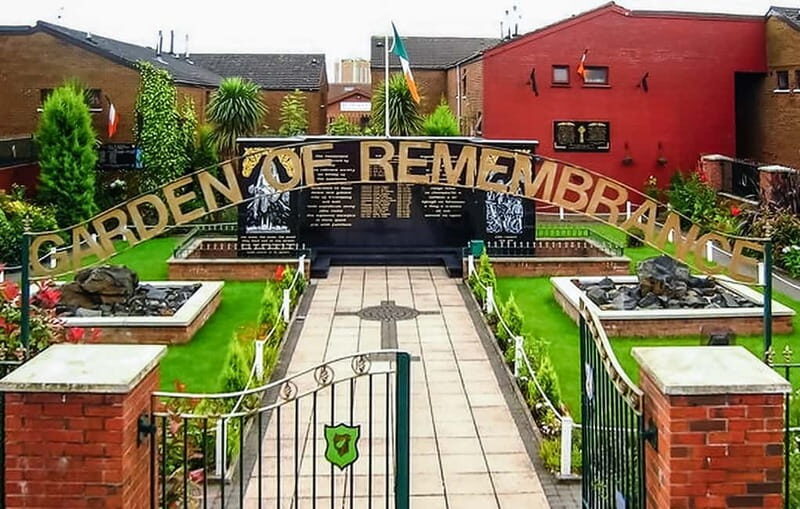
- A working cab driver, not a scripted docent: you’re hearing history from someone who’s lived alongside it.
- Falls Road and Shankill on the same loop: you see the political story in both directions, in one hour.
- Murals plus the Peace Walls: you get the visuals that make the conflict feel real.
- You can ask anything: the best moments come when you stop being polite and start being curious.
- Local tips beyond the politics: shopping, food, drink, and what to do next around Belfast.
- Private group for up to two: easier questions, a more personal pace, and less “bus tour energy.”
Booking for two: $101 and why the private cab matters
At $101 per group up to 2 people for a 1-hour experience, this isn’t a bargain in the “cheap thrills” sense. It’s more like paying for access—access to a Belfast driver who can explain what you’re seeing and why it still matters. With a private group, you also avoid the common problem of political tours turning into a one-size-fits-all lecture. You can ask your follow-up questions, and you can steer the conversation toward what you actually want to understand.
You also get included transportation with an air-conditioned car, plus a live guide (English). In one hour, that’s a lot of ground covered around the areas most visitors only see from the outside. And the ride is repeatedly praised for how smooth the transport feels—one big reason this tour works even if your schedule is tight.
If you’re traveling solo, this price is still worth thinking about if you want a calmer, more personal experience. If you’re a group of friends who all want different question styles, tell yourself this tour is best when everyone can share a similar focus: the Troubles, the murals, and how Belfast still carries that history.
You can also read our reviews of more tours and experiences in Belfast.


Meet at the Leonardo Hotel Belfast on Great Victoria Street
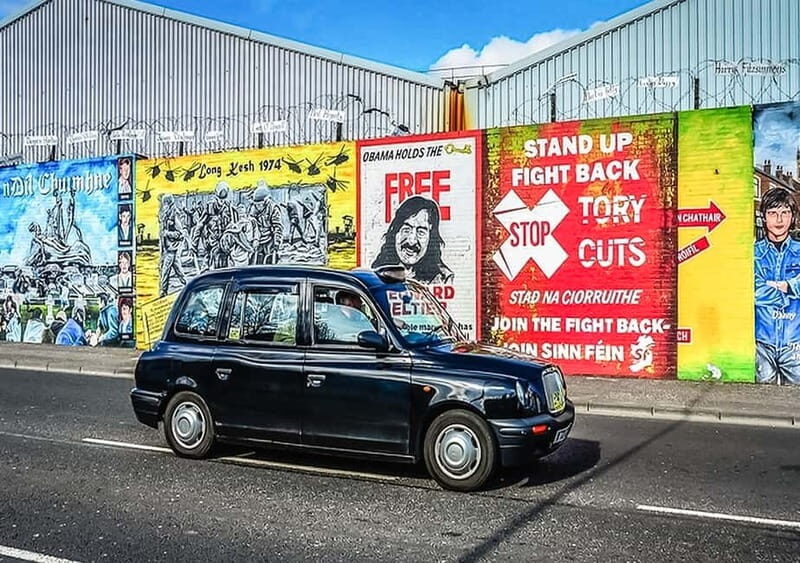
Your first “start line” matters here because the tour is short. Plan to arrive a few minutes early at the Leonardo Hotel Belfast (formerly Jurys Inn) on Great Victoria Street. Wait by the front doors. A driver will approach and call out your name.
Once you’re in the car, expect the first part to set tone: the Troubles aren’t treated as a distant headline. Your driver’s job is to help you connect the streets outside the windows to the people behind the stories. Some guides (like Jackie or Michael) are described as respectful and clear about the differences between communities. Others (like Tony, Darren, or Pat) lean into storytelling that feels personal, with enough balance to keep it from becoming one-sided.
Tip: bring one or two questions you’re genuinely curious about—how everyday life changed, why certain walls still stand, or what the murals are trying to communicate. Those questions tend to unlock the best answers.
Falls Road murals: seeing the conflict as a visual language
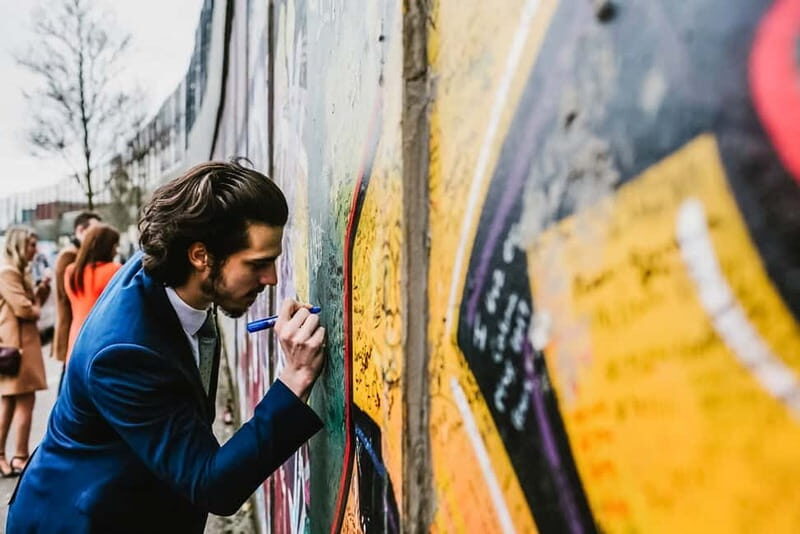
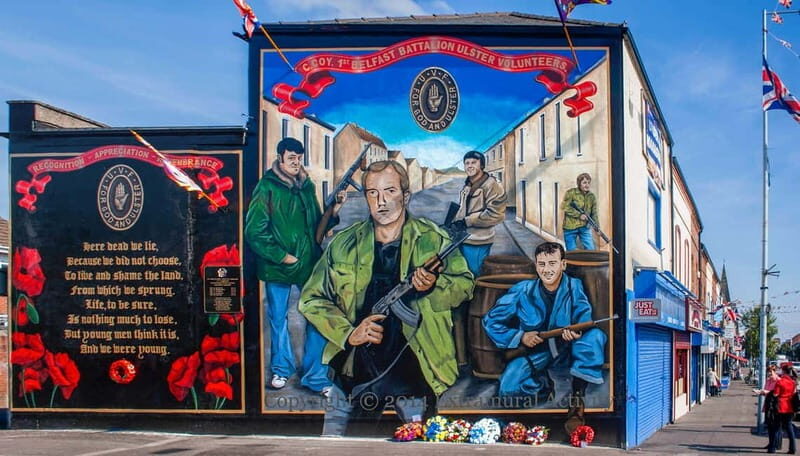
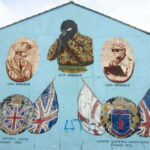
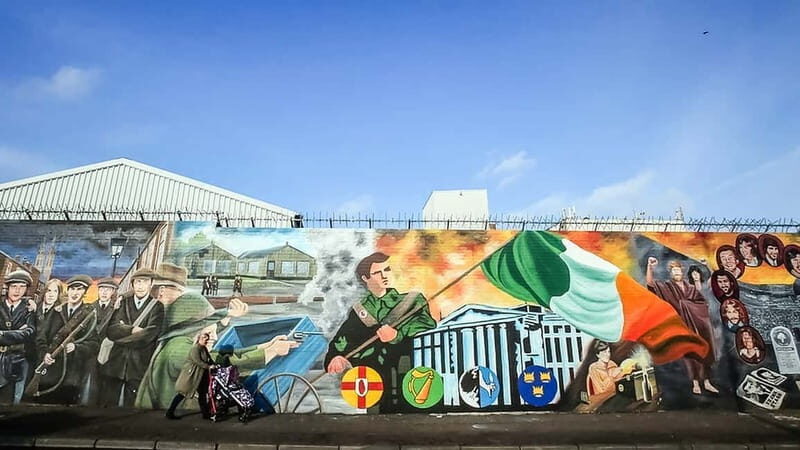
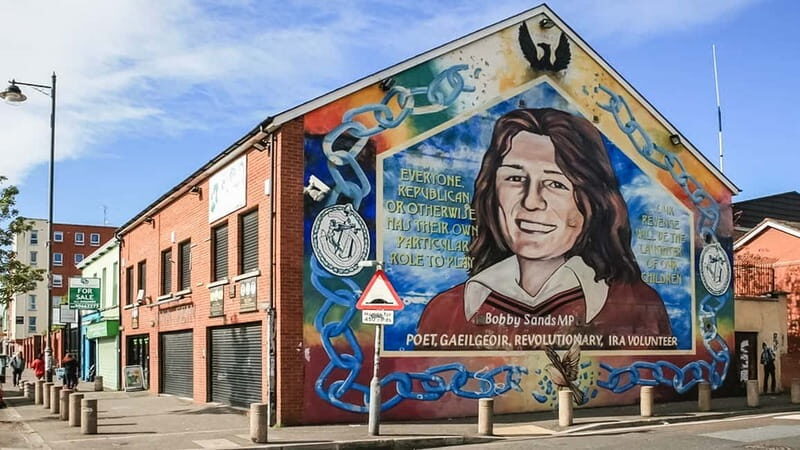
When you head toward the Falls Road side of West Belfast, the experience shifts from “history lesson” to “pattern recognition.” Murals here don’t just decorate walls; they explain identity, memory, and political messaging without using academic words. That’s why the driver’s commentary matters so much. Without it, you can walk right past the meaning.
In practice, this part of the tour usually includes close-up viewing time. You may stop to take photos, and you might get out to look at what’s painted and where it sits in the neighborhood. The murals can feel powerful even if you know nothing going in, because they translate politics into faces, symbols, dates, and emotion.
What I like about how this works is that it gives you something concrete to process. Instead of trying to memorize years, you’re looking at messages that people chose to put on their streets. Your guide then frames what those messages meant during the Troubles and how those meanings have carried into today.
Possible drawback to keep in mind: because the subject is sensitive, some of what you hear will be somber. If you’re the type who handles heavy topics best after a meal and a coffee, consider doing a quick snack before you start.
Shankill Road and the other side: memory isn’t the same everywhere
Then the tour turns toward the Shankill Road side of Belfast. This is where the “political taxi” idea pays off. In Belfast, the conflict wasn’t one story—it was two stories, shaped by community, fear, loyalty, and grief. Seeing both areas in the same loop helps you understand that the murals and the street-level details aren’t just art; they’re a public record of what people believed and lived through.
Guides described as balanced often explain the conflict with a clear sense of how two communities interpreted the same era differently. On tours led by people like Alan, Colin, or Hugh, the focus often lands on the human element: what daily life felt like, what neighborhoods meant to people, and why certain lines—literal and emotional—still matter.
This is also where you’ll probably notice the tone difference in conversation. Even when your guide tries to keep things fair, your reaction will be personal. That’s not a flaw. It’s part of what makes this tour more useful than a purely neutral slideshow. You’re building your own understanding as you compare what you see and what you’re told.
Practical tip: ask your driver to slow down if you don’t catch the context the first time. Several guides are described as open to questions, and an extra minute of clarification can save you from guessing later.
Peace Walls and photo stops: where Belfast still shows its split
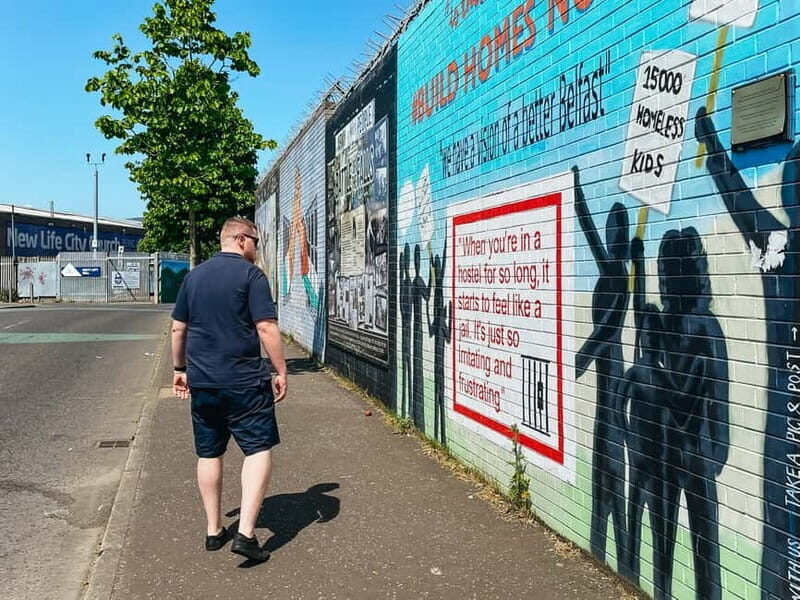
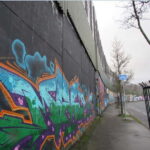
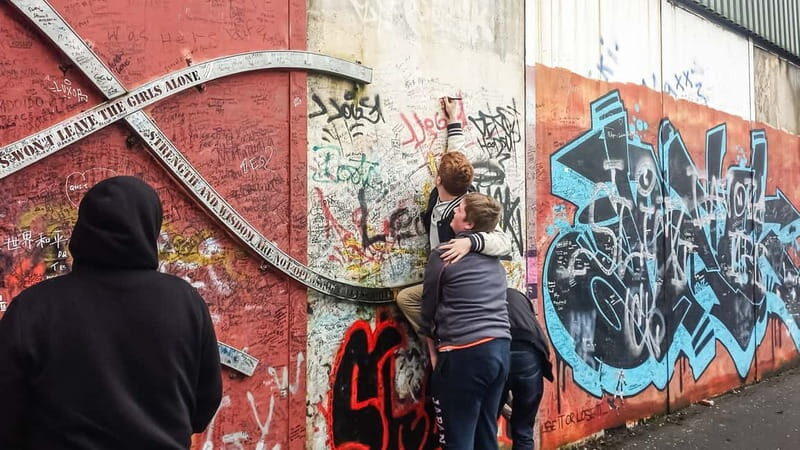
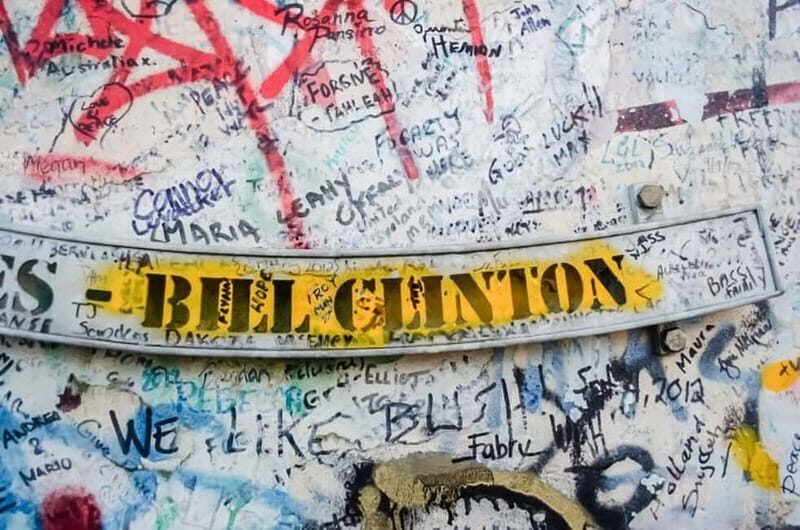
The Peace Walls are the visual anchor of this tour. They’re a reminder that the conflict wasn’t only about what happened in the past—it was also about what communities felt forced to protect, and how separation can become permanent even after formal changes.
In the car, you get the overview: where walls sit, how neighborhoods feel different from one side to the other, and how the city’s design reflects history. During stops, you may get time for photos and closer viewing. Some drivers use printouts or photographs that compare past and present images, which can make the transformation easier to grasp.
This section is one of the best places to ask: what changed, what didn’t, and what people think about the future. The tour’s promise isn’t just to show you murals; it’s to answer your burning questions about why the city looks the way it does now.
Keep expectations realistic: you won’t leave with a perfect timeline of every event. That’s not the strength of a one-hour ride. The strength is seeing the city’s memory laid out in front of you and understanding why locals still speak about it with care.
Getting Belfast tips after the politics: what to do with your new context
A surprisingly valuable part of this experience is what happens after the driving stops. Your guide is not only a history source; they also give recommendations for spending your time in Belfast—where to shop, where to eat, where to drink, and what to do for fun.
Why this matters: political context changes how you move around a city. When you understand the neighborhoods you’ve just visited, you make better choices about where you want your evening to land. You might want a quiet corner café instead of something loud. You might want a pub style that feels right for the mood you’re carrying after a heavy tour.
More than one guide is described as going the extra mile with friendliness and practical suggestions—so don’t be shy. If you’ve got a specific craving, ask. If you want a low-key place to decompress, ask that too. You’ll likely get an honest answer, not a generic tourist pitch.
Also, do what one guide-loving visitor suggested: plan a coffee soon after. Sitting with your thoughts while they’re fresh helps the stories connect in your brain.
How drivers keep it balanced while still telling the truth
The Troubles are complicated. Any tour that pretends otherwise will feel thin. What makes this one work is the emphasis on hearing from both sides and letting you form your own conclusions. Your guide is a working Belfast cab driver and, in many cases, shares personal involvement or lived experience tied to the era. That personal connection is part of why the stories can land so strongly.
At the same time, the tone across many guide experiences is described as respectful and impartial—especially when it comes to explaining the differences between communities. In other words, the tour isn’t trying to force you into a single takeaway. It’s trying to make sure you understand what each side believes, why that belief formed, and how people experienced the conflict in daily life.
So the rule of thumb is simple: treat this like dialogue, not like a lecture with no questions allowed. The best tours happen when you don’t just listen—you interact.
One consideration: because the experience is emotionally heavy, you might want a simple plan afterward. Keep the rest of your evening light. Don’t schedule something high-stress for right after your ride.
Who this tour fits best in Belfast (and who might skip it)
This tour is a great match if you want more than photos and facts. It’s for people who like context, who enjoy asking questions, and who want to see the Troubles as lived experience rather than distant history.
It’s especially good if you’re only in Belfast for a short time. Since the tour is one hour, you can fit it on a busy day and still feel like you understand the city’s major visual markers—murals, Falls Road, Shankill Road, and the Peace Walls.
It’s also a strong choice if you’re traveling as a pair and want a private format. Multiple guides are described as friendly and attentive, and a private group makes it easier to ask your questions without worrying about holding up a larger group.
You might skip it if:
- you want a cheerful, casual sightseeing hour
- you’re not ready for emotionally intense stories
- you prefer a purely museum-style presentation with lots of time to process at your own pace
If that sounds like you, you could still see Belfast, but you may want something lighter and self-guided first.
Should you book this Belfast Political Taxi Tour?
I think you should book it if you’re curious about why Belfast looks the way it does and you want to connect streets, murals, and Peace Walls to real human experiences. The private cab format, the English live guide, and the focus on both Falls and Shankill make this feel like a focused primer you can build on during the rest of your trip.
Book it if you’re comfortable with a somber topic and you want balance, not slogans. Bring a few questions, wear shoes for photo stops, and plan a gentle evening afterward. For many people, this one hour becomes the most memorable part of their Belfast stay—because it gives you context you can’t get from a quick look at the city.
FAQ
Where do I meet for the Belfast Political Taxi Tour?
Meet at the Leonardo Hotel Belfast (formerly Jurys Inn) on Great Victoria Street. Wait at the front doors, and a driver will approach and call out your name.
How long is the tour?
The tour lasts 1 hour.
What is the price and how many people does it cover?
It is priced at $101 per group up to 2.
What’s included in the tour price?
Included are a live guide and an air-conditioned car.
Is food and drink included?
No. Food and drinks are not included.
Is the tour wheelchair accessible?
Yes, it’s listed as wheelchair accessible.
Is English the only language offered?
The live tour guide is English.