REVIEW · BELFAST
Belfast: Ulster Folk Museum Entry Ticket
Book on GetYourGuide →Operated by National Museums NI · Bookable on GetYourGuide
Cobbles, crafts, and countryside air. The Ulster Folk Museum turns a self-guided day trip into a real walk-through of life in Ulster more than 100 years ago, with costumed guides and first-person interpreters bringing the streets of Ballycultra to life. I especially like the mix of authentic buildings you can wander inside, from thatched cottages to an old-time picture house, and the way daily craft demonstrations make history feel practical instead of distant. The one thing to keep in mind: some exhibits are strongest when a demonstrator or interpreter is on hand, and you may want to rely on your map because directional signage can feel a little sparse in places.
For your money, you get a lot of time and space to explore. Your entry includes both the Town and Rural areas, free on-site parking, and a complimentary visitor map, with no time limit on the day. It’s an outdoor museum, so plan around weather and wear shoes that can handle cobblestones and gravel without complaining.
In This Review
- Key highlights you’ll actually notice
- Ulster Folk Museum Entry: What “Living History” Looks Like
- Price and value: paying for time, not just entry
- The Ballycultra village streets: buildings you can step into
- Daily craft demonstrations: the practical heart of the museum
- Workshops, shops, and interiors: where small details pay off
- McCusker’s Pub and the food break options
- The Rural Ulster area: farm life beyond the village front door
- Outdoors all day: how to pace your visit without getting tired
- Best timing: catching demos and avoiding the worst weather
- Who should book this Ulster Folk Museum ticket?
- Should you book the Ulster Folk Museum entry ticket?
- FAQ
- What does the Ulster Folk Museum entry ticket include?
- How long can I spend at the Ulster Folk Museum?
- Where do I go when I arrive?
- Is the museum open every day?
- Is the museum wheelchair accessible?
- Is food included with the ticket?
Key highlights you’ll actually notice
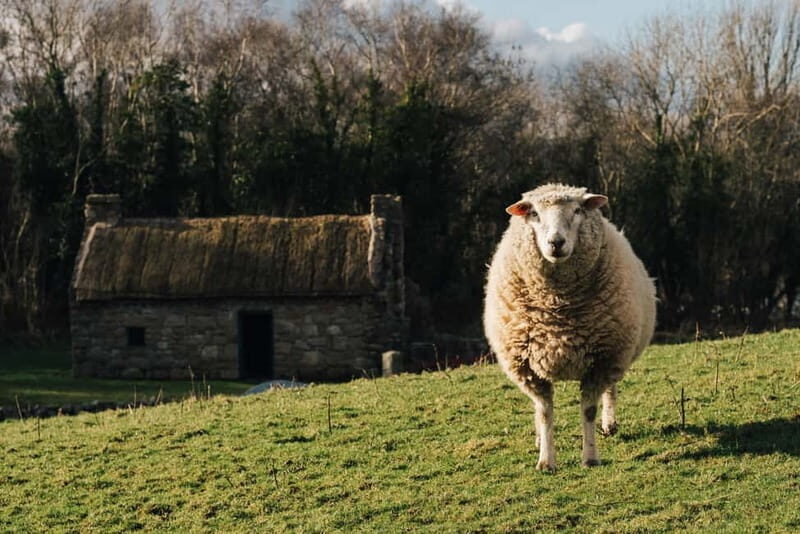
- Ballycultra’s recreated village of buildings brought together to show how people lived across Ulster
- Daily demonstrations that include wool weaving, blacksmithing, heritage carpentry, and bread baking
- Rural Ulster with a working farm, including animals and traditional farming methods
- McCusker’s Pub exhibit building, now a fully licensed pub for a period-style break
- Period-style shopping, including Carruth’s Corner Shop with vintage ounce weights
Ulster Folk Museum Entry: What “Living History” Looks Like
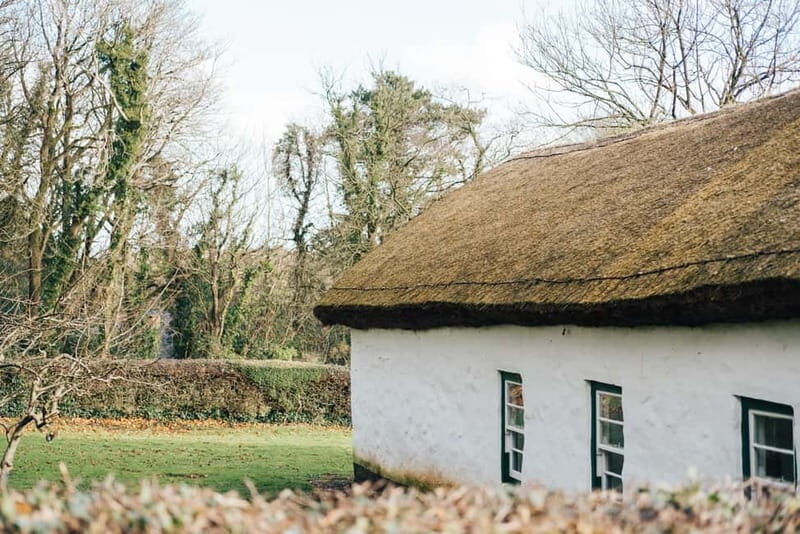
The Ulster Folk Museum is the rare kind of museum that doesn’t stop at “look, then move on.” You wander an open-air village where the goal is to show everyday skills and home life—how people built, cooked, mended, worked, and spent their evenings. The setting helps: you’re on the outskirts of Belfast, in countryside that feels like it’s pressing in from all sides, so the experience doesn’t feel like you’re trapped in a building.
The museum’s layout matters. You’re not bouncing randomly from one exhibit to another. You’re walking through a town area (Ballycultra) and a rural area, so you naturally get a sense of how different parts of daily life connected—home, shop, workshop, farm, and pub.
And because you’re self-guided, you can spend longer wherever you personally click. If you like crafts, you’ll linger. If you prefer streets and interiors, you’ll follow the route at your pace. You’re also not rushed by a strict time slot, since there’s no time limit on the day.
A few more Belfast tours and experiences worth a look
Price and value: paying for time, not just entry
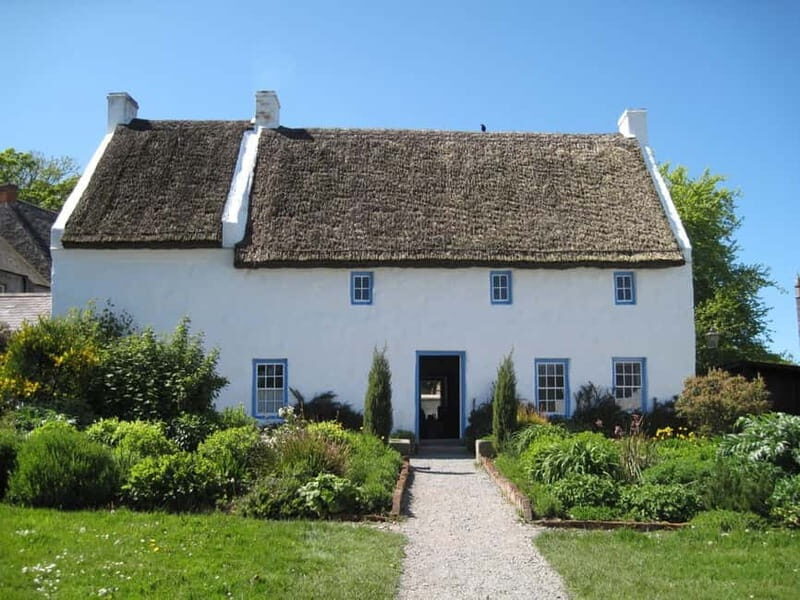
At about $16 per person, this is priced more like a full-day attraction than a quick museum stop. What makes it feel like good value isn’t just the ticket—it’s what the ticket buys you:
- Access to both Town and Rural areas, so you don’t feel shortchanged after an hour
- On-site car parking, which removes a lot of stress if you’re driving
- A visitor map, which helps you steer around an open-air site
- Daily demonstrations, meaning the museum isn’t static all day
In practice, this is the difference between a museum you “finish” and a museum you actually spend a few good hours in. Even if you don’t catch every demonstration, you’ll likely hit several because crafts cycle through the day.
The one caution on value: there’s no guided tour included, so if you want someone to explain every building in a structured way, you’ll need to lean on the costumed guides and interpreters when they’re present, and use your map to keep your bearings.
The Ballycultra village streets: buildings you can step into
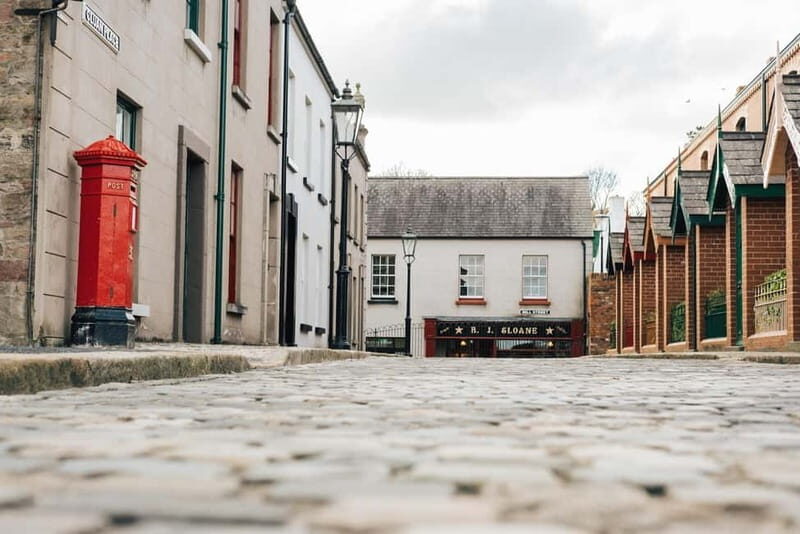
Ballycultra is the heart of the Town area, a recreated Ulster village made from original-style buildings and scenes that once stood in places around Ulster. You’ll see cobbled streets and historic structures that invite you to look closer. It’s the kind of place where you notice details slowly: window shapes, doorways, the way a shop or home feels set up for work and everyday routines.
A few things that make this Town area special:
- Thatched cottages and whitewashed houses help you understand what “home” meant in a very physical way
- A mix of public and private spaces shows how people moved between living, working, and gathering
- Interiors feel lived-in, not staged like empty sets
One of the strongest ways to get the most out of Ballycultra is to pick a few priorities for your visit. If you want interiors, slow down around buildings where you can actually go inside. If you’re drawn to stories, stand near areas where costumed guides and interpreters appear, because those talks and demonstrations can add meaning to what you’re seeing.
Daily craft demonstrations: the practical heart of the museum
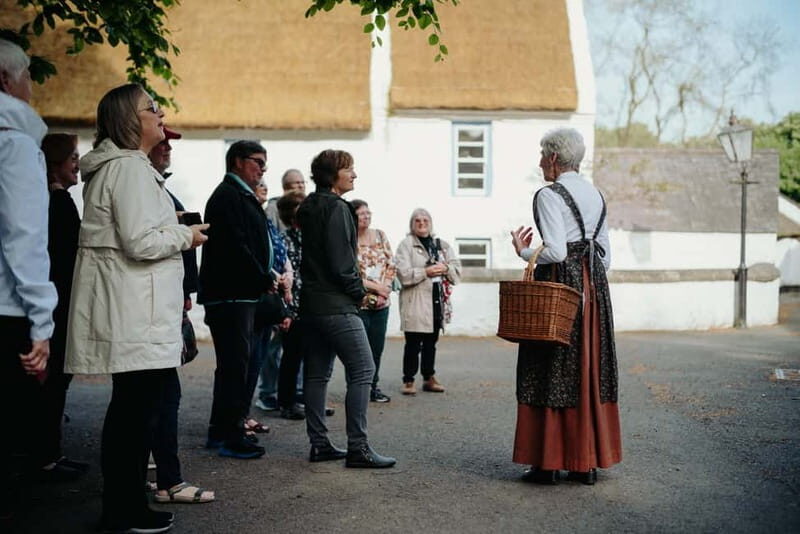
The Ulster Folk Museum is at its best when skills are being shown in real time. Crafts are one of the museum’s main “engines,” and you’ll see hands-on demonstrations throughout the day. Based on what’s offered there, you can expect activity such as:
- Traditional wool weaving
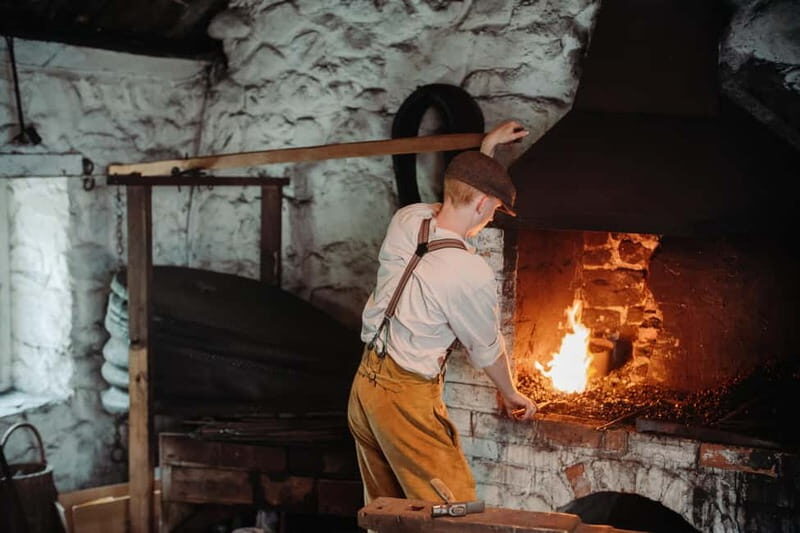
- Blacksmithing
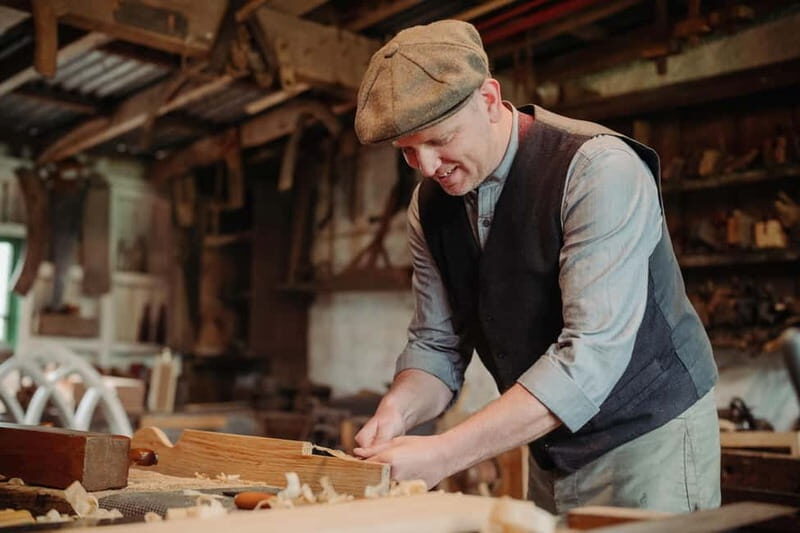
- Heritage carpentry
- Traditional Irish bread baking
In a museum like this, crafts do more than entertain. They give you a lens for everything else. Once you watch weaving, a cottage layout starts to make sense. Once you see blacksmithing, a tool or gate stops looking like a decorative prop. And once you see bread baking, you start to connect daily life with materials, heat, and time.
If you’re planning your day, give yourself time for these moments. Don’t treat them like a side show. Treat them like “time anchors” and build your route around when you can catch demonstrations.
Tip: the museum’s outdoor layout can make you feel like you’re always walking. When you see an active demonstration area, it’s a great time to pause, watch long enough to follow the process, then continue your walk with new context.
Workshops, shops, and interiors: where small details pay off
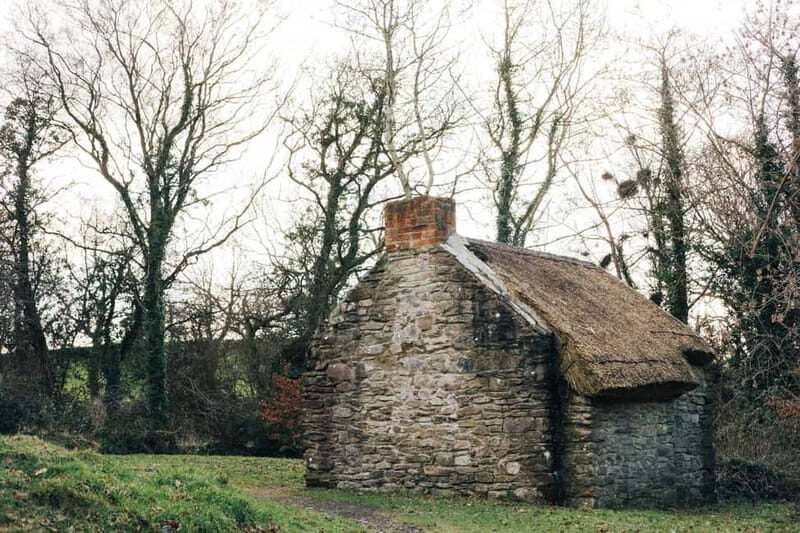
Beyond the big demonstrations, the Town area includes a lot of smaller spaces that make the place feel whole—shops, trading spaces, and working-type rooms that mirror what you’d expect in an older Ulster village.
Two standouts for me are the period-style picture house and the shop experience tied to sweets and traditional trading. The picture house gives you a sense of entertainment and community life, while the shops help you understand the economy and routines of everyday buying and selling.
One shop detail worth seeking out is Carruth’s Corner Shop, where sweets are weighed out using vintage-style ounce weights. If you’re the kind of person who likes how things actually work, this is a fun stop because it turns a “small” detail into a whole experience. It’s not just a shop display—you can see the measuring approach used in older trading.
You can also read our reviews of more museum experiences in Belfast

McCusker’s Pub and the food break options
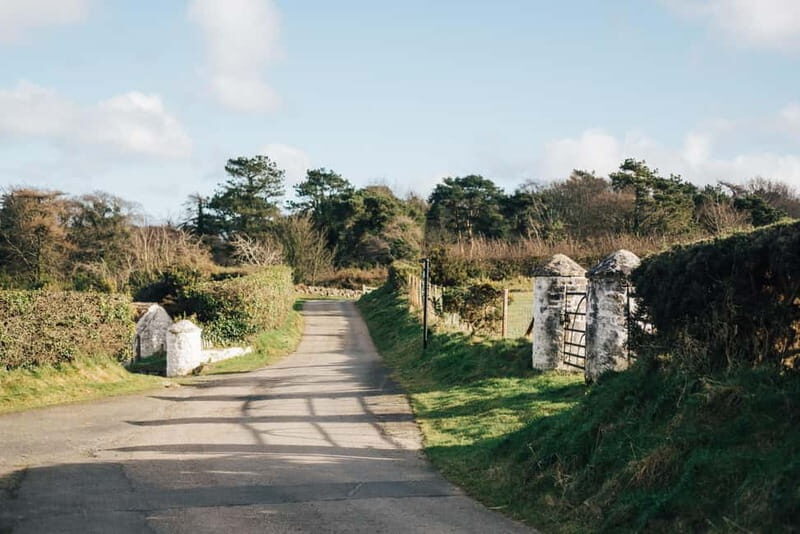
Part of what makes the museum feel like a real village is that it doesn’t pretend people didn’t eat and drink. In the Town area, the McCusker’s Pub exhibit building is now a fully licensed pub, so it’s a straightforward place to pause and reset.
For lighter food, you can head to Ballycultra Tearoom for refreshments. Food and drinks aren’t included with your ticket, so budget for at least one paid snack or meal stop if you don’t bring anything with you.
You also have a very practical option: bring a picnic and use the picnic benches on site. This is especially smart if you’re trying to keep a tighter budget or if weather swings mean you want control over what you eat.
The Rural Ulster area: farm life beyond the village front door
After you’ve spent time in Ballycultra, the Rural area shifts the story from town routines to country work and farm life. This is where you connect the museum to the wider countryside around Belfast—the rolling hills and country lanes feel like they match the setting the museum is trying to evoke.
What you’ll find here includes:
- Whitewashed farmhouses and native dwellings scattered through fields
- A full working farm with animals
- Traditional farming techniques used in the farm setting
This area works well if you want the “how did people live day to day” answer. The town shows community spaces and everyday commerce. The rural section adds the harder work side of life—food production, animal care, and labor that’s visible even if you aren’t an expert on agriculture.
If you’re traveling with kids, this is also where you’ll likely see the fastest interest. Animals and outdoor spaces tend to hold attention longer than indoor exhibits.
Outdoors all day: how to pace your visit without getting tired
Because a big chunk of the museum is outdoors, comfortable walking matters. The ground can include uneven surfaces like cobblestones and small gravel areas. That’s not just a comfort issue; it affects how much you’ll enjoy it. When your feet start to ache, you stop noticing the details that make this place worth it.
My practical advice:
- Wear comfortable footwear with good grip
- Dress for the weather, since you’re outside much of the time
- Plan short breaks, especially between the Town and Rural areas
Directional signage is another consideration. The museum does give you a complimentary map, which you should use from the start. If you feel slightly lost, it’s not a sign you’re doing something wrong—it’s just an open-air site with lots of paths and buildings.
Best timing: catching demos and avoiding the worst weather
This is one of those attractions where timing improves the experience. If you can visit during drier stretches, you’ll enjoy the walking more and spend more time in outdoor areas without feeling rushed to escape the rain.
Also, demonstrations make timing worthwhile. Since crafts and interpreters operate daily, you’ll want to keep some flexibility in your schedule so you can catch at least a few active stations rather than only seeing displays.
Opening hours can vary, and the museum is closed on Mondays except for some Northern Ireland bank and public holidays. Always check the museum’s website before you plan the day, since outdoor attractions really don’t forgive last-minute surprises.
Who should book this Ulster Folk Museum ticket?
This ticket is a good fit if you want history you can walk through and touch indirectly through process and setting. It’s especially strong for:
- Families looking for a hands-on day
- People interested in crafts and trades
- Visitors who like villages, interiors, and period-style architecture
- Travelers who want a full-day experience near Belfast without needing a complicated plan
If you’re the type who wants a detailed guide narrating every building, you might feel like you’re missing something. This entry is self-guided, so your best learning moments will come when costumed guides and demonstrators are active. You’ll still get a lot, but you’ll be doing more of the reading and noticing yourself.
Should you book the Ulster Folk Museum entry ticket?
I’d book it if you want an authentic-feeling day that mixes village streets, real countryside, and daily craft demonstrations. The pricing feels fair because you’re buying time plus access to both town and rural areas, and the museum isn’t locked to a single room or a single exhibit.
I wouldn’t prioritize it only if you hate outdoor walking, want nonstop explanations everywhere you look, or you’re hoping food is included with the ticket. You’ll need to wear proper shoes and plan for snacks or a picnic. Also, be ready for some gaps in wayfinding—use the map and follow what’s active in the moment.
If you get your day right—comfortable shoes, a bit of flexibility for demonstrations, and weather-aware pacing—this is exactly the kind of museum that turns history into something you can actually picture in your mind.
FAQ
What does the Ulster Folk Museum entry ticket include?
Your ticket includes entry to the museum, a self-guided visit, on-site car parking, a complimentary visitor map, and access to both Town and Rural areas. It also includes daily demonstrations by craft makers and costumed guides.
How long can I spend at the Ulster Folk Museum?
There’s no time limit to your visit on the day. It’s designed to work as a full-day experience.
Where do I go when I arrive?
Go to the Ticket Kiosk upon arrival at the main Ulster Folk Museum car park.
Is the museum open every day?
No. The museum is closed on Mondays, except for some Northern Ireland bank and public holidays. Check the museum website for the latest opening hours.
Is the museum wheelchair accessible?
Yes, wheelchair access is listed for the museum.
Is food included with the ticket?
Food and drinks are not included. You can use the Ballycultra Tearoom for refreshments or bring a picnic to enjoy at the museum.