REVIEW · BELFAST
Belfast: Private Black Taxi Tour with Guide
Book on GetYourGuide →Operated by TucksTours · Bookable on GetYourGuide
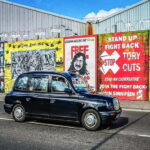
Two Belfast stories, one taxi ride. You’ll ride in a black Mercedes Vito with a local, fully insured guide, moving from Falls Road murals toward Shankill and the places tied to the peace process.
I love the mural stops, especially the world-famous MYSELF artwork on the Falls Road and the closing look at the Bobby Sands mural. I also like how the tour mixes everyday streets with hard history, from Crumlin Road Gaol to Clonard Monastery.
The topic can feel heavy, and at 1.5 hours the route moves fast, so you may want more time afterward if you want extra reflection.
In This Review
- Key highlights worth planning for
- Why Belfast’s Black Taxi Tour Works So Well
- Falls Road to Shankill Road: A Route Built for Context
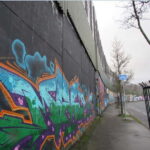
- Murals on the Falls Road: MYSELF and the Streets That Speak
- Crumlin Road Gaol: When Prison Walls Explain the Troubles
- Bombay Street and Clonard Monastery: The 1998 Peace Talks Connection
- What the Guide Experience Feels Like (Thomas, Tucker, Mark, Robert, Brandon)
- Price and Value: Why $88 Can Make Sense Here
- Logistics That Matter: Timing, Language, and Comfort
- Who This Tour Fits Best (and Who Might Skip It)
- Should You Book This Belfast Black Taxi Tour?
- FAQ
- How long is the Belfast Private Black Taxi Tour?
- Is this tour private or shared?
- What language is the guide?
- What vehicle and pickup are included?
- What stops are included on the route?
- Is food included in the tour price?
- Can I cancel, and is there a refund?
Key highlights worth planning for
- A private, local guide who can explain what you’re seeing without turning it into a debate club
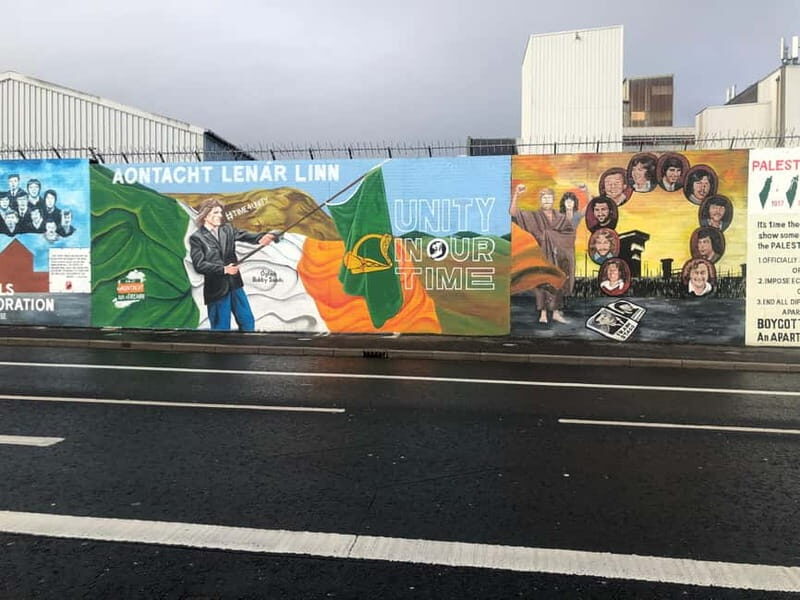
- Falls Road street art, including the MYSELF mural
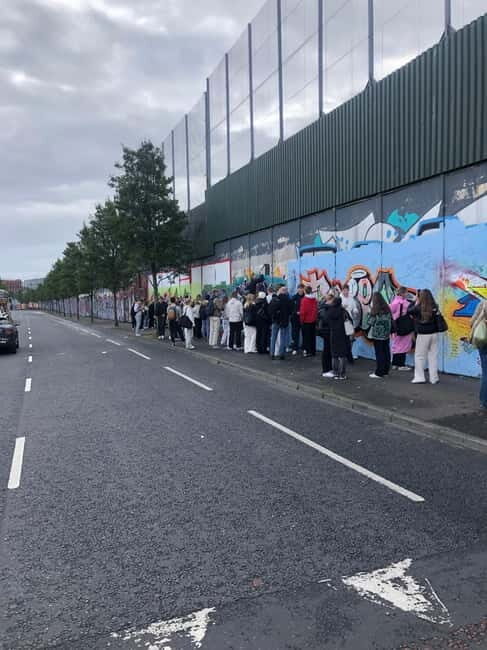
- The peace walls and Shankill Road, with context for daily life during the Troubles
- Crumlin Road Gaol, including what happened before prisoners were transferred to the Maze Prison
- Clonard Monastery and the 1998 peace talks, plus a stop at Bombay Street
Why Belfast’s Black Taxi Tour Works So Well
A private Black Taxi tour is one of the most practical ways to understand Belfast. You’re not just driving past landmarks. You’re getting the story at street level, with a guide who helps you connect political events to real neighborhoods.
This one is built around a clear logic: start on the Falls Road, cross the divide toward Shankill Road, then follow the lines of conflict and negotiation into Crumlin Road and the peace process. Even if Belfast is new to you, the route is designed to help you get your bearings fast and then make sense of what you see.
The vehicle matters too. You’re picked up in a black Mercedes Vito, and the ride quality is a big deal here (transport scored very high with near-perfect marks). That means you can focus on listening, not wrestling with cramped logistics during a longer topic.
You can also read our reviews of more guided tours in Belfast
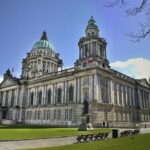
Falls Road to Shankill Road: A Route Built for Context
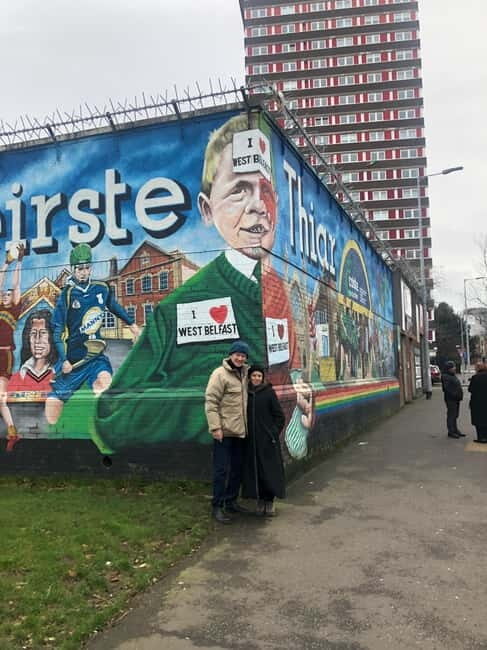
You’ll begin on the Falls Road, one of Belfast’s most talked-about areas for Irish community culture and political expression. The mood is different right away. Walls, street art, and everyday details all seem to carry meaning, and your guide helps you read it instead of just photographing it.
From there, you’ll travel through the peace walls toward the Shankill Road. This is one of the key reasons to book a guided version. Those walls are physical, but they also represent decades of separation—so the explanation helps you understand why the geography feels tense even when the city looks calm.
On Shankill Road, you’ll learn about loyalist culture and daily life during the Troubles, plus the longer arc of peace and reconciliation. The goal isn’t to make you choose sides. It’s to show you how people experienced the same era from different streets, different assumptions, and different fears.
If you only do one Belfast overview, do it with a plan like this. Otherwise, you can end up with a few photos and a lot of confusion.
Murals on the Falls Road: MYSELF and the Streets That Speak
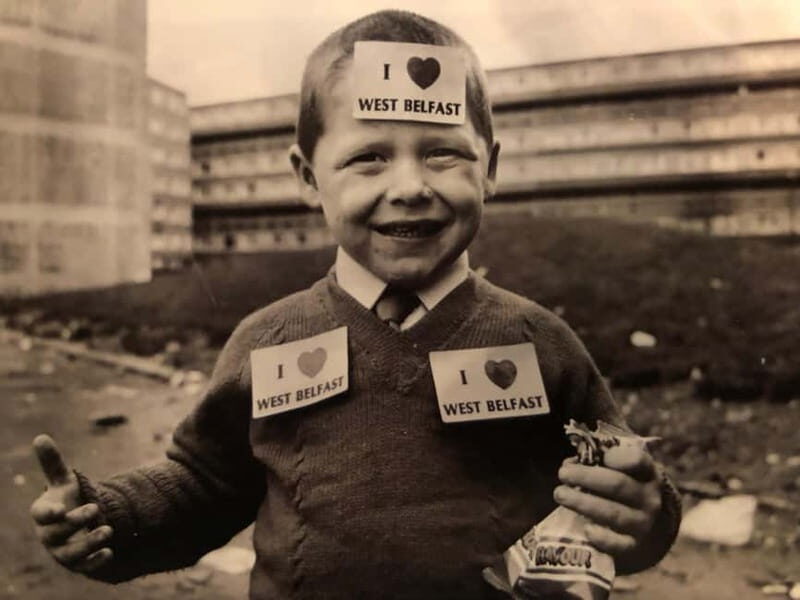
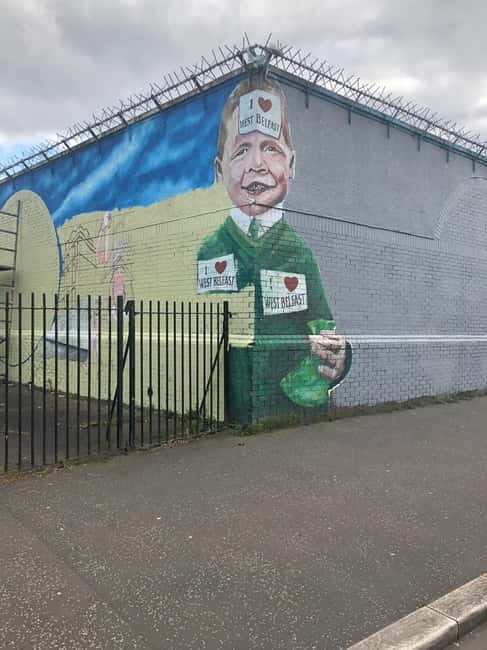
The MYSELF mural on Falls Road is the kind of artwork that makes you stop. It’s famous for a reason, and it works because it isn’t just decoration. It’s a message wrapped in identity.
What I like about a stop like this is that it gives your brain an anchor point. Once you understand what you’re looking at—who it represents, what it responds to, and why it remains in public view—the rest of the tour hits harder in a good way.
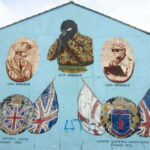
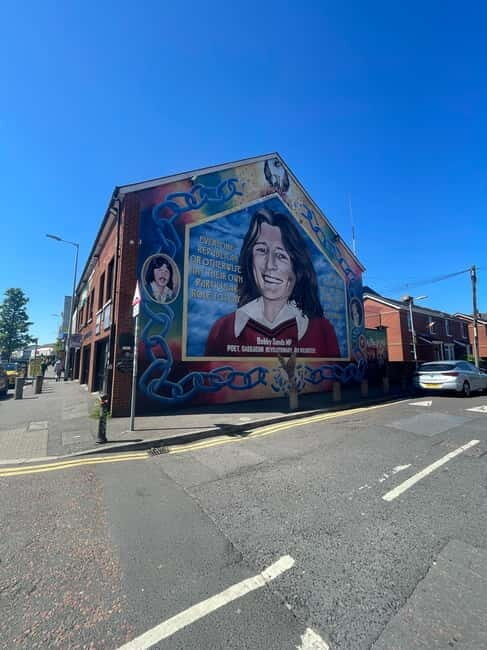
You’ll also end back on the Falls Road with a powerful mural stop at Bobby Sands. That closing moment matters. It turns the tour from a drive-and-see experience into a reflection on Belfast’s past and present, and it gives you a chance to connect earlier facts with the human stakes behind them.
Tip for your visit: bring a notebook or notes app. You don’t have to write much. Just jot down a few names, events, or phrases your guide repeats. Those become your next search terms when you’re back in your lodging.
Crumlin Road Gaol: When Prison Walls Explain the Troubles
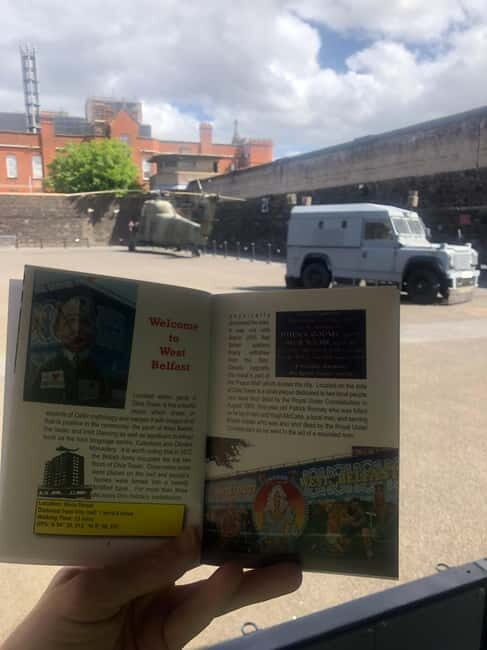
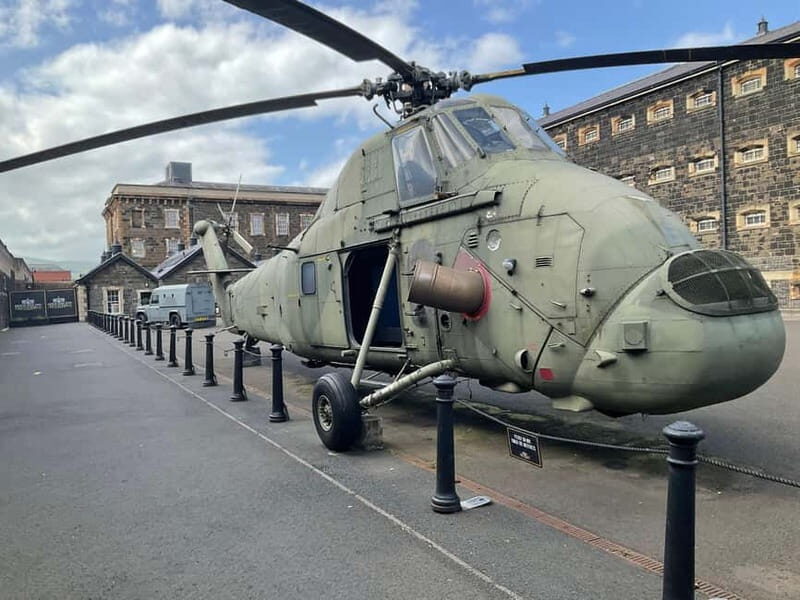
Next comes Crumlin Road Gaol, a former prison in Belfast. This is where the tour shifts from symbols to systems. Murals tell you how people felt and who they were. The gaol helps you understand how the conflict was managed—and how it affected ordinary lives.
Your guide will point out that prisoners from both sides were held here before they were transferred to the Maze Prison. That detail is important because it shows Belfast wasn’t just one long standoff—it was a network of places, processes, and decisions that shaped outcomes.
One practical thing: expect the tone to get more serious here. This isn’t a stop you rush past. If you’re the type who gets uncomfortable with difficult history, it still might be worth doing—but go in knowing it’s meant to be respectful and sober, not thrilling.
The upside? After Crumlin Road Gaol, your understanding tends to click. You stop thinking of the Troubles as abstract headlines and start seeing the structure behind them.
Bombay Street and Clonard Monastery: The 1998 Peace Talks Connection
After Crumlin Road, you’ll pass Bombay Street, and then you’ll visit Clonard Monastery. This stop is tied to the peace process, including its role as a site connected to 1998 Good Friday Agreement-era talks.
Clonard Monastery gives a different lens than murals or prisons. It’s about how dialogue happened at real places, not just in statements. Even if you don’t know Belfast’s politics before the tour, the monastery stop helps you understand that negotiation took time, effort, and space for conversation.
It’s also a useful counterbalance. The tour has you move through heavy, polarized history. Clonard helps you see why reconciliation wasn’t instant—and why it still requires work after the headlines move on.
If you’re curious about what peace looks like on the ground, this is the part that answers it.
You can also read our reviews of more private tours in Belfast



What the Guide Experience Feels Like (Thomas, Tucker, Mark, Robert, Brandon)
This tour lives or dies on the guide. On this route, you want someone who can keep the story clear, stay respectful, and explain how different communities see the same events.
Past departures with guides such as Thomas, Tucker, Mark, Robert, and Brandon show a pattern: people respond when the guide grows up in the area or has a close connection, because it changes the tone from lecture to local storytelling. One guide gave extra attention to representing both sides respectfully, while another focused on making the tour feel like spending time with a friend who actually lives there.
You may also get practical Belfast advice along the way. One guide, Tucker, is noted for helpful local tips on where to eat and drink after the tour. That’s not a random perk—it helps you turn a history lesson into a real visit.
And yes, the experience can get emotional in places. A good guide helps you sit with that instead of rushing you past it.
Price and Value: Why $88 Can Make Sense Here
At $88 per person for 1.5 hours, you’re paying for three things at once: a private guide, a private Black Taxi ride, and access to context you won’t get from a quick self-guided walk.
This can be great value if you’re short on time. Belfast is not the kind of city where you can easily “wing it” if your goal is to understand the Troubles, the peace walls, and the neighborhoods that shaped them. The tour saves you the guesswork—what to look at, what it means, and where to focus your attention.
It’s not automatically value for everyone. If you’re the type who prefers quiet, independent exploration, you might find the time tight—especially given the emotional density of key stops like Crumlin Road Gaol. But if you want guided structure, the cost fits the format.
Also note what’s not included: food isn’t part of the tour. Plan a meal before or afterward, so you can stay fully present during the stops.
Logistics That Matter: Timing, Language, and Comfort
This is a private group tour with a live guide in English. The language part is big. Complex history gets easier when you’re hearing it spoken clearly, not trying to translate on the fly from signage.
The tour runs for 1.5 hours, and that duration is both a strength and a limitation. Strength, because you can fit it into a tight Belfast schedule. Limitation, because you’ll be moving and listening, not lingering.
Pickup is included at an agreed location, and you’ll ride in that black Mercedes Vito. Having transportation handled helps here because you’ll want to focus on the stops and not on coordinating routes across Belfast’s different neighborhoods.
If you’re trying to plan photo time, remember this: the best photos here are often the ones you take while the guide is explaining. Then you’ll know what you photographed.
Who This Tour Fits Best (and Who Might Skip It)
This tour is a strong match if:
- you want a structured overview of Belfast that connects neighborhoods to events
- you’re okay with serious subject matter and want it handled thoughtfully
- you like murals and street-level history, but you also want the backstory
You might want to skip or pair it with something else if:
- you hate political or conflict-based history
- you need lots of silent time in places like prisons or memorial-related murals
- you’re traveling with someone who finds the Troubles too distressing
For most people, this tour hits the sweet spot: it’s guided enough to make sense, short enough to fit, and balanced in how it approaches multiple viewpoints.
Should You Book This Belfast Black Taxi Tour?
I’d book it if you want understanding, not just sights. The route makes sense: Falls Road first, then the peace walls and Shankill Road, then Crumlin Road Gaol, Bombay Street, and Clonard Monastery, finishing back on Falls Road with the Bobby Sands mural. That structure helps your brain connect symbolism, daily life, and negotiation.
I would not book it if you’re looking for an upbeat, casual stroll. Belfast here is honest and heavy in places. Do it anyway if you can handle that reality—and if you’ll give the guide your attention for the full 1.5 hours.
One last practical tip: after the tour, plan a meal and a calm walk. You’ll process better when your schedule allows a little space.
FAQ
How long is the Belfast Private Black Taxi Tour?
The tour lasts 1.5 hours.
Is this tour private or shared?
It’s a private group tour.
What language is the guide?
The live tour guide speaks English.
What vehicle and pickup are included?
Pickup is included from an agreed location, and you ride in a black Mercedes Vito.
What stops are included on the route?
You’ll see the Falls Road (including the MYSELF mural), travel to Shankill Road through the peace walls, view Crumlin Road Gaol, visit Bombay Street, and stop at Clonard Monastery, then return to the Falls Road area for a mural stop at Bobby Sands.
Is food included in the tour price?
No. Food is not included.
Can I cancel, and is there a refund?
Yes. You can cancel up to 24 hours in advance for a full refund.