REVIEW · BELFAST
Belfast: Murals Taxi Tour
Book on GetYourGuide →Operated by XploreBelfastMurals · Bookable on GetYourGuide
Murals here tell the whole story. On this historic black taxi tour, I like how you get Divis Tower context fast and then hear the Peace-era story behind the Peace Line as you write a message there. One thing to consider: the tour is short, and the topics can feel heavy, so you’ll want to pace yourself and ask questions early.
I also like the private, hotel-to-hotel feel, because it makes space for real conversation with guides such as Sean, Edward, Jim, Dan, and Nigel. Multiple guides bring lived-in perspective and a careful, respectful tone, even when you’re discussing segregation and political violence.
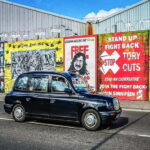
The only curveball: even though the experience is described as a black taxi tour, some people note the vehicle can be a modern Mercedes-style van. Either way, you’ll be comfortable in air-conditioned transport, and yes, Belfast rain is a real factor.
In This Review
- Quick take: what makes this tour worth your time
- Why Belfast murals work better from a taxi than on your own
- The 90-minute route: what you’ll see, in plain order
- Divis Tower: a starting point for understanding the Troubles
- International Wall: murals as a living conversation
- The Peace Line: history, segregation, and daily locking
- West Belfast murals: learning the story through the art
- Bombay Street and the memorial garden: where the story begins
- Crumlin Road Gaol: segregation in concrete form
- Lower Shankill: Protestant murals and Belfast’s other side
- Guides make or break it: what I’d look for in your driver
- Price and value: is $51 for 90 minutes fair?
- What to expect from the taxi experience in real life
- Who this tour suits best (and who should think twice)
- Should you book the Belfast Murals Taxi Tour?
- FAQ
- FAQ
- How long is the Belfast Murals Taxi Tour?
- What does the price include?
- What vehicle is used for the tour?
- Is this tour private or shared?
- Is the tour wheelchair accessible?
- Where do you go on the tour?
- Can you write on the Peace Wall?
- Is free cancellation available?
Quick take: what makes this tour worth your time
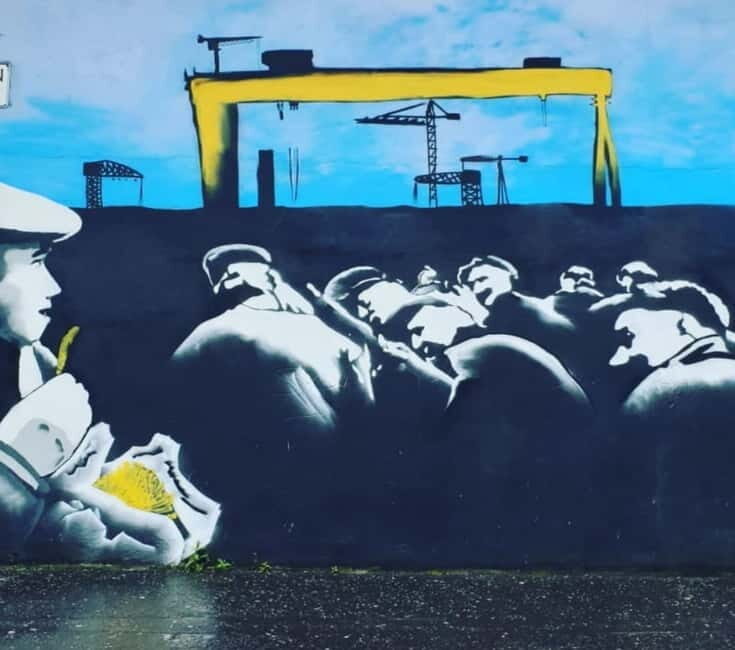
- Divis Tower photo stop with clear explanations of why this area matters during the Troubles
- International Wall murals plus current artwork tied to ongoing identity and memory
- Peace Line history and a message-writing moment that turns viewing into participation
- West Belfast and Lower Shankill murals so you see both sides of the divide
- Bombay Street stop and memorial garden where the Troubles are framed from a starting point
- Crumlin Road Gaol themes focused on segregation and how communities were separated
Why Belfast murals work better from a taxi than on your own
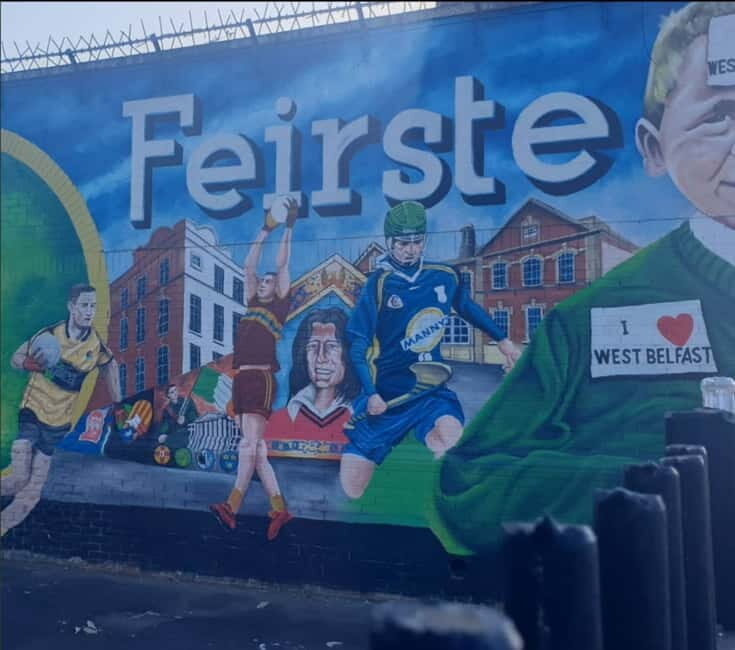
If you walk Belfast’s mural streets by yourself, you’ll see the art, but you might miss the why. This tour is built for interpretation: you’re not just passing walls, you’re getting the story behind the symbols, names, and events painted into the neighborhood.
I like the pace because it’s practical. In about 90 minutes, you cover Falls Road and Shankill Road areas that many first-timers can’t confidently navigate on foot in one day, especially with weather in the mix. And the taxi format matters here. You can cross between areas, stop for photos, and keep moving without the stress of finding each site.
You’ll also get a sense of Belfast’s living memory. The murals aren’t museum pieces; they’re part of how people talk about identity, belonging, grief, and politics every day.
You can also read our reviews of more tours and experiences in Belfast.

The 90-minute route: what you’ll see, in plain order
This is a compact tour with multiple photo stops and short, focused stretches of learning. Hotel pickup and drop-off keeps it easy, and the private format means you can ask follow-up questions instead of waiting your turn.
You start by heading first to a major height point: Divis Tower. Then you move through mural sections that connect the city’s past to what you see now. After that, you cross into more clearly defined community areas and finish back where you began, at your hotel.
Here’s how the sequence tends to feel as you move through it.
Divis Tower: a starting point for understanding the Troubles
Divis Tower is the opening “anchor” stop. You’ll take photos and hear why this location became important during the conflict, and what the built environment can signal during tense times.
Why it’s valuable: starting with one obvious landmark helps you keep the rest of the route straight in your head. Instead of a list of murals, you get a map-like framework for the story: where the trouble was, how communities felt separated, and how memory stayed on the street.
International Wall: murals as a living conversation
Next comes the International Wall, where current murals sit in dialogue with older political themes. You’ll learn how the artwork communicates identity and public memory, not just aesthetics.
I like this stop because it’s where the tour starts to feel more present. You can see how murals act like community messaging, and not like distant history.
A practical note: plan on slowing down for photos. The wall art can be detailed, and you’ll want time to frame key panels without being rushed back into the taxi.
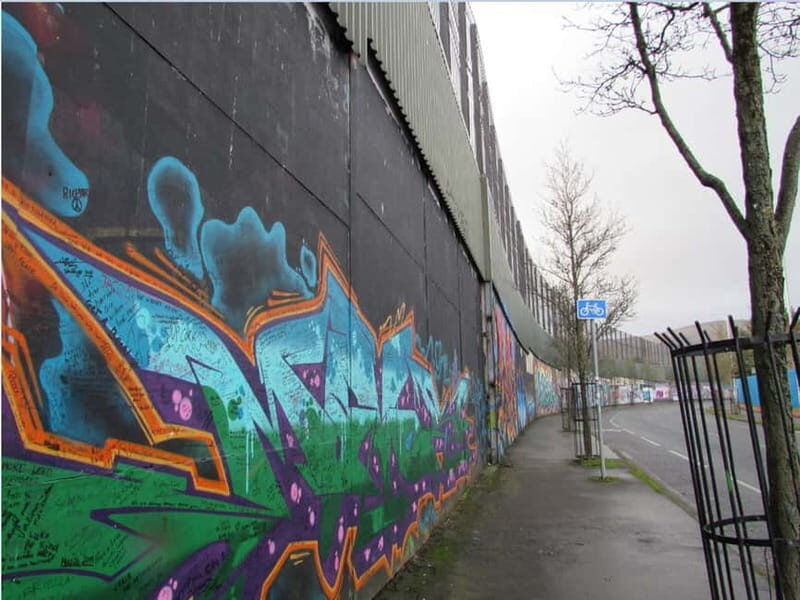
The Peace Line: history, segregation, and daily locking
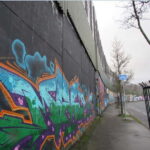
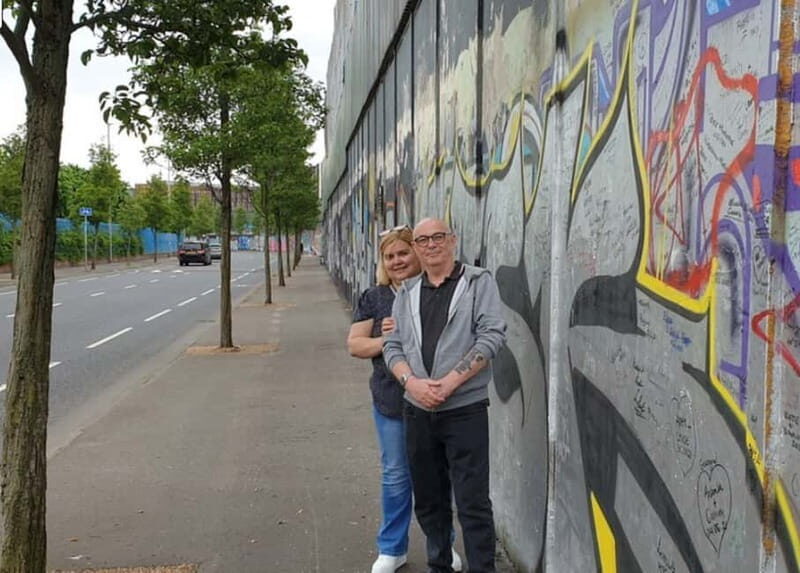
Then you reach the Peace Wall area. You’ll hear its history and why it gets locked daily. That one detail helps you understand the wall as a daily routine, not only a symbol.
You also get a hands-on moment: you’ll write a message on the wall. It’s a small action, but it changes the feel of the stop. You’re no longer only looking at other people’s memory—you’re participating in the idea of remembrance and hope.
One consideration: with this subject matter, silence can happen. If you’re the type who hates emotional topics on tours, this might feel intense. If you want context for why the city looks the way it does, it’s one of the most meaningful moments.
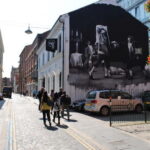
West Belfast murals: learning the story through the art
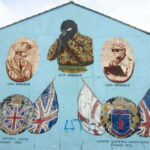
After the Peace Line, you head into West Belfast to see several political murals and hear what they represent. You’ll get explanations that connect key events and figures to the visual style and placement of the artwork.
This part matters because it shows how murals can function like local “chapters.” You’ll start to notice themes such as community identity, political symbolism, and how remembrance is shaped by who is painting, who is allowed to be seen, and what is being emphasized.
If you come in expecting only a one-sided narrative, you’ll want to listen carefully. A strong guide helps you see the art as a product of conflict and community, not just propaganda.
Bombay Street and the memorial garden: where the story begins
Next comes Bombay Street, known as a place where the Troubles are considered to have started. You’ll visit the memorial garden, with context on what happened and why it matters.
I appreciate this stop because it shifts from murals as ongoing messaging to murals as direct response. The garden gives you somewhere to slow down and absorb that the street-level story includes civilian cost, not just political statements.
Bring a little time for this stop. Photos are fine, but reading the context around the memorial helps you make sense of why the tour spends so much time on flags, symbols, and names.
Crumlin Road Gaol: segregation in concrete form
Before you head further into Shankill territory, you’ll hear about political segregation at Crumlin Road Gaol. This is one of the moments where the tour stops feeling like sightseeing and starts feeling like education about systems—how communities were separated and how that separation played out.
Why it’s worth including: walls and murals are visible, but the gaol story helps explain the mechanism behind the visuals. You begin to see how the city’s physical separation mirrored people’s daily reality.
Lower Shankill: Protestant murals and Belfast’s other side
Finally, you move into Lower Shankill, Belfast’s main Protestant area. Here you’ll see some of Shankill’s most important murals and learn their history.
This last section is important for balance. You’ll get the chance to compare how different communities express identity through street art and public memory. If you’ve been to other divided cities, you’ll recognize a pattern: murals are rarely neutral. They’re a local language for grief and pride.
One small caution to keep expectations realistic: some people note you don’t always see murals in every garden stop on one side. The tour still gives you the key themes and landmarks, but the amount of visible street art can vary block by block.
Guides make or break it: what I’d look for in your driver
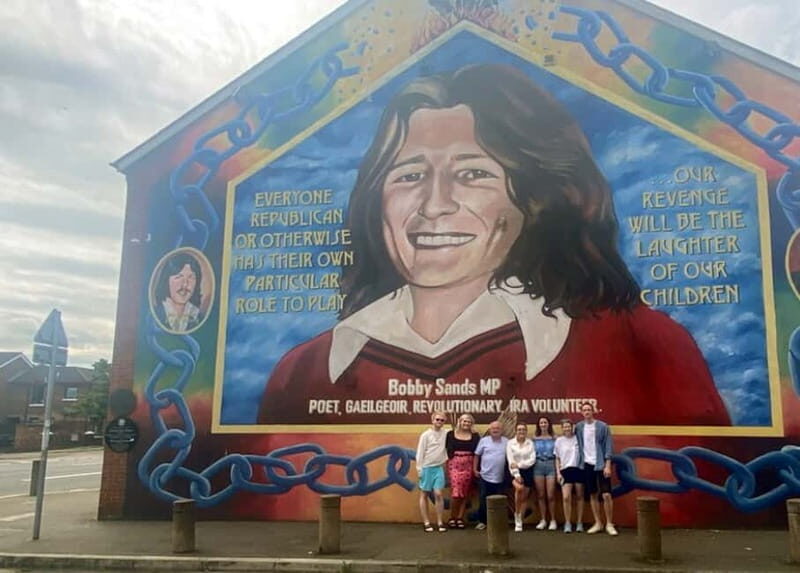
This tour is only 1.5 hours, so your guide’s style matters a lot. The strongest versions of the experience come from guides who can explain complex politics without turning it into a lecture.
I’ve seen a clear pattern in the way guides are praised: they’re patient, they encourage questions, and they keep a respectful tone even when the topic gets hard. Names that come up again and again include Sean, Edward, Jim, Dan, and Nigel. People specifically appreciate when a guide uses a personal Belfast perspective while still explaining the larger story clearly.
What to do: bring 1 or 2 questions you actually care about. Examples:
- How should I read a mural symbol that I don’t recognize?
- Why do the Peace Walls get locked daily?
- How did places like Bombay Street change Belfast’s identity afterward?
If your guide is good, those questions won’t feel awkward. They’ll feel like the tour is working as it should.
Price and value: is $51 for 90 minutes fair?
At $51 per person for a 1.5-hour private taxi tour with hotel pickup, the value depends on what you want from your Belfast time.
Here’s how I’d think about it:
- If you want a self-guided walk, you’ll likely spend less money. But you’ll also miss the connecting tissue: why murals look the way they do and what the symbols mean in local context.
- If you want a structured route with short stops, photo time, and a guide who can answer questions on the spot, you’re paying for interpretation and convenience.
The private format is the big value driver. It’s not just transport; it’s tailored pacing. And because the itinerary hits several key sites—Divis Tower, International Wall, Peace Line, Bombay Street, Crumlin Road Gaol, and Lower Shankill—a taxi is the most practical way to do it in a single sitting.
Also, the transport is described as private and air-conditioned, and people repeatedly highlight comfort and vehicle cleanliness. That’s not glamorous, but after a rainy day it matters.
What to expect from the taxi experience in real life
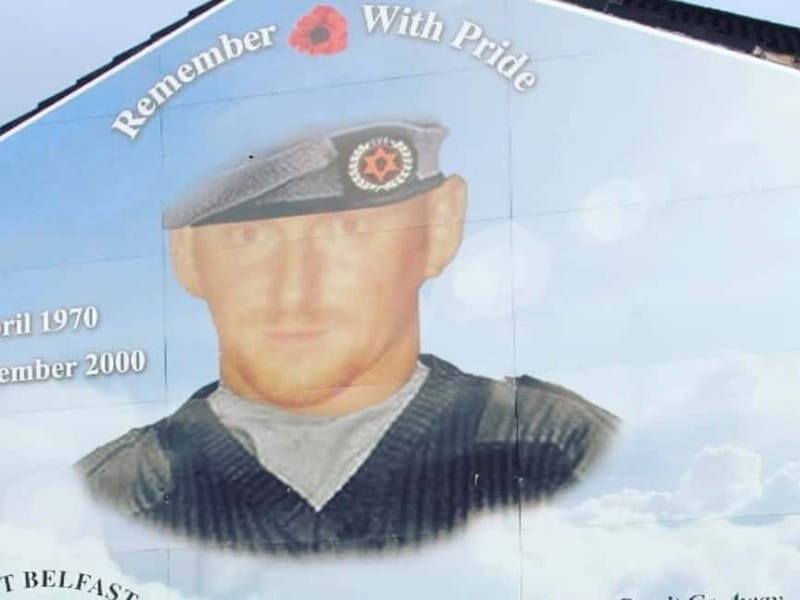
The tour uses a historic black taxi style, but some people report it can be operated in modern Mercedes-type vans. Either way, the practical goal stays the same: comfortable seating, quick movement between neighborhoods, and clear stops.
Weather matters in Belfast. More than one guide is praised for handling rain well, including being ready with umbrellas. If you don’t love damp streets, you’ll appreciate that you’re not stuck walking between far-apart mural clusters.
One more practical tip: treat the stop time as photo + learning time, not just picture-taking. If you rush the learning, you’ll miss why certain murals are placed where they are.
Who this tour suits best (and who should think twice)
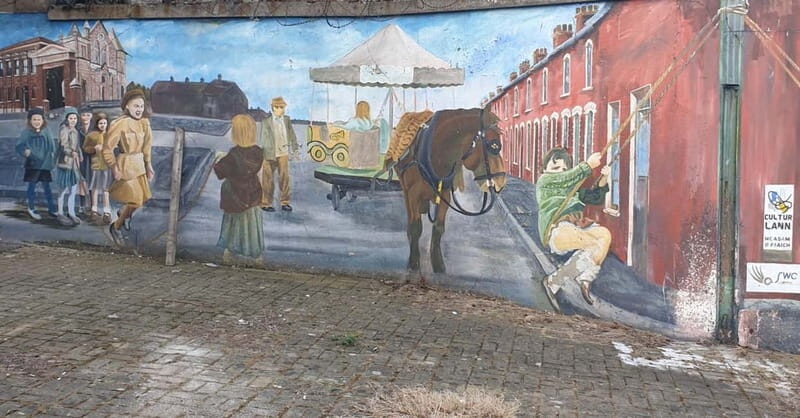
This is best for you if:
- You want context for Belfast’s Troubles-era murals without getting lost or misreading symbols
- You prefer guided storytelling over self-guided guessing
- You’re visiting for a short time and want several key locations in one go
- You like asking questions and learning from local lived perspective
You might think twice if:
- You strongly prefer light, non-emotional sightseeing
- You’re expecting a purely visual mural photo walk with no serious political context
- You’re sensitive to topics involving conflict, segregation, and remembrance
Should you book the Belfast Murals Taxi Tour?
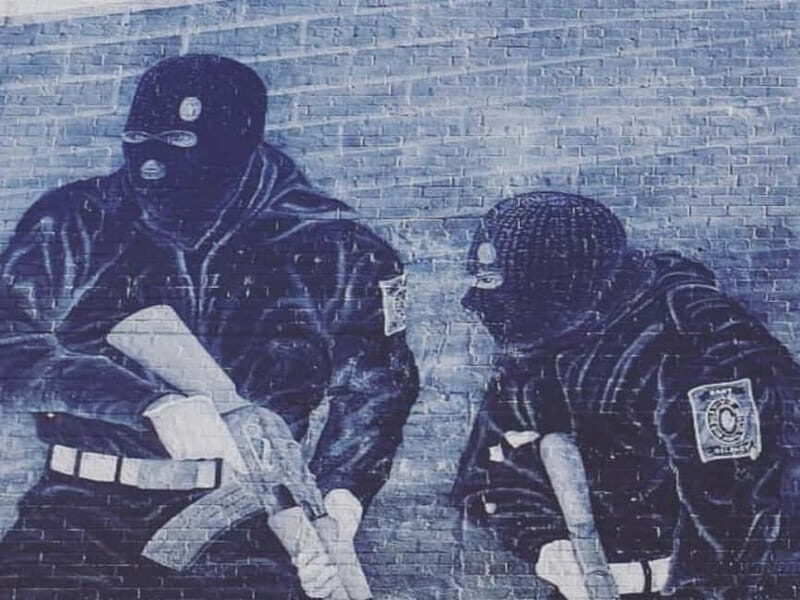
I’d book it if you care about understanding Belfast beyond the headline attractions. This tour gives you a tight route through the areas that shape the city’s identity, and the guide-driven explanations turn walls into meaning.
If you’re deciding between spending your time on murals versus something else, consider this: murals in Belfast are not just decoration. They’re public memory in paint. In about 90 minutes, you can learn enough to keep interpreting what you see afterward, even when you’re back on the street without a guide.
Go in with curiosity, dress for rain, and don’t be shy about questions. The experience works when you treat it as education, not just a photo stop.
FAQ
FAQ
How long is the Belfast Murals Taxi Tour?
The tour lasts about 1.5 hours.
What does the price include?
The price includes hotel pickup and drop-off, plus private air-conditioned transportation and a live English guide.
What vehicle is used for the tour?
The tour takes place in a historic black taxi.
Is this tour private or shared?
It’s a private group.
Is the tour wheelchair accessible?
Yes, it’s described as wheelchair accessible.
Where do you go on the tour?
You’ll visit stops including Divis Tower, the International Wall, the Peace Wall, Bombay Street with a memorial garden, Crumlin Road Gaol, and Lower Shankill, with mural viewing in both Catholic and Protestant areas.
Can you write on the Peace Wall?
Yes. At the Peace Wall stop, you’ll hear its history and write a message on the wall.
Is free cancellation available?
Yes. You can cancel up to 24 hours in advance for a full refund, and you can reserve now and pay later.