REVIEW · BELFAST
Belfast an Eclectic/Real local City Walking/Experience .
Book on GetYourGuide →Operated by Belfastology Walking Tours · Bookable on GetYourGuide
Old stones, new spray paint, one great walk. This Belfast experience ties street art to the city’s architecture and history, moving from today back into the past and ahead to what’s next. It’s the kind of tour that helps you read the city instead of just passing it.
Two things I really like: the clear Troubles timeline that explains what you’re looking at, and the way the guide brings in everyday Belfast details like industrial growth, famous locals, and connections that many visitors miss. The small group format also makes it easier to ask questions and keep the pace human.
One consideration: you’ll cover a good amount on foot, and it’s not a match for people with mobility impairments or hearing limitations. Plan on bringing the right shoes and staying ready for all kinds of Belfast weather.
In This Review
- Key Highlights You’ll Actually Feel
- Starting at Belfast City Hall: Where the Tour Finds Its Tempo
- Street Art That Works Like Footnotes, Not Just Decoration
- The Troubles Timeline: Getting Clarity Without Overload
- From Humble Beginnings to Industrial Giant: Reading the City’s Backbone
- City Hall to the Waterfront: Architecture Stops That Make Sense
- Lesser-Known Connections, Including the Anti-Slave Trade Thread
- Hidden Stops and Off-Beat Advice You Can Use Immediately
- What the 2.5 Hours Feels Like on Your Feet
- Who This Tour Fits Best (And Who Should Skip It)
- Price and Value: Why $27 Can Be a Bargain
- Should You Book This Eclectic Belfast Walk?
- FAQ
- Where do I meet the guide for the Belfast walking tour?
- How long is the tour?
- How much does it cost?
- How big is the group?
- What language is the tour in?
- Is a ticket included, and is there a way to skip lines?
- Can I cancel for a full refund?
- Do they offer reserve now and pay later?
- What restrictions should I follow during the walk?
Key Highlights You’ll Actually Feel
- Troubles context built into what you see on the streets
- Street art with meaning, including non-political works that still tell Belfast stories
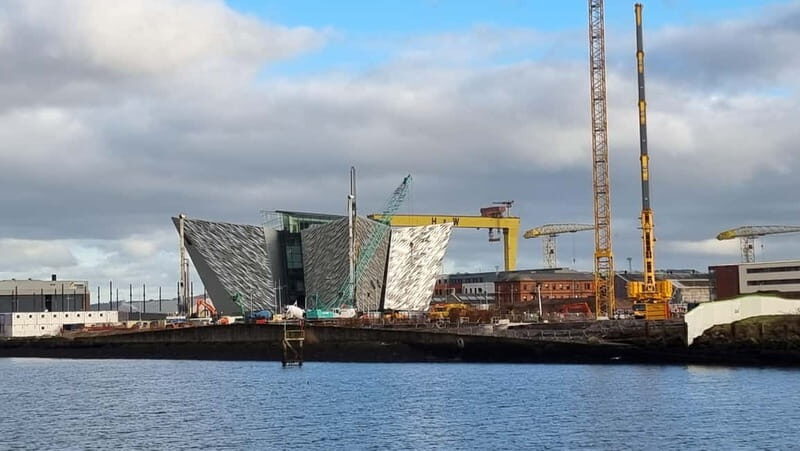
- City Hall area start, then moving toward major waterfront sites
- Industrial Belfast explained, from humble beginnings to an industrial giant
- Lesser-known connections, including ties to the anti slave trade
- Marti’s local reach, with practical tips after the walk
Starting at Belfast City Hall: Where the Tour Finds Its Tempo
The tour starts at the pavement outside the grounds of Belfast City Hall, and your guide is easy to spot: a blue checkered backpack. That matters more than you’d think. In a city center, meeting points can turn into a mini scavenger hunt. Here, it’s straightforward, and you can focus on the walk.
What I like about beginning at City Hall is that it sets a clean baseline. You’re not starting in the middle of a museum lesson. You start in a civic space that signals how Belfast thinks about itself—then you’re quickly asked to look at the surrounding streets like they’re pages of a timeline.
From there, the walk keeps a simple rhythm: you get present-day scenes, then the guide layers in what built them, what broke them, and what’s shaping them now. The route is designed so you don’t just hear history. You connect it to real corners, real buildings, and real street art.
You can also read our reviews of more walking tours in Belfast

Street Art That Works Like Footnotes, Not Just Decoration
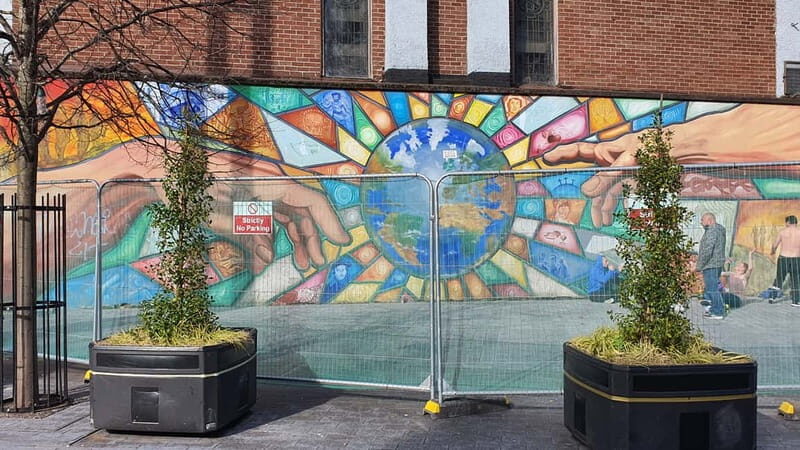
This is a street art-forward tour, but it’s not paint for paint’s sake. You’ll see murals and other works that help explain Belfast’s past, especially through public art that signals identity, memory, and community tensions. You’ll also run into non-political street art, which is a smart move because it prevents Belfast from feeling like a one-issue city.
A good street art tour should do two things well: teach you how to look and tell you why it exists. Here, that’s built into the guide’s approach. You’re encouraged to notice placement, style, and what’s being referenced, then you’re given the background so the art stops being a random wall.
If you’re picturing “big mural, short explanation, move on,” this tour feels different. The guide links what’s on the street to the broader story: how Belfast grew, how communities changed, and how the city’s visual language reflects those shifts. It’s especially useful if you’ve only got a day or two in Belfast and want more than the postcard version.
The Troubles Timeline: Getting Clarity Without Overload
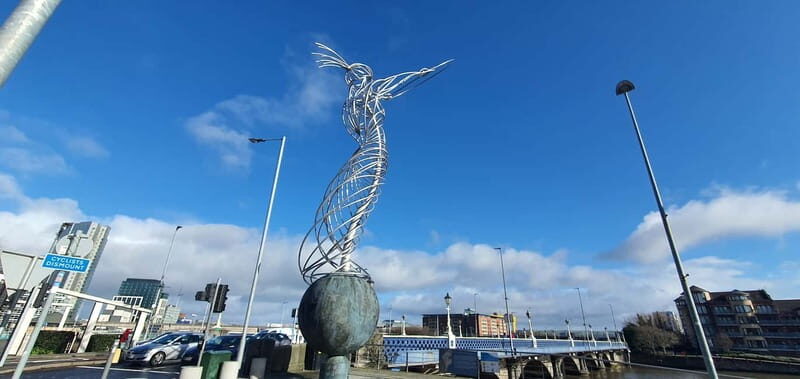
The “Troubles” section is a big reason people book this walk. You get a description of the Troubles as part of Belfast’s history timeline, and it’s handled in an approachable, easy-to-follow way. The goal isn’t to shock you with details. It’s to help you understand the city landscape you’re standing in.
What makes this valuable is how practical it is. Belfast’s history shows up in architecture, street-level landmarks, and the way communities describe themselves. When you don’t have context, you miss why some places feel different—why certain murals look like they’re responding to something, or why particular buildings and streets matter.
The guide also uses humor in a dry, light way, which keeps the tone balanced. That matters because you’re covering heavy topics in a walking format. I like that the tour keeps the mood steady rather than tipping into grim.
From Humble Beginnings to Industrial Giant: Reading the City’s Backbone
Belfast didn’t arrive as a modern city of glass and cranes. It grew into an industrial powerhouse through hard work, changing trade, and major shifts in how people lived and worked. This tour touches that arc, starting with Belfast’s humble beginnings and building up to how it became an industrial giant.
Why this part matters for your visit: industrial growth helps explain what you see in buildings and street patterns. Even when the city has been renewed, older structures and layouts still influence where money, people, and power concentrate.
And the tour doesn’t stop at “then and now.” You also hear how the present-day city is thinking about the future—how development and renewal affect different communities. So you walk away with a better sense of why Belfast is changing, not just that it is.
City Hall to the Waterfront: Architecture Stops That Make Sense
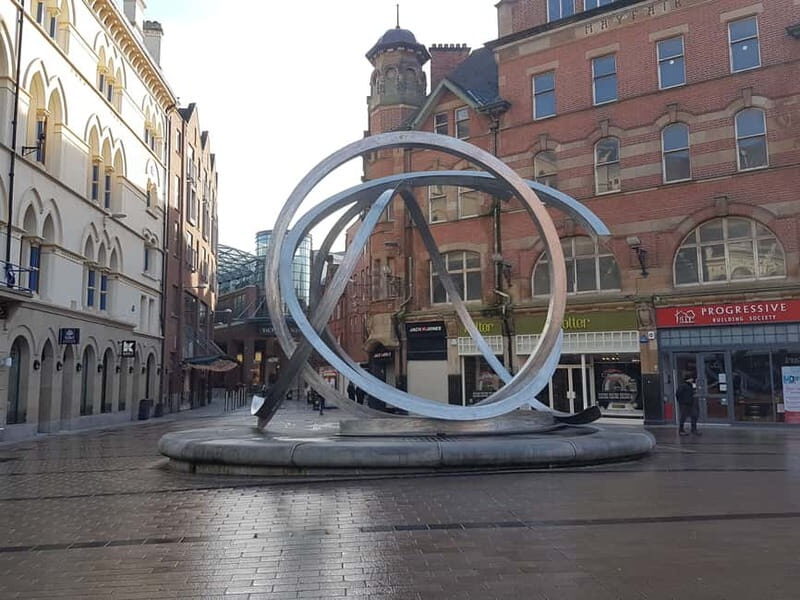
Two named highlights you’ll encounter are Belfast City Hall and Waterfront Hall (ICC Belfast). That’s a smart pairing. City Hall gives you the civic spine. Waterfront Hall gives you the city’s public-facing, event-and-visitor energy.
Along the way, the architecture commentary is the kind that helps you look better. Instead of only pointing at famous facades, the guide connects buildings to what Belfast needed at different times. You start to notice how the city presents itself when it wants to look official and stable, then you notice the street-level details that show what’s lived-in and contested.
Also, these areas help you pace the tour. You’re walking, but you’re not just moving through blank streets. You’re stopping where the city’s “voice” is loud enough to be heard.
You can also read our reviews of more city tours in Belfast





Lesser-Known Connections, Including the Anti-Slave Trade Thread
One of my favorite parts of this tour is that it doesn’t keep everything tightly inside local politics. You’ll learn about Belfast’s connections to the anti slave trade, plus other lesser-known facts and links that most visitors won’t run into on their own.
That kind of detail changes how you think about the city. It reminds you that history isn’t just local drama; it’s also trade, migration, economics, and decisions made far beyond Belfast’s boundaries. When a guide includes this, the walk feels more like “understanding a place” than “collecting landmarks.”
You also hear about famous locals and what they’re remembered for. Even when you recognize only a name or two, it gives you something to hold onto later when you’re reading on your own or comparing different parts of the city.
Hidden Stops and Off-Beat Advice You Can Use Immediately
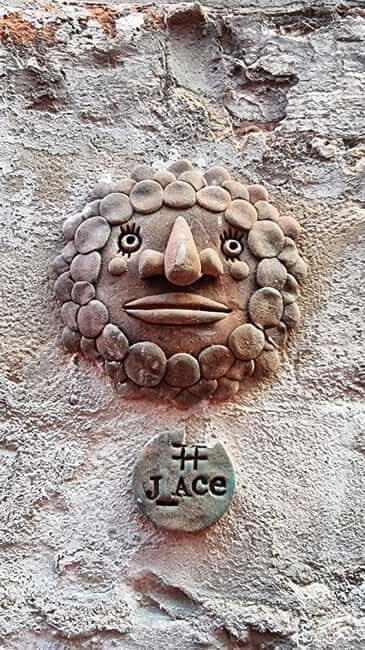
A big strength here is that you get more than the obvious sights. The tour is designed to include hidden or off-beat spots—places you likely wouldn’t find without local guidance. That’s partly about choosing the right streets, and partly about asking the guide to point out what matters.
The walk also has a “local follow-through” feel. In particular, I love the practical way the guide helps you after the tour. You might be directed toward good places to wine and dine, and you may even get help with something simple like finding the correct bus stop if your day is moving fast.
That follow-up is underrated. It’s the difference between a tour that ends when the walking stops, and a tour that actually improves the rest of your itinerary.
What the 2.5 Hours Feels Like on Your Feet
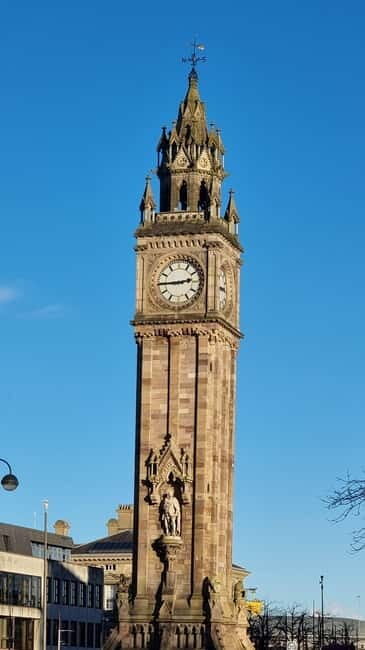
This is a small-group tour limited to 8 participants, lasting 2.5 hours. That combination usually means two things: you’re not stuck behind a crowd, and you’re not rushed through stops just to keep everyone moving.
But you do need to plan for walking. You’ll be on your feet the whole time, and you should assume the weather can change quickly. Bring comfortable shoes, plus warm clothing, rain gear, and even a sun hat. Belfast weather loves to keep things unpredictable.
Two extra notes based on the rules: vaping isn’t allowed, and bags aren’t allowed either. Also, sports shoes aren’t listed as allowed, so wear something comfortable that still fits their expectations.
If you’re traveling with mobility limits or a medical condition that affects your ability to walk for 2.5 hours, this one may be the wrong fit.
Who This Tour Fits Best (And Who Should Skip It)
This is ideal if you want a quick-but-thoughtful orientation to Belfast’s real personality. You’ll especially appreciate it if you’re interested in:
- Street art with context
- How history shows up in everyday streets
- Architecture beyond simple sightseeing
- A balanced explanation of the Troubles within a broader timeline
It’s not ideal if you need accessibility support for mobility impairments or if hearing limitations affect your ability to follow a walking guide. And because it’s a walking format, it’s also less suitable if pre-existing conditions make steady movement difficult.
If you’re the type who likes asking questions, you’ll get more out of it. A small group makes it easier for the guide to keep the tour personal rather than generic.
Price and Value: Why $27 Can Be a Bargain
At $27 per person for 2.5 hours, this tour sits in the affordable category, especially considering what’s included: a native helpful guide, live English narration, and the option to skip the ticket line where that applies.
But value here isn’t just the price tag. It’s what the guide adds to your day:
- You understand what you’re seeing in street art
- You get a Troubles framework you can remember
- You learn lesser-known connections like the anti slave trade
- You get practical local help afterward
If you’ve only got a limited time in Belfast and want a tour that improves your self-guided exploring afterward, this is the kind of spend that often pays off.
Should You Book This Eclectic Belfast Walk?
I’d book it if you want Belfast to make sense fast. The tour’s mix—street art, architecture, Troubles context, and off-beat stories—is a strong match for first-timers and return visitors who want a fresher lens.
Skip it if walking for 2.5 hours is hard for you, if hearing limitations make group narration difficult, or if you’re looking for a fully seated, low-effort experience. Otherwise, this is a solid way to get beyond the obvious and start seeing Belfast like a local.
FAQ
Where do I meet the guide for the Belfast walking tour?
You meet the guide on the pavement outside the grounds of Belfast City Hall, and the guide is wearing a blue checkered backpack.
How long is the tour?
The duration is 2.5 hours.
How much does it cost?
The price listed is $27 per person.
How big is the group?
It’s a small group limited to 8 participants.
What language is the tour in?
The tour is in English.
Is a ticket included, and is there a way to skip lines?
The tour includes a guide and skip the ticket line is listed as part of the experience.
Can I cancel for a full refund?
Yes. You can cancel up to 24 hours in advance for a full refund.
Do they offer reserve now and pay later?
Yes. There is a reserve now & pay later option, so you can book without paying today.
What restrictions should I follow during the walk?
Vaping isn’t allowed, bags aren’t allowed, and sports shoes aren’t allowed. You should also dress appropriately for all weathers.