REVIEW · BELFAST
Belfast: City Highlights Bike Tour
Book on GetYourGuide →Operated by Belfast Bike Tours Ltd · Bookable on GetYourGuide
Belfast by bike makes history feel close. This 3-hour Highlights ride ties together big landmarks like the Titanic Quarter and the Peace Wall, plus the street-level texture you miss on a quick stop. You get guided context as you pedal through parts of the city that shaped its modern identity.
I especially love the way the tour balances set pieces with everyday atmosphere—think Cathedral Quarter streets, murals, and market life around St George’s Market. I also like that your guide, often David in many of the experiences I read about, keeps the conversation about The Troubles even-handed and human, not angry or one-note.
One thing to consider: you’ll share roads and crossings with pedestrians and traffic, so the ride asks for focus and patience. If you’re sensitive to busy intersections, build in extra mental calm and keep a steady line with the group.
In This Review
- Key highlights to look for
- Getting rolling at Fountain Centre, with a straightforward start
- City Hall to a quick orientation: learning the layout fast
- St George’s Market: where Belfast shows up on foot
- Titanic Belfast and the slipways area: seeing Belfast’s industrial identity
- Cathedral Quarter streets: murals and stories in walking-distance color
- Kent Street and the move toward the Peace Wall
- The Peace Wall: writing on it turns a stop into a moment
- A local bar visit: the day ends with everyday Belfast
- How 3 hours actually works: pacing that fits a short trip
- Bikes, helmets, and safety: the real-world checklist
- Why $47 feels like a good deal for this route
- Who this Belfast highlights bike tour suits best
- Should you book this Belfast Bike Tours highlights ride?
- FAQ
- Where does the tour start?
- How long is the Belfast highlights bike tour?
- What’s included in the price?
- What’s not included?
- What areas and landmarks does the tour cover?
- Is the tour guide English-speaking?
- Do I need to bring anything?
- Is the tour suitable for wheelchair users?
- Can I cancel for a refund?
- What’s the biking like in real conditions?
Key highlights to look for
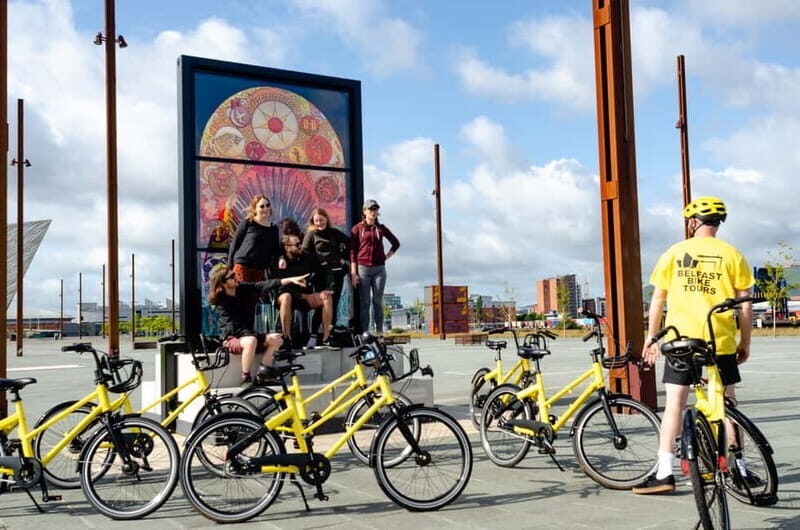
- A Peace Wall moment you can actually do: you stop to write on the wall.
- Titanic Quarter visuals without the bus shuffle: quick stops at Titanic Belfast and the slipways area.
- Cathedral Quarter + murals: photo stops that match the stories you’re hearing.
- Local texture breaks: a stop at St George’s Market and a short local bar visit.
- Guide-led context on The Troubles: explained with care, not slogans.
Getting rolling at Fountain Centre, with a straightforward start
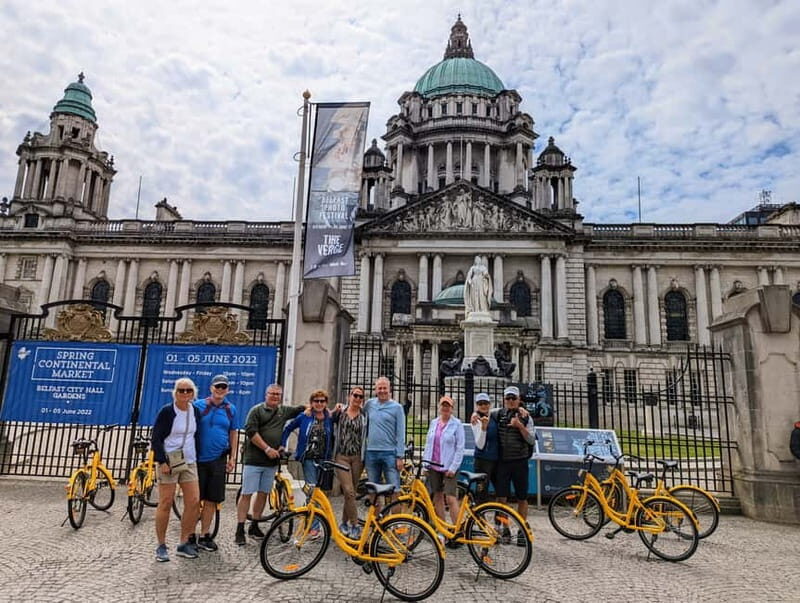
The tour starts at the Fountain Centre area, but your meeting point is clearly set at Queen Street by the bike shop right on the corner of College Street and Queens Street. Look for signage and bikes out front, then you’re ready to match up with the group and get your helmet.
This is the kind of meeting plan that saves time. You’re not hunting for a van, not waiting on hotel lobbies, and not figuring out where a tour “thinks” it is. Since hotel pickup and drop-off aren’t included, arriving under your own steam is part of the experience.
You’ll ride a Dutch-style city bike, which matters more than it sounds. These bikes are built for practical control and comfort, so you’re spending your energy on noticing Belfast—not fighting your seat or your handlebars.
You can also read our reviews of more cycling tours in Belfast


City Hall to a quick orientation: learning the layout fast
Right after you roll out, you’ll hit Belfast City Hall for a brief bike stop. It’s a smart opening. You get an instant sense of scale and civic architecture, and your guide can set the theme for the day: Belfast’s history, its rebuilding, and the way different neighborhoods express that story.
Then there’s a shorter stop described as a secret stop—mostly a quick photo moment with a guided look. Even without specifics on the exact spot, the point is clear. Your guide uses these brief pauses to steer you toward what matters: street angles, sightlines, and small details that connect to the bigger landmarks ahead.
If you’ve never biked in a city before, this early stretch is where you learn how the group rides. It’s also where you get the confidence to relax into the day.
St George’s Market: where Belfast shows up on foot
St George’s Market is one of those stops that gives the bike tour a real sense of place. You get a break time plus a visit and some shopping, so you can reset before the bigger draw of the Titanic area.
This is also where the tour feels less like a checklist. Even if you don’t buy anything, you see how Belfast moves: stalls, chatter, and the everyday rhythm of a market that’s become a landmark itself.
Practical note: wear closed-toe shoes, since you’ll be stepping around and possibly spending a few minutes off the bike. If the weather turns, you’ll appreciate having weather-appropriate clothing too.
Titanic Belfast and the slipways area: seeing Belfast’s industrial identity
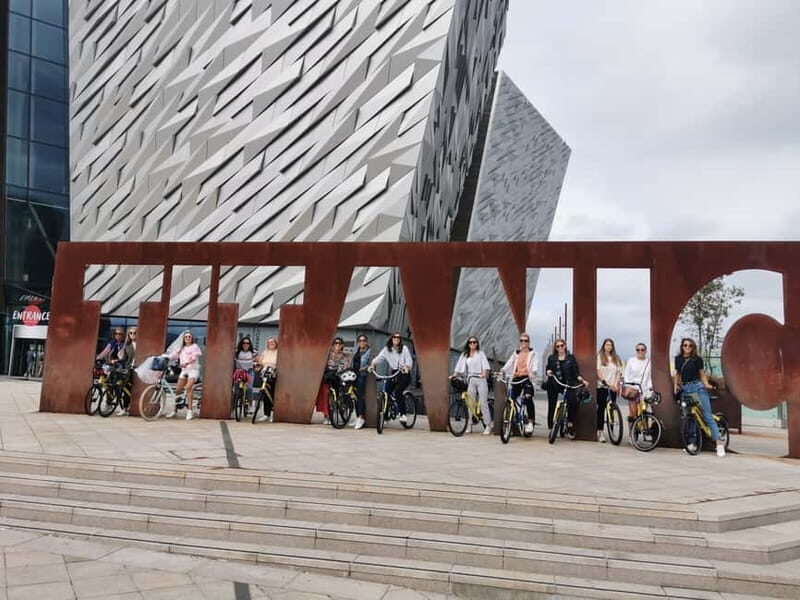
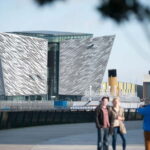
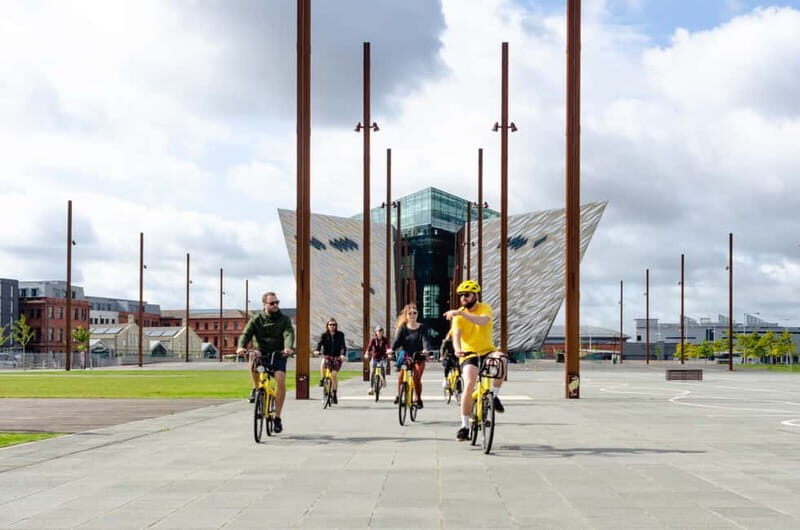
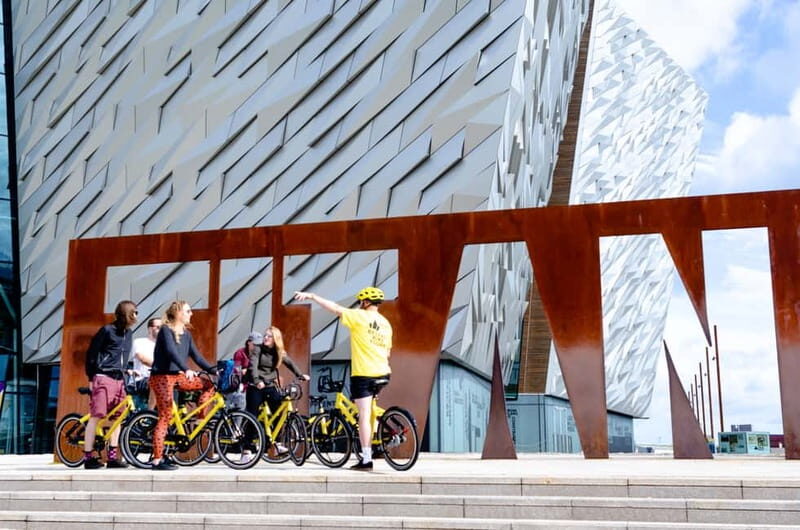
The Titanic stop is a main event. You’ll have a photo stop plus time for sightseeing at Titanic Belfast, guided and paced so you can absorb it without feeling rushed.
But the payoff for a bike tour is what happens next: you also see where the Titanic was built at the Titanic Slipways. That pairing is useful. Titanic Belfast gives you context, while the slipways route connects the story to the actual place.
In a short 3 hours, this is one of the best ways to combine “what” and “where.” You don’t just hear the legend—you see the geography that made it possible.
If you love ships, engineering, or industrial history, this section will likely be your favorite. If you don’t, you might still enjoy it because the tour doesn’t treat it like a distant museum story. It frames it as part of Belfast’s modern self-image.
Cathedral Quarter streets: murals and stories in walking-distance color
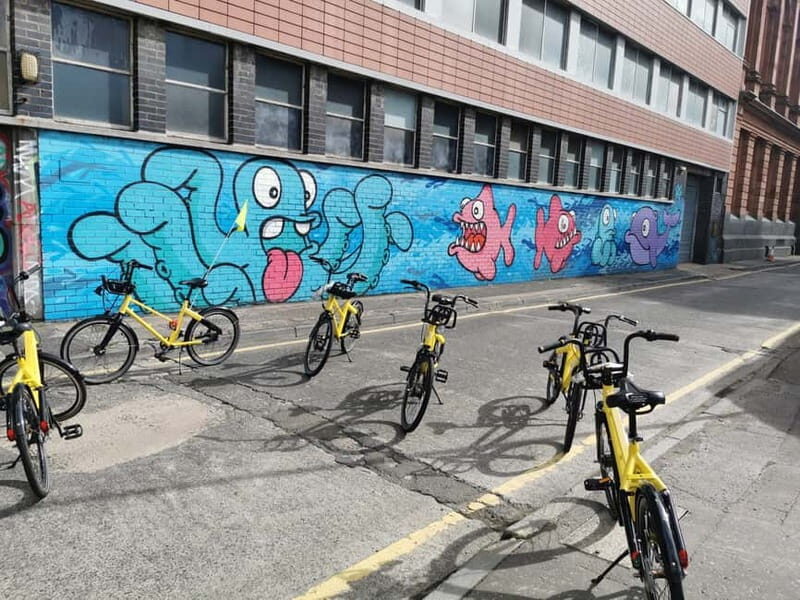
After Titanic, you shift gears into the Cathedral Quarter area. You’ll have a photo stop and visit here, with time that’s designed to help you look closely rather than coast past.
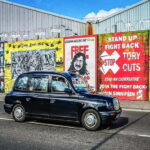
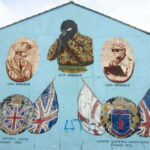
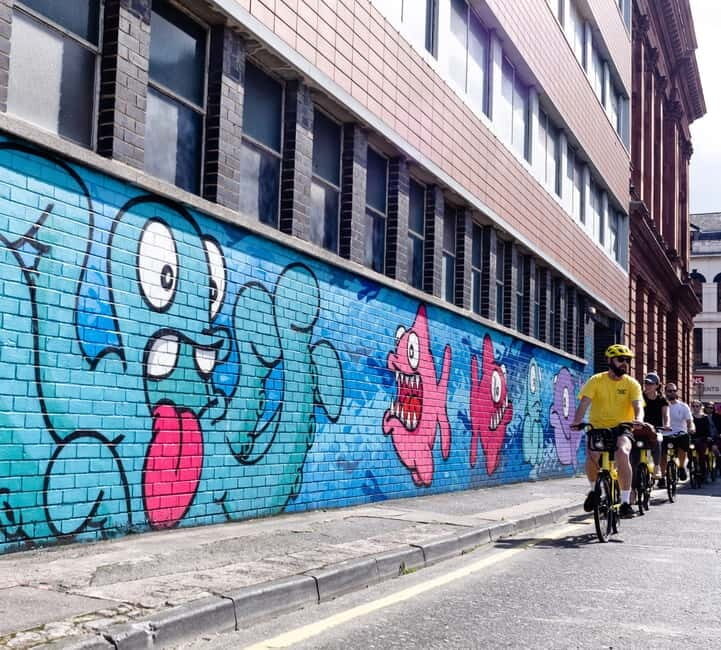
This is one of the tour’s signature wins. The Cathedral Quarter is known for atmosphere, and your guide brings it alive with background that helps the murals and streets make sense. You’re not just snapping photos—you’re learning why the imagery and the architecture show up the way they do.
You’ll also cover more ground around the neighborhood than you could easily do on foot in the same time. That’s the “bike advantage” in action: you’re moving fast enough to reach multiple Belfast highlights, but stopping often enough that you still feel like you’re sightseeing, not commuting.
You can also read our reviews of more city tours in Belfast

Kent Street and the move toward the Peace Wall
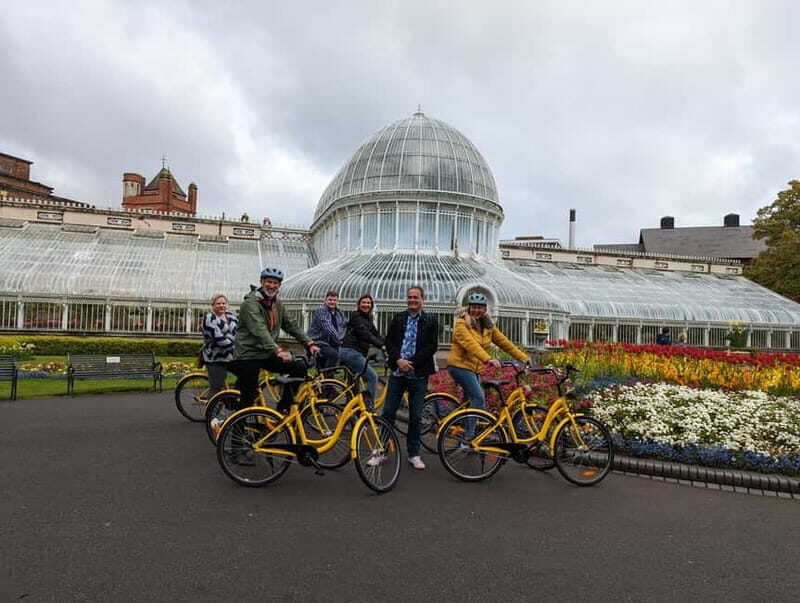
Kent Street is another set-up point in the route: photo stop, visit, sightseeing, then back on the bike. This part of the tour works like a transition.
It’s where the day’s mood starts to shift. You go from landmark viewing to lived context—Belfast’s layered identity, the marks left behind, and how people talk about conflict and change in the city today.
The guide’s storytelling is the key here. In many runs, David is repeatedly mentioned as sharp, witty, and very tuned in to safety and group flow. That blend helps you stay present even when the topic gets serious.
The Peace Wall: writing on it turns a stop into a moment
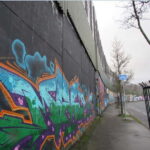
The Peace Wall stop is long enough to matter—photo stop, visit, guided tour, sightseeing, and then time for that signature action: leaving your mark by writing on the wall.
This isn’t a quick roadside glance. You’re guided through the meaning of what you’re looking at, then you get to add something personal. That turn—from observer to participant—is one reason this tour feels memorable beyond the landmarks.
Also, this is where the tour’s tone matters. Reviews tied to this experience repeatedly mention the guide being compassionate and even-handed when explaining The Troubles. That matters if you want context without being preached at, and it matters if you’re trying to understand a painful chapter of modern history without turning it into spectacle.
Be ready for a quieter headspace during this segment. Even if you’re just there for photos, give yourself time. If you rush, you miss the point.
A local bar visit: the day ends with everyday Belfast
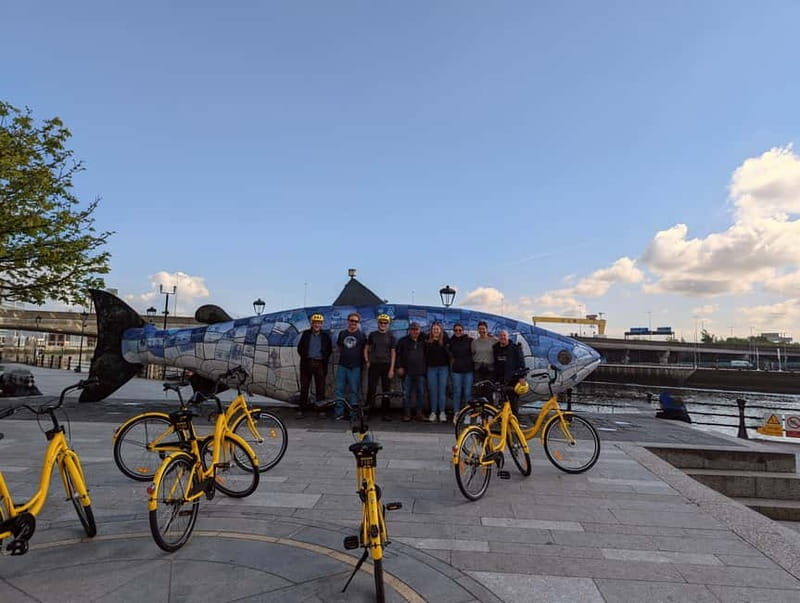
Near the end, you’ll stop at a local bar for a visit. It’s a shorter pause, but it rounds out the tour nicely.
Think of it as the “last mile” of learning: after you’ve covered major sights like Titanic Belfast and the Peace Wall, you get a glimpse of Belfast’s social texture. It’s the kind of stop that helps you understand that this city isn’t only memorials and museums. It’s also people, conversation, and daily life.
If you’re sensitive to crowds, this is where you can choose your comfort level. You can stay with the group and soak in the atmosphere, or keep it brief and head back when you feel you’ve gotten the vibe.
How 3 hours actually works: pacing that fits a short trip
Three hours sounds tight until you see how the tour uses it. You’re not stuck in one long transfer. Stops are frequent enough to break up the ride, but the transitions are short enough that you keep momentum.
In plain terms, this tour is built for people who want “Belfast highlights” without sacrificing time for other plans. You’re back at the Fountain Centre by the end, so you can connect to dinner, a museum, or a pub crawl of your own.
A key detail: the guide adjusts the flow when the city throws curveballs. Road closures are a real possibility in any city, and the tour has shown it can handle last-minute changes. That kind of flexibility can save your whole day, especially if your schedule is tight.
Bikes, helmets, and safety: the real-world checklist
You’ll get a bike and helmet included, and the riding is meant to be manageable for most visitors. Still, you’re in city traffic. One review notes that navigating traffic and pedestrians takes care, so treat intersections and crossings like mini tasks.
My practical advice: keep your eyes up, stay alert to brake taps from the rider ahead, and don’t assume everyone will move predictably. The group ride works best when everyone follows the guide’s pace and spacing.
Also, closed-toe shoes matter. You’ll be stepping on and off in real pavement conditions, and you’ll want footwear that feels stable.
If the weather changes during the tour, don’t panic. There’s been mention of guides helping with extra warmth items in challenging conditions, which tells me the tour team pays attention to comfort, not just the route.
Why $47 feels like a good deal for this route
At about $47 per person for a 3-hour guided bike experience, the value is in what’s included and what you avoid.
You’re paying for:
- a live English-speaking guide
- the bike
- the helmet
- guided stops across multiple major Belfast highlights
The real value is the geography. Instead of choosing between a Titanic-focused day or a Peace Wall day (and then missing the rest), you get both plus Cathedral Quarter and City Hall in one shot. That’s not just convenience; it’s also better context. Seeing these places in sequence helps you understand how Belfast’s past and present sit side-by-side.
Also, since hotel pickup and drop-off aren’t included, the cost stays more reasonable. You’re moving under your own plan, then enjoying a guided ride that does the hard part—connecting the dots across the city.
If you’re watching your budget and time, this is the kind of tour that pays back fast.
Who this Belfast highlights bike tour suits best
This is a strong fit if you:
- want to cover a lot of Belfast without cramming bus stops
- like history stories told on location, not just at the curb
- enjoy murals, neighborhoods, and photo stops
- want a structured way to understand The Troubles through an even tone
It may be less ideal if you:
- hate shared-road biking and prefer completely car-free routes
- have mobility needs beyond what’s supported (it’s not suitable for wheelchair users)
If you’re a solo traveler, this can also work well because the group ride gives you an instant sense of direction and safety. If you’re a couple, you’ll still get individual attention at stops, as long as you stay with the group.
Should you book this Belfast Bike Tours highlights ride?
If your goal is to get bearings quickly and still leave with real context, I’d book it. The combo of Titanic area stops, Cathedral Quarter murals, and the Peace Wall writing creates a Belfast picture that’s hard to assemble on your own in just a few hours.
I’d choose it especially if you want the story about The Troubles handled with care. The guide style mentioned across experiences—friendly, professional, and thoughtful—seems built for that.
The only strong reason to skip is if city biking will stress you out. If traffic and pedestrian mixing make you tense, pick another way to see Belfast.
If you do go, go with a little patience at crossings and good shoes for walking. You’ll earn a lot of Belfast in three hours.
FAQ
Where does the tour start?
The tour meets at the Fountain Centre area. The specific meeting point is on Queen Street, at the bike shop on the corner of College Street and Queens Street, with signage and bikes out front.
How long is the Belfast highlights bike tour?
It lasts about 3 hours.
What’s included in the price?
You get a guided bike tour, the bike, and a helmet.
What’s not included?
Hotel pickup and drop-off are not included.
What areas and landmarks does the tour cover?
You’ll see highlights such as Belfast City Hall, St George’s Market, Titanic Belfast, the Titanic Slipways area, the Cathedral Quarter, Kent Street, and the Peace Wall, plus time in and around the city’s murals and the Peace Wall stop for writing.
Is the tour guide English-speaking?
Yes. The live tour guide is in English.
Do I need to bring anything?
Bring weather-appropriate clothing and closed-toe shoes.
Is the tour suitable for wheelchair users?
No, it’s not suitable for wheelchair users.
Can I cancel for a refund?
Yes, you can cancel up to 24 hours in advance for a full refund.
What’s the biking like in real conditions?
It’s a guided city bike ride, so you’ll be on routes with traffic and pedestrians. You’ll want to stay alert and follow the guide’s instructions for safe group travel.