REVIEW · LONDON
London: Household Cavalry Museum Entry Ticket
Book on GetYourGuide →Operated by Household Cavalry Museum · Bookable on GetYourGuide
The stables in Whitehall run on muscle and tradition. That’s the hook here: you’re not looking at horses only through photos, you’re peeking into the 18th-century stables used by the Household Cavalry. The museum sits right within Horse Guards, so the building feels active, not staged.
I especially love the chance to see the real setup of cavalry life through a large glazed partition, including the working troopers and their horses. I also liked the personal accounts and interactive displays that explain training in plain terms, not just a dusty timeline.
One heads-up: this is a small museum experience, and there’s no tour guide or audio guide included. If you’re expecting a big, full-day museum marathon, you may finish quicker than you hoped.
In This Review
- Key things to know before you go
- Household Cavalry Museum at Horse Guards: what you’re really seeing
- Entering the 1750 building: how the visit flows in real time
- The original stables behind glass: the working cavalry moment
- Trooper training stories and interactive displays you can follow
- House Guards history in context: Life Guards and Blues and Royals
- Price and logistics: when $14 is good value (and when it isn’t)
- Best moments to prioritize during your 60-minute visit
- Practical tips for visiting from Whitehall
- Who should book this ticket?
- Should you book the Household Cavalry Museum ticket?
- FAQ
- How long should I plan for my visit?
- Where do I meet for the Household Cavalry Museum ticket?
- Is a tour guide included?
- Is there an audio guide?
- What can I see in the stables?
- How much does it cost?
- Is it wheelchair accessible?
- Are pets allowed?
- Is there a specific time slot for entry?
- Is it suitable for kids?
Key things to know before you go
- Open stables view through glass gives you a rare look at working horses and troopers in their own environment
- Personal trooper stories make the training feel real, not textbook
- Interactive displays help you follow the House Guards story without needing prior knowledge
- A 1750-era building anchors the visit with the feel of an active headquarters
- Limited scope means it’s best as a focused stop, not an all-day event
Household Cavalry Museum at Horse Guards: what you’re really seeing
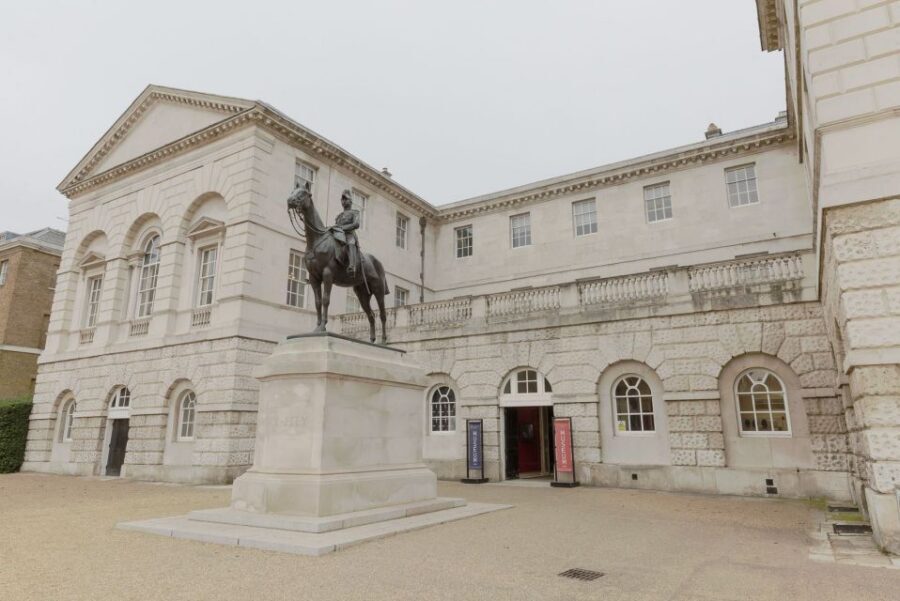
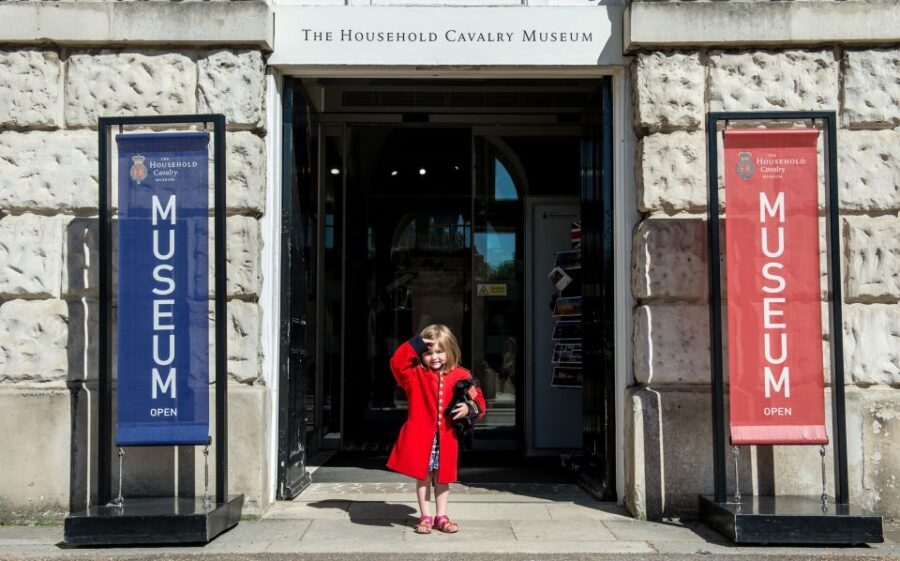
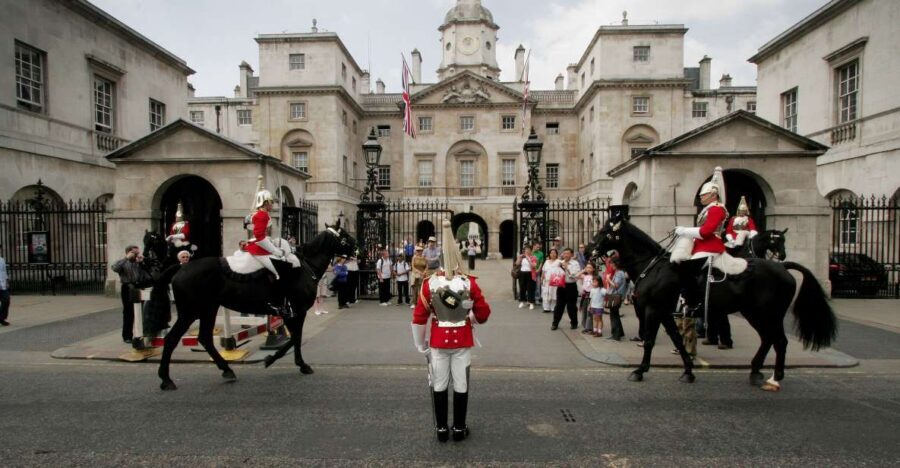
The Household Cavalry Museum is housed in the Horse Guards complex on Whitehall. That matters, because you’re not strolling through an off-site collection. You’re inside the place tied to daily military life, where tradition isn’t just remembered—it’s kept running.
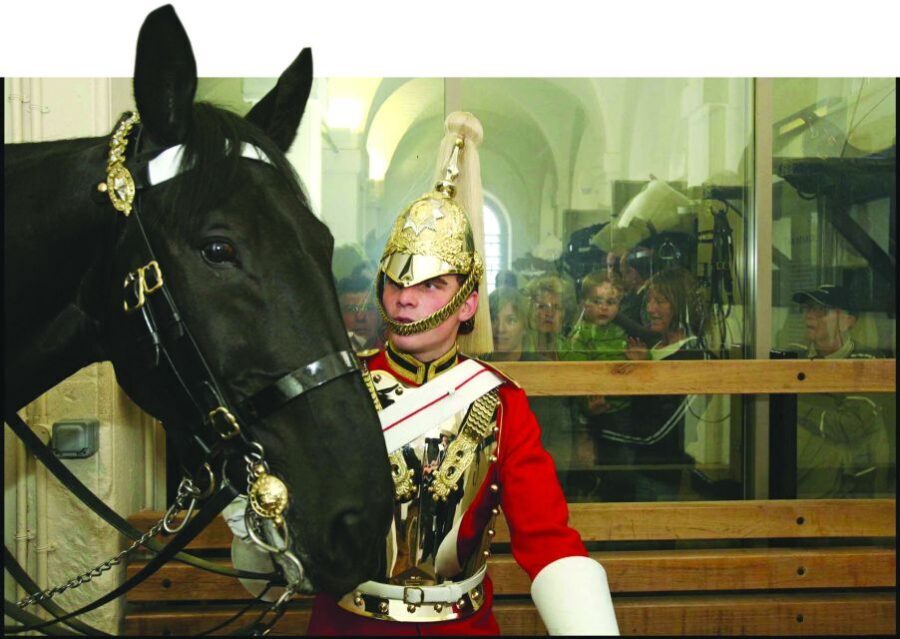
Your main visual payoff is the view into the original stables. You’ll get a look at the troopers and horses in use, framed by a large glazed partition. It’s a simple setup, but it changes everything: you’re watching the working rhythm of the cavalry instead of studying static displays.
The rest of the museum supports that “working” feel. The exhibits are designed to help you understand who the House Guards are and what the Household Division does. You’ll also spend time with rare objects, and some items are shown publicly for the first time—so even if you think you already know London military museums, this one can still surprise you.
A few more London tours and experiences worth a look


Entering the 1750 building: how the visit flows in real time
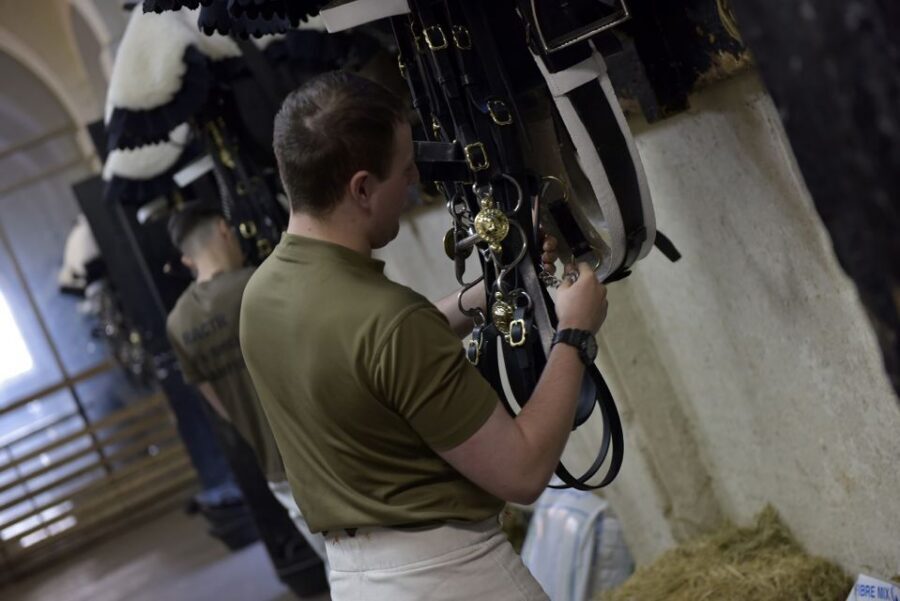
You should plan on at least 60 minutes. That’s not a recommendation pulled from thin air; the museum experience is paced so you can read, look closely, and still reach the stables view without rushing.
The layout is built around the idea that you start in the museum spaces and then relate what you see in exhibits to the living stables beyond the glass. In practice, this means you’ll want to slow down near the training and personal story sections, because that’s where the “why” clicks. After that, the stables view feels less like spectacle and more like context.
Because there’s no tour guide included, you’re in charge of your own pace. This can be good—if you like freedom, you can spend extra time where your interest is strongest, whether that’s artifacts, training stories, or the building itself. If you prefer someone to point you toward the highlights in a tight route, you’ll need to be slightly more self-directed.
The original stables behind glass: the working cavalry moment
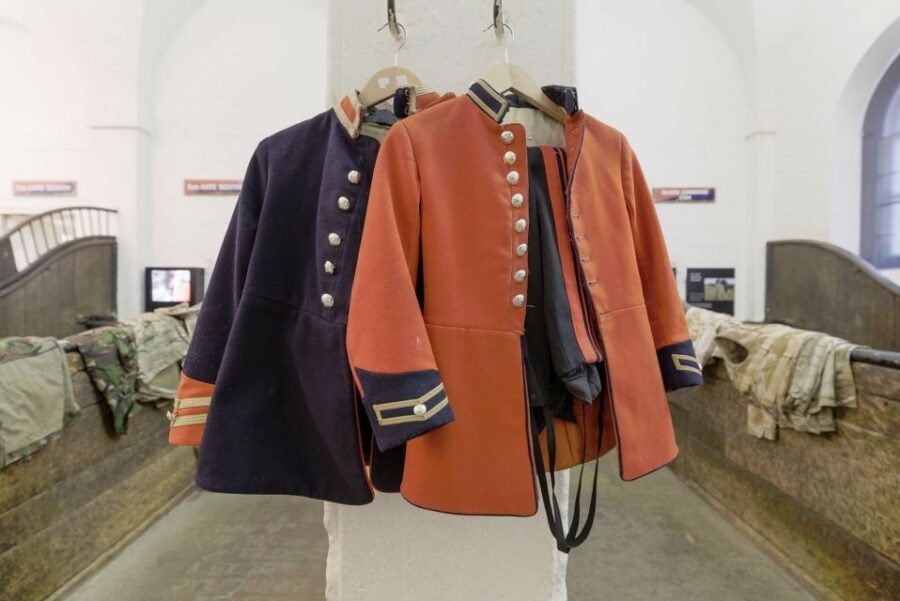
The stables are the star of the show. The museum gives you access to the working Household Cavalry and lets you “meet” the troopers and horses through the glazed partition into the 18th-century stables.
That barrier sounds like a limitation, but it actually helps you. It’s the kind of viewing setup that lets you watch calmly—without crowding the animals or interrupting work. You’ll be able to focus on details like the relationship between troopers and horses, and how the space is arranged for the job.
What I like about this kind of viewing is that it keeps your imagination grounded. Instead of wondering what these uniforms and ranks mean in practice, you’re seeing the environment those traditions come from. It’s also why this stop works well for kids: it gives you something visual to hang the story on.
The drawback is simple: if you’re hoping for a hands-on stable experience or closer-than-glass interaction, this isn’t that. You’re observing, not participating. Still, for many people, the best part of a “living museum” is the watchful, respectful distance—and this setup delivers that.
Trooper training stories and interactive displays you can follow
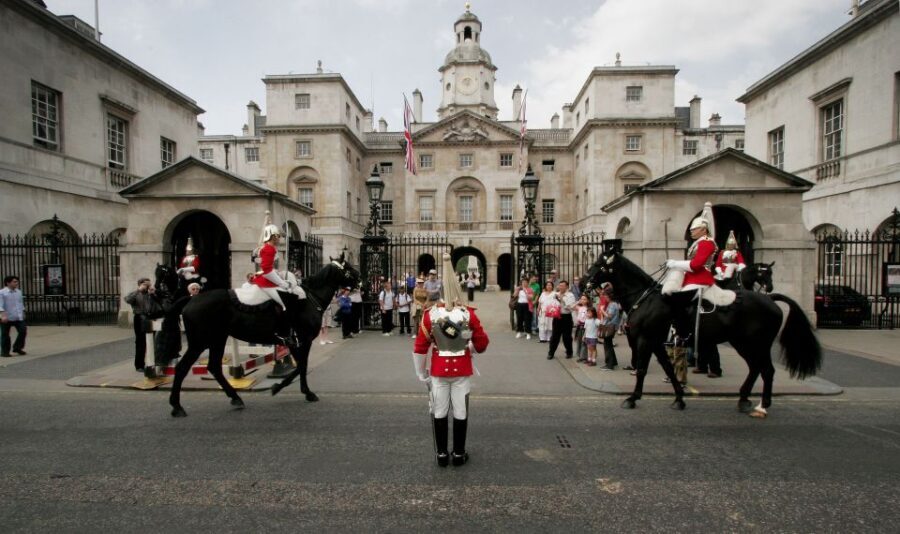
A big part of the value here is how the museum explains training through firsthand-style personal accounts. You’re not left to guess what makes cavalry work demanding. The exhibits talk about rigorous training and the kind of discipline required to do the job properly.
Even if you don’t know anything about British military structure, you can follow along because the exhibits focus on understandable human experiences: effort, repetition, and the reality of preparing for ceremonial duties. This is one of those museums where the story lands better the more you pay attention to the “how,” not just the “what.”
Interactive displays also help you connect the dots. You’ll see elements designed to pull you out of passive reading and into active learning—short prompts, display components that invite you to look closer, and ways to navigate the story without needing a guide on your shoulder.
One practical note: there’s no audio guide included. So if you normally rely on audio tracks for context, plan to spend more time reading the placards and exhibit text. The upside is that you can move at your own pace, especially if you like to linger where your eyes land first.
House Guards history in context: Life Guards and Blues and Royals
The museum is tied to the Household Division and the House Guards legacy. You’ll learn about the two senior regiments of the British Army: the Life Guards and the Blues and Royals. Even if you’re not a military-history expert, it helps to see how those regiments fit into the broader story of the Household Cavalry.
You’ll also connect the museum to the building’s role as a headquarters. This is an important detail because it shifts your perspective. You’re not touring a fully retired site. The museum is located within the headquarters area connected to the Household Cavalry’s ceremonial role, including serving as the Queen’s Life Guard for over 350 years.
That long time span can sound abstract, but the exhibits try to make it feel concrete. The personal stories and training explanations ground the history in real work. And the rare objects bring you face-to-face with artifacts that help explain why symbols and procedures matter to the people using them now.
If you like organization, this section is where you’ll feel your comprehension click: you’ll leave knowing what the House Guards are, what Household Cavalry means in practice, and how those regiments are recognized.
You can also read our reviews of more museum experiences in London




Price and logistics: when $14 is good value (and when it isn’t)
At around $14 per person, this ticket is priced like a focused museum stop rather than a half-day attraction. And that’s exactly how it works best: treat it as a solid, high-interest add-on while you’re already in central London.
If your interests include British military history, ceremonial traditions, or horse-and-uniform storytelling, the value is easy to justify. The stables view plus trooper training stories are a pairing you rarely get in one place. Many museums show you objects. This one also shows you the environment where those traditions live.
If you’re chasing a huge exhibit count or a multi-hour guided production, you might feel the “small museum” factor more strongly. One review experience described it as too small compared with the idea of a bigger stable-like museum. That lines up with the 60-minute planning guidance: you should go expecting a compact visit.
So here’s the practical framing: $14 feels fair if you want quality and specificity. It feels less impressive if you’re expecting a sprawling, all-day museum experience with multiple wings and extensive interpretation.
Best moments to prioritize during your 60-minute visit
To get the most out of your hour, I’d do it in this order of attention:
1) Start with the training and personal accounts
This sets your mindset. When you later look through the glass, you’ll understand what you’re seeing.
2) Go to the stables view second
Once you have context, the stables become more than a pretty peek. You can watch with meaning.
3) Then circle back for rare objects
The artifacts land better after you know what kind of work and discipline you’re supporting. Read the labels closely here, even if you’re skimming elsewhere.
If you’re traveling with kids, I’d flip the emphasis slightly: stables view first, then training stories. Kids usually latch onto the horses immediately, then their questions make the written explanations easier.
For general visitors who just want a good London story stop, the museum delivers. You’ll leave with the sense that House Guards aren’t old folklore; they’re organized people doing skilled work, in a building that has been doing its job for centuries.
Practical tips for visiting from Whitehall
This museum is easy to drop into a central London day because it’s in the Horse Guards area in Whitehall. You meet directly at the Household Cavalry Museum, so you’re not hunting for an off-site pickup.
Plan for at least 60 minutes. If you like reading and watching closely, give yourself closer to 75. This is one of those places where your enjoyment depends on your willingness to slow down.
Ticket features you’ll care about on the day: the museum is wheelchair accessible. Pets aren’t allowed, but assistance dogs are allowed. Also, it’s wise to expect the experience to be mostly self-guided—no tour guide is included—so bring a little curiosity and let the exhibits do the work.
Languages aren’t spelled out in the ticket details you provided, but one review mentioned the visit was in English and noted no audio guide. If English isn’t your strongest language, you might want to budget extra time for reading.
Who should book this ticket?
Book it if:
- you’re into British military history and want something more focused than a giant museum
- you want a living, working connection—horses and troopers in view, not just displays
- you’re traveling with kids who like animals, uniforms, and clear stories
Skip it (or adjust expectations) if:
- you want a long, multi-hour museum with a lot of variety
- you strongly prefer guided narration or audio tours
- you’re expecting a big stable complex with lots of separate experiences
This one fits best as a high-interest stop where you can get value from concentrated content rather than quantity.
Should you book the Household Cavalry Museum ticket?
Yes, if you want a compact but memorable slice of London’s military tradition. The best reason to go is the combination: a 1750-era headquarters setting, rare objects, and a live view into the original stables where the Household Cavalry works. It feels specific, not generic.
If you’re sensitive to small museums, go with the 60-minute plan in mind and aim for 1 focused visit window rather than a half-day wandering mission. I’d call it great value for what it delivers: a calm, clear look at training and ceremonial life, right where it’s meant to happen.
FAQ
How long should I plan for my visit?
Plan for at least 60 minutes. If you like reading and watching closely, give yourself a bit more time.
Where do I meet for the Household Cavalry Museum ticket?
Meet directly at the Household Cavalry Museum.
Is a tour guide included?
No. This experience includes the museum ticket, but not a tour guide.
Is there an audio guide?
No audio guide is included.
What can I see in the stables?
You can see the working Household Cavalry and the troopers with their horses through a large glazed partition into the original 18th-century stables.
How much does it cost?
The price is listed as about $14 per person.
Is it wheelchair accessible?
Yes, it’s wheelchair accessible.
Are pets allowed?
Pets aren’t allowed. Assistance dogs are allowed.
Is there a specific time slot for entry?
You should check the ticket for the valid day and any entry start-time window shown at booking. One recent booking described open-day access without a specific time slot.
Is it suitable for kids?
It can be a good fit for kids, especially if they’re interested in horses and British military history.