REVIEW · LONDON
London: Tour of the British Museum
Book on GetYourGuide →Operated by Paseando por Europa · Bookable on GetYourGuide
The British Museum can feel like 10 museums in one. This 2-hour walk gives you a guided path through major civilizations without getting lost in the galleries. You’ll hear the stories behind standout objects, plus a few myths that make the whole collection click in your head.
What I really like is how the tour balances big themes with concrete stops. You start at the museum entrance, then move through the Hall of Enlightenment before heading to Ancient Egypt, Assyria, and Greek material—so you’re not just sightseeing, you’re building a timeline. It also helps that the guides tend to have real energy; names like Puri, Miguel, Eduardo, Fernando, and Ferran pop up often in the experience history.
One thing to plan for: the museum is busy, and the meeting-point area can be a little tricky to spot at first. The guide uses a blue-green flag, but it’s not always easy to find quickly—so arrive early and give yourself time to clear the entry queue.
In This Review
- Key things you will notice fast
- Why a 2-Hour British Museum Tour Actually Works
- Finding your guide at Great Russell Street (and why early helps)
- Outside the museum: the building as your first lesson
- Hall of Enlightenment: where books become history
- Ancient Egypt funerary rites: what happens after life
- Assyria: power, control, and empire energy
- Parthenon pieces: Greek architecture you can feel
- Aztecs and a moai ending: global history in two steps
- Price and pace: what you are really paying for
- Who should book this tour
- Should you book this British Museum highlights tour?
- FAQ
- What is the duration of the London British Museum tour?
- What does the tour include?
- Is food or drinks included?
- Where do I meet the guide?
- What languages are the guides?
- Is the tour wheelchair accessible?
- How much does it cost?
Key things you will notice fast
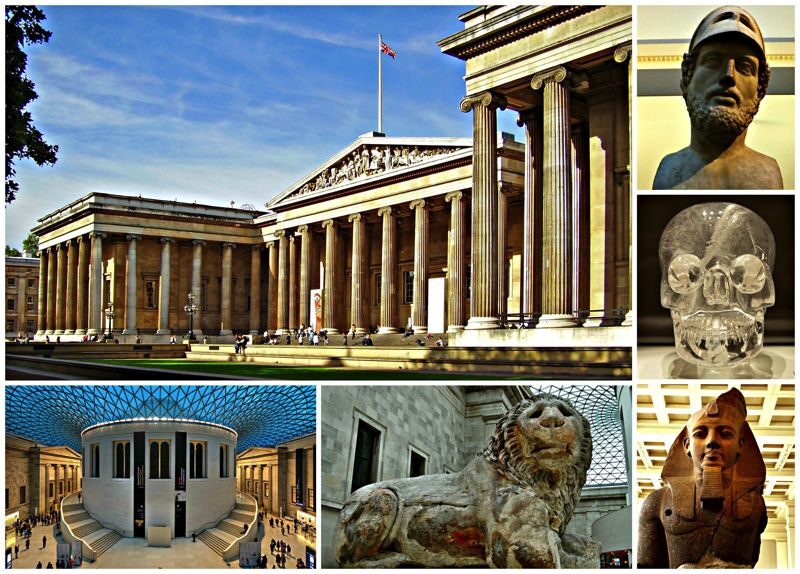
- A tight 2-hour route through the museum’s best-known storylines, so you don’t waste time wandering
- Hall of Enlightenment focus, including the presence of King George III’s book collection
- Ancient Egypt to Assyria pacing that explains religion, power, and culture, not just names and dates
- Parthenon fragments plus Greek context that makes the building feel less abstract
- Aztec + Easter Island contrast, ending with Hoa Hakananaiʻa (a moai), for a global-history finish
- Guides with humor and personal passion that keep the museum from feeling like a lecture
Why a 2-Hour British Museum Tour Actually Works
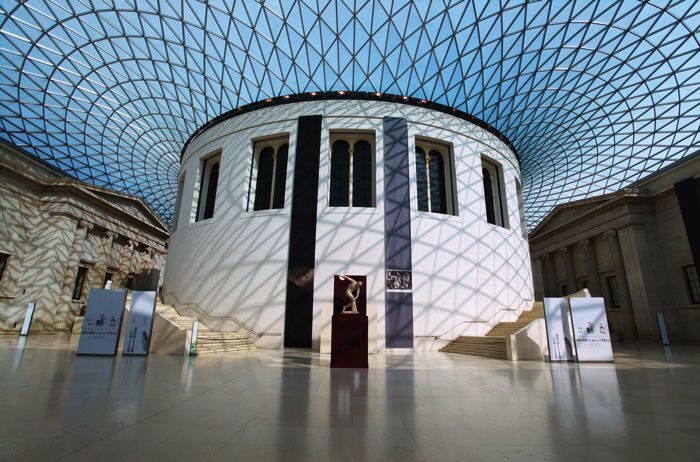
The British Museum is huge. If you go in cold, you can spend an hour just figuring out which wing is which. This tour fixes that by choosing a route that tracks human history across multiple cultures—starting with very early roots, then jumping through major civilizations you can recognize from schoolbooks.
The value is also in the structure. For about $14 per person and a 2-hour time block, you’re paying for interpretation, not just access. That matters here because the museum’s scale is the real obstacle. A guide helps you notice what you’d otherwise walk past, and you leave with context you can use the moment you turn around and explore more on your own.
Also, this tour is sold as a walking highlights experience, not a full-museum marathon. That is smart. Even the best organized self-tour can’t compete with a prepared route when you’re short on time.
You can also read our reviews of more museum experiences in London


Finding your guide at Great Russell Street (and why early helps)
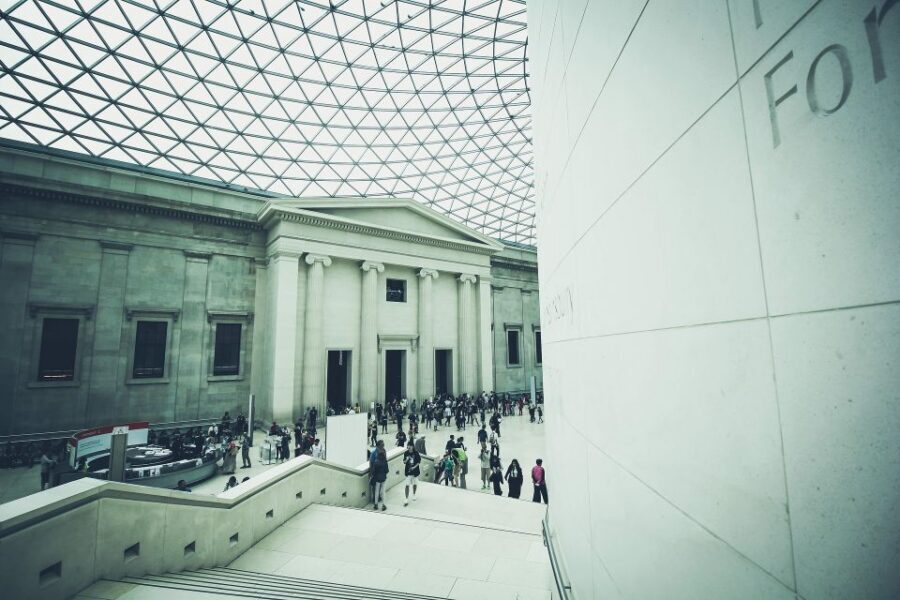
Your meeting point is specific: the stairs to the main entrance on Great Russell Street, in front of Starbucks, right after the security checkpoint. You’ll need to show a printed confirmation email or a mobile voucher.
Here’s the practical part: plan to arrive early enough to deal with entrance queues. The museum entry can be fast once it starts moving, but the waiting line can still mess with timing. I’d rather you show up with time to spare than sprint to the top of the stairs while everyone else is settled.
Look for a guide holding a blue-green flag with the Paseando por Europa logo. One helpful tip: if the flag feels hard to spot, don’t guess—ask staff nearby or re-check the entrance stairs carefully. A lot of frustration in museums comes from miscommunication at the start.
Outside the museum: the building as your first lesson
You don’t start deep inside. You begin outside at the entrance, where the guide points out the building’s resemblance to architecture from Classical Greece. That matters more than it sounds.
When you walk into the British Museum expecting only objects, you might miss the idea that the museum itself is part of the storytelling. The architecture sets a tone: Greek forms, European admiration for antiquity, and a reminder that museums are built with meaning, not just storage.
Even in a quick route, this opening is useful. It’s a fast way to get your bearings, and it makes the later stop at Greek material feel more connected.
Hall of Enlightenment: where books become history
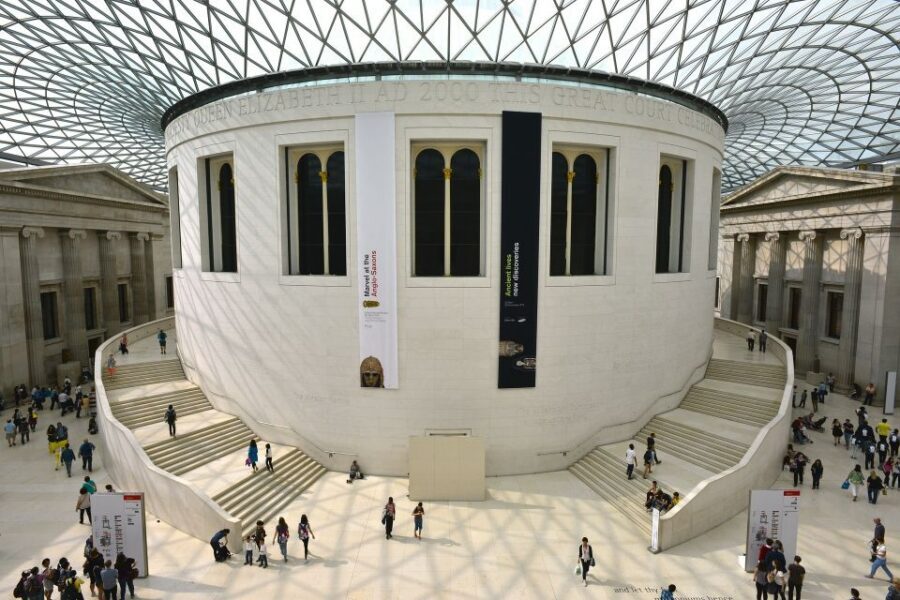
Next you head to the Hall of Enlightenment, the oldest hall in the museum. The big detail here is the collection of more than 60,000 books by King George III.
This is a great stop because it changes what you expect from a museum. You come in thinking: artifacts, statues, tablets. Then the guide steers your attention to books—how knowledge itself is a kind of cultural artifact. It also gives you a break from the nonstop object-viewing pace. In two hours, those small resets matter.
If you like museums that explain how collections work, this is the moment. The guide connects the idea of collecting, learning, and authority to the history you’ll see in the galleries. It’s not just a background scene.
Ancient Egypt funerary rites: what happens after life
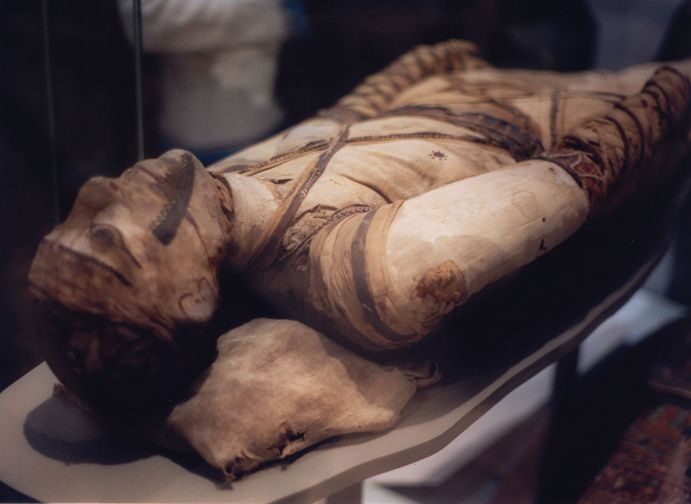
From the Hall of Enlightenment, you move into Ancient Egypt. The tour focuses on Egyptian funerary rites—how people understood death, the afterlife, and the rituals meant to carry a person forward.
Egypt is one of those museum topics where visitors often know a few famous names, but not the logic behind the practices. A good guide makes the difference between seeing objects and understanding what they meant.
In this stop, you’ll learn details that tie the items to beliefs and daily meaning. That’s the payoff: you’ll be able to stand in front of Egyptian pieces later and think, I know why this matters, not just I recognize this style.





Assyria: power, control, and empire energy
Then the route shifts toward the Assyrian civilization. Assyria has a reputation for strength and conquest, but the museum’s objects let you experience that through the lens of empire—how rulers communicated power through art and reliefs.
In a short tour, the guide’s job is to connect Assyria’s visual language to the culture behind it. When it works, the sculptures stop looking like decoration and start feeling like propaganda, history-making, and a message sent across centuries.
This part of the tour also helps with pacing. It gives you a different mood from Egypt: less ritual focus, more political storytelling.
Parthenon pieces: Greek architecture you can feel
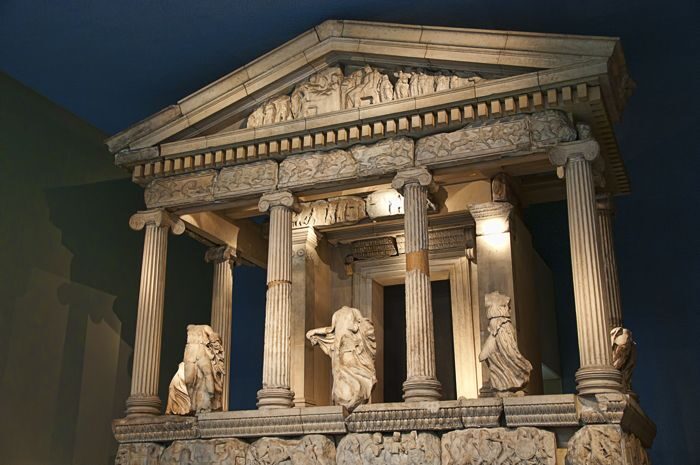
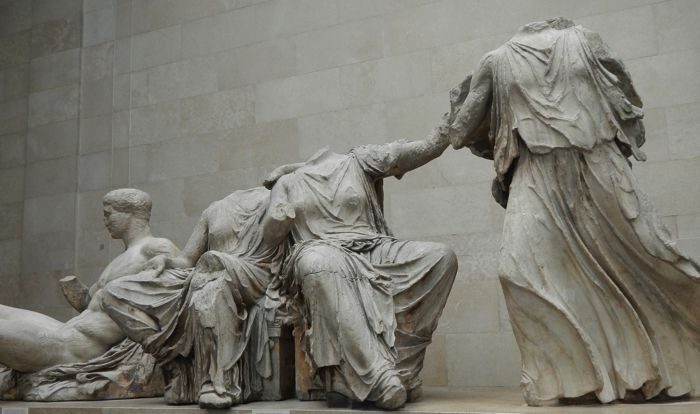
Next comes a Greek highlight: an important part of the structure of the Parthenon of Athens.
Greek art can feel distant if you only see it in books. Standing near fragments and hearing what they represent helps you understand why people keep returning to the Parthenon when they talk about Western art and architecture. The guide’s focus makes the pieces easier to “read” visually, even in a quick walk.
One underrated benefit: this is where you start noticing how the tour is building a theme. Egyptian funerary rites. Assyrian power. Then Greek architectural legacy. You’re not just collecting random facts—you’re seeing how cultures leave different kinds of footprints.
Aztecs and a moai ending: global history in two steps
To finish, the tour moves into Aztec pieces and then to Hoa Hakananaiʻa, a moai from Easter Island that stands more than two meters high.
This end sequence is smart because it changes your brain’s expectations. Many first-timers expect a museum route to stay mostly within the Mediterranean world. Instead, you get a broader sweep. It helps you understand that “human history” isn’t one region’s story—it’s many regions meeting, influencing, and diverging.
The moai stop is especially memorable because it’s big and physically imposing. In a two-hour highlights tour, you need a final stop that lands emotionally, not just informationally. Hoa Hakananaiʻa does that. It also reinforces how objects carry identity even when you know nothing about the culture yet.
If you’re thinking about the museum after the tour, this ending gives you a strong anchor. You’ll leave with at least one object that sticks in your mind even if your head is full of dates and names.
Price and pace: what you are really paying for
At $14 per person for 2 hours, you’re getting a guided walking route plus interpretation. What you’re not getting is food, drinks, or a full museum sweep. That trade-off is the point.
The British Museum entry area is free, but free entry doesn’t equal free understanding. The tour price is basically paying for someone to:
- choose the handful of stops that connect
- tell you what to notice
- keep time so you can still explore afterward if you want
The pace is usually described as the right amount of information for a short visit, and guides often leave room for questions. That flexibility is a big part of the value. If you’re the type who gets stuck reading labels for 30 minutes, a guide can keep you moving while still giving you time to appreciate.
Who should book this tour
This is a good fit if:
- you want a structured start in a museum that’s too big to improvise
- you enjoy history when it’s explained in clear stories, not just lists
- you have limited time but still want multiple civilizations covered
- you like routes that end with memorable objects rather than drifting quietly through galleries
It’s less ideal if you’re hoping for a deep scholarly lecture on one culture only, or if you plan to use the tour as a substitute for extensive independent viewing. This tour is a highlights path, not a full encyclopedia.
Should you book this British Museum highlights tour?
If you have 2 hours and you want to see the British Museum without getting overwhelmed, I’d book it. The route is designed to give you key civilizations in a logical flow, and the guides bring energy that makes objects easier to understand on the spot.
If your main goal is to linger for long stretches in every gallery, you might prefer a slower self-guided plan. But even then, this can be a smart first step. Think of it as the way to get your bearings fast, so your later wandering makes sense.
FAQ
What is the duration of the London British Museum tour?
The tour lasts 2 hours.
What does the tour include?
It includes a guide and a walking tour.
Is food or drinks included?
No. Food and drinks are not included.
Where do I meet the guide?
Meet at the stairs to the main entrance of the British Museum on Great Russell Street, in front of Starbucks, after passing the security checkpoint.
What languages are the guides?
The live tour guide offers Spanish and English.
Is the tour wheelchair accessible?
Yes, the tour is wheelchair accessible.
How much does it cost?
The price is $14 per person.